L'Amico

L'Amico on Sixth Avenue earned a White Star recognition from Star Wine List in November 2022, placing it among New York City's more seriously curated wine programs. Positioned in Midtown South, it operates within a tier of restaurants where the wine list functions as an editorial statement rather than an afterthought. For visitors prioritising bottle depth alongside the food, it belongs in the conversation.
Pearl is the En Primeur Club membership app — saves, bookings, and concierge access live there. Same editors, same standards.
- Address
- 849 6th Ave, New York, NY 10001
- Phone
- (332) 301-2958
- Website
- lamico.nyc
- Directions
- Get directions
 Saves & bookings on Pearl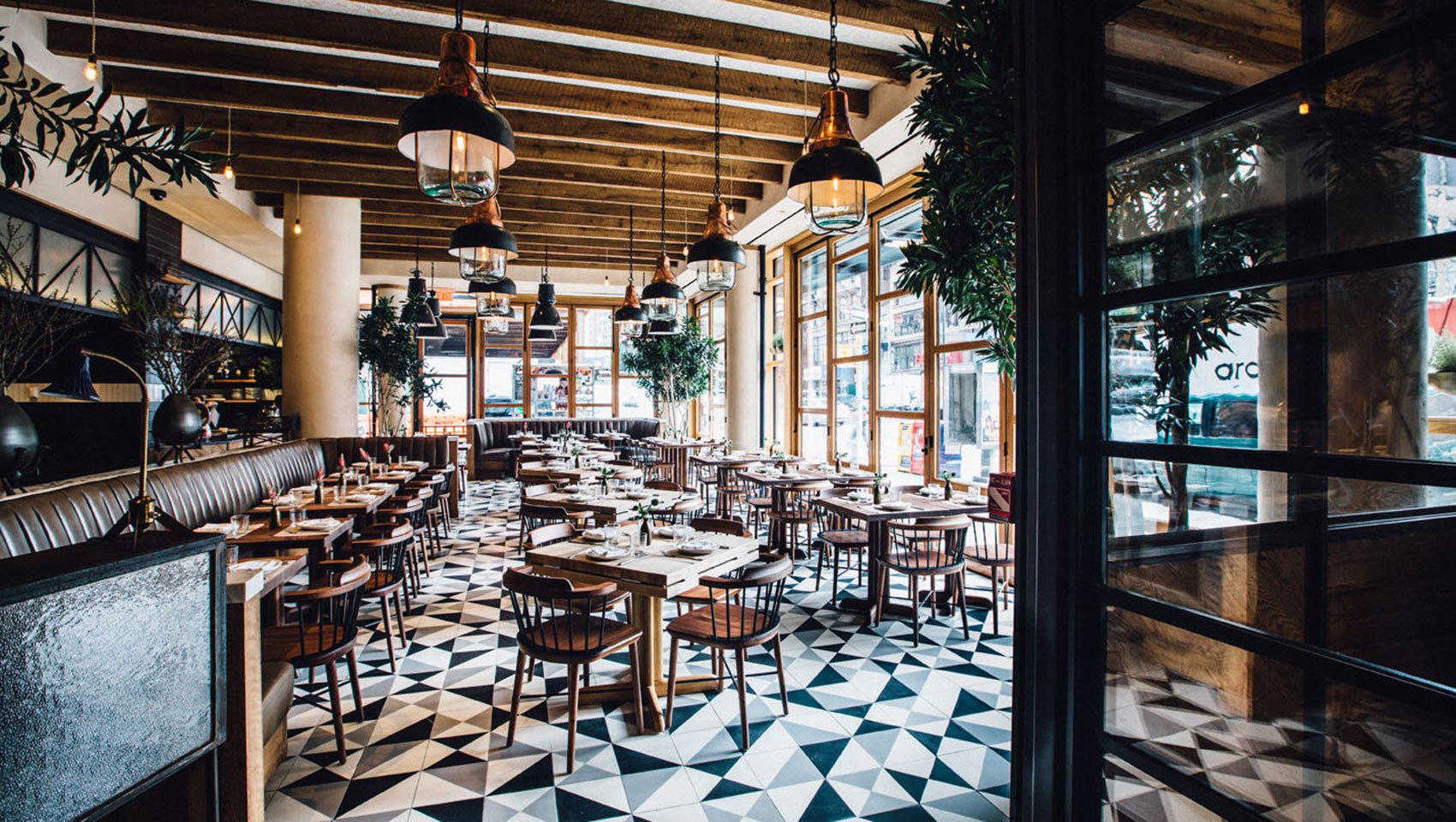
Midtown South and the Question of Wine Seriousness
Sixth Avenue at the edge of Midtown South occupies a particular position in New York's dining geography. It sits close enough to Chelsea and the Flatiron district to draw a design-industry crowd, yet far enough from the concentrated fine-dining corridors of the Upper East Side and Tribeca to operate with a degree of independence from the city's most visible restaurant hierarchies. The address at 849 Sixth Avenue places L'Amico in this interstitial zone, where the neighbourhood's character is defined less by a single culinary identity and more by a pragmatic cosmopolitanism: offices, hotels, and a resident population that wants serious food without the formality that attaches to Per Se or Le Bernardin.
Within that context, L'Amico's most legible public credential is its White Star designation from Star Wine List. That recognition is awarded to venues with wine programs judged to meet a threshold of curation, list depth, and presentation quality. It is not a food award, which tells you something about where the restaurant's identity is anchored. In a city where wine lists at the leading end can run to tens of thousands of bottles, as at Masa, the White Star functions as a signal within a specific register: this is not a restaurant where wine is an afterthought bolted onto the food program. The two are meant to speak to each other.
Where Local Produce Meets European Technique
The editorial angle that makes L'Amico interesting within New York's wider restaurant field is the intersection of its Italian-American wood-fired cooking with American, and specifically regional, ingredients. This is a dynamic that has defined much of the city's most credible cooking for several decades, and it remains the territory where New York kitchens tend to do their most convincing work. The approach is distinct from the strictly classical French model represented by Le Bernardin, and equally distinct from the Japanese precision at Masa. It occupies a middle register where the technique is imported but the ingredients are sourced with the specificity that the Northeast American larder, with its distinct seasonal rhythms, makes possible.
This mode of cooking has strong precedent across American cities. Lazy Bear in San Francisco applies high-technique formats to California's agricultural output. Single Thread Farm in Healdsburg takes the Japanese kaiseki structure and runs it through Sonoma County produce. Providence in Los Angeles applies classical French and contemporary technique to Pacific seafood. In each case, the interest lies not in the technique or the ingredient in isolation but in how they negotiate each other. The restaurant's Italian-leaning framing adds a further dimension: Italian cooking has always had a strong claim to ingredient primacy, and applying that ethic to New York-area sourcing produces a different result than the French classical model would.
For comparison, consider how Alinea in Chicago or The French Laundry in Napa operate: both are anchored by a clear technical philosophy that shapes how ingredients are handled rather than letting the ingredient dictate the form. The Italian-inflected approach at a restaurant like L'Amico tends to invert that priority. The product is the argument; the technique is in service of it.
The Wine Program as Editorial Statement
Star Wine List's White Star designation is the primary verifiable trust signal on record for the restaurant, and it rewards careful reading. The recognition situates the restaurant within a comparable set that includes some of New York's most serious wine-focused dining rooms, places where the sommelier program functions as a genuine curatorial exercise rather than a revenue mechanism. At the summit tier of the New York market, venues like Saga and César have built identities in which the beverage program carries as much weight as the kitchen. The restaurant's designation places it in conversation with that approach.
The Italian register of the restaurant has specific implications for the wine list. Italian viticulture spans an extraordinary range of climates, grape varieties, and production philosophies, from the Barolo and Barbaresco of Piedmont to the volcanic wines of Etna, from lean Vermentino to oxidative Trebbiano. A serious Italian-focused list is genuinely complex to build and to maintain, requiring sourcing relationships with small importers and a willingness to carry bottles that demand explanation. That level of list-building commitment aligns with what Star Wine List's White Star is designed to recognise. For comparison, the wine program at 8½ Otto e Mezzo Bombana in Hong Kong has long been cited as an example of Italian-focused curation operating at a global level. Closer to home, Alain Ducasse's Louis XV in Monte Carlo demonstrates how a kitchen identity and a cellar program can reinforce each other across decades. The restaurant operates at a different scale, but the underlying logic is the same.
Planning Your Visit
The restaurant is located at 849 Sixth Avenue in Midtown South, Manhattan. The restaurant recommends reservations and offers smart-casual dining in a price tier around $50 per person. The restaurant's White Star wine recognition suggests a dining experience where advance thought about the bottle is worthwhile: venues at this level of curation typically support, and in some cases expect, a conversation with the floor team about pairings. Given the Italian orientation of the program, that conversation is likely to move through regional Italian options rather than defaulting to a predictable international selection. For reference points elsewhere in the United States, Emeril's in New Orleans provides a useful case study in how a regional kitchen identity sustains itself over time within the American fine-dining market.
A Quick Peer Check
Comparable venues nearby, for context on price, style, and recognition.
| Venue | Cuisine | Price | Notes |
|---|---|---|---|
| L'AmicoThis venue — the venue you are viewing | Italian-American Wood-Fired | $$$ | Not listed |
| Bar Rocco | Italian American Brasserie | $$$ | Midtown-Times Square |
| Hearth | Tuscan-American Farm-to-Table | $$$ | East Village |
| Serafina - 777 Third Ave | Classic Italian Trattoria | $$$ | East Midtown-Turtle Bay |
| Serafina Osteria | Authentic Italian Trattoria | $$$ | Upper East Side-Carnegie Hill |
| Buona Notte | Traditional Italian Trattoria | $$$ | SoHo-Little Italy-Hudson Square |
Recognition history
Dated appearances from independent guides and award organizations, with the underlying list record or original source where available.
Star Wine List
Star Wine List
Continue exploring
More in New York City
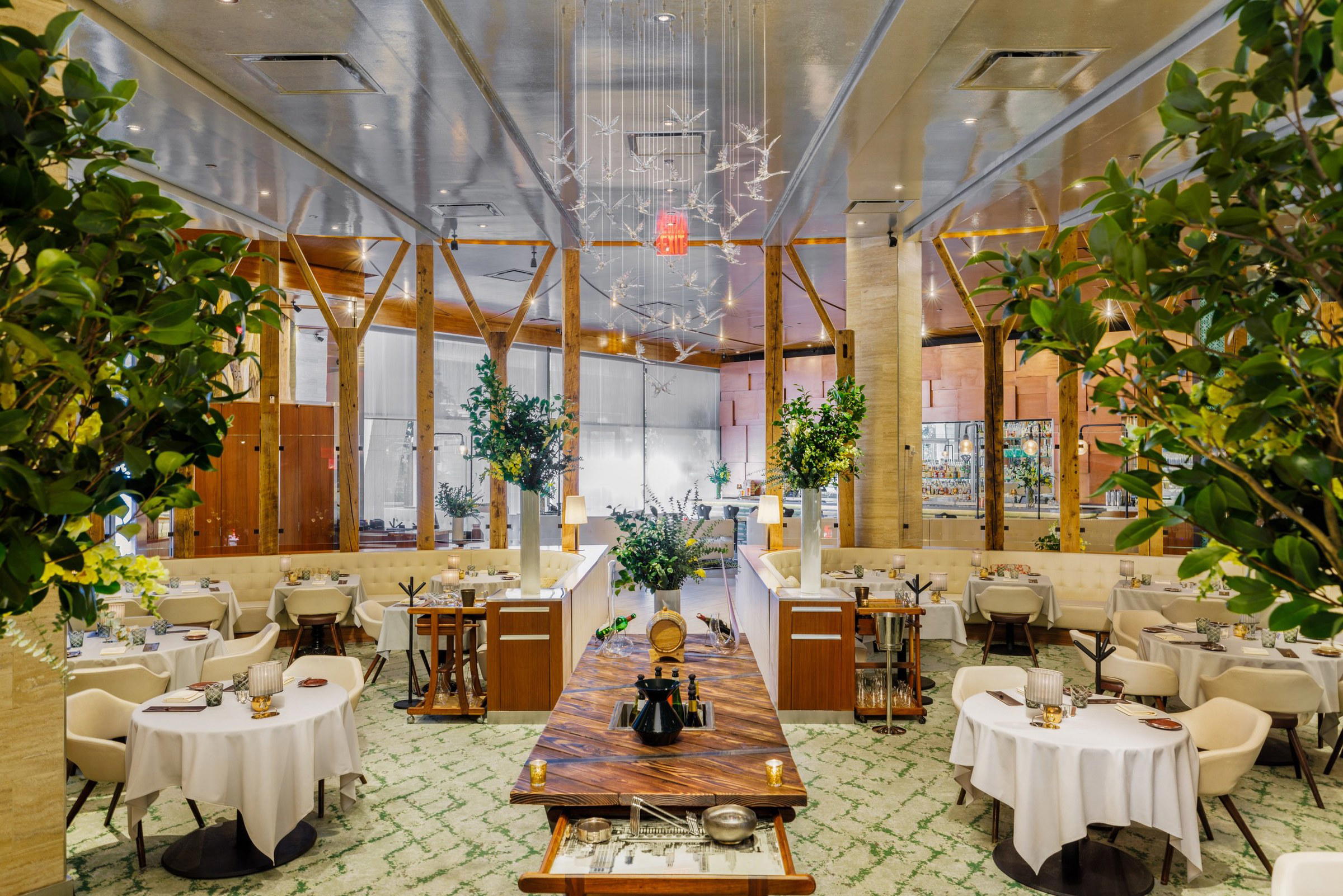
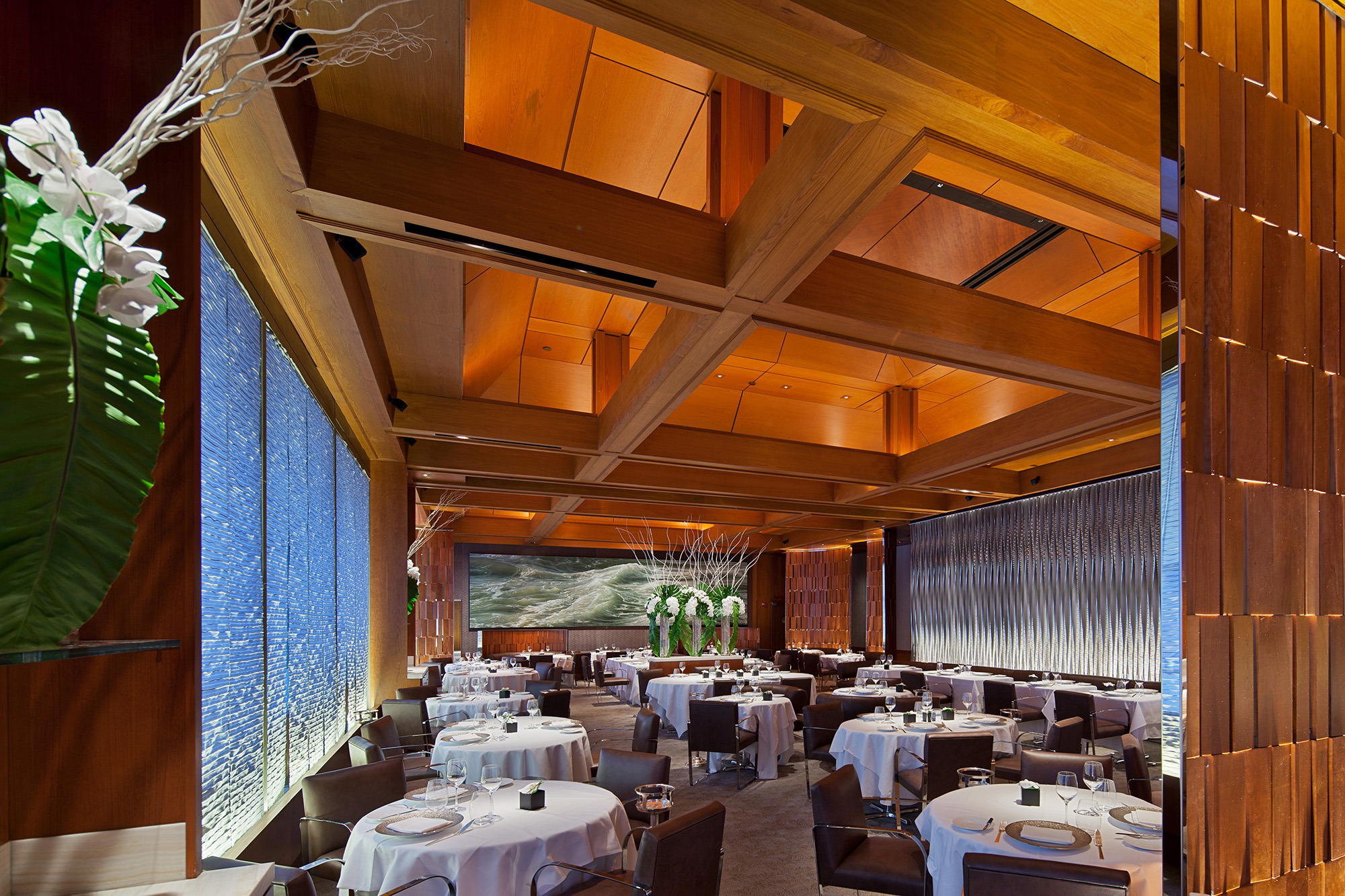
Restaurants in New York City
Browse all →
Bars in New York City
Browse all →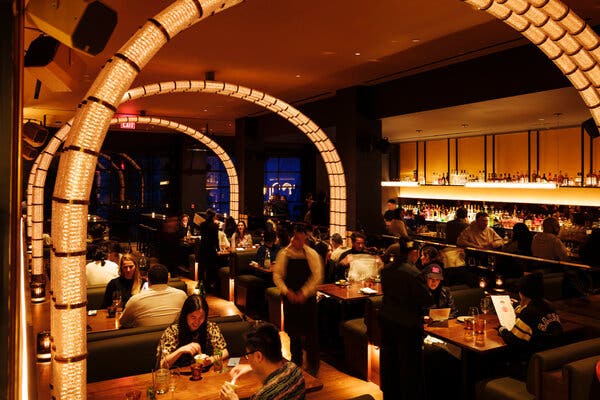
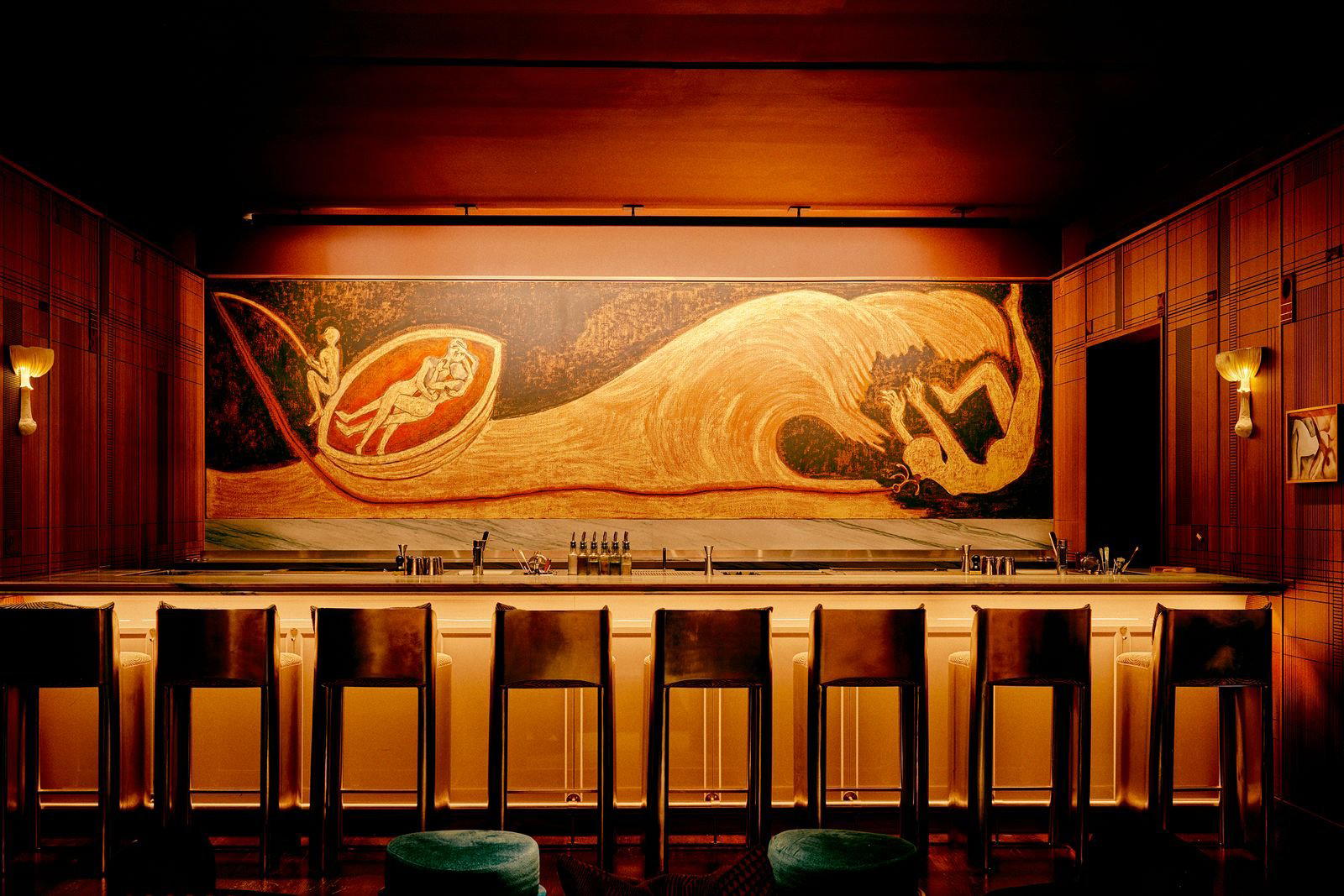
Hotels in New York City
Browse all →




At a Glance
- Lively
- Classic
- Elegant
- Business Dinner
- Group Dining
- Brunch
- Open Kitchen
- Craft Cocktails
- Street Scene
Current opening hours
- Monday
- 7–10 AM, 11:30 AM–2:30 PM, 5–10 PM
- Tuesday
- 7–10 AM, 11:30 AM–2:30 PM, 5–10 PM
- Wednesday
- 7–10 AM, 11:30 AM–2:30 PM, 5–10 PM
- Thursday
- 7–10 AM, 11:30 AM–2:30 PM, 5–10 PM
- Friday
- 7–10 AM, 11:30 AM–2:30 PM, 5–10 PM
- Saturday
- 7–10 AM, 11:30 AM–3 PM, 5–10 PM
- Sunday
- 7–10 AM, 11:30 AM–3 PM, 5–10 PM
Hours can change for holidays and private events. Last verified .
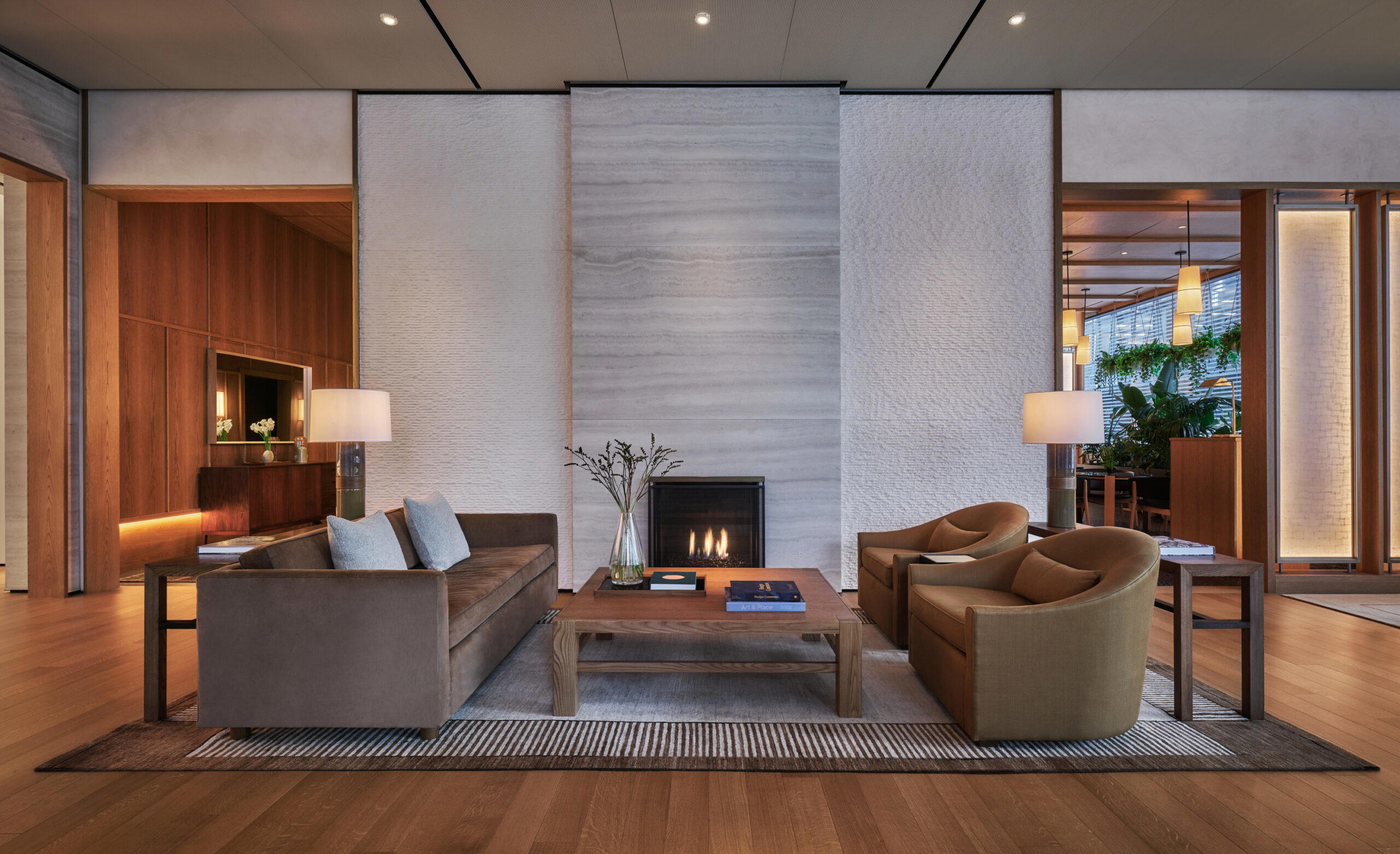
Sophisticated with visible open kitchen, visually appealing but cramped during peak dinner hours.