
Michelin Plate
Our verdict
A Michelin Plate restaurant in the small Po Valley town of Quistello, L'Ambasciata is one of northern Italy's most theatrically decorated dining rooms, where Mantuan culinary tradition runs from Renaissance-era recipes to a tableside zabaglione poured from copper. The cuisine is rooted in local agricultural heritage, with a menu that balances historical recipes and contemporary tasting formats at the €€€ price tier.

Pearl is the En Primeur Club membership app, where members save venues, book tables and use the concierge.
The menu
What to order
- Pumpkin_tortelli
- Cappelletti_in_broth
- Guancialino
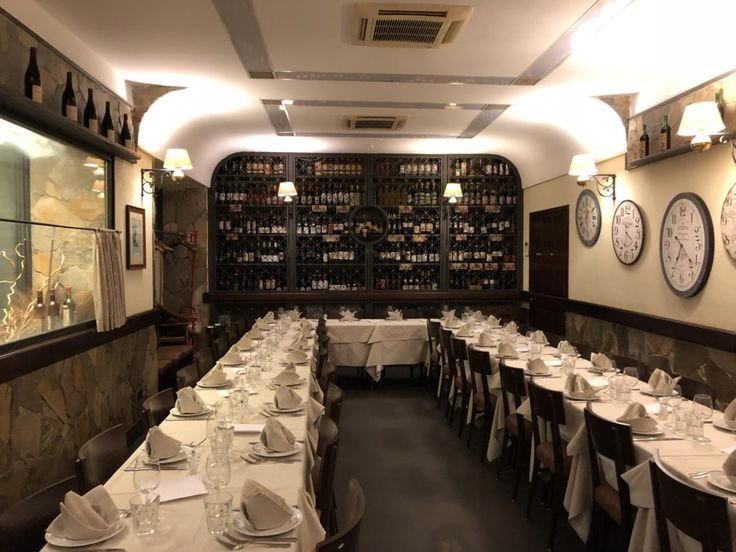
A Dining Room That Earns Its Decoration
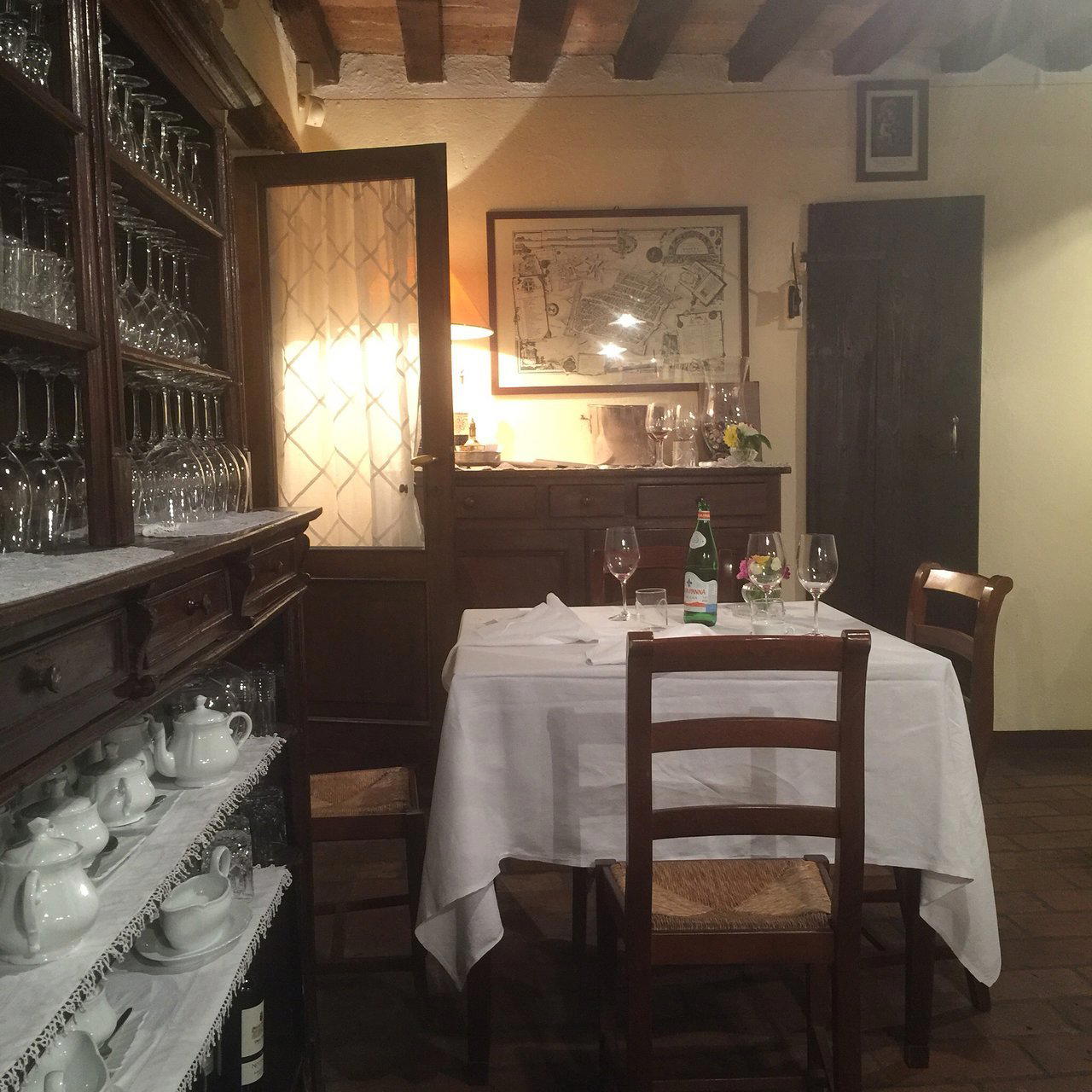
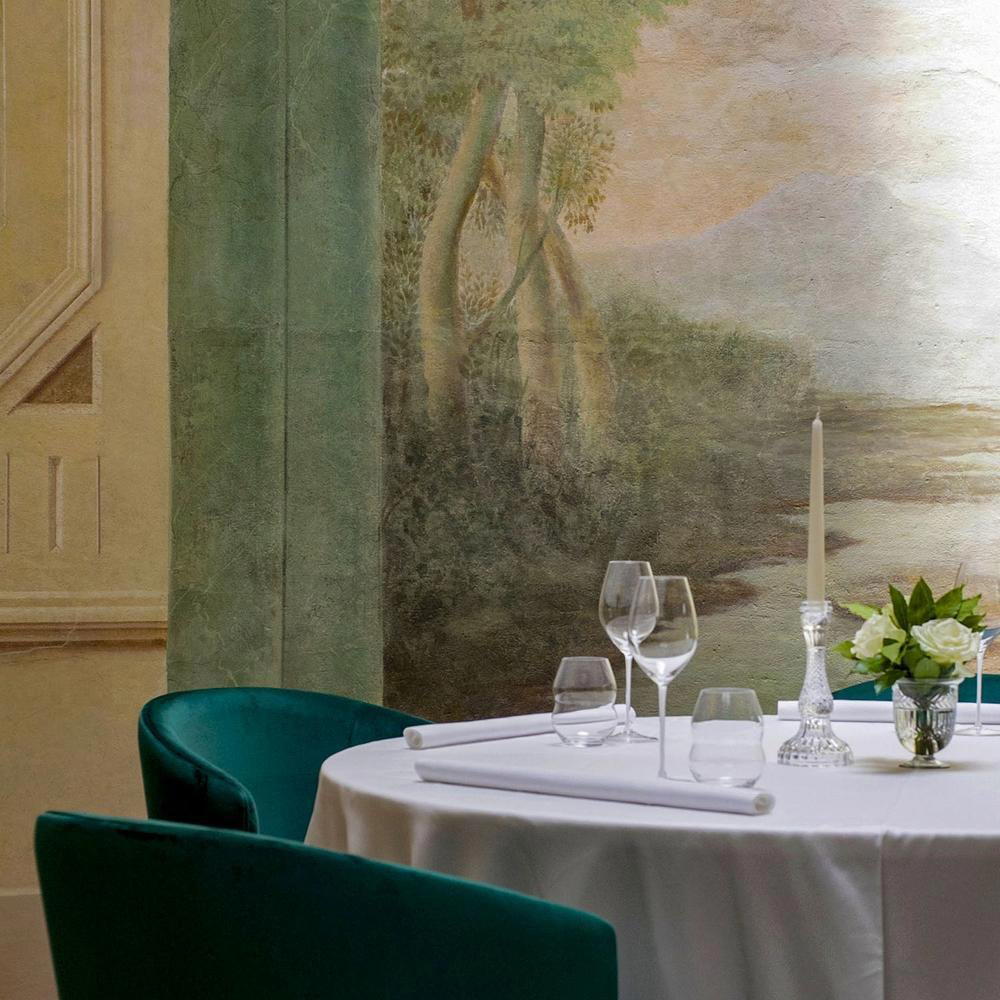
There are elaborately decorated restaurants across Italy, and then there is L'Ambasciata. The interior in Quistello, a small town in the province of Mantua in Lombardy's Po Valley, is in a category that few Italian restaurants occupy: mirrors, Persian rugs, silverware, chandeliers, and floor-to-ceiling bookshelves arranged with the density of a private palazzo. During the Christmas season, this already dense environment acquires what is reportedly the largest and most ornate Christmas tree found in any Italian restaurant, a detail that has become part of the establishment's documented identity over decades of operation. The décor is not incidental. It signals an approach to hospitality rooted in ceremony, in a region where ceremony around the table has centuries of precedent.
Mantua's Culinary Geography and Why Quistello Matters
To understand L'Ambasciata's position, it helps to understand what Mantua's food culture represents within northern Italy's broader dining map. The Mantuan tradition draws on the territory's location at the agricultural heart of the Po Plain: river fish, aged cheeses, cured meats, cucurbita squash, and a pasta tradition that runs directly back to the Renaissance courts of the Gonzaga dynasty. Dishes such as tortelli di zucca, the pumpkin-filled pasta with mustard fruit and amaretti, have been documented in Mantuan cookbooks since the sixteenth century. This is not a cuisine that borrowed its identity from Florence or Milan; it developed in isolation and relative self-sufficiency, shaped by the river and the flatlands around it.
Quistello sits roughly thirty kilometres southeast of Mantua city, in a stretch of the Mincio and Po confluence area where agricultural production still dominates the landscape. The concentration of serious restaurants in this part of the Mantuan province is notable: nearby Dal Pescatore in Runate holds three Michelin stars and has anchored the region's culinary reputation internationally for decades. L'Ambasciata operates at the Michelin Plate level across both 2024 and 2025 editions, holding recognition without the starred designation, and sits in a regional peer group that includes Corte Matilde, Mantuan in Pieve di Coriano and Hostaria Viola, Mantuan in Castiglione delle Stiviere, all working within the same culinary grammar.
Where the Food Comes From
The menu at L'Ambasciata is grounded in ingredient sourcing specific to the Mantuan agricultural belt. The Po Valley's clay soils and temperate river climate produce a distinct range of raw materials: the cucurbita squash varieties used in traditional pasta fillings, freshwater fish from the Mincio and Po, the aged Grana Padano and local salumi that define the antipasto register of the region. Owner-chef Matteo Ugolotti works within this framework, with a menu that references the restaurant's own culinary history alongside the broader Mantuan tradition, occasionally reaching back to Renaissance-era preparation methods. This is not the kind of historical fetishism that produces self-conscious museum food; the documented approach acknowledges the historical record while placing it alongside more contemporary recipes and tasting menu formats.
The sourcing logic here differs from the farm-to-table declarations common across northern Italian fine dining. In the Mantuan context, the link between territory and plate is structural rather than aspirational: the region's culinary identity was built on what the land and rivers produced, and contemporary kitchens working in the tradition are continuing a supply chain that predates modern gastronomy by several centuries. The contrast with starred restaurants operating at the €€€€ tier, such as Le Calandre in Rubano or Osteria Francescana in Modena, is instructive: those kitchens tend to transform regional ingredients through technical elaboration, while the Mantuan tradition at places like L'Ambasciata values legibility of source material as much as transformation of it.
The Chocolate Salami and the Copper Pan Moment
Among the specific dishes that have defined L'Ambasciata's documented reputation, the chocolate salami dessert warrants particular attention, not because desserts should dominate a feature on a Mantuan restaurant, but because the service ritual around it encapsulates the establishment's broader philosophy. The dish arrives as a chocolate preparation coated at the table with a warm zabaglione, poured from a copper pan by the service team. Zabaglione has deep roots in northern Italian confectionery, with Piedmontese and Lombard versions documented over centuries. The tableside preparation returns this dessert to its origins as a performance of hospitality, a gesture that fits the room's decorative register and signals that the experience being sold here is not purely about the plate. At the €€€ price tier, this kind of ceremony represents a meaningful part of the value proposition.
Placing L'Ambasciata in the National Conversation
Italy's restaurant culture at this price and recognition level spans a range of approaches. At one end sit the hyper-technical creative kitchens: Enrico Bartolini in Milan, Piazza Duomo in Alba, Reale in Castel di Sangro, or Atelier Moessmer Norbert Niederkofler in Brunico, each operating at €€€€ with three Michelin stars and a forward-looking technical agenda. At the other end sit the deeply territorial restaurants that treat tradition as an active practice rather than a reference point. L'Ambasciata belongs to the latter camp, alongside Casa Perbellini 12 Apostoli in Verona, Uliassi in Senigallia, and Quattro Passi in Marina del Cantone, restaurants where the culinary argument is inseparable from a specific place and its agricultural history.
Quistello does not generate passing trade. Visitors to L'Ambasciata arrive with intention.
Planning a Visit
L'Ambasciata is located at Piazzetta Ambasciatori del Gusto, 1, in Quistello, in the province of Mantua. The town is accessible by car from Mantua city in under forty minutes, and from Verona in approximately one hour. Given the restaurant's documented reputation and the absence of significant casual dining competition in the immediate area, reservations in advance are advisable, particularly for weekend services and the Christmas period when the room reaches its most theatrically elaborated state. The price range at €€€ positions L'Ambasciata below the starred northern Italian tier, making it an accessible entry point into serious Mantuan cuisine without the booking pressure or price escalation of the region's three-star counterpart. For accommodation options nearby, our full Quistello hotels guide covers the area's available properties. Diners looking to extend their time in the region can also consult our full Quistello restaurants guide, bars guide, wineries guide, and experiences guide.
Frequently asked questions
Is L'Ambasciata child-friendly?
L'Ambasciata is oriented toward adults seeking a long, ceremonial meal. The ornate interior, chandeliers, silverware, mirrors, and formal table service including tableside preparations, sets a pace and atmosphere that suits extended dining rather than casual family meals. Younger children are unlikely to fit the rhythm of this room.
What's the overall feel of L'Ambasciata?
The dining room is one of the most elaborately dressed in Italian regional cooking: rugs, silverware, chandeliers, bookshelves, and at Christmas an outsized decorative tree that has drawn specific documented attention. The cuisine ties that setting to Mantuan tradition, occasionally referencing recipes as far back as the Renaissance, giving the room and the menu an unusual internal consistency.
Has L'Ambasciata won any awards?
L'Ambasciata has received recognition including: This has long been one of those restaurants in Italy where the opulent interior decor has no equal – at Christmas, the mirrors, rugs, silverware, chandeliers and piles of books are joined by the largest and most ornate Christmas tree that y….
What should I order at L'Ambasciata?
The chocolate salami with tableside zabaglione is the dish most consistently cited in the restaurant's documented profile. Warm zabaglione is poured from a copper pan at the table, a preparation format that makes it a performance as much as a dessert. Beyond that, the menu follows Mantuan culinary tradition with tasting menu options alongside more modern recipes.
Fast Comparison
| Venue | Cuisine | Price | Awards | Notes |
|---|---|---|---|---|
| L'AmbasciataThis venue (the venue you are viewing) | Traditional Italian Fine Dining | Not listed | Michelin Plate | Not listed |
| Atelier Moessmer Norbert Niederkofler | Modern Alpine Fine Dining | $300–500 | 3 Michelin Stars · World's 50 Best #20 | Italian, Creative |
| Dal Pescatore | Classic Italian Fine Dining | $200–300 | 3 Michelin Stars · World's 50 Best #38 | Italian, Italian Contemporary |
| Enoteca Pinchiorri | Contemporary Italian Fine Dining | $200–300 | 3 Michelin Stars · World's 50 Best #32 | Italian - French, Italian Contemporary |
| Enrico Bartolini | Modern Italian Fine Dining | $300–500 | 3 Michelin Stars · World's 50 Best #85 | Creative |
| Osteria Francescana | Avant-Garde Italian Contemporary | $300–500 | 3 Michelin Stars · World's 50 Best #1 | Progressive Italian, Creative |
Recognition history
Dated appearances from independent guides and award organizations, with the underlying list record or original source where available.
Michelin Plate
Michelin
Full recognition history (3 entries)
Michelin Plate
Michelin
Michelin Plate
Michelin
Continue exploring
More in Quistello
Restaurants in Quistello
All restaurants in Quistello →
Bars in Quistello
Browse all →
Details
- Elegant
- Romantic
- Intimate
- Classic
- Historic
- Date Night
- Special Occasion
- Celebration
- Historic Building
- Extensive Wine List
- Tasting Menu
- A La Carte
Current opening hours
- Monday
- Closed
- Tuesday
- Closed
- Wednesday
- 12–3 PM, 7 PM–12 AM
- Thursday
- 12–3 PM, 7 PM–12 AM
- Friday
- 12–3 PM, 7 PM–12 AM
- Saturday
- 12–3 PM, 7 PM–12 AM
- Sunday
- 12–3 PM, 7 PM–12 AM
Hours can change for holidays and private events. Hours as of .
Elegant historic setting with candlelight, books, and objects creating a magical, intimate, and sophisticated atmosphere praised as fairytale-like and memorable.