Our verdict
On Avenue Molière in Forest, L'Altitude occupies one of Brussels' quieter southern communes, where the dining scene tends toward neighbourhood loyalty over tourist traffic. The address places it among a generation of Forest tables that have grown without the visibility of central Brussels, a pattern that often produces more considered, ingredient-focused cooking than the capital's showcase restaurants.

Pearl is the En Primeur Club membership app, where members save venues, book tables and use the concierge.
The menu
What to order
- Shiitake mushrooms with miso cashew cream
- Saffron risotto with lardo di Colonnata
- Celeriac with gochujang
Avenue Molière and the Forest Dining Pattern
Forest is not the commune visitors arrive in Brussels intending to find. That is, in part, what gives its dining addresses a particular character. Avenue Molière cuts through one of the city's more residential southern quarters, lined with early twentieth-century architecture and a streetscape that has not been reconfigured for footfall or tourism. The restaurants that take root here do so because the neighbourhood supports them, not because passing trade does. L'Altitude sits at number 2 on that avenue, in a position that says more about its intended audience than any press release could.
Across Belgian dining more broadly, the addresses that accumulate genuine local reputations tend to be the ones operating at a remove from the institutional review circuit. Compare the sustained recognition attached to destination restaurants like Hof van Cleve in Kruishoutem or Boury in Roeselare with the lower-profile tables embedded in city neighbourhoods: the latter often build their reputation through consistent sourcing and repeat custom rather than tasting-menu spectacle. Forest, and this address in particular, belongs to that second pattern.
Ingredient Sourcing as the Defining Question
For any Forest table operating without a widely published menu or digital footprint, the most revealing question is not what the kitchen produces but where the kitchen sources. Belgium's position at the intersection of French culinary rigour and the North Sea's coastal ingredient supply has produced a distinctive sourcing culture among its more serious restaurants. The Belgian coast feeds houses like Willem Hiele in Oudenburg and Bartholomeus in Heist with material that would be unrecognisable a few days later. Inland addresses in communes like Forest have to work harder to build comparable provenance chains, typically relying on direct relationships with Wallonian and Flemish producers rather than proximity to a harbour.
That effort, when it exists, tends to show in dishes that reflect seasonal availability rather than a fixed menu architecture. Belgian kitchens with strong sourcing relationships change what they cook when the ingredient dictates it, not when the calendar suggests a seasonal update would be good for marketing. For a neighbourhood address on Avenue Molière, this kind of supply-side discipline is the clearest signal of kitchen seriousness.
Elsewhere in Belgium, the sourcing conversation is explicit and documented. Castor in Beveren and De Jonkman in Sint-Kruis both operate within regional produce frameworks that are traceable and discussed. L'air du temps in Liernu has built an entire philosophy around the kitchen garden and local forage. These are the reference points against which any serious Belgian table is now measured, whether or not that table has sought the comparison.
Forest in the Brussels Context
Brussels' dining geography has never been monolithic. The capital distributes its serious restaurants unevenly, with pockets in Ixelles, Saint-Gilles, and the southern communes that operate largely independently of the central-city dining circuit. Forest fits into this pattern as a commune where a handful of addresses have built followings without significant visibility beyond the neighbourhood. Brugmann, operating at the €€€€ tier with modern cuisine credentials, represents the more visible end of Forest dining. Alongside it, addresses like Mangiavino and Sourdough Pizza point to a neighbourhood comfortable with quality at different price registers.
For visitors approaching from the central Brussels restaurant circuit, the comparison pressure is real. Bozar Restaurant in Brussels operates in a different register entirely, with cultural institution weight behind it. Zilte in Antwerp and the broader Flemish fine dining scene sit at a distance that makes direct comparison less useful. Forest's tables are better understood on their own terms: neighbourhood anchors for a residential constituency, where the quality of any given evening is measured against what the commune expects rather than what a national review guide would reward.
What the Address Signals
Avenue Molière 2 is a specific kind of address in Brussels. It is the sort of location a restaurant chooses when it is not trying to be found by accident. The absence of a published phone number, website, or extensive digital presence associated with L'Altitude in the available record is consistent with a particular tier of neighbourhood dining: places that communicate through local word of mouth and repeat booking rather than online discoverability. This pattern is not unusual in Belgian communes where restaurant culture remains tied to a regulars model.
The same applies to understanding what is currently on the menu: for tables operating without a published digital presence, the most accurate account of the cooking comes from those who have eaten there recently, not from any centralised record. Our full Forest restaurants guide covers the commune's broader dining picture and provides context for how L'Altitude sits within it.
Belgium's international dining reputation rests on a relatively small number of highly visible addresses. d'Eugénie à Emilie in Baudour, La Durée in Izegem, and La Table de Maxime in Our each represent a version of Belgian cooking that has sought and received documented recognition. For every table in that tier, there are dozens operating in communes like Forest without equivalent visibility. The question for any serious diner is not whether those underdocumented addresses are worth finding, but which ones have the sourcing discipline and kitchen consistency to justify the effort of finding them. That question, for L'Altitude, remains one the neighbourhood is better placed to answer than any external review.
For reference, the standard against which European sourcing-focused restaurants are increasingly measured is set by the conversations happening at addresses like Le Bernardin in New York and Atomix in New York City, where ingredient provenance is documented and foregrounded as a primary editorial and culinary commitment. Belgian kitchens that take sourcing seriously tend to do so more quietly, but the underlying commitment is the same.
Planning Your Visit
L'Altitude is at Avenue Molière 2, 1190 Forest, Belgium, in the southern reaches of the Brussels Capital Region. Given the absence of a published website or phone number in the available record, approaching the venue directly is the most reliable path to confirming hours, reservation availability, and current format. Forest is accessible from central Brussels by tram and metro, with the southern commune connections making the address reachable without a car. The neighbourhood character is residential and unhurried, which means the practical experience of getting there is part of the register the restaurant occupies.
Frequently asked questions
Is L'Altitude suitable for children?
Nothing in the available record for Avenue Molière 2 confirms dedicated children's menus or family facilities. Forest as a commune runs quieter than central Brussels, which tends to attract a neighbourhood crowd rather than a tourist or family-group one. check the venue's official channels before arriving with young children.
Is L'Altitude better for a quiet night or a lively one?
The address itself answers this. Avenue Molière 2 in Forest sits in the southern reaches of the Brussels Capital Region, well outside the animated circuits of Ixelles or Saint-Gilles. Restaurants that choose this location are not competing for a party crowd. Expect a quieter register by default.
Why would someone choose to dine in Forest rather than central Brussels?
Forest sits outside the well-mapped restaurant corridors of Ixelles, Saint-Gilles, and the Brussels centre, which means the tables that establish themselves here do so on the strength of a local following rather than passing footfall. An address like Avenue Molière 2 in the 1190 postcode signals that the kitchen is not calibrated for tourists or one-off visitors. For Brussels residents, that is often the point.
What do people recommend at L'Altitude?
For venues operating without a significant digital footprint in Brussels, the kitchen's sourcing approach and daily output tend to define the experience more than a fixed signature dish.
Where do I go for L'Altitude?
L'Altitude is located at Av. Molière 2, 1190 Forest, Belgium, Forest.
Do they take walk-ins at L'Altitude?
For a Forest address with a low public profile, arriving without prior contact carries risk. Reaching out in advance is the practical approach.
What's L'Altitude best at?
The clearest signal from the Forest address is a preference for operating outside the Brussels dining mainstream. Restaurants that settle on Avenue Molière in 1190 Forest rather than a higher-traffic commune are generally building for a repeat local clientele rather than destination traffic. That orientation typically shapes both the menu focus and the room's character.
Quick Comparison
Comparable venues nearby, for context on price, style, and recognition.
| Venue | Cuisine | Price | Awards | Notes |
|---|---|---|---|---|
| L'AltitudeThis venue (the venue you are viewing) | Modern Neo-Bistro Small Plates | $20–30 | Not listed | Not listed |
| Mangiavino | Authentic Italian Osteria | Not listed | Not listed | Forest |
| Brugmann | Modern French Fine Dining | $50–100 | Michelin Plate · We're Smart World 1 Radish | Forest |
| Allison | Asian Fusion Bites & Creative Cocktails | $20–30 | Not listed | centrum |
| Bistro Chó | Asian-inspired Bistro | Not listed | Not listed | Binnenstad |
| Grabuge | Asian-Middle Eastern Fusion Small Plates | $50–100 | Not listed | Saint-Gilles |
Continue exploring
More in Forest
Restaurants in Forest
All restaurants in Forest →
Bars in Forest
Browse all →
Hotels in Forest
Browse all →
Wineries in Forest
Browse all →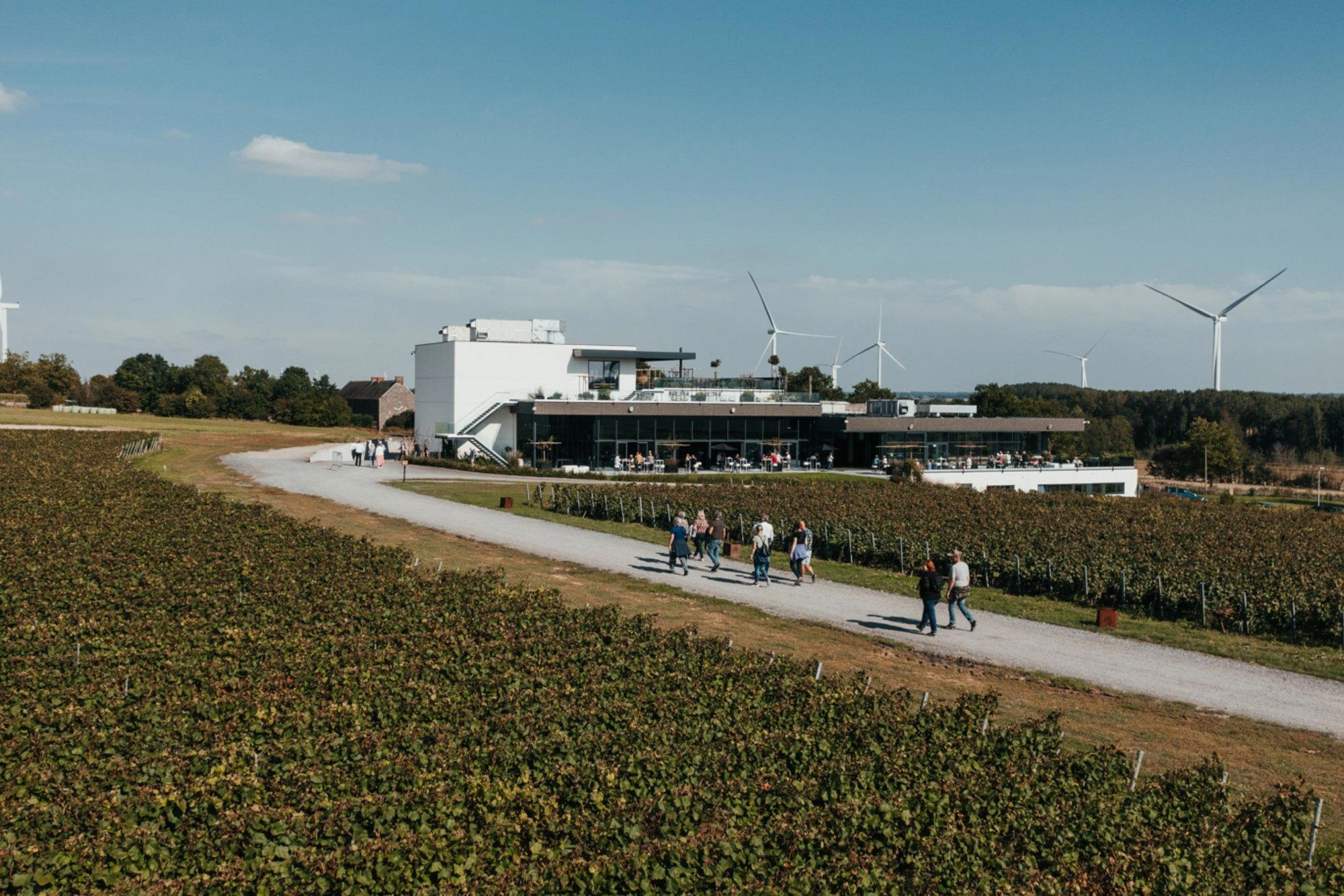
Details
- Trendy
- Lively
- Modern
- Intimate
- Date Night
- Casual Hangout
- After Work
- Open Kitchen
- Natural Wine
- Craft Cocktails
- Local Sourcing
- Small Plates
- A La Carte
- Vegetarian Friendly
Current opening hours
- Monday
- 6–11 PM
- Tuesday
- 6–11 PM
- Wednesday
- 8:30 AM–11:30 PM
- Thursday
- 8:30 AM–11:30 PM
- Friday
- 8:30 AM–11:30 PM
- Saturday
- 10:30 AM–11:30 PM
- Sunday
- 10:30 AM–4 PM
Hours can change for holidays and private events. Hours as of .
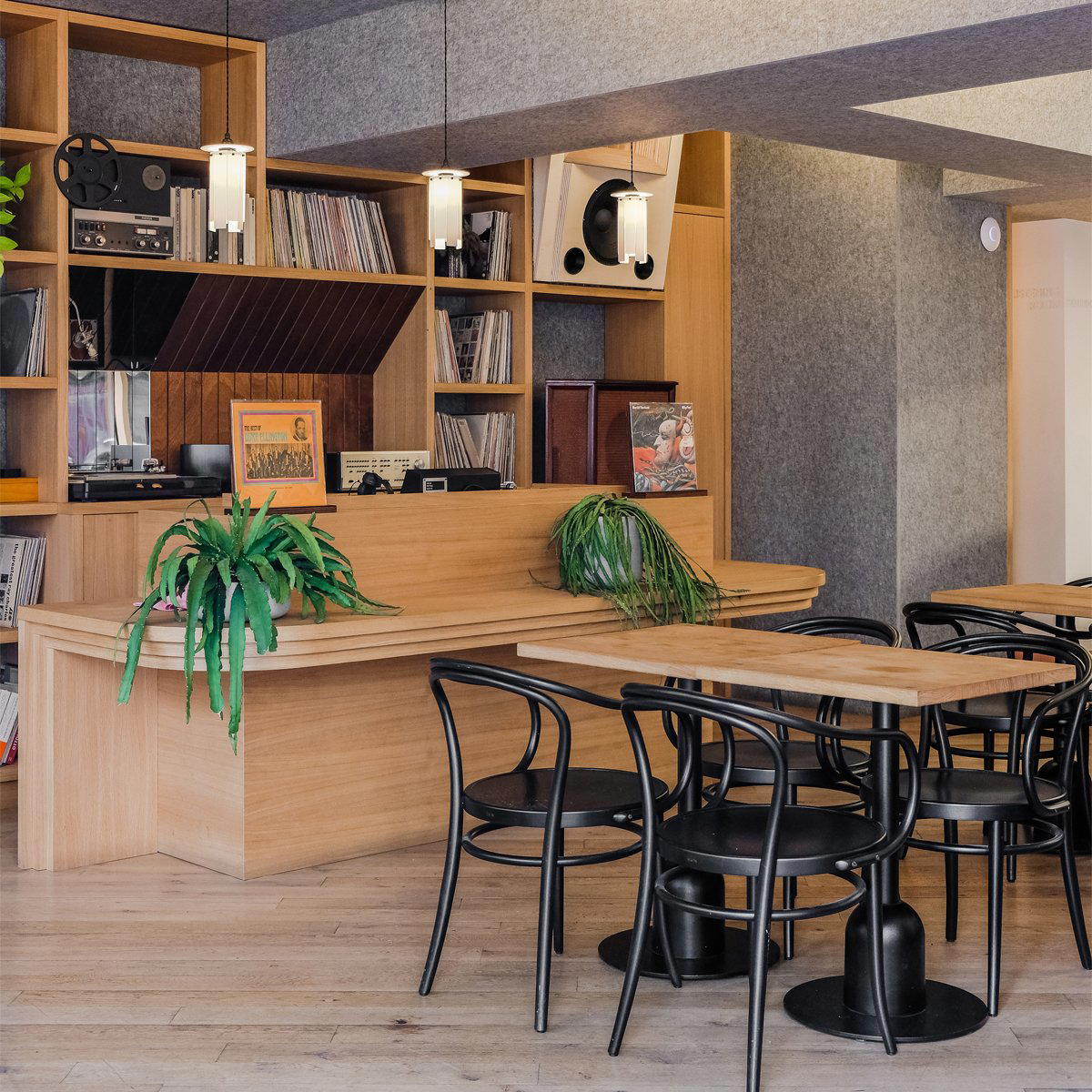
Warm, playful space with art deco style, razor-sharp sound from vintage vinyl records, and a meticulously crafted sonic ambiance.