Our verdict
Mangiavino sits on Avenue Oscar Van Goidtsnoven in Forest, a commune south of Brussels where neighbourhood dining runs closer to local habit than destination spectacle. The name itself signals the pairing at the heart of the concept: food and wine as co-equal. For a district where unpretentious trattorias and bistros set the tone, that combination carries editorial weight worth examining.

Pearl is the En Primeur Club membership app, where members save venues, book tables and use the concierge.
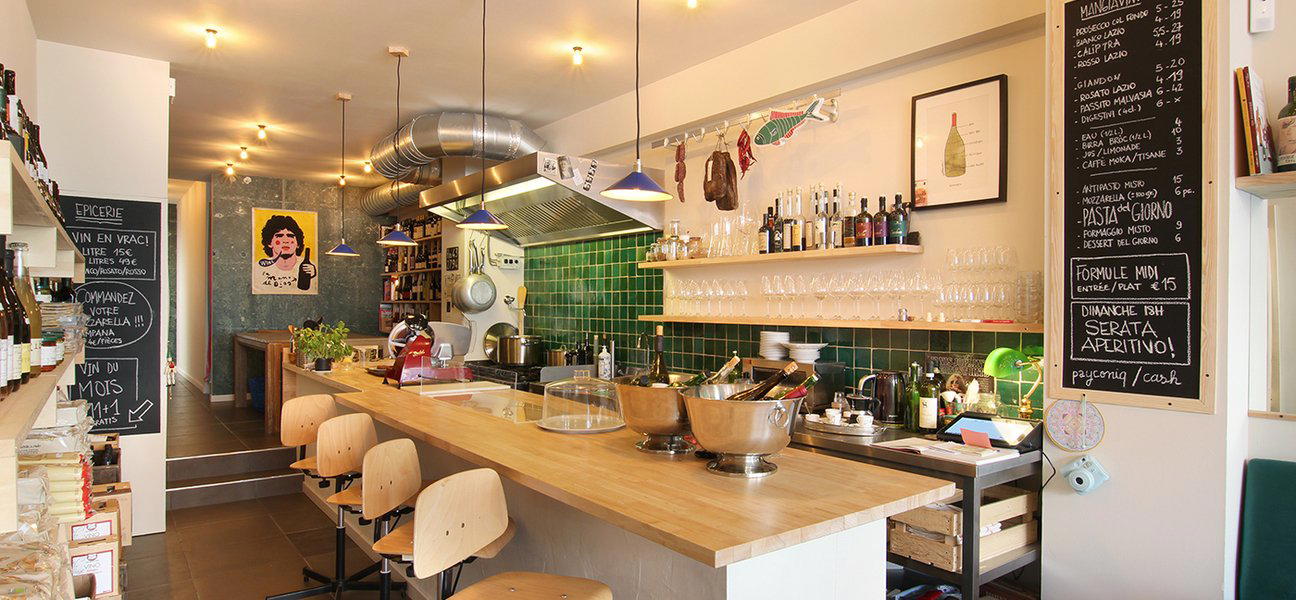
Forest's Quiet Avenue and What It Asks of a Restaurant
Avenue Oscar Van Goidtsnoven is not a dining destination in the way that Brussels' Sablon or Saint-Gilles' chaussée de Charleroi are. It is a residential artery in Forest, one of the nineteen communes of the Brussels Capital Region, where local eating places survive on repeat custom rather than tourist flux. That context matters when reading a name like Mangiavino, which fuses the Italian imperative to eat with wine in a single compound. In a neighbourhood where a restaurant must earn its regulars, that premise is a position, not merely a decoration.
Forest itself sits immediately south of Saint-Gilles and shares some of its neighbour's demographic texture: mixed, relatively dense, with a food culture that leans toward the everyday rather than the ceremonial. Where Saint-Gilles has drawn a wave of wine bars and natural-wine bistros over the past decade, Forest has remained quieter, which means individual addresses carry more weight in shaping what the commune's dining identity actually looks like. Mangiavino occupies that kind of position, for readers of our full Forest restaurants guide.
The Italian Register in a Belgian Commune
Italian-inflected dining in Brussels has a layered history. The city's first wave of Italian restaurants arrived with mid-twentieth-century labour migration from Wallonia's mining regions, producing a durable tradition of family-run trattorias that prioritised volume, comfort, and familiar dishes. The more recent wave is different in register: smaller rooms, shorter menus, a sharper focus on regional Italian cooking and on wine lists built around small producers from Campania, Friuli, or Sicily rather than the standard Chianti-and-Barolo binary.
The name Mangiavino places it nominally in that Italian register, and the food-wine pairing implied by the name aligns with a broader Brussels shift toward restaurants where the wine programme is treated as editorial rather than transactional. That shift is visible across the capital at addresses from the grand to the neighbourhood scale, including at Bozar Restaurant in Brussels, where sourcing and producer relationships carry visible weight in the offering.
Ingredient Sourcing as the Underlying Argument
In Italian cooking traditions, the sourcing argument is structural, not decorative. The claim of Campanian San Marzano tomatoes, Sicilian capers, or aged Parmigiano from a specific dairy is not incidental; it is the entire point. This is a cuisine where provenance is the recipe, and where substitution with generic equivalents collapses the dish into something categorically different. Restaurants working seriously in this register make sourcing decisions that are audible in the plate, not just in the menu description.
Belgium's position in Europe gives it geographic access to Italian producers that smaller markets lack, and Brussels in particular has a wholesale and import infrastructure that supports Italian ingredient supply at quality levels beyond what most northern European cities can reliably source. The question for any restaurant working in this space is whether that infrastructure is being used to its full capacity, or whether the menu is performing Italianness rather than enacting it. That distinction is what separates the better addresses in this category from the many that occupy the same stylistic space without the underlying commitment.
Across Belgium's higher-end table, the sourcing standard has risen considerably. Restaurants like Hof van Cleve in Kruishoutem, Boury in Roeselare, and Zilte in Antwerp have made producer relationships a publicly documented part of their identity. At the neighbourhood level, the same logic applies, even if the scale and formality differ.
The Wine Dimension: Where the Name Makes Its Claim
The second half of the name, the vino, is where the concept either earns its register or retreats into marketing. In Brussels and its communes, the wine-bar-with-food format has proliferated to the point where the category has internal quality gradations that a few years ago did not yet exist. The credible end of that spectrum is defined by lists that show genuine producer selection, by-the-glass options that take risk rather than defaulting to commercial labels, and staff capable of pairing conversation rather than just order-taking.
Italy's wine map is deep enough to sustain a programme of considerable range without ever touching the country's most exported regions, and restaurants that choose to work in that space are making an implicit argument about what Italian wine actually looks like at its more interesting margins. Whether Mangiavino's list operates in that territory is something direct experience resolves more cleanly than any external assessment.
For readers mapping this against broader Italian-inspired dining in Forest, the neighbourhood also counts Sourdough Pizza in its roster, which operates at a different price point and format but shares the Italian reference. Further along the dining ambition axis, Brugmann and L'Altitude represent the more formal end of what Forest currently offers.
Belgium's Wider Table and What It Sets as a Benchmark
Understanding what a neighbourhood restaurant in Forest is doing requires some sense of what serious Belgian cooking looks like at its upper register. Willem Hiele in Oudenburg, Bartholomeus in Heist, and Castor in Beveren each demonstrate that Belgium's provincial dining scene operates well above what the country's relatively low international profile might suggest. Wallonia adds its own register, with d'Eugénie à Emilie in Baudour and La Table de Maxime in Our representing the south's quieter but substantive contribution.
Flemish addresses like De Jonkman in Sint-Kruis, L'air du temps in Liernu, and La Durée in Izegem further illustrate how Belgium's dining ambition is distributed across the country rather than concentrated in the capital. Against that backdrop, even a neighbourhood address in Forest sits within a country whose food culture rewards serious attention.
Planning a Visit
Mangiavino is located at Avenue Oscar Van Goidtsnoven 96 in Forest, reachable by tram or bus from central Brussels, with Forest's wider commune accessible on foot from the Saint-Gilles border. Given the neighbourhood's local character, booking ahead rather than walking in is the more reliable approach, particularly for evening service. Contact details and hours are best confirmed directly, as the restaurant's operational specifics are not publicly consolidated at this time.
Frequently asked questions
Is Mangiavino child-friendly?
Avenue Oscar Van Goidtsnoven is a residential street in Forest, and neighbourhood restaurants along that corridor tend to accommodate families more readily than destination dining rooms in central Brussels. Mangiavino's Italian register, with its broad range of pasta and ingredient-led plates, is generally compatible with younger diners. Confirming specific arrangements directly with the venue before arrival is advisable, as seating configurations and service pace can vary.
What's the overall feel of Mangiavino?
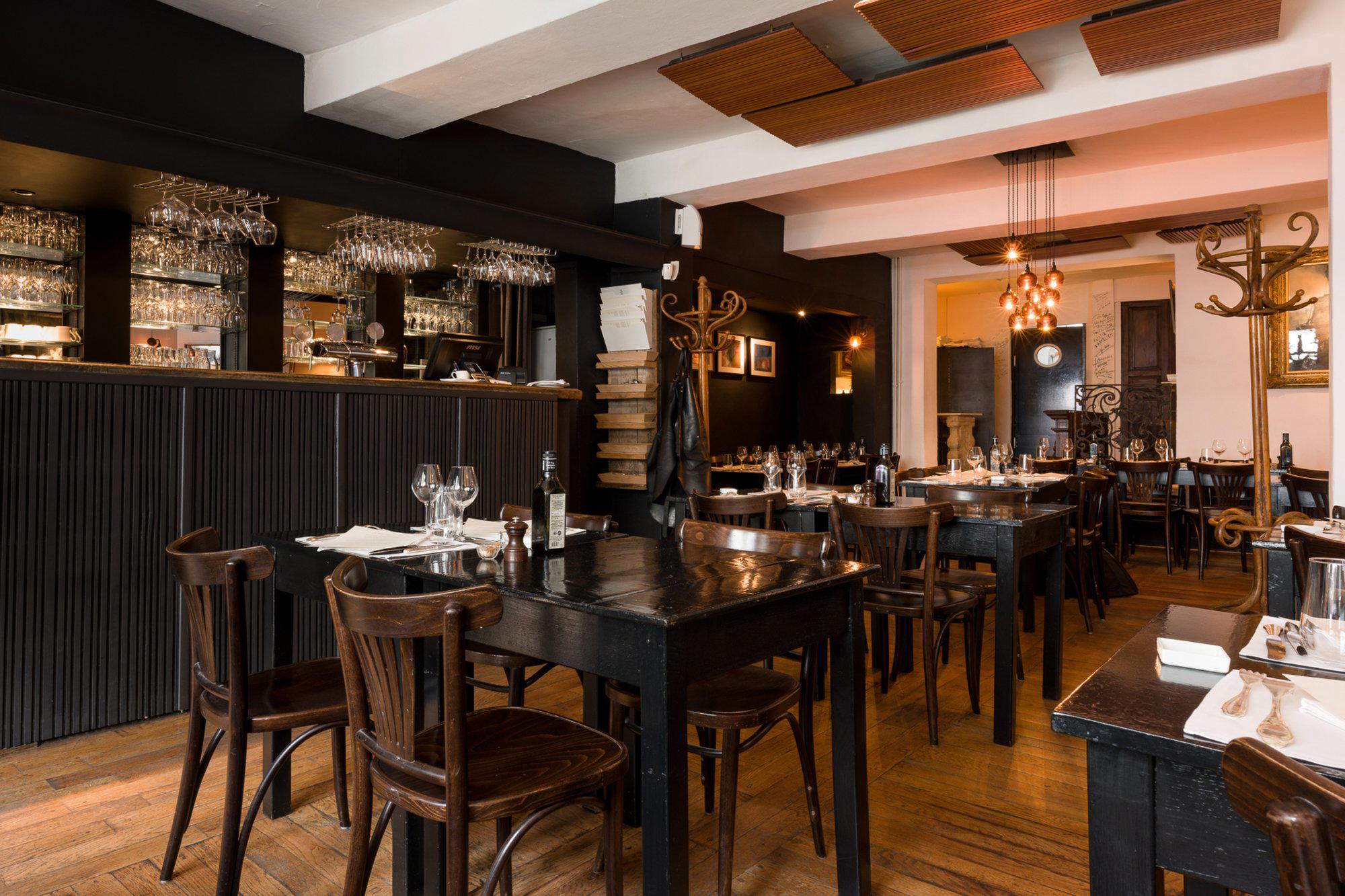
Mangiavino sits on a quiet residential avenue in Forest, a commune that does not position itself as a dining district the way Saint-Gilles or Ixelles do. That context shapes the register: this is a neighbourhood room oriented toward locals rather than a destination built around spectacle. The Italian framing, reinforced by the name's explicit wine reference, suggests a convivial rather than formal environment.
Does Mangiavino in Forest have a strong wine selection to match its name?
The name Mangiavino, combining the Italian for eating and wine, signals that the list is meant to carry equal weight with the food. In Forest and the broader Brussels commune circuit, restaurants that commit to this framing typically work with Italian regional producers rather than defaulting to the same Franco-Belgian staples found across the city. Confirming the current list with the venue is the most reliable way to assess depth and by-the-glass range before booking.
What dish is Mangiavino famous for?
Italian cooking traditions at this register typically anchor around ingredient provenance, so the kitchen's sourcing choices, whether Campanian tomatoes, Sicilian capers, or regional cured meats, are likely to define what returns to tables most often. Checking current offerings directly with the restaurant will give the clearest picture.
Where is Mangiavino located?
Mangiavino is located at Av. Oscar Van Goidtsnoven 96, 1190 Forest, Belgium, Forest.
Comparison Snapshot
Comparable venues nearby, for context on price, style, and recognition.
| Venue | Cuisine | Price | Awards | Notes |
|---|---|---|---|---|
| MangiavinoThis venue (the venue you are viewing) | Authentic Italian Osteria | Not listed | Not listed | Not listed |
| L'Altitude | Modern Neo-Bistro Small Plates | $20–30 | Not listed | Forest |
| Brugmann | Modern French Fine Dining | $50–100 | Michelin Plate · We're Smart World 1 Radish | Forest |
| Licoli | Neapolitan Pizza | $20–30 | Not listed | Berchem |
| Da Fellini | Authentic Italian Trattoria | $20–30 | Not listed | Boechout |
| Tomatto | Crazy Italian Food | $20–30 | Not listed | centrum |
Continue exploring
More in Forest
Restaurants in Forest
All restaurants in Forest →
Bars in Forest
Browse all →
Hotels in Forest
Browse all →
Wineries in Forest
Browse all →
Mangiavino
The wine
- Wine program
- Deep wine list
- Extensive wine list
- Natural wine
Details
- Cozy
- Modern
- Lively
- Date Night
- Casual Hangout
- Open Kitchen
- Natural Wine
- Extensive Wine List
- Organic
- Local Sourcing
- A La Carte
- Natural Wine
- Vegetarian Friendly
- Gluten Free Options
Current opening hours
- Monday
- Closed
- Tuesday
- Closed
- Wednesday
- 6:30–11 PM
- Thursday
- 6:30–11 PM
- Friday
- 6:30–11 PM
- Saturday
- 6:30–11 PM
- Sunday
- 6:30–11 PM
Hours can change for holidays and private events. Hours as of .
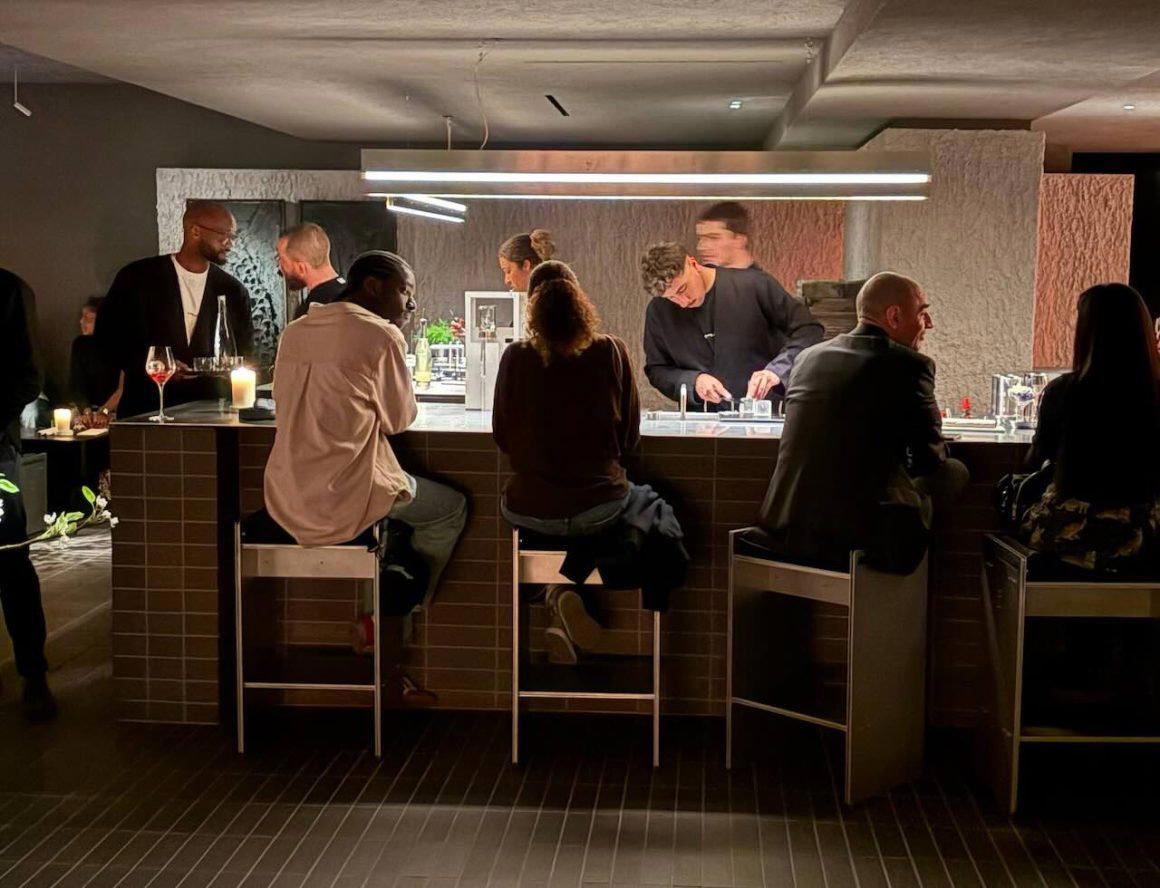
Warm, welcoming space where modernity meets conviviality around an open kitchen.