

Michelin Plate · We're Smart World 1 Radish
Our verdict
Set inside a handsome mansion on Avenue Brugmann, this Forest address from French-Belgian chef Mathias Vaneeno holds a Michelin Plate for cooking driven by daily market sourcing. Fish, crustaceans, and shellfish define the menu's direction, joined by seasonal produce from Belgian and northern French suppliers. At the €€€€ tier, it competes with Brussels' sharper fine-dining addresses without leaning on formality for its own sake.

Pearl is the En Primeur Club membership app, where members save venues, book tables and use the concierge.

The menu
What to order
- Duck Breast
- Lobster Ravioli
- Dieppe Scallops
A Mansion with a Market Conscience
Avenue Brugmann runs through one of Brussels' quieter bourgeois corridors, where the municipality of Forest meets the southern residential fringe of the capital. The address at number 52/54 is a Belle Époque mansion of the kind that lines this stretch in some number: high ceilings, generous windows, the kind of architecture that sets a certain register before you've sat down. What Brugmann does with that setting is resist the temptation to match grandeur with rigidity. The physical environment signals occasion, but the kitchen's orientation, daily market supply, seasonal produce, a pronounced lean toward the sea, keeps the cooking from feeling ceremonial for its own sake.
That balance between address and appetite is worth noting because it describes something broader happening in Brussels' €€€€ tier. The Belgian capital has long hosted a formal French-Belgian tradition represented by institutions like Bozar Restaurant in Brussels, where the dining room carries as much weight as the plate. A newer cohort of ambitious addresses is using comparable price points and serious kitchens while loosening the formality index. Brugmann reads as part of that shift.
Where the Food Comes From
The sourcing logic at Brugmann is the kitchen's clearest editorial statement. Chef Mathias Vaneeno, French-Belgian by background, built the menu around daily market supply rather than a fixed tasting architecture. That distinction matters in a country where the market circuit, from coastal fish halls to Walloon vegetable producers to the famous asparagus fields of the Flemish interior, is dense enough to sustain serious seasonal cooking without import dependency.
Fish, crustaceans, and shellfish set the primary direction, which places Brugmann in conversation with a wider Belgian coastal-influenced tradition. Kitchens like Bartholomeus in Heist and Willem Hiele in Oudenburg have defined a school of seafood-led cooking rooted in the North Sea supply chain. Brugmann is not a coastal address, but its sourcing allegiances point in the same direction: spider crab dressed with lemon spice, lobster paired with rattes de Touquet potatoes and truffle, the latter potato variety originating from the Opal Coast of northern France, a region Vaneeno draws on through his French side of the kitchen's DNA.
The accompaniments reinforce that logic. Kaffir lime and salicornia, sea fennel harvested from tidal marshes, appear alongside fish preparations, functioning as botanical counterweights rather than decorative garnish. Salicornia in particular has moved from fringe ingredient to a standard marker of kitchens that take coastal sourcing seriously: its sharp, briny compression does structural work that generic herbs cannot. The Malines cuckoo chicken preparation, with asparagus, hazelnuts, and morel sauce, shows the same precision applied to land-based produce. Malines cuckoo is a Belgian protected-breed bird with a specific rearing geography north of Brussels; its inclusion alongside foraged morels and spring asparagus is a sourcing choice that doubles as seasonal signalling.
The colour and lightness Vaneeno's kitchen is associated with reflects a broader movement in French-Belgian fine dining away from heavy sauce-based architecture toward brighter, produce-forward plating. It is a shift visible in kitchens from Boury in Roeselare to La Durée in Izegem, and Brugmann's position in Forest extends it into the Brussels municipality.
The Michelin Plate in Context
Brugmann holds Michelin Plate recognition in both 2024 and 2025, a designation that confirms quality cooking without the starred tier's booking pressure or price inflation. In Belgium's fine-dining map, the Michelin Plate occupies a specific niche: these are kitchens the guide considers worth your time at the price asked, without necessarily carrying the tasting-menu architecture or front-of-house ceremony that starred properties maintain. For a €€€€ address, that positioning tells you something about ambition and format, serious cooking in a setting that doesn't require three months of forward planning to access.
Peer comparison clarifies the tier. At the upper end of Belgian recognition, addresses like Hof van Cleve in Kruishoutem and Zilte in Antwerp operate in the starred stratosphere with corresponding booking difficulty and price floors. L'Eau Vive in Arbre and d'Eugénie à Emilie in Baudour represent the French-Belgian fine-dining tradition in more rural Walloon settings. Brugmann sits at the same price tier as the starred cohort while operating at the Plate level, which in practical terms means the kitchen's ambitions are clear but the dining experience is not built around a rigid sequential format. Google's 4.4 rating across more than 1,000 reviews suggests the proposition lands consistently with a broad audience, not just specialist diners.
Forest and the Brussels Dining Circuit
Forest is rarely the first municipality named in Brussels dining conversations, which tend to cluster around Ixelles, Saint-Gilles, or the central historic communes. That relative quiet is partly geographic, Forest sits at the city's southern edge, and partly a function of restaurant density, which is lower here than in the denser inner communes. What exists in Forest tends to be embedded in neighbourhood life rather than destination-dining circuits, which gives addresses like Brugmann a different character than comparable kitchens in Ixelles or the European Quarter.
For visitors approaching from central Brussels, Avenue Brugmann is accessible by tram and runs through a residential fabric of late nineteenth and early twentieth century townhouses. The street itself spans both Forest and Ixelles, so the neighbourhood feel is continuous even if the administrative boundary shifts. The mansion setting at 52/54 reads as a natural home for the kitchen's register: serious enough to justify the price point, residential enough to avoid the performance of destination dining. For broader Forest context, see our full Forest restaurants guide, and for planning the wider visit, our Forest hotels guide, bars guide, wineries guide, and experiences guide cover the remaining ground.
Planning Your Visit
For those building a broader Belgian fine-dining tour, the country's kitchen geography extends well beyond Brussels: Ralf Berendsen in Neerharen and Sir Kwinten in Sint-Kwintens-Lennik represent different regional expressions of the same French-Belgian fine-dining tradition. For international reference points in modern cuisine at a similar ambition level, Frantzén in Stockholm and FZN by Björn Frantzén in Dubai show where the broader category is moving.
Frequently asked questions
Is Brugmann okay with children?
At the €€€€ price tier in a formal mansion setting, Brugmann is calibrated toward adult diners. Brussels fine-dining addresses in this bracket generally accommodate well-behaved older children, but the format and pace of service, designed around considered, market-led courses, is not structured for younger guests. If you're planning a family visit in Forest, it's worth contacting the restaurant directly to confirm their approach before booking.
How would you describe the vibe at Brugmann?
The setting is a Belle Époque mansion, which establishes a certain ambient register, but the cooking's orientation, bright, market-driven, seafood-forward, softens the formality. At €€€€ in a Brussels context and with a Michelin Plate across two consecutive years, Brugmann sits in the serious-but-not-stiff tier: the kind of address where the room has presence but the kitchen's priorities are seasonal and produce-led rather than ceremonial.
What's the signature dish at Brugmann?
The Michelin documentation points to the kitchen's seafood preparations as central to its identity: spider crab with lemon spice and lobster with rattes de Touquet potatoes and truffle appear as the clearest expression of Vaneeno's French-Belgian sourcing philosophy. The Malines cuckoo chicken with asparagus, hazelnuts, and morel sauce functions as the land-based counterpart and demonstrates the same sourcing rigour applied to Belgian protected-breed poultry. In a cuisine type described as modern and market-responsive, these dishes represent the kitchen's consistent reference points rather than a static tasting menu.
A Quick Peer Check
| Venue | Cuisine | Price | Awards | Notes |
|---|---|---|---|---|
| BrugmannThis venue (the venue you are viewing) | Modern French Fine Dining | $50–100 | Michelin Plate · We're Smart World 1 Radish | Not listed |
| Boury | Creative French Fine Dining | $300–500 | 3 Michelin Stars · La Liste Top Restaurants | Modern Frlemish, Creative French |
| Comme chez Soi | French - Belgian, Classic Cuisine | Not listed | Michelin 1 Star | Not listed |
| Hertog Jan at Botanic | Modern Japanese Omakase Fine Dining | Not listed | 2 Michelin Stars · La Liste Top Restaurants | Modern Flemish, Creative |
| L'Eau Vive | Modern French Fine Dining | $150–200 | 2 Michelin Stars · La Liste Top Restaurants | French, Modern French |
| La Durée | Modern French Fine Dining | $150–200 | 2 Michelin Stars · La Liste Top Restaurants | French-Belgian, Creative |
Recognition history
Dated appearances from independent guides and award organizations, with the underlying list record or original source where available.
Michelin Plate
Michelin
We're Smart World 1 Radish
We're Smart World
Full recognition history (4 entries)
Michelin Plate
Michelin
Michelin Plate
Michelin
Continue exploring
More in Forest
Restaurants in Forest
All restaurants in Forest →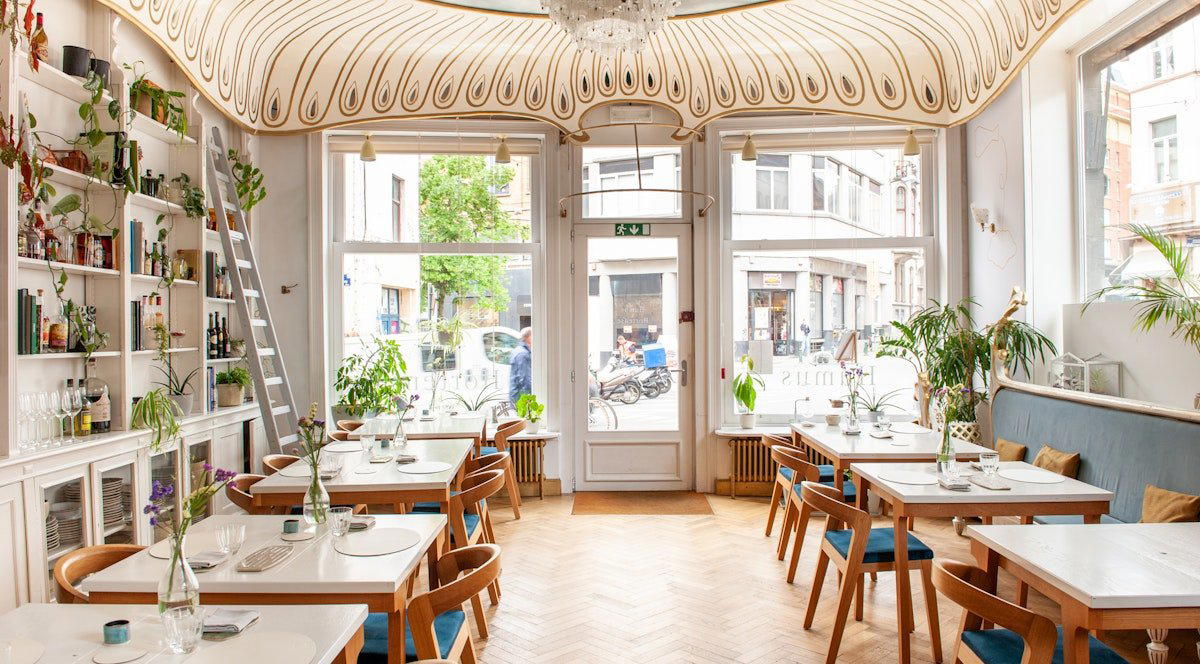
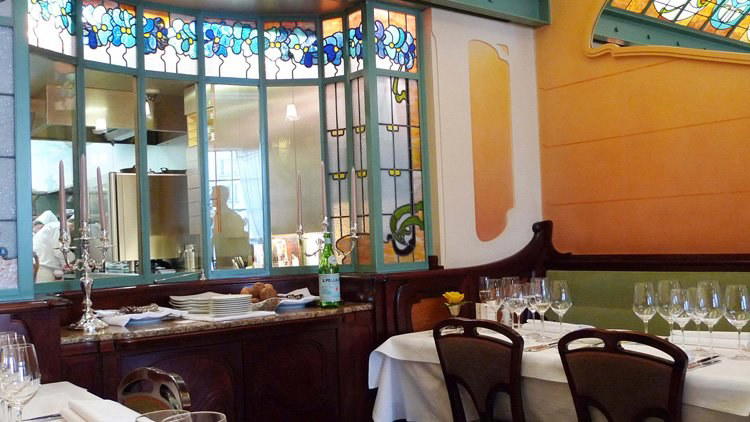
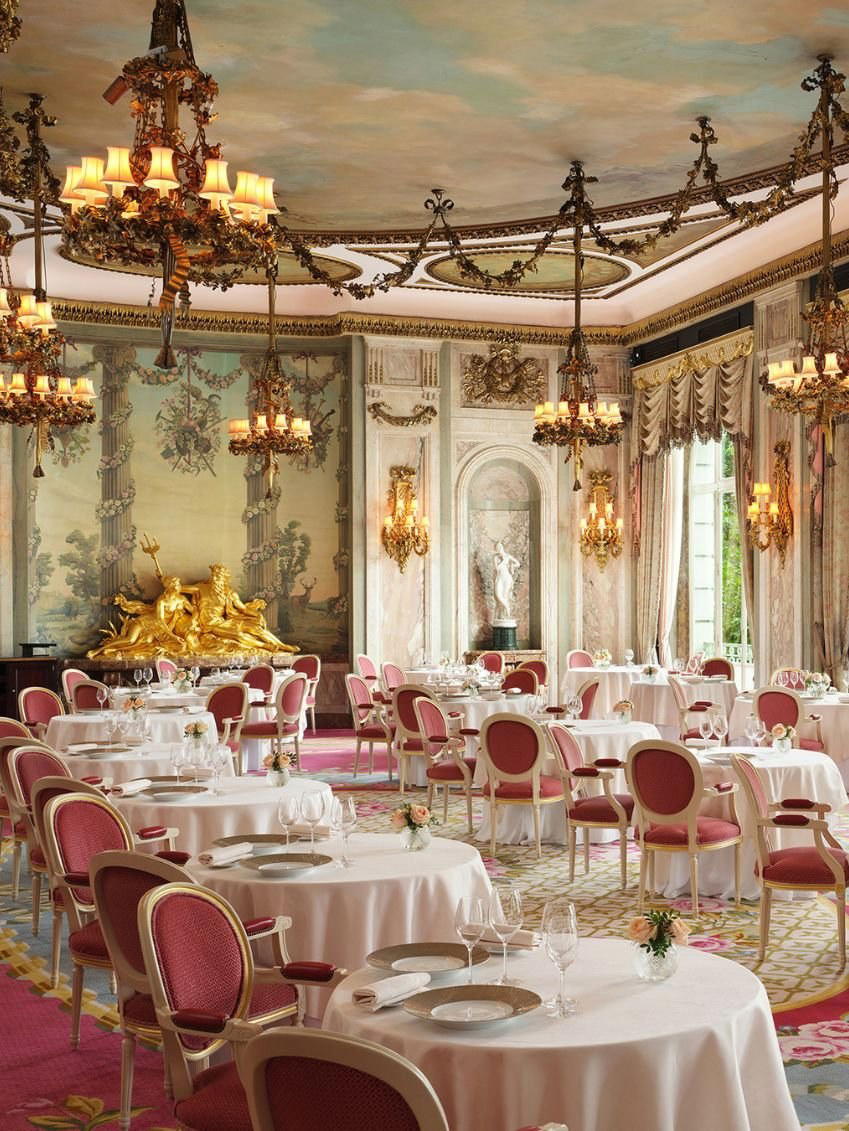
Bars in Forest
Browse all →
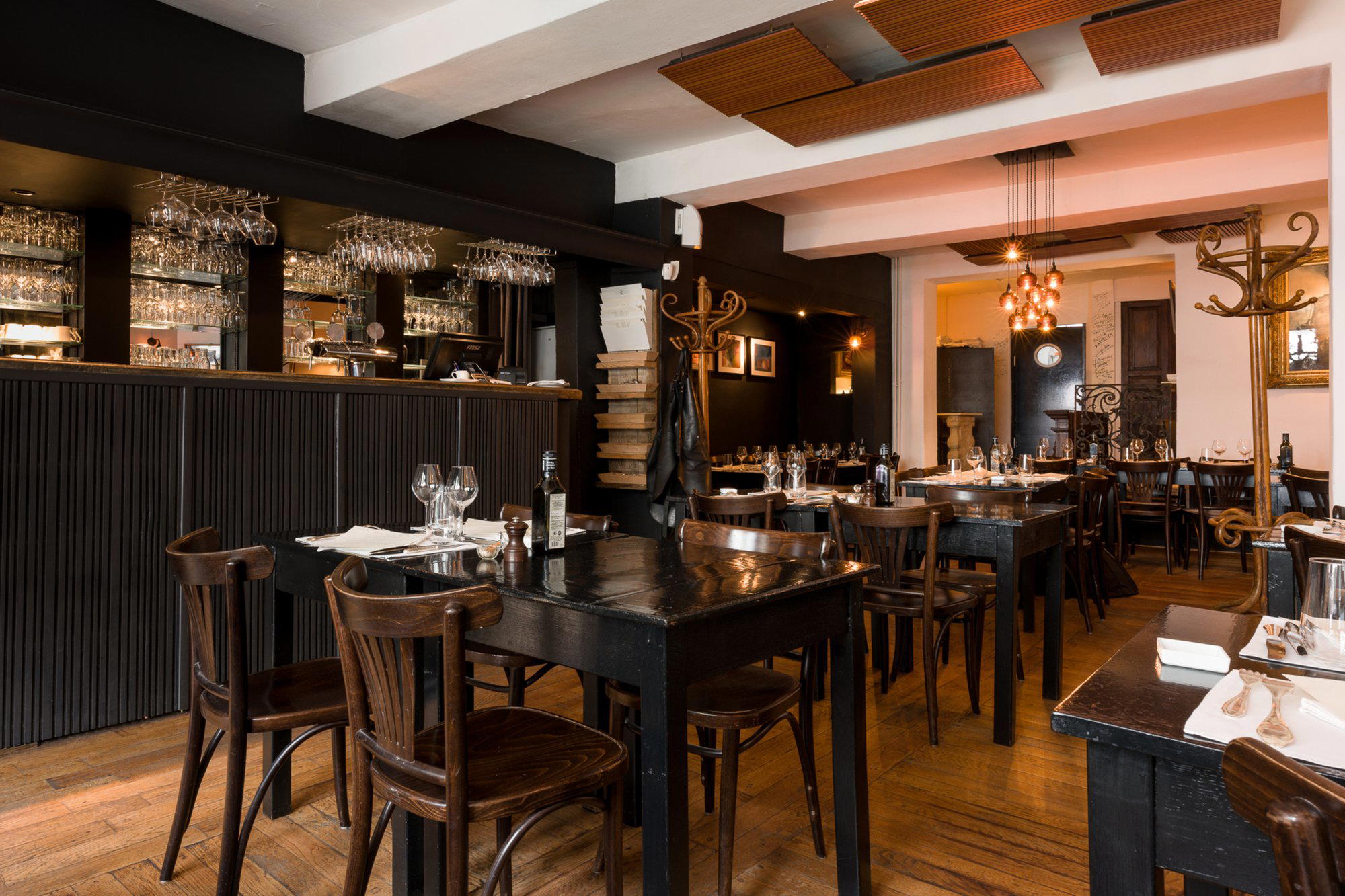
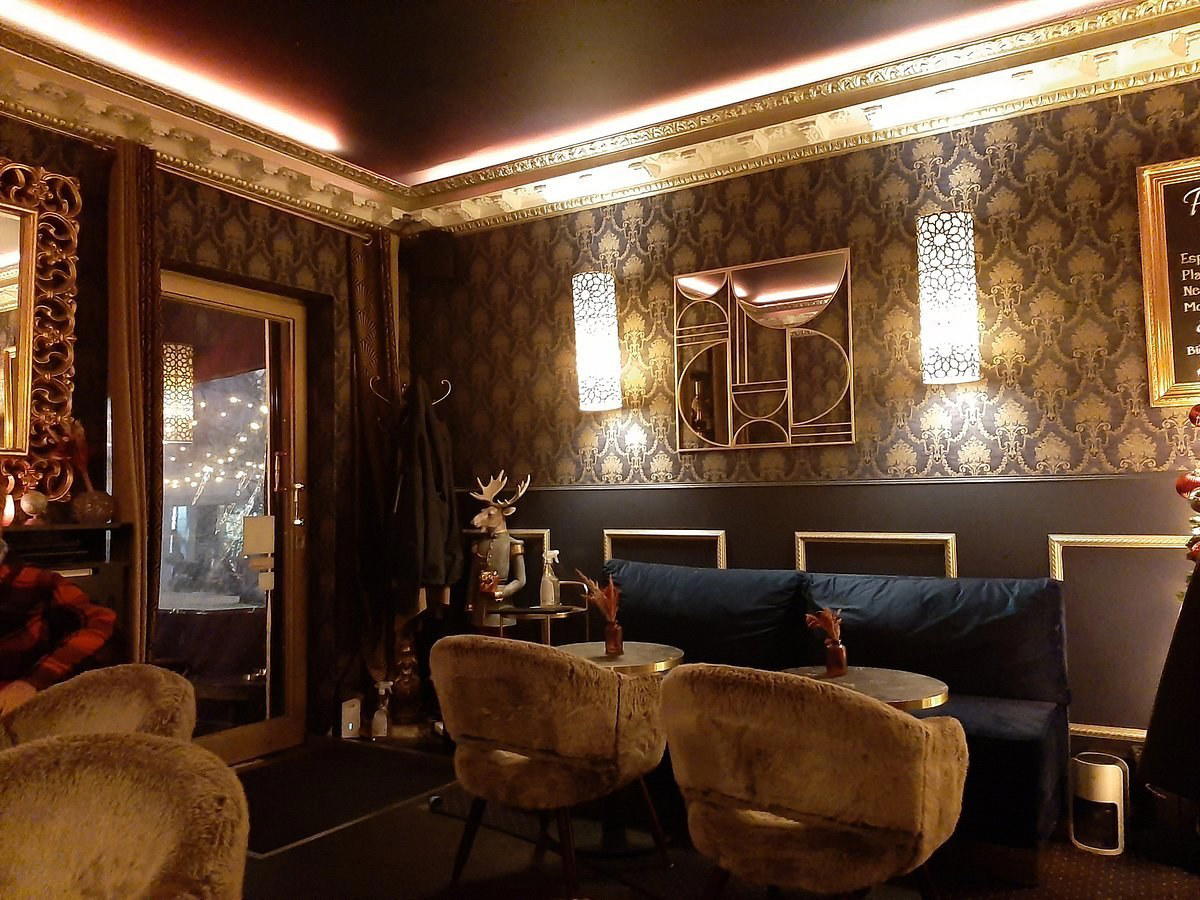
Hotels in Forest
Browse all →
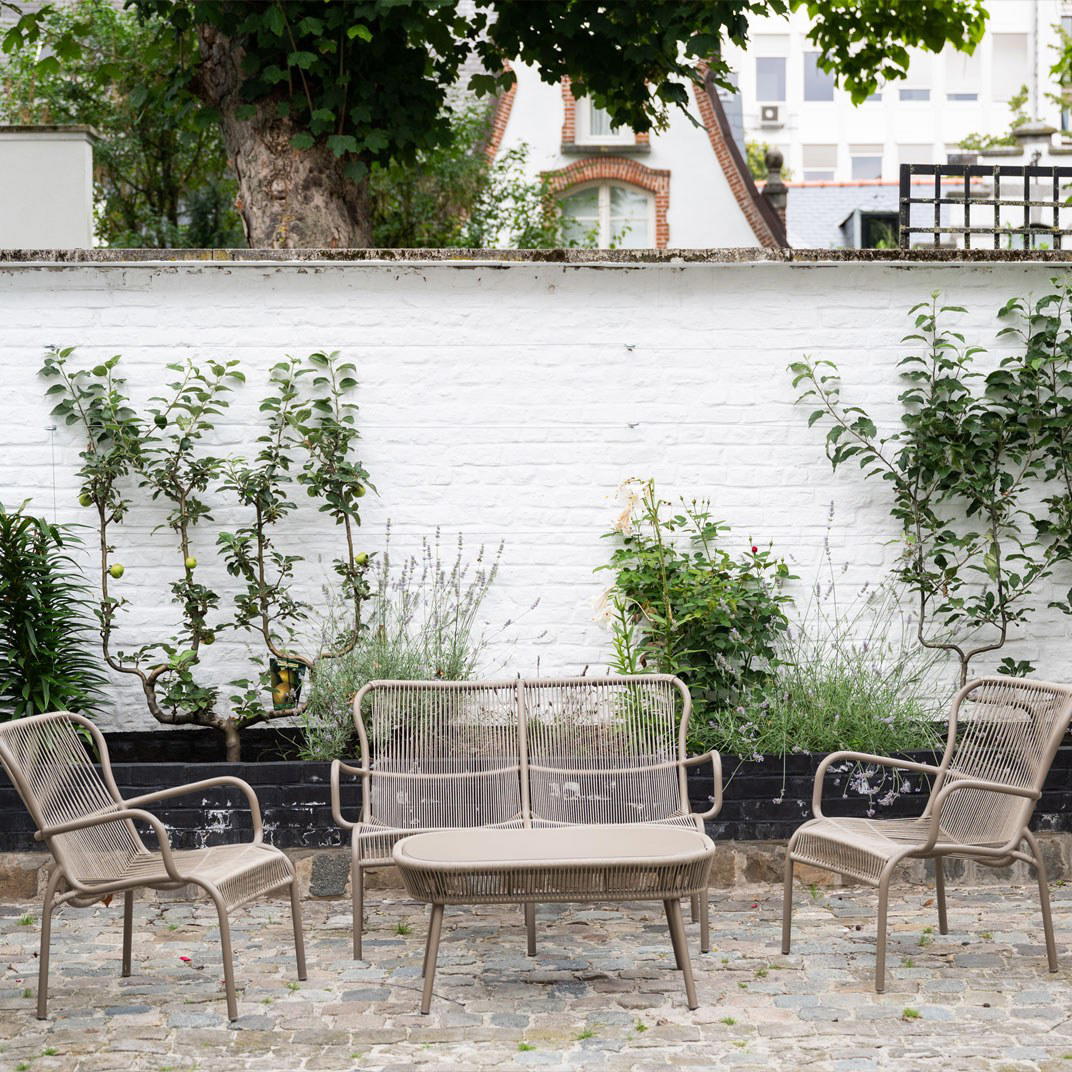
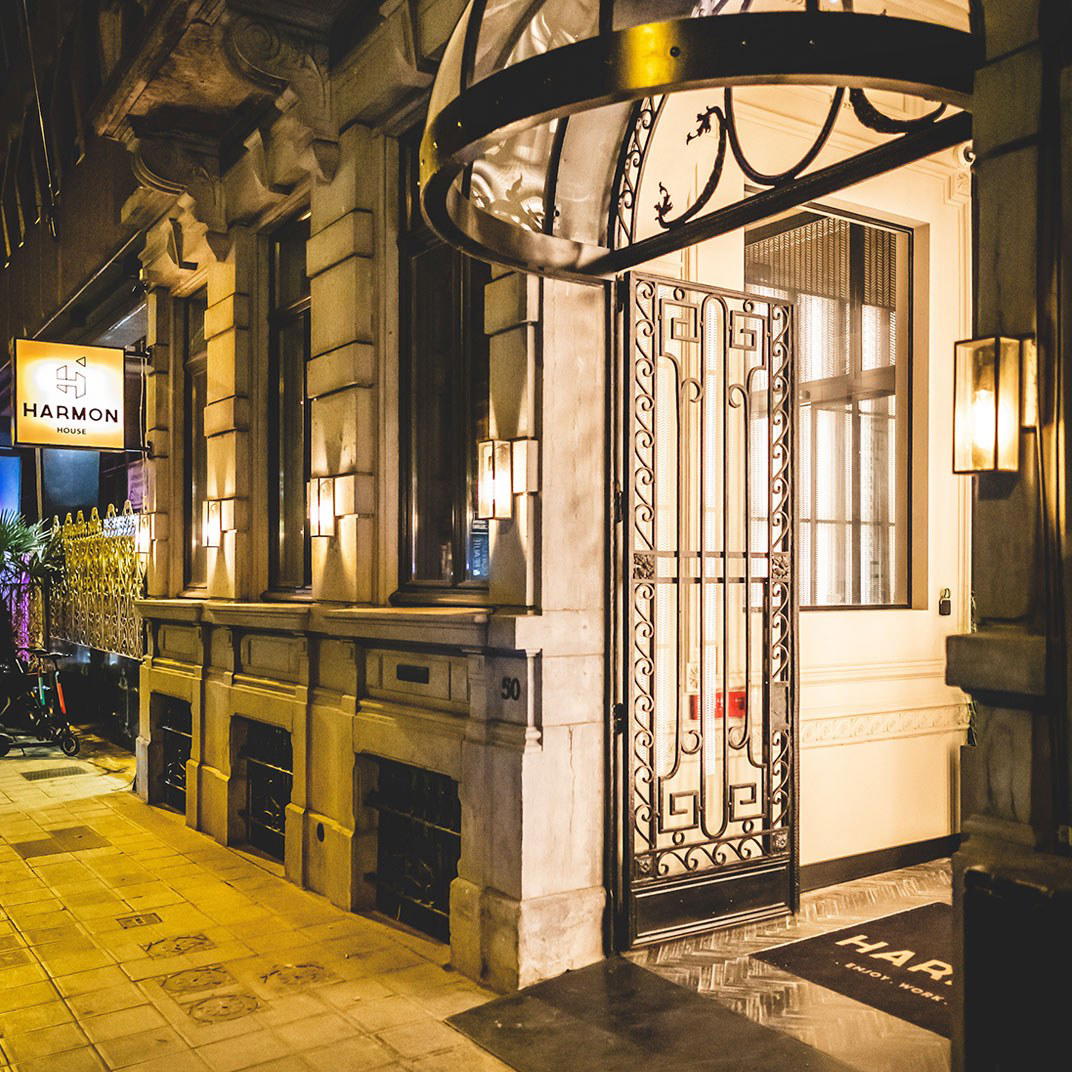
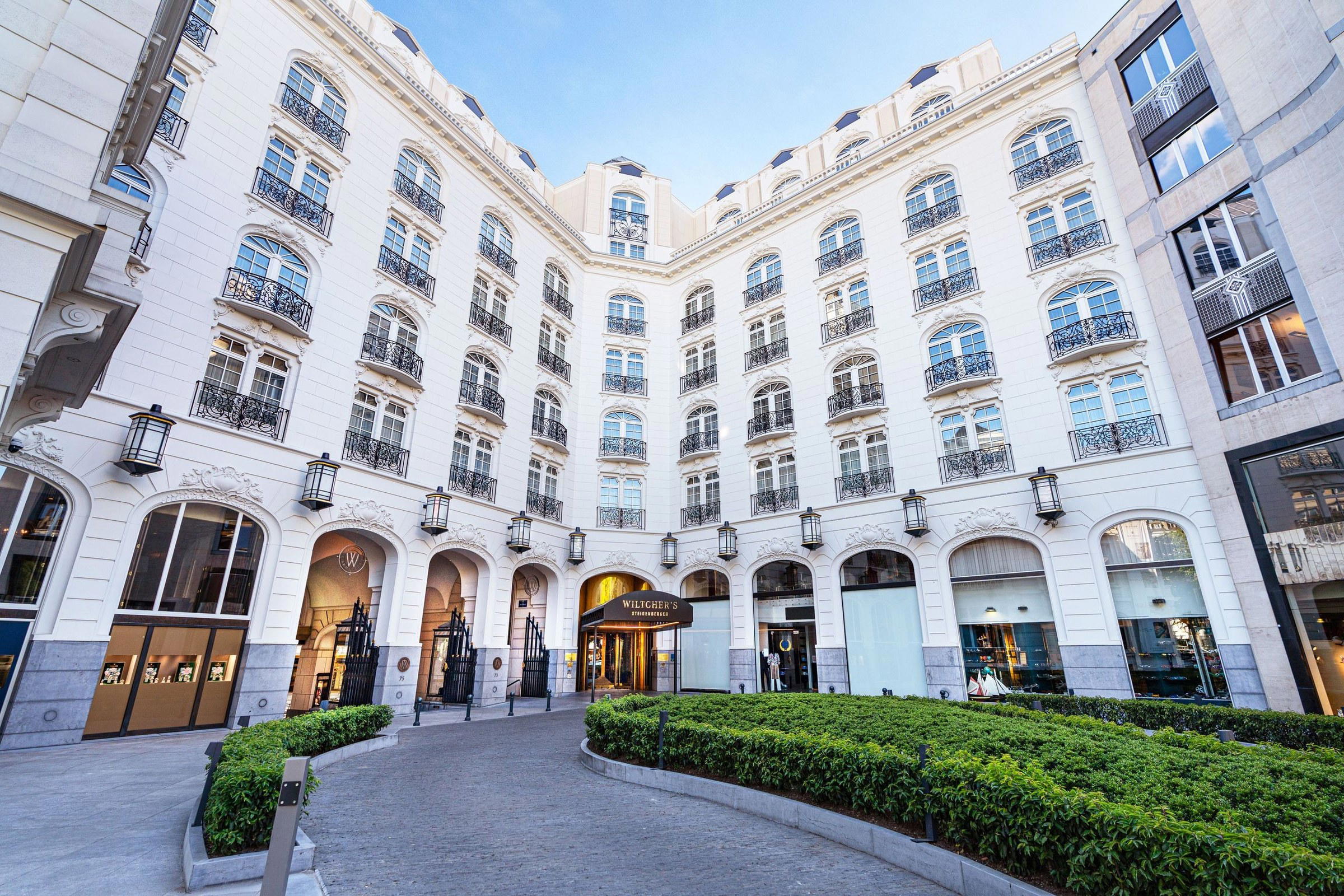
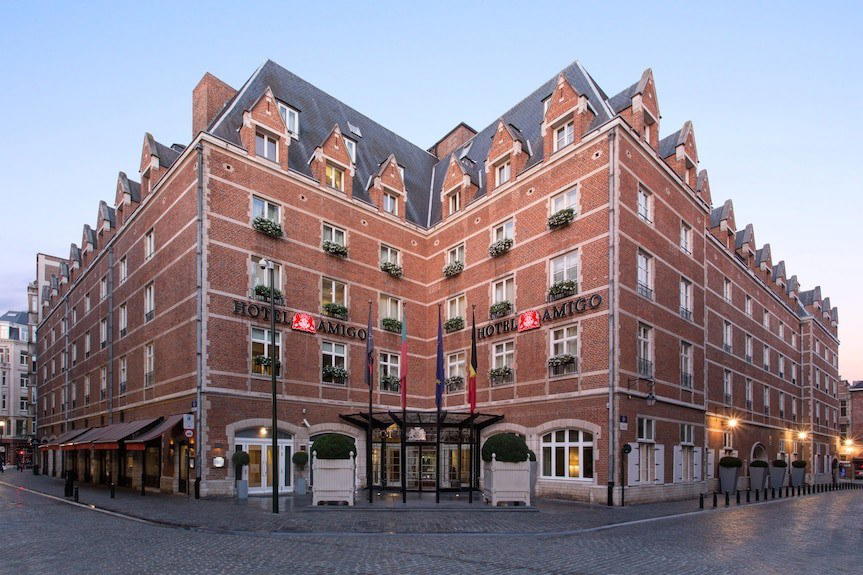
Wineries in Forest
Browse all →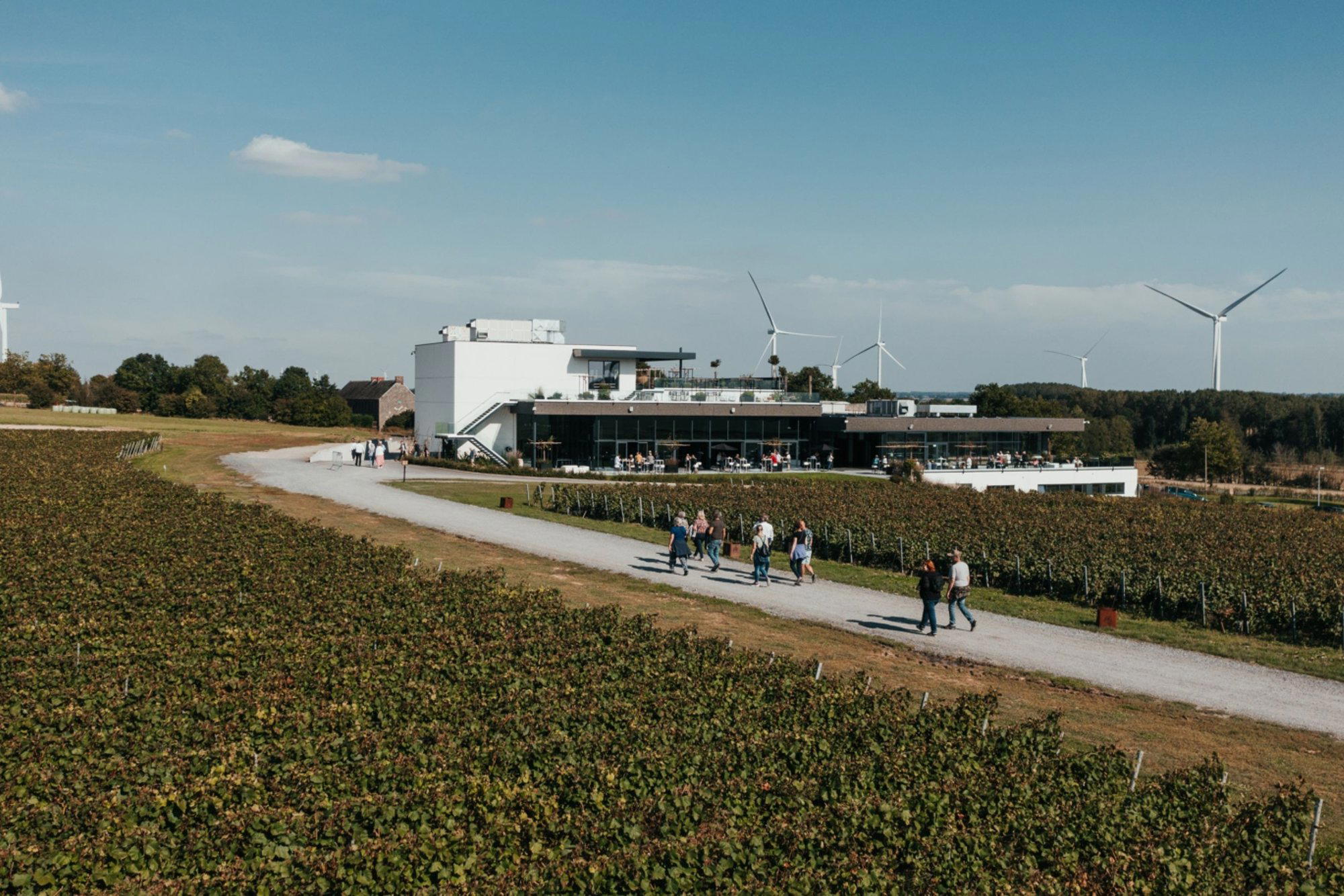
Details
- Elegant
- Sophisticated
- Cozy
- Scenic
- Date Night
- Special Occasion
- Business Dinner
- Terrace
- Garden
- Open Kitchen
- Private Dining
- Historic Building
- Extensive Wine List
- Garden
- Tasting Menu
- A La Carte
- Wine List
- Vegetarian Friendly
Current opening hours
- Monday
- Closed
- Tuesday
- Closed
- Wednesday
- 12–2:30 PM, 7–10:15 PM
- Thursday
- 12–2:30 PM, 7–10:15 PM
- Friday
- 12–2:30 PM, 7–10:15 PM
- Saturday
- 7–10:15 PM
- Sunday
- 12–2:30 PM, 7–10:15 PM
Hours can change for holidays and private events. Hours as of .
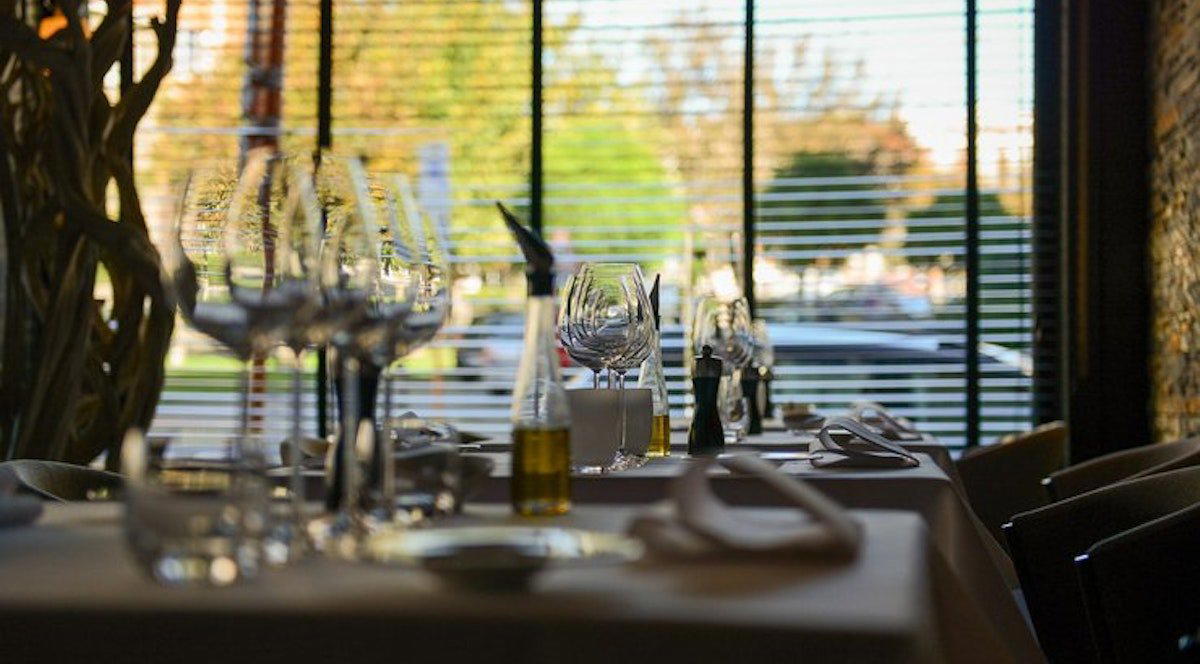
Elegant and refined atmosphere in a historic mansion with stately elegance, modern design elements, and serene garden views.