On Rue des Postes in central Lille, Le Bon Jeune sits inside a city that has spent the last decade quietly building one of northern France's most compelling restaurant scenes. The address places it within reach of Vieux-Lille's cobbled core, and the kitchen draws on a regional larder, Maroilles, endive, the cold-climate produce that defines Ch'ti cooking, while pointing toward a more contemporary register.
Pearl is the En Primeur Club membership app — saves, bookings, and concierge access live there. Same editors, same standards.
- Address
- 36 Rue des Postes, 59000 Lille, France
- Phone
- +33626327783
- Website
- res.cloudinary.com
- Directions
- Get directions
 Saves & bookings on Pearl
Lille at the Table: What Le Bon Jeune Represents in a Changing City
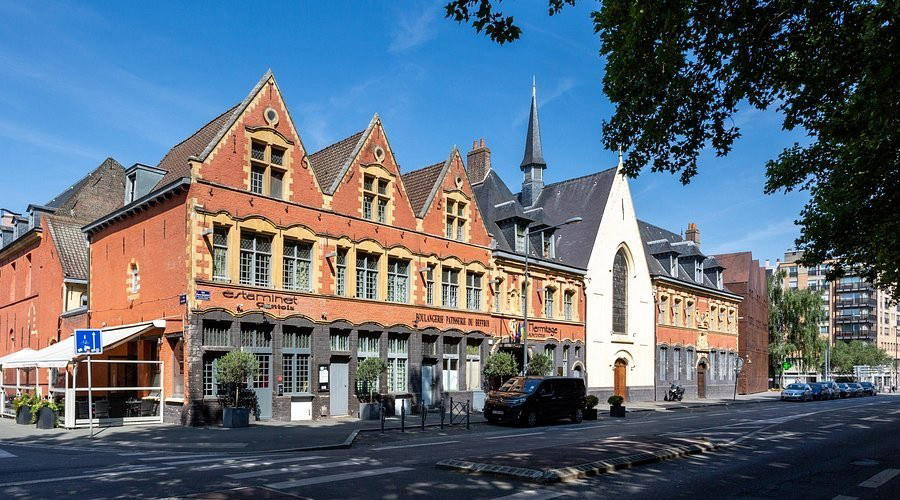
Rue des Postes runs through a part of Lille that sits just off the tourist axis, close enough to the historic centre to draw a mixed crowd but sufficiently removed to feel like a working neighbourhood rather than a curated one. The approach to Le Bon Jeune carries that quality: no theatre in the exterior, no queue management apparatus. What brings people here is the cooking and the cultural logic behind it, the idea that northern French cuisine has something serious to say.
Lille's dining scene has shifted considerably over the past decade. The city's proximity to Belgium, its Flemish architectural inheritance, and its dense network of local producers have given a new generation of kitchens material to work with. Addresses like Ginko and Pureté have pushed the city's modern cuisine offer upward in ambition, while La Table at Hôtel Clarance has anchored stronger examples from the market at the €€€€ tier. Le Bon Jeune at 36 Rue des Postes occupies a different register in this conversation, less hotel dining room, more neighbourhood proposition, with a price and format that suggests it is a place regulars return to.
The Cultural Roots of Ch'ti Cooking
To understand what kitchens in Lille are working with, it helps to understand what northern French cuisine actually is, stripped of its caricature. The Ch'ti tradition, named after the dialect of the Nord-Pas-de-Calais region, built itself around climate and geography: cold growing seasons, proximity to the North Sea, a reliance on root vegetables, preserved proteins, and dairy that runs richer than in the south. Maroilles cheese, washed-rind and assertive, is the region's most legible signature. Carbonnade flamande, the beer-braised beef stew with obvious Flemish roots, sits in the same canon. Endive, grown in darkened cellars to preserve its bitterness, is as regional as an ingredient gets.
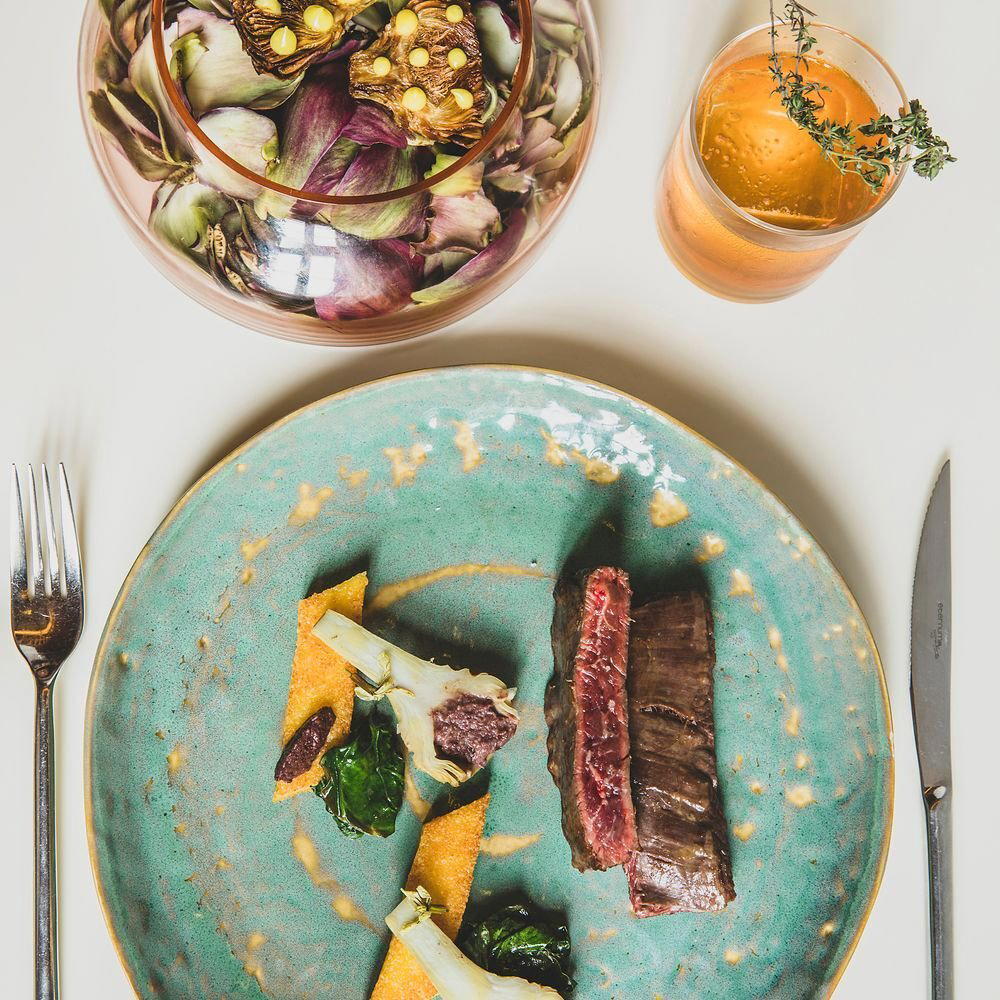
What contemporary Lille kitchens have done with this material is not simply update it cosmetically. The more interesting approaches use the larder as a structural argument, cold-climate acidity, fermentation, preserved elements, rather than as nostalgic decoration. This places them in a tradition that runs through French regional cooking more broadly, from the way Bras in Laguiole built a cuisine from Aubrac plateau foraging, to how Auberge de l'Ill in Illhaeusern made Alsatian specificity the foundation of multi-generational relevance. Regional rootedness, done with rigour, is not a limitation, it is the argument.
Where Le Bon Jeune Sits in the comparable set
Lille's mid-market dining tier has grown more crowded and more technically serious at the same time. Au Soyeux and Au Vieux de la Vieille represent the traditional end of that spectrum, bistrot formats, deep local identity, cooking that does not aspire to critical recognition. The restaurant reads differently, as a kitchen making an argument rather than simply producing familiar plates. Its address on Rue des Postes, away from the Vieux-Lille postcard streets, reinforces the sense that the audience it is speaking to is already converted, people who know why they are going there, not visitors who wandered past.
That positioning has parallels elsewhere in France. Smaller cities with strong regional identities have produced kitchens that punch above their metropolitan weight by refusing to compete on the terms set by Paris. Assiette Champenoise in Reims and Au Crocodile in Strasbourg are the formal end of that pattern. The restaurant operates in the same cultural logic: a northern city with a distinct food identity.
Internationally, the comparison is instructive too. The technical ambition now visible in French regional cities contrasts with the more codified, hierarchy-conscious world of high-end New York dining. Le Bernardin in New York City and Atomix operate inside a system where prestige is inseparable from brand architecture. A neighbourhood kitchen in Lille is working in a different economy, one where the local guest, the weekly return visit, and the honest plate carry more structural weight than a publicist's placement.
The Broader French Context
France's three-star firmament, Alléno Paris au Pavillon Ledoyen, Mirazur in Menton, Troisgros in Ouches, Paul Bocuse in Collonges-au-Mont-d'Or, defines the aspirational ceiling. But the more interesting story in French gastronomy right now is not at the leading. It is in the mid-tier, in cities like Lille, where the cost of opening a serious kitchen is lower, the local producer network is often stronger, and the pressure to perform for international food tourism is absent. Flocons de Sel in Megève and AM par Alexandre Mazzia in Marseille have demonstrated that serious cooking in non-Parisian France carries real critical weight. Lille is next in that argument, and the restaurant is part of the evidence.
For practical planning: the restaurant is at 36 Rue des Postes in the 59000 postal district, reachable on foot from Lille-Flandres station in under fifteen minutes. As with most kitchens operating at this level of local seriousness, contact details and booking availability are best confirmed through current search, restaurant infrastructure in this tier tends to change faster than online records update. Visiting Lille is leading done midweek if you want to explore the dining scene with less competition for reservations; the city draws significant weekend traffic from both Paris (one hour by TGV) and Brussels (38 minutes by train). Our full Lille restaurants guide maps the wider scene.
Quick Comparison
Comparable venues nearby, for context on price, style, and recognition.
| Venue | Cuisine | Price | Notes |
|---|---|---|---|
| Le Bon JeuneThis venue — the venue you are viewing | Gourmet Burgers & Hot Dogs | $$ | Not listed |
| Bistrot Brigand | Modern French Bistro | $$ | Lille Centre 8 |
| Au Vieux de la Vieille | Traditional Northern French Estaminet | $$ | Vieux Lille 3 |
| L'Annexe | Modern French Bistronomique | $$ | Buisson |
| Au Soyeux | Traditional Northern French Bistro | $$ | Vieux Lille 2 |
| La Bottega | Italian Pizza | $$ | Vieux Lille 3 |
Continue exploring
More in Lille
Restaurants in Lille
Browse all →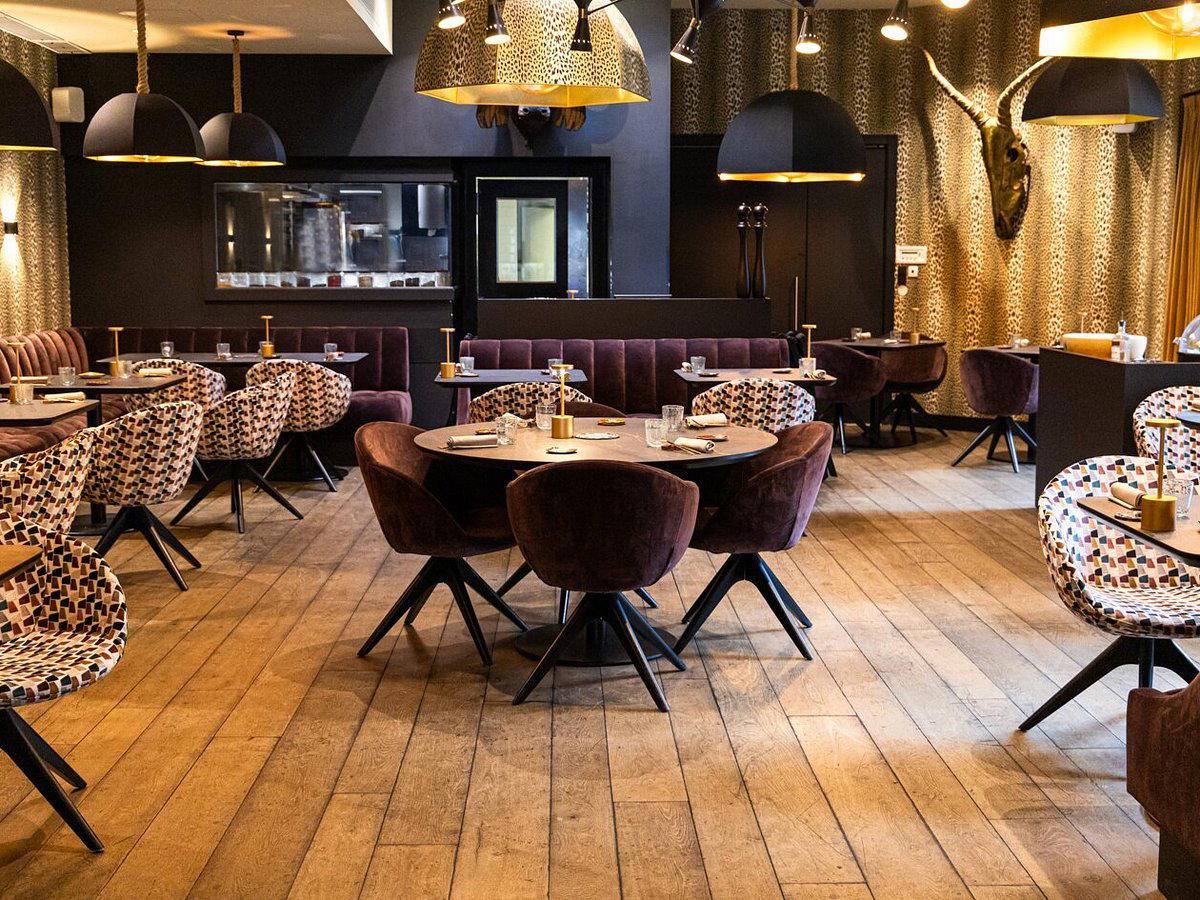

At a Glance
- Trendy
- Casual
- Lively
- Casual Hangout
- After Work
- Late Night
- Open Kitchen
Current opening hours
- Monday
- 12–5 PM, 6–10 PM
- Tuesday
- 12–2 PM, 7–11 PM
- Wednesday
- 12–2 PM, 7–11 PM
- Thursday
- 12–2 PM, 7 PM–12 AM
- Friday
- 7 PM–12 AM
- Saturday
- 12–2 PM, 7 PM–12 AM
- Sunday
- 7 PM–12 AM
Hours can change for holidays and private events. Last verified .
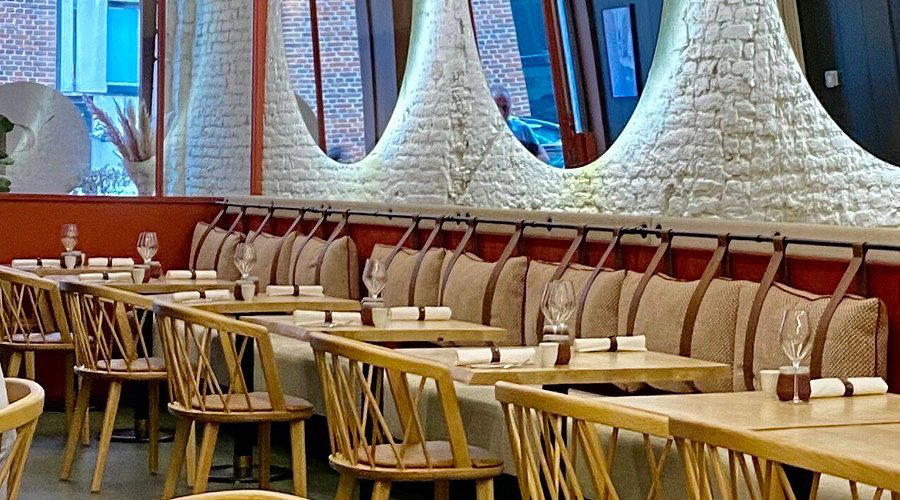
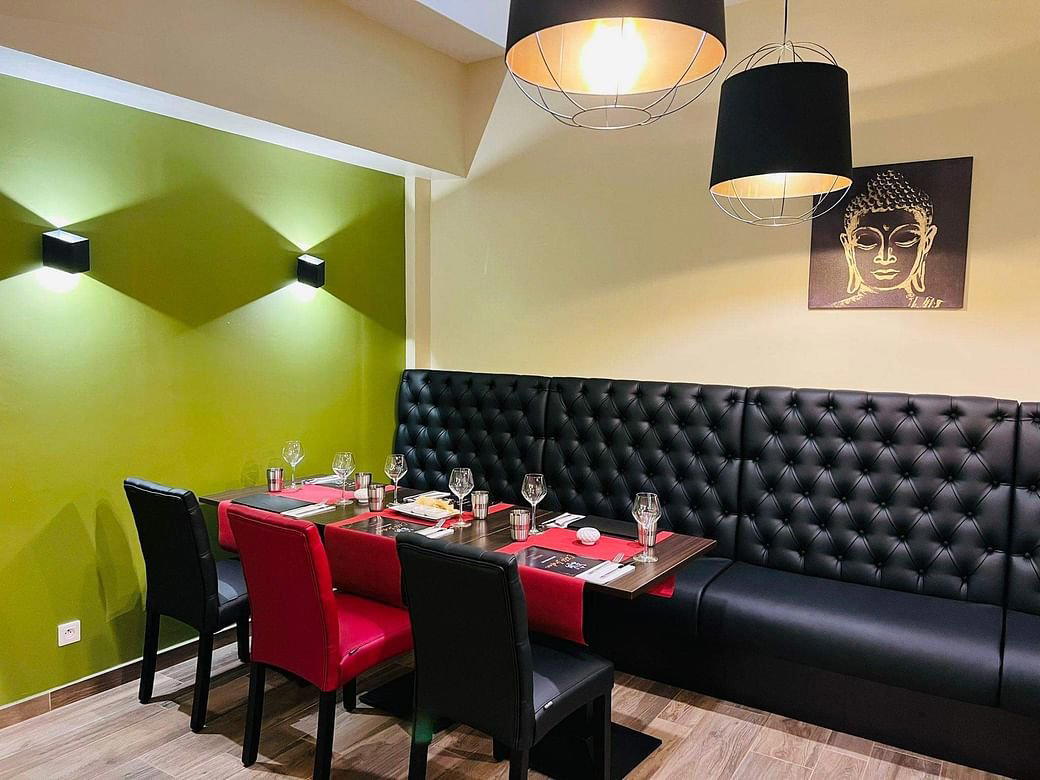
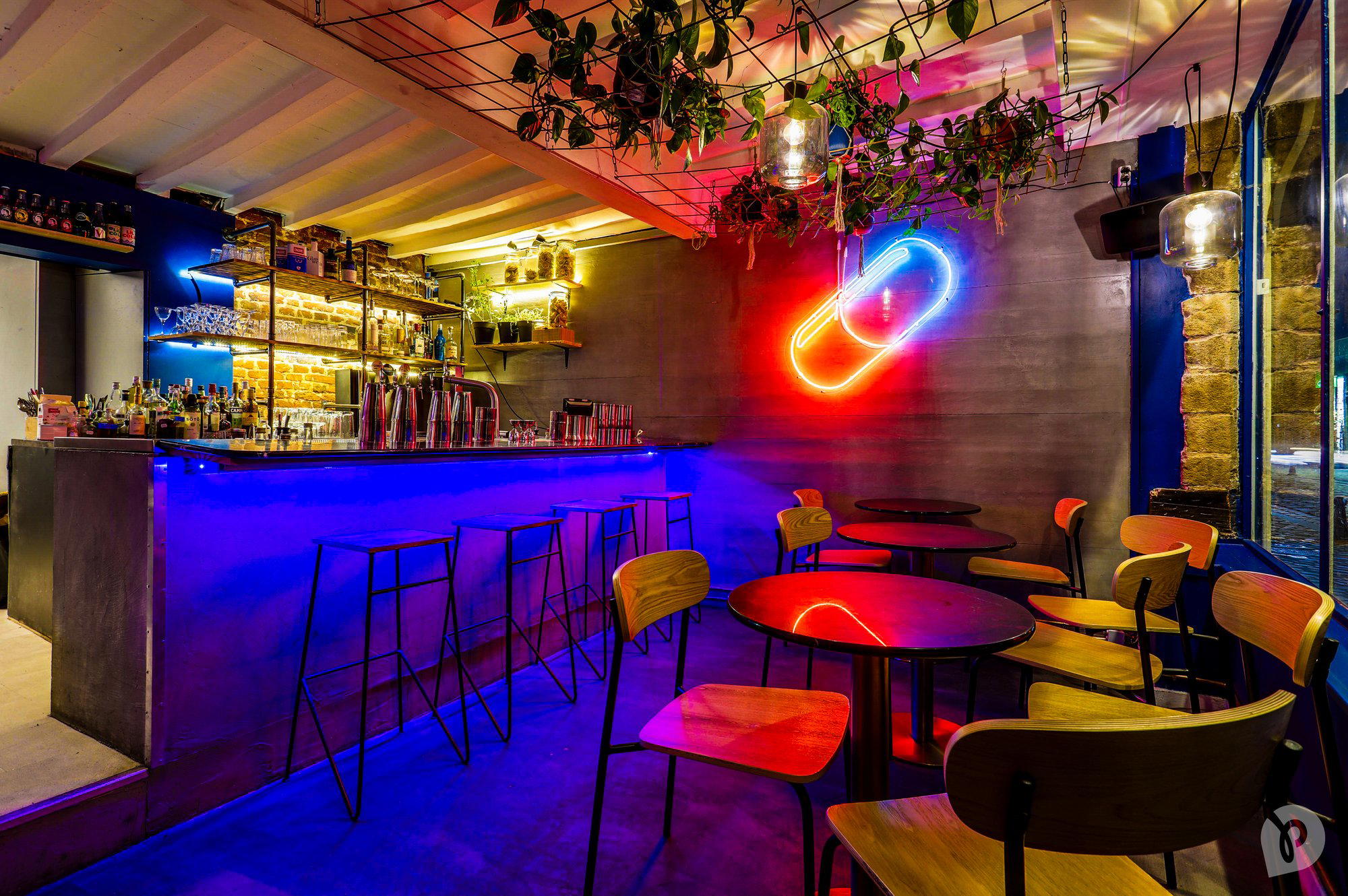
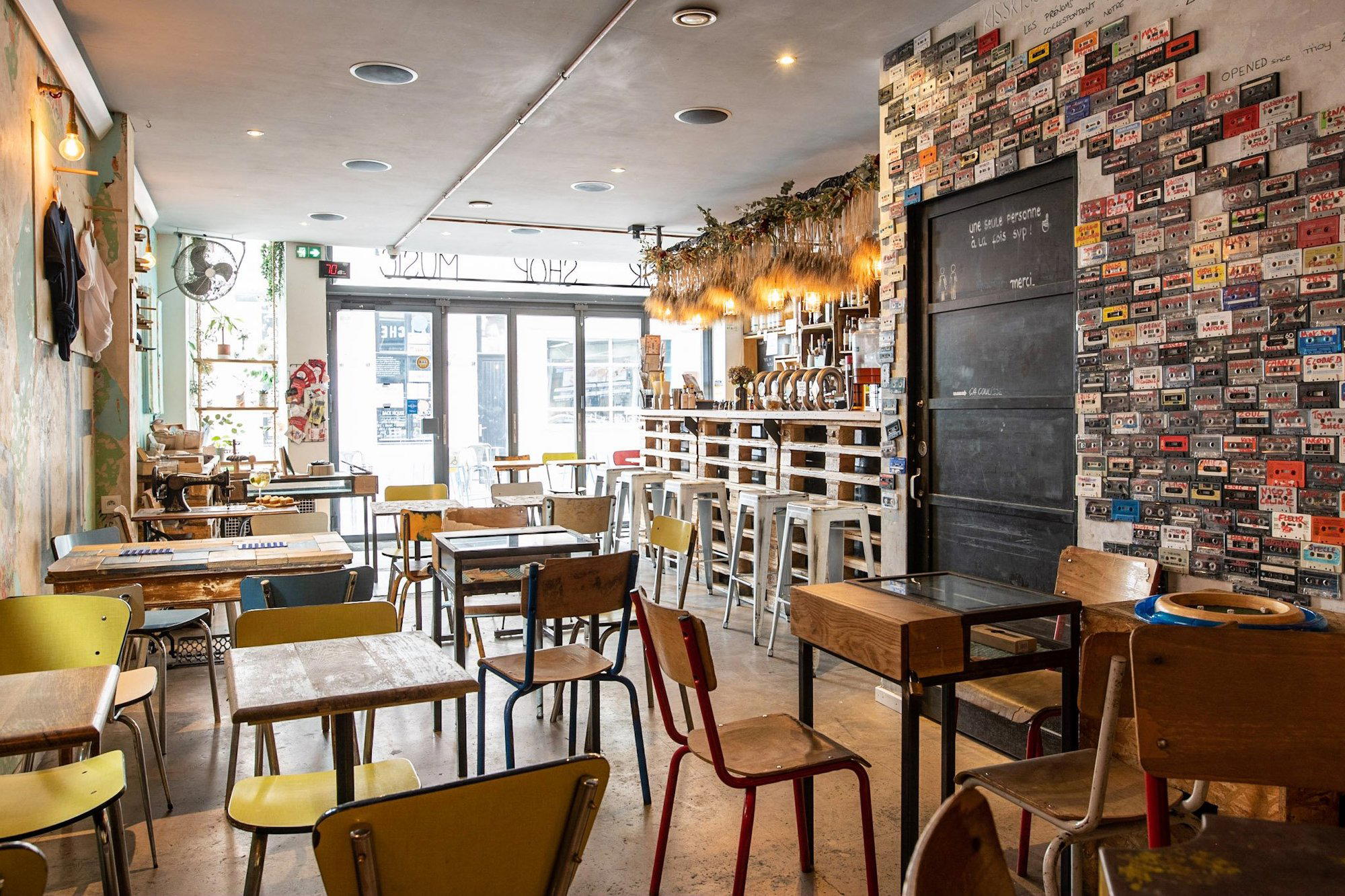
Casual, energetic fast-food atmosphere with hyper-cool decor and a warm, welcoming service environment.