Lahore Kebab House
Lahore Kebab House on Umberston Street has been a fixed point in East London's Pakistani dining scene for decades, drawing a cross-section of the city from local families to late-night regulars seeking dal, kebabs, and karahi at prices that have never needed to impress anyone. The room is canteen-direct, the cooking is unapologetically consistent, and the queue outside on weekend evenings makes the case more efficiently than any review could.
Pearl is the En Primeur Club membership app — saves, bookings, and concierge access live there. Same editors, same standards.
- Address
- 2-10 Umberston St, London E1 1PY, United Kingdom
- Phone
- +44 20 7481 9737
- Website
- lahore-kebabhouse.com
- Directions
- Get directions
 Saves & bookings on Pearl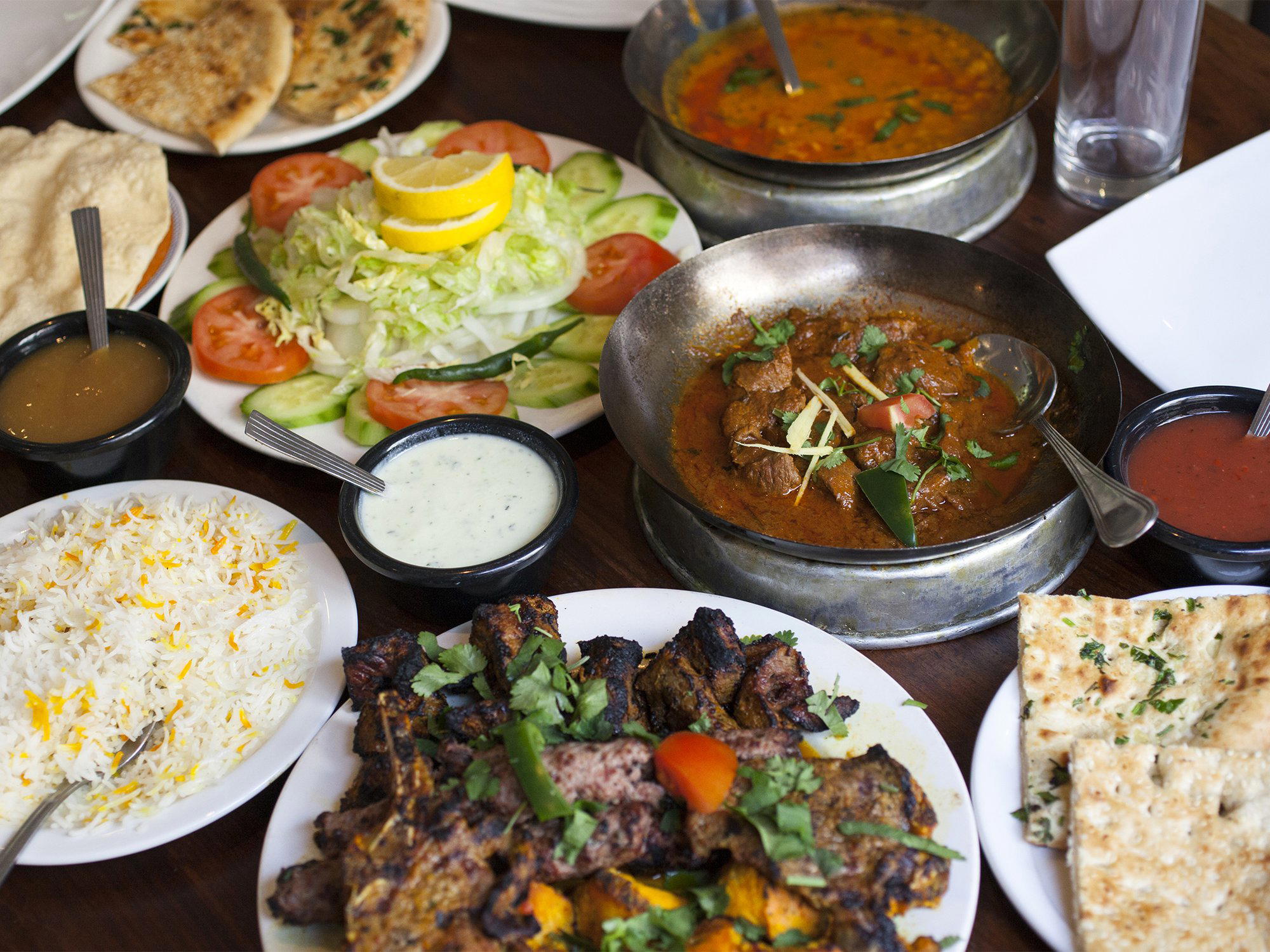
East London's Pakistani Counter Culture
What the E1 postal code offers instead is a density of Pakistani and Bangladeshi cooking with a lineage that predates London's current obsession with provenance and chef-driven narrative. Lahore Kebab House on Umberston Street sits at the centre of that tradition, serving Traditional Punjabi Pakistani Grill cooking in Whitechapel.
The Progression of a Meal Here
The meal follows the Pakistani karahi tradition, with bread first, then heavier proteins, then slow-cooked lentils that function as both side and anchor.
Chapati or naan comes out of the tandoor quickly, and this is where the meal effectively begins. The bread here is not decorative, it is the primary vehicle, and its quality sets the register for what follows. In karahi cooking broadly, the sequence matters: you eat lighter before heavier, and the fat-rendered lamb or chicken dishes that define the menu's middle section are built for sharing across a table rather than ordered individually. This communal structure is not a design decision distinctive to this address; it reflects how Pakistani restaurant culture has always organised the meal, prioritising the table over the individual plate.
The dal is where many regulars anchor the experience. Slow-cooked black lentils, the kind that require overnight preparation to achieve the right consistency, appear regularly in descriptions of what people return for. In the broader taxonomy of Pakistani restaurant cooking in Britain, a well-executed dal is often one reliable indicator of kitchen discipline, since it cannot be rushed and does not benefit from shortcuts. At Lahore Kebab House, this dish has been a reference point for East London diners across multiple decades.
Seekh kebab and shami kebab represent the second register of the menu, the minced-meat preparations that require a different technical competence from the karahi dishes. These are not the dry, over-seasoned versions that characterise mid-tier high street execution, the versions associated with Lahore Kebab House have a reputation for moisture and spice balance that has sustained the restaurant's position in a competitive neighbourhood. For those mapping British-Pakistani cooking against the formal end of the UK dining spectrum, venues like Opheem in Birmingham, which applies Michelin-star ambition to South Asian technique, the restaurant represents the unmediated source material rather than the refined interpretation.
The Room and Who Uses It
The atmosphere at the restaurant is canteen-adjacent: high turnover, shared tables when it's busy, a noise level that reflects full occupancy rather than acoustic engineering. Weekend evenings in particular draw queues that extend onto Umberston Street, which functions as one legible trust signal the restaurant has. London diners who could eat anywhere choose to wait outside a room with no reservations system, no dress code, and no tasting menu.
The cross-section of the dining room on any given evening is worth noting. Families with young children, groups of students, city workers crossing from the financial district, and food writers who've been coming for years occupy the same space without visible hierarchy. This is a demographic pattern that high-end formal dining rarely achieves, compare it to the self-selecting audience that books months ahead at venues like Waterside Inn in Bray or L'Enclume in Cartmel, and the contrast in who gets access becomes the editorial point.
Children are accommodated without ceremony. The informal service model and the family-oriented structure of the menu, dishes designed for sharing, bread served throughout, make this a practical choice for parents who want cooking of genuine quality without the spatial anxiety that fine dining rooms sometimes impose. There is no children's menu because there doesn't need to be; the food already functions at a scale and format that works across ages.
Placing It in the London Dining Map
London's restaurant culture is frequently discussed through its formal achievements: the Michelin-starred rooms in Mayfair and Notting Hill, the destination addresses that draw international visitors planning meals the way others plan museum visits. Moor Hall, Midsummer House, Gidleigh Park, and Ynyshir Hall represent one register of British culinary ambition. Hand and Flowers, hide and fox, and Restaurant Andrew Fairlie represent another. The restaurant sits entirely outside these competitive sets, which is precisely what makes it editorially interesting.
The restaurant has sustained its position not through reinvention or media cycles but through consistency in a neighbourhood that has changed substantially around it. Brick Lane's dining character has shifted considerably since the 1990s, with the corridor's Bangladesh-heavy curry houses giving way to a more varied offer. Whitechapel has gentrified at its edges. The restaurant has remained. That kind of durability, in a city where restaurant lifespans average well under a decade, functions as its own form of credential.
For visitors building a London food itinerary that extends beyond the starred formal tier, the kind of itinerary that might also include reference points like Le Bernardin in New York City or Lazy Bear in San Francisco as international comparisons, the restaurant offers a counterpoint that formal dining cannot provide: cooking embedded in a community, priced for that community, and unchanged in ambition across generations. See our full London restaurants guide for the broader picture across price points and styles.
Planning Your Visit
The restaurant is located at 2-10 Umberston St, London E1 1PY, United Kingdom. It is walk-in friendly. Weekday lunches are considerably less pressured than weekend evenings, when queues form reliably. Expect about $20 per person.
Cuisine Lens
Comparable venues nearby, for context on price, style, and recognition.
| Venue | Cuisine | Price | Notes |
|---|---|---|---|
| Lahore Kebab HouseThis venue — the venue you are viewing | Traditional Punjabi Pakistani Grill | $ | Not listed |
| Ragam | Authentic Keralan South Indian | $$ | Fitzrovia |
| Pure Indian Cooking | Modern Indian | $$ | Hurlingham |
| Shree Krishna Vada Pav Hounslow | Mumbai Street Food | $ | Hounslow |
| Lahori Mehak | Pakistani Curry House | $ | Lampton |
| Punjab | Traditional North Indian Punjabi | $$ | St Giles |
Continue exploring
More in London
Restaurants in London
Browse all →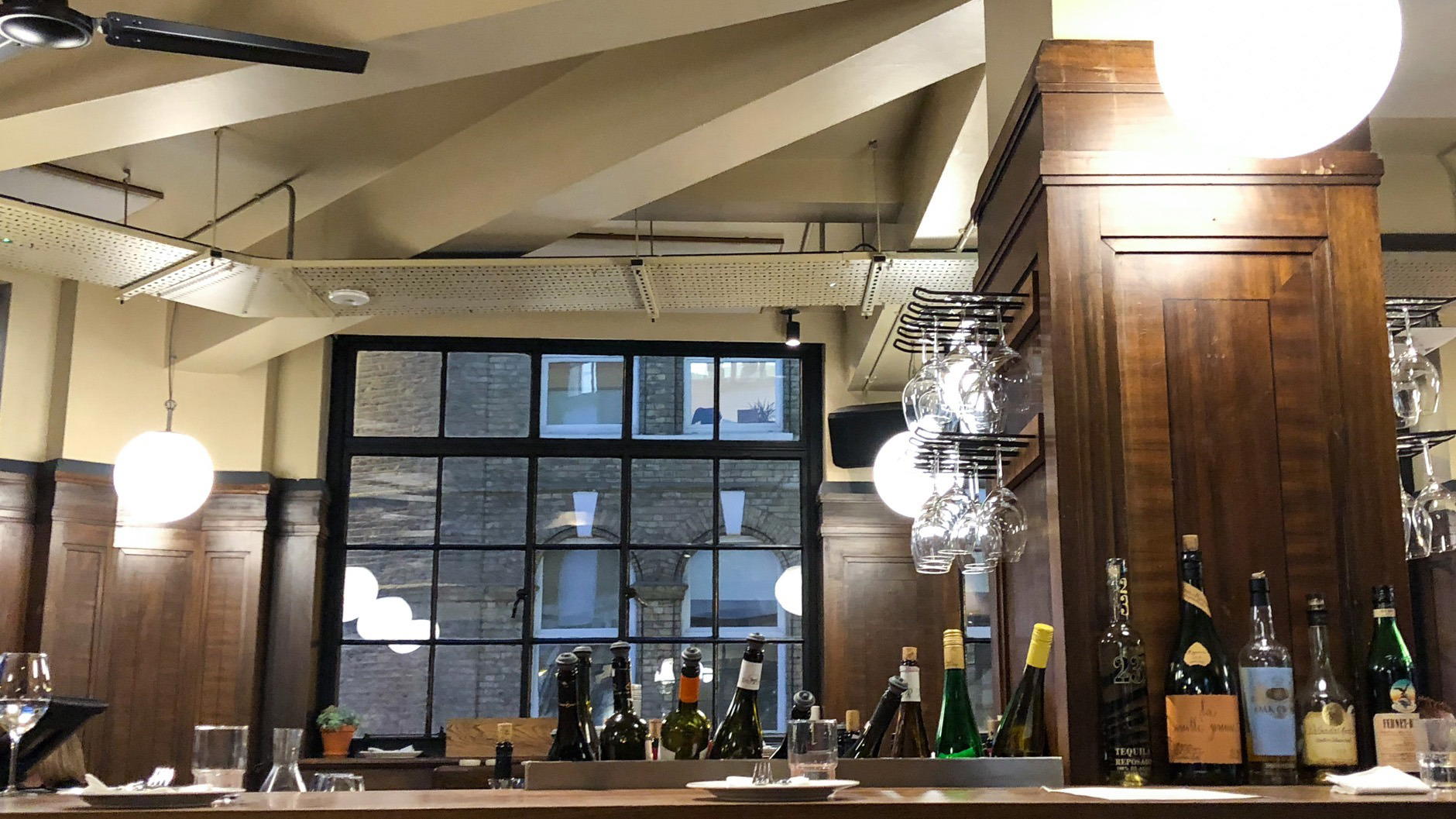
Bars in London
Browse all →
Hotels in London
Browse all →

At a Glance
- Well Known
- Rustic
- Lively
- Group Dining
- Casual Hangout
- Late Night
- After Work
- Open Kitchen
- Standalone
- Byob
Current opening hours
- Monday
- 12 PM–1 AM
- Tuesday
- 12 PM–1 AM
- Wednesday
- 12 PM–1 AM
- Thursday
- 12 PM–1 AM
- Friday
- 12 PM–1 AM
- Saturday
- 12 PM–1 AM
- Sunday
- 12 PM–1 AM
Hours can change for holidays and private events. Last verified .
Industrial canteen-style setting with bold red-and-black signage, open-plan kitchen visible to diners, large multi-floor space accommodating hundreds, bright and direct with minimal decor.