

Angelina at 226 Rue de Rivoli has anchored the first arrondissement's café tradition since 1903, drawing Parisians and visitors alike to its gilded Belle Époque interior. The house is best known for its thick African hot chocolate and its Mont-Blanc pastry, both of which have defined the salon de thé format in Paris for more than a century. Arrive early on weekends; queues form before the doors open.
Pearl is the En Primeur Club membership app — saves, bookings, and concierge access live there. Same editors, same standards.
- Address
- 226 Rue de Rivoli, 75001 Paris, France
- Phone
- +33 1 42 60 82 00
- Website
- angelina-paris.fr
- Directions
- Get directions
 Saves & bookings on Pearl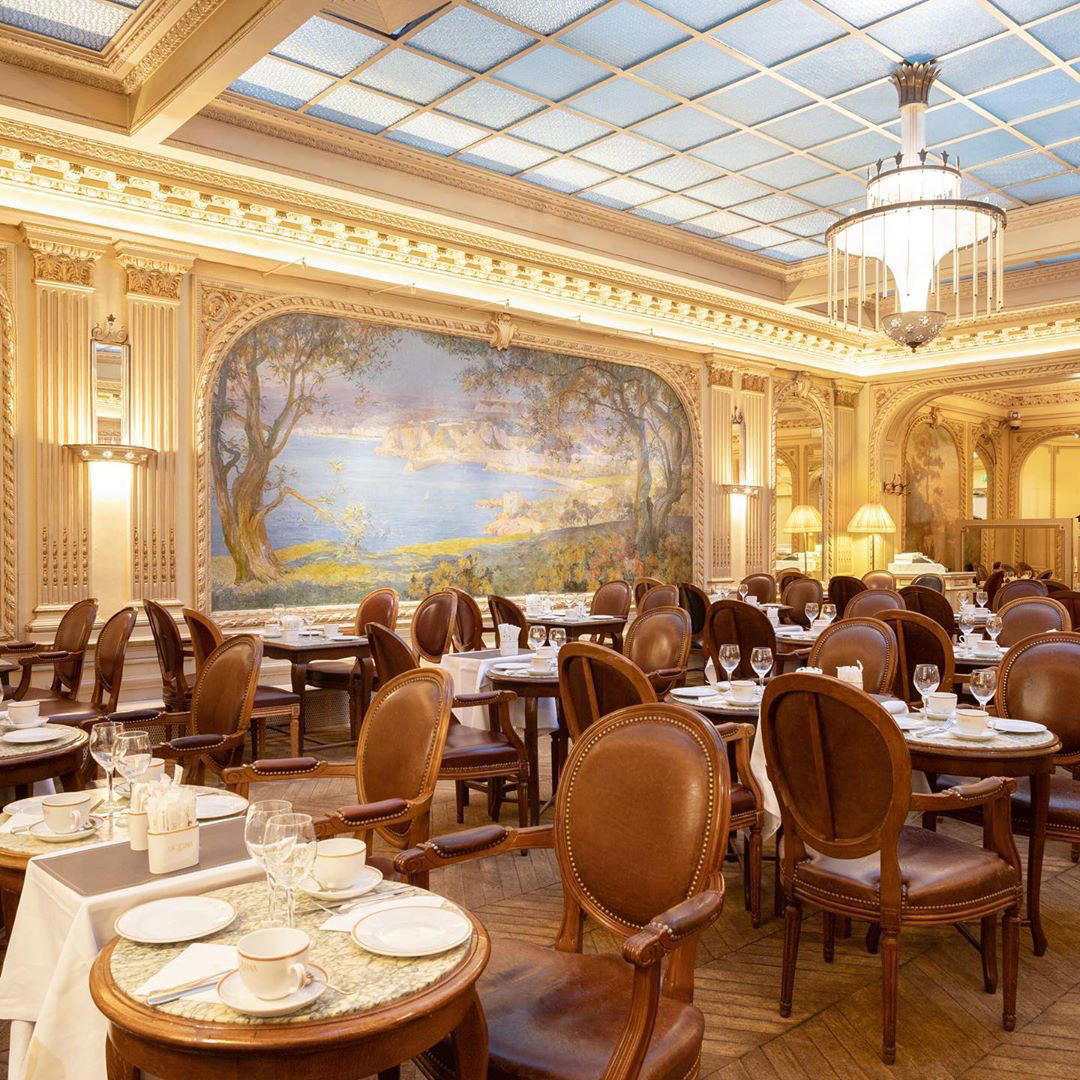
A Salon de Thé at the Heart of a Long Parisian Tradition
The Rue de Rivoli arcade runs the full length of the Tuileries garden, and by mid-morning on any given day, a queue has already formed outside number 226. It is the line for Angelina, a salon de thé that has occupied this address since 1903 and that sits, with considerable authority, at the centre of Paris's oldest café culture. The gilded mirrors, the frescoed ceilings, the marble-topped tables arranged in rows, all of it belongs to the Belle Époque register that defined Parisian public life at the turn of the twentieth century. Walking in feels less like entering a restaurant and more like stepping into a civic institution that happens to serve pastry.
That institutional quality is worth taking seriously. Paris has a long tradition of the salon de thé operating as a social space distinct from the brasserie or the bistro, somewhere between a drawing room and a public square, where the ritual centres on tea, chocolate, and patisserie rather than wine and a full meal. Angelina did not invent this format, but it has sustained it longer and more visibly than almost any address in the city. For those tracing the shape of Paris's dining culture, the salon de thé tradition is a thread that runs parallel to the restaurant world, and Angelina is its most legible example.
The Ingredient Story: What Goes Into the Cup and the Plate
The editorial angle on ingredient sourcing matters here because Angelina's reputation rests almost entirely on two things: its hot chocolate and its Mont-Blanc. Both are defined by the provenance of their central ingredients, and both have maintained a consistent standard that keeps regulars returning across decades.
The hot chocolate, called L'Africain on the menu, is made from a blend of African cacao, a sourcing decision that has remained in place since the house's founding. African cacao, particularly from Côte d'Ivoire and Ghana, tends toward a heavier, more intensely bitter profile than the more fashionable single-origin South American or Southeast Asian beans that have defined the contemporary chocolate bar and pâtisserie scene. The result here is a drink of considerable density, served in a small pot with a separate jug of whipped cream on the side. It is not a modern drinking chocolate in the Valrhona sense; it is a thicker, more old-fashioned preparation that reads as a direct line to early twentieth-century café culture across the Channel and the Alps. For those interested in how ingredient traditions survive or adapt, this is a useful case study: the recipe has not chased trend.
Mont-Blanc, Angelina's signature pastry, turns on the quality of its sweetened chestnut cream. Chestnuts in French pâtisserie carry significant geographic weight: the leading come from the Ardèche and the Dordogne, where the Castanea sativa variety produces a nut with enough natural sweetness to require minimal added sugar in the purée. The pastry itself, a meringue base topped with whipped cream and then threaded with vermicelli-thin chestnut purée, is a format associated with the Alps and with Savoy in particular, long before it became a Parisian staple. Restaurants such as Flocons de Sel in Megève work within that same Savoyard ingredient inheritance, though at a different register. At Angelina, the chestnut purée is the argument: rich enough to stand as the point of the dish, not merely its decoration.
Where Angelina Sits in the Paris Food Map
It is worth being clear about what Angelina is not. It does not occupy the same tier as the city's three-Michelin-star restaurants, among them L'Ambroisie on the Place des Vosges, Alléno Paris au Pavillon Ledoyen, or Le Cinq at the Four Seasons Hôtel George V. Those addresses operate within the competitive logic of French haute cuisine, where the conversation is about technique, produce sourcing at the farm or fishery level, and the creative signatures of named chefs. Kei and Arpège both sit within that world too, with their own distinct positions on the spectrum from classical to contemporary.
Angelina is answering a different question entirely. Its comparable set is the city's other long-running institutions of the tea-and-pastry format: Ladurée, Fauchon, Carette. Within that group, Angelina holds its position through the specificity of its signature items rather than through breadth of menu or seasonal ambition. The hot chocolate and the Mont-Blanc are the reason people queue, and the room is the reason they stay longer than they planned. This is a narrower proposition than a full-service restaurant, but it is a coherent one, sustained over more than a century.
For those building a wider picture of French regional cooking, the salon de thé format sits at a useful distance from the fine dining circuit. Institutions such as Auberge de l'Ill in Illhaeusern, Bras in Laguiole, Troisgros in Ouches, and Paul Bocuse's Auberge du Pont de Collonges represent the tradition of the grand provincial table, which is a different inheritance from the Parisian café.
Planning Your Visit
Angelina occupies 226 Rue de Rivoli in the first arrondissement, directly across from the Tuileries garden and within walking distance of the Louvre and the Place de la Concorde. The location means it draws both neighbourhood regulars and a high volume of visitors at peak hours. Arriving before 10am on weekdays typically means a shorter wait; weekend mornings and the post-lunch window between 2pm and 4pm are particularly congested periods. The room seats a significant number of guests, but the combination of slow table turnover, people tend to linger, and persistent demand means that a queue at the door should be expected rather than treated as a surprise. Booking is available for groups, and for a solo visit or a pair the counter near the entrance sometimes clears faster than the main room.
Accolades, Compared
Comparable venues nearby, for context on price, style, and recognition.
| Venue | Cuisine | Price | Notes |
|---|---|---|---|
| AngelinaThis venue — the venue you are viewing | Classic French Patisserie & Tea Room | $$$ | Not listed |
| Le Grand Cafe | Modern French Brasserie | $$$ | 8th Arrondissement |
| Beauvau Saint-Honoré | French Bistro with Corsican Influences | $$$ | Faubourg Saint-Honoré |
| 99 Haussmann | Modern French Bistronomic | $$$ | 8th arrondissement |
| L'Annexe | French Brasserie | $$$ | Montmartre |
| Truffes Folies | Truffle-Focused French Bistro | $$$ | 75008 |
Recognition history
Dated appearances from independent guides and award organizations, with the underlying list record or original source where available.
AD France 2026 AD France 28 Best Pâtisseries in Paris
AD France
Opinionated About Dining Casual in Europe Recommended
Opinionated About Dining
Continue exploring
More in Paris
Restaurants in Paris
Browse all →
Bars in Paris
Browse all →
Hotels in Paris
Browse all →



At a Glance
- Elegant
- Classic
- Well Known
- Special Occasion
- Brunch
- Historic Building
- Extensive Wine List
Current opening hours
- Monday
- 7:30 AM–7 PM
- Tuesday
- 7:30 AM–7 PM
- Wednesday
- 7:30 AM–7 PM
- Thursday
- 7:30 AM–7 PM
- Friday
- 7:30 AM–7:30 PM
- Saturday
- 8 AM–7:30 PM
- Sunday
- 8 AM–7:30 PM
Hours can change for holidays and private events. Last verified .
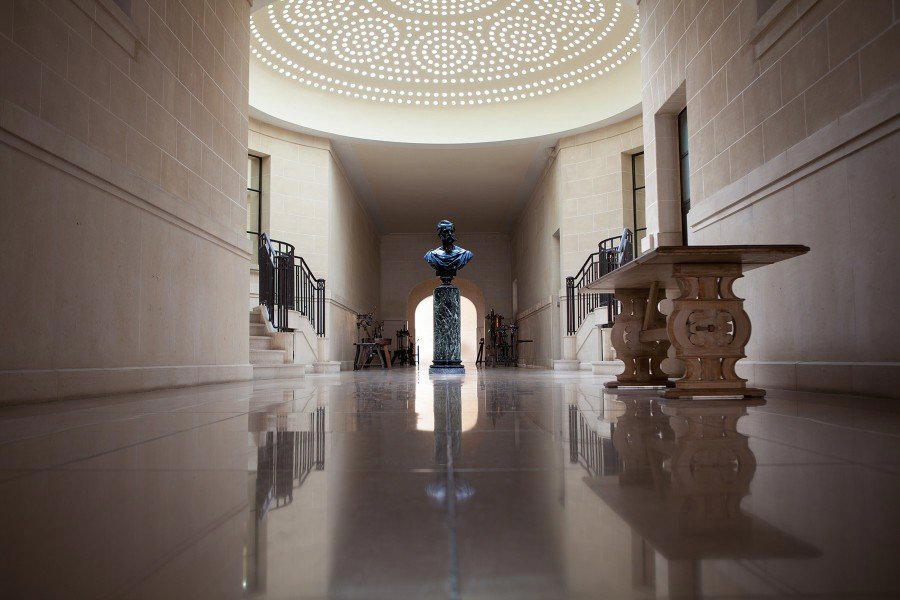
Elegant Belle Époque decor with ornate ceilings, marble tables, and a refined, timeless Parisian atmosphere.