Our verdict
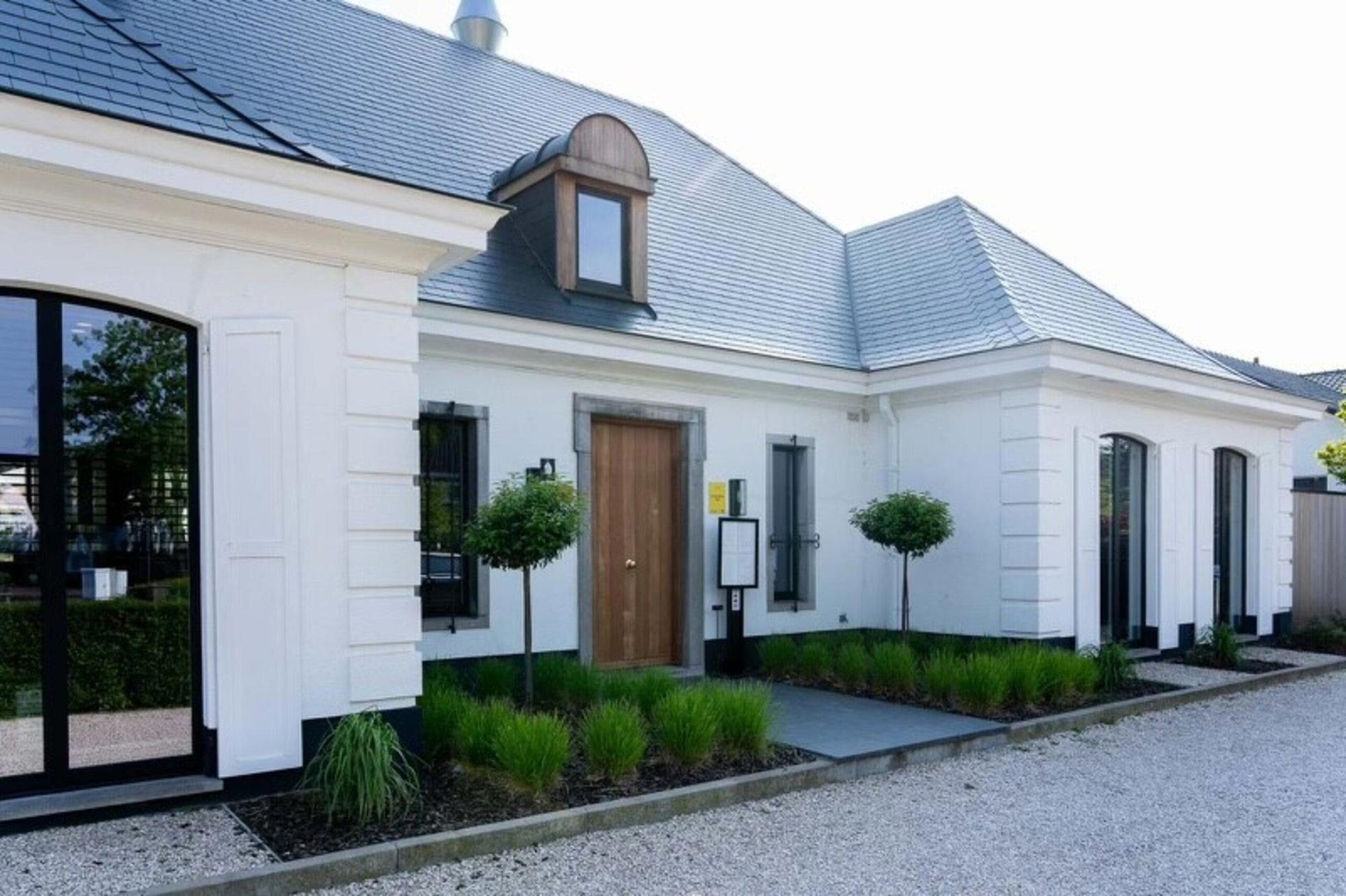
Laan 7 sits on Leopoldlaan in Eeklo, a market town in the Flemish Meetjesland that rarely appears on touring restaurant itineraries.

Pearl is the En Primeur Club membership app — saves, bookings, and concierge access live there. Same editors, same standards.
- Address
- Leopoldlaan 7, 9900 Eeklo, Belgium
- Phone
- +3292337505
- Hours
- Mon ClosedTue–Sat 12–11 PMSun Closed
- Website
- laan7.be
- Directions
- Get directions
- Booking
- Book on the venue's website
Eeklo and the Flemish Provincial Table
Belgium's restaurant reputation is built on a handful of urban anchors and a scattering of rural destinations that draw diners willing to make a detour. Ghent anchors the East Flemish food conversation; further afield, names like Hof van Cleve in Kruishoutem and Boury in Roeselare demonstrate that Flemish provincial addresses can compete at the highest level. Eeklo, a market town of roughly 20,000 in the Meetjesland subregion, sits in a quieter register. It is not a destination town in the way that Ghent or Bruges functions for food travellers, but that is precisely what makes the dining scene here worth watching. Smaller towns in Flanders have a long tradition of serious neighbourhood tables that serve a loyal local clientele rather than a tourist circuit, and Laan 7, located at Leopoldlaan 7, belongs to that provincial category.
The Meetjesland is agricultural lowland, historically oriented around market trade and light industry rather than gastronomy. That context shapes expectations: this is not a region where you arrive with Michelin star ambitions as a baseline. What you find instead are restaurants embedded in local life, often operating on a scale and with a formality calibrated to the community rather than the destination diner. That format has its own integrity. Some of Belgium's most considered cooking happens at exactly this level, where the audience is regulars who know the menu well and the kitchen responds to that familiarity with consistency rather than spectacle.
Belgium's Broader Culinary Frame
To understand where a venue like Laan 7 sits, it helps to map the broader Belgian dining structure. A tier below, creative addresses such as Castor in Beveren and Willem Hiele in Oudenburg have built followings around specific culinary perspectives. Then there is the vast and often underappreciated middle of Belgian dining: neighbourhood restaurants in provincial towns, rooted in classical technique, serving food that is honest about what it is and where it comes from.
Belgian cuisine at this level draws on a Franco-Flemish tradition that is distinct from both French classicism and Dutch practicality. Preparation tends toward product-led cooking: good butter, local beef and pork, seasonal vegetables from the polders and sandy interior, and a brasserie logic that prizes a well-executed classic over novelty. The comparison set is not L'air du Temps in Liernu or Bozar Restaurant in Brussels; it is the steady, capable neighbourhood table that a town like Eeklo has always needed and occasionally produced with quiet distinction.
The Address and What It Implies
Leopoldlaan is one of Eeklo's main arteries, running through the commercial centre of the town. An address here places Laan 7 in an accessible, visible location rather than tucked away on a side street, which typically signals a restaurant oriented toward general local patronage rather than a specialist destination format. In Belgian provincial towns, the laan-facing restaurant often occupies a dual role: lunch service for the working population and evening sittings for families and small celebrations. That format is culturally specific and worth understanding before booking.
The dining culture of Meetjesland towns like Eeklo is shaped by proximity to Ghent, which sits roughly 25 kilometres to the southeast and absorbs much of the regional appetite for higher-end or experimental dining. What remains in towns like Eeklo tends toward the reliable and unpretentious, which is not a diminishment. The Franco-Flemish tradition of honest provincial cooking has produced generations of kitchens that do a small number of things with real competence, and that model continues to find an audience precisely because it does not chase broader trends.
Eeklo's wider dining scene includes Chef & Zus and Le Goût d'Or, both of which represent the town's range. For a fuller picture of what Eeklo offers across price points and formats, the EP Club Eeklo restaurants guide maps the current options with editorial context.
Provincial Belgian Dining in Comparative Context
The gap between Belgium's starred destination restaurants and its provincial tables is narrower in technique than in profile. Belgian culinary education has always been methodical, and kitchens at every level tend to share a baseline competence with classical method that is less consistent in equivalent-sized towns in neighbouring countries. A serious restaurant in a Flemish town of 20,000 is more likely to have trained rigorously than its equivalent in a comparable English or American market town, partly because the professional kitchen tradition here runs deep and partly because the Belgian diner at this level is not particularly forgiving of mediocrity.
That context matters when approaching a venue like Laan 7. The absence of extensive published data or awards does not indicate a lack of seriousness; Belgian provincial restaurants frequently operate without the marketing infrastructure that generates online visibility. The venues that have built international profiles, from Bartholomeus in Heist to La Durée in Izegem, did so through sustained quality over time rather than through early publicity. The provincial Belgian table earns its reputation slowly and locally first.
For visitors coming from further afield and accustomed to the ambition of addresses like Le Bernardin in New York City or Atomix in New York City, the register here is different. This is not a category comparison; it is a different kind of dining occasion entirely, one shaped by regional habit and local loyalty rather than by international aspiration.
Planning a Visit
Eeklo is reachable by train from Ghent in under 30 minutes, with regular services on the line toward Bruges and the coast. By car, the town sits at the intersection of several secondary roads through the Meetjesland, making it a practical stop on a route between Ghent and the Flemish coast. Belgian provincial restaurants often observe midday closing days and limited evening sittings, particularly outside the weekend, so advance confirmation is worth the step. Additional context on other restaurants in the area can be found through the EP Club Eeklo guide, alongside options like La Table de Maxime in Our, d'Eugénie à Emilie in Baudour, and Le Chalet de la Forêt in Uccle for those building a broader Belgian itinerary.
Frequently asked questions
Is Laan 7 suitable for children?
Belgian provincial restaurants on central town addresses like Leopoldlaan in Eeklo have historically accommodated families, particularly at lunch and earlier evening sittings.
What kind of setting is Laan 7?
Laan 7 occupies a street-level position on Leopoldlaan, one of Eeklo's main commercial arteries, in a Flemish market town of roughly 20,000 people. The address places it in the visible, accessible core of the town rather than on a destination road requiring a deliberate drive. Eeklo sits in the Meetjesland region of East Flanders, approximately 30 minutes from Ghent by train, which gives the restaurant a clear regional catchment.
How far is Laan 7 from Ghent, and is it easy to reach without a car?
Eeklo is served by regular train services from Ghent, with journey times running under 30 minutes on the line toward Bruges and the coast. Leopoldlaan, where Laan 7 is located at number 7, sits within walking distance of the town centre and its transport connections. This makes Laan 7 a practical option for a day trip or evening out from Ghent without requiring a car.
What do people recommend at Laan 7?
In the Franco-Flemish provincial tradition that characterises kitchens at this type of Eeklo address, menus typically follow seasonal market availability, with preparations grounded in classical Belgian technique. For current menu specifics, the restaurant itself is the reliable source.
Budget and Context
Comparable venues nearby, for context on price, style, and recognition.
| Venue | Cuisine | Price | Notes |
|---|---|---|---|
| Laan 7This venue — the venue you are viewing | French-Belgian Bistro | $50–100 | Not listed |
| Le Goût d'Or | Belgian Café and Tea Room | Not listed | Eeklo, Belgian Café and Tea Room |
| Chef & Zus | French Fine Dining with International Accents | $100–150 | Eeklo, French Fine Dining with International Accents |
| MaReine | French-Belgian Brasserie | Not listed | Astene, French-Belgian Brasserie |
| Plaisir dit vin | French-Belgian Bistronomic | Not listed | Grand-Place, French-Belgian Bistronomic |
| d'Hofstee | Belgian-French Grillhouse | $30–50 | countryside, Belgian-French Grillhouse |
Details
- Cozy
- Elegant
- Charming
- Date Night
- Special Occasion
- Terrace
- Local Sourcing
- A La Carte
- Vegetarian Friendly
Current opening hours
- Monday
- Closed
- Tuesday
- 12–11 PM
- Wednesday
- 12–11 PM
- Thursday
- 12–11 PM
- Friday
- 12–11 PM
- Saturday
- 12–11 PM
- Sunday
- Closed
Hours can change for holidays and private events. Last verified .
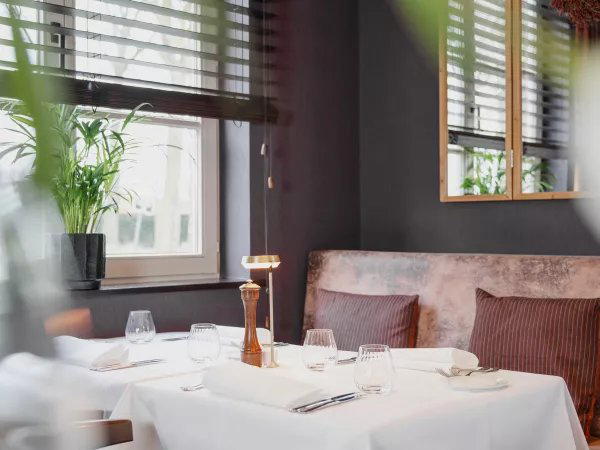
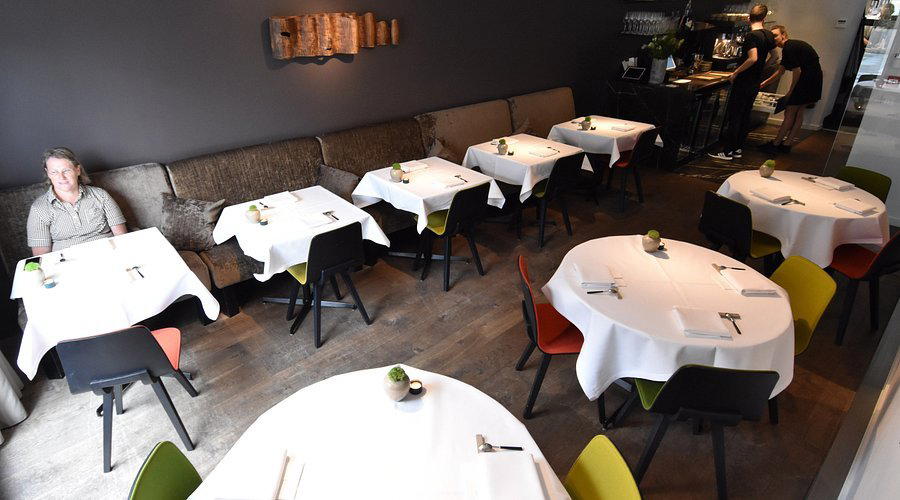
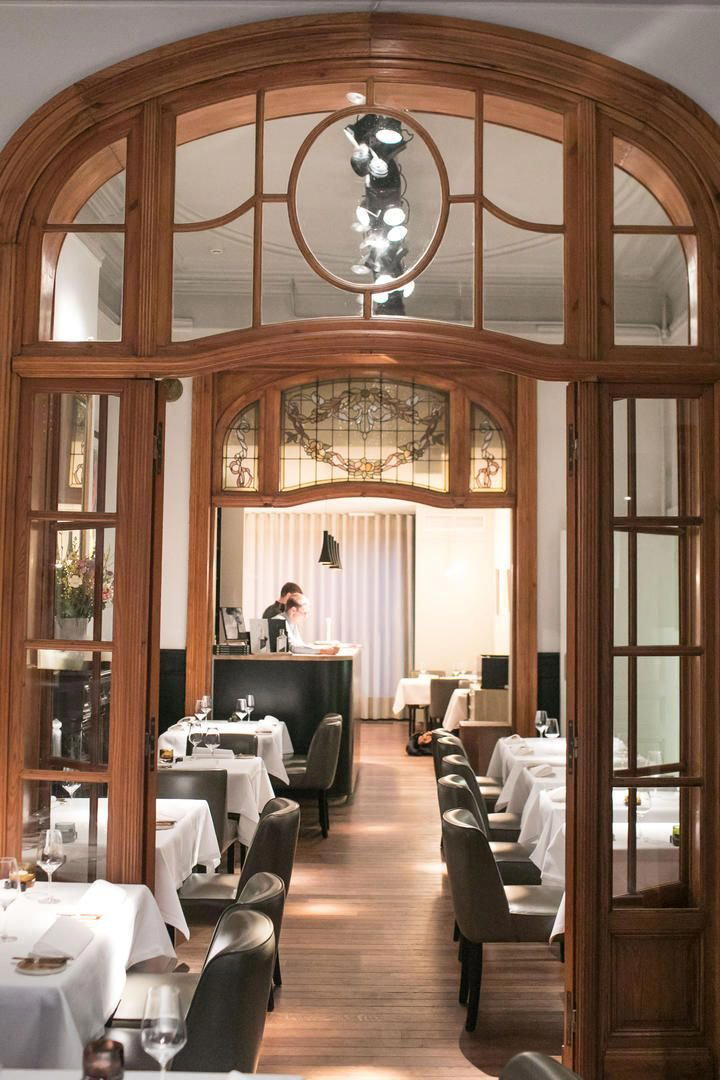
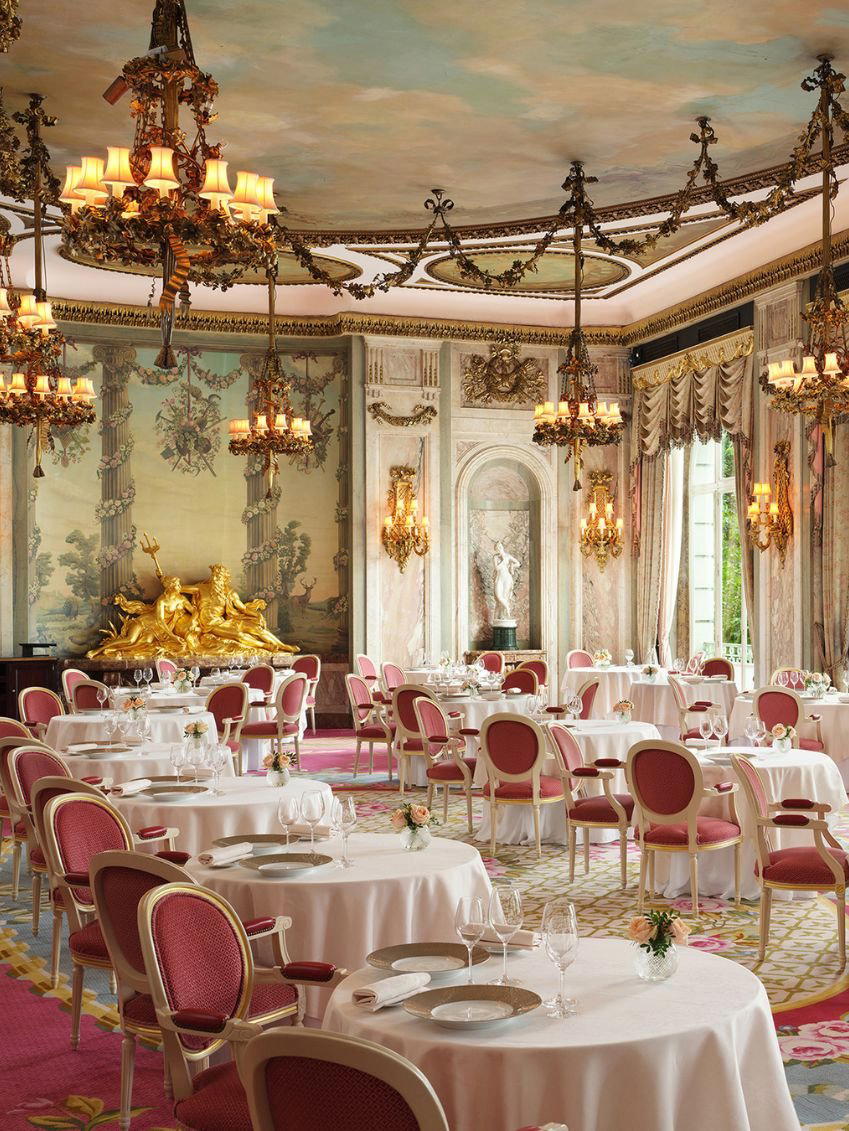
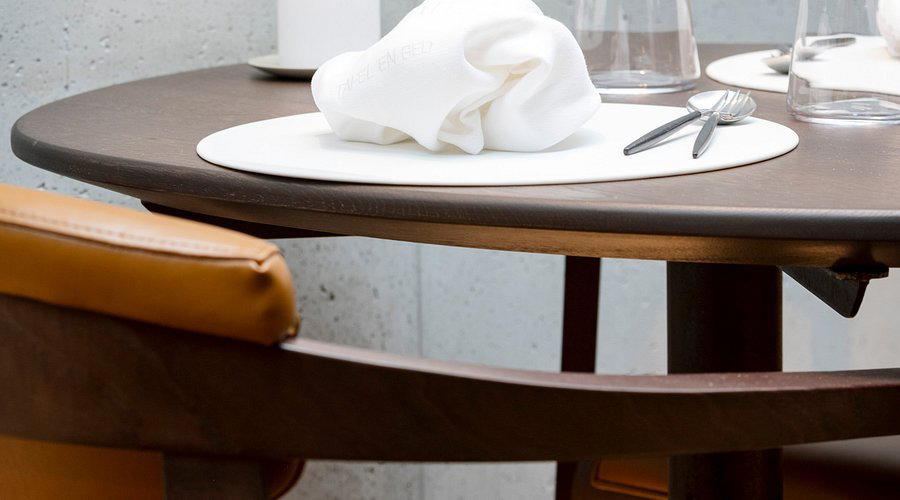
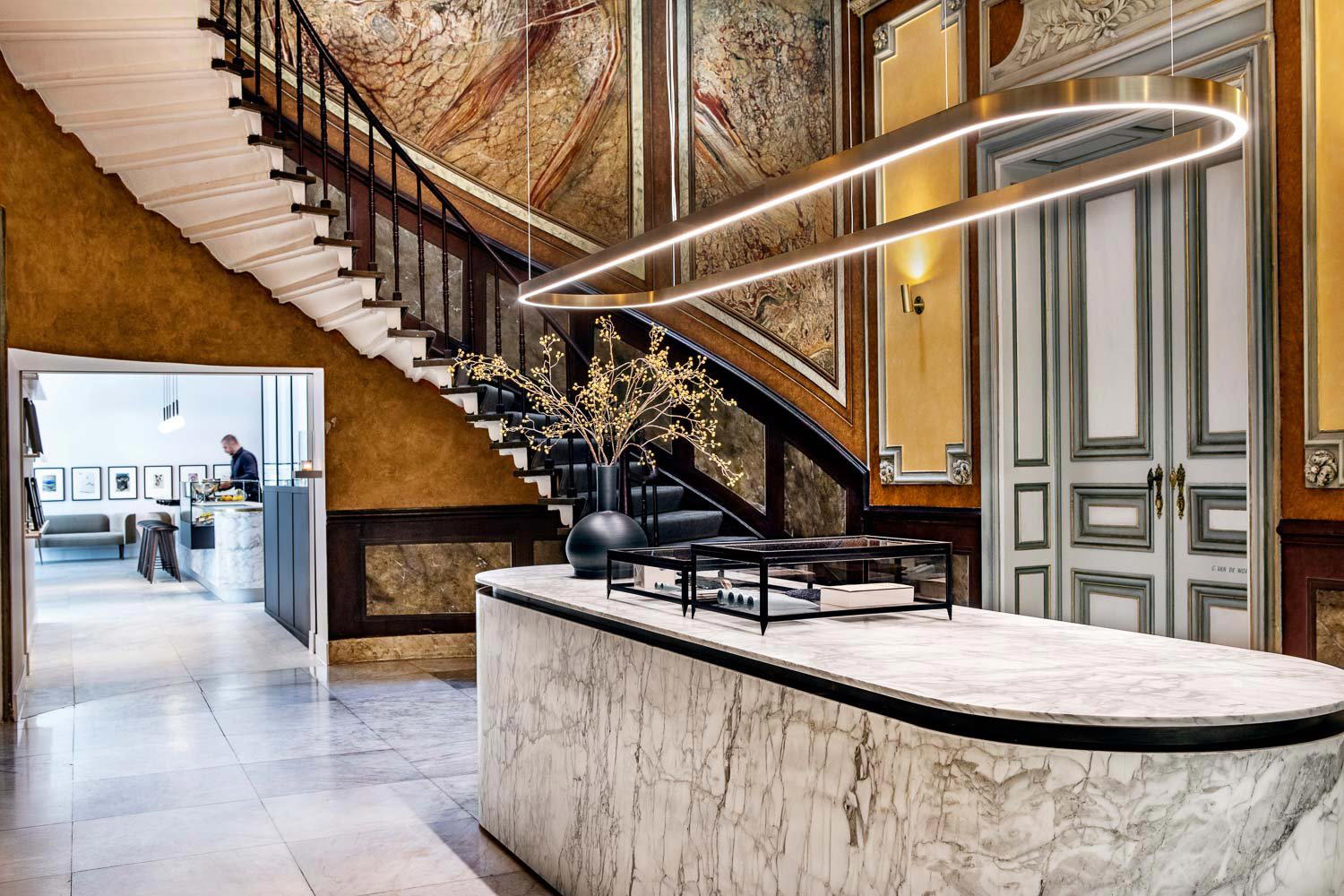
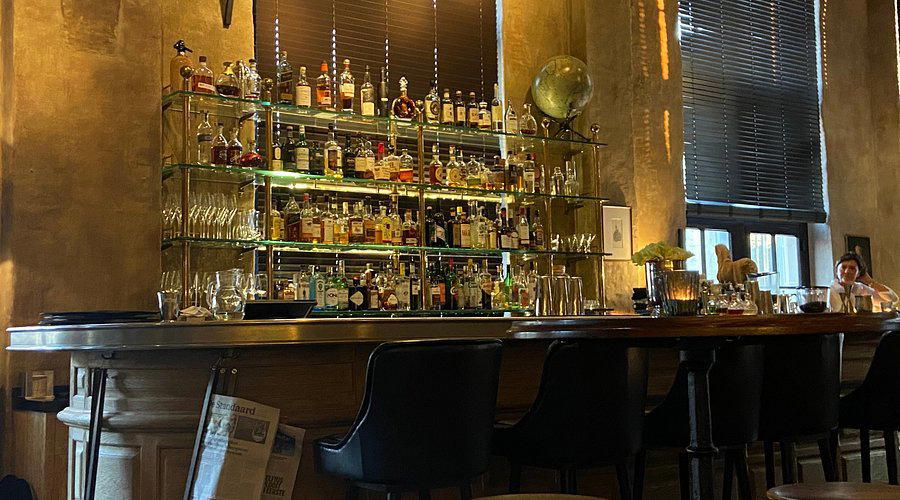
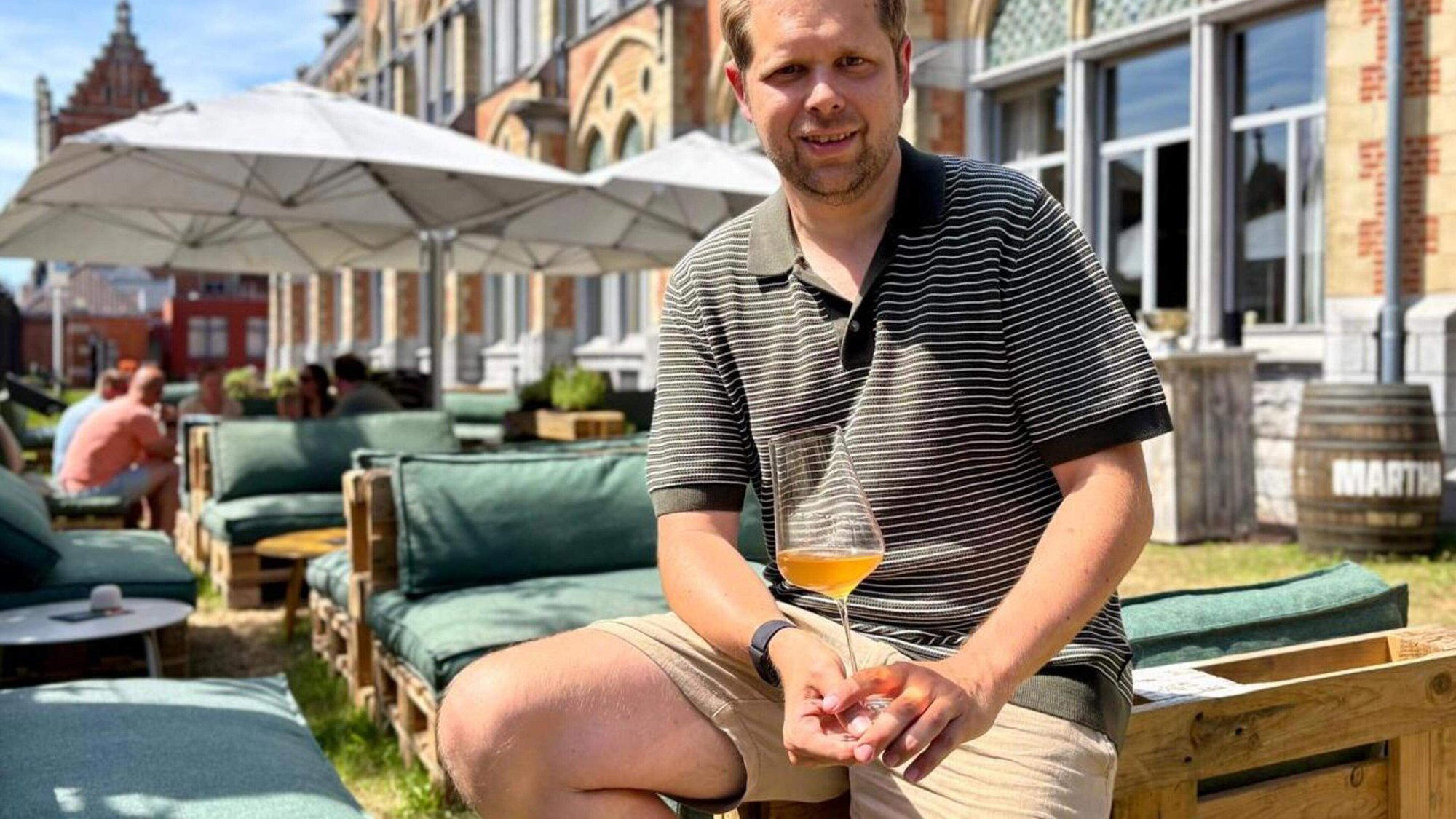
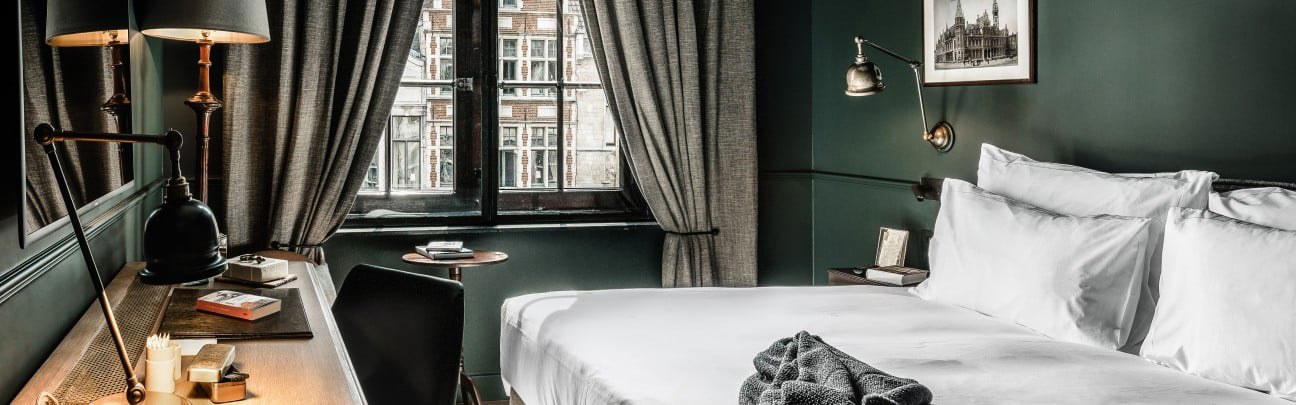
Cozy and quiet decor with warm welcoming service and beautifully presented dishes.