Our verdict
MaReine occupies a quiet address on Kapellestraat in the heart of Deinze, a town in the Leie valley that punches above its size in terms of serious dining.

Pearl is the En Primeur Club membership app — saves, bookings, and concierge access live there. Same editors, same standards.

Deinze as a Dining Address
The Leie valley has a habit of producing serious kitchens in places that don't announce themselves. Deinze, a compact Flemish town roughly midway between Ghent and Kortrijk, fits that pattern. It draws less outside attention than either city, yet its dining scene has evolved steadily, with a handful of addresses that take sourcing and technique with the same seriousness you'd find in a Ghent side street or a Roeselare institution like Boury. MaReine, at Kapellestraat 18, sits inside that local ambition. The address is central, but the atmosphere is residential-quiet, the kind of setting where the focus lands squarely on what's happening at the table rather than on foot traffic or theatre.
Where the Ingredients Come From — and Why That Shapes the Plate
Flemish kitchens at this level have long operated within a sourcing logic that connects them to the agricultural character of East Flanders. The region grows brassicas, root vegetables, and chicory in volumes that make proximity-based menus a structural reality rather than a marketing decision. Waterzooi, the classic Ghent preparation of vegetables and fish or chicken in a cream broth, is one expression of this logic: the dish works because its ingredients travel almost no distance. Restaurants that operate in this tradition, whether or not they invoke its name explicitly, tend to build menus around what the Leie valley produces at a given moment in the calendar.
That sourcing discipline shows up most clearly in how seasonal change is handled. Kitchens committed to ingredient proximity don't just swap a garnish between quarters; the structure of the menu shifts. Winter pushes toward braised preparations, aged cheeses, and root-heavy courses. Spring releases that pressure and opens space for young vegetables, lighter broths, and the first asparagus from the Mechelen beds about an hour north. In Deinze specifically, the proximity to Ghent's market infrastructure gives local kitchens access to a supply chain that larger Belgian cities take for granted but that smaller towns sometimes have to work harder to maintain. MaReine's Kapellestraat location, in the commercial core of Deinze, positions it to benefit from that infrastructure.
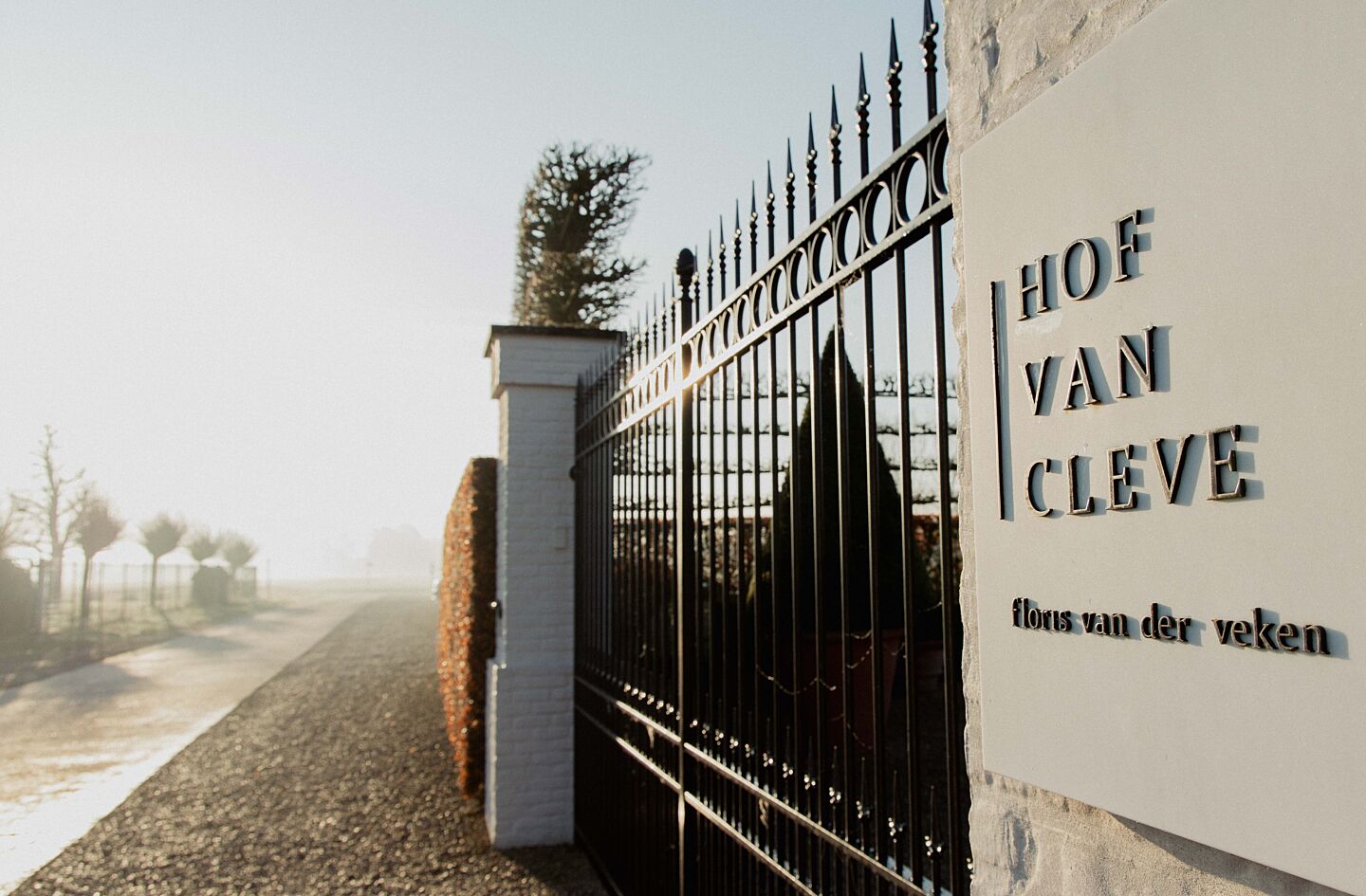
For context on where this sits regionally: Hof van Cleve in Kruishoutem and Willem Hiele in Oudenburg represent the top tier of ingredient-driven Flemish fine dining, with the sourcing provenance and kitchen discipline to match their recognition. De Jonkman in Sint-Kruis and Bartholomeus in Heist operate in adjacent registers. MaReine belongs to the next tier down from those benchmarks, in a peer group defined more by local integrity than by international recognition, alongside Deinze addresses like Au Bain Marie and De Zwarte Vos.
The Atmosphere on Kapellestraat
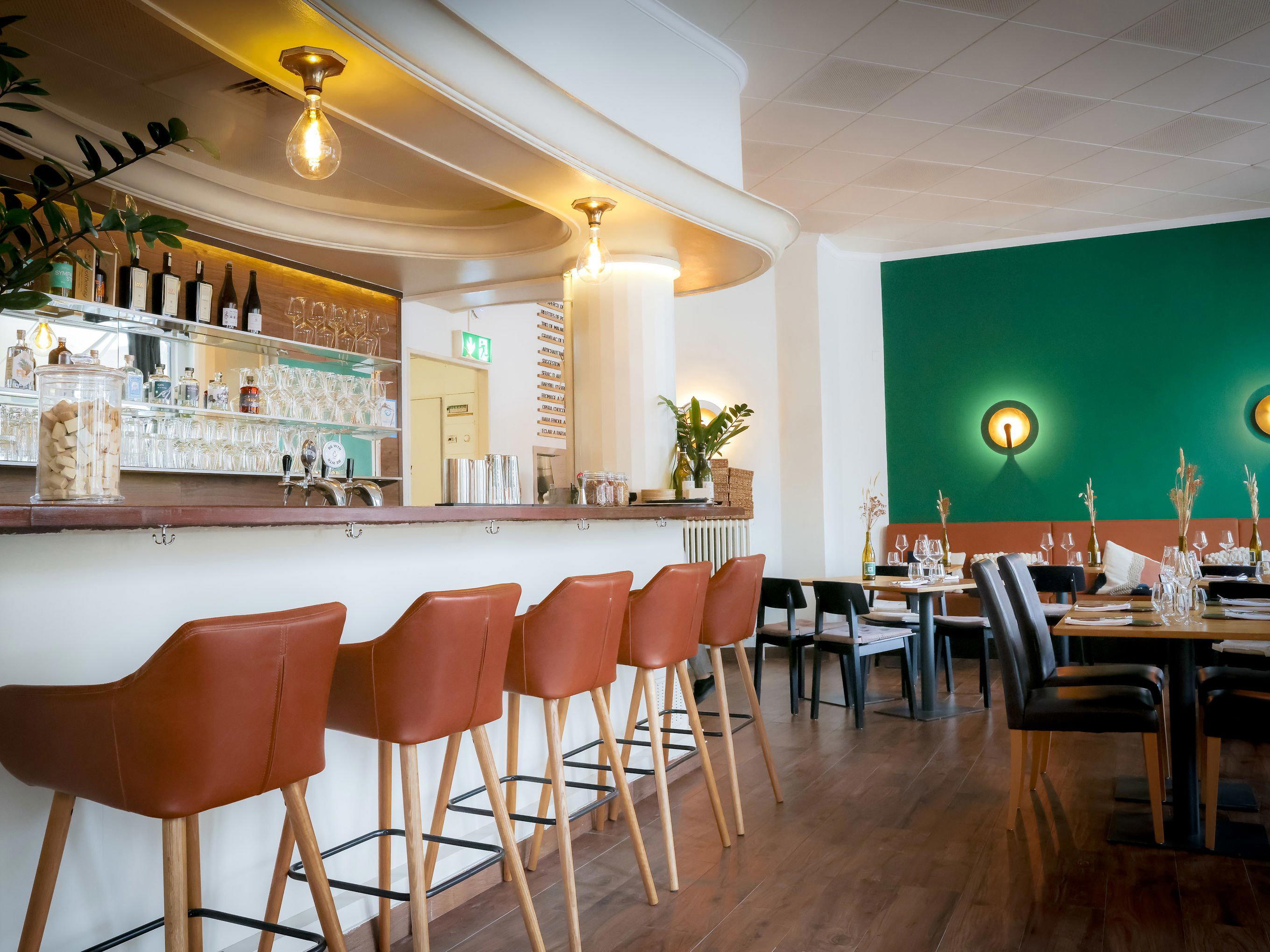
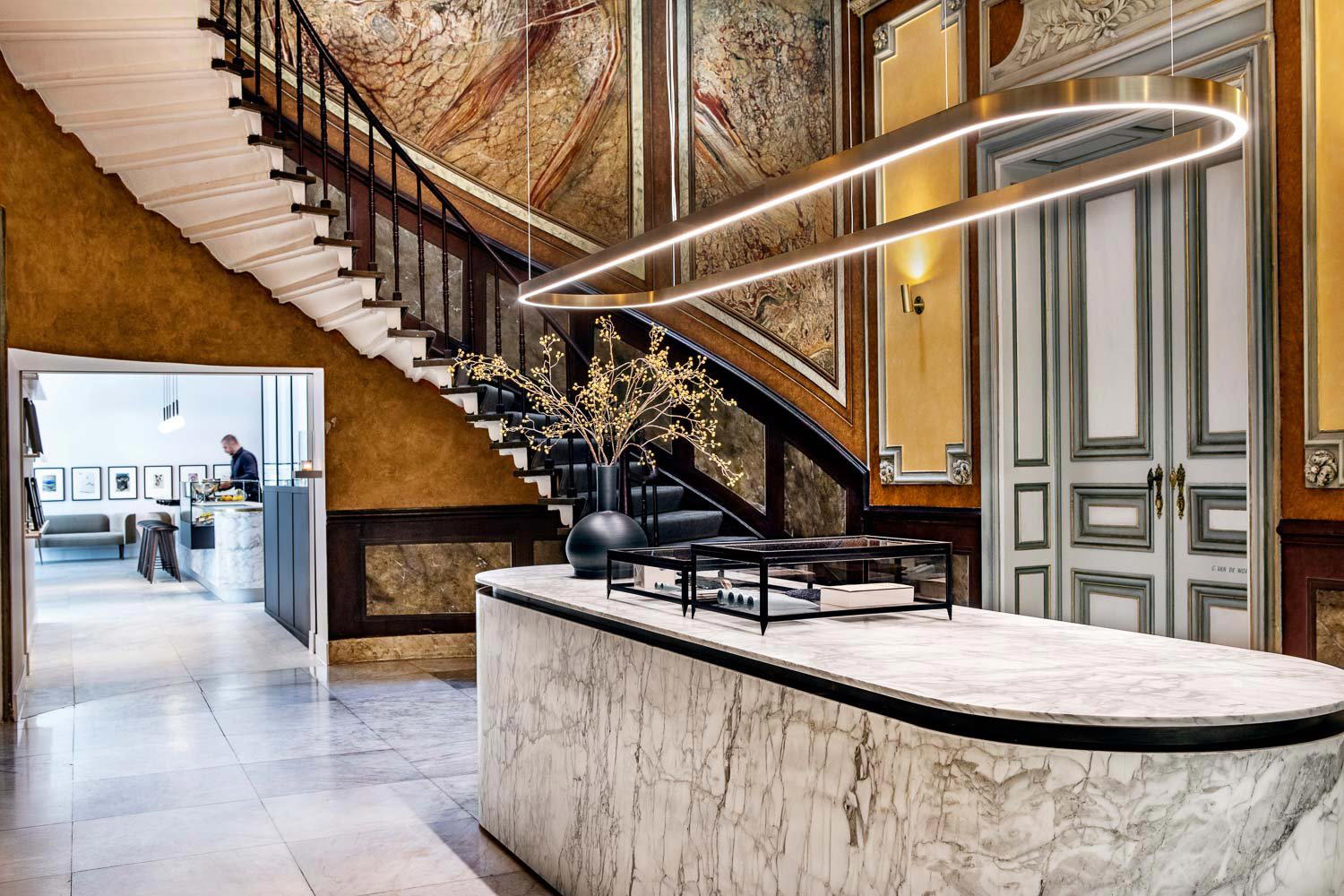
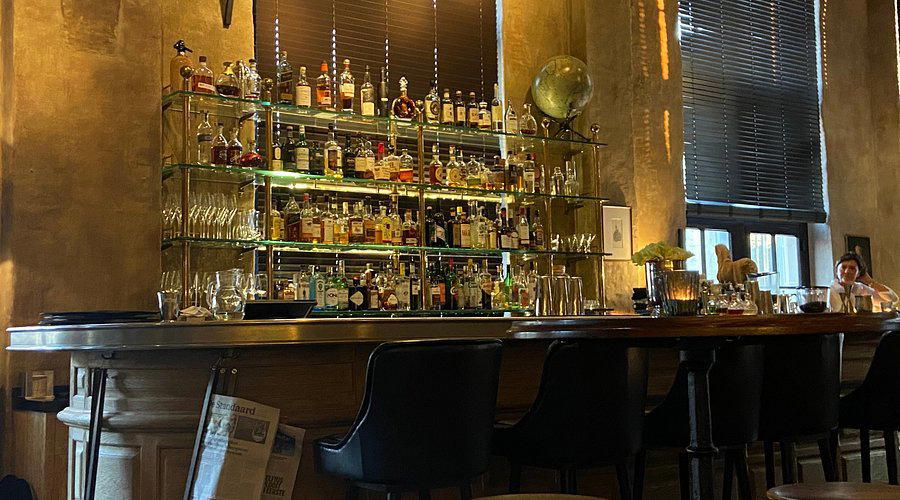
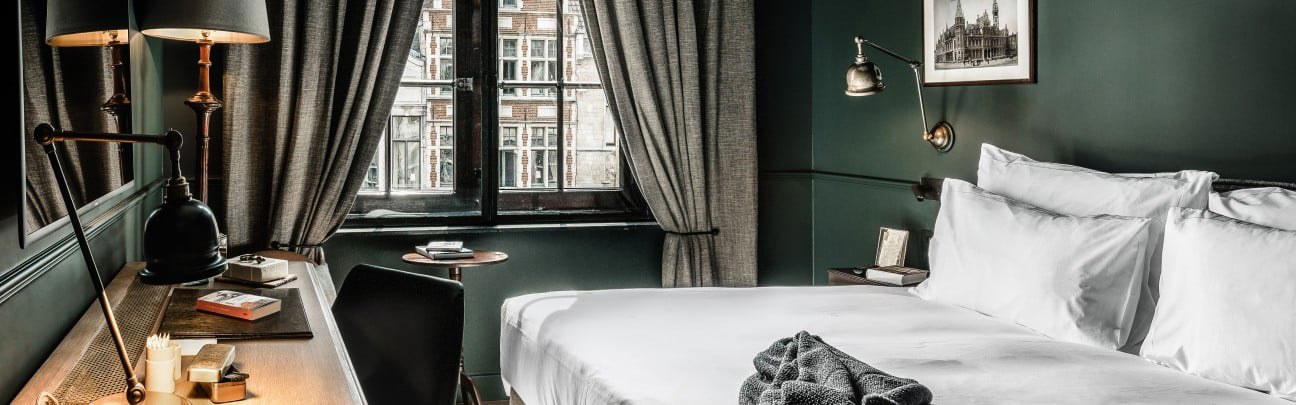
Kapellestraat runs through central Deinze without the commercial pressure of a main shopping strip. The buildings are modest in scale, the street itself relatively narrow, and the rhythm of foot traffic on most evenings is decidedly unhurried. Approaching MaReine, there's none of the doorman theatre or backlit signage you'd associate with a Brussels address like Bozar Restaurant. The setting is domestic in its proportions, which tends to produce a dining room where conversations between tables stay at normal volume and where the service model rewards guests who've made a deliberate choice to be there rather than those who've wandered in.
That atmosphere is common across the better kitchens in smaller Flemish towns. The lack of spectacle functions as a filter. Guests who make the drive from Ghent or Kortrijk, or who are passing through the Leie valley specifically to eat, tend to approach the table with different expectations than a tourist crowd in a city centre. This is part of what makes the Deinze dining scene interesting: the audience is self-selecting, and the kitchens respond accordingly.
Deinze has a small but coherent group of kitchens worth considering together. Gasthof Halifax sits at the more traditional end of the local range, its gastronomy rooted in the Belgian gastronomy tradition with fewer concessions to contemporary plating. Au Bain Marie operates in a warmer, more informal register. De Zwarte Vos has its own positioning within the town. MaReine occupies its own niche in that group, and the town as a whole rewards planning a meal around a visit rather than treating any of its restaurants as walk-in options. For a broader view of what Deinze offers, the full Deinze restaurants guide maps the options with more detail.
For those building a longer itinerary through the Flemish interior, the comparison set extends to kitchens like Castor in Beveren, La Durée in Izegem, and Zilte in Antwerp at the leading end. Across the language boundary, L'air du temps in Liernu, d'Eugénie à Emilie in Baudour, and La Table de Maxime in Our operate in the same tradition of ingredient-led Belgian cooking with regional specificity. For a point of contrast at the international level, Le Bernardin in New York City and Atomix in New York City show how tasting-menu formats with rigorous sourcing standards translate across very different contexts and price brackets.
Planning a Visit
Deinze is accessible by train from Ghent in under 30 minutes, which makes a dinner visit feasible without a car, though the last trains in the evening run infrequently enough to reward checking the schedule before booking. Kapellestraat 18 is in the town centre and reachable on foot from the station.
Frequently asked questions
Is MaReine child-friendly?
MaReine sits on Kapellestraat 18 in central Deinze, a quiet residential-scale street rather than a busy commercial strip. The setting suggests a considered dining environment where the focus is on the food and the table. Families with older children who can engage with a proper sit-down meal tend to be better suited here than those with very young children, though it is worth contacting the restaurant directly to confirm their approach.
What should I expect atmosphere-wise at MaReine?
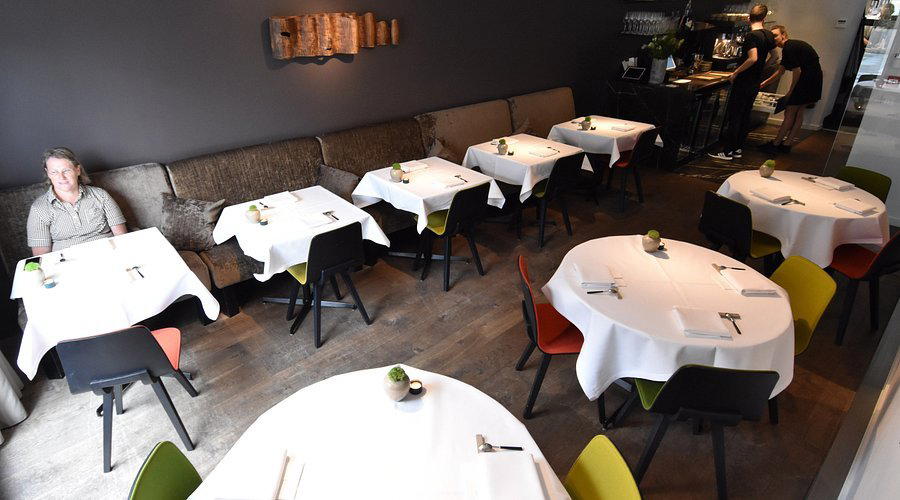
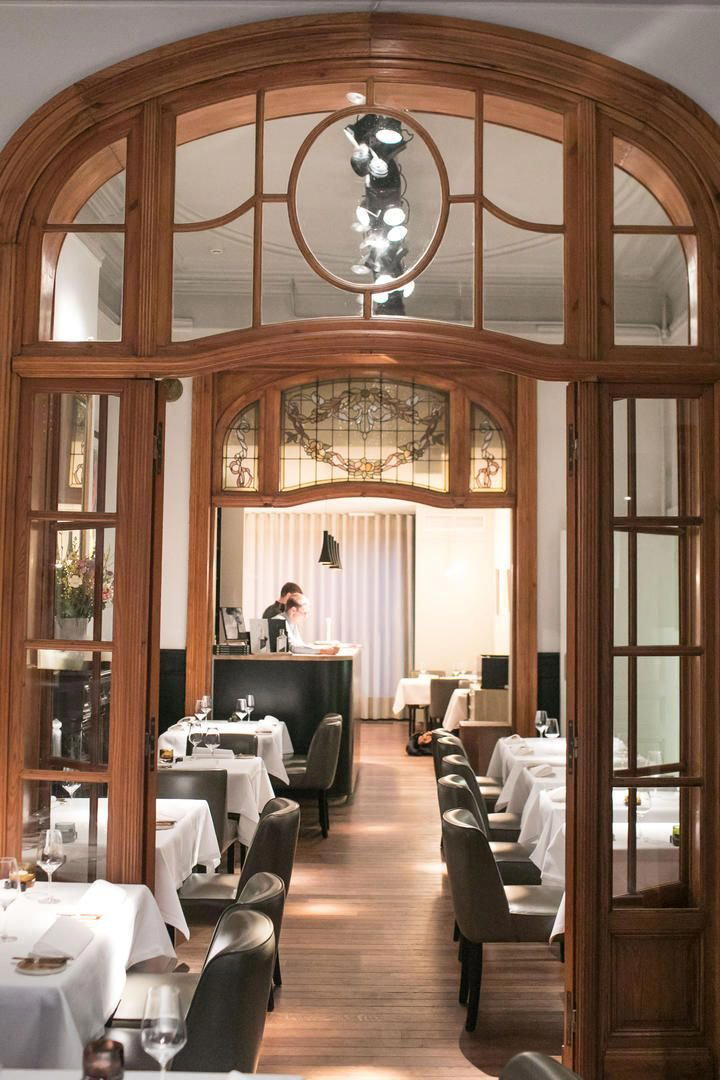
Kapellestraat 18 is on a street that runs through central Deinze without the noise of a main shopping corridor — the scale is modest and the pace unhurried. MaReine fits the character of the address: a Flemish kitchen operating in a town that does not announce itself loudly but has produced a coherent cluster of serious restaurants. Expect a room that prioritises the meal over spectacle.
Is MaReine a good option for a dinner visit from Ghent?
Deinze is reachable from Ghent by train in under 30 minutes, which puts MaReine at Kapellestraat 18 within easy reach for an evening out. The town sits in the Leie valley, a stretch of East Flanders that has developed a small but credible group of kitchens worth the short journey. Checking the last train times back to Ghent before booking is advisable, as evening frequencies on regional lines can be limited.
What's the signature dish at MaReine?
What is consistent with kitchens at this level in East Flanders is a sourcing approach tied to the agricultural character of the region, meaning seasonal and local produce shape the plate rather than a fixed showpiece dish. check the venue's official channels for current menu information.
Where is MaReine in Deinze?
MaReine is located at Kapellestraat 18, 9800 Deinze, Belgium, Deinze.
Can I walk in to MaReine?
MaReine is at Kapellestraat 18 in Deinze, and no walk-in policy is publicly confirmed. Kitchens of this calibre in Flemish towns of this size typically operate with reservations, particularly on weekend evenings. Booking ahead is the practical approach; the restaurant's current contact details are best sourced directly or via local booking platforms.
What do critics highlight about MaReine?
No specific critical reviews or award citations for MaReine are documented in the public record at this time. The restaurant's position on Kapellestraat in Deinze places it within a small but coherent local dining scene that includes Gasthof Halifax and other kitchens drawing attention to the Leie valley as a serious address beyond Ghent's well-covered restaurant circuit.
Fast Comparison
Comparable venues nearby, for context on price, style, and recognition.
| Venue | Cuisine | Price | Notes |
|---|---|---|---|
| MaReineThis venue — the venue you are viewing | French-Belgian Brasserie | Not listed | Not listed |
| De Zwarte Vos | Belgian Artisan Chocolates | Not listed | Astene |
| Gasthof Halifax | Belgian Bistro Classics | $50–100 | Astene |
| Au Bain Marie | French-Belgian Seasonal Bistro | $50–100 | Astene |
| De Bietemolen | Belgian-French Bistro | Not listed | Lichtervelde |
| SELSation | French-Japanese Fusion | $50–100 | Hemiksem |
Continue exploring
More in Deinze
Restaurants in Deinze
All restaurants in Deinze →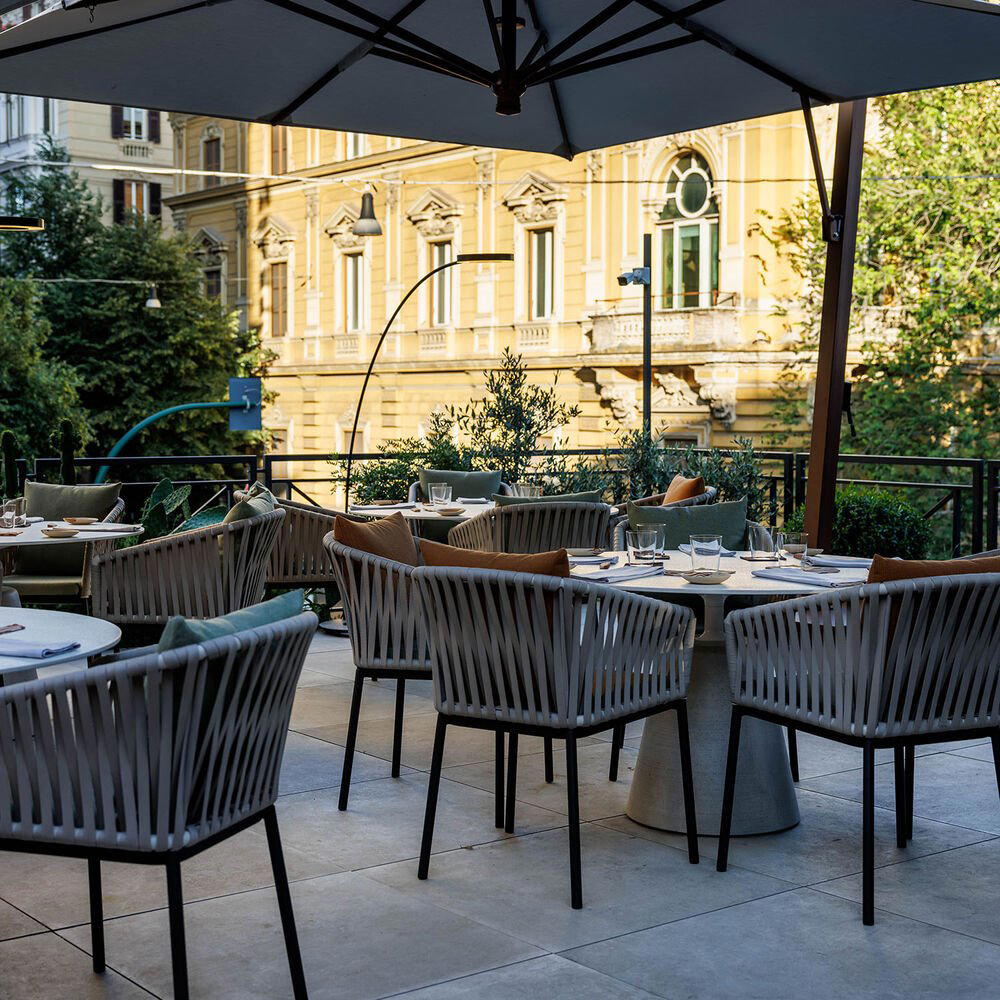
Details
- Cozy
- Classic
- Date Night
- Family
- A La Carte
- Vegetarian Friendly
Current opening hours
- Monday
- Closed
- Tuesday
- 12–3 PM, 6 PM–12 AM
- Wednesday
- 12–3 PM, 6 PM–12 AM
- Thursday
- 12–3 PM, 6 PM–12 AM
- Friday
- 12–3 PM, 6 PM–12 AM
- Saturday
- 6 PM–12 AM
- Sunday
- Closed
Hours can change for holidays and private events. Last verified .
Warm and nostalgic atmosphere with sfeervol (cozy) setting and welcoming hospitality.