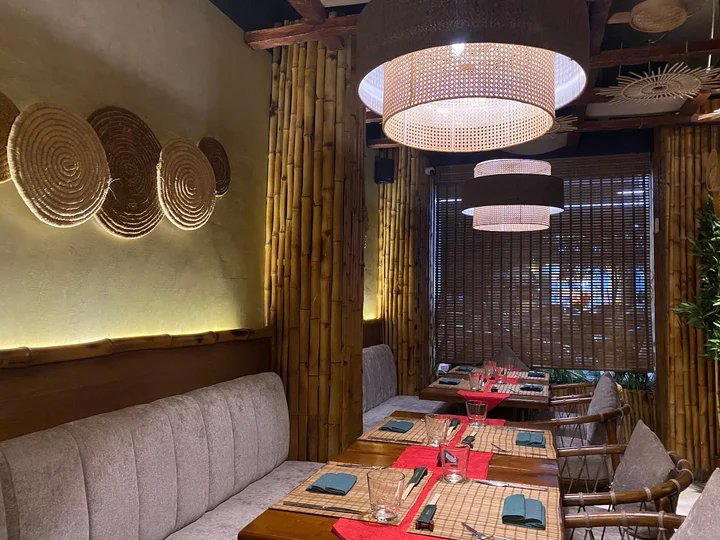
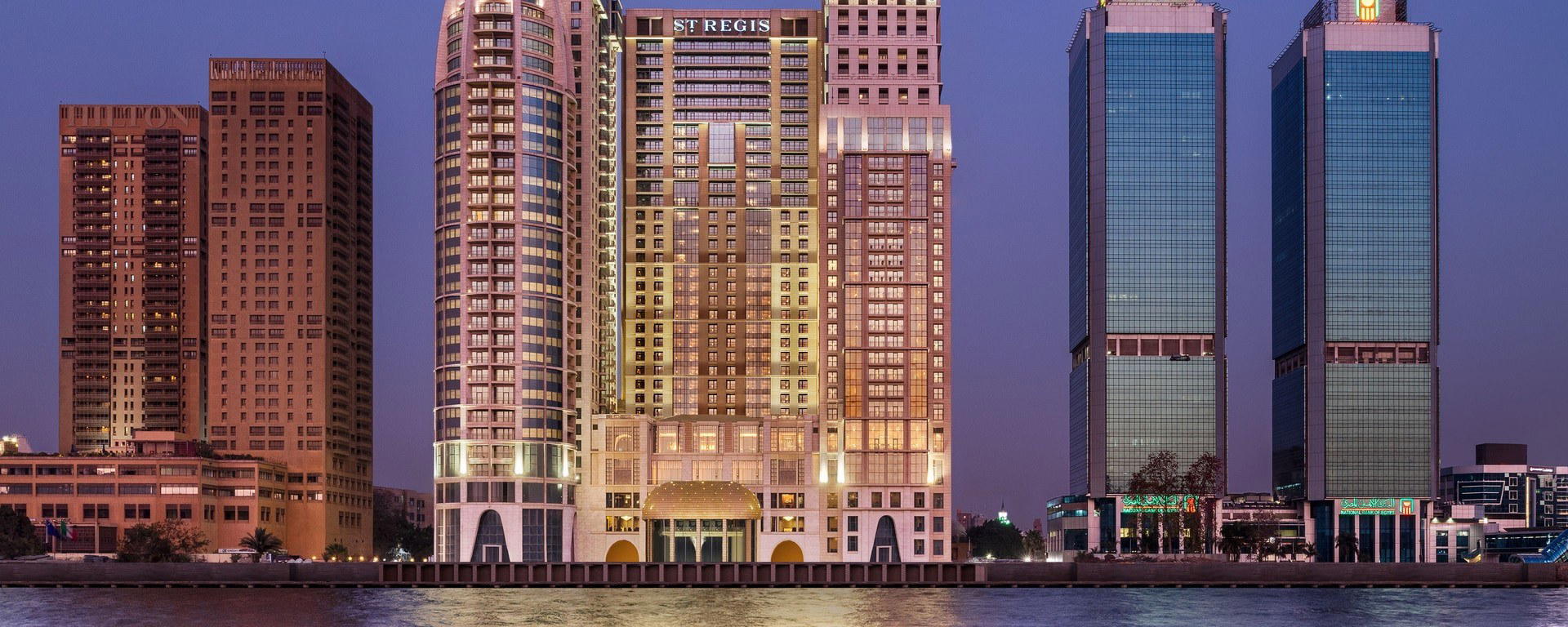
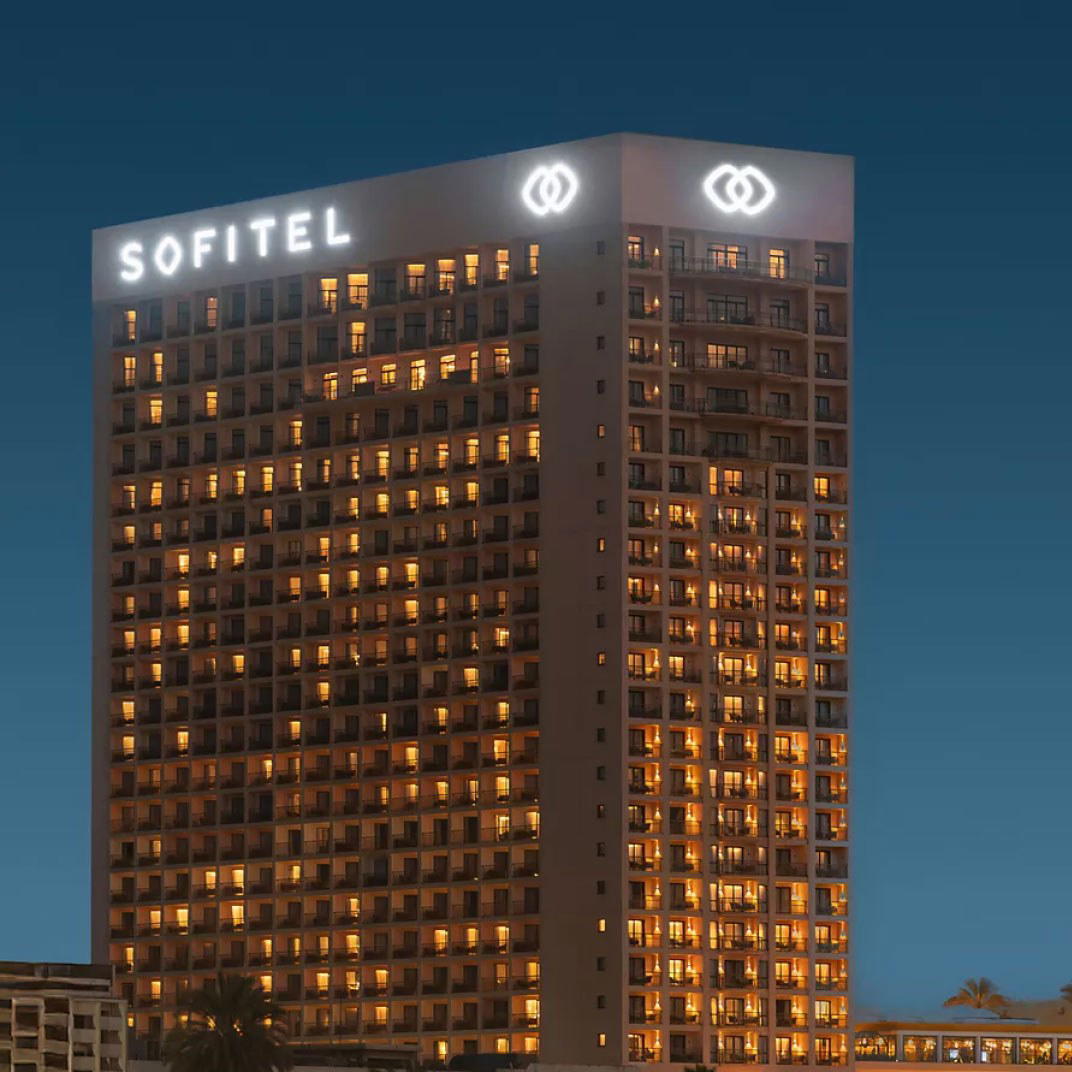
La Zisa occupies a considered position inside the St Regis Cairo on the Nile Corniche in Boulaq, bringing a Mediterranean-inflected dining format to one of the city's most architecturally deliberate hotel addresses. The setting places it squarely in Cairo's upper-tier hotel dining tier, where provenance and presentation do more work than volume. It is the kind of address that rewards those who approach it with specific intent rather than passing curiosity.
Pearl is the En Primeur Club membership app — saves, bookings, and concierge access live there. Same editors, same standards.
- Address
- 1189 Nile Corniche, Boulaq Num.5, Bulaq, Cairo Governorate 4311102, Egypt
- Phone
- +20 10 06776691
- Website
- marriott.com
- Directions
- Get directions
 Saves & bookings on Pearl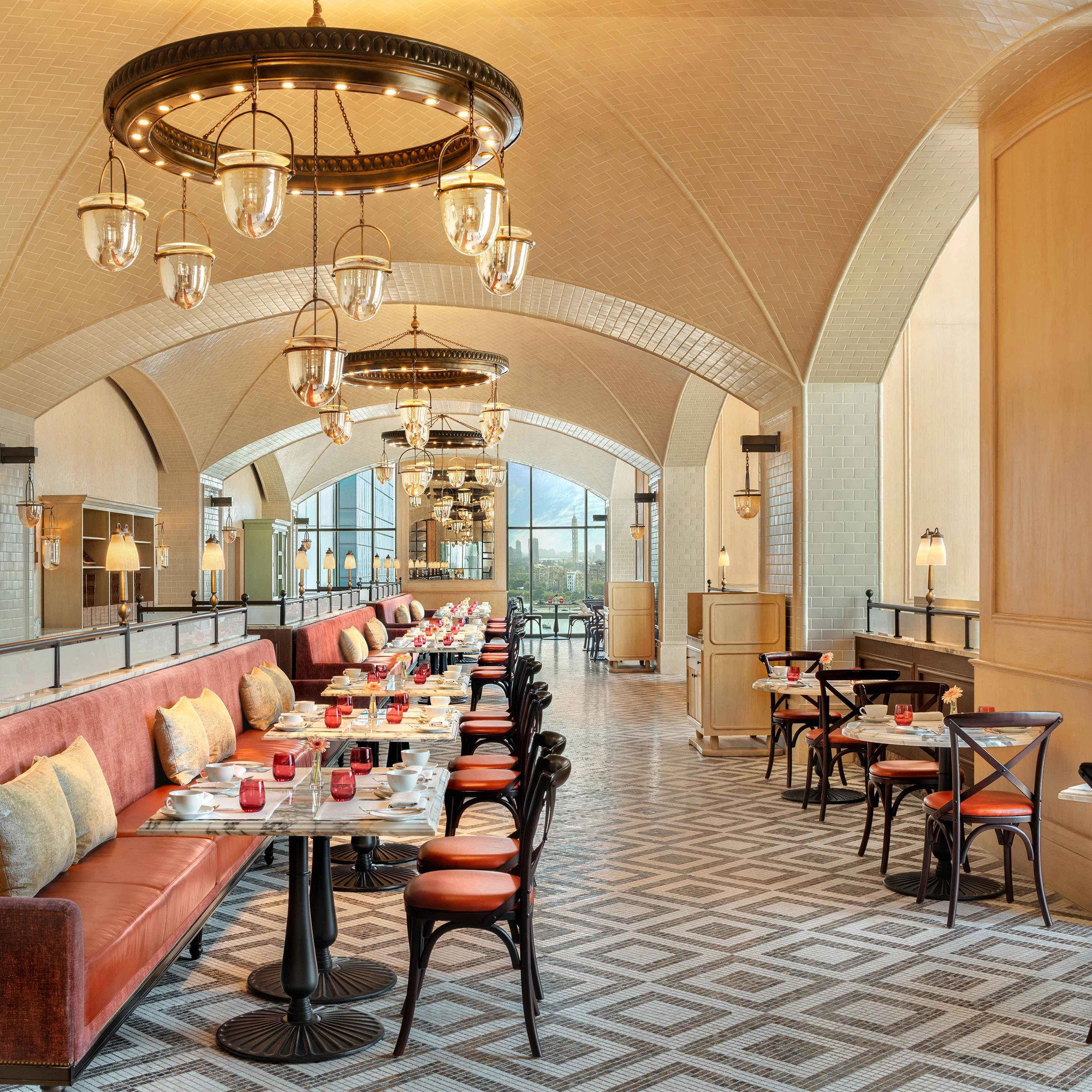
Where the Corniche Meets the Table
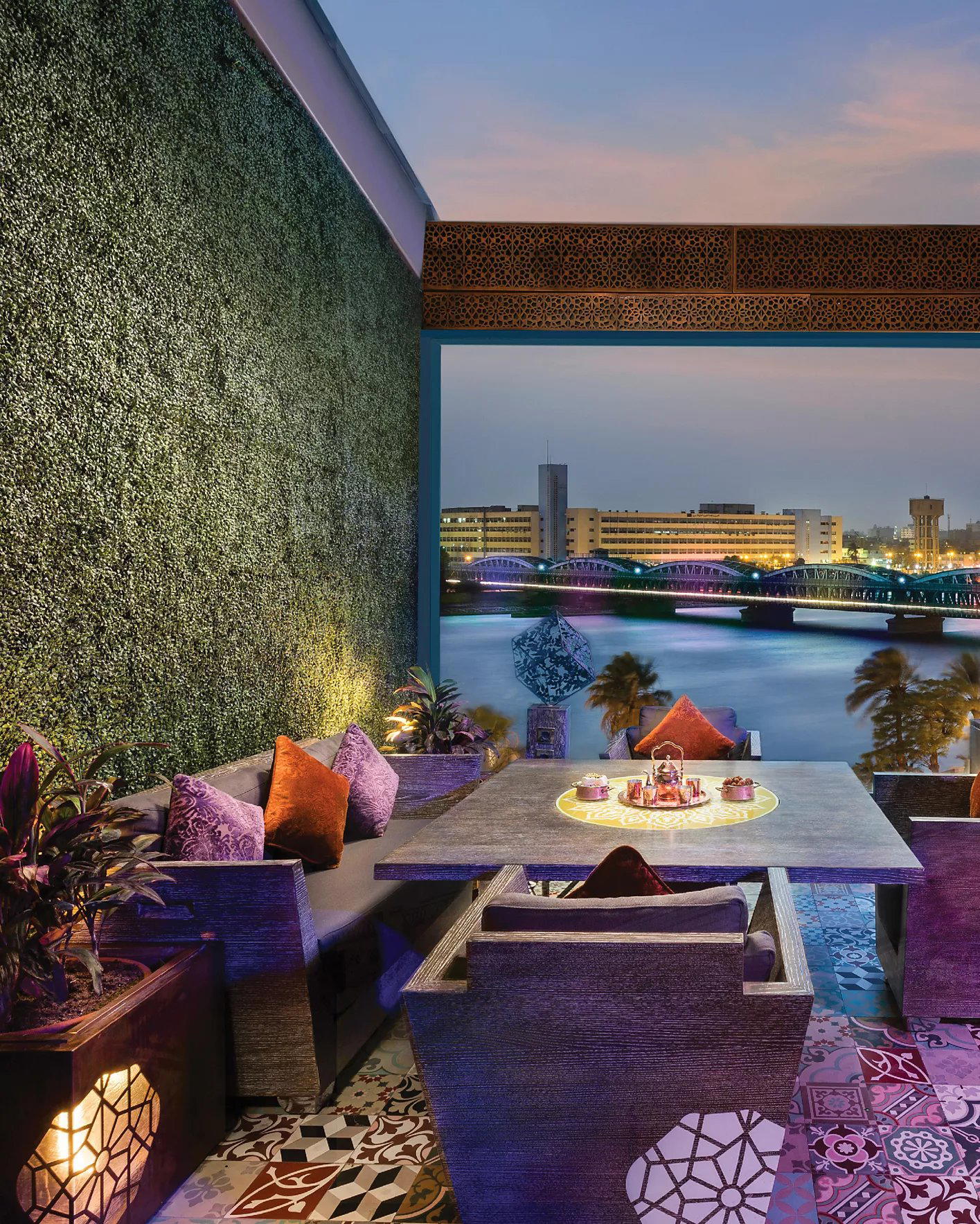
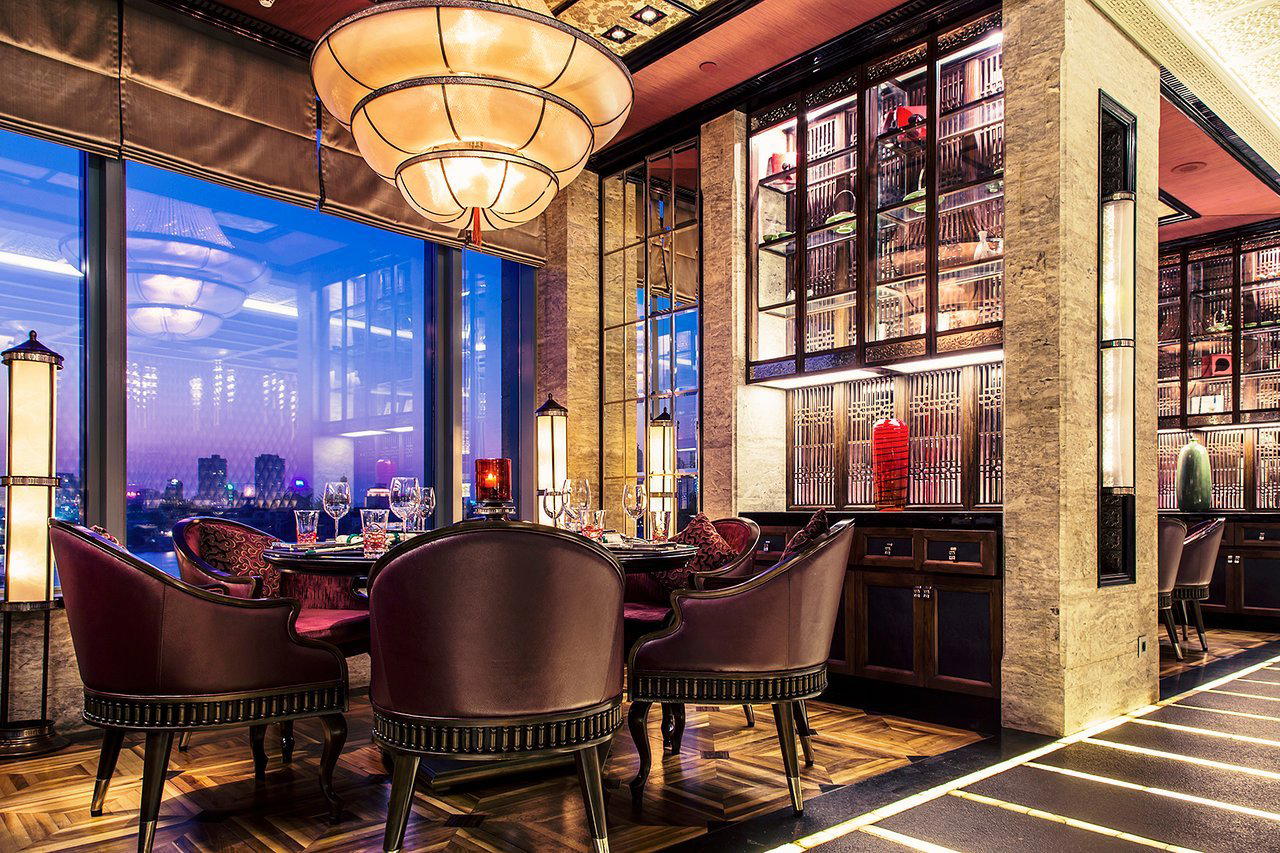
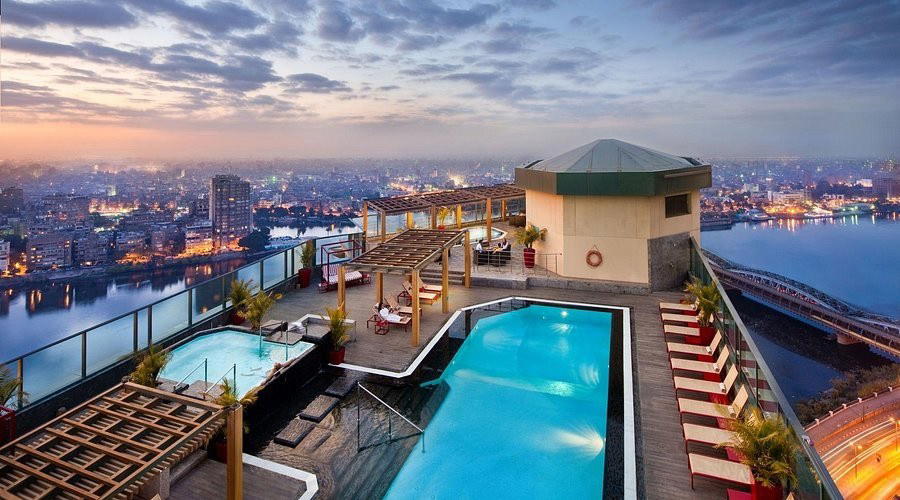
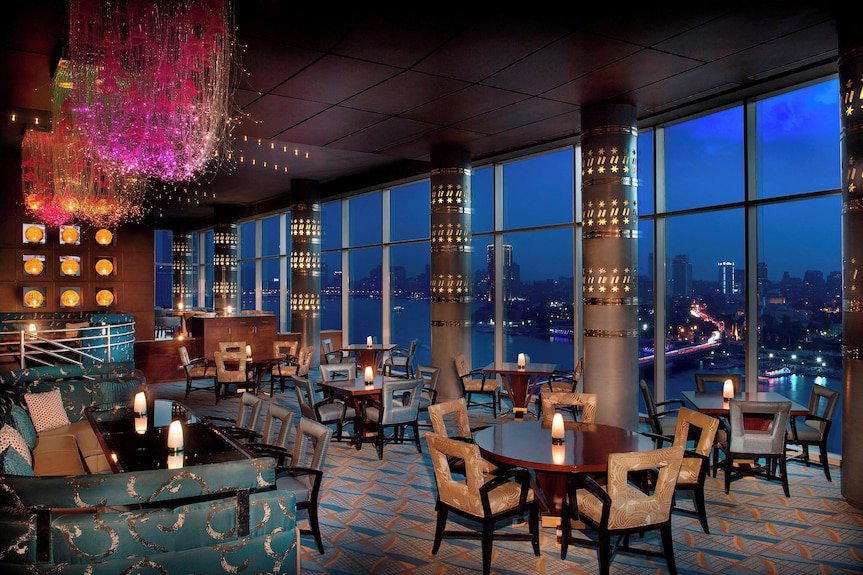
There is a particular quality to dining rooms that face the Nile at dusk. The light shifts from amber to copper across the water, the city's traffic noise softens to a kind of low register, and the room itself seems to exhale. La Zisa, positioned within the St Regis Cairo at 1189 Nile Corniche in Boulaq, operates inside that specific atmospheric pocket. The St Regis address frames the restaurant's ambitions and its price positioning. Hotel dining at this level in Cairo has consolidated around a small number of properties where design, service infrastructure, and sourcing reach a standard that standalone restaurants rarely sustain consistently.
Cairo's upper-tier dining has been fragmenting and re-forming for the better part of a decade. The Nile Corniche corridor in Boulaq holds a cluster of international hotel properties that compete on exactly this axis, and the restaurants within them operate in a comparable set defined less by cuisine category than by the quality of inputs they can reliably access.
The Name and What It Signals
La Zisa takes its name from a Norman-Arab palace in Palermo, Sicily, built in the twelfth century and now a UNESCO World Heritage Site. That reference is not decorative. Sicily sits at the intersection of Arab, Norman, Greek, and Spanish culinary and architectural traditions, a place where the Mediterranean's competing influences converged over centuries rather than being imposed in a single colonial moment. For a restaurant in Cairo, that lineage carries particular resonance, and the name signals an intent to work within that tradition of exchange.
This positions La Zisa at some distance from the Egyptian Modern format pursued by venues like Khufus in Giza, which draws more explicitly on pharaonic and Nilotic identity. The restaurant's reference point is the Mediterranean as a shared basin, which opens a different set of sourcing and preparation logics.
Ingredient Provenance in a Hotel Dining Context
The sourcing question matters more at this address than the name alone might suggest. St Regis properties operate supply chains that can reach beyond what most Cairo independent restaurants access, covering imported proteins, controlled-temperature dairy, and European produce lines. But the more interesting sourcing story at a venue like La Zisa is what it does with the intersection of those international supply lines and Egypt's own agricultural output.
Egypt is a significant producer of premium agricultural goods that rarely surface in fine-dining contexts at home: Siwa olive oil, Delta-grown herbs, Fayoum dates, Red Sea fish species that appear on European luxury menus under Italian or Greek branding. A Mediterranean-framed kitchen in Cairo has the geographic and supply-chain positioning to treat these as primary ingredients rather than local colour. The category and address create conditions where that sourcing logic would be commercially coherent.
The Mediterranean frame also permits engagement with preserved and fermented ingredients, categories where Egyptian pantry traditions, particularly around pickled vegetables, legume pastes, and aged cheeses from the Delta region, overlap with Sicilian and Levantine technique. This is where the Zisa reference becomes most interesting as a culinary proposition, linking Egyptian produce with Mediterranean technique.
comparable set and Competitive Position
Within Cairo's hotel dining tier, the restaurant sits alongside a small group of restaurants where the room, service standard, and sourcing are consistent. The relevant comparison set is the handful of addresses where a corporate traveller or a Cairo resident planning a specific occasion would direct attention. Kazoku in Cairo occupies a different cuisine register but operates in a comparable prestige bracket. Pier 88 in Zamalek works a Nile-adjacent format with a different ownership structure.
Further afield, but relevant for readers building a broader Cairo dining picture: Maharaja Restaurant holds a distinct position in the city's international cuisine tier, and Mayrig in Sheikh Zayed brings Armenian-Lebanese sourcing traditions to a format that shares some of the restaurant's interest in the eastern Mediterranean pantry. For readers drawn to Japanese formats in the city, Tianma in Boulaq and Izakaya in 6th of October represent the city's engagement with precision import-dependent cuisine. International reference points for this tier include Le Bernardin in New York City and Atomix in New York City.
Other city addresses worth benchmarking against for occasion dining include Chinoix Restaurant in New Cairo, Mori Sushi in Al Nozha, Abou Shakra in Al Haram for Egyptian classics, Cairo Caizer in Nasr, Carbs in Al Ameria, and What the Crust in Al Bassatin for contrast across the city's different dining registers.
Planning Your Visit
The restaurant is located within the St Regis Cairo, which sits on the Nile Corniche in Boulaq, one of the city's central addresses and accessible from both downtown Cairo and Zamalek without significant navigation complexity. As a hotel restaurant at this tier, reservations are advisable rather than optional, particularly on weekends and during peak travel months from October through April, when Cairo's climate is at its most accommodating and hotel occupancy tends to run high. Dress expectations will align with the St Regis standard, meaning smart casual at minimum and formal welcome. Reservations are recommended, and the dress code is smart casual.
At a Glance
- Modern
- Elegant
- Scenic
- Cozy
- Date Night
- Business Dinner
- Special Occasion
- Hotel Restaurant
- Waterfront
Current opening hours
- Monday
- 6 AM–12 AM
- Tuesday
- 6 AM–12 AM
- Wednesday
- 6 AM–12 AM
- Thursday
- 6 AM–12 AM
- Friday
- 6 AM–12 AM
- Saturday
- 6 AM–12 AM
- Sunday
- 6 AM–12 AM
Hours can change for holidays and private events. Last verified .
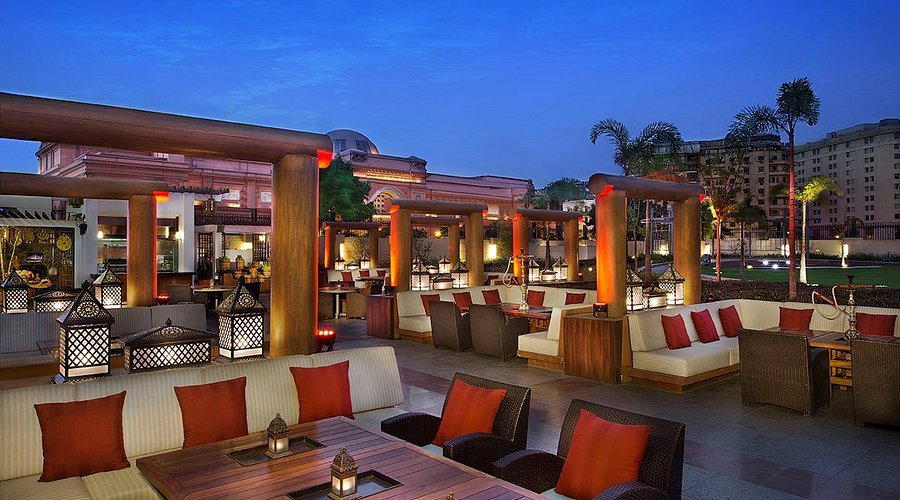
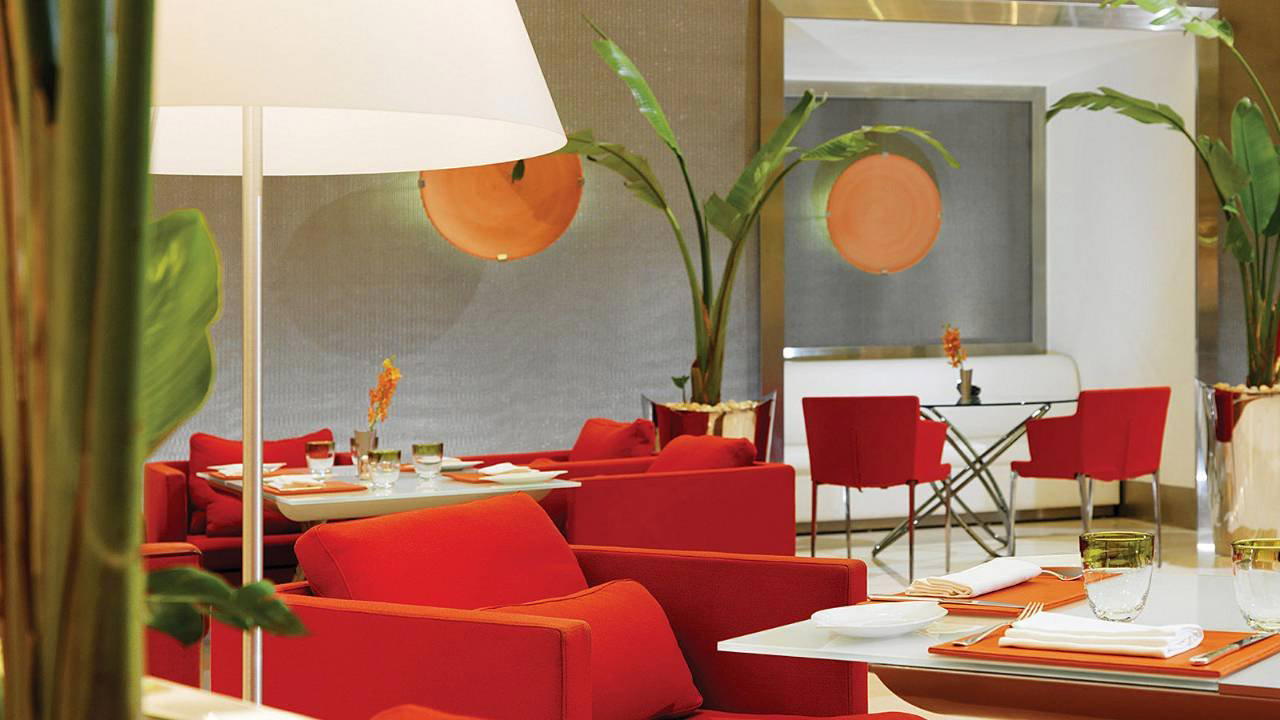
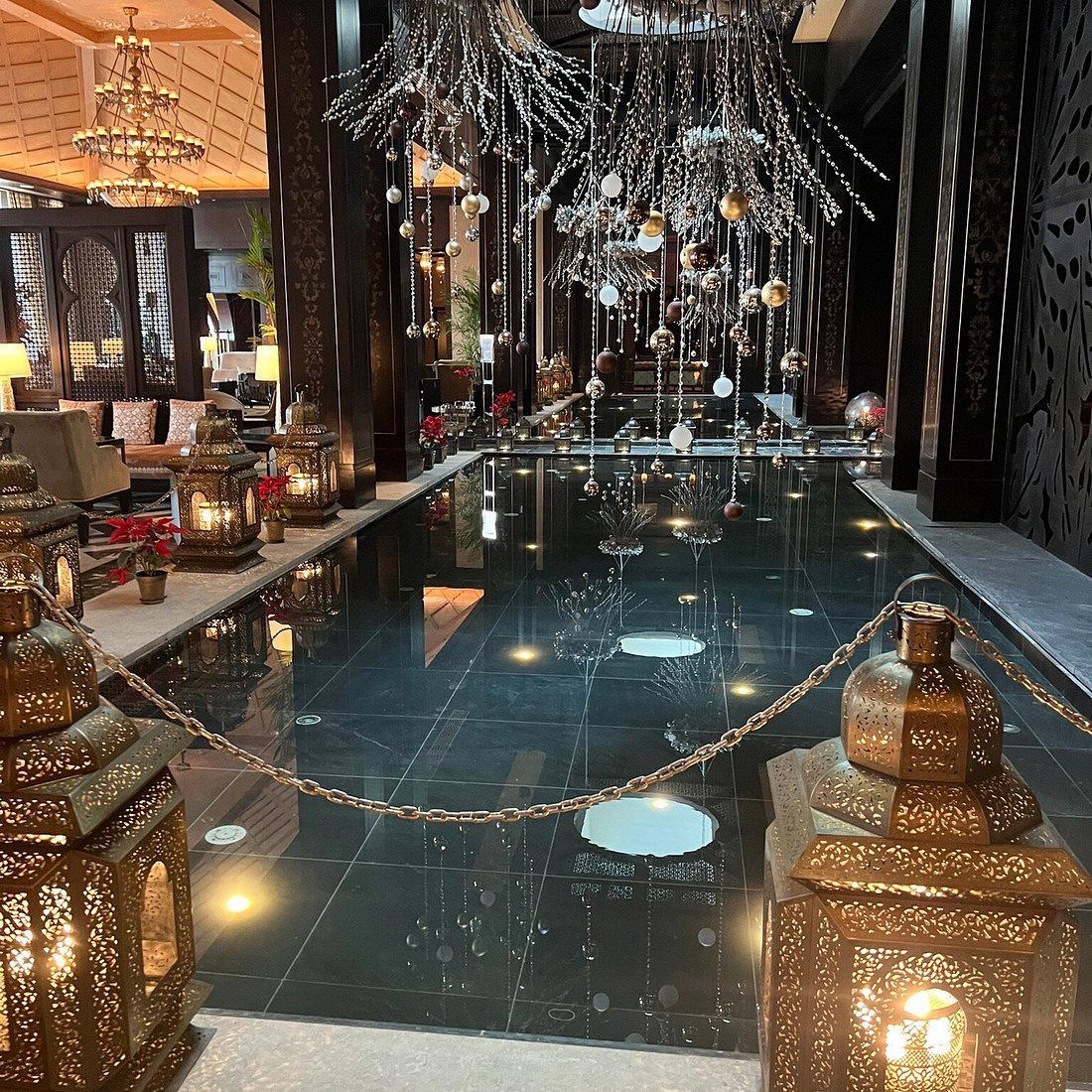
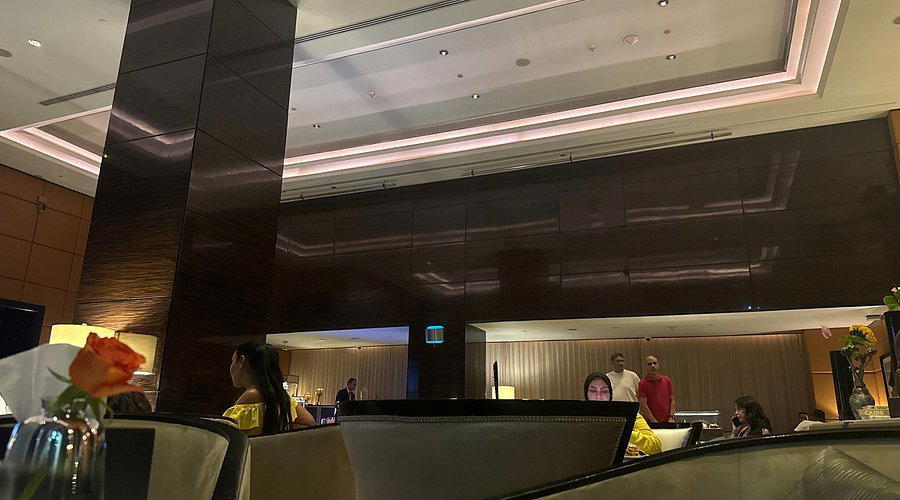
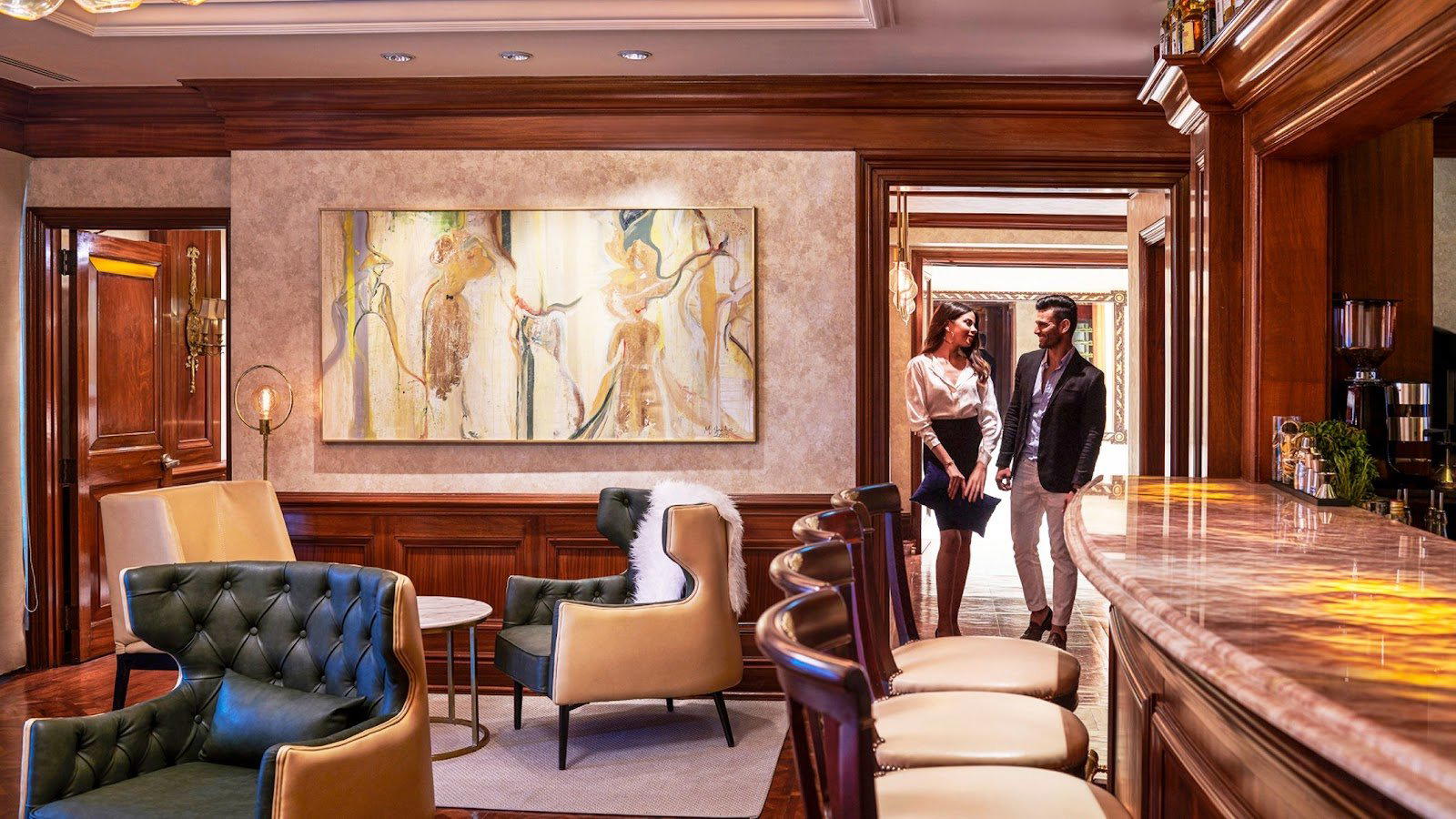
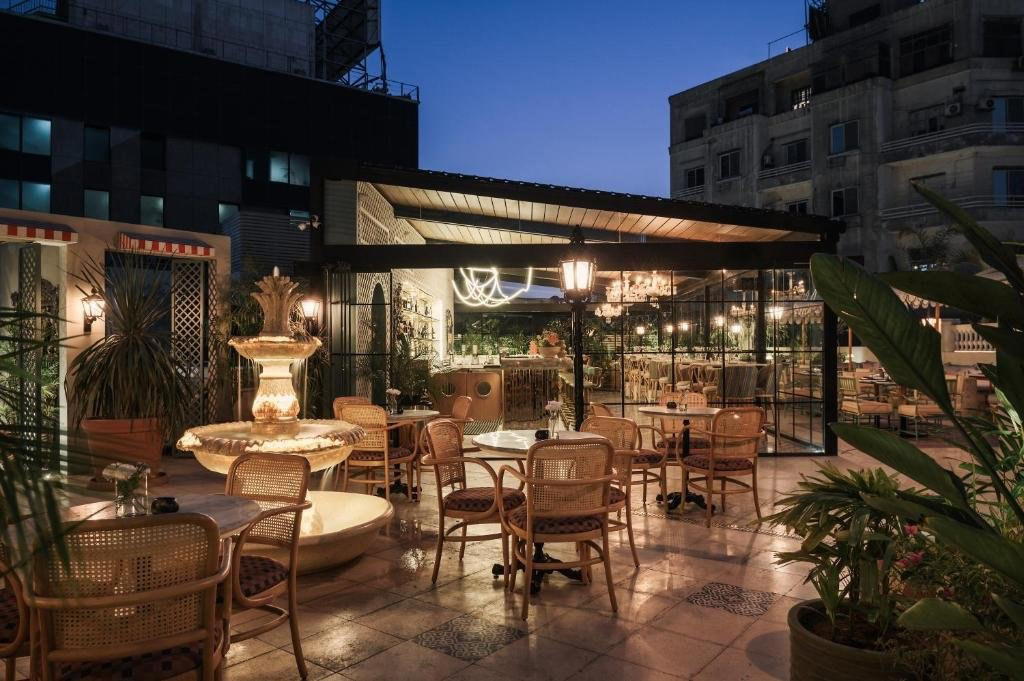
Modern, refined and relaxed, with a cozy café-bar component inside the restaurant.