Mayrig
Mayrig brings Armenian cooking to Sheikh Zayed's western Cairo corridor, a cuisine with deep roots in the Levant and a sourcing logic built around preserved, fermented, and slow-cooked ingredients that define its character. In a district where international formats dominate, this is a kitchen working from a narrower, more specific tradition. Visit for the cooking; plan ahead for the setting.
Pearl is the En Primeur Club membership app — saves, bookings, and concierge access live there. Same editors, same standards.
- Address
- Sheikh Zayed, Giza Governorate 12588, Egypt
- Phone
- +201050010632
- Website
- tablecheck.com
- Directions
- Get directions
 Saves & bookings on Pearl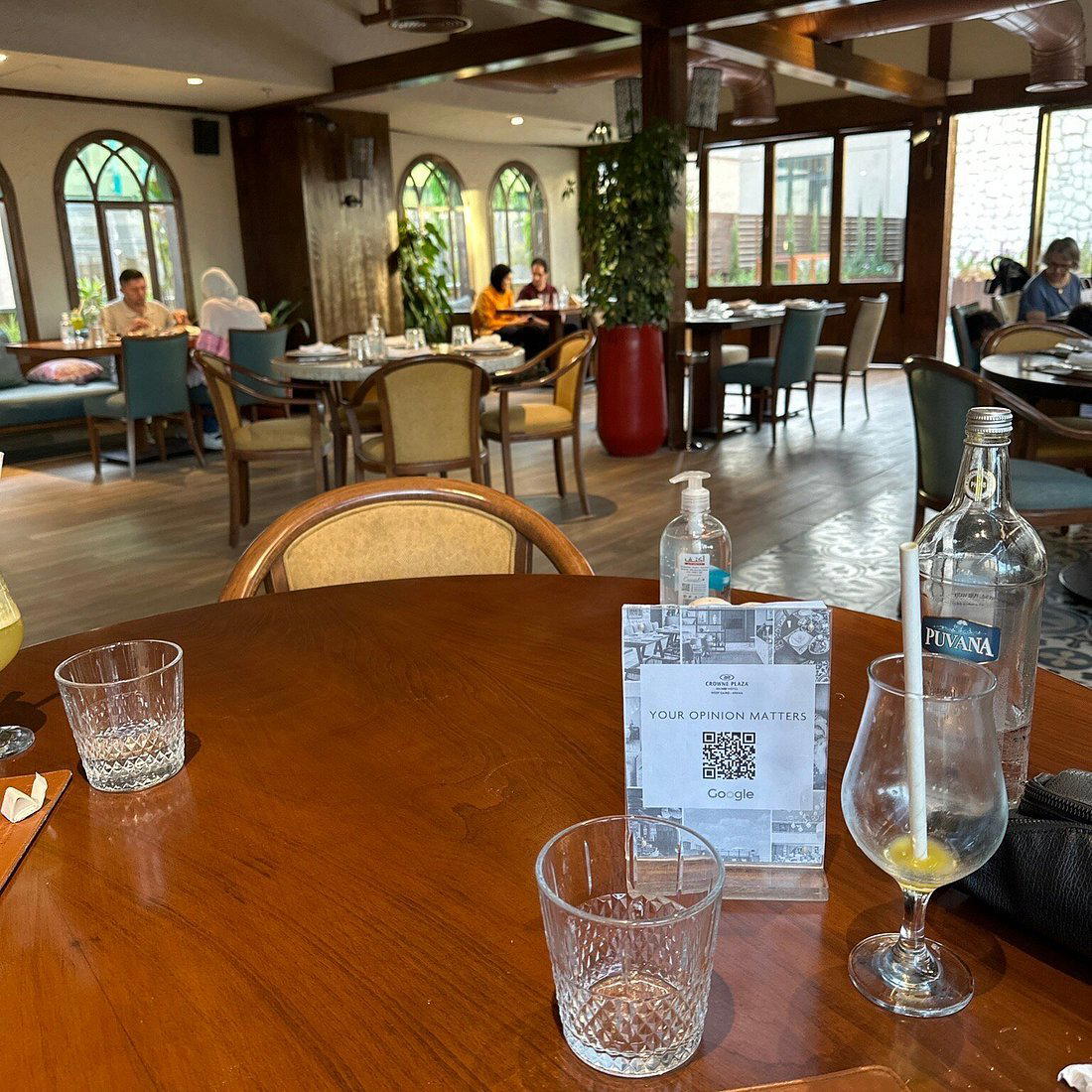
Armenian Table in Cairo's Western Corridor
Sheikh Zayed City sits at the edge of Greater Cairo's westward expansion, a district where purpose-built residential compounds and commercial strips have drawn a dining scene shaped more by convenience than culinary depth. Most of the area's restaurants track international formats or mid-range Egyptian standards. Against that backdrop, Mayrig operates from a distinctly different premise: Armenian cuisine, a kitchen tradition that predates most of the region's modern restaurant categories and draws from a sourcing logic rooted in preservation, fermentation, and slow cooking rather than anything assembled to order.
The name Mayrig means "mother" in Armenian, a word that carries the weight of domestic cooking traditions passed through generations rather than culinary school curricula. That framing tells you something about the food's register before you sit down. This is not a kitchen chasing trend; it is one anchored to a specific cultural inheritance, and that specificity is either what draws you in or what you walk past without noticing.
Where the Ingredients Come From and Why That Shapes the Plate
Armenian cooking sits at a crossroads of Anatolian, Levantine, and Caucasian traditions, and its ingredient logic reflects that geography. Preserved meats, dried pulses, sour pomegranate molasses, bulgur wheat, and fermented dairy are structural elements rather than garnishes. The cuisine evolved in a highland climate where preservation was necessity, and those techniques became the flavour language: concentrated, layered, and often acidic in a way that distinguishes it sharply from the milder profiles of Egyptian or broader Arab cooking.
For a restaurant operating in Cairo, that sourcing tradition raises a practical question: how much of the ingredient base can be sourced locally, and where does the kitchen rely on imported or specialty suppliers? Armenian pantry staples like dried sumac, mastic, and specific dried fruit varieties have some overlap with Egyptian and wider Middle Eastern markets, which gives a kitchen here workable local access to part of its core palette. Other elements, particularly specific dried meats and certain grain varieties, operate in a narrower supply channel. The result, when done well, is a table that reads differently from the Egyptian-Mediterranean kitchens elsewhere in the corridor, places like Andrea El Mariouteya in Sheikh Zayed City or the modern Egyptian registers found at Khufus in Giza.
The broader Cairo dining scene has become more receptive to minority-tradition cuisines over the past decade, partly because the city's Armenian community, one of the oldest in the region, has maintained a cultural infrastructure that supports it. Armenian churches, schools, and community associations have kept the cuisine in circulation outside restaurant walls, which means the cooking at a place like Mayrig is not performing exoticism for an external audience but feeding a community that holds it to a different standard.
The Setting and What to Expect
Sheikh Zayed's dining options tend toward the informal and the broad-audience, with the area's more considered restaurants concentrated around the mall corridors and the compound edges of the Zayed district. Mayrig's address places it within the Giza Governorate boundary, in the stretch of Zayed that functions as the area's residential and commercial spine. The format, from available signals, reads as a mid-scale sit-down operation rather than a quick-service concept, which positions it alongside places like Miss Li Lee's in the area's more considered casual tier rather than the higher-price destination restaurants of central Cairo.
For visitors unfamiliar with Armenian dining formats, the table structure tends toward shared plates and sequential small dishes rather than the three-course Western model. Mezze-adjacent starters, slow-cooked mains with grain bases, and preserved or pickled accompaniments typically define the rhythm. That format is well-suited to groups willing to order across the menu rather than treating each dish as an individual portion.
Compared to some of the city's more internationally oriented kitchens, the cooking here operates with less visual theatre and more depth at the ingredient level. For context on how Cairo's wider restaurant range is shifting, Kazoku in Cairo or Pier 88 in Zamalek represent the international-format end of that spectrum. Mayrig sits at a different point entirely, closer in spirit to a community kitchen than a concept restaurant.
Planning Your Visit
The Zayed address, within the Giza Governorate at the 12588 postcode, is accessible by car from central Cairo, typically 30 to 45 minutes depending on traffic along the Ring Road or the Mehwar corridor. The area does not have direct public transit access, so most visitors arrive by car or ride-share. Phone and website details are not currently verified in EP Club's database, so confirming hours and reservations before visiting is advisable, particularly for weekend evenings when the area's dining options draw family groups. For a broader picture of what Sheikh Zayed's dining scene offers, our full Shiekh Zayed restaurants guide covers the range of options across the district.
Dinner is the primary format for this type of kitchen, though lunch service is common at Egyptian restaurants serving family dining. The cuisine's slow-cooked character means some dishes benefit from kitchen preparation time, which makes reservations a practical preference rather than just a formality. Families with children will find the shared-plate format accommodating: the food is not spiced aggressively, and the variety across a well-ordered table gives different palates enough range to work with.
Where Mayrig Sits in the Regional Picture
Across Egypt, restaurants working from minority or specialist culinary traditions tend to cluster in Cairo's older neighbourhoods or in districts with established community ties. Abou Shakra (ابو شقرة) in Al Haram represents what a long-running community institution looks like at the Egyptian end of that spectrum; Mayrig represents the Armenian equivalent, a kitchen serving a tradition that has been present in the city for over a century but rarely surfaces in the mainstream dining conversation.
The comparison with international formats elsewhere in the region is instructive. Places like Maharaja Restaurant in القاهرة or the Japanese-inflected Izakaya in 6th Of October serve cuisines that have been adapted for Egyptian audiences over time. Armenian cooking, by contrast, has maintained a tighter correspondence with its source tradition because the community sustaining it has stayed close to the original cultural context. That makes the cooking at a place like Mayrig more document than interpretation, and for readers interested in what that means at the table, the experience carries a different kind of authority than most of Sheikh Zayed's dining options can claim.
For readers tracking Cairo's wider dining range, Chinoix Restaurant in New Cairo, Mori Sushi in Al Nozha, and Castle Zaman in Noweiba each mark different points on the city's culinary geography. Mayrig occupies a position none of them do: a specialist community kitchen in Cairo's western suburbs, cooking from an ingredient tradition with its own internal logic and a constituency that has kept it honest.
How Mayrig Sheikh Zayed City compares with similar nearby venues.
| Venue | Cuisine |
|---|---|
| Khufus | Egyptian Modern |
Continue exploring
More in Sheikh Zayed City
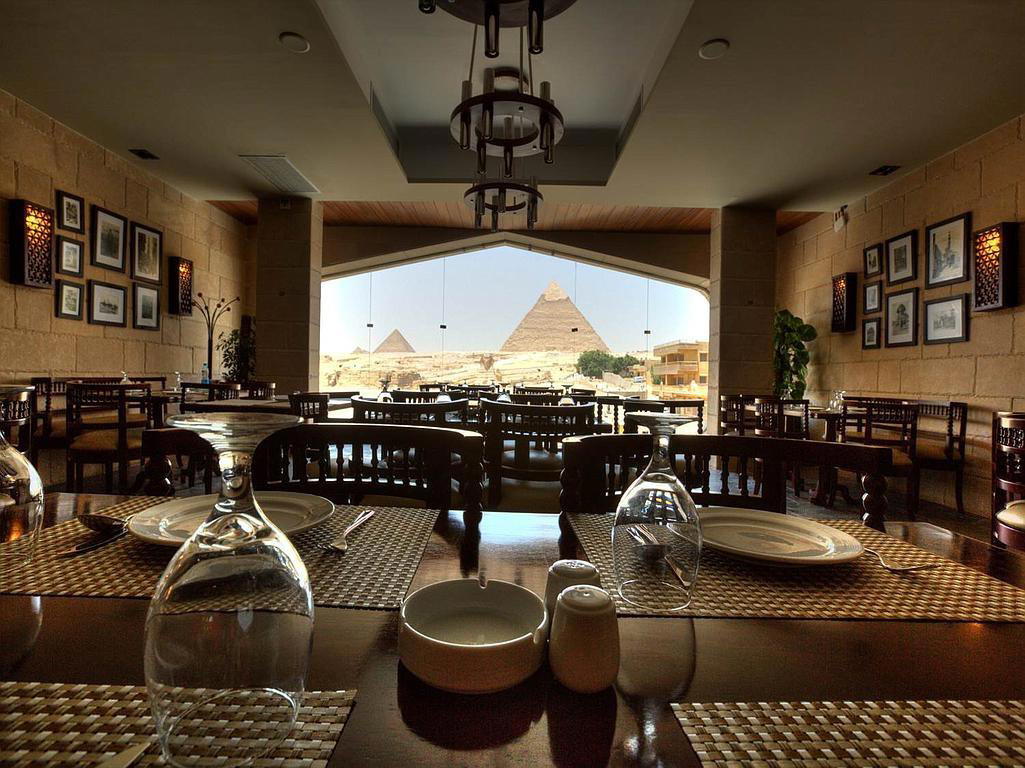
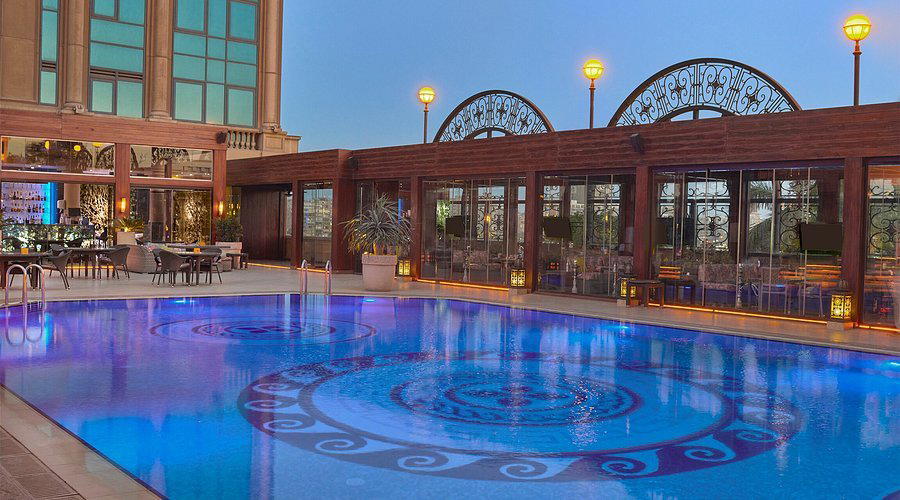
Restaurants in Sheikh Zayed City
Browse all →
Bars in Sheikh Zayed City
Browse all →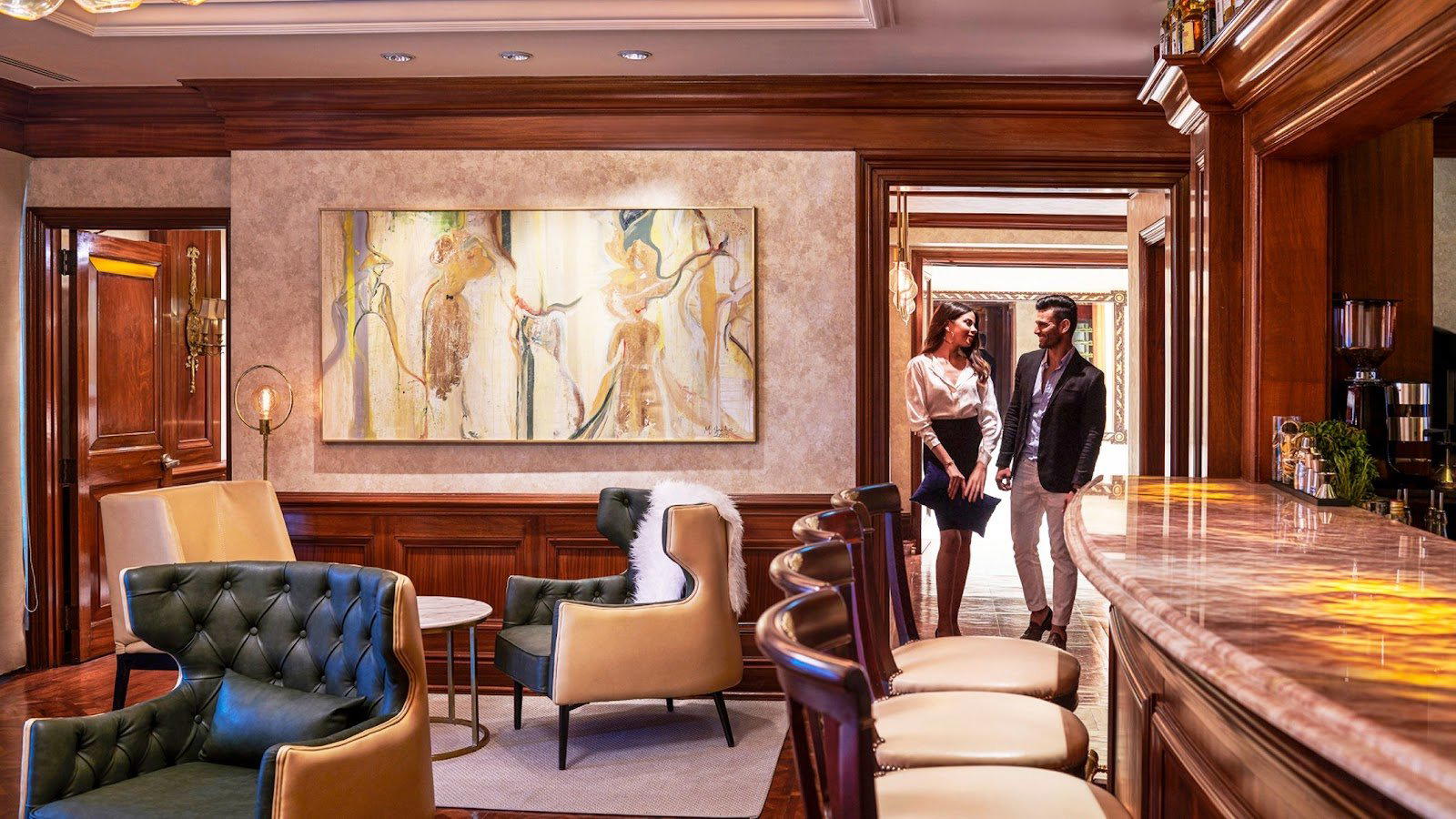

At a Glance
- Cozy
- Elegant
- Romantic
- Lively
- Date Night
- Celebration
- Group Dining
- Family
- Special Occasion
- Live Music
- Private Dining
- Terrace
- Standalone
- Beer Program
- Byob
- Local Sourcing
Current opening hours
- Monday
- 1 PM–12 AM
- Tuesday
- 1 PM–12 AM
- Wednesday
- 1 PM–12 AM
- Thursday
- 1 PM–12 AM
- Friday
- 1 PM–12 AM
- Saturday
- 1 PM–12 AM
- Sunday
- 1 PM–12 AM
Hours can change for holidays and private events. Last verified .
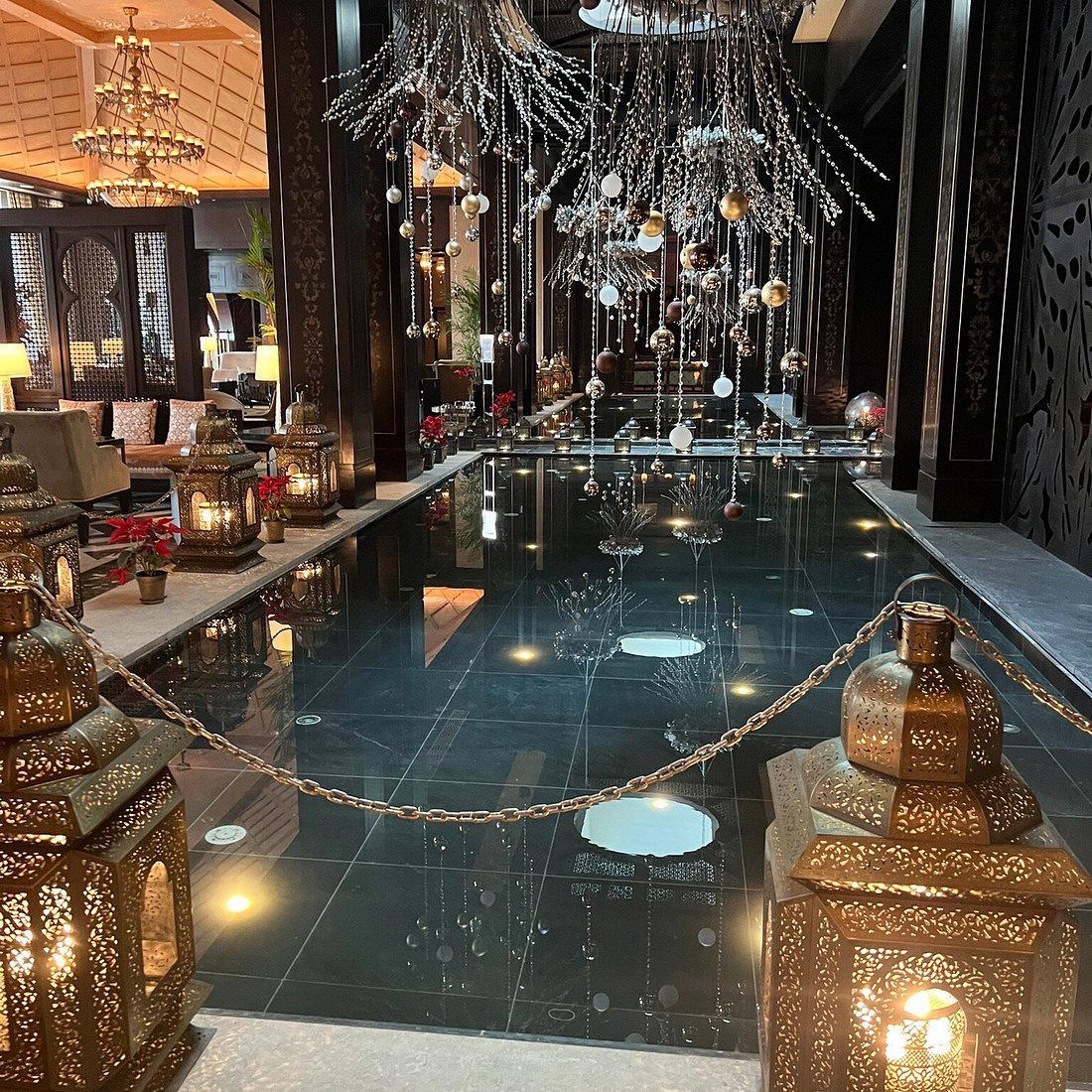
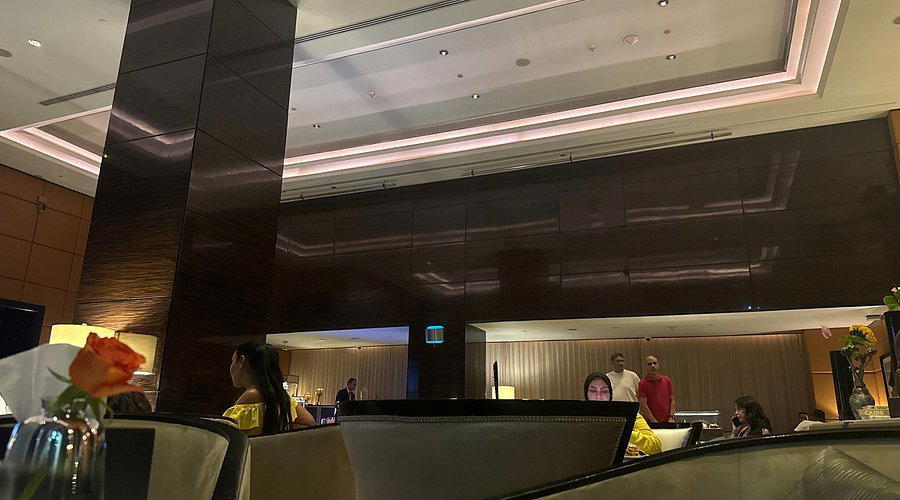
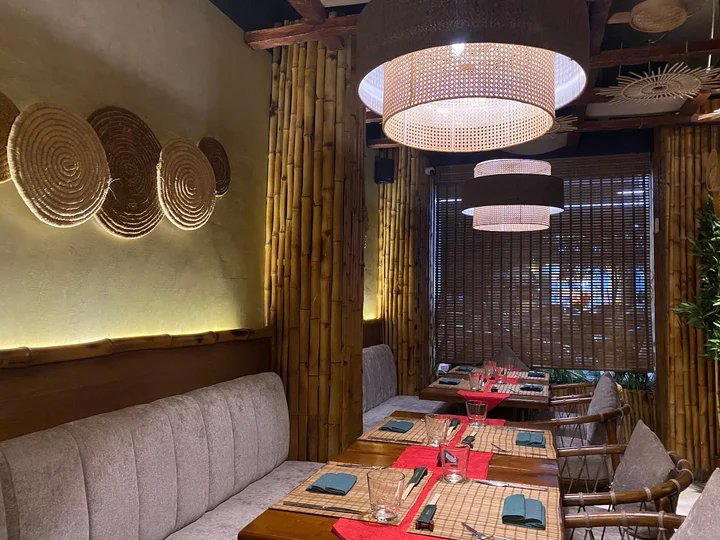
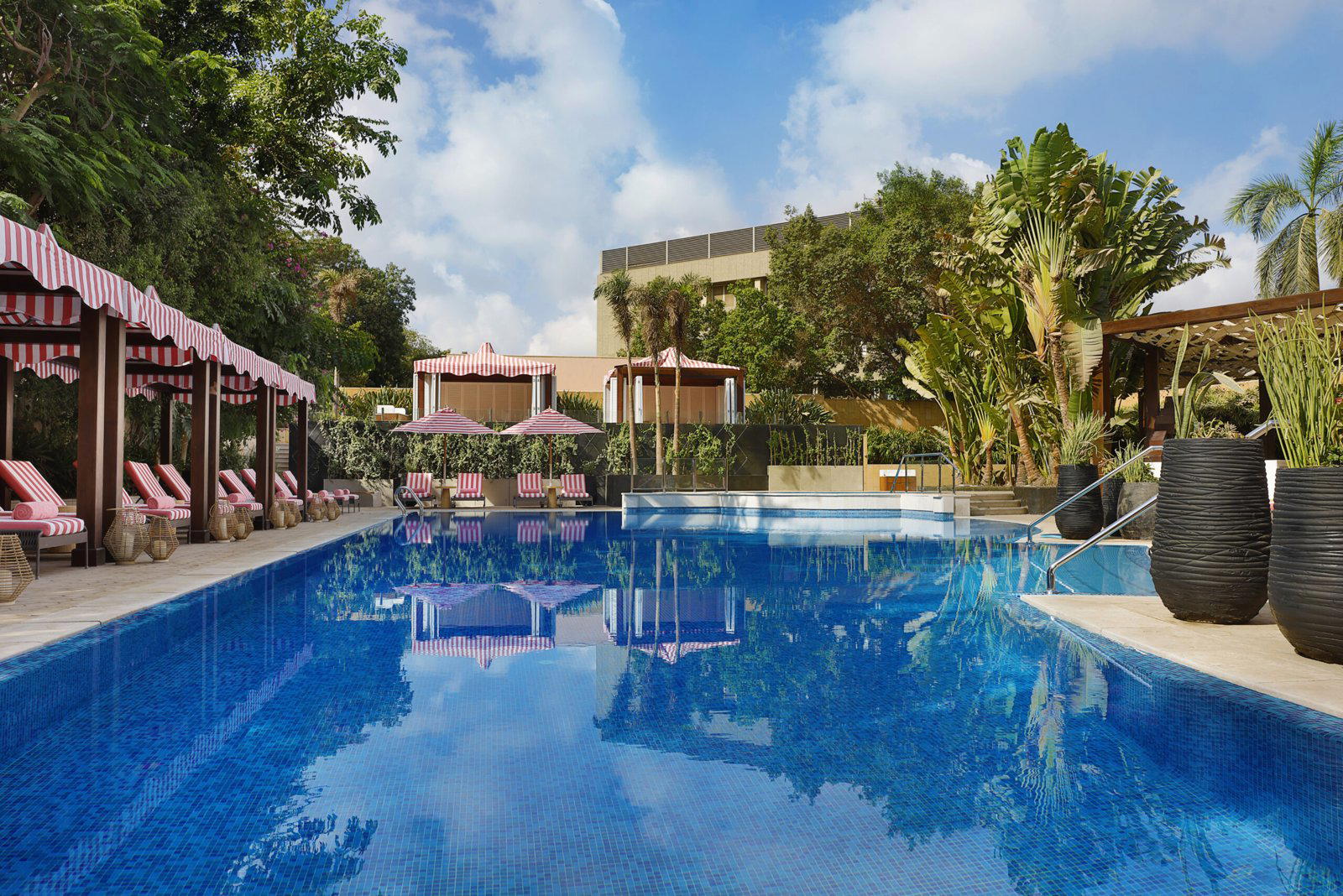
Warm and inviting with beautiful design, cozy indoor seating and comfortable outdoor areas with breeze; charming decor blending traditional and modern elements with live music entertainment.
Know Before You Go
- Getting there
- Sheikh Zayed, Giza Governorate 12588, Egypt