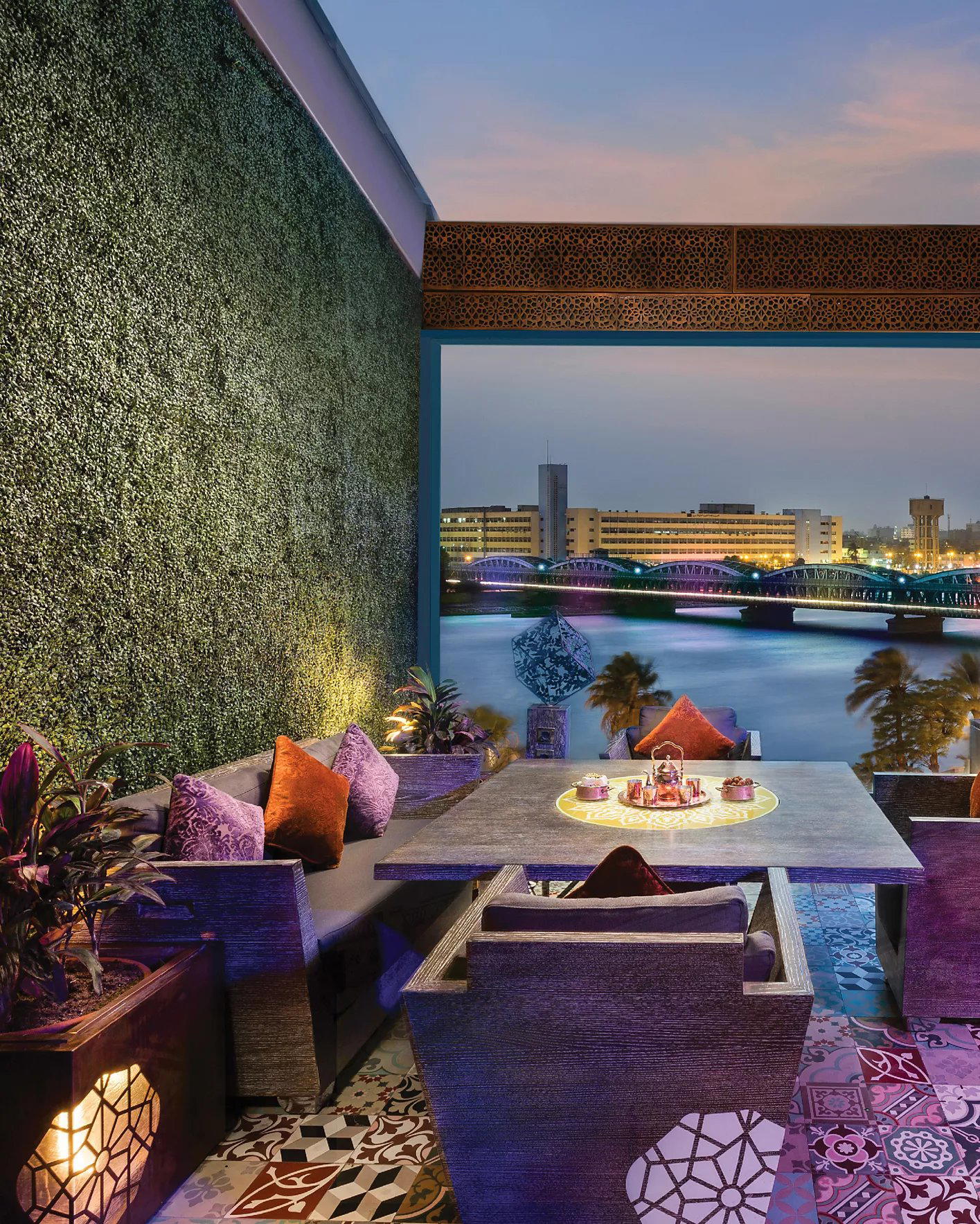
On the quieter stretch of Saray El Gezira Street in Zamalek, Pier 88 occupies a dining address that benefits from the island district's relative remove from Cairo's mainland density. The waterfront character of the neighbourhood shapes the dining atmosphere here, placing it within a category of Nile-adjacent restaurants where setting does significant work alongside the kitchen.
Pearl is the En Primeur Club membership app — saves, bookings, and concierge access live there. Same editors, same standards.
- Address
- 19 Saray El Gezira St, 11511, Egypt
- Phone
- +201080888876
- Website
- pier88group.com
- Directions
- Get directions
 Saves & bookings on Pearl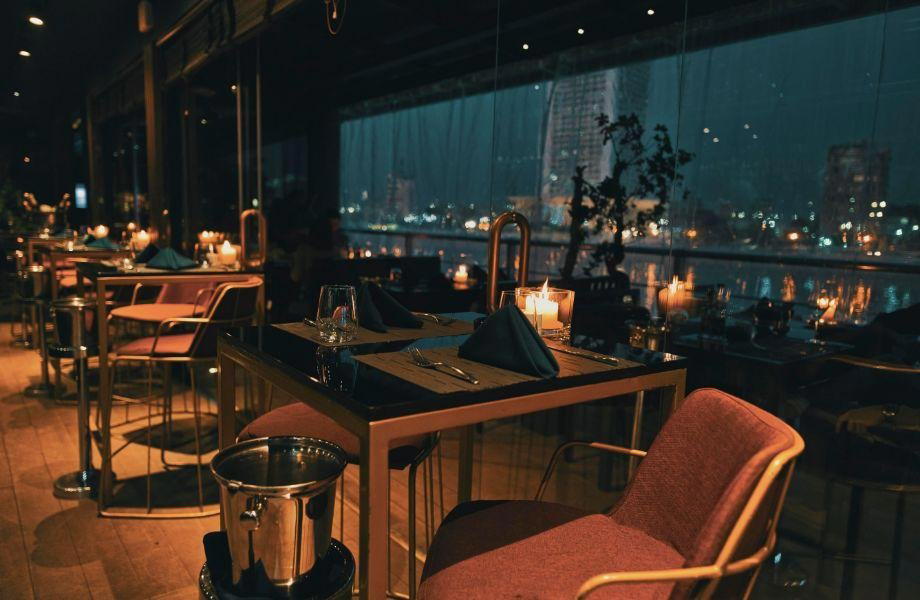
Zamalek sits on a narrow island in the Nile, administratively part of Cairo but distinct in character from the sprawling city on either bank. Its streets carry European-era architecture, embassies, and a concentration of independent restaurants that draw from both the island's resident community and from visitors crossing over from Mohandessin and Garden City. The dining scene here has historically split between long-established neighbourhood institutions and newer entrants with more international framing. Pier 88 is an Italian Fine Dining restaurant in Cairo, Egypt, at 19 Saray El Gezira St, 11511, Egypt. Its proximity to the Nile is part of what defines the category of restaurant it belongs to.
What the Nile-Adjacent Dining Tradition Means in Practice
Restaurants positioned near or along the Nile in Cairo occupy a distinct tier in the local dining economy. The water view carries a premium that has historically allowed venues on or near the river to operate at a price point above comparable kitchens further inland, and it also shapes what diners expect from the experience: longer meals, a slower pace, and a setting that does some of the work the menu might otherwise need to do alone. Zamalek's waterfront strip has produced some of the more durable dining addresses in Cairo precisely because the setting is stable even when menus and concepts turn over. Pier 88's address on Saray El Gezira places it within this tradition rather than outside it.
Across Egypt more broadly, the question of ingredient sourcing has become increasingly central to how restaurants at the higher end of the market distinguish themselves. The Nile Delta produces a wide range of vegetables, herbs, and fish; the Red Sea coast supplies seafood that has fuelled the growth of coastal dining from El Gouna to the Sinai. At Castle Zaman in Noweiba, the sourcing philosophy draws directly from the surrounding Sinai terrain, making provenance part of the editorial identity of the restaurant. At Le Restaurant in El Gouna, the Egyptian Mediterranean framing relies on coastal produce to give the menu its coherence. In Cairo, that same sourcing conversation plays out differently: the city is far enough from any single agricultural or fishing region that restaurants must make active choices about where their ingredients originate, and those choices carry meaning.
Zamalek as a Dining District
For anyone mapping Cairo's restaurant geography, Zamalek functions as its own microclimate. The island's relatively contained area means that restaurant density is high relative to residential population, and competition between venues is direct. Kitchens here operate in sight of each other, which has historically pushed the better-run operations toward sharper differentiation: a specific cuisine focus, a particular sourcing story, or a format that separates them from the broader field. Venues that rely primarily on location without a kitchen program to support it tend to cycle through concepts; those with a defined identity tend to accumulate a neighbourhood following over time.
The comparison set in Zamalek and greater Cairo includes venues with stronger defined identities: Kazoku in Cairo operates with a clear Japanese framing, while Chinoix Restaurant in New Cairo anchors itself in Chinese cuisine. Modern Egyptian operators like Khufus in Giza have built profiles around the Egyptian Modern category, which draws on local produce and traditional techniques reframed for a contemporary dining context. Each of these represents a distinct competitive position. Pier 88's position within this field is shaped by its actual menu and kitchen approach.
The Sourcing Question and Why It Matters Here
Egypt's agricultural geography is specific and underused as a narrative resource in Cairo dining. The Delta region around Kafr el-Sheikh and Damietta produces fish and crustaceans that rival Red Sea supply in freshness during peak season. Alexandria's fish markets have long supplied Cairo restaurants willing to pay for same-day transport. Seasonal vegetables from the Delta and Upper Egypt appear in traditional Egyptian kitchens from Abou Shakra in Al Haram to family-run neighbourhood spots across the city. The question for any Zamalek restaurant operating with ambition is whether its sourcing narrative connects to any of these supply chains in a way that is traceable and specific, or whether it relies on imported product to signal premium positioning.
This distinction matters more now than it did a decade ago. Across the region, diners at the higher end of the market have grown more attentive to provenance claims, partly through exposure to global conversations about sustainability and local sourcing, and partly because a generation of Egyptian chefs trained abroad have returned with ingredient-focused habits. Andrea El Mariouteya in Sheikh Zayed City built its reputation in part on grilled meats with clear sourcing roots. Mayrig in Sheikh Zayed draws on Armenian culinary heritage with ingredients that carry cultural specificity. Even at the more accessible end of the market, venues like What the Crust in Al Bassatin build identity around a defined product category. The broader pattern across Cairo's restaurant scene is toward specificity rather than generalism, and that shift applies as much to ingredient sourcing as to cuisine category.
Planning a Visit
The restaurant is located at 19 Saray El Gezira Street in Zamalek, a walkable address from the island's main commercial strip and accessible by taxi or ride-share from central Cairo within fifteen to twenty minutes depending on bridge traffic. Zamalek's restaurant cluster is compact enough that it rewards combining visits: a drink at one venue followed by dinner at another is a common pattern for the area's regulars. Other dining options in the broader Cairo region covered by EP Club include Maharaja Restaurant for Indian cuisine, Izakaya in 6th of October for Japanese formats, and Mori Sushi at City Center Almaza for accessible Japanese options across the city. For dessert-focused stops, Crepe and Waffle in Tanta reflects the accessible end of Egypt's cafe and sweet dining category.
Comparison Snapshot
Comparable venues nearby, for context on price, style, and recognition.
| Venue | Cuisine | Price | Notes |
|---|---|---|---|
| Pier 88This venue — the venue you are viewing | Italian Fine Dining | $$$$ | Not listed |
| Gingko | Modern Peruvian | $$$$ | Ramlet Beaulac |
| La Zisa | Authentic Southern Italian | $$$$ | Boulaq |
| Nişantaşi Cairo Festival City Mall | Authentic Turkish Grill | $$$ | New Cairo |
| Al Khal Egyptian Restaurant | Authentic Egyptian | $$$ | Nasr City |
| Birdcage | Authentic Thai | $$$ | Garden City |
At a Glance
- Elegant
- Sophisticated
- Lively
- Romantic
- Date Night
- Special Occasion
- Late Night
- Waterfront
- Live Music
- Terrace
- Craft Cocktails
- Extensive Wine List
- Waterfront
Current opening hours
- Monday
- 1 PM–1 AM
- Tuesday
- 1 PM–2 AM
- Wednesday
- 1 PM–1 AM
- Thursday
- 1 PM–2 AM
- Friday
- 10 AM–2 AM
- Saturday
- 10 AM–1 AM
- Sunday
- 1 PM–1 AM
Hours can change for holidays and private events. Last verified .
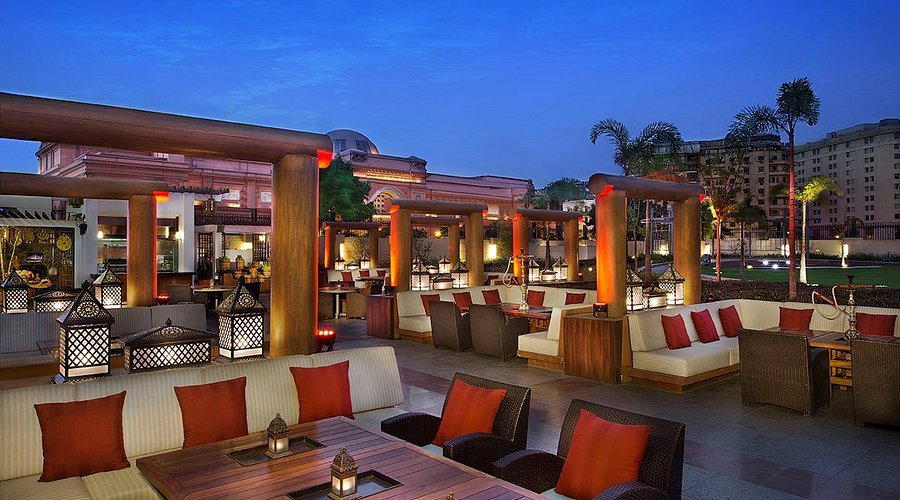
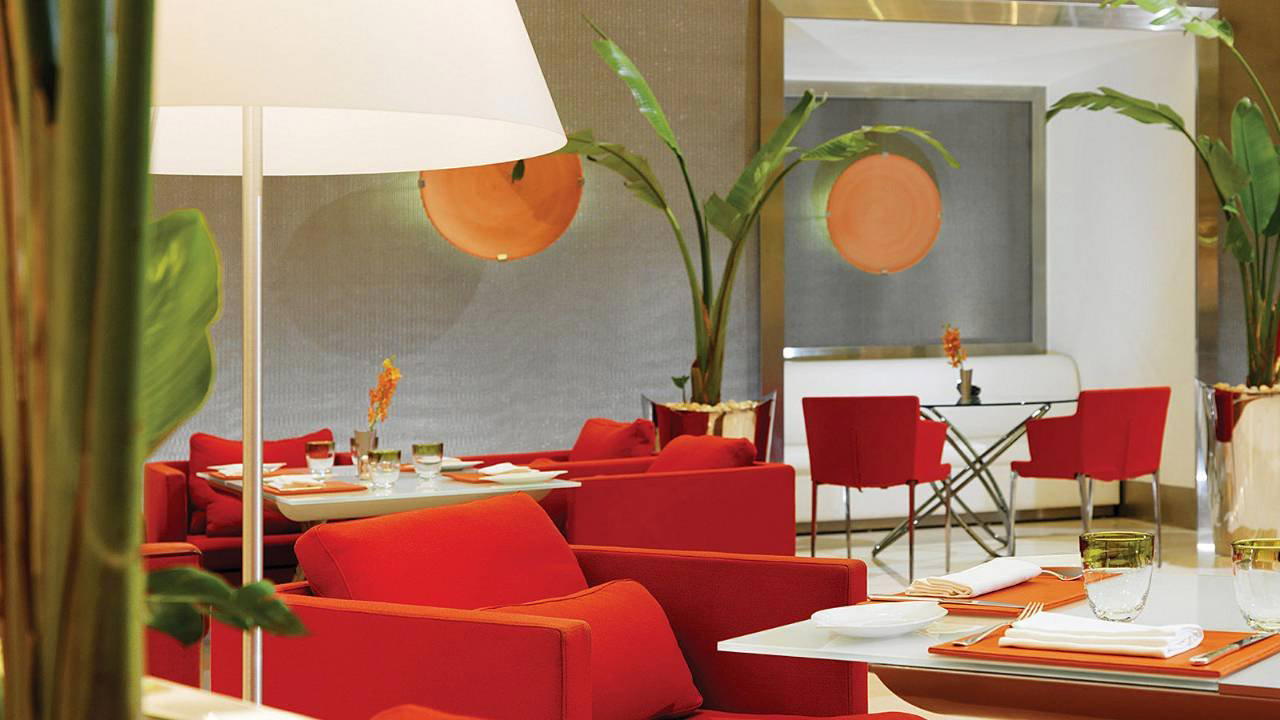
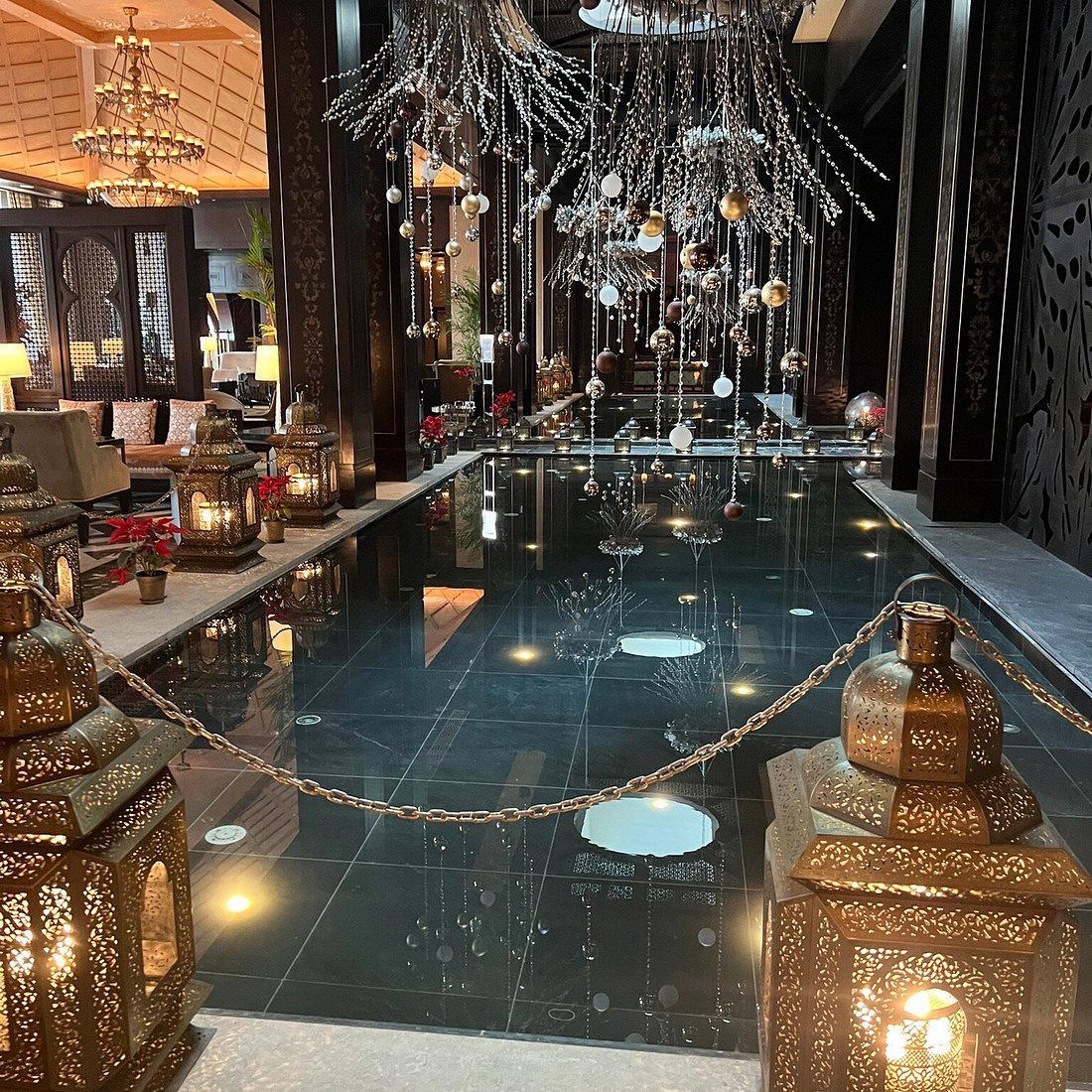
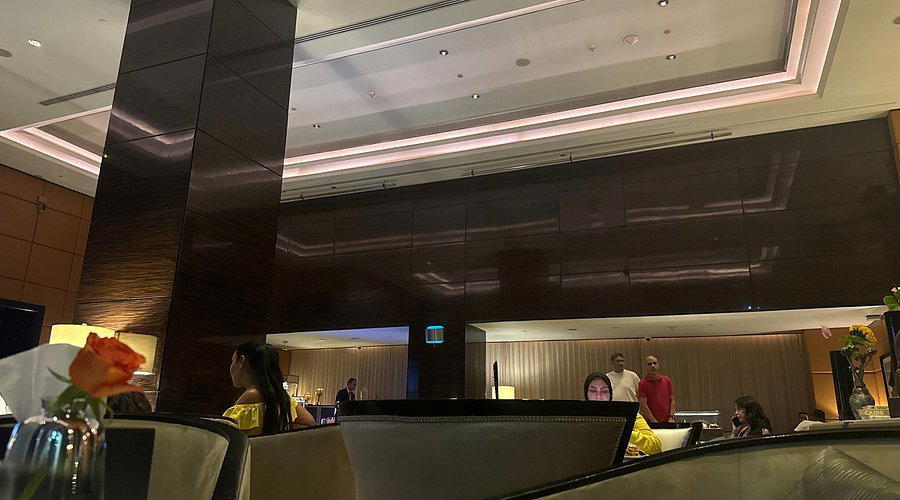
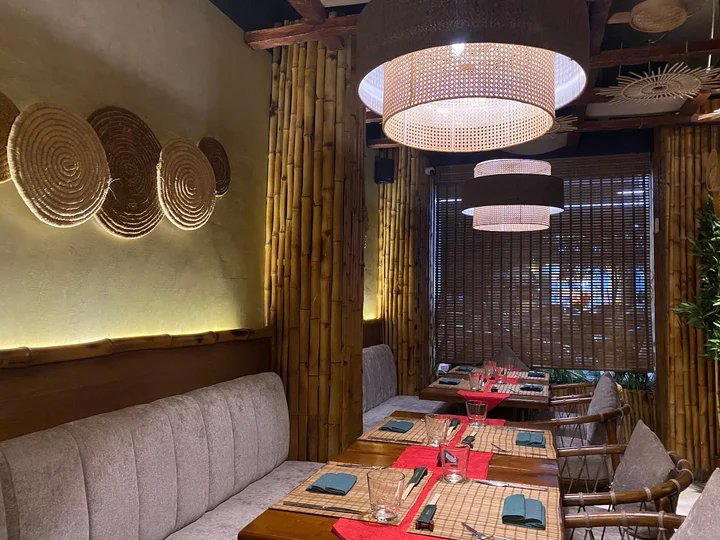
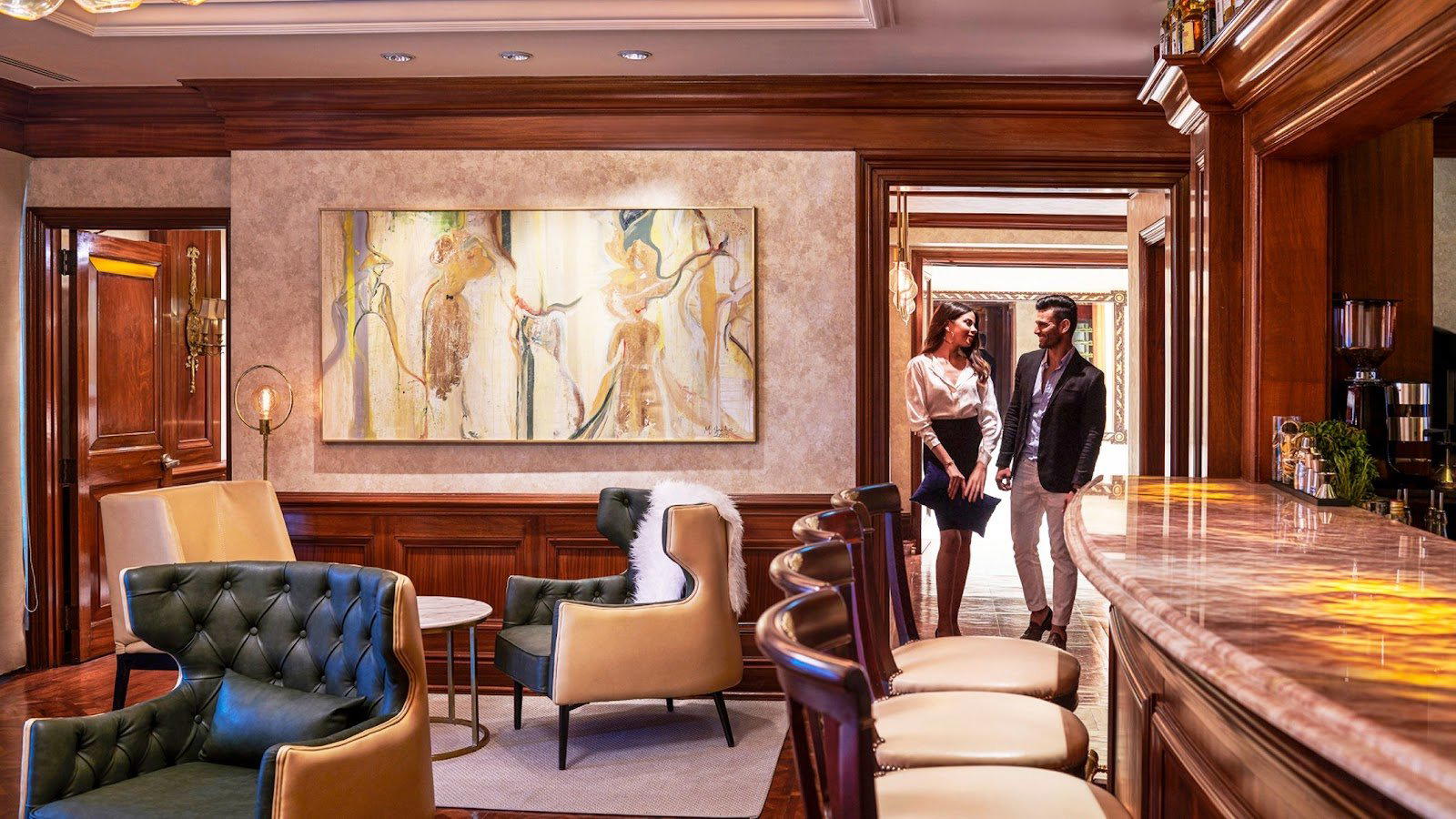
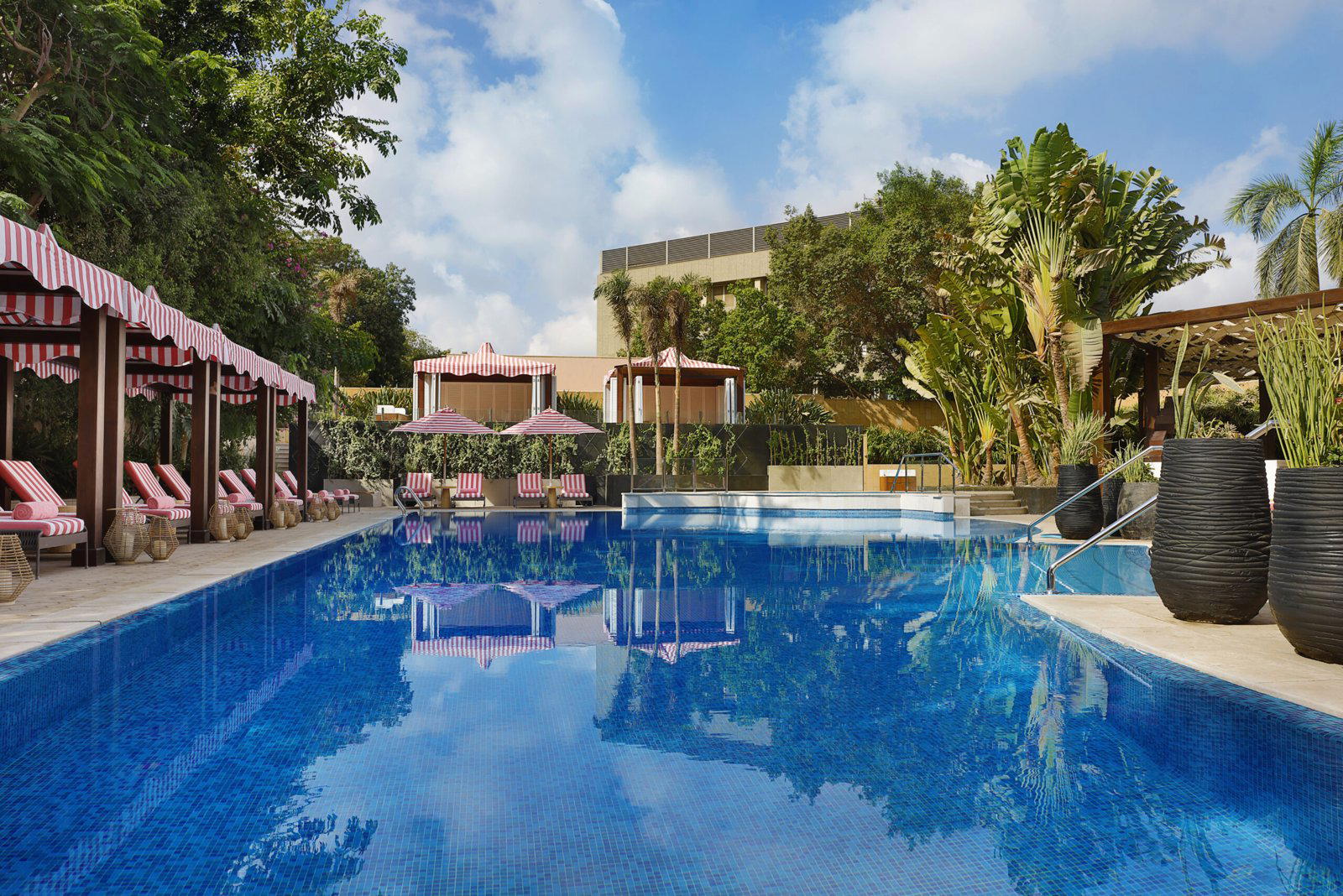
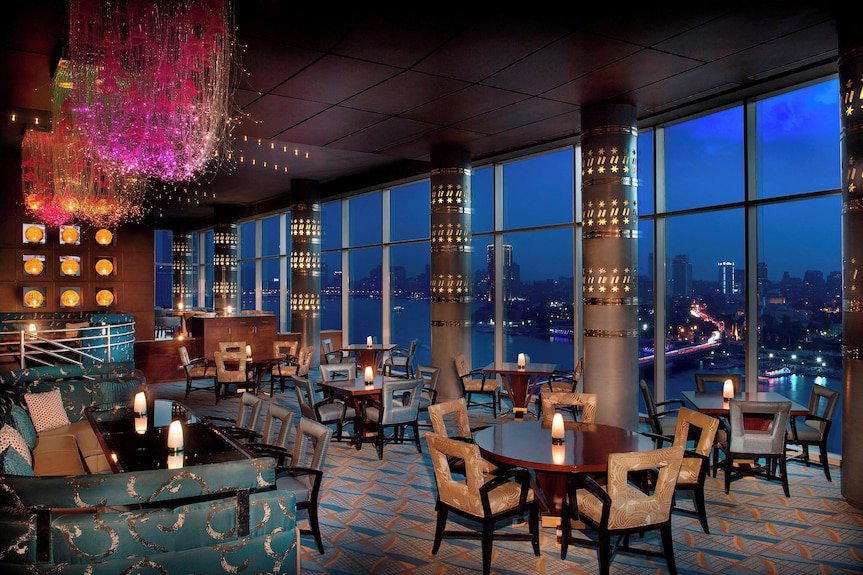
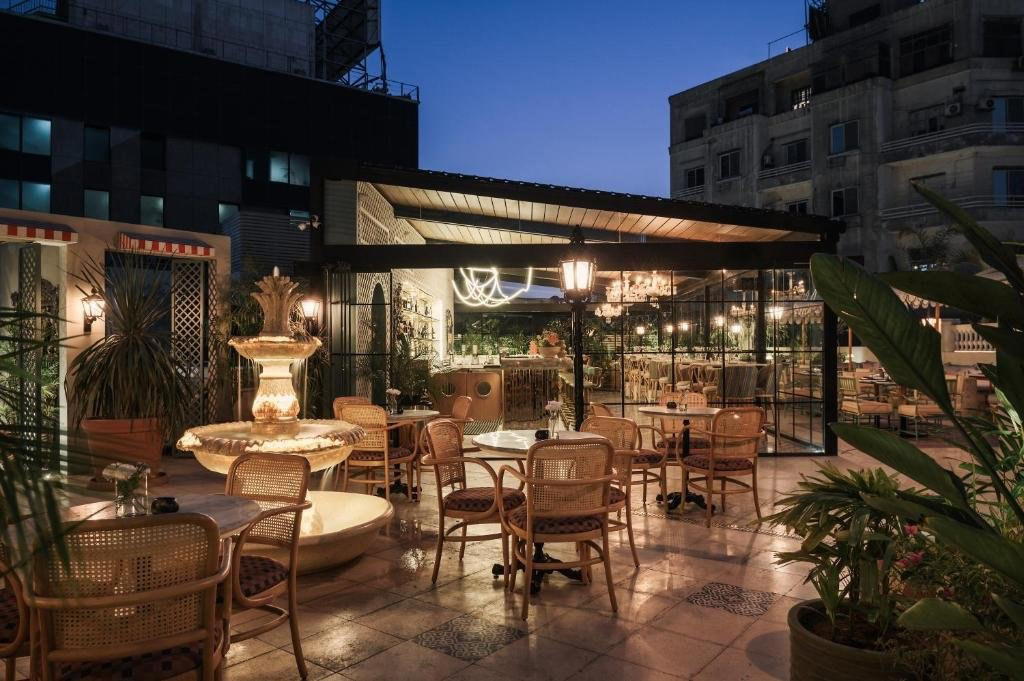
Dim lights, dark and ambient interior with euphoric music, complemented by breezy waterside terrace seating.