Chinoix Restaurant sits on Abbas Al Akkad Axis in Second New Cairo, positioning itself within the district's growing concentration of Asian-influenced dining. The name signals a Chinese-inflected direction in a city where pan-Asian formats are rapidly reshaping the premium casual tier. It warrants attention from anyone tracking where New Cairo's restaurant scene is heading.
Pearl is the En Primeur Club membership app — saves, bookings, and concierge access live there. Same editors, same standards.
- Address
- 3CFQ+RRF, Abbas Al Akkad Axis, Second New Cairo, Cairo Governorate 4732503, Egypt
- Phone
- +20224063333
- Website
- morecravings.com
- Directions
- Get directions
 Saves & bookings on Pearl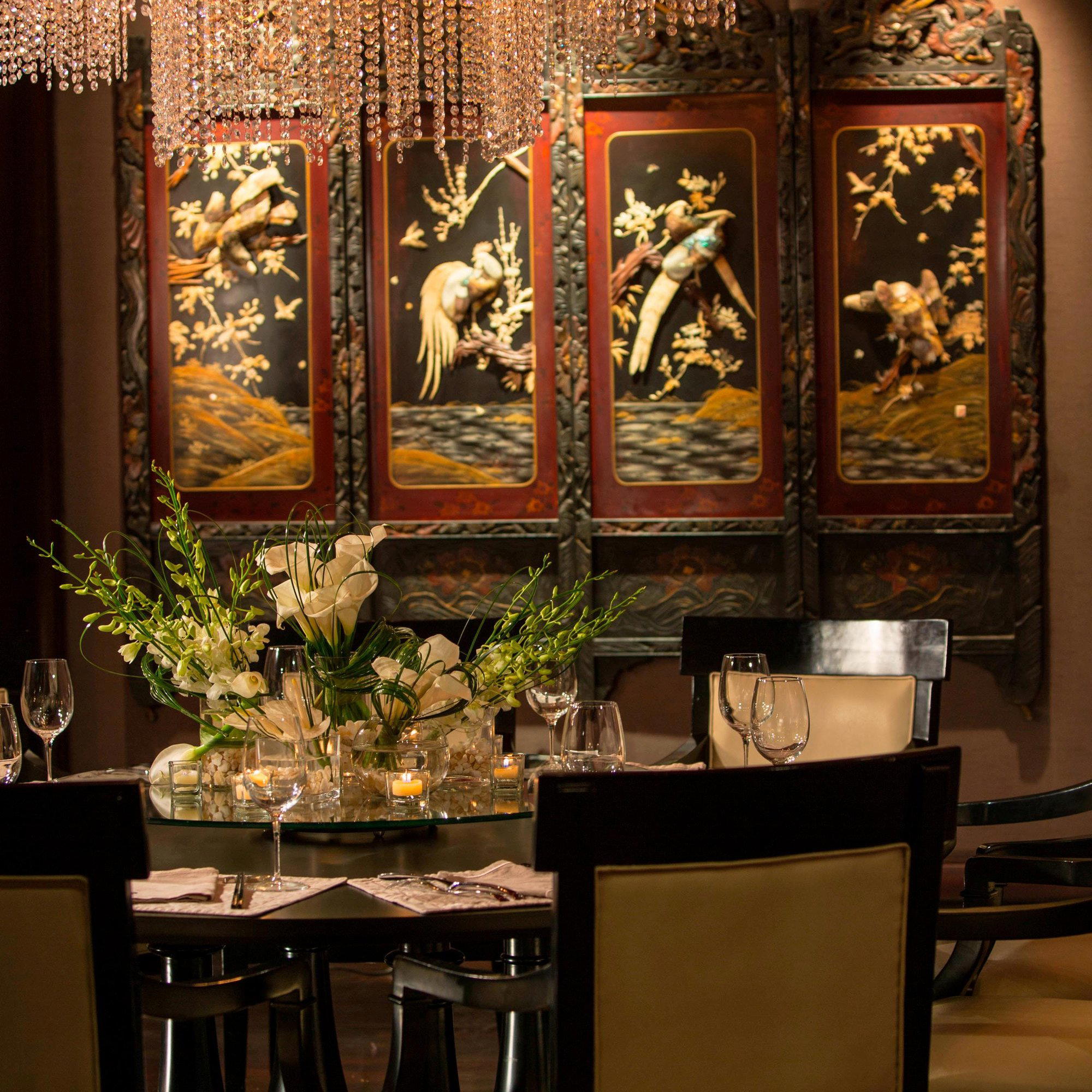
Abbas Al Akkad's Asian Dining Moment
Second New Cairo's Abbas Al Akkad Axis has become one of the more instructive addresses to watch if you want to understand how Cairo's premium casual dining tier is evolving. Over the past several years, the corridor has attracted a cluster of Asian-influenced concepts that sit above the fast-casual bracket without quite reaching the formal fine-dining price ceiling. Chinoix Restaurant occupies a position on that axis, and the name alone does real editorial work: the Franco-Chinese portmanteau suggests an orientation toward Chinese cooking filtered through a cosmopolitan, borderless-restaurant sensibility that has become a recurring format in Middle Eastern and North African cities with an internationally mobile dining population.
That format matters as context. In cities like Cairo, where dining culture has historically leaned toward Lebanese, Egyptian, and broadly Mediterranean reference points, a Chinese-inflected concept is not filling an obvious historical gap so much as responding to a newer appetite: the generation of Egyptian diners who have studied or traveled abroad and who return expecting to find the pan-Asian registers they encountered in London, Dubai, or Istanbul. Chinoix, positioned in New Cairo's Second district rather than in the older, denser parts of the city, is squarely calibrated for that demographic.
The Sourcing Question in a Pan-Asian Context
One of the more interesting editorial problems any Chinese-influenced restaurant faces in Cairo is ingredient sourcing. Chinese cooking at its more demanding end relies on a specific set of pantry staples: fermented black bean pastes, Shaoxing rice wine, doubanjiang, dried Sichuan peppercorns, specific grades of soy, and aromatics like galangal and fresh water chestnuts that don't travel well and don't always have reliable local substitutes. Egypt's domestic agriculture is genuinely strong in certain categories, Delta-grown produce, fresh herbs, Nile-adjacent fish, but the specialized imported pantry that underpins serious Chinese regional cooking requires either a well-organized import chain or a willingness to adapt recipes around what is consistently available.
This sourcing tension is not distinctive to Chinoix; it defines the category across the region. The more credible pan-Asian operators in cities like Dubai and Istanbul have addressed it by building direct supplier relationships and, in some cases, by leaning into the adaptation rather than concealing it: designing dishes that treat local Egyptian produce as the starting point and Chinese technique as the lens. Whether Chinoix takes a purist or adaptive approach is something the menu itself would need to confirm, but understanding that the sourcing challenge exists is the right frame for any serious diner approaching the concept.
The Abbas Al Akkad address puts the restaurant in proximity to New Cairo's most concentrated stretch of dining competition. Concepts like Kazuko, Tao, Reif Kushiyaki 5A, and Nişantaşi Cairo Festival City Mall all operate in or near that corridor and between them represent a fairly complete picture of where New Cairo's Asian-influenced dining sits: Japanese-leaning kushiyaki formats, broader pan-Asian concepts, and Japanese-Mediterranean hybrids. Chinoix arrives with a more specifically Chinese orientation, which, if executed with any consistency, represents a differentiated position in a comparable set that skews Japanese.
New Cairo's Dining Geography
For visitors or Cairo residents who don't regularly move through the eastern suburbs, a brief orientation helps. Second New Cairo, where Chinoix sits, is a planned residential and commercial district built to absorb Cairo's expanding professional class. The dining scene here is newer, more car-dependent, and more format-driven than the older neighbourhoods around Zamalek or Heliopolis. Restaurants tend to be larger in footprint, positioned for group dining, and calibrated around an evening social rhythm rather than a lunchtime working crowd. The demographic skews toward families and young professionals, which has influenced the style of Asian dining that has succeeded here: accessible enough to work for a table of mixed ages, but with enough visual and menu ambiguity to feel like an event.
That social-dining orientation connects to the broader Egyptian restaurant culture, where the meal as occasion, rather than the meal as solo or couple experience, remains the dominant mode. Chinese banquet cooking, with its emphasis on shared plates and table-centre presentation, maps reasonably well onto that instinct, which may partly explain why Chinese-inflected formats have found some traction in this specific market when they might struggle in cities where restaurant culture is more individualized.
Cairo's Asian Dining Scene, Widened
Chinoix is one data point in a city that has been diversifying its Asian dining offer for the better part of a decade. On the Japanese side, Kazoku in Cairo and Sachi Giza in Giza have developed their own followings in the omakase-adjacent and Japanese casual tiers respectively. Beyond the city, Egypt's dining geography stretches to coastal formats like Castle Zaman in Noweiba, which approaches ingredient sourcing from a radically different, hyper-local Red Sea perspective, and La Maison Bleue in El Gouna, where Mediterranean traditions meet Red Sea produce. These are markers of how varied Egypt's dining landscape has become across its geographies.
Within Cairo itself, the contrast between the New Cairo cluster and older city dining is worth holding in mind. Spots like Al Khal Egyptian Restaurant in Nasr, Andrea El Mariouteya in Sheikh Zayed City, and Koshary Hekaya each represent a more rooted Egyptian dining tradition that runs parallel to the Asian-concept wave. For a diner moving between those registers, Izakaya in 6th of October and La Zisa in Boulaq also sit in the broader picture of where Cairo residents are choosing to eat when they move beyond Egyptian defaults. Internationally, the ambition represented by concepts like Le Bernardin in New York City and Lazy Bear in San Francisco sets a benchmark for what ingredient-driven restaurant thinking looks like at its most developed, a useful if distant reference point for tracking where Cairo's scene may head.
Planning Your Visit
Chinoix Restaurant is located at Abbas Al Akkad Axis in Second New Cairo, reachable most practically by car or ride-share from central Cairo, as the district's street-level pedestrian infrastructure is limited. The restaurant is open daily from 3 PM to 11 PM, and reservations are essential. Carbs in Al Ameria and Crepe and Waffle in Tanta for a sense of how the wider Egyptian casual dining scene is structured around similar neighbourhood formats.
Quick Comparison
Comparable venues nearby, for context on price, style, and recognition.
| Venue | Cuisine | Price | Notes |
|---|---|---|---|
| Chinoix RestaurantThis venue — the venue you are viewing | Authentic Chinese Fine Dining | $$$ | Not listed |
| Reif Kushiyaki 5A | Modern Japanese Kushiyaki | $$$ | New Cairo |
| Kazuko | Contemporary Japanese | $$$$ | Second New Cairo, Fifth Settlement |
| Nişantaşi Cairo Festival City Mall | Authentic Turkish Grill | $$$ | New Cairo |
| Tao | Multi-Asian Fine Dining | $$$$ | New Cairo City |
| Andrea El Mariouteya | Mediterranean Grill with Egyptian Specialties | $$ | New Giza |
Continue exploring
More in New Cairo
Restaurants in New Cairo
Browse all →
Bars in New Cairo
Browse all →
At a Glance
- Sophisticated
- Elegant
- Modern
- Cozy
- Business Dinner
- Date Night
- Group Dining
- Special Occasion
- Private Dining
- Hotel Restaurant
- Open Kitchen
- Beer Program
Current opening hours
- Monday
- 3–11 PM
- Tuesday
- 3–11 PM
- Wednesday
- 3–11 PM
- Thursday
- 3–11 PM
- Friday
- 3–11 PM
- Saturday
- 3–11 PM
- Sunday
- 3–11 PM
Hours can change for holidays and private events. Last verified .
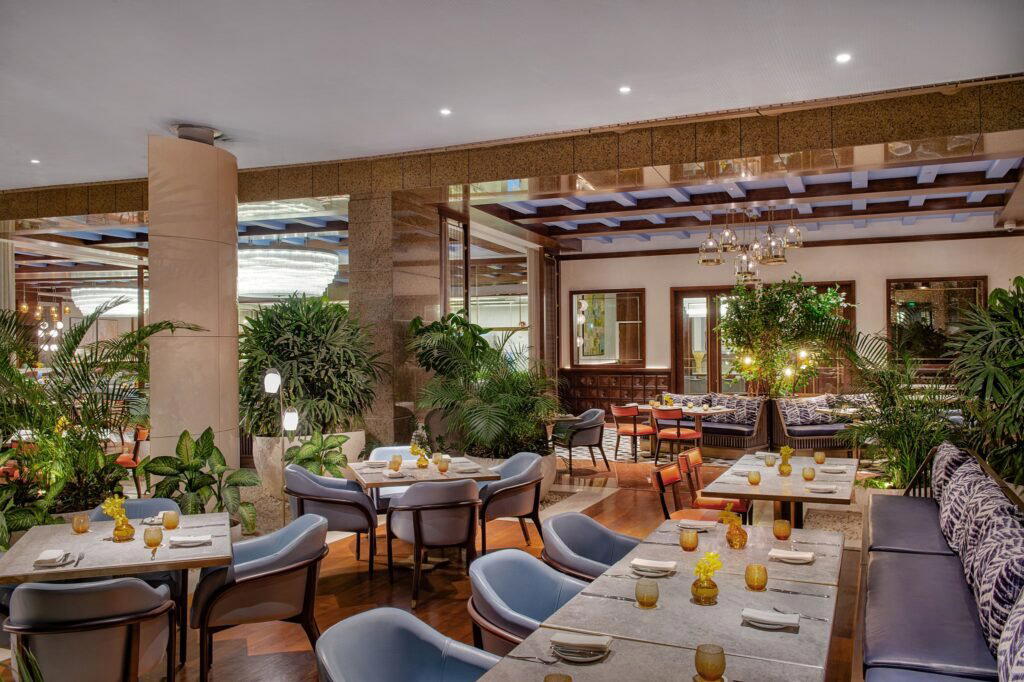
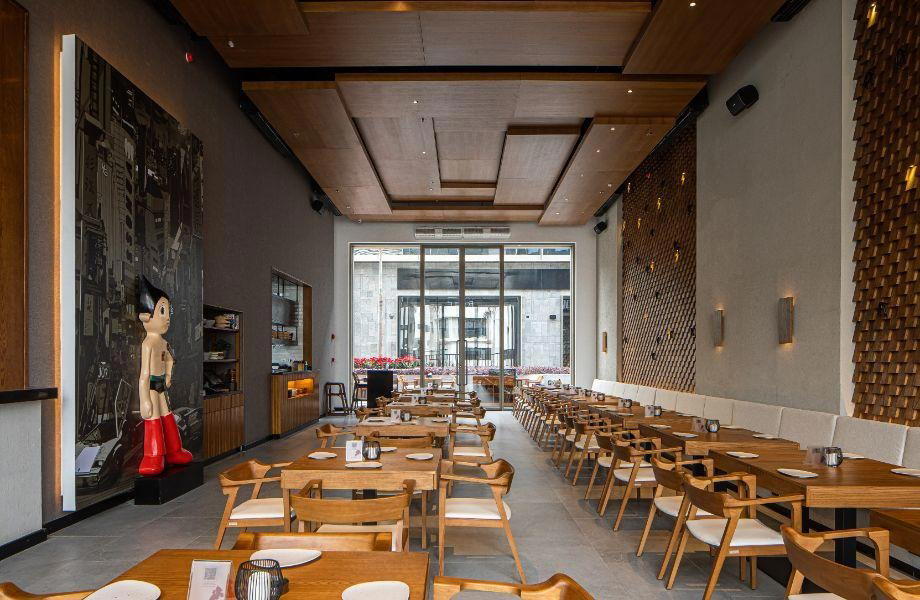
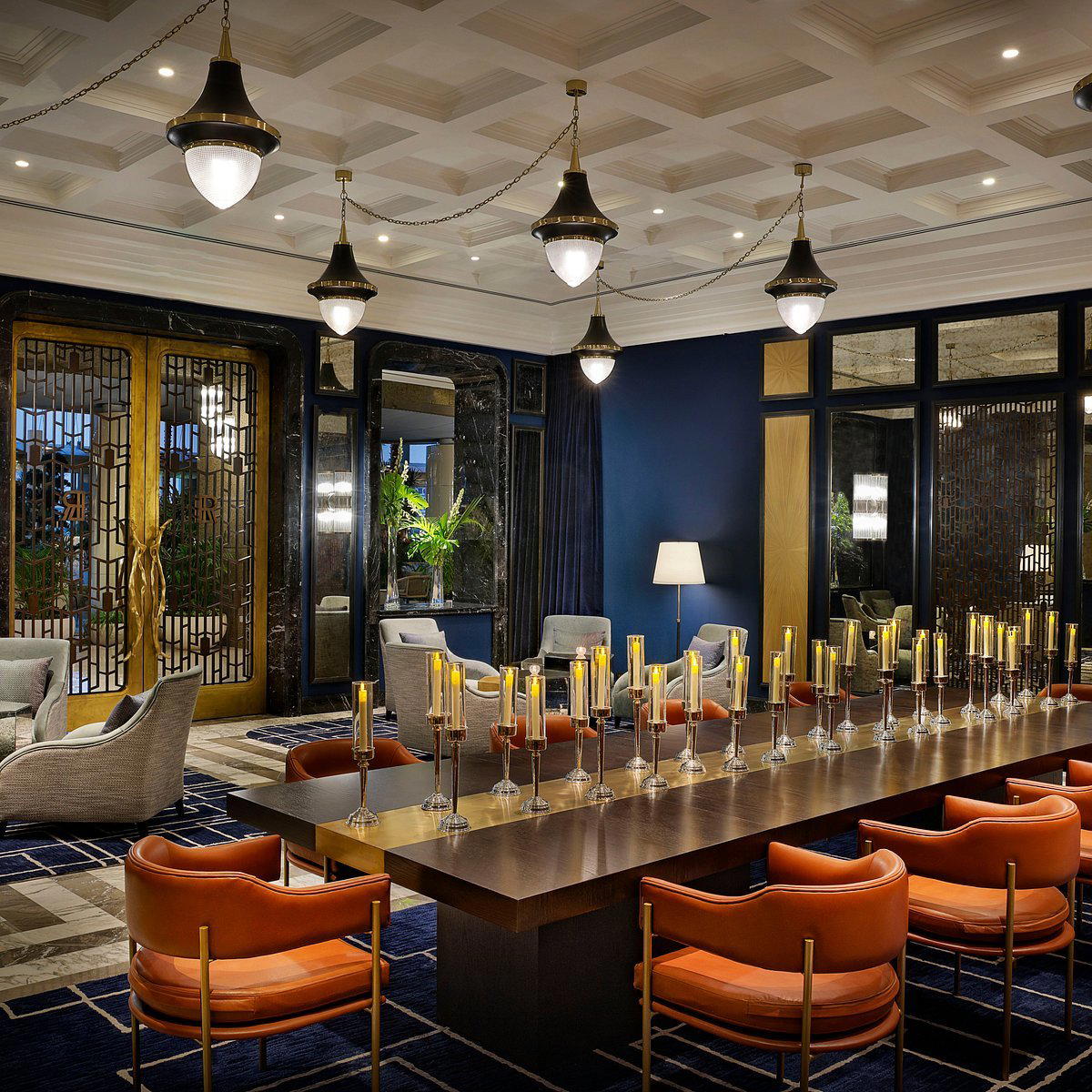
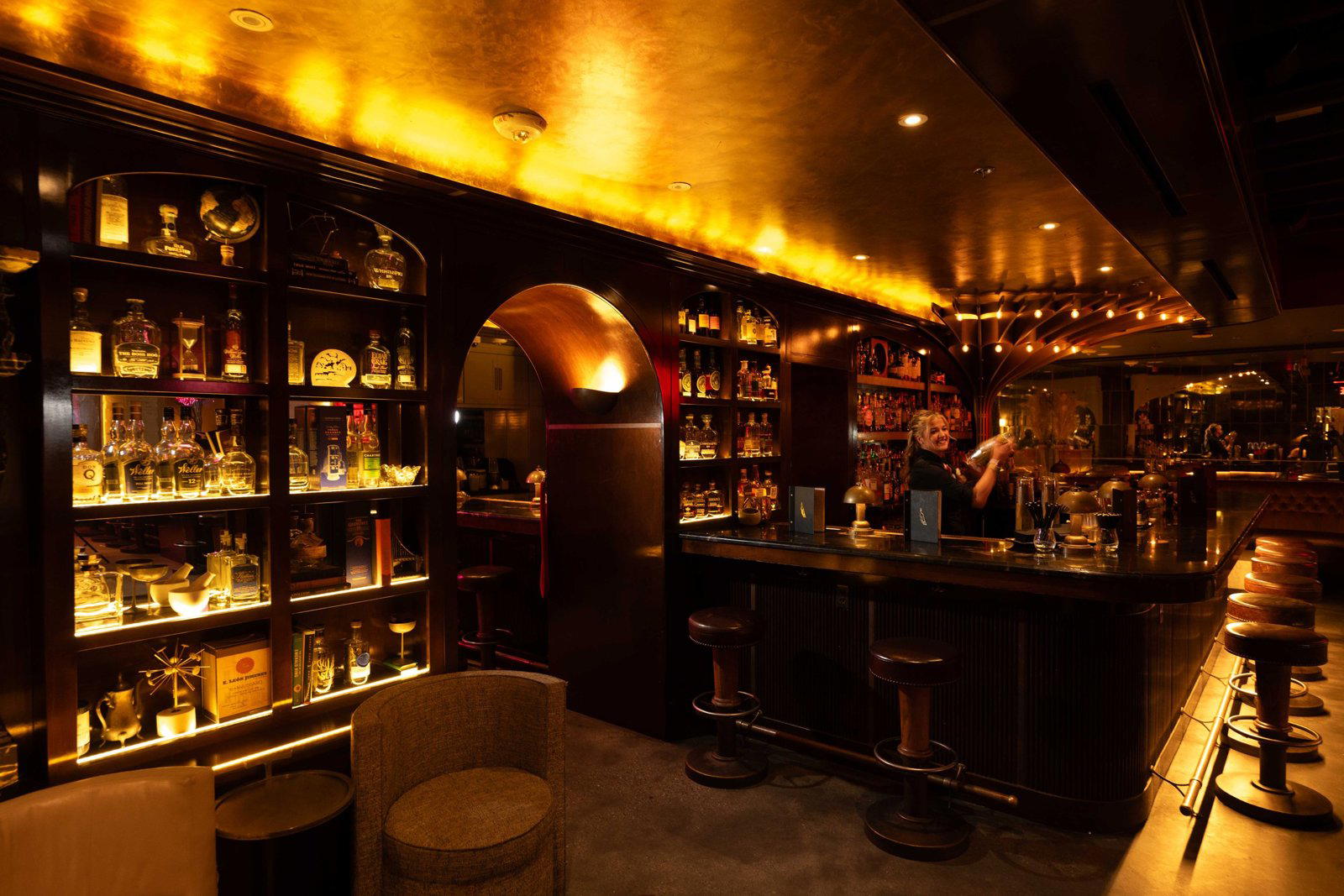
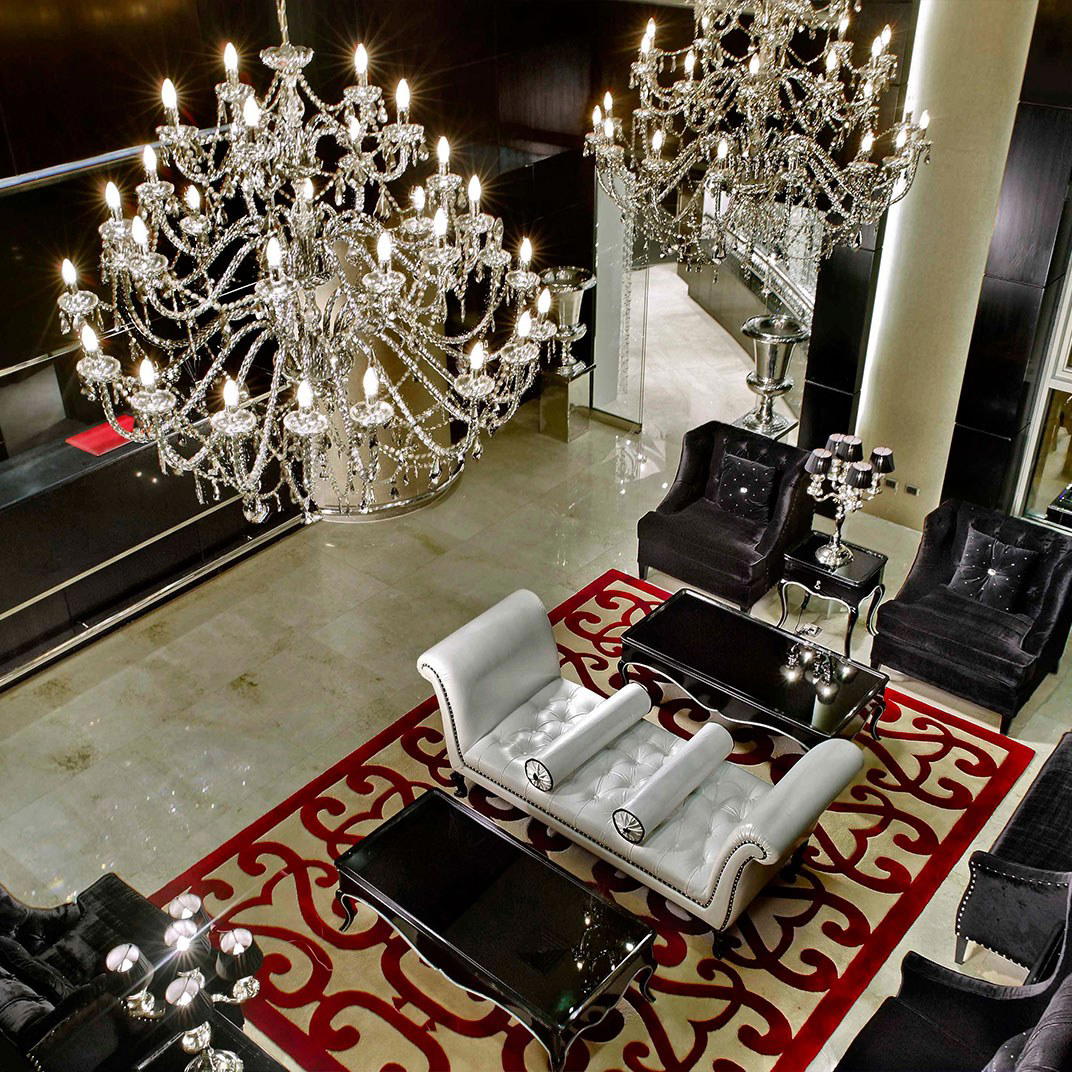
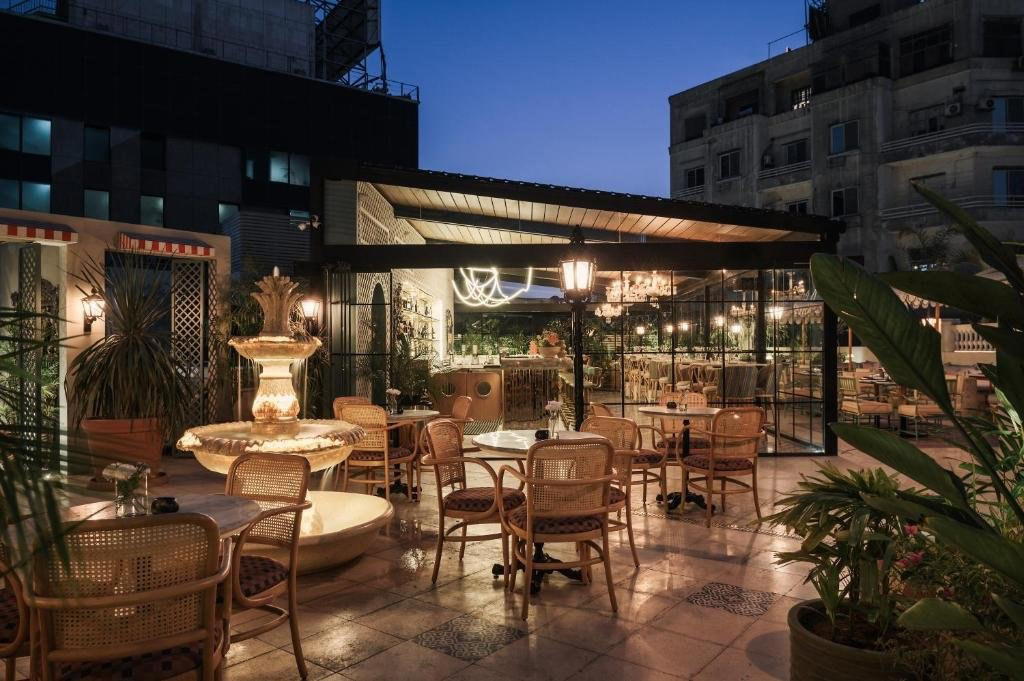
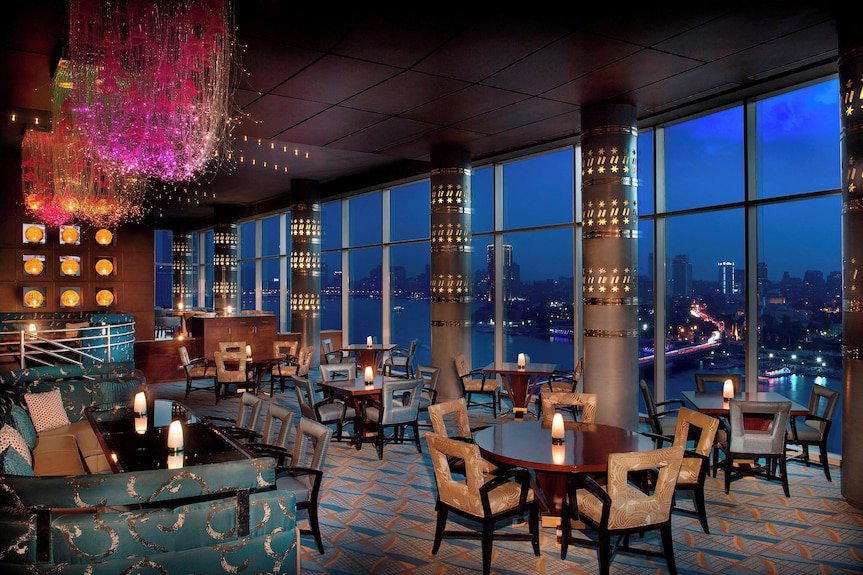
Sparkling contemporary finish with distinctive Chinese ambiance; chic yet casual setting with fine dining atmosphere and red leather-bound menus.