What the Crust
What the Crust operates out of Ezbet Fahmy in Al Bassatin, a working neighbourhood south of central Cairo where the pizza and baked goods scene runs on neighbourhood loyalty rather than tourist footfall. The name signals a focus on crust craft, placing it in a growing cohort of Egyptian casual-dining spots that treat dough as the starting point for everything else on the menu.
Pearl is the En Primeur Club membership app — saves, bookings, and concierge access live there. Same editors, same standards.
- Address
- ش275 مكرر, Ezbet Fahmy, El Basatin, Egypt
- Phone
- +201005764631
- Website
- whatthecrust.com
- Directions
- Get directions
 Saves & bookings on Pearl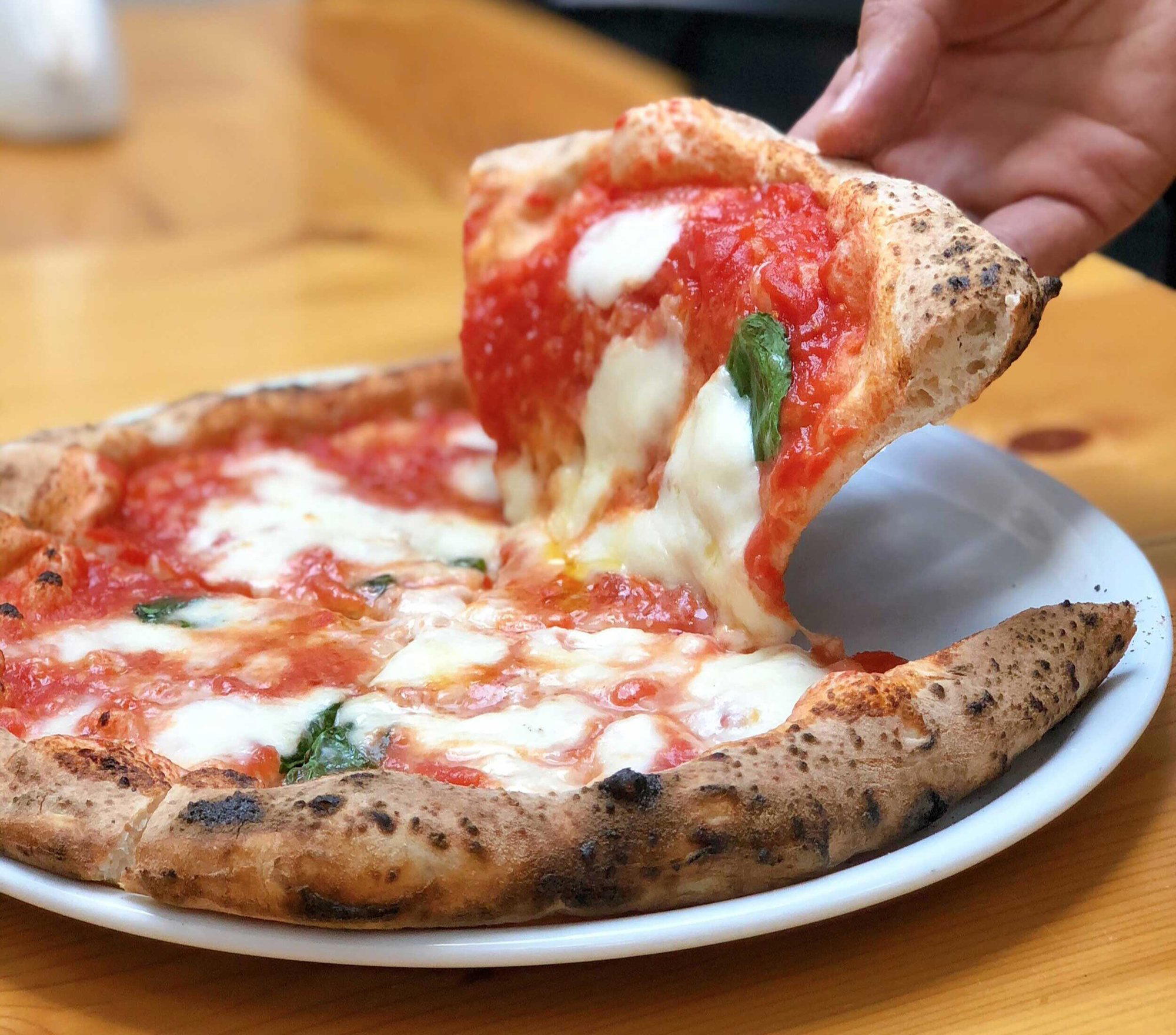
Dough as a Starting Point: Cairo's Neighbourhood Pizza Scene
What the Crust is a casual restaurant in Al Bassatin, Cairo, serving Authentic Neapolitan Pizza at about US$15 per person. What the Crust, located on a side street in Ezbet Fahmy, operates inside that logic. The name points to a focus on the crust itself.
Across Egyptian casual dining, the pizza category has split into two distinct tiers over the past decade. One tier chases the international-chain model, offering standardised bases and processed ingredient profiles across multiple locations. The other, smaller tier works closer to an artisan format, where the crust character, fermentation time, and flour sourcing define the menu rather than the topping combinations. What the Crust sits in the second camp, at least in its positioning and name identity, within a neighbourhood that has limited competition at that level.
The Ezbet Fahmy Address and What It Means for Sourcing
Al Bassatin is a dense residential district in the south of Cairo, hemmed between industrial areas and older working-class housing stock. Restaurants that open here are not building for destination dining. They are building for proximity and trust, which creates a different kind of pressure on ingredient sourcing than a tourist-facing address would. When your customer can walk to your door, they notice changes in quality faster and more consistently than a reviewer passing through once a year.
Egypt's bakery and flour culture is deep and geographically specific. Delta wheat, traditionally grown in the Nile Delta's agricultural zones, has distinct characteristics compared to the imported flour that dominates commercial pizza chains. In Egyptian neighbourhood pizza, the distinction between a crust built on local grain and one assembled from commodity flour is perceptible to a regular customer in a way that matters to the business.
A restaurant in Al Bassatin sources differently than one operating out of New Cairo or Sheikh Zayed, because the supply chains accessible from each address are materially different.
Where What the Crust Fits in the Cairo Casual-Dining Picture
Cairo's casual dining scene is broad and varied. International cuisines now operate at neighbourhood scale across districts that previously had limited variety. Japanese concepts like Kazoku in Cairo and Izakaya in 6th of October, Indian formats like Maharaja Restaurant, and Armenian cooking at Mayrig in Sheikh Zayed each represent specific culinary traditions landing in a Cairo context. Against that diversity, a focused pizza and crust concept occupies a familiar but technically specific niche.
What makes a neighbourhood pizza operation credible within that competitive environment is consistency and differentiation at the product level. Egyptian diners in residential districts make frequent, repeated visits to a small number of local restaurants. The quality threshold required to hold that loyalty is different from what works in a high-turnover tourist corridor. This is the pressure that shapes the restaurant-forward operators in districts like Al Bassatin actually have to deliver.
For a broader read on Egypt's regional restaurant variation, the gap between a neighbourhood spot in Al Bassatin and a destination address like Khufus in Giza or Le Restaurant in El Gouna is instructive. Those operations build for a visitor-facing audience with higher price tolerance and lower frequency of return. The restaurant is built for the opposite: lower price point, higher visit frequency, tighter margin on each transaction.
Crust-focused pizza has a clear lineage in Neapolitan-style baking and fermentation-led methods. The concept of naming a restaurant after its dough, as the restaurant does, places it in a line of operators who understand that the base communicates everything about the kitchen's priorities.
Planning a Visit: What to Expect on the Ground
The restaurant is located at a street address in Ezbet Fahmy, Al Bassatin, a district most readily accessed from the southern ring roads or via the Metro's Helwan line, depending on your starting point within Cairo. The address sits outside the main restaurant corridors tourists or visitors from western Cairo districts typically cover, so the clientele skews almost entirely local. The atmosphere that comes with that composition is unhurried and neighbourhood-facing rather than performance-oriented.
Reservations are recommended. For a place operating at this neighbourhood scale within Al Bassatin's residential grid, walk-in is the practical mode of access. Timing matters: Egyptian casual dining in residential districts tends to see peak activity in the early evening through to late night, particularly on weekends. Arriving mid-afternoon carries a better chance of a quieter experience.
For reference points elsewhere in the region, Andrea El Mariouteya in Sheikh Zayed City, Abou Shakra in Al Haram, and Castle Zaman in Noweiba each represent different points on the Egyptian dining spectrum, from traditional grilled meats to destination-format experiences, against which a neighbourhood pizza operation like What the Crust defines a specific and grounded position.
In Context: Similar Options
Comparable venues nearby, for context on price, style, and recognition.
| Venue | Cuisine | Price | Notes |
|---|---|---|---|
| What the CrustThis venue — the venue you are viewing | Authentic Neapolitan Pizza | $$ | Not listed |
| Abou Shakra | Traditional Egyptian Grill | $$ | El Kasir El Einy (Downtown Cairo) |
| Secret Society | American Burgers | $$ | Somabay |
| Koshary Hekaya | Egyptian Koshary | $ | Giza |
| Tianma | Contemporary Asian Fusion | $$$ | Boulaq |
| 8 Restaurant | Authentic Cantonese | $$$$ | Qasr El Nil |
Continue exploring
More in Al Bassatin
Restaurants in Al Bassatin
Browse all →
Bars in Al Bassatin
Browse all →
At a Glance
- Cozy
- Intimate
- Casual Hangout
- Family
- Standalone
Current opening hours
- Monday
- 12–9 PM
- Tuesday
- 12–9 PM
- Wednesday
- 12–9 PM
- Thursday
- 12–10 PM
- Friday
- 12–10 PM
- Saturday
- 12–10 PM
- Sunday
- 12–9 PM
Hours can change for holidays and private events. Last verified .
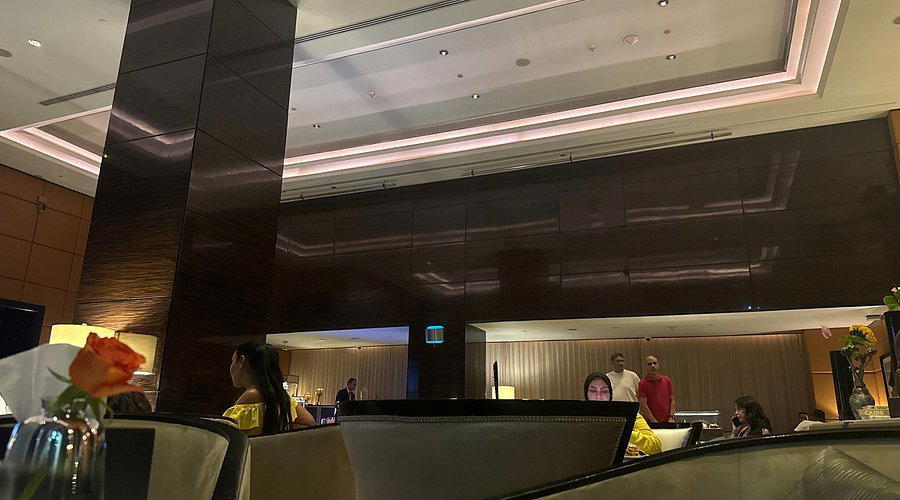
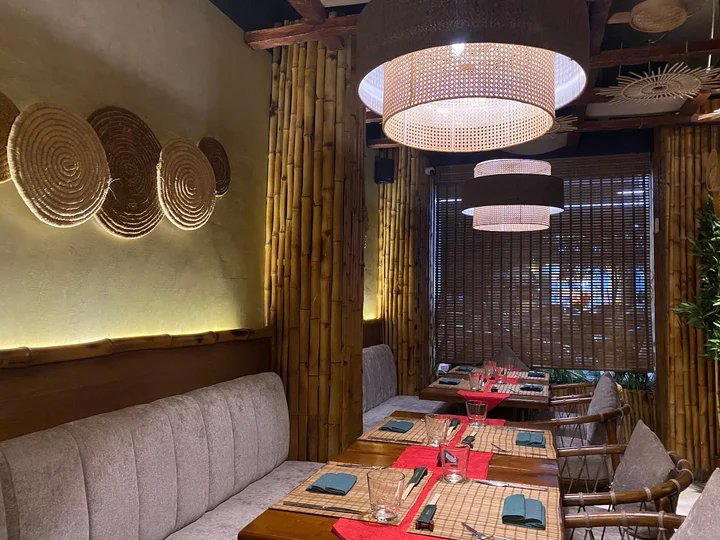
Cozy and homely neighborhood spot with a warm, welcoming atmosphere.