One of Egypt's most enduring addresses for traditional grilled meats, Abou Shakra sits on Abou El Houl Square in Al Haram, steps from the Giza Plateau. The restaurant has served successive generations of Cairenes and visitors since the mid-twentieth century, occupying a position in Egyptian dining that sits between everyday institution and cultural landmark. Its longevity is its most credible credential.
Pearl is the En Primeur Club membership app — saves, bookings, and concierge access live there. Same editors, same standards.
- Address
- Abou El Houl Sq, Al Haram, محافظة الجيزة, 12556
- Directions
- Get directions
 Saves & bookings on Pearl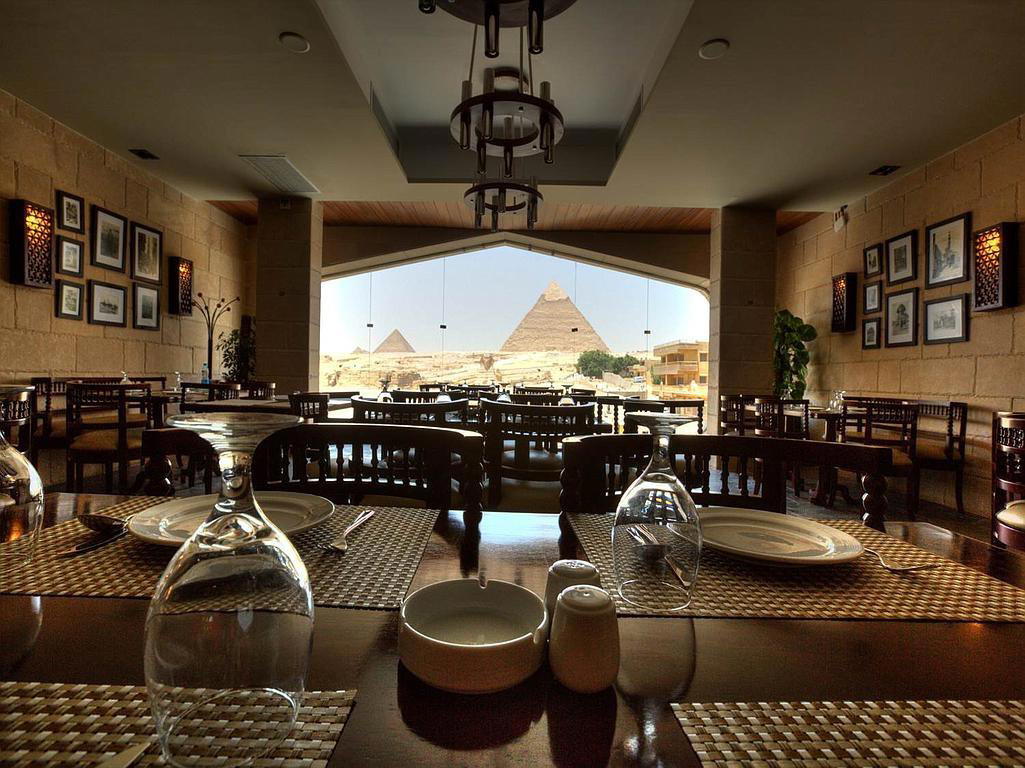
Where the Pyramids Meet the Grill
Approach Abou El Houl Square on the Al Haram road and the scale of the surroundings does something particular to appetite. The Giza Plateau dominates the western sky, and the neighbourhood that has grown up in its shadow operates on a different register from central Cairo's busier commercial corridors. Restaurants here compete less on novelty than on continuity: the question visitors ask is not which new opening to try, but which address has survived decades of changing tastes and still draws a full house. Abou Shakra answers that question with a long-running place in Cairo dining.
The physical approach to the restaurant is unremarkable in the way that genuinely embedded institutions often are. There is no theatrical entrance, no doorman choreography. What greets you instead is the smell of charcoal-grilled meat carried on the Giza air, a sensory cue that has oriented returning diners for generations. In a neighbourhood where the Pyramids themselves set an impossible standard for grandeur, restaurants that have lasted do so by being useful and consistent rather than spectacular.
The Tradition Behind the Smoke
Egyptian grilled meat culture has a distinct logic that separates it from the broader Middle Eastern kebab tradition. The kofta, shish tawook, and mixed grill formats served across the country share lineage with Levantine cooking but have evolved their own preparation rhythms: spicing that leans toward cumin and coriander rather than sumac and allspice, charcoal temperatures calibrated for the particular density of local lamb and beef, and bread service that treats the flatbread as an active tool rather than an accompaniment.
Abou Shakra belongs to that tradition and has long operated as one of its more visible reference points in greater Cairo. The restaurant's reputation rests on sourcing Egyptian-raised protein and treating the grill as the primary technical instrument rather than a finishing step. This is not a kitchen that layers complexity onto raw material; it is one that depends on the quality of what arrives from Egyptian farms and markets. In a dining culture where that supply chain is often taken for granted, the consistent outcome over many decades suggests a sourcing discipline that outlasts any single chef or management era.
Egyptian dining now ranges from modern reinterpretations to long-running institutions. For context, venues like Khufus in Giza and Le Restaurant in El Gouna represent the Egyptian Mediterranean register, while places like Kazoku in Cairo signal how far the city's dining range now extends. Abou Shakra operates in a different register entirely: it is not competing with those addresses and does not need to. It occupies the institutional tier where the comparison set is defined by reputation and consistency across time, not by current trend position.
What the Sourcing Argument Actually Means
The case for ingredient sourcing in Egyptian grilling is worth taking seriously rather than treating as background noise. Egypt's agricultural calendar produces distinct seasonal windows for lamb, and the difference between an animal grazed on Delta farmland during the cooler months and one processed in less controlled conditions is detectable on the plate. Restaurants that have maintained sourcing relationships across decades hold a structural advantage over newer entries that are still calibrating their supply.
That advantage is not theoretical in Abou Shakra's case. The restaurant's multi-generational customer base, which spans Cairene families who have eaten here across several decades and international visitors making a deliberate detour from the Pyramids circuit, represents a form of accumulated quality signal. Repeat patronage at this frequency does not persist without product consistency, and product consistency in grilled meat is almost entirely a function of what you buy and where you buy it from. This is the sourcing argument made visible through behaviour rather than stated on a menu.
For context on how Egypt's dining scene has diversified, see Andrea El Mariouteya in Sheikh Zayed City, another address with strong Egyptian grilling credentials, or consider how far the format spectrum extends when you look at Maharaja Restaurant in Cairo or Mayrig in Sheikh Zayed.
Al Haram as a Dining District
Al Haram is not where Cairo's contemporary restaurant scene clusters. That energy sits in Zamalek, New Cairo, and the newer western suburbs. Al Haram's identity is older, shaped by proximity to the Giza necropolis and the decades of tourism infrastructure that grew up around it. The restaurants that have survived and retained local credibility in this district have done so by serving the neighbourhood's actual population, not just its visitor traffic. Abou Shakra's address on Abou El Houl Square places it at one of the district's more prominent points, accessible from the main Al Haram road and within reasonable reach of the Pyramid plateau for visitors combining a site visit with a meal.
For a broader map of what Al Haram and greater Cairo offer across dining categories, our full Al Haram restaurants guide covers the range. Further afield, venues like Pier 88 in Zamalek, Chinoix Restaurant in New Cairo, and Izakaya in 6th of October show how Cairo's dining geography has expanded. For those interested in the contrast between Egyptian institutional dining and international reference points, Le Bernardin in New York City and Atomix in New York City represent the opposite pole of the sourcing-and-craft conversation.
Planning a Visit
Abou Shakra sits at Abou El Houl Square, Al Haram, Giza Governorate. The address is practical for visitors already on the Pyramids road, and the restaurant's long-standing presence means it is well-known to local drivers and navigation apps. It is walk-in friendly, with casual dress and a price around USD 10 per person. Other addresses in the wider Cairo area worth knowing include What the Crust in Al Bassatin, Cairo Caizer in Nasr, Carbs in Al Ameria, Mori Sushi in Al Nozha, Crepe and Waffle in Tanta, and Castle Zaman in Noweiba for those extending their Egypt itinerary beyond Cairo.
Comparison Snapshot
Comparable venues nearby, for context on price, style, and recognition.
| Venue | Cuisine | Price | Notes |
|---|---|---|---|
| Abou Shakra (ابو شقرة)This venue — the venue you are viewing | Authentic Egyptian Grill | $$ | Not listed |
| Cairo Caizer - كايرو كايزر | Egyptian Shawarma | $$ | Nasr |
| Carbs | Egyptian Carb-Heavy Street Food | $ | Al Ameria |
| Mayrig | Authentic Armenian Cuisine | $$$ | Sheikh Zayed City |
| Al Khal Egyptian Restaurant | Authentic Egyptian | $$$ | Nasr City |
| Crepe & waffle | Crepes & Waffles | $ | Tanta Qism 2 |
At a Glance
- Classic
- Well Known
- Lively
- Family
- Group Dining
- Casual Hangout
- Celebration
- Business Dinner
- Standalone
- Historic Building
- Local Sourcing
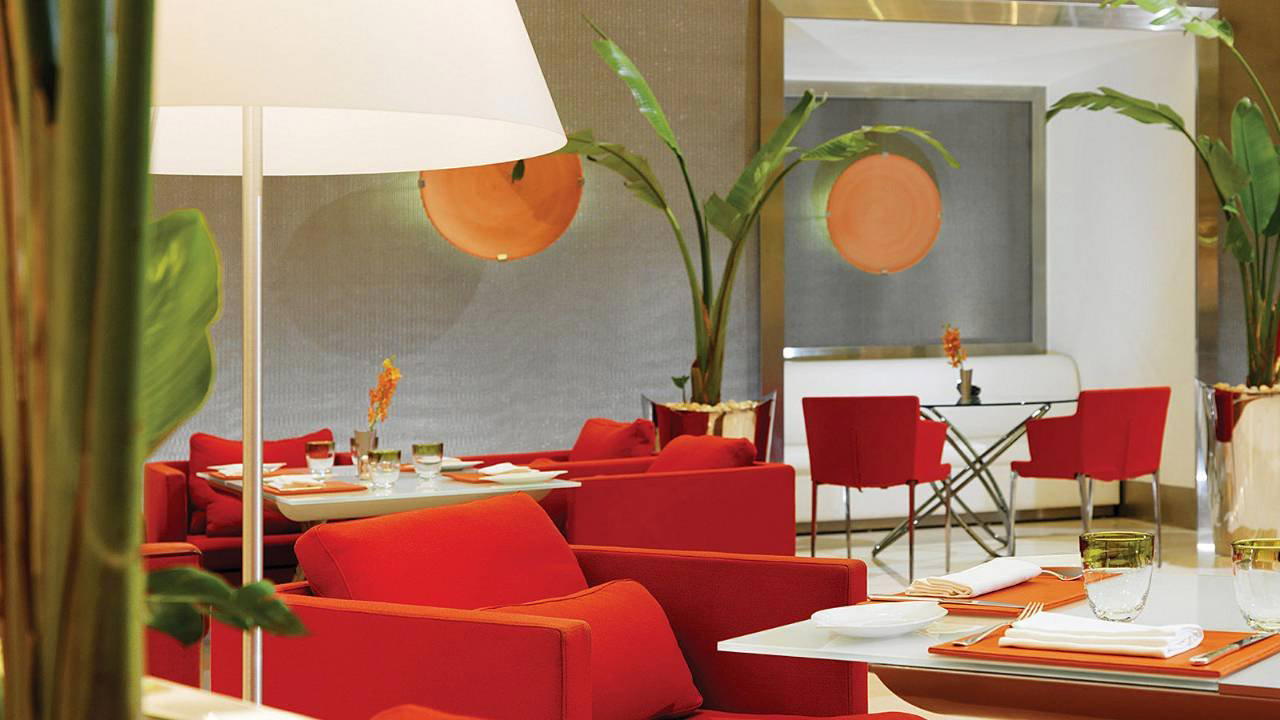
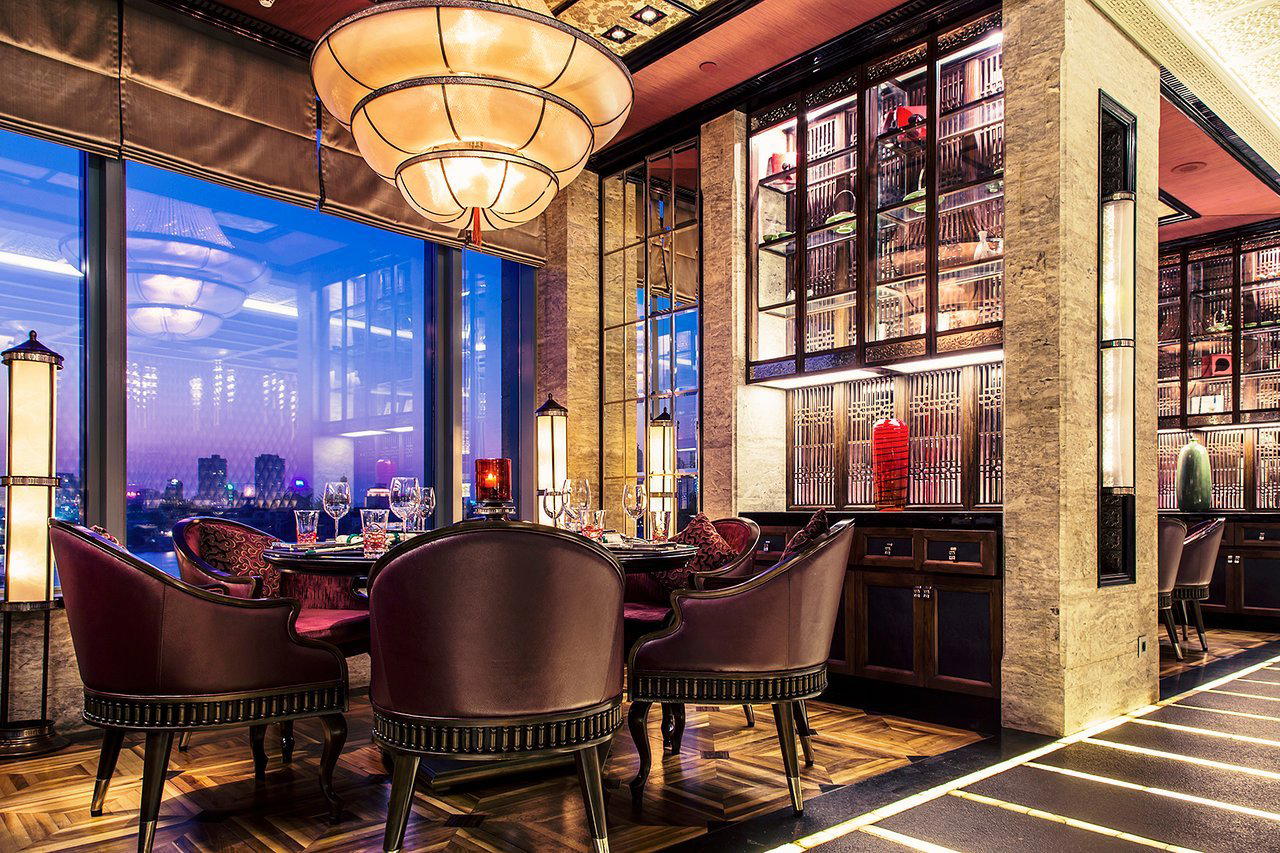
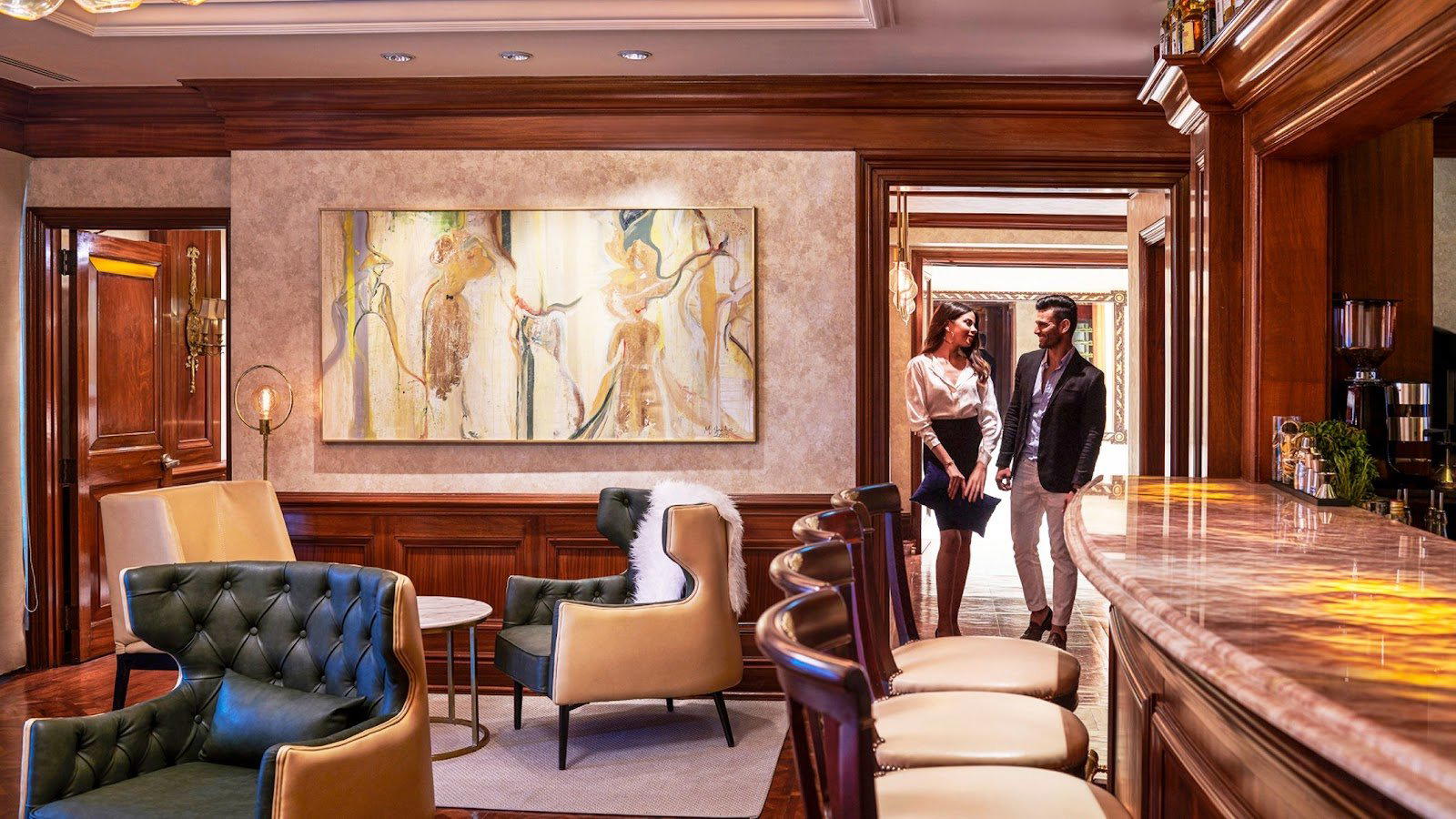
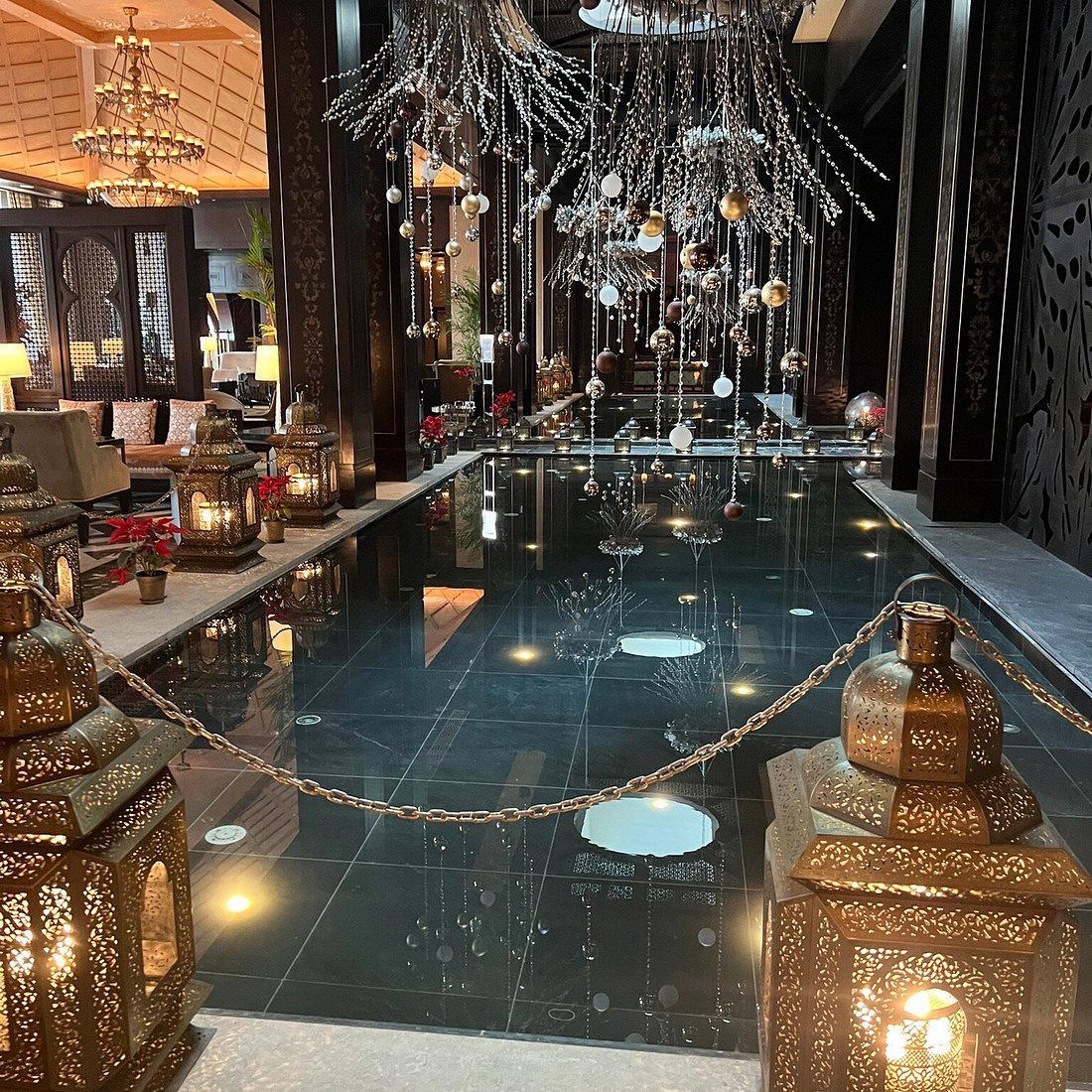
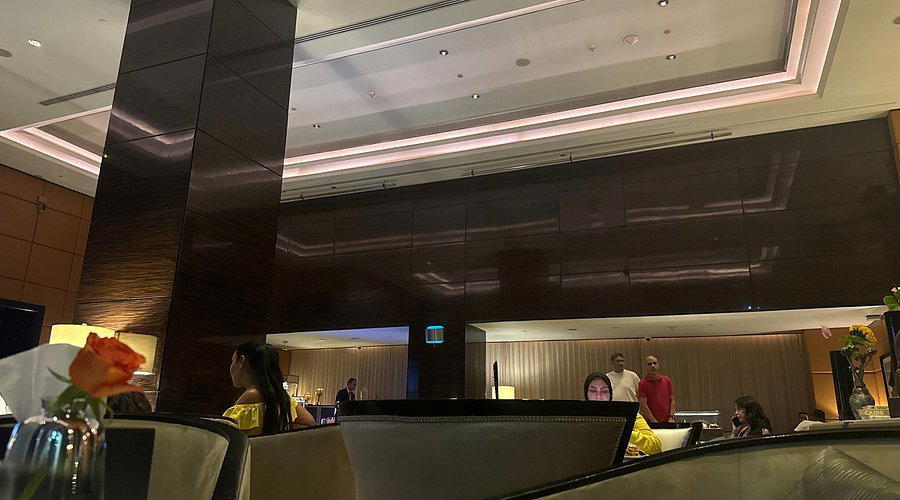
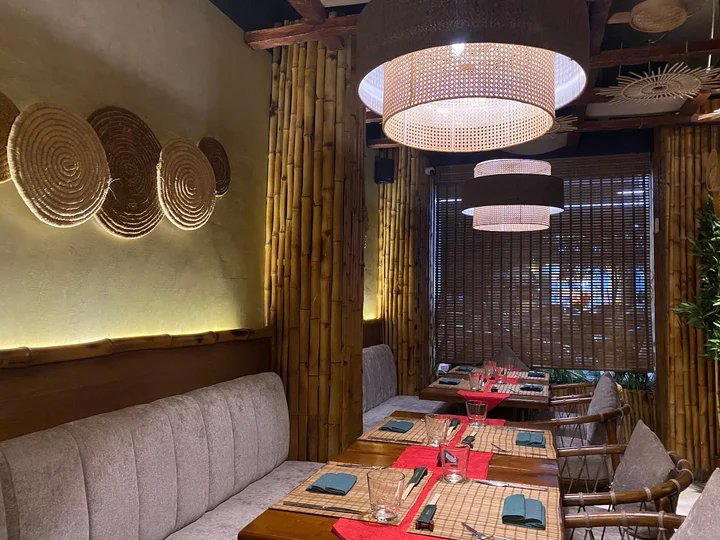
Traditional, busy, and welcoming, with a longstanding local-restaurant atmosphere that feels more like an institution than a trend-driven venue.