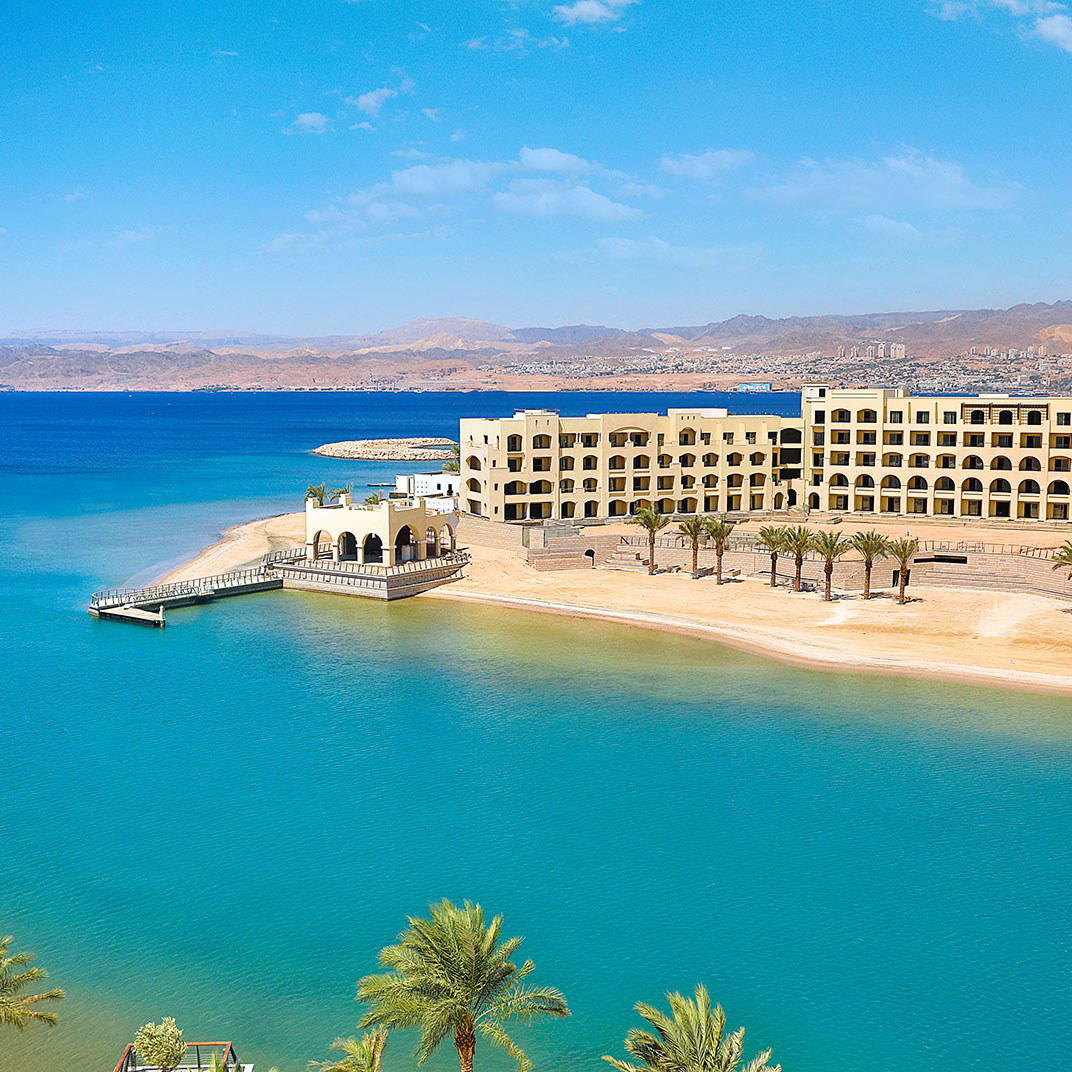
Castle Zaman sits on the Nuweiba-Taba coastal road in South Sinai, occupying a stone structure that reads as part of the landscape rather than an imposition on it. The setting draws visitors making the drive between Nuweiba and Taba who want something more considered than a roadside stop. For Egypt's Red Sea coast, it represents a distinct register of dining amid raw desert and sea.
Pearl is the En Primeur Club membership app — saves, bookings, and concierge access live there. Same editors, same standards.
- Address
- NUWEIBAA TABA RD.، TABA, South Sinai Governorate 8793201, Egypt
- Phone
- +201282140591
- Website
- reservations.castlezaman.com
- Directions
- Get directions
 Saves & bookings on Pearl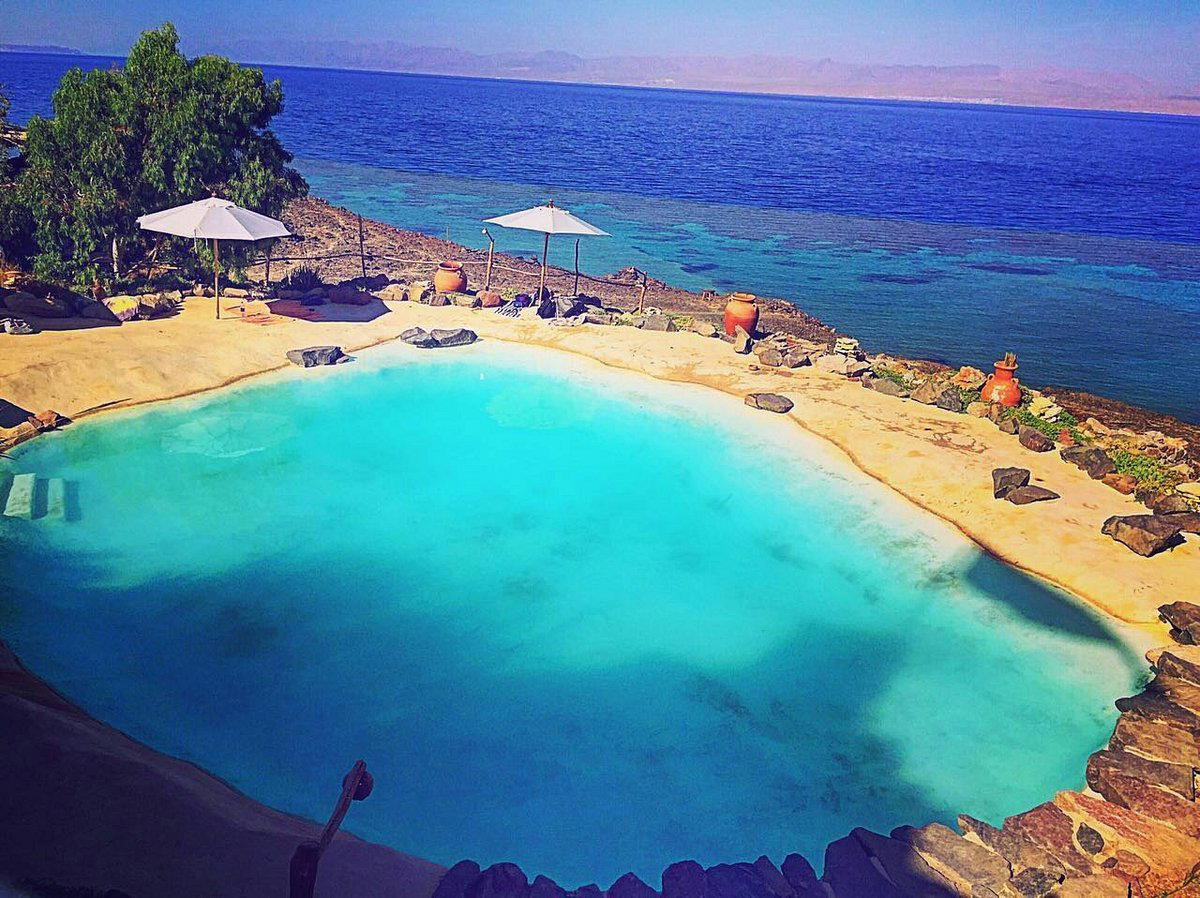
Stone, Sea, and the Road Between Nuweiba and Taba
The coastal road running north from Nuweiba toward Taba is not a gentle drive. The Sinai mountains press close on one side, the Gulf of Aqaba opens wide on the other, and the settlements in between are sparse enough that a building appearing from the rock face demands attention. Castle Zaman registers precisely this way: a stone structure on the Nuweiba-Taba road that looks assembled from the surrounding desert rather than delivered to it. Before you consider what's on the table, the physical reality of arriving here does most of the work. This is the kind of place that makes sense only in a landscape this severe and this beautiful.
In the broader pattern of Egyptian dining, this part of South Sinai sits at an unusual remove. Cairo's restaurant scene, from the modern Egyptian kitchens found at venues like Kazoku in Cairo to the Italian-leaning programs at La Zisa in Boulaq, operates on urban rhythms with urban supply chains. The Red Sea coast, and the Sinai in particular, operates on a different logic entirely. Distance from Cairo's wholesale markets and the logistical weight of the Taba border crossing shape what any kitchen in this corridor can realistically put on a plate. That constraint, rather than being a limitation to apologize for, tends to push kitchens toward the Gulf and the surrounding land as their primary sourcing frame.
What the Gulf Provides
The editorial angle on ingredient sourcing matters here more than almost anywhere else in Egypt. The Gulf of Aqaba is a narrow, deep body of water with unusually clear visibility and a reef system that supports a specific marine ecology. Fish caught from these waters arrive in Sinai kitchens with the kind of proximity that Cairo's seafood programs, however well-executed, cannot replicate. The coastal restaurants between Nuweiba and Taba that work with local catch operate on a different freshness premise than their urban counterparts, not because they are more technically sophisticated but because the geography cooperates.
Across the Red Sea coast and Gulf of Aqaba corridor, the strongest kitchens tend to lean into what the water provides rather than importing heavily from Cairo. Comparison venues operating in the Egyptian Mediterranean register, such as La Maison Bleue in El Gouna, demonstrate how local sourcing and a Mediterranean framework can coexist productively. Further afield, the fish-forward programming at venues like Pier 88 in Zamalek shows that Cairo diners also expect seafood provenance to be part of the conversation. In Sinai, the sourcing argument makes itself.
Where Castle Zaman Sits in the Sinai Dining Pattern
Sinai's hospitality scene has historically split between backpacker-oriented operations concentrated around Dahab and Nuweiba town, and a thinner tier of more considered destinations that serve travelers making the Aqaba corridor journey or visiting the area's diving and desert sites. Castle Zaman's position on the Nuweiba-Taba road places it in this second category: a destination that rewards a deliberate stop rather than a spontaneous one. The stone architecture and refined position relative to the road signal an intention that separates it from the casual seafood shacks and camp-adjacent cafes that characterize the broader local supply.
Egypt's restaurant scene has expanded significantly in the years since international travel to the Sinai recovered from its earlier turbulence. Cairo's dining density is now high enough that travelers arriving from the capital bring calibrated expectations. They've eaten at places like Sachi Giza in Giza and Chinoix Restaurant in New Cairo. The question Sinai kitchens face is whether the setting can compensate for what urban restaurant infrastructure provides, or whether the sourcing and atmosphere can constitute a genuinely different kind of offer. The restaurant's physical reality suggests it aims for the latter.
The Atmosphere as the Primary Argument
Dining on the Sinai coast at this latitude involves light that Cairo rarely delivers: late afternoon sun coming across the Gulf of Aqaba from the direction of Saudi Arabia, turning the water from turquoise to copper in the hour before dark. The mountains behind you hold the heat of the day. These are not incidental details; they are the frame around which a meal here is structured. Restaurants in urban Egypt, even accomplished ones like Andrea El Mariouteya in Sheikh Zayed City or Al Khal Egyptian Restaurant in Nasr, are necessarily in competition with the city around them. The restaurant is in a landscape that has no competition.
This is also a dining context that international visitors to Egypt rarely reach. The traveler who knows Le Bernardin in New York City or Lazy Bear in San Francisco and makes it to this stretch of Sinai is looking for something those cities cannot provide: radical remoteness, a coastline that functions as both backdrop and supplier, and a meal that is inseparable from where it happens. The restaurant's architectural insistence on belonging to the rock face rather than sitting on top of it is a response to exactly that expectation.
Planning Your Visit
The restaurant sits on the Nuweiba-Taba road in South Sinai Governorate, making it most naturally a stop on a drive between the two towns or a destination visited from either hub. Nuweiba has transport connections south to Dahab and Sharm el-Sheikh, and the Taba border crossing links to Jordan via the Aqaba ferry for travelers on regional itineraries. The venue's address puts it in the coastal corridor rather than within either town center, so road access is the practical reality. Reservations are essential, and the restaurant is open daily from 12 to 7 PM. Expect a price tier of 4, about $55 per person.
Quick Comparison
Comparable venues nearby, for context on price, style, and recognition.
| Venue | Cuisine | Price | Notes |
|---|---|---|---|
| Castle ZamanThis venue — the venue you are viewing | Egyptian Slow Food Castle Cuisine | $$$$ | Not listed |
| La Maison Bleue | Mediterranean & Egyptian Fine Dining | $$$$ | El Gouna |
| La Zisa | Authentic Southern Italian | $$$$ | Boulaq |
| Kazuko | Contemporary Japanese | $$$$ | Second New Cairo, Fifth Settlement |
| Koshary Hekaya | Egyptian Koshary | $ | Giza |
| Secret Society | American Burgers | $$ | Somabay |
Continue exploring
More in Noweiba
Restaurants in Noweiba
Browse all →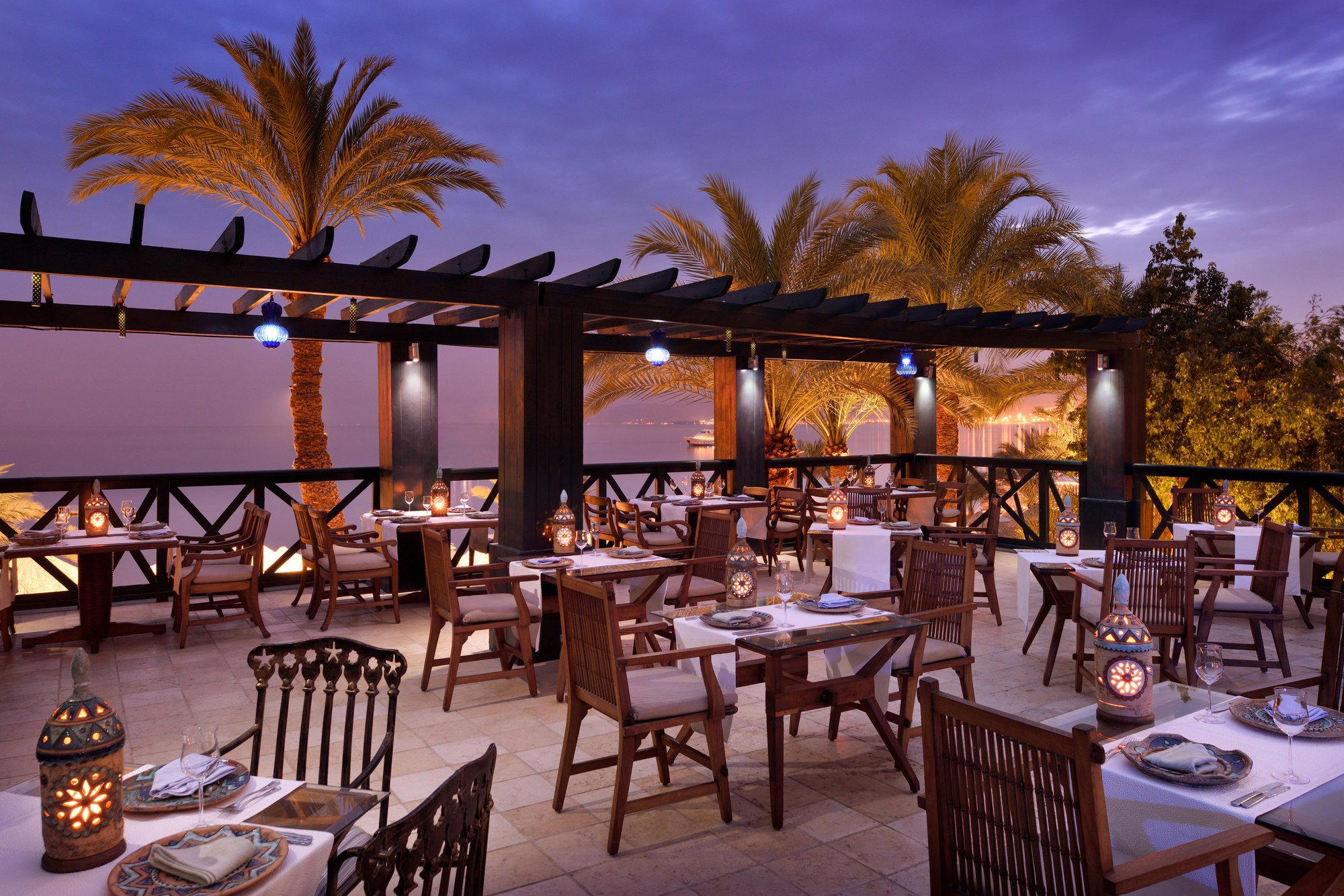
At a Glance
- Scenic
- Romantic
- Rustic
- Elegant
- Date Night
- Special Occasion
- Waterfront
- Historic Building
- Terrace
- Craft Cocktails
- Waterfront
- Mountain
Current opening hours
- Monday
- 12–7 PM
- Tuesday
- 12–7 PM
- Wednesday
- 12–7 PM
- Thursday
- 12–7 PM
- Friday
- 12–7 PM
- Saturday
- 12–7 PM
- Sunday
- 12–7 PM
Hours can change for holidays and private events. Last verified .
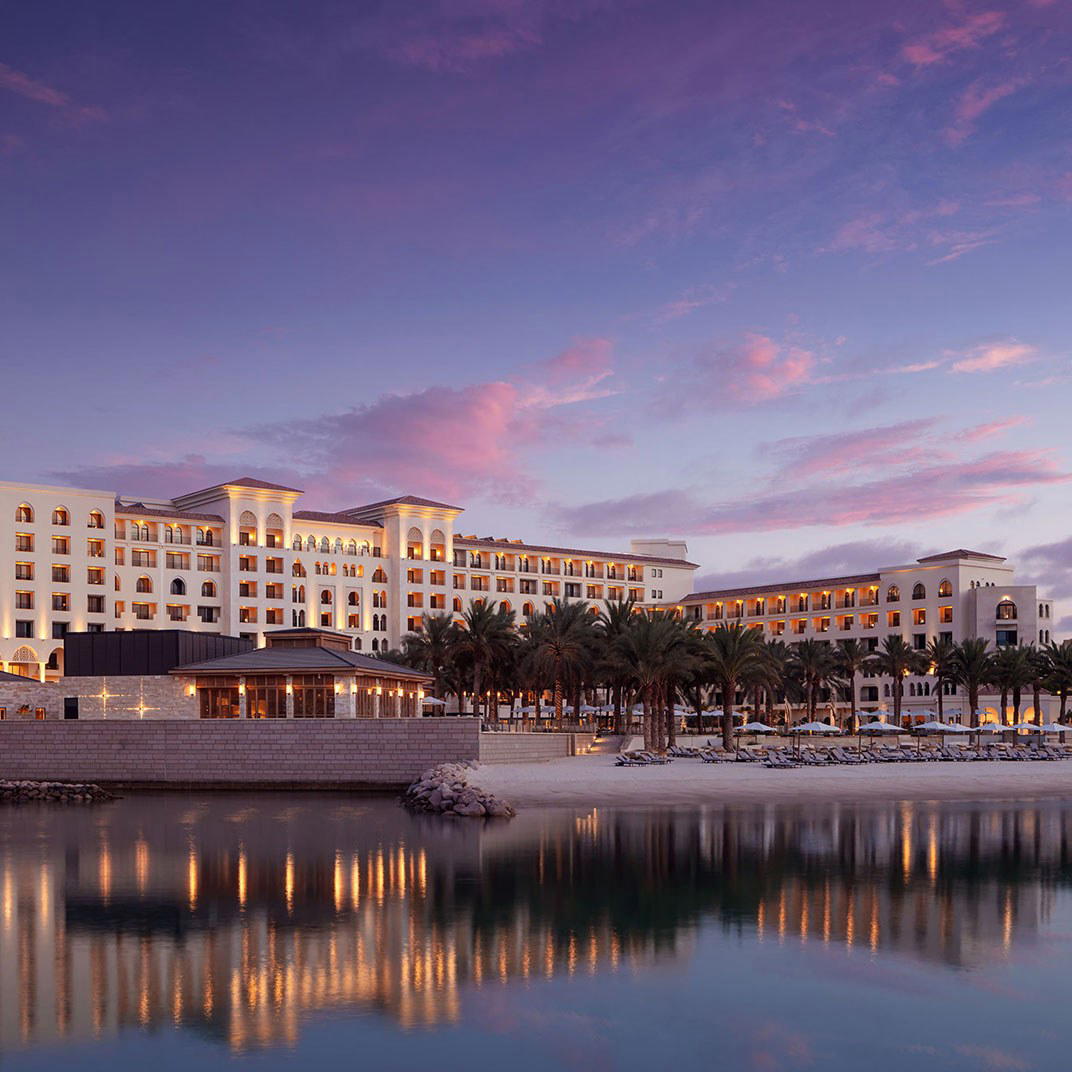
Serene and luxurious atmosphere amidst dramatic desert cliff landscapes with sea views, featuring a nice pool and cocktail bar for a languid, relaxing experience.