
Tabelog 100 #84
Our verdict
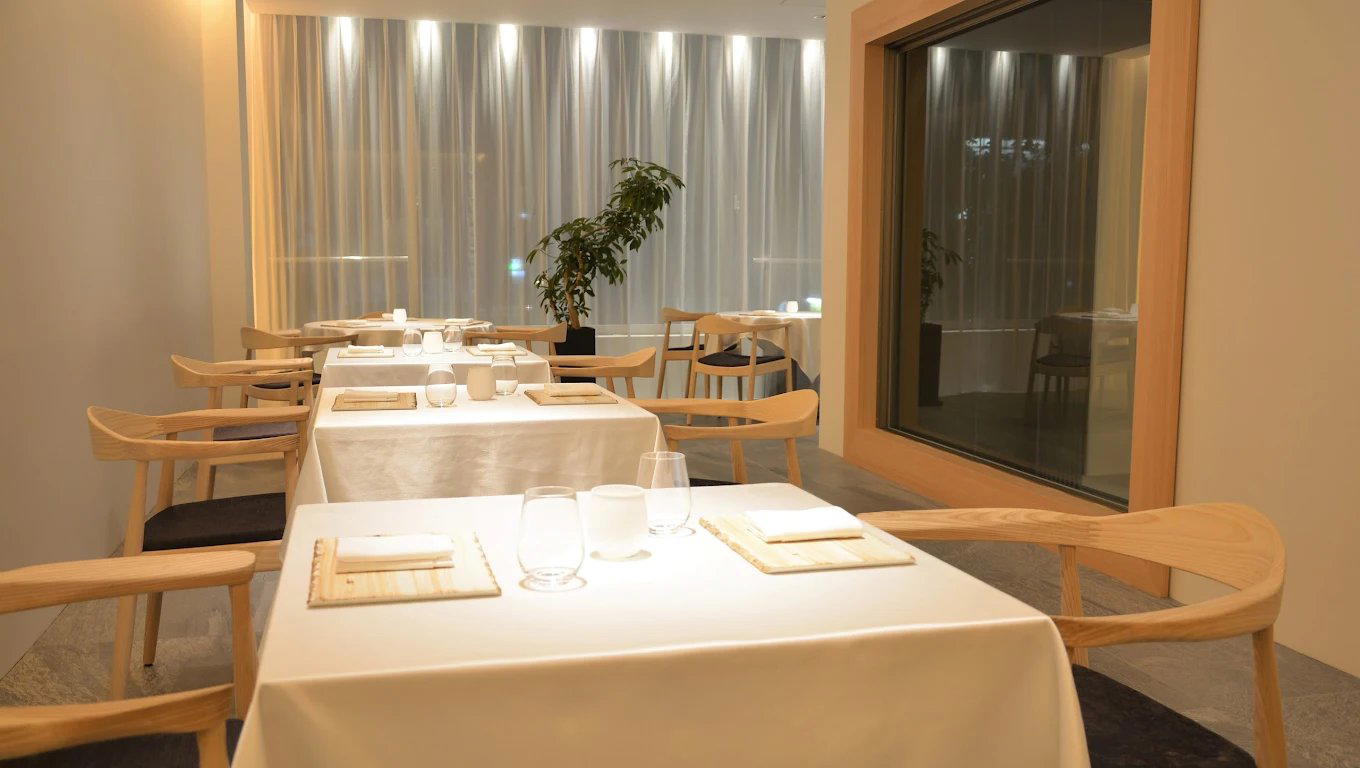
La Violetta brings Nagoya’s small-format Italian dining into sharper focus: an eight-seat Shirakabe room where lunch and dinner carry different stakes. Tabelog’s Italian EAST 100 selection in 2021, 2023 and 2025 gives it a useful credential, but the more telling detail is the split between daytime value and evening commitment.

Pearl is the En Primeur Club membership app, where members save venues, book tables and use the concierge.
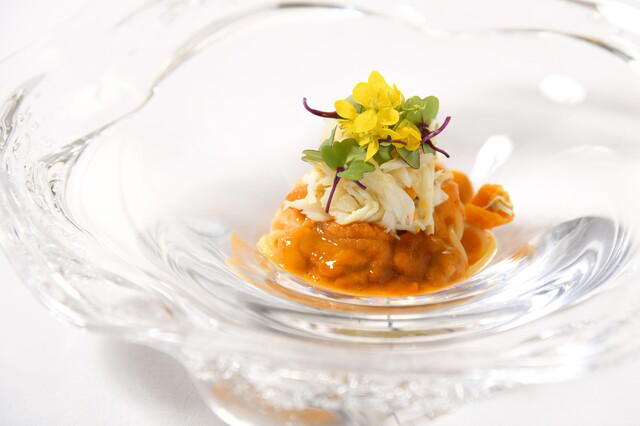
Nagoya is not only station towers and department-store dining floors. Away from the most obvious visitor circuits, the city has a quieter rhythm that suits serious restaurants better than spectacle. In that setting, La Violetta reads as part of a local pattern: ambitious dining outside the easiest hotel-and-railway orbit, suited to diners who are prepared to plan rather than drift in.
Nagoya’s serious Italian rooms occupy a particular lane in Japanese dining. They borrow the structure of course-led fine dining, keep the product discipline associated with local restaurant culture, and often make the meal feel more composed than the casual trattoria label suggests. The category is not about red-sauce abundance or rustic nostalgia. At this level, Italian in Japan tends to mean seasonal pacing, controlled portions, and a room focused enough for the meal to feel deliberate without becoming theatrical.
Lunch carries the value argument; dinner carries the full commitment
The useful way to read this address is through the lunch-versus-dinner divide. Daytime service in restaurants of this type often functions as the access point: the mood is lighter, the tariff lower, and the meal better suited to travellers folding a serious table into a Nagoya day rather than building the whole evening around it. Dinner asks for a different decision. It moves closer to the city’s occasion-dining register, where the reservation, pacing and overall format matter as much as the category on the sign.
That split matters because Nagoya can be deceptive for visitors. The city has strong dining, but it is less performative than Tokyo and less tourism-facing than Kyoto. A restaurant does not need a dramatic entrance or celebrity chef mythology to be meaningful here. It needs consistency, a clear format and enough local confidence to survive outside the easy foot-traffic zones. Recognition in Tabelog’s 2025 Hyakumeiten selection puts La Violetta in that conversation, especially given a Tabelog score of 3.68 in a market where incremental differences often signal deep diner consensus rather than mass popularity.
The restaurant’s pricing also changes the lunch decision. At some restaurants, lunch can feel like a compressed version of dinner. Here, the published budget makes lunch the easier access point, while dinner asks for a fuller commitment. Lunch suits diners who want the cooking’s outline and the Nagoya context; dinner is the more deliberate choice for those treating Nagoya Italian as a primary meal rather than a stop between museums, shops or train departures.
Nagoya gives the meal a different local frame
Nagoya is a useful counterweight to Japan’s more familiar central dining narratives. It is a city where business, local habit and quieter restaurant culture can matter more than visitor-facing glamour. For dining, that context matters. Restaurants here are not always competing for the same energy as the busiest commercial districts; they can afford to be more appointment-driven and more dependent on repeat local diners.
Italian cooking in Nagoya also benefits from the city’s place within a region that values both Japanese seasonality and Western technique. When an Italian restaurant works within that context, it is not simply adopting imported markers of sophistication. It is using a local dining grammar: restraint, structure, and courses paced for a table that expects precision rather than volume.
Comparison helps, but only within Nagoya’s own dining map. Other reference points such as ラ・グランターブル ドゥ キタムラ, か茂免, 橦木町 しみず and 料亭 香楽 sit elsewhere in the city’s dining landscape, while TETRA CONTA offers another local point of comparison. La Violetta occupies its own lane: Italian in category, recognised in Tabelog’s 2025 Hyakumeiten selection, and best understood as a planned Nagoya meal rather than a novelty address. The point is the clarity of the proposition: a focused dining room, Italian framework, and a service model that rewards punctuality and planning.
That focus will not suit every traveller. Diners who want a broad à la carte spread, last-minute flexibility or a lively room should look elsewhere in the city. Those comparing Nagoya’s restaurant scene more broadly can start with our full Nagoya restaurants guide, then widen the trip with our full Nagoya hotels guide, our full Nagoya bars guide, our full Nagoya wineries guide and Our full Nagoya experiences guide.
How to place it in a wider Japan itinerary
For travellers eating across Japan, Nagoya’s Italian scene is a useful corrective to the idea that the country’s serious Western dining is concentrated in Tokyo, Kyoto and Osaka. Smaller regional cities often reward diners who are willing to trade international name recognition for tighter rooms and local patronage. That is the editorial case here: not a destination built on spectacle, but a controlled meal in a city that gives it context.
The internal comparison set also matters. Diners mapping Nagoya options might cross-check other local restaurant pages and compare La Violetta with unnamed dining rooms across the city. For a broader national contrast, compare the way Italian dining in Nagoya sits alongside other regional Japanese restaurant styles, from casual counters to more formal rooms. Even overseas references underline the same point: Japanese dining culture travels widely, but its regional restaurant rooms remain highly specific.
The sharper booking choice is lunch for value and itinerary efficiency, dinner for the fuller expression of the room’s pace. Either way, this is a table for diners who understand that Nagoya’s quieter restaurants often say more about the city than its grander addresses.
Frequently asked questions
Is La Violetta formal or casual?
It reads as a serious Italian restaurant rather than a casual drop-in, best approached as a planned reservation in Nagoya.
What should I budget for a meal at La Violetta?
Budget guidance for La Violetta is Dinner: JPY 10,000 - JPY 14,999; Lunch: JPY 4,000 - JPY 4,999.
What days is La Violetta closed?
Specific closing days are not provided here; confirm directly with La Violetta when planning your reservation.
How do I find La Violetta?
Nagoya.
Credentials Lens
Comparable venues to calibrate price, style, and recognition.
| Venue | Cuisine | Price | Awards | Notes |
|---|---|---|---|---|
| La ViolettaThis venue (the venue you are viewing) | Italian | Not listed | Tabelog 100 #84 | Not listed |
| オステリア リュウ | Northern Italian Osteria | $50–100 | Tabelog 100 #12 | Chikusa |
| Baci | Italian Fine Dining | $100–150 | Tabelog 100 #86 | Higashi |
| prospero | Modern Italian | $50–100 | Tabelog 100 #46 | Naka |
| Shokudo chisan | Modern local-sourcing Italian (pasta & steak) | $50–100 | Tabelog 100 #54 | Nakamura |
| Pasta Dining ROTO | Authentic Italian Pasta & Wine Dining | $20–30 | Tabelog 100 #71 | Minato |
Recognition history
Dated appearances from independent guides and award organizations, with the underlying list record or original source where available.
Tabelog 100 #84 · No. 84
Tabelog · Tabelog 100 - Italian - EAST - 2025
Continue exploring
More in Nagoya
Restaurants in Nagoya
All restaurants in Nagoya →
Details
- Quiet
- Intimate
- Sophisticated
- Romantic
- Elegant
- Date Night
- Business Dinner
- Celebration
- Special Occasion
- Private Dining
- Standalone
- Extensive Wine List
- Sommelier Led
- Local Sourcing
- Organic
- Prix Fixe
- Wine
- Vegetarian Friendly
Current opening hours
- Monday
- Closed
- Tuesday
- 11:30 AM–2 PM, 6–10 PM
- Wednesday
- 11:30 AM–2 PM, 6–10 PM
- Thursday
- 11:30 AM–2 PM, 6–10 PM
- Friday
- 11:30 AM–2 PM, 6–10 PM
- Saturday
- 11:30 AM–2 PM, 6–10 PM
- Sunday
- 11:30 AM–2 PM, 6–10 PM
Hours can change for holidays and private events. Hours as of .
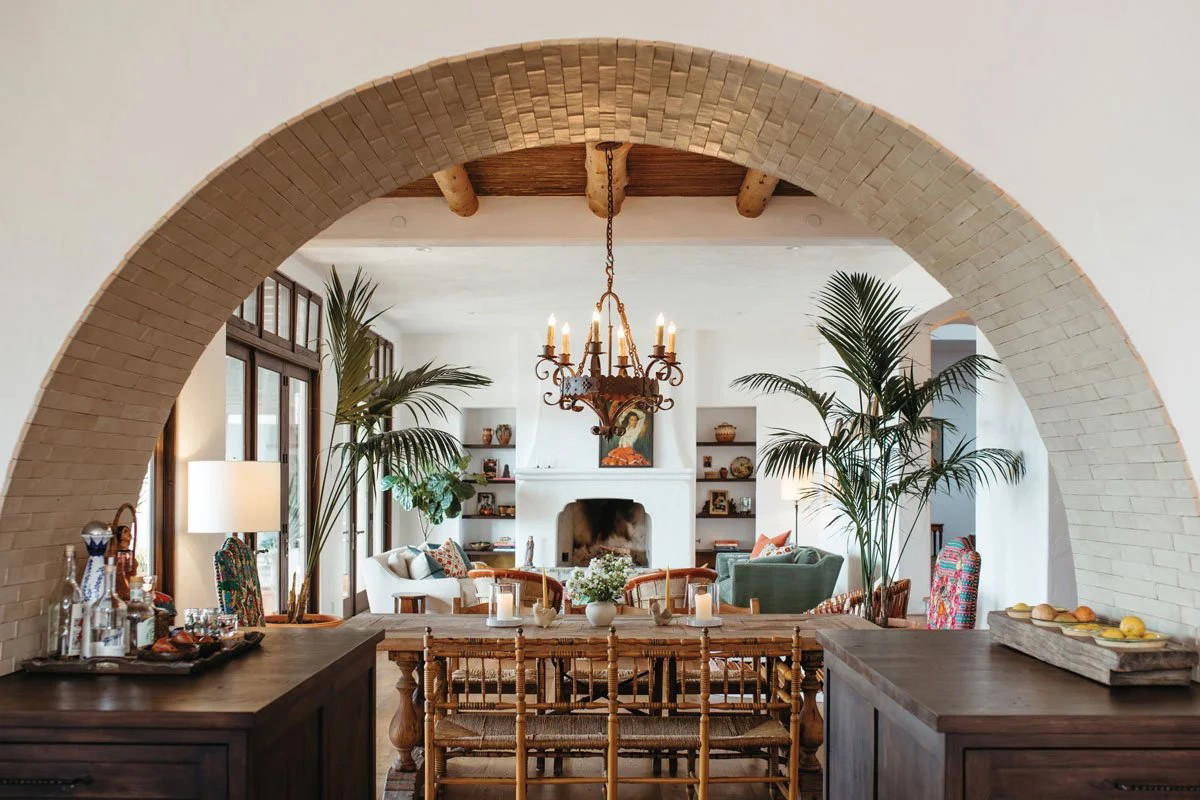
A calm, refined atmosphere in a quiet Shirakabe side street, with a rustic Italian feel and a deliberately unhurried pace.