Our verdict
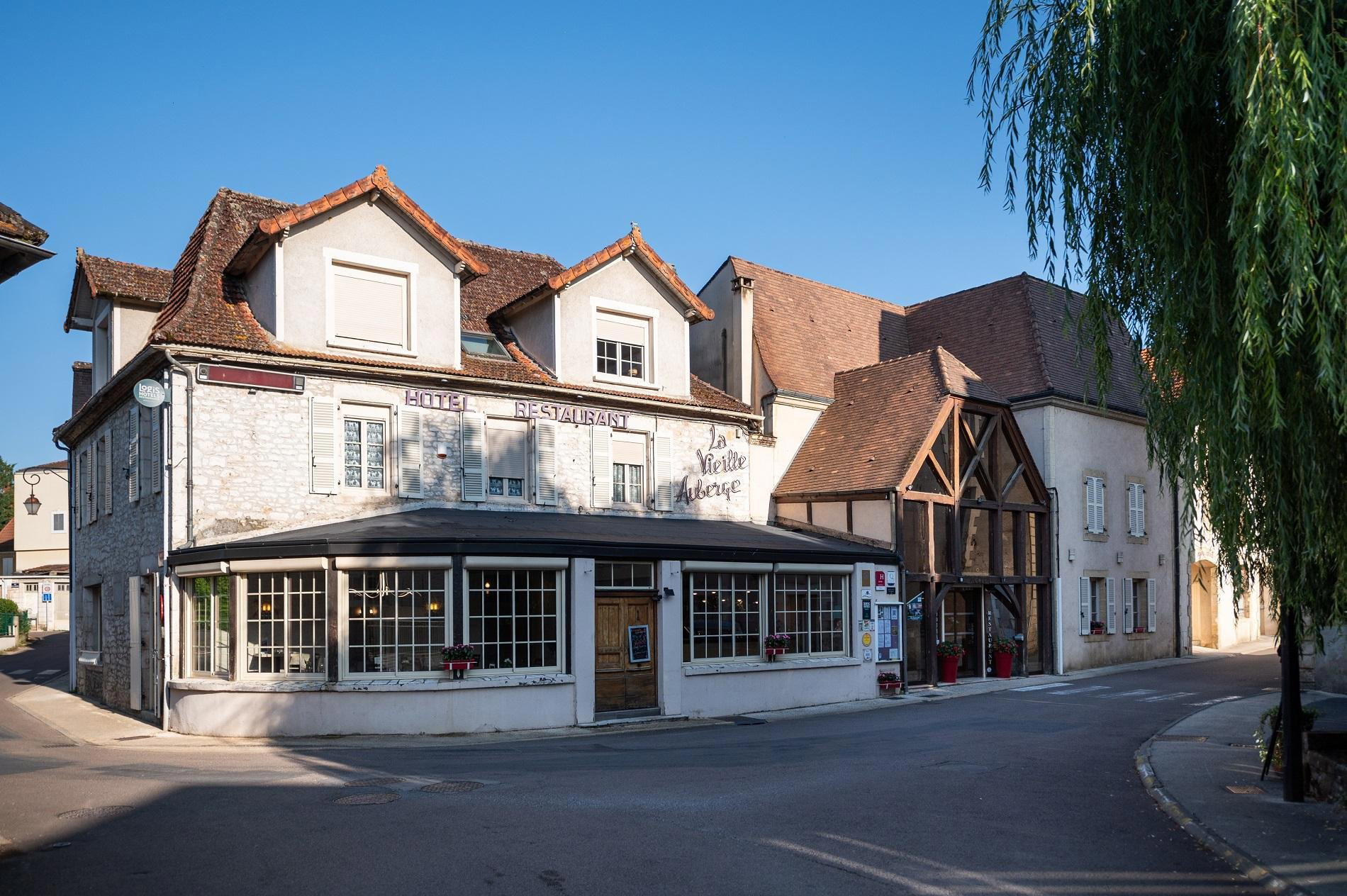
La Vieille Auberge sits on Rue de la Récège in Souillac, a town where the Dordogne and Vézère valleys converge and where the produce arriving in any serious kitchen has centuries of agricultural tradition behind it. The restaurant operates in the French auberge format — unpretentious in register, deliberate in sourcing — placing it squarely within the tradition of Périgord cooking that treats the larder as the argument.

Pearl is the En Primeur Club membership app — saves, bookings, and concierge access live there. Same editors, same standards.
- Address
- 1 Rue de la Récège, 46200 Souillac, France
- Phone
- +33565327943
- Website
- la-vieille-auberge.com
- Directions
- Get directions
Where the Périgord Larder Does the Talking
Arrive in Souillac from the north and you pass through country that has fed serious French tables for generations: walnut groves, duck farms, truffle-producing limestone plateaus, and river systems that supply freshwater fish to kitchens across the Lot. By the time you reach Rue de la Récège, the setting has already made its editorial point. La Vieille Auberge occupies the kind of address that French provincial cooking has always preferred — away from the demonstrative centre, embedded in the town's working fabric, with a façade that communicates nothing louder than the food is the occasion. That restraint, in the auberge tradition, is not modesty. It is confidence in the larder.
The auberge format as it survives in the Périgord and Quercy regions is worth understanding before you book. Unlike the destination-restaurant model that emerged from urban fine dining — where the chef's vision is the product and the ingredient is the medium, the regional auberge historically positions itself as a conduit for what the land produces. The Dordogne department sits at the intersection of duck confit country, black truffle cultivation, walnut oil pressing, and foie gras production. Any kitchen working in that geography operates inside one of the most ingredient-dense territories in France. For dining in this register, see our full Souillac restaurants guide for broader context on where La Vieille Auberge fits locally.
Sourcing as the Structural Argument
The Périgord Noir sub-region, in which Souillac sits, has a specific agricultural identity that shapes what kitchens here can credibly put on a plate. The black truffle from Périgord carries a protected designation, and the seasonal window, roughly December through February for Tuber melanosporum, dictates the rhythm of any menu that takes it seriously. Duck, specifically the Mulard breed raised for foie gras production, is so embedded in the local economy that it functions as a baseline ingredient rather than a luxury marker. Walnuts from the Dordogne have held an AOC designation since 2002.
This is the sourcing context that French provincial auberges in this corridor draw from, and it explains why the auberge format, as opposed to the contemporary tasting-menu format, remains the appropriate vehicle here. When the ingredients carry that much geographic specificity, the cooking's job is to make them legible, not to reframe them. Compare this to the approach at Bras in Laguiole, where the Aubrac plateau's terroir is expressed through more inventive contemporary idioms, or at Auberge du Vieux Puits in Fontjoncouse, another southern French auberge that has built a Michelin-starred identity around its particular regional larder. The question for any serious auberge in the Périgord is not whether the ingredients are there, they are, but how faithfully the kitchen honours their seasonal logic.
The Regional Dining Register in Context
French regional dining has undergone real pressure over the past two decades. The generation of chefs who built reputations at landmark addresses, Paul Bocuse's Auberge du Pont de Collonges, Auberge de l'Ill in Illhaeusern, Georges Blanc in Vonnas, established an expectation that the French provincial auberge could carry institutional weight. The generation that followed has had to decide whether to inherit that model or depart from it. In cities, the departure is visible: Alléno Paris au Pavillon Ledoyen operates in a conceptual register far removed from classical auberge sensibility, and Mirazur in Menton has built its identity around biodynamic garden-to-plate principles that reimagine regional sourcing entirely.
In towns like Souillac, the calculus is different. The population base does not support the kind of booking volumes that fund ambitious tasting menus. The clientele, a mix of regional regulars, tourists tracing the Dordogne valley, and travellers stopping between Brive and Cahors, arrives with different expectations than those walking into Assiette Champenoise in Reims or AM par Alexandre Mazzia in Marseille. What survives in this environment is the kitchen that can translate the regional larder into a coherent, honest meal without pretension and without apology.
Planning Your Visit
Souillac sits on the N20 between Brive-la-Gaillarde (approximately 40 kilometres north) and Cahors (approximately 45 kilometres south), making it a natural stopping point for anyone driving through the Lot. The town has a train station on the Brive-Toulouse line, though a car remains the practical choice for reaching the surrounding markets, producers, and the broader Dordogne valley. Rue de la Récège is in the town centre, accessible on foot from Souillac's main square. For timing, the truffle season from December through February represents the period when regional auberge kitchens in this corridor are working with the ingredient that most defines the Périgord's culinary identity. Spring brings asparagus and the first season's duck; summer, cèpes and walnuts approaching harvest. The kitchen's menu, aligned as auberges in this tradition tend to be with what is available, will read differently across the year, and the visit scheduled around a specific seasonal ingredient will yield a more pointed meal than one taken in a shoulder month. Reservations, particularly for weekend lunch, which remains the most embedded meal format in French provincial dining culture, are worth securing ahead of arrival.
For broader reference on what serious French regional cooking looks like at its most committed outside this corridor, Flocons de Sel in Megève and L'Oustau de Baumanière in Les Baux represent the mountain and Provençal variants respectively, while Christopher Coutanceau in La Rochelle and La Marine in Noirmoutier-en-l'île demonstrate how the Atlantic coast applies similar sourcing rigour to its own larder. For contrast at the highest formal register, Troisgros in Ouches, Au Crocodile in Strasbourg, and internationally, Le Bernardin in New York City and Atomix in New York City show how different geographic and culinary traditions build their authority through sourcing and technique at the other end of the ambition scale.
Frequently asked questions
Does La Vieille Auberge work for a family meal?
An auberge format in a market town like Souillac typically suits multigenerational tables better than a destination tasting-menu room. The address on Rue de la Récège places it within the town centre, accessible without a drive into the countryside. French regional houses in this category tend to offer à la carte options alongside set menus, which gives families the flexibility to order differently without ceremony.
Is La Vieille Auberge formal or casual?
The auberge designation signals a tradition rooted in hospitality rather than performance — expect a room that takes its food seriously without demanding a dress code. Souillac is a working Lot town, not a resort, so the register here reflects the broader regional dining culture: considered but unpretentious. That said, classic French service norms still apply, and arriving in walking shorts would read as out of step.
Is La Vieille Auberge a good stop when driving between Brive-la-Gaillarde and Cahors?
Souillac sits on the N20 roughly 40 kilometres south of Brive-la-Gaillarde and approximately 45 kilometres north of Cahors, making it a logical midpoint on that corridor. La Vieille Auberge's town-centre address on Rue de la Récège, 46200 Souillac, puts it within easy reach of that route without a detour. For travellers covering southwest France's Lot valley, a meal here fits naturally into the drive rather than demanding a separate trip.
What do people recommend at La Vieille Auberge?
The Périgord Noir sub-region around Souillac produces duck, walnut, and truffle at a scale that makes them structural ingredients rather than seasonal accents, so preparations built around those products are the logical starting point. Kitchens at this address and its peers in the Lot draw on that larder as a matter of geography. Specific current dishes are best confirmed directly with the restaurant before visiting.
How It Stacks Up
Comparable venues nearby, for context on price, style, and recognition.
| Venue | Cuisine | Price | Awards | Notes |
|---|---|---|---|---|
| La Vieille AubergeThis venue — the venue you are viewing | Bistronomic Regional French | $30–50 | Not listed | Not listed |
| L'épicurieux | Modern French Seasonal Cuisine | $30–50 | Michelin Bib Gourmand | Bar |
| GAYA | French Bistro | $30–50 | Not listed | Villefranche-de-Rouergue |
| Bistrot du Presbytère | Traditional French Regional Bistro | $20–30 | Not listed | Le Bourg |
| Le Bouillon Limousin | Traditional French Brasserie with Limousin Specialties | $30–50 | Not listed | centre ville |
| L'Echanson | Traditional French Bistro | $20–30 | Not listed | Centre Ville |
Continue exploring
More in Souillac
Restaurants in Souillac
Browse all →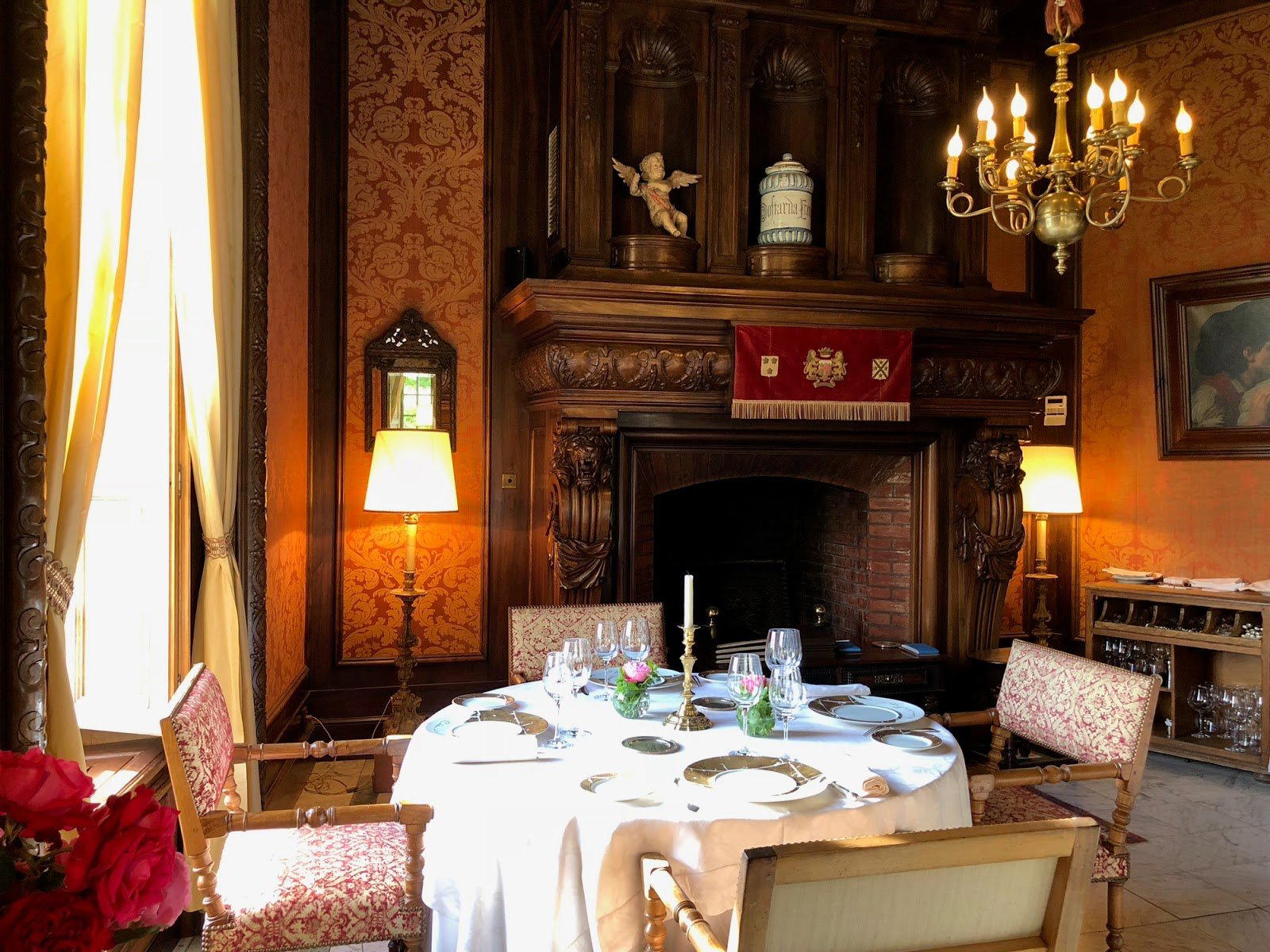
Bars in Souillac
Browse all →
Hotels in Souillac
Browse all →

Details
- Rustic
- Cozy
- Classic
- Special Occasion
- Date Night
- Historic Building
- Extensive Wine List
- Local Sourcing
- Waterfront
- A La Carte
- Vegetarian Friendly
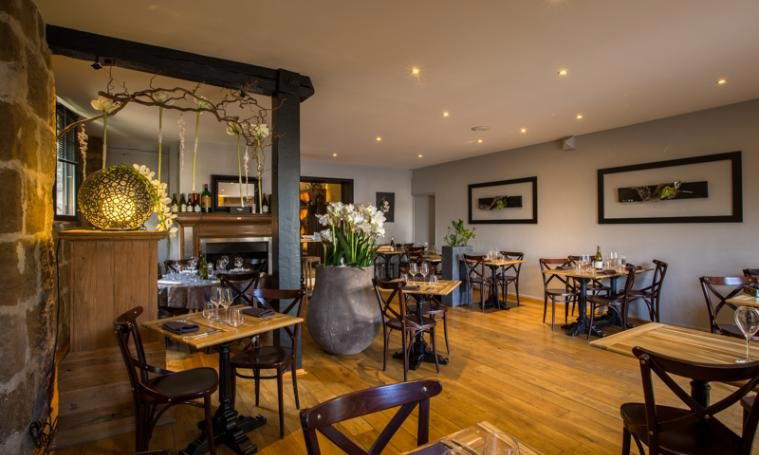
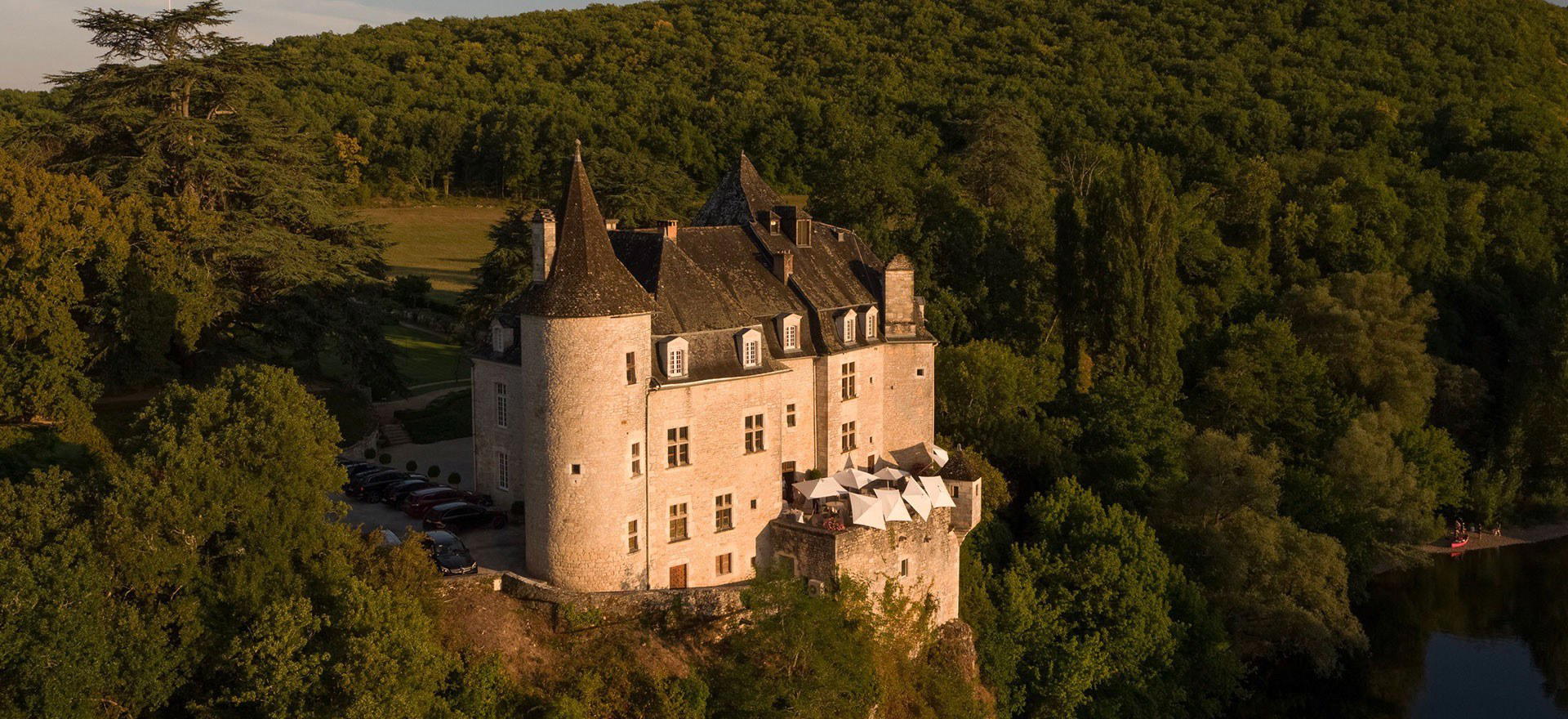
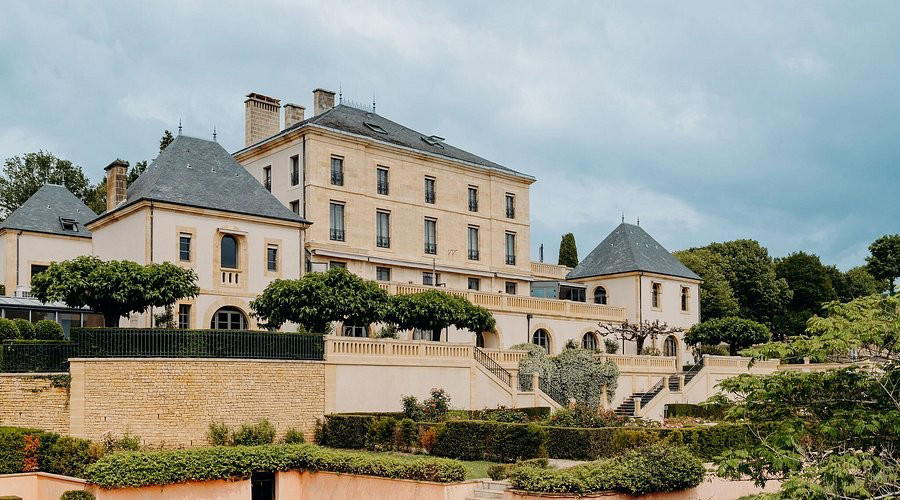
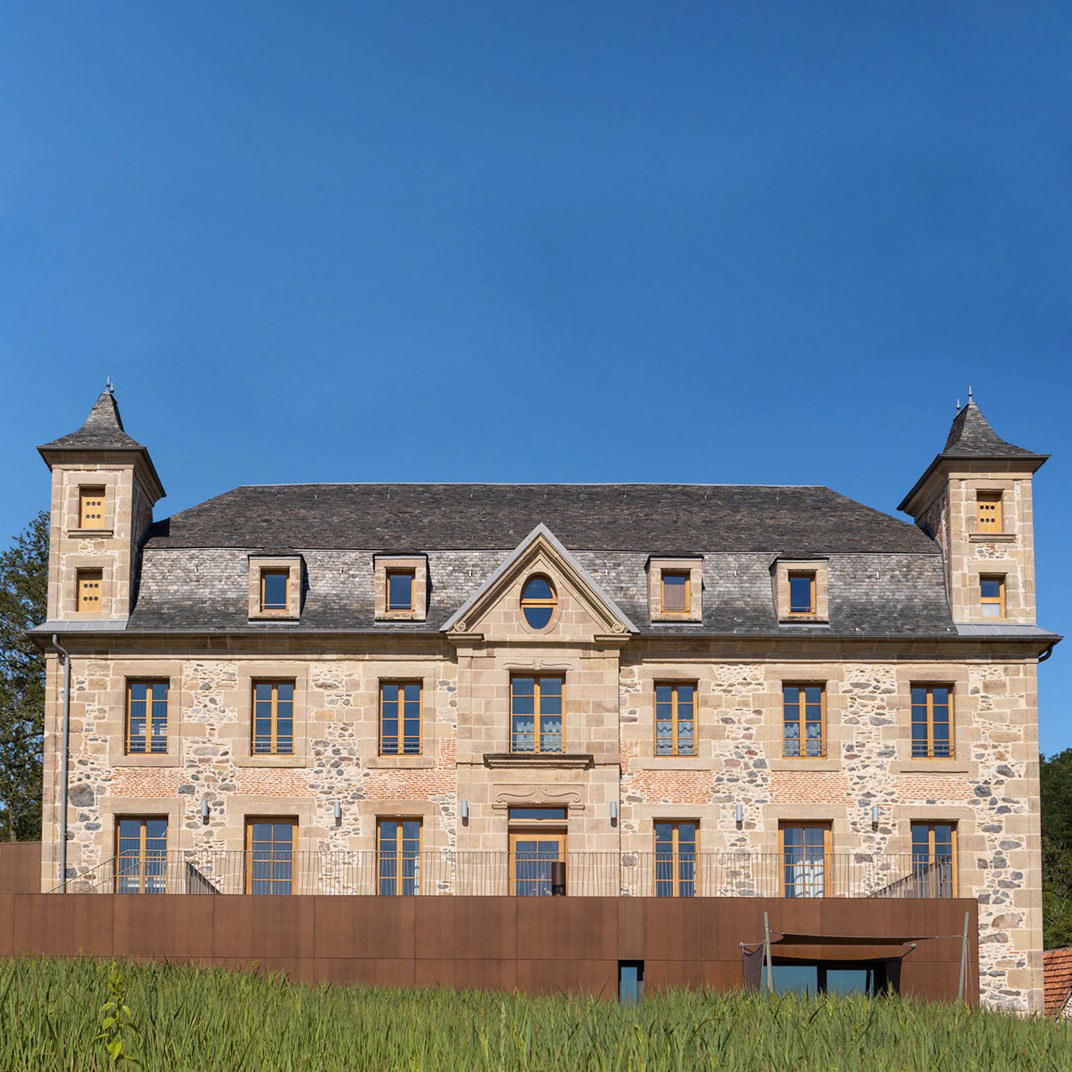
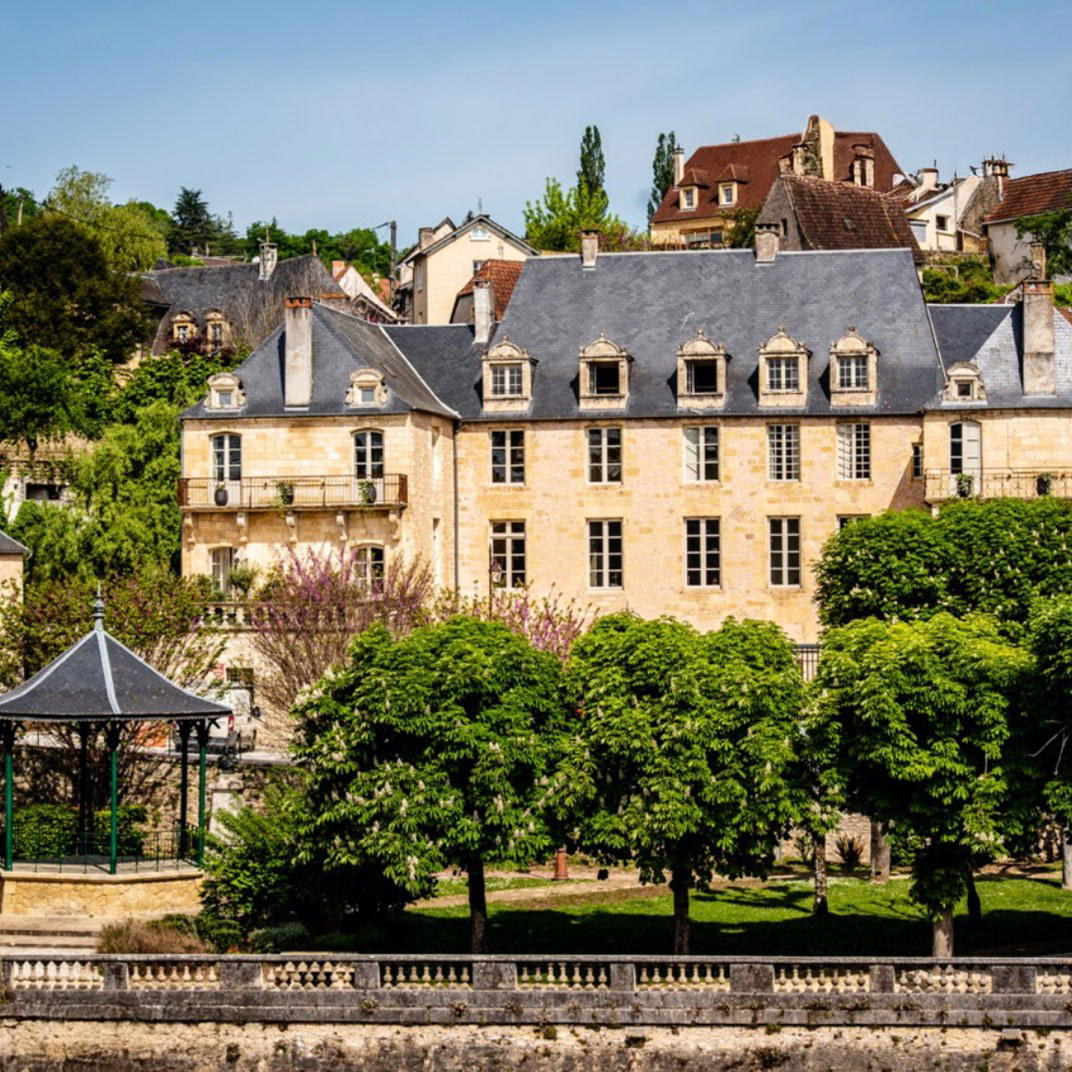
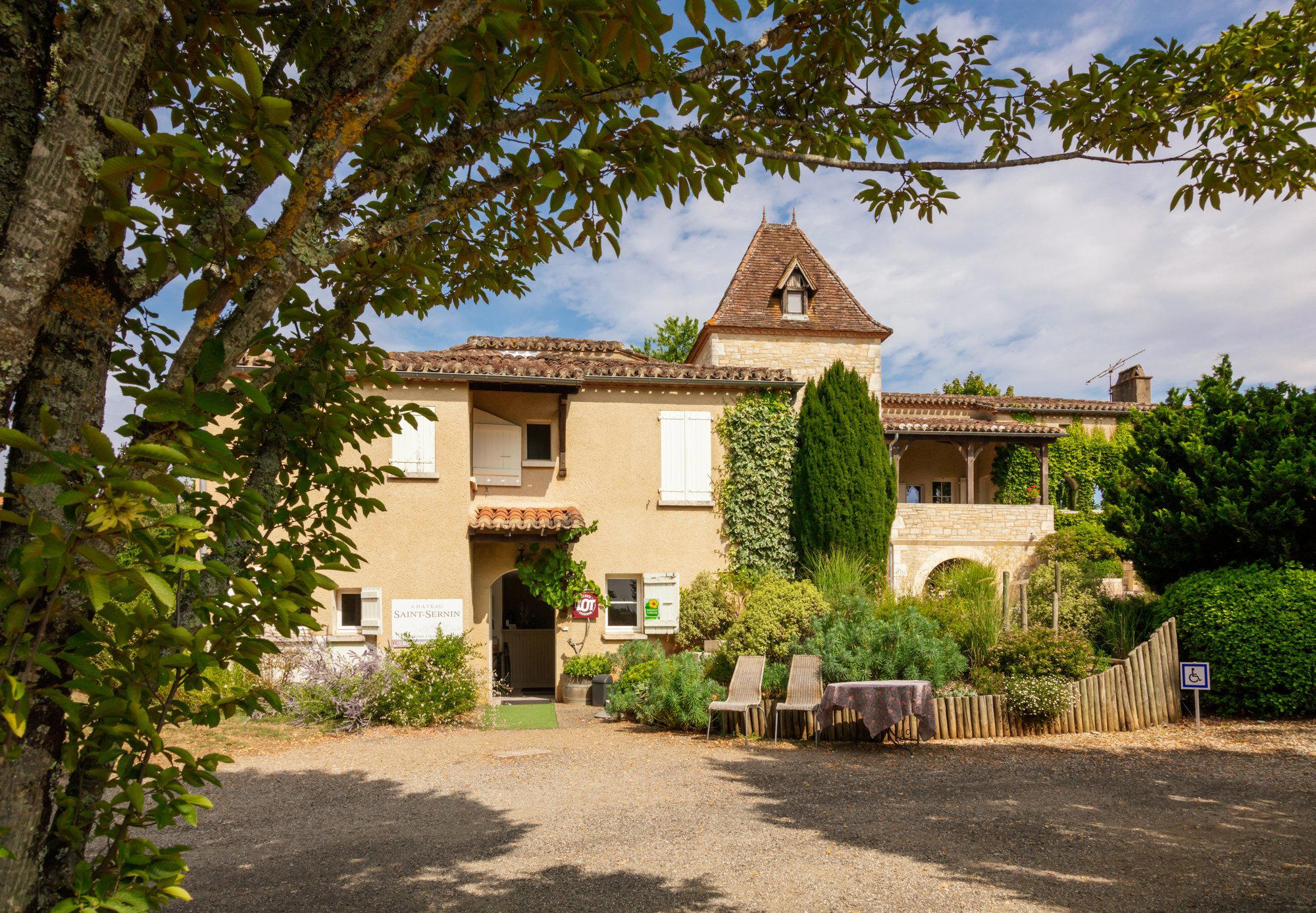
Cozy and authentic atmosphere in a traditional stone and wood building with warm welcomes.