
Michelin Bib Gourmand
Our verdict
L'épicurieux sits on Rue du Puy de l'Herene in Bar, a small French town in the Corrèze department where the sourcing traditions of rural Limousin shape what ends up on the plate. In a region defined by proximity to the land rather than metropolitan dining circuits, this address represents the kind of cooking that uses geography as its primary argument. Confirm details and book directly before visiting.

Pearl is the En Primeur Club membership app — saves, bookings, and concierge access live there. Same editors, same standards.
- Address
- 8 Rue du Puy de l'Herene, 19800 Bar, France
- Phone
- +33555202002
- Hours
- Mon–Tue ClosedWed–Thu 12–1:15 PMFri 12–1:15 PM, 7–9 PMSat 12–1:30 PM, 7–9 PMSun 12–2 PM
- Website
- lepicurieux19.eatbu.com
- Directions
- Get directions
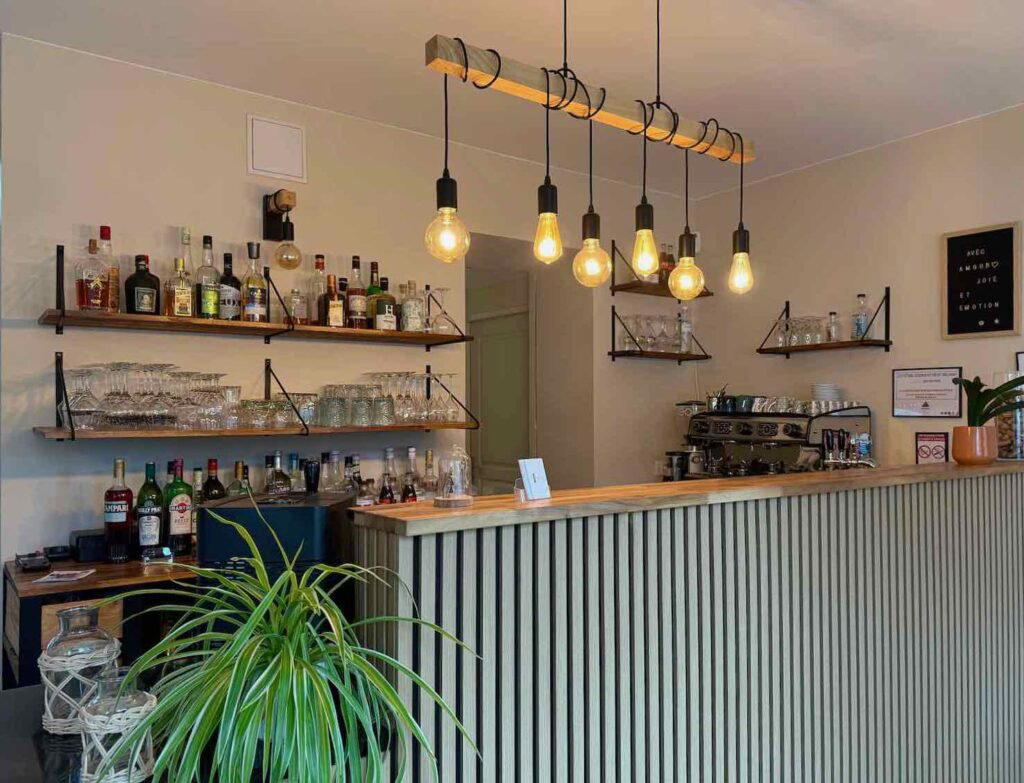
The menu
What to order
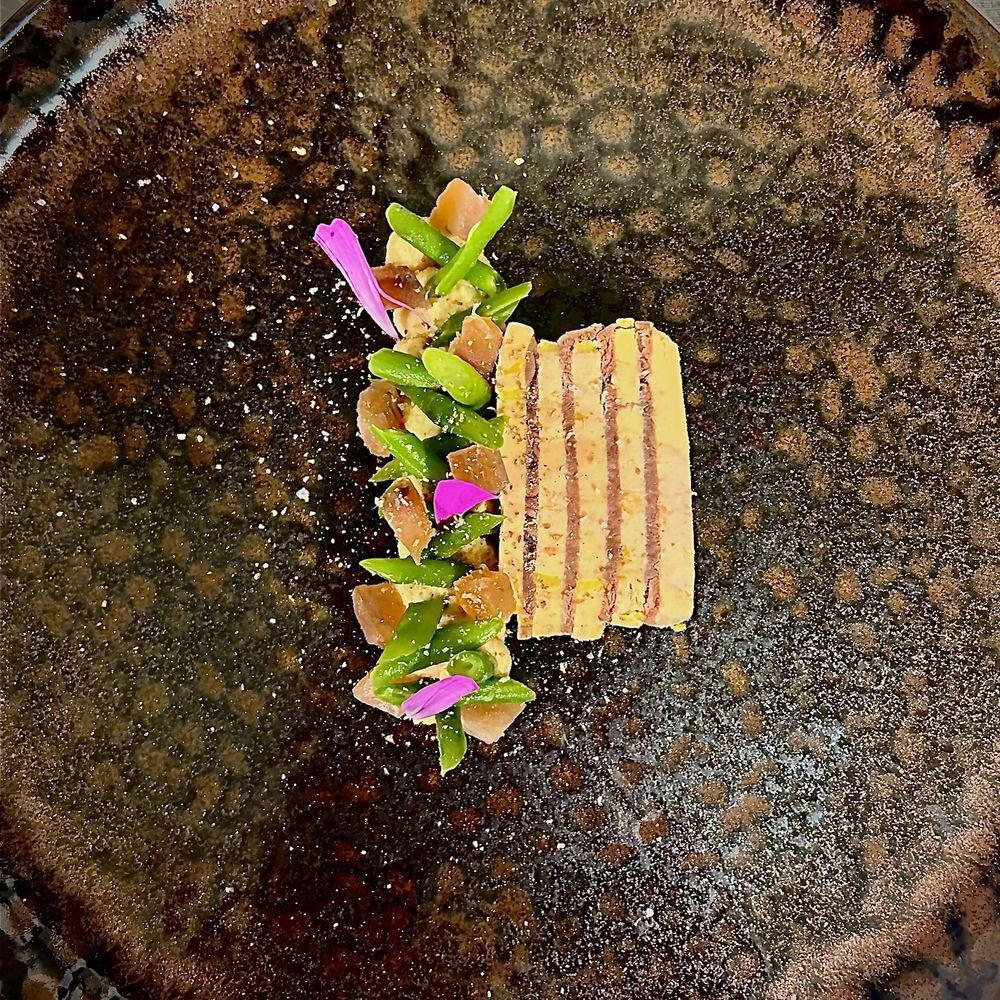
- Limousin veal with creamy peas and chorizo
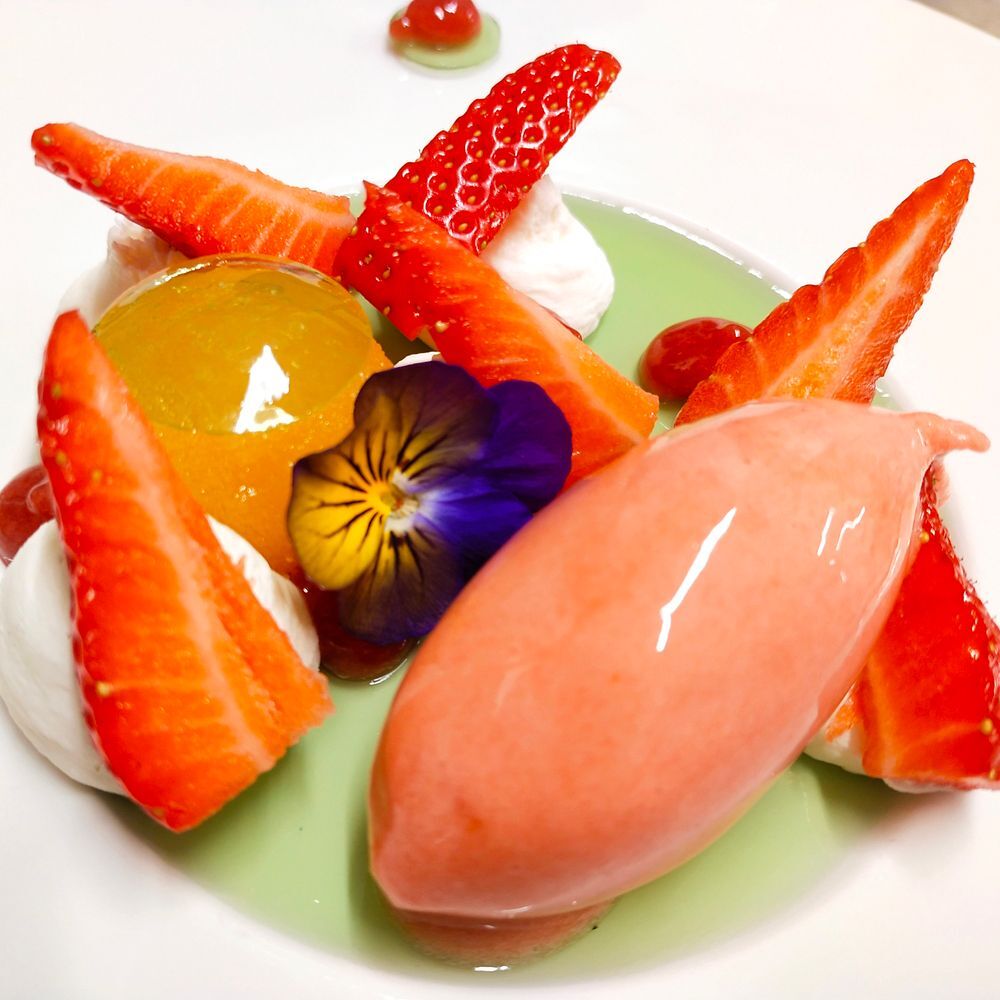
- Crispy puffs with red berries and vanilla mascarpone
- Swordfish medallion
Rural Corrèze and the Sourcing Argument
There is a particular kind of French restaurant that only makes sense when you understand the land surrounding it. In the Corrèze, that land is defined by granite plateaus, chestnut forests, river valleys, and a pastoral economy that has resisted the homogenisation affecting so many French rural departments. The town of Bar sits within this geography, and L'épicurieux, at 8 Rue du Puy de l'Herene, is the kind of address whose rationale depends entirely on what that geography produces. See our full Bar restaurants guide for broader context on eating in the area.
France's most celebrated rural restaurants have always made a version of this argument. Bras in Laguiole built a three-Michelin-star reputation on the plants and producers of the Aubrac plateau. Auberge du Vieux Puits in Fontjoncouse operates from a village of fewer than 150 people, yet holds three stars, precisely because the sourcing argument was strong enough to draw serious diners to the margins of the Corbières. The Corrèze operates in a similar register: the raw materials are genuinely distinguished, which creates the conditions for serious cooking without metropolitan infrastructure.
What the Corrèze Produces
Understanding L'épicurieux requires understanding what the surrounding region actually grows and raises. The Corrèze is one of France's less-publicised food departments, but its agricultural output is specific and high quality. Limousin cattle, one of France's most recognised beef breeds, originate within this broader region. Chestnuts from the forests around Brive and the river valleys are processed into flour, cream, and confiture that appear in kitchens across the southwest. Walnuts, mushrooms gathered from oak and chestnut woodland, and freshwater fish from the Vézère and Dordogne tributaries form a larder that rewards kitchens willing to work with what the season and the landscape offer rather than importing proteins and produce from elsewhere.
This is the sourcing framework within which a restaurant called L'épicurieux operates. The name itself signals something about orientation: épicurieux fuses épicurien with curieux, appetite with curiosity, which in a French rural context tends to point toward ingredient-led cooking rather than technique-first showmanship. The reference class here is not Alléno Paris au Pavillon Ledoyen or the grand brigade kitchens of Paul Bocuse's Auberge du Pont de Collonges, but the smaller, place-rooted tradition represented by addresses like Auberge de l'Ill in Illhaeusern or Georges Blanc in Vonnas, where the restaurant is inseparable from its immediate territory.
The Scene in Bar
Bar is a small commune, and the dining scene reflects that scale. There is no cluster of competing restaurants, no neighbourhood defined by a particular cuisine wave, no late-night bar culture of the kind you find in Brive-la-Gaillarde twenty kilometres to the south. What that means practically is that L'épicurieux is not competing within a dense local market. It is, instead, the kind of address a traveller plans around rather than stumbles upon, which changes the dynamic considerably. Restaurants that function this way, in small towns with thin local dining ecosystems, tend to operate with a regulars-and-destination split: local families on one side, visitors who have driven specifically for the meal on the other.
That split is visible across French regional cooking at every price point. Flocons de Sel in Megève draws both mountain visitors and serious food travellers. Christopher Coutanceau in La Rochelle operates at the intersection of maritime tourism and committed gastronomes. The scale is different here, but the structural position is comparable: a restaurant in a small city that functions as a culinary anchor for the surrounding area.
Placing L'épicurieux in the Wider French Context
French dining in 2024 has fragmented across several parallel tracks. At the rarefied end, three-star addresses like Mirazur in Menton, Assiette Champenoise in Reims, and Troisgros in Ouches define one pole. At the other end, a wave of bistronomie and natural wine-led neighbourhood restaurants has reshaped urban dining from Paris to Marseille, where AM par Alexandre Mazzia represents a more singular and technically experimental approach. Between these poles sits a large category of serious regional restaurants, ingredient-driven and place-specific, that have always been the backbone of French food culture even when critical attention drifts toward urban centres and starred destination addresses.
L'épicurieux belongs to that middle register. It is not competing with Au Crocodile in Strasbourg or L'Oustau de Baumanière in Les Baux for starred recognition. Its argument is a different one: that proximity to good raw materials, combined with the cooking intelligence to respect them, produces something worth seeking out in its own right. That argument has sustained French regional cooking for generations, from the Atlantic coast addresses like La Marine in Noirmoutier-en-l'île to the Alsatian tradition running through Illhaeusern. There is no equivalent in the American context to this density of place-specific cooking, which is part of why transatlantic visitors, accustomed to destination restaurants in the mould of Le Bernardin or Atomix in New York City, sometimes find French rural addresses the most genuinely surprising part of a food-focused trip to France.
Planning a Visit
The address is 8 Rue du Puy de l'Herene, 19800 Bar. Given the size of the town, arriving with a reservation rather than relying on walk-in availability is the sensible approach. The Corrèze is accessible by car from Brive-la-Gaillarde, which has rail connections to Paris and Toulouse. Seasonal cooking patterns in this region tend to shift noticeably between autumn, when chestnut and mushroom produce is at its height, and spring, when river fish and early garden vegetables define the menu direction.
Frequently asked questions
Does L'épicurieux work for a family meal?
Bar is a small commune with a relaxed dining culture, and a restaurant at 8 Rue du Puy de l'Herene is unlikely to carry the stiff formality of a city-centre address. Rural Corrèze restaurants at this scale tend to operate with flexible pacing and a tolerance for informal arrangements.
What's the vibe at L'épicurieux?
Bar sits well outside the circuits that drive urban restaurant culture in France, which tends to produce a grounded atmosphere rather than a scenographic one. The name itself — L'épicurieux, a play on épicurien and curieux — signals a certain self-aware playfulness about pleasure and curiosity, which tends to shape the room's tone more than formal codes do. Expect the pace and register of a Corrèze commune rather than a Parisian arrondissement.
Is L'épicurieux easy to find in Bar, and is there parking nearby?
The restaurant is at 8 Rue du Puy de l'Herene, 19800 Bar — a small Corrèze commune where street-level navigation is straightforward by car or on foot. Bar has no congestion or parking infrastructure of the kind that complicates arrivals in larger French towns, so driving is a practical option.
What should I eat at L'épicurieux?
The Corrèze produces distinctive ingredients — including Limousin beef, local chestnuts, and freshwater fish from the Dordogne basin — and regional restaurants in Bar draw on that supply. The strongest approach is to ask what is current when you arrive, since menus at this scale of operation typically follow seasonal availability closely.
What's the address for L'épicurieux?
L'épicurieux is located at 8 Rue du Puy de l'Herene, 19800 Bar, France, Bar.
Comparison Snapshot
Comparable venues nearby, for context on price, style, and recognition.
| Venue | Cuisine | Price | Awards | Notes |
|---|---|---|---|---|
| L'épicurieuxThis venue — the venue you are viewing | Modern French Seasonal Cuisine | $30–50 | Michelin Bib Gourmand | Not listed |
| L’aventure | French Mountain Grill | $30–50 | Not listed | Oz en Oisans |
| Ferme Carles | Traditional Aveyron Farm Cuisine | $20–30 | Not listed | Monteils |
| Rôtisserie Rio | Portuguese Rotisserie Chicken | $10–20 | Not listed | Casselardit / Fontaine-Bayonne / Cartoucherie |
| Les Sales Gosses - le Bistrot | Modern French Bistro | $20–30 | Not listed | Les Chalets / Bayard / Belfort / Saint-Aubin / Dupuy |
| La Fourchette Adroite | Traditional French Bistro with Seasonal Specialties | $20–30 | Not listed | Centre historique |
Recognition history
Dated appearances from independent guides and award organizations, with the underlying list record or original source where available.
Michelin Bib Gourmand
Michelin
Continue exploring
More in Bar
Restaurants in Bar
Browse all →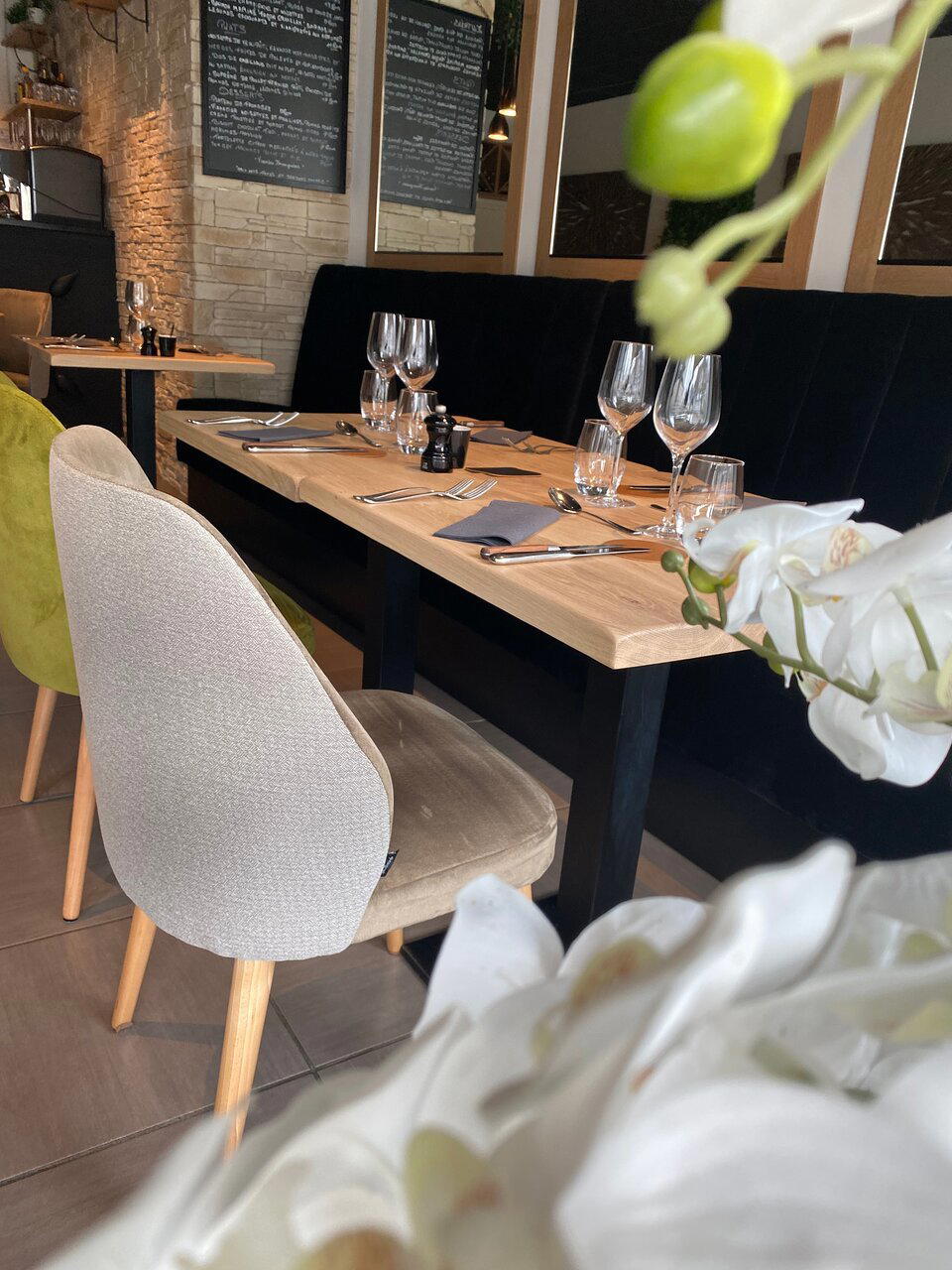
Details
- Scenic
- Cozy
- Elegant
- Rustic
- Date Night
- Group Dining
- Special Occasion
- Terrace
- Panoramic View
- Open Kitchen
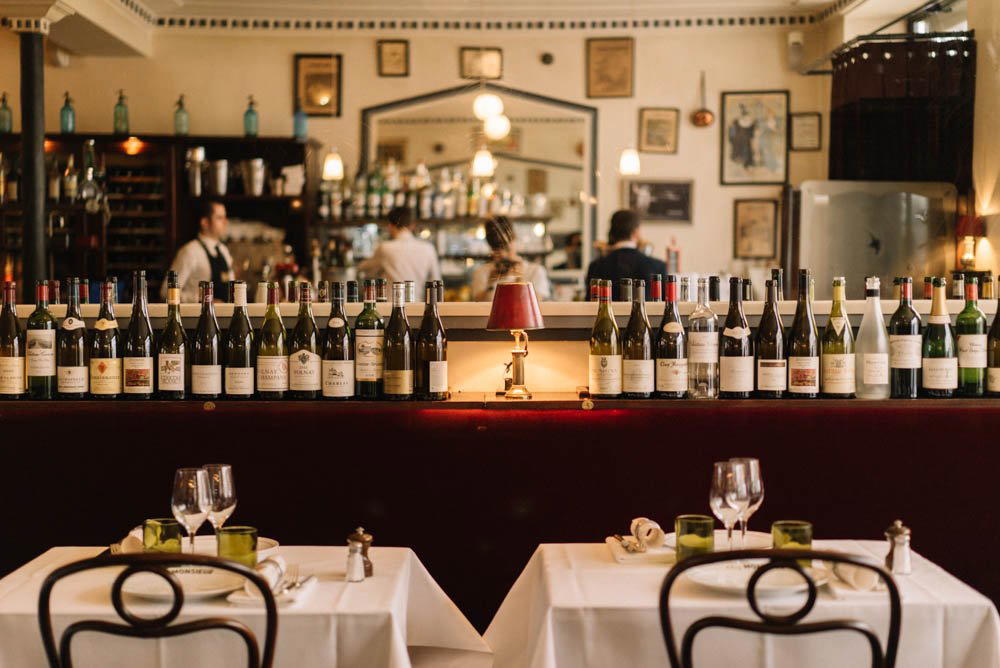
- Extensive Wine List
- Local Sourcing
- Farm To Table
- Mountain
- A La Carte
- Set Menu
- Wine
- Vegetarian Friendly
- Gluten Free Options
- Allergy Accommodating
Current opening hours
- Monday
- Closed
- Tuesday
- Closed
- Wednesday
- 12–1:15 PM
- Thursday
- 12–1:15 PM
- Friday
- 12–1:15 PM, 7–9 PM
- Saturday
- 12–1:30 PM, 7–9 PM
- Sunday
- 12–2 PM
Hours can change for holidays and private events. Last verified .
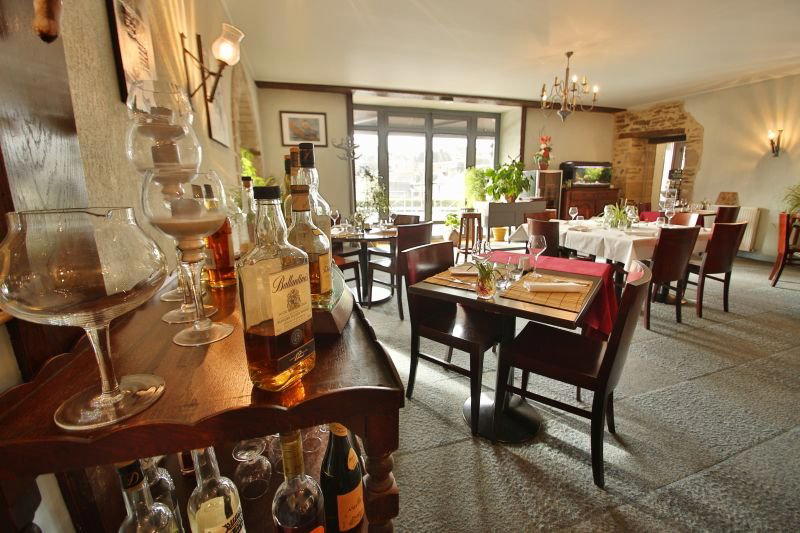
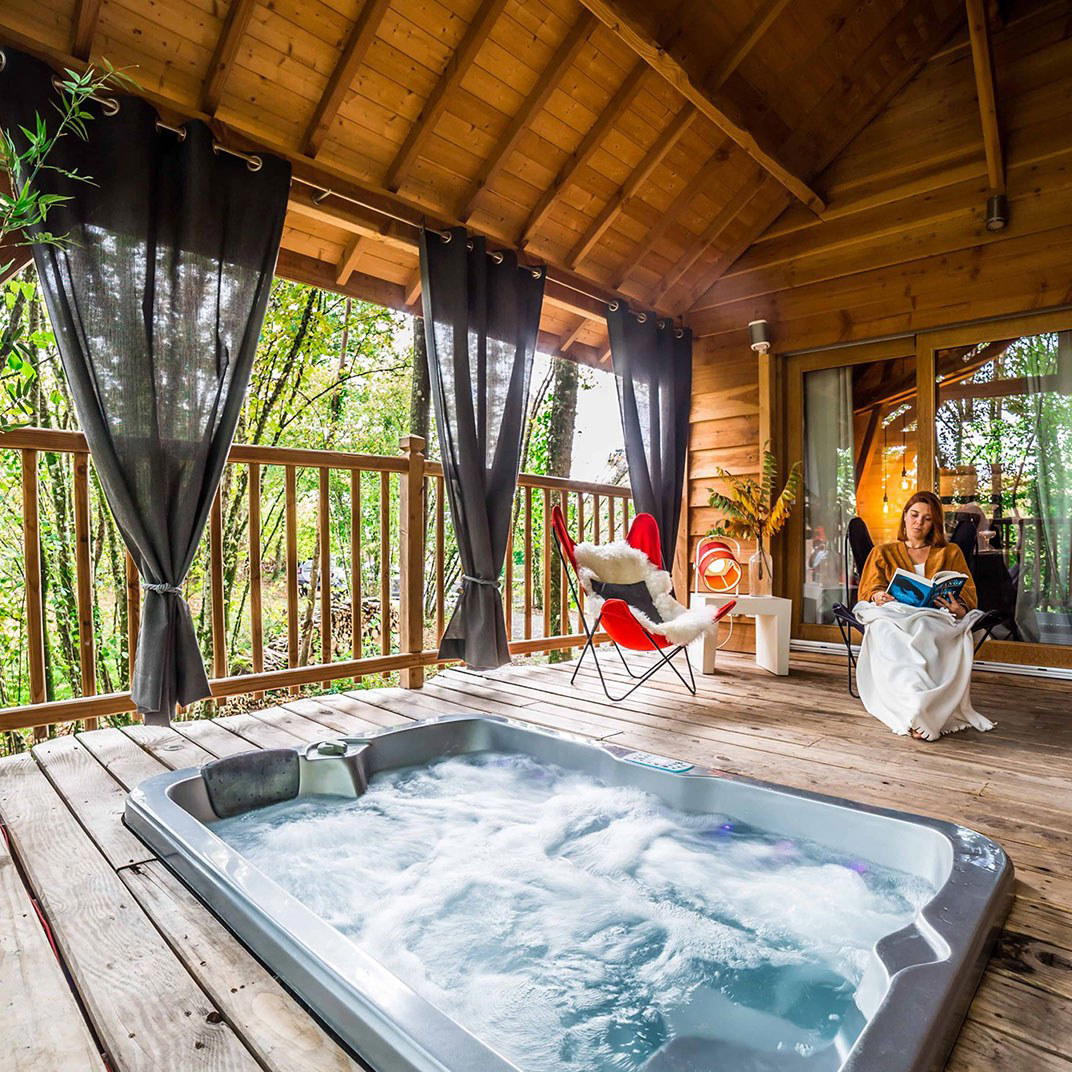
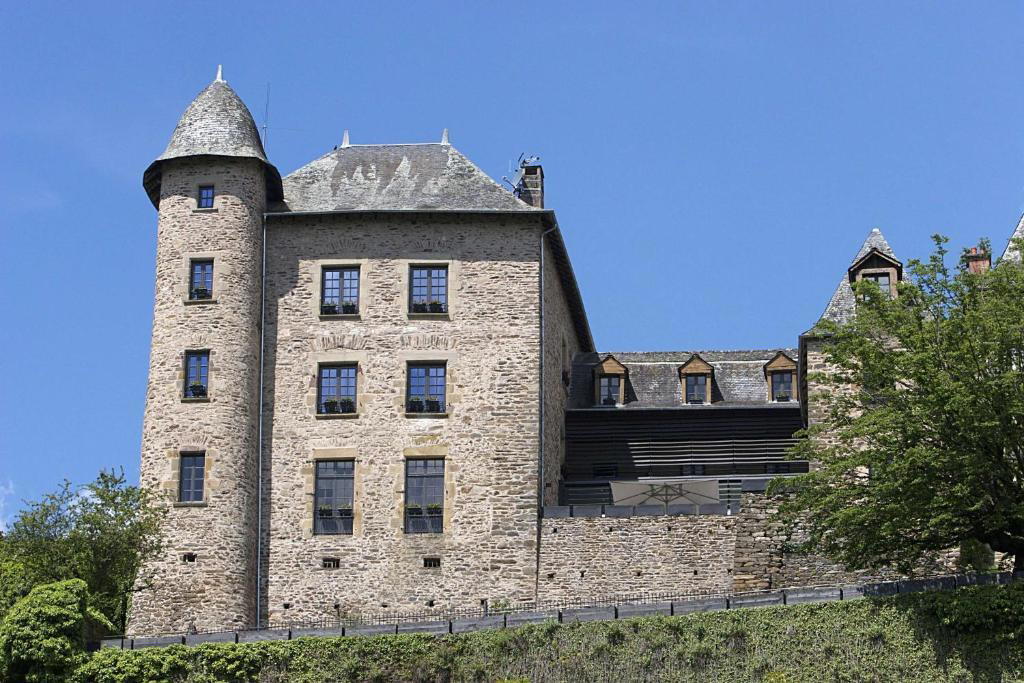
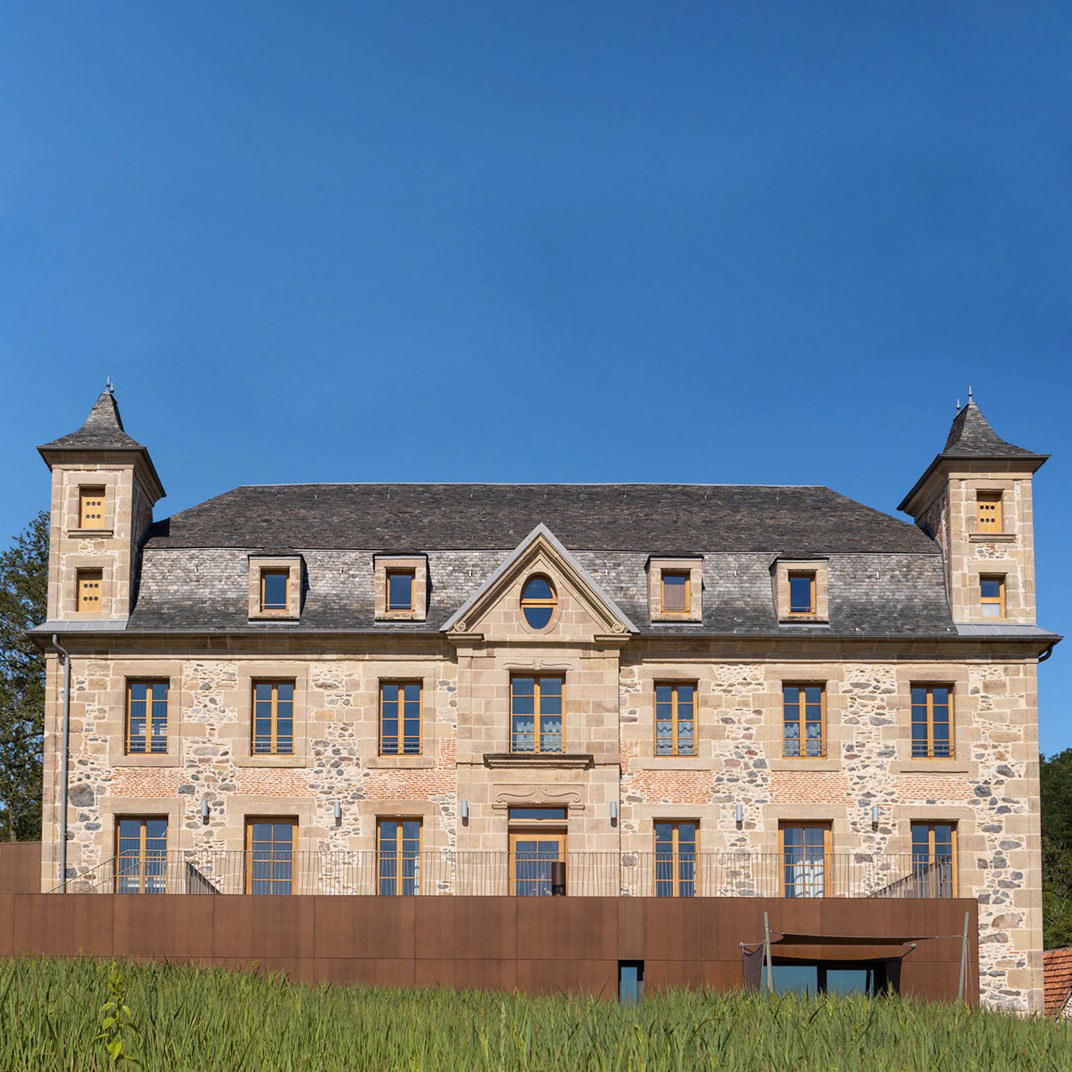
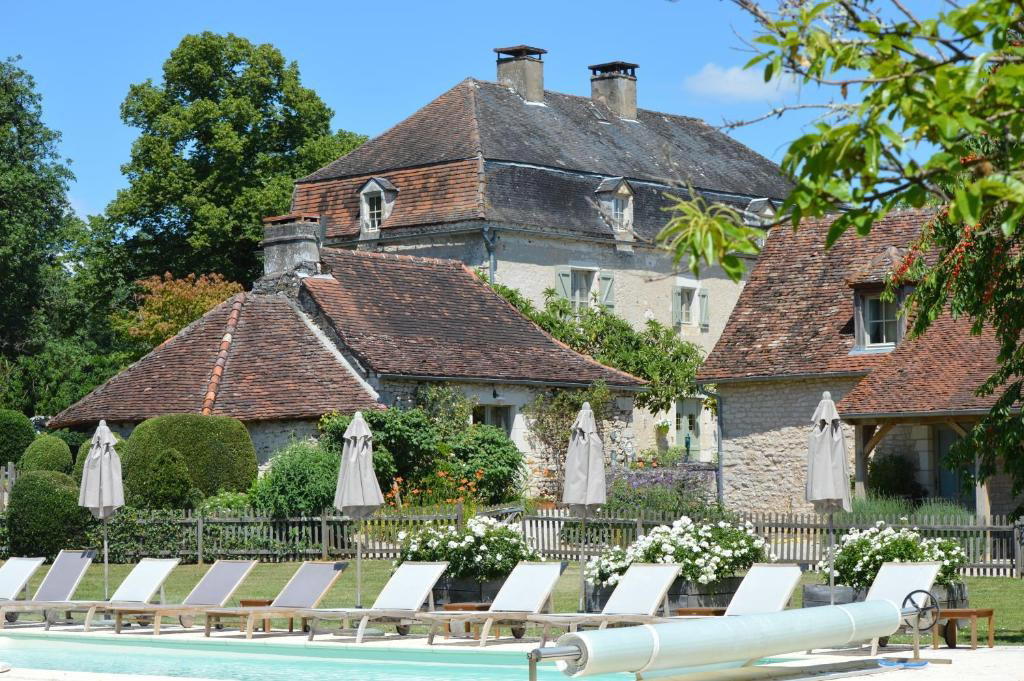
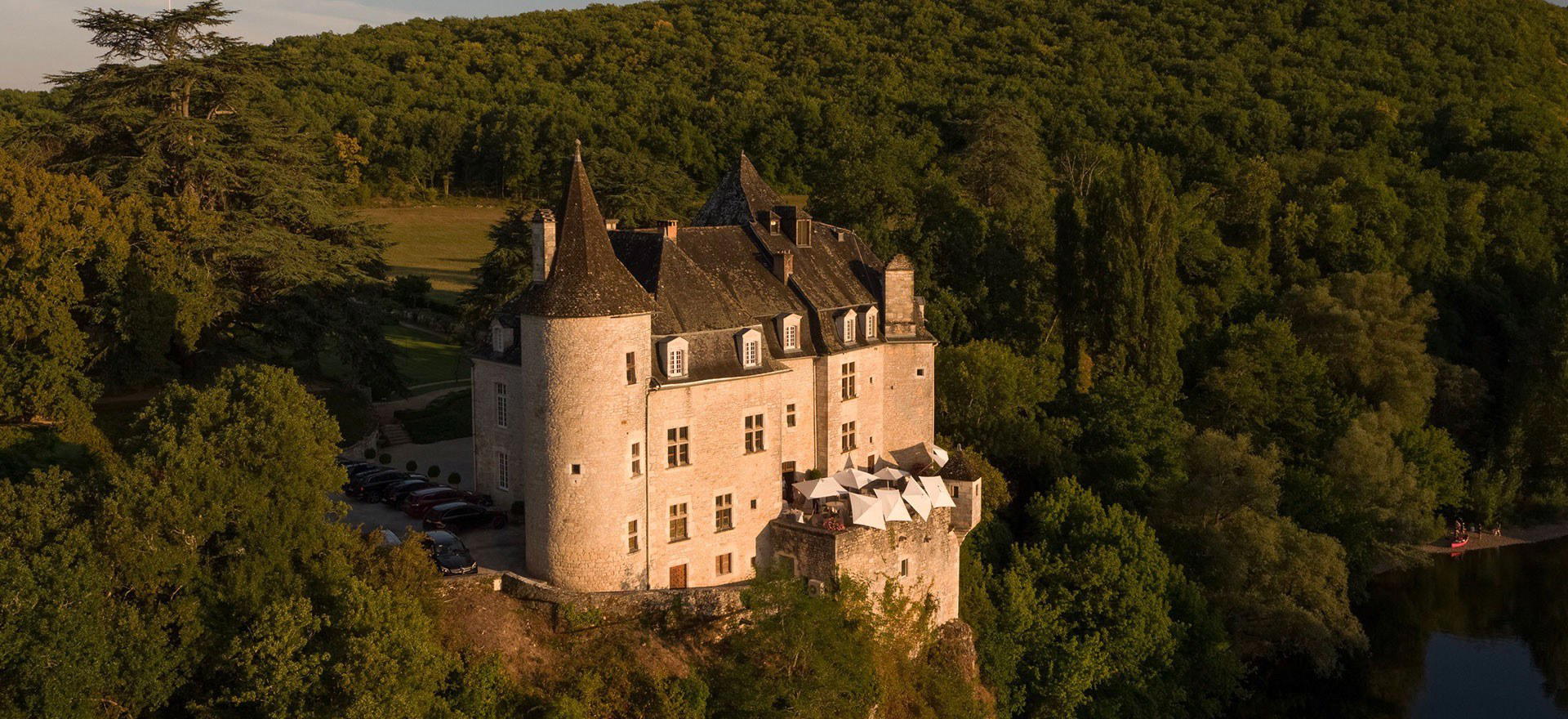
Bright, festive dining room with warm and inviting atmosphere; tranquil village setting with panoramic valley views from the terrace.