Our verdict
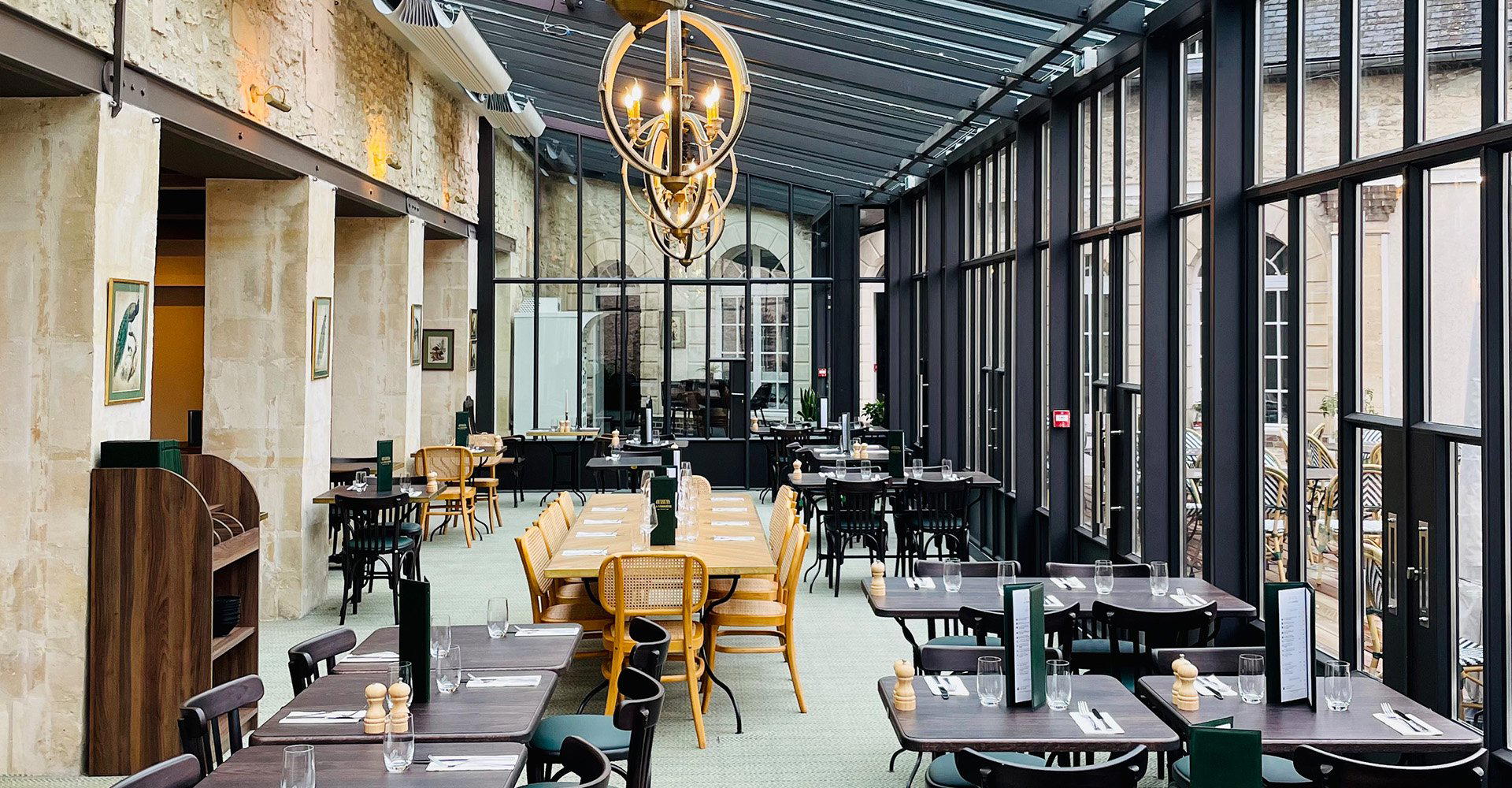
La Verrière by Egua occupies a quietly considered address at 10 Rue Jean Cocteau in Raray, a small Oise commune roughly 60 kilometres north of Paris. The restaurant's name gestures toward its glasswork setting and its positioning within a French provincial dining tradition that prizes sourced ingredients over spectacle. For those exploring the region's table, it sits outside the usual Île-de-France circuit and rewards the detour.

Pearl is the En Primeur Club membership app, where members save venues, book tables and use the concierge.
The menu
What to order
- Pâté en croûte
- Œufs mayo
- Contre-filet de bœuf
- Burrata
- Carpaccio
Glass, Countryside, and the Quiet Argument for Provenance
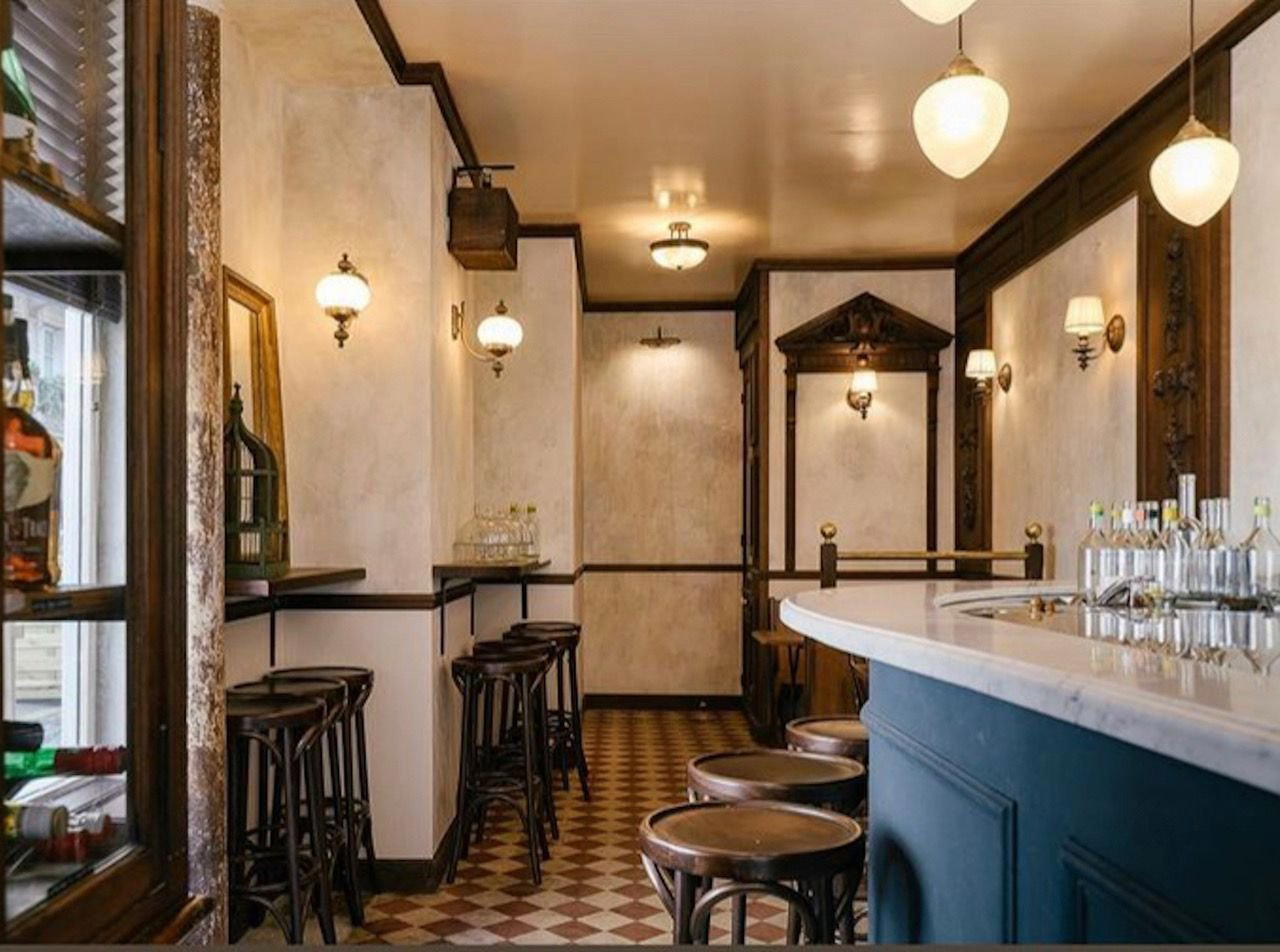
The Oise department doesn't announce itself. Driving north from Paris through the Valois plateau, the landscape settles into agricultural flatness broken by château walls and church spires, a France that predates the autoroute and has no particular interest in catching up. Raray, a commune of fewer than a thousand inhabitants, sits in this corridor, and it is here, at 10 Rue Jean Cocteau, that La Verrière by Egua has established itself. The name alone carries a layered signal: verrière denotes a glass structure, a greenhouse or conservatory, the kind of light-filled room that French country houses have long used to blur the border between inside and garden. That architectural vocabulary, transparency, proximity to growing things, turns out to be a reasonable guide to how the kitchen approaches its sourcing.
Regional France has produced a particular dining tradition built less on grand technique than on an honest accounting of what the surrounding land provides. The restaurants that have held attention in this tradition, from Bras in Laguiole, where the Aubrac plateau becomes the menu's organising principle, to Auberge du Vieux Puits in Fontjoncouse, where a remote Corbières village shapes the entire culinary proposition, tend to argue that location is not incidental but definitional. La Verrière by Egua operates within this logic. Its Picardy address is not a backdrop; it is, in the terms the kitchen seems to have set for itself, the starting point.
What Provenance Looks Like in Practice
Northern France's agricultural identity is frequently undervalued in fine dining conversations that default to Normandy butter, Brittany shellfish, or Bordeaux wine country. The Oise and Aisne departments produce significant cereal crops, beets, and market garden vegetables, and the broader Hauts-de-France region has a network of smaller producers whose output rarely travels far enough south to reach Parisian menus. A kitchen positioned in Raray has natural proximity to this supply chain in a way that a Paris address simply cannot replicate. The distance from field to plate compresses not because of a marketing positioning but because of geography.
This is the competitive logic that separates destination dining in the French provinces from the concentrated prestige market of the capital. Provincial restaurants at a serious level, the Flocons de Sel in Megève model, or Georges Blanc in Vonnas, justify the journey by offering something that proximity to a city cannot manufacture: rootedness. The ingredient sourcing argument only holds if the kitchen is genuinely close to the source, and La Verrière by Egua's Raray address puts it within range of a regional pantry that larger, better-known restaurants would need to truck in.
The Glasshouse Setting and Its Implications
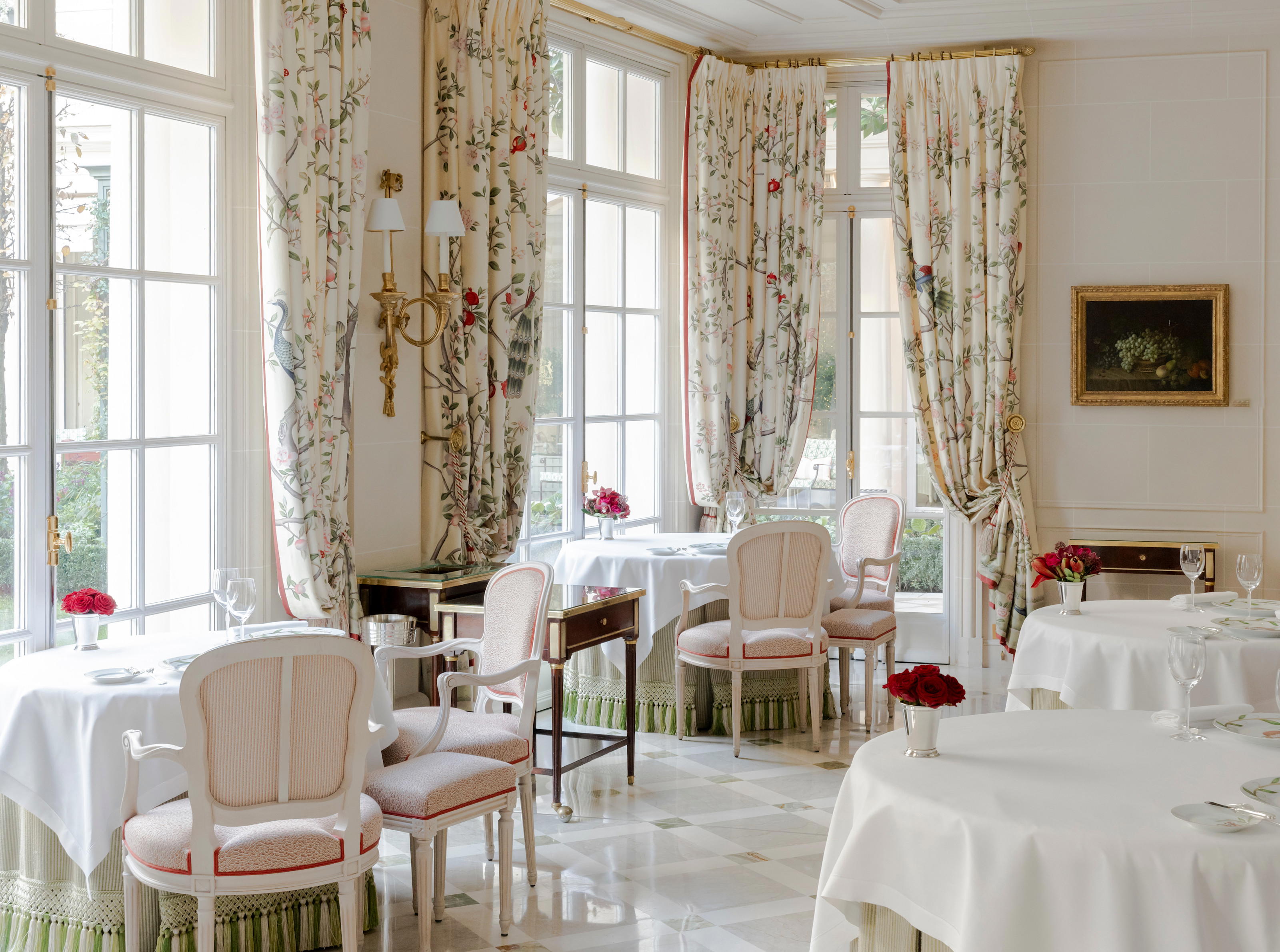
A verrière dining room carries particular obligations. Natural light changes through service; a lunch in summer reads entirely differently from a winter dinner when the surrounding gardens have gone bare. The setting that works hardest in such a room is one that connects the interior to the exterior, seasonal menus, plant-forward plating, or the kind of vegetable cookery that acknowledges the garden visible through the glass. This is not a decorative choice but a structural one. Kitchens that ignore the implied contract of a glasshouse setting tend to look incongruous; those that lean into it have a readymade editorial logic that extends from the room's architecture into the plate.
The French fine dining circuit has moved steadily in this direction over the past decade. Mirazur in Menton, with its terraced garden above the Mediterranean, made the kitchen's own growing programme central to its identity. La Marine on Noirmoutier built its sourcing around the island's particular micro-climate and tidal rhythms. The move toward hyper-local sourcing as a structural commitment, rather than a seasonal flourish, has become the default posture of serious French provincial restaurants. La Verrière by Egua's setting in a small Oise commune positions it to participate in this conversation.
Raray in Context: Where This Sits on the Map
Raray is roughly 60 kilometres north of Paris, within reach of Compiègne and Senlis, two towns with their own historical weight and an existing draw for visitors interested in the Château de Compiègne or the Forêt de Compiègne. The drive from central Paris takes between 60 and 75 minutes depending on the route, and the train to Verberie or Compiègne followed by local transport covers the distance for those without a car. This is weekend-trip territory rather than an after-work dinner, which shapes the likely format: a longer table, a slower pace, and a clientele that has made a deliberate decision to be there.
That self-selecting audience distinguishes destination dining in smaller communes from the broader Paris restaurant circuit where drop-in trade mixes with reservations. The comparison set for a restaurant in Raray is less the Paris arrondissement and more the pattern established by Troisgros in Ouches or Auberge de l'Ill in Illhaeusern: restaurants where the journey is part of the proposition, and the remoteness functions as a filter rather than a barrier. For those building a northern France itinerary, Assiette Champenoise in Reims lies about 90 kilometres to the east, offering a logical pairing for a two-day circuit out of Paris.
For broader context on what the region's table currently offers, see our full Raray restaurants guide. Readers tracking the wider French fine dining picture may also find useful reference points at Christopher Coutanceau in La Rochelle, AM par Alexandre Mazzia in Marseille, Au Crocodile in Strasbourg, L'Oustau de Baumanière in Les Baux, and Paul Bocuse's Auberge du Pont de Collonges. For reference points outside France, Le Bernardin in New York City and Atomix in New York City represent comparable levels of culinary ambition in a different market context.
Planning Your Visit
La Verrière by Egua is located at 10 Rue Jean Cocteau, 60810 Raray. The Raray location makes a car the most practical option, with Senlis approximately 12 kilometres to the south offering accommodation if an overnight is preferred over a day trip from Paris.
Frequently asked questions
Is La Verrière by Egua okay with children?
La Verrière by Egua is a destination restaurant in Raray, a small commune in the Oise roughly 60 kilometres north of Paris, the kind of setting that draws deliberate diners rather than casual drop-ins. A glasshouse dining room in a rural village implies a pace and atmosphere that suits adults more than young children. Families should check the venue's official channels to confirm suitability before booking.
Is La Verrière by Egua better for a quiet night or a lively one?
Raray is a small agricultural commune in the Oise, not a town with competing bars or ambient street noise, which shapes the dining register considerably. The glasshouse format and destination-only model suggest an unhurried, conversation-led evening rather than anything resembling a high-energy room. Guests travelling from Paris or nearby Compiègne should expect considered stillness as the default mode.
Is La Verrière by Egua worth the drive from Paris as a standalone destination?
At roughly 60 kilometres north of Paris, Raray sits within the Valois plateau in the Oise, close enough for a half-day excursion, and naturally paired with nearby Compiègne or Senlis if you want to anchor the trip around more than one stop. La Verrière by Egua's glasshouse format at 10 Rue Jean Cocteau gives the visit a distinct architectural reason beyond the food alone.
What dish is La Verrière by Egua famous for?
The restaurant's glasshouse setting at 10 Rue Jean Cocteau in Raray, and its position within the Oise's agricultural corridor, suggest a kitchen with strong ties to northern French produce, though specific menu details should be verified directly with the venue.
What part of town is La Verrière by Egua in?
La Verrière by Egua is located at 10 Rue Jean Cocteau, 60810 Raray, France, Raray.
Quick Comparison
Comparable venues nearby, for context on price, style, and recognition.
| Venue | Cuisine | Price | Notes |
|---|---|---|---|
| La Verrière by EguaThis venue (the venue you are viewing) | Traditional French Brasserie | $50–100 | Not listed |
| Gypse | Bistronomique French | $30–50 | Montreuil centre-ville |
| Le Pouilly-Reuilly | Traditional French Bistro | $30–50 | Le Pré Saint Gervais |
| O'Distingo | Modern French Gastronomic | $50–100 | Eaubonne |
| Sacrée Fleur Montmartre | Traditional French Steakhouse | $50–100 | Montmartre |
| La Traversée | Modern French Bistro | $30–50 | 18th Arrondissement |
Continue exploring
More in Raray
Restaurants in Raray
All restaurants in Raray →
Bars in Raray
Browse all →
Details
- Elegant
- Classic
- Cozy
- Special Occasion
- Business Dinner
- Historic Building
- Garden
- A La Carte
Current opening hours
- Monday
- 8:30 AM–6 PM
- Tuesday
- 11 AM–6 PM
- Wednesday
- 8:30 AM–6:30 PM
- Thursday
- 8:30 AM–11 PM
- Friday
- 8:30 AM–11 PM
- Saturday
- 9 AM–5 PM
- Sunday
- 8:30 AM–7 PM
Hours can change for holidays and private events. Hours as of .
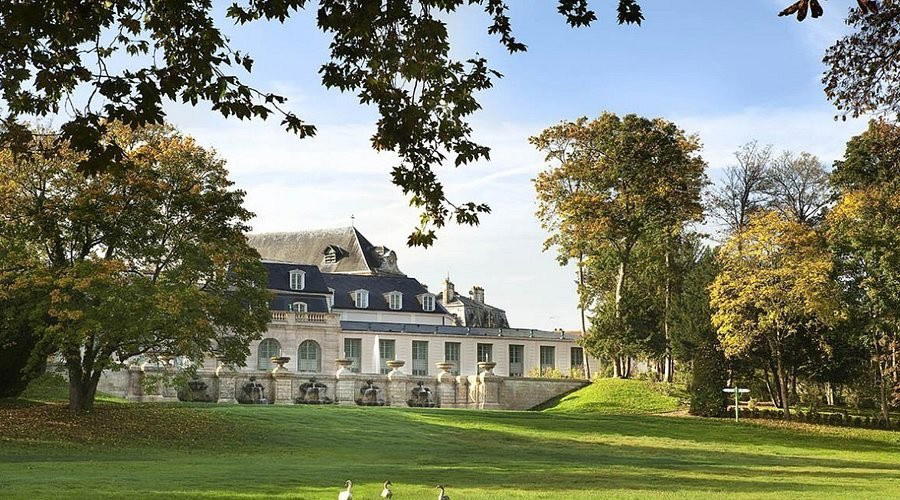
Warm, welcoming, and elegant with a timeless country house feel.