O'Distingo sits on Avenue de l'Europe in Eaubonne, a northern suburb of Paris that rarely features in the capital's dining conversation. What the restaurant offers is a grounded alternative to the grand-boulevard formality of central Paris dining, with sourcing and kitchen craft doing the heavy editorial work. For those willing to cross the Périphérique, it represents a different register of French table.
Pearl is the En Primeur Club membership app — saves, bookings, and concierge access live there. Same editors, same standards.
- Address
- 12 Av. de l'Europe, 95600 Eaubonne, France
- Phone
- +33983616356
 Saves & bookings on Pearl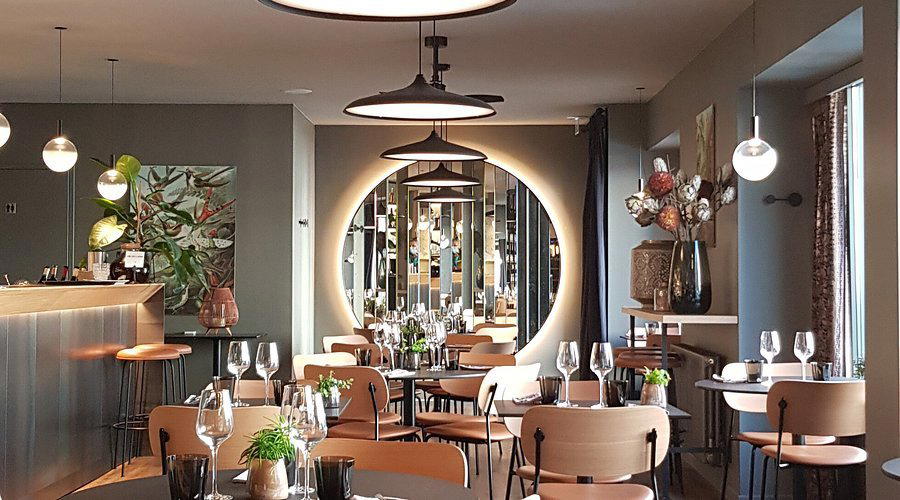
Eaubonne and the Suburban French Table
O'Distingo is a restaurant in Eaubonne, France, serving Modern French Gastronomic cooking at about $90 per person. The Val-d'Oise department rarely enters the conversation when Parisian dining is discussed. Attention stays fixed inside the city limits, where three-star addresses like Alléno Paris au Pavillon Ledoyen set the competitive tone and where the price of a tasting menu can reach several hundred euros before wine. That concentration of prestige inside the Périphérique has a useful side effect: it leaves room in the inner suburbs for a different kind of French restaurant to operate, one where the kitchen's argument is made through produce and technique rather than through acreage of dining room or the weight of a trophy cabinet.
Eaubonne, roughly fifteen kilometres north of central Paris and reachable from Gare du Nord via the H line, is that kind of town: residential, unhurried, and not oriented around attracting visitors. A restaurant choosing to open here is making a statement about its intended audience. It is cooking for the neighbourhood first, for the committed traveller second.
O'Distingo occupies a site at 12 Avenue de l'Europe, a street address that signals nothing theatrical. There is no grand approach, no hotel lobby to pass through, no awning visible from a boulevard. The physical register here is closer to the serious provincial French table than to anything in the Eighth Arrondissement, and that framing matters: it sets the terms on which the kitchen should be read.
Sourcing as the Central Argument
French regional cooking at its most coherent has always been an argument about provenance. The discipline that produced places like Bras in Laguiole or Auberge du Vieux Puits in Fontjoncouse was built on the idea that a kitchen's identity derives from what grows and rears within reach of it. That principle does not require a three-Michelin-star budget to implement. Smaller neighbourhood addresses can apply the same logic, and in many cases the lower operational overhead frees the kitchen to spend more on raw ingredients rather than on room dressing.
The Val-d'Oise sits within easy reach of market networks supplying the Île-de-France: Rungis, the vast wholesale market south of Paris, channels produce from across France and beyond into the kitchens of this region every morning. For a restaurant at Eaubonne's scale, access to that supply chain matters. What separates one kitchen from another is not simply access but selection discipline: which growers to prioritise, which seasonal windows to follow, and when to leave a product off the menu because it is not at the right moment. That kind of restraint is harder to maintain than abundance.
Across France's serious mid-tier restaurants, the shift toward closer supplier relationships has been gradual but clear. Kitchens that once treated sourcing as a logistics question now treat it as a culinary position. The model seen at destination addresses like Mirazur in Menton or La Marine in Noirmoutier-en-l'île has filtered down into the suburban French table, even if it arrives without the same international profile attached to it.
Where O'Distingo Sits in the Regional Picture
The French suburban restaurant occupies a specific and often underexamined tier. It is not competing with the grand maisons of central Paris, places like Assiette Champenoise in Reims or Au Crocodile in Strasbourg, which draw diners from across their regions and beyond. It is not a destination in the tourism-infrastructure sense. What it offers instead is consistency for a local clientele that returns regularly, and that creates a different kind of pressure on the kitchen: menus must rotate, technique must hold week after week, and value must be legible to people who are not novelty-seeking visitors.
That dynamic produces a particular kind of French cooking: one that tends toward honest classic structure rather than conceptual experiment, where the Michelin Bib Gourmand model of good cooking at a fair price is the relevant benchmark rather than the starred tasting-menu circuit. In the wider Île-de-France region, these restaurants are the ones that sustain French food culture between visits to the marquee addresses.
For context on what stronger examples from the French pyramid looks like, Troisgros in Ouches, Flocons de Sel in Megève, and Paul Bocuse in Collonges-au-Mont-d'Or represent the institutional weight of French haute cuisine. The restaurant operates in a different register entirely, one closer in spirit to the neighbourhood bistrot than to those institutions, and should be assessed accordingly. The comparison set that matters here is not the three-star circuit but the honest local tables of the northern Paris suburbs.
Planning Your Visit
Eaubonne is accessible from central Paris on the Transilien H line, with a journey time of roughly thirty minutes from Gare du Nord to Eaubonne station. By car, the route north via the A115 adds minimal time from the outer arrondissements. Avenue de l'Europe is a short walk from the station. Given the venue's neighbourhood positioning and reservation policy, booking ahead is recommended before making the trip out from central Paris. Eaubonne is also a reasonable base if exploring the wider Val-d'Oise, which includes Auvers-sur-Oise and the Montmorency forest.
Readers interested in the range of French regional cooking at different price points may also find the contrast useful with Christopher Coutanceau in La Rochelle, L'Oustau de Baumanière in Les Baux, Georges Blanc in Vonnas, Auberge de l'Ill in Illhaeusern, and AM par Alexandre Mazzia in Marseille for a sense of how different French kitchens frame their sourcing identity. For those who want to extend the frame internationally, Le Bernardin in New York City and Atomix in New York City both illustrate how European culinary rigour translates into different urban contexts.
How It Stacks Up
Comparable venues nearby, for context on price, style, and recognition.
| Venue | Cuisine | Price | Notes |
|---|---|---|---|
| O'DistingoThis venue — the venue you are viewing | Modern French Gastronomic | $$$ | Not listed |
| Rodchenko | French Kosher Tapas | $$$ | Levallois-Perret |
| Aux Dés Calés 18 - Moreau | French Bistronomic Bistro | $$$ | Butte-Montmartre |
| Les Poulettes Batignolles | French-Catalan Bistro | $$$ | Batignolles-Monceau |
| L'Evasion | Classic French Bistro | $$$ | 8e arrondissement (L'Europe) |
| Chez Savy | Traditional French Brasserie | $$$ | 8th Arr. - Élysée |
Continue exploring
More in Eaubonne
Restaurants in Eaubonne
Browse all →
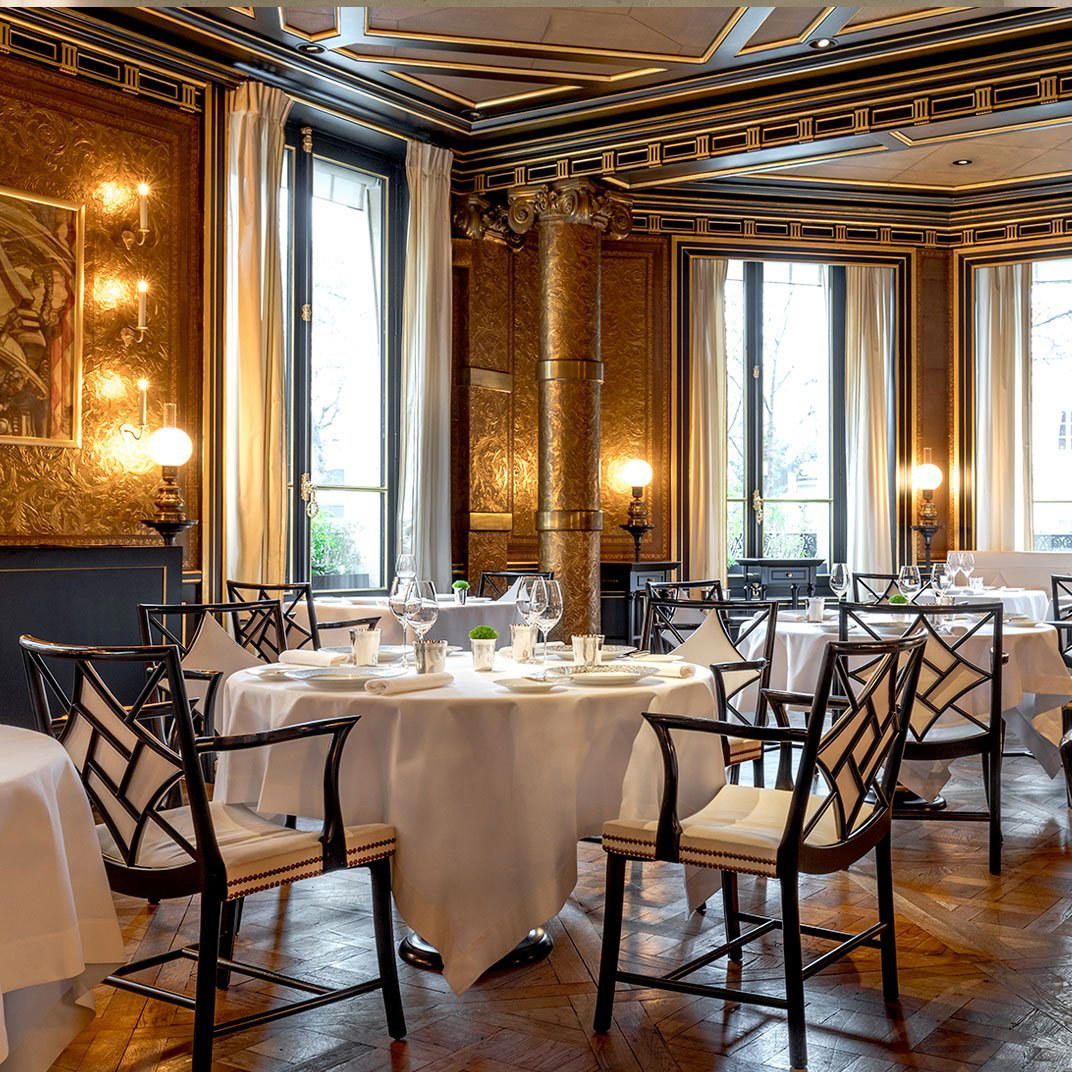
Bars in Eaubonne
Browse all →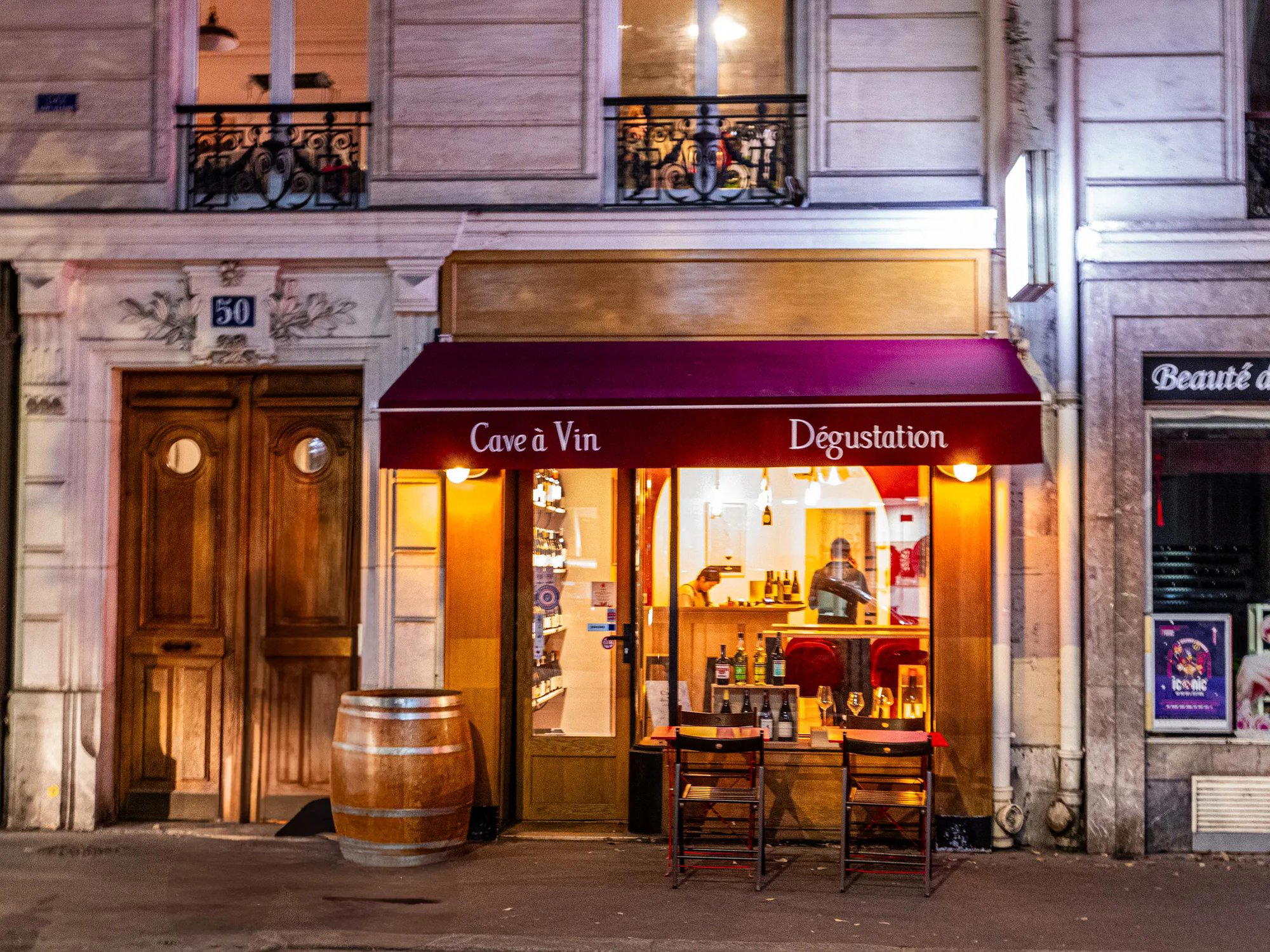
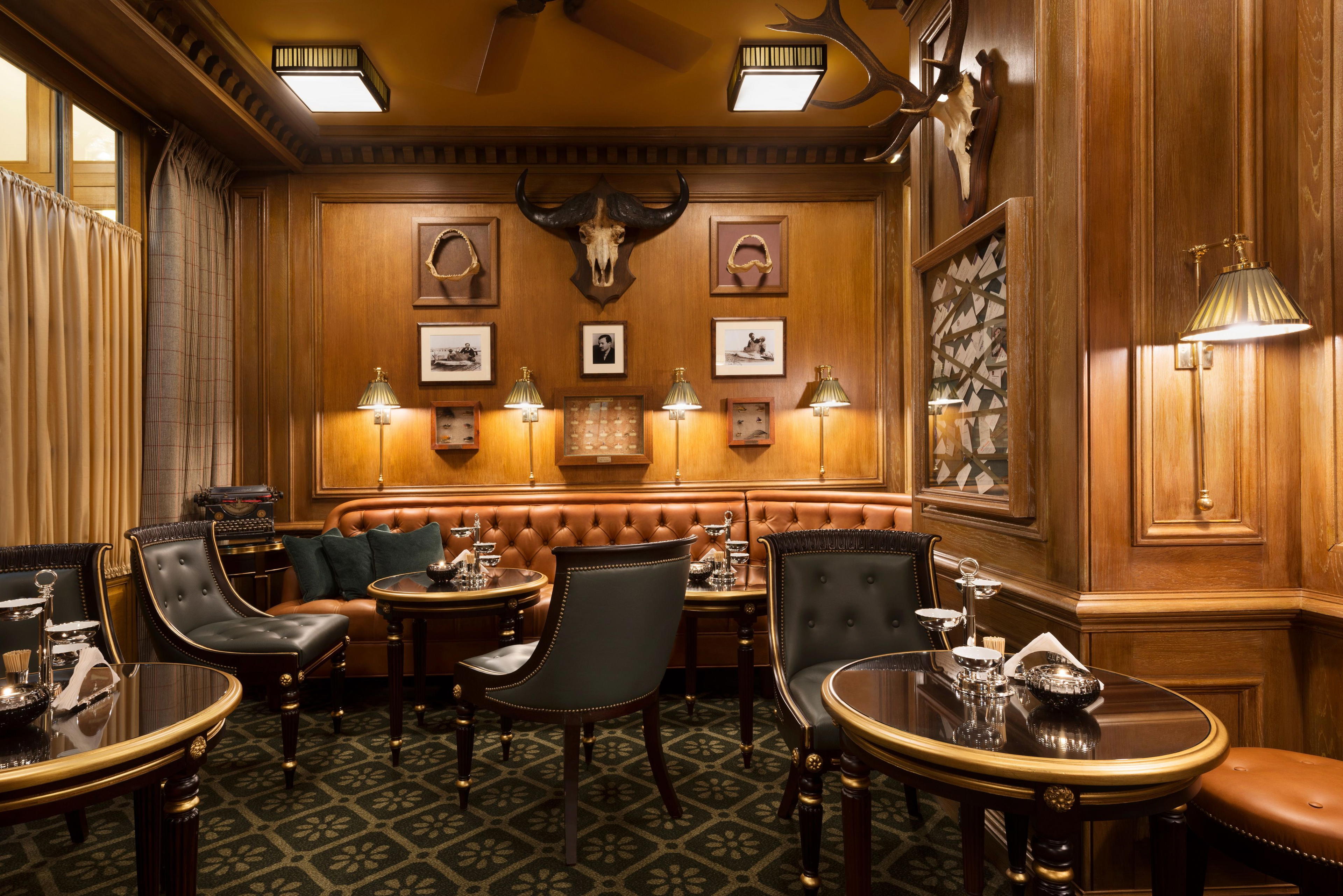
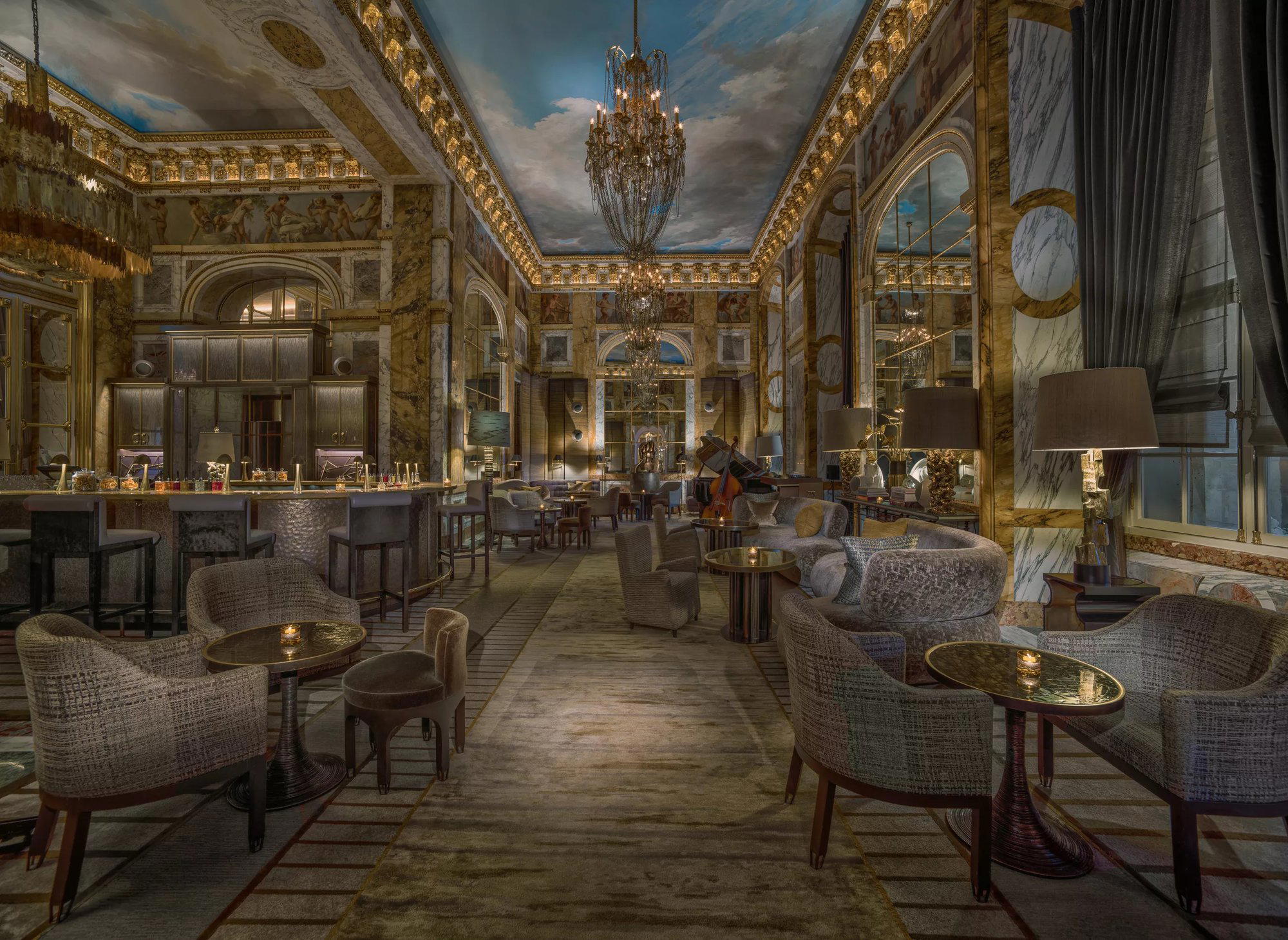
Hotels in Eaubonne
Browse all →
Wineries in Eaubonne
Browse all →
At a Glance
- Elegant
- Modern
- Intimate
- Sophisticated
- Date Night
- Business Dinner
- Celebration
- Family
- Terrace
- Extensive Wine List
Current opening hours
- Monday
- Closed
- Tuesday
- 12–3 PM, 7:30–11 PM
- Wednesday
- 12–3 PM, 7:30–11 PM
- Thursday
- 12–3 PM, 7:30–11 PM
- Friday
- 12–3 PM, 7:30–11:30 PM
- Saturday
- 7:30–11:30 PM
- Sunday
- 12–4 PM
Hours can change for holidays and private events. Last verified .
Modern, chic, and warm atmosphere with pleasant lighting and refined decor praised for its cozy and elegant feel.