La Trinacria
La Trinacria brings Sicilian culinary identity to Hyskenstræde 14 in Copenhagen's medieval core, operating at a considered distance from the city's dominant New Nordic register. In a dining scene shaped by Noma's legacy and a cluster of tasting-menu institutions, this address represents a different kind of ambition: regional Italian specificity in a city that rarely makes room for it.
Pearl is the En Primeur Club membership app — saves, bookings, and concierge access live there. Same editors, same standards.
- Address
- Hyskenstræde 14, 1207 København, Denmark
- Phone
- +4521560664
- Website
- latrinacria.dk
- Directions
- Get directions
 Saves & bookings on Pearl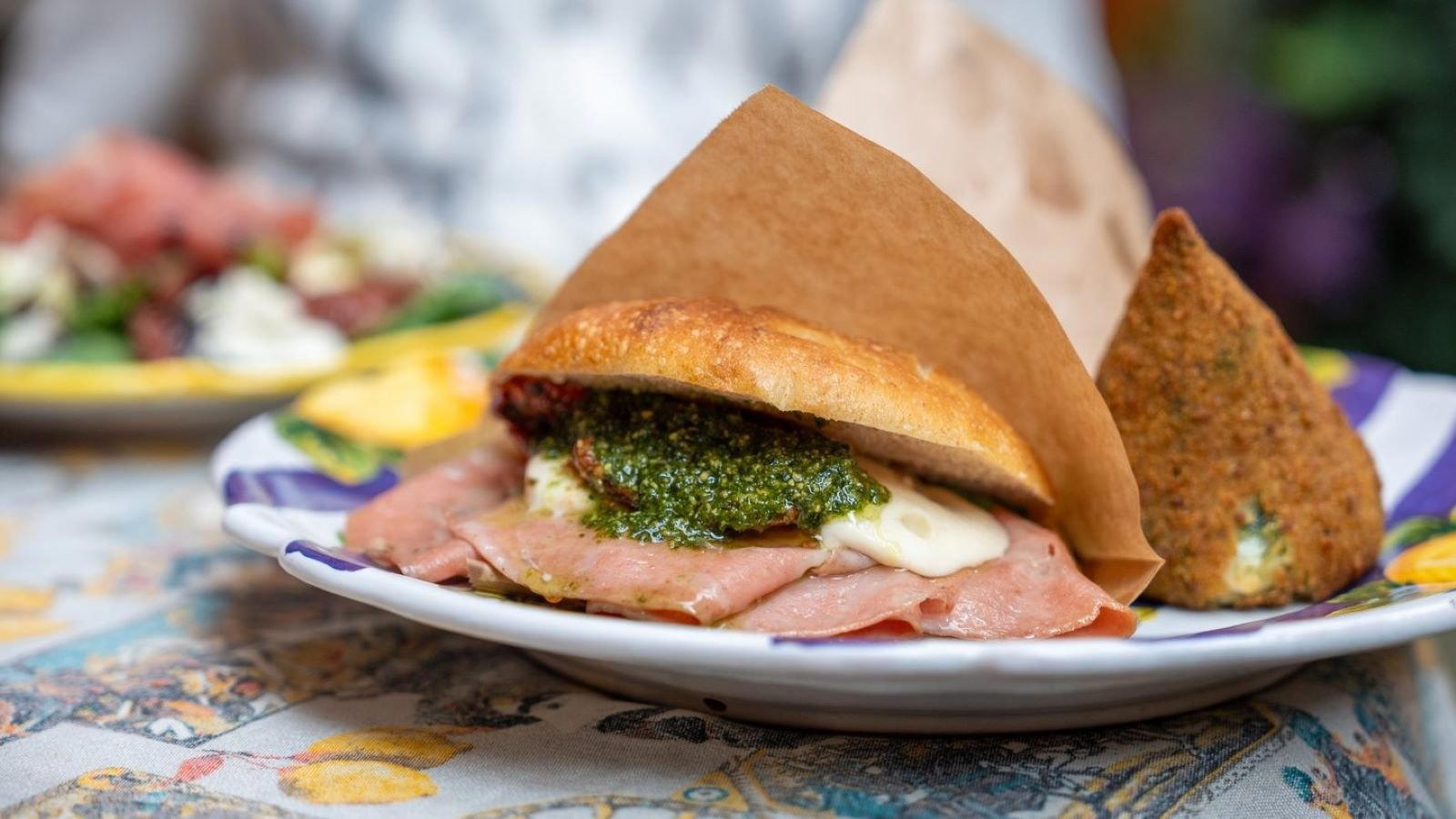
A Sicilian Address in Copenhagen's Old Town
Copenhagen's medieval quarter, the tangle of narrow lanes that runs between Strøget and the inner canals, has always housed a different kind of hospitality than the city's flagship dining corridors. Hyskenstræde is one of those streets: short, cobbled, and historically defined by small independent businesses rather than destination restaurants. La Trinacria occupies number 14 on that street, and its location already signals something about the register it inhabits. It is not a venue competing directly with the Geranium or Alchemist tier of Copenhagen dining, where long tasting menus and extensive wine programs define the offer. It sits in a different conversation, one rooted in Sicilian culinary tradition rather than the New Nordic framework that has dominated the city's international reputation for the better part of two decades.
The name itself is a direct invocation of place. Trinacria is the ancient name for Sicily, derived from the island's triangular shape, and its use signals that the kitchen's reference point is specific rather than generically Italian. That specificity matters in a city where Italian restaurants tend toward the broadly Mediterranean. Where Copenhagen's most celebrated addresses, from Noma to Kadeau, have built identities around hyper-local sourcing and Nordic seasonality, La Trinacria points in the opposite geographic direction, toward the sun-exposed agriculture, preserved fish traditions, and Arab-influenced spice patterns that define the southern Italian island's cooking.
Sicily's Culinary Logic in a Northern European Context
Sicilian cuisine is one of the Mediterranean's most historically layered traditions. Centuries of Arab, Norman, Spanish, and Greek influence left the island with a pantry unlike anywhere else in Italy: saffron used with the confidence of a North African kitchen, caponata's sweet-sour balance rooted in agrodolce technique, the combination of dried fruit and pine nuts in savory preparations, and a seafood culture built around preserved anchovies, bottarga, and salt cod alongside the fresh catch. Translating that tradition to a Scandinavian context requires sourcing discipline and a clear editorial point of view about which elements travel and which don't.
In Copenhagen's broader restaurant scene, the positioning is genuinely unusual. The city's Mediterranean-leaning addresses tend toward either high-volume trattorias or the kind of creative New Nordic-Mediterranean hybrid represented by venues like Koan and other boundary-crossing tasting-menu formats. A restaurant anchored in the specific regional cooking of one Italian island occupies a narrower but more clearly defined lane. That specificity is, in itself, a curatorial argument.
The Wine Question: Sicilian Bottles in a Scandinavian Market
For a restaurant defined by Sicilian identity, the wine list is where the editorial argument either holds or falls apart. Sicily has undergone a significant viticultural transformation over the past two decades. The island's bulk-wine reputation, built on high-yield Nero d'Avola grown for blending rather than for single-origin expression, has given way to a more considered tier of producers working with indigenous varieties at lower yields and higher altitude sites. Nerello Mascalese from the volcanic slopes of Etna now draws the kind of serious collector attention once reserved for Barolo and Brunello. Carricante, the white grape of Etna's eastern flank, produces wines of mineral precision that age in ways Sicilian whites rarely did a generation ago. Grillo and Catarratto, long dismissed as workhorse varieties, are being revisited by growers interested in skin-contact expression and whole-cluster fermentation.
A wine program at a restaurant named for Sicily has, in theory, access to one of the more compelling regional cellar narratives in contemporary Italian wine. Whether that narrative is being told in depth at La Trinacria remains unclear. What is clear is that the address and the name set an expectation: a Sicilian wine list should be doing editorial work that goes beyond stocking the obvious bottles, and Copenhagen's restaurant wine culture, shaped by years of competition among serious sommeliers, would reward that depth.
La Trinacria operates at a different price point and format, but the wine conversation in Copenhagen expects specificity regardless of category.
Placing La Trinacria in Denmark's Broader Scene
Copenhagen's restaurant culture is among the more competitive in Northern Europe, and it has produced serious addresses well beyond the capital. Jordnær in Gentofte holds multiple Michelin stars. Frederikshøj in Aarhus, Henne Kirkeby Kro, and Alimentum in Aalborg represent the strength of dining outside the capital. Further afield, ARO in Odense, LYST in Vejle, Domæne in Herning, Dragsholm Slot Gourmet in Hørve, Frederiksminde in Præstø, and MOTA in Nykøbing Sjælland show how far the country's dining ambition now extends. Within this context, the restaurant represents something the Danish scene doesn't produce in quantity: a restaurant whose primary reference point is a single southern Italian island, rather than the Nordic larder or the global tasting-menu format.
For international visitors who have spent time at comparable Italian-focused addresses elsewhere, the reference points might be the disciplined fish-forward cooking at Le Bernardin in New York City or the precise, concept-driven menus at Atomix in the same city, both of which demonstrate what happens when a kitchen commits fully to a single cultural register. The restaurant's version of that commitment is regional Italian rather than French or Korean, but the logic is similar: specificity, sustained over a full menu, is itself a position. Our full Copenhagen restaurants guide maps the broader scene for those planning a longer stay.
Planning Your Visit
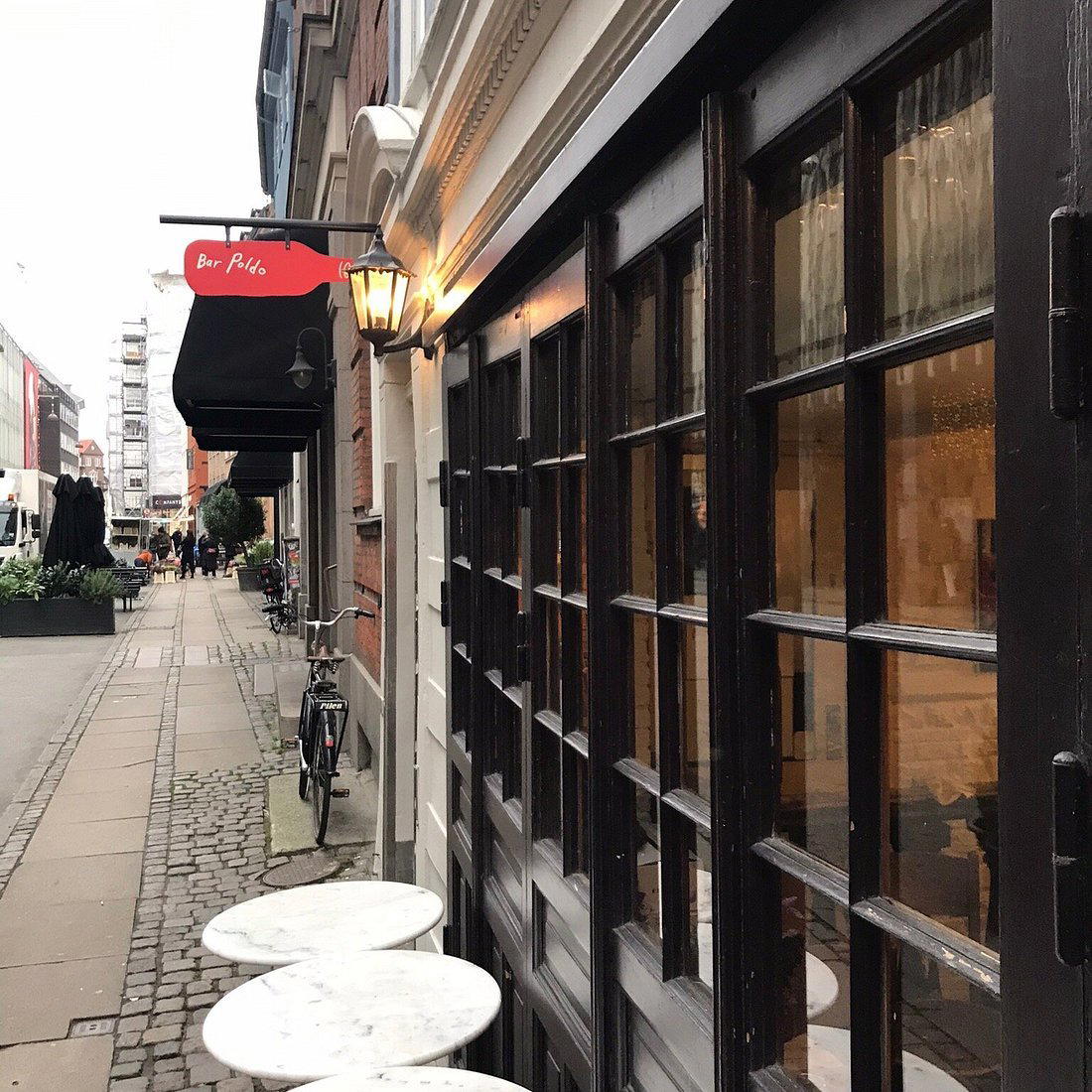
The restaurant is located at Hyskenstræde 14 in the 1207 postal district, which places it within easy walking distance of Copenhagen's main transit hub at Kongens Nytorv and the Nørreport metro corridor. The street sits in the oldest part of the inner city, and the surrounding neighbourhood fills with both locals and visitors year-round, though the winter months, when the tourist volume drops and the city settles into its darker, quieter register, tend to produce one atmospheric evenings in this part of town. The restaurant is open Monday through Thursday from 11:30 AM to 6 PM, Friday from 11:30 AM to 6:30 PM, Saturday from 12 PM to 7 PM, and Sunday from 12 PM to 6 PM. It is walk-in friendly and priced at about $20 per person.
Similar Picks
Comparable venues nearby, for context on price, style, and recognition.
| Venue | Cuisine | Price | Notes |
|---|---|---|---|
| La TrinacriaThis venue — the venue you are viewing | Sicilian Café | $$ | Not listed |
| Pico Pizza | Modern Sourdough Pizza | $$ | Vesterbro-Kongens Enghave |
| Vespa | Traditional Italian Osteria | $$ | Indre By |
| Osteria16 | Authentic Italian Antipasti | $$ | Vesterbro-Kongens Enghave |
| Il Ponte | Authentic Italian Trattoria | $$ | Indre By |
| Pinseria C´ho Fame | Roman Pinsa | $$$ | Indre By |
Continue exploring
More in Copenhagen
Restaurants in Copenhagen
Browse all →
Bars in Copenhagen
Browse all →
At a Glance
- Romantic
- Cozy
- Rustic
- Casual Hangout
- Courtyard
Current opening hours
- Monday
- 11:30 AM–6 PM
- Tuesday
- 11:30 AM–6 PM
- Wednesday
- 11:30 AM–6 PM
- Thursday
- 11:30 AM–6 PM
- Friday
- 11:30 AM–6:30 PM
- Saturday
- 12–7 PM
- Sunday
- 12–6 PM
Hours can change for holidays and private events. Last verified .
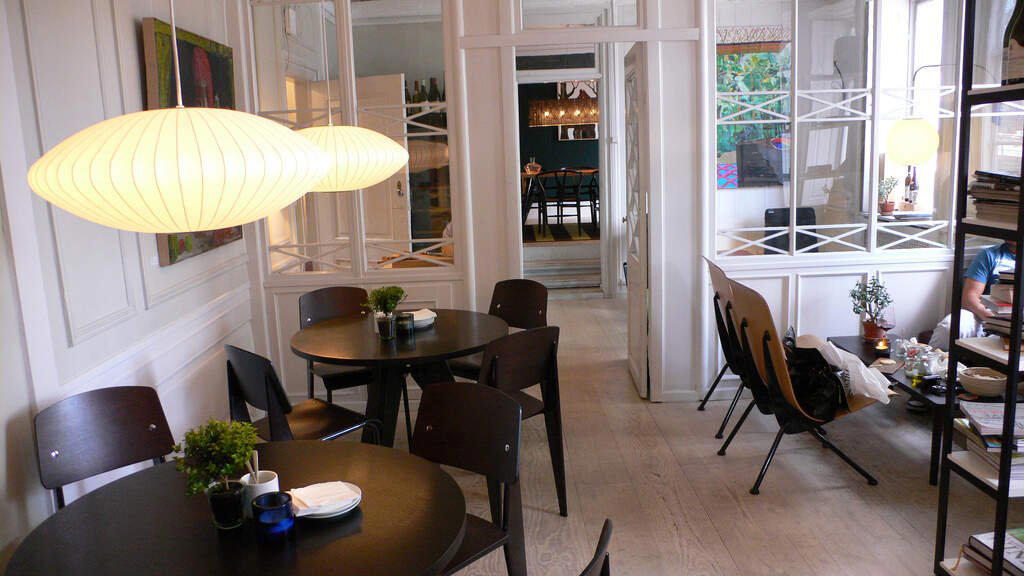
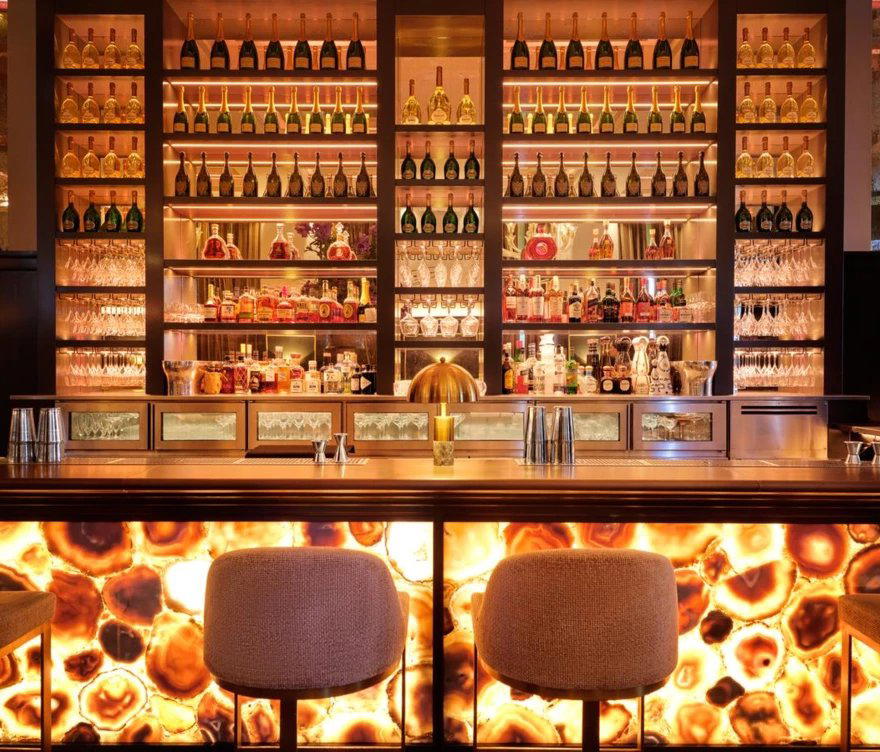
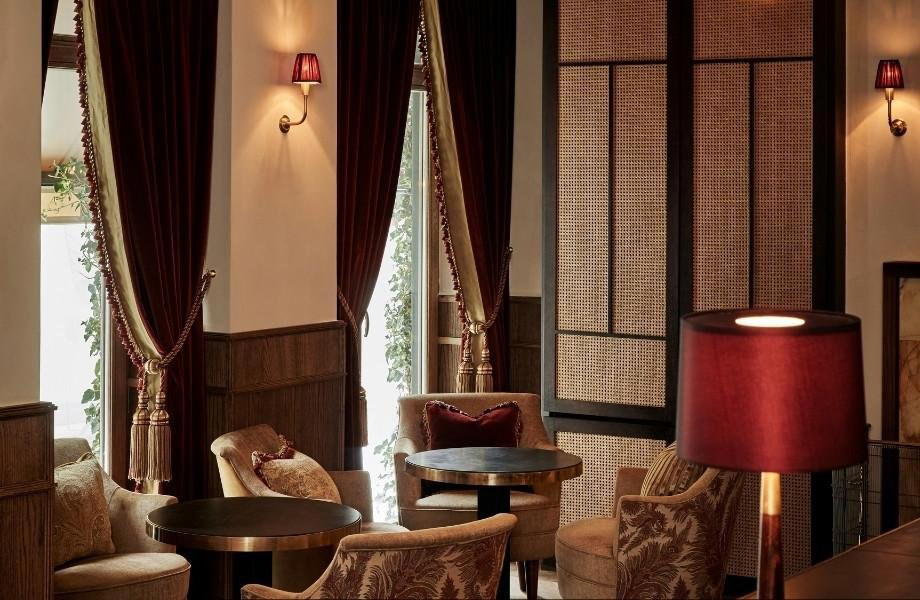
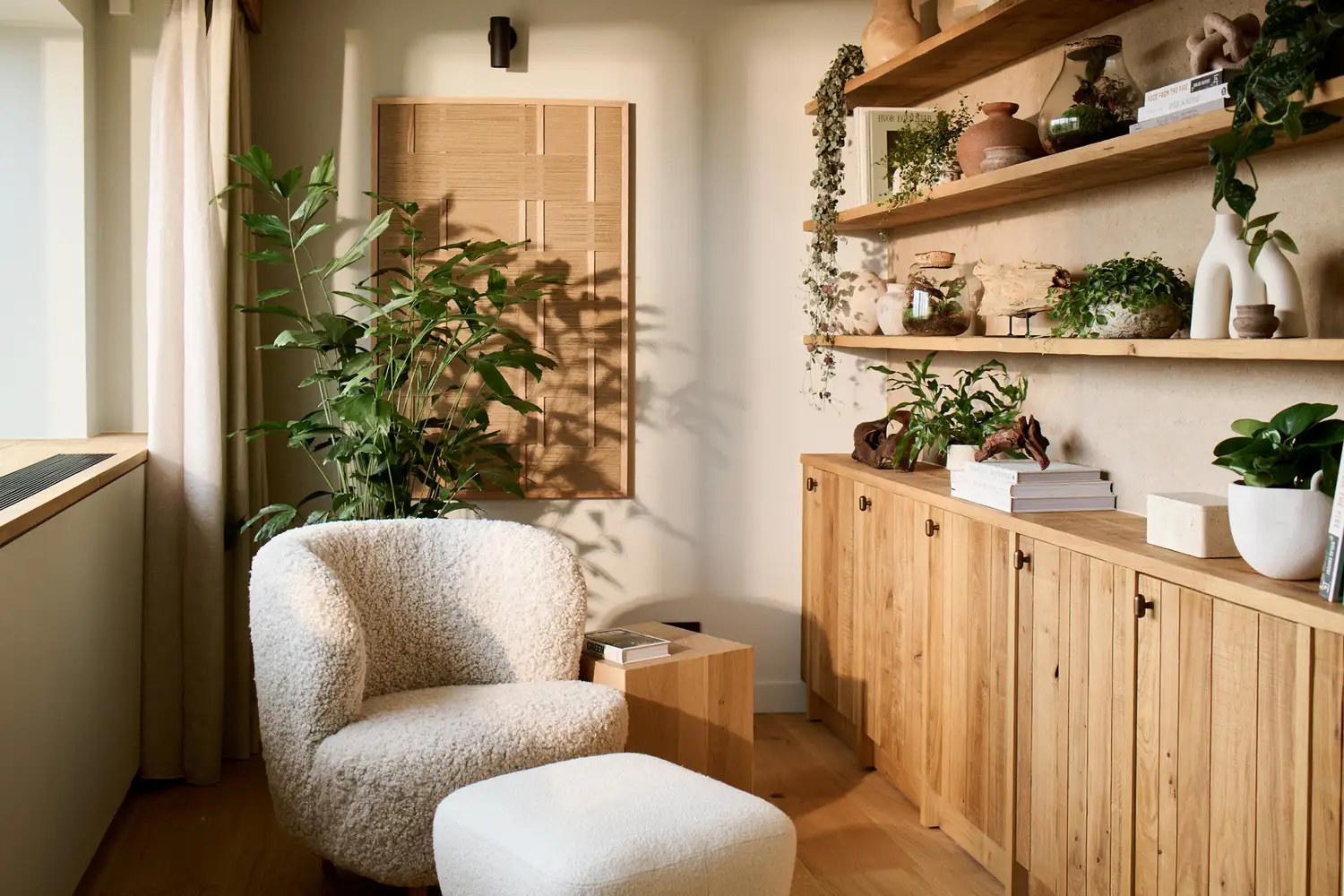
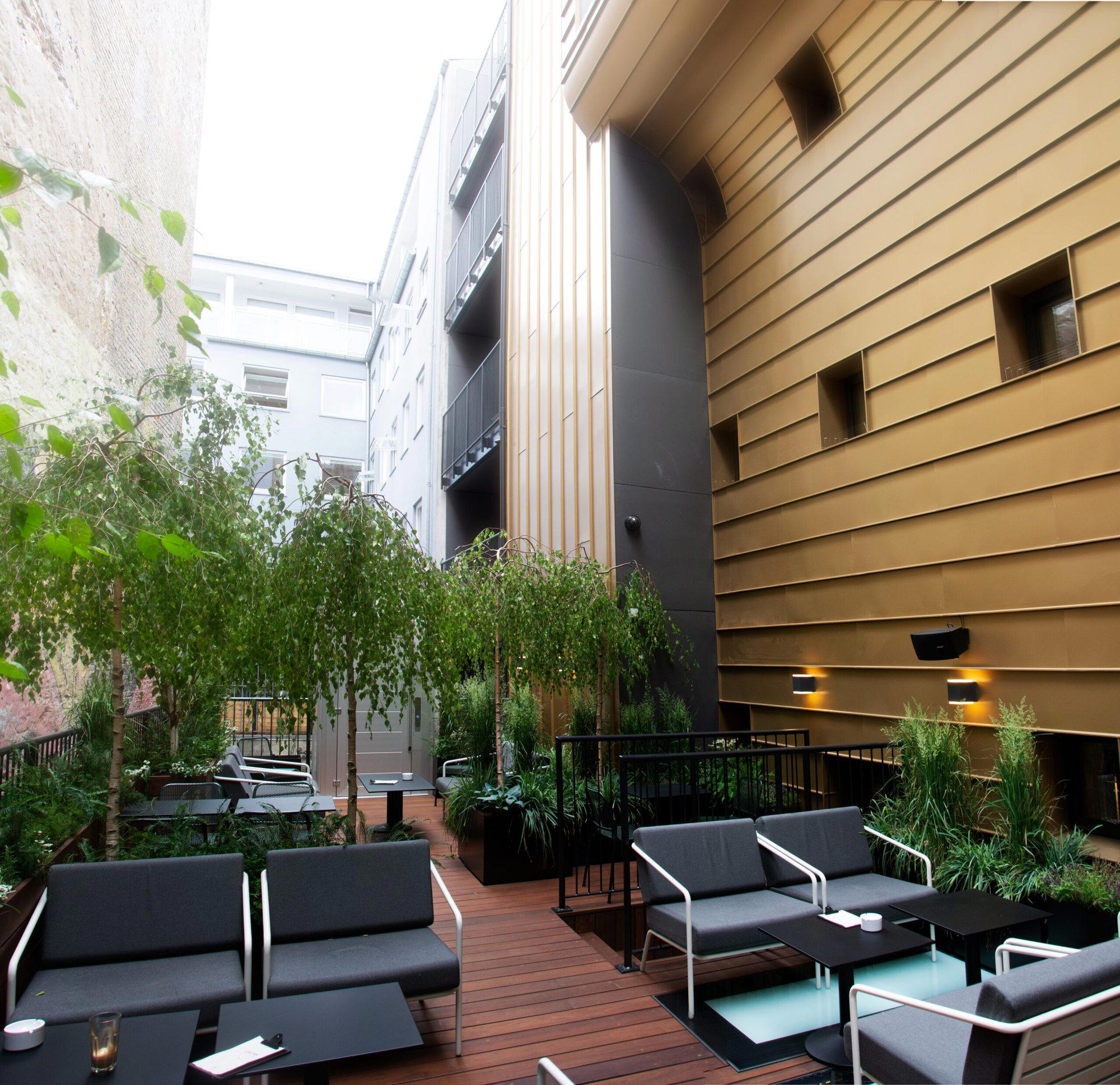
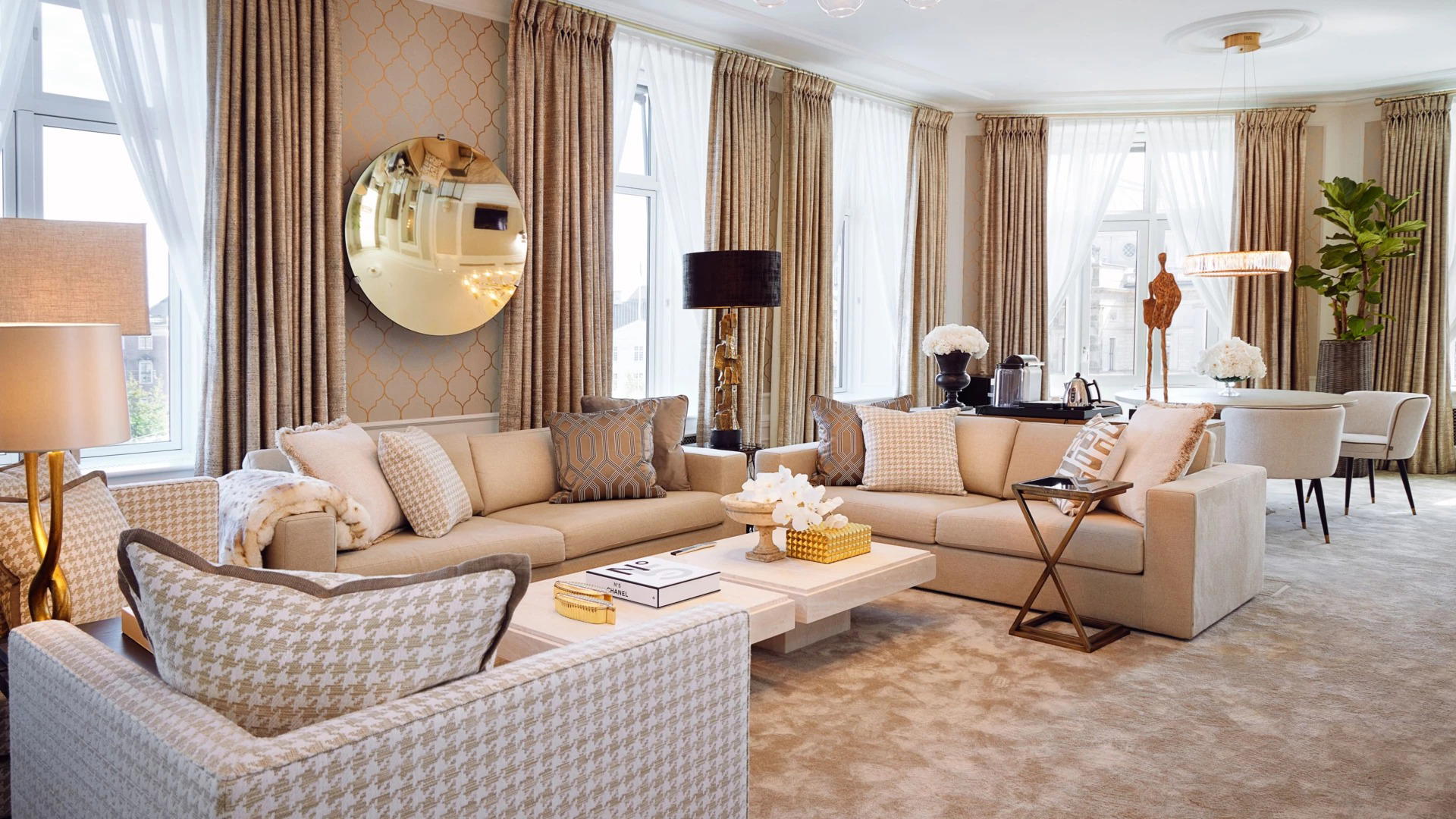
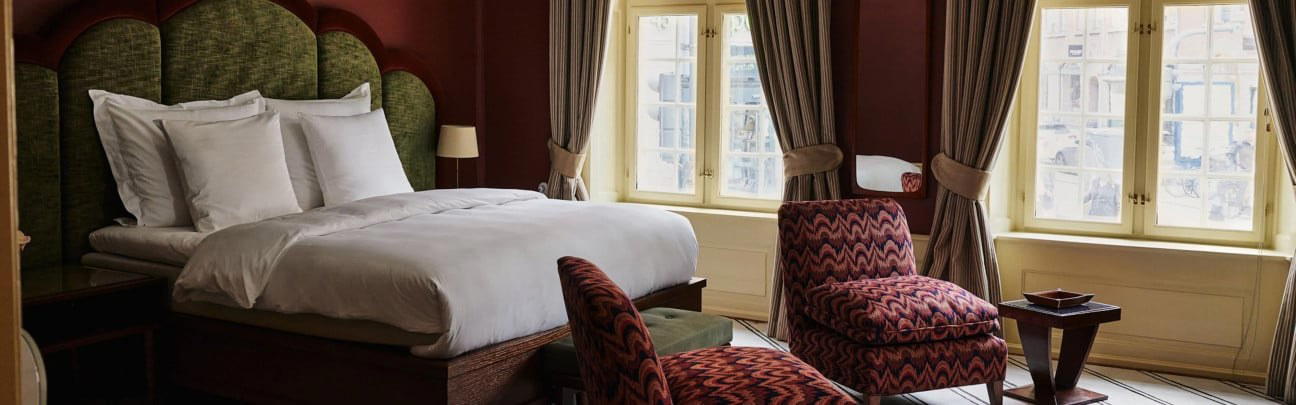
Warm, romantic decor inspired by Sicilian landscape with cosy orange brick backyard, colorful mosaics, and hand-painted plates evoking a summer evening in Sicily.