La Tivollière
Set within Château du Mollard in the Isère town of Saint-Marcellin, La Tivollière occupies a setting that frames the region's agricultural identity as directly as any menu could. The Drôme and Isère valleys that surround the town are among southeastern France's most productive for dairy, stone fruit, and walnuts, and that proximity shapes what ends up on the plate. For visitors moving between Lyon and Grenoble, it represents a considered stop in a corridor that rewards slower travel.
Pearl is the En Primeur Club membership app — saves, bookings, and concierge access live there. Same editors, same standards.
- Address
- Château du Mollard, 50 rue Georges DORLY, 38160 Saint-Marcellin, France
- Phone
- +33476382117
- Website
- lativolliere.com
- Directions
- Get directions
 Saves & bookings on Pearl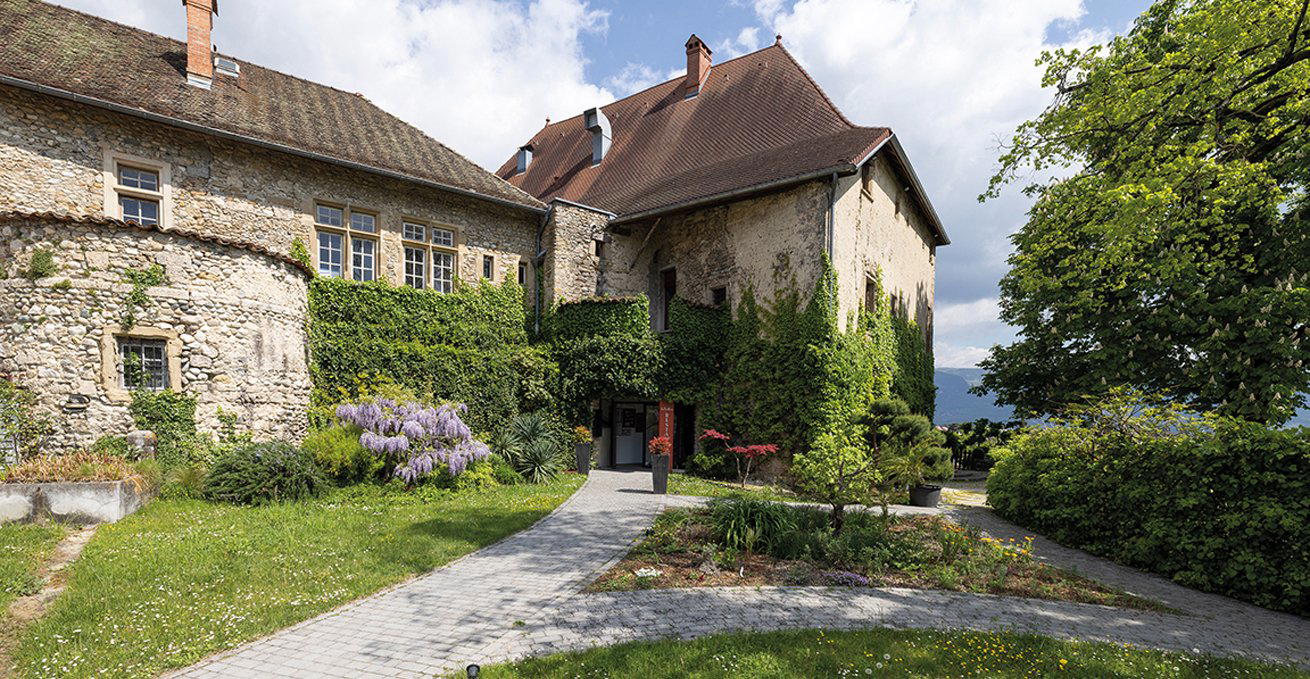
Château du Mollard and the Isère Valley Behind It
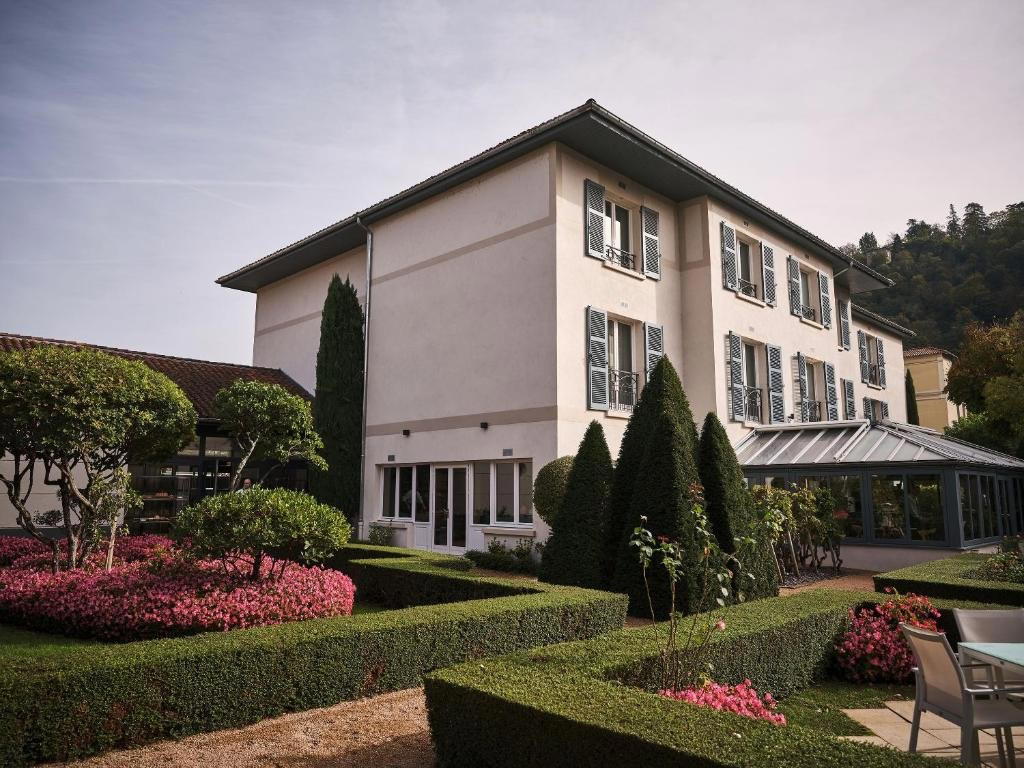
Approaching Saint-Marcellin from the Isère plain, the château architecture along rue Georges Dorly signals a different register of dining than the brasseries clustered around the town's central market. Château du Mollard, the address that houses La Tivollière, carries the physical grammar of a French provincial estate: stone facades, the suggestion of enclosed grounds, a sense that the building was designed around permanence rather than footfall. That built environment matters because it sets expectations before a single dish arrives, and in France's smaller towns, the relationship between a historic structure and the table inside it is rarely accidental. The Isère département sits at the edge of the Dauphiné, a region whose culinary identity has historically been shaped by altitude transitions, river agriculture, and a dairy tradition anchored firmly in the soft-rind cheese that bears this town's name.
The Dauphiné Larder and Why Saint-Marcellin Is a Serious Address
The ingredient logic of this part of southeastern France is worth understanding before you arrive. The Drôme and Isère valleys, bracketed to the east by the Vercors massif and to the west by the Rhône corridor, produce stone fruits, walnuts, and dairy at a density that has supplied Lyon's kitchens for generations. Saint-Marcellin itself is the origin point for one of France's most discussed soft cheeses, a lactic-set disc with protected designation of origin status that distinguishes the milk of local herds from any generic imitation. Restaurants operating in this geography inherit a supply chain that would cost a Paris kitchen considerable effort to replicate. What a place like La Tivollière does with that proximity is the central question for any visitor.
French regional cooking at its most considered treats the distance between farm and plate as an argument in itself. The shorter that distance, the less a kitchen needs to intervene, and the more clearly seasonal timing becomes the chef's primary instrument. In the Dauphiné tradition, this has long meant walnut oil over olive oil, freshwater fish from the Isère and its tributaries, and cream and cheese used as structural elements rather than finishing gestures. These are not fashionable choices: they predate modern farm-to-table framing by several centuries. Visitors who approach La Tivollière through this lens, rather than through the metrics of metropolitan fine dining, will read the experience more accurately.
How This Fits the Broader French Regional Scene
France's most celebrated regional tables tend to cluster in areas with both strong terroir identity and sufficient destination pull to sustain a serious kitchen year-round. Flocons de Sel in Megève works from Alpine sourcing at altitude; Troisgros - Le Bois sans Feuilles in Ouches has built a decades-long argument for Loire-adjacent produce; Bras in Laguiole operates from the Aubrac plateau in a way that makes the surrounding landscape feel like a collaborating ingredient. In each case, the power of the address derives less from urban proximity than from the clarity of a defined terroir. Saint-Marcellin belongs to that tradition of French towns where the food identity of the surrounding countryside is specific enough to sustain serious cooking without metropolitan scaffolding.
The contrast with the highest tier of French restaurant culture is instructive rather than unflattering. A table at Château du Mollard operates from a different premise: the value is in the specificity of place, the coherence of a regional supply chain, and the relative quietness of the setting. These are not lesser qualities; they serve a different reader decision entirely. Visitors planning a Lyon-to-Grenoble traverse who want to eat with regional intention rather than trophy efficiency will find Saint-Marcellin worth the detour.
Planning a Visit: What the Setting Demands
Saint-Marcellin sits roughly equidistant between Lyon and Grenoble on the A49 and N92 routes, making it a natural midpoint stop rather than a destination that requires its own dedicated journey from Paris. The town's market rhythm and the seasonal logic of the Isère valley mean that visits timed around spring and autumn will align with the more active moments in local produce cycles: asparagus and freshwater fish in spring, walnuts and late-harvest stone fruits in autumn. Summer brings tourists to the broader Drôme region, which can affect the character of smaller dining rooms. Given that no current booking data or operating hours are publicly confirmed for La Tivollière at the time of writing, direct contact with Château du Mollard before travel is the appropriate first step. The château address at 50 rue Georges Dorly is the working reference point for any reservation inquiry.
Dress expectations at a château-housed table in provincial France tend toward smart casual without the formality that a Parisian palace demands. The setting carries enough inherent weight that guests who arrive as though they understand where they are will be received accordingly. For the broader trip, our full Saint Marcellin restaurants guide covers the town's other dining options across price points, which is useful context if you are spending more than one meal in the area.
Context from Comparable French Regional Tables
The pattern of château and manor-house dining in provincial France runs from Alsace to Provence with considerable consistency: the building provides architectural distinction, the surrounding land provides supply logic, and the kitchen's job is to translate both into a coherent menu. Auberge de l'Ill in Illhaeusern has operated from an Alsatian riverside estate for generations; L'Oustau de Baumanière in Les Baux is anchored to a mas in the Alpilles; Georges Blanc in Vonnas draws on Bresse poultry in a way that makes the surrounding farmland functionally inseparable from the menu. La Tivollière at Château du Mollard occupies a position in this tradition: the estate format implies sourcing proximity, and the Isère valley delivers the raw material to make that proximity meaningful.
For travellers whose itinerary also includes high-end tables at either end of the Rhône corridor, Paul Bocuse - L'Auberge du Pont de Collonges north of Lyon and AM par Alexandre Mazzia in Marseille to the south represent the metropolitan anchors of that corridor. Saint-Marcellin sits in the quieter middle, which is where the most uncomplicated argument for Dauphiné cooking tends to be made.
How La Tivollière Saint Marcellin compares with similar nearby venues.
| Venue | Cuisine | Price |
|---|---|---|
| Au Roman du Vercors | Modern Cuisine | €€€ |
| Bistrot Louise | Modern Cuisine | €€ |
| Palégrié Chez l'Henri | Creative | €€€ |
| Les Tilleuls | Traditional Cuisine | €€ |
Continue exploring
More in Saint Marcellin
Restaurants in Saint Marcellin
Browse all →
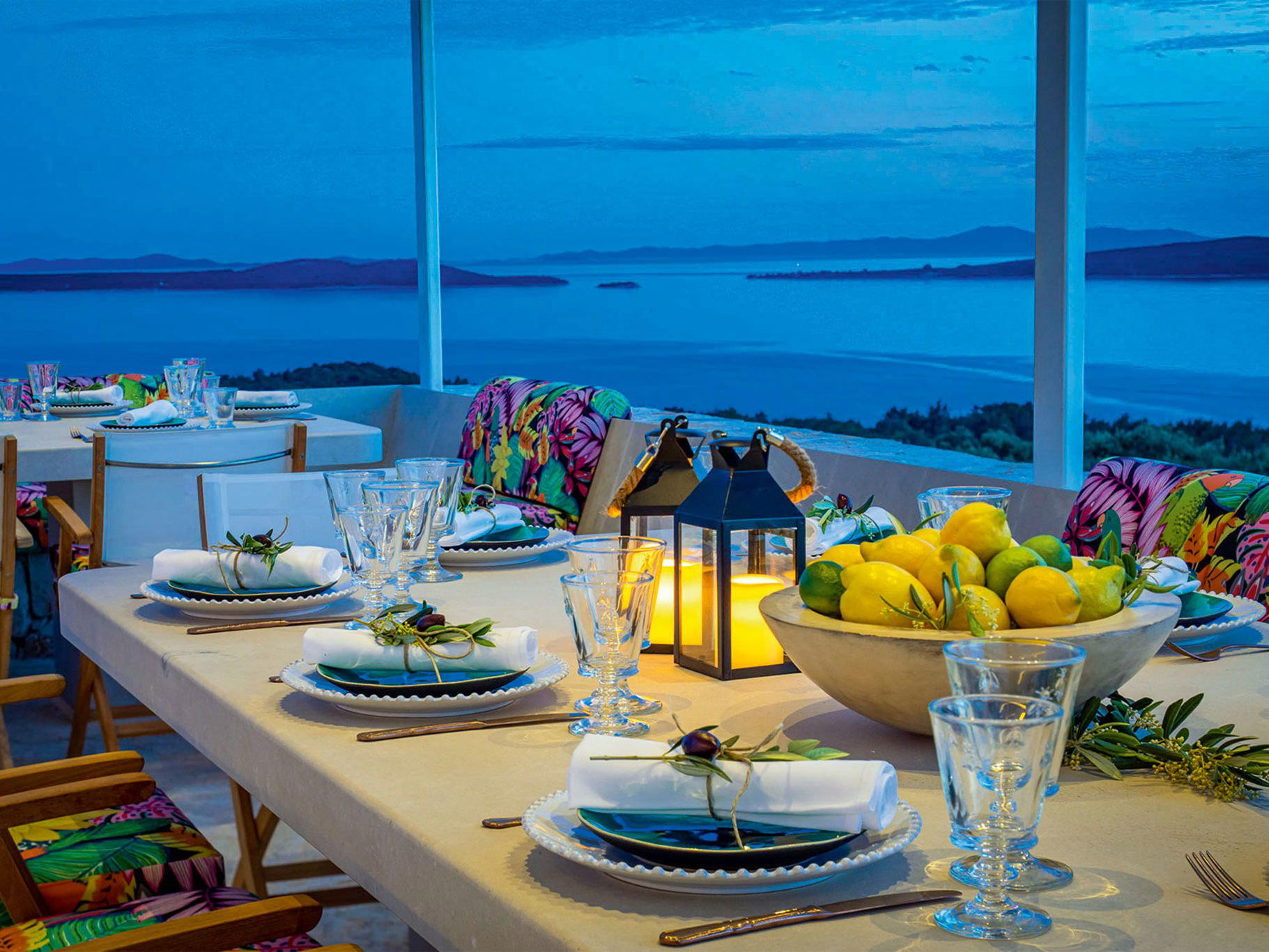
Bars in Saint Marcellin
Browse all →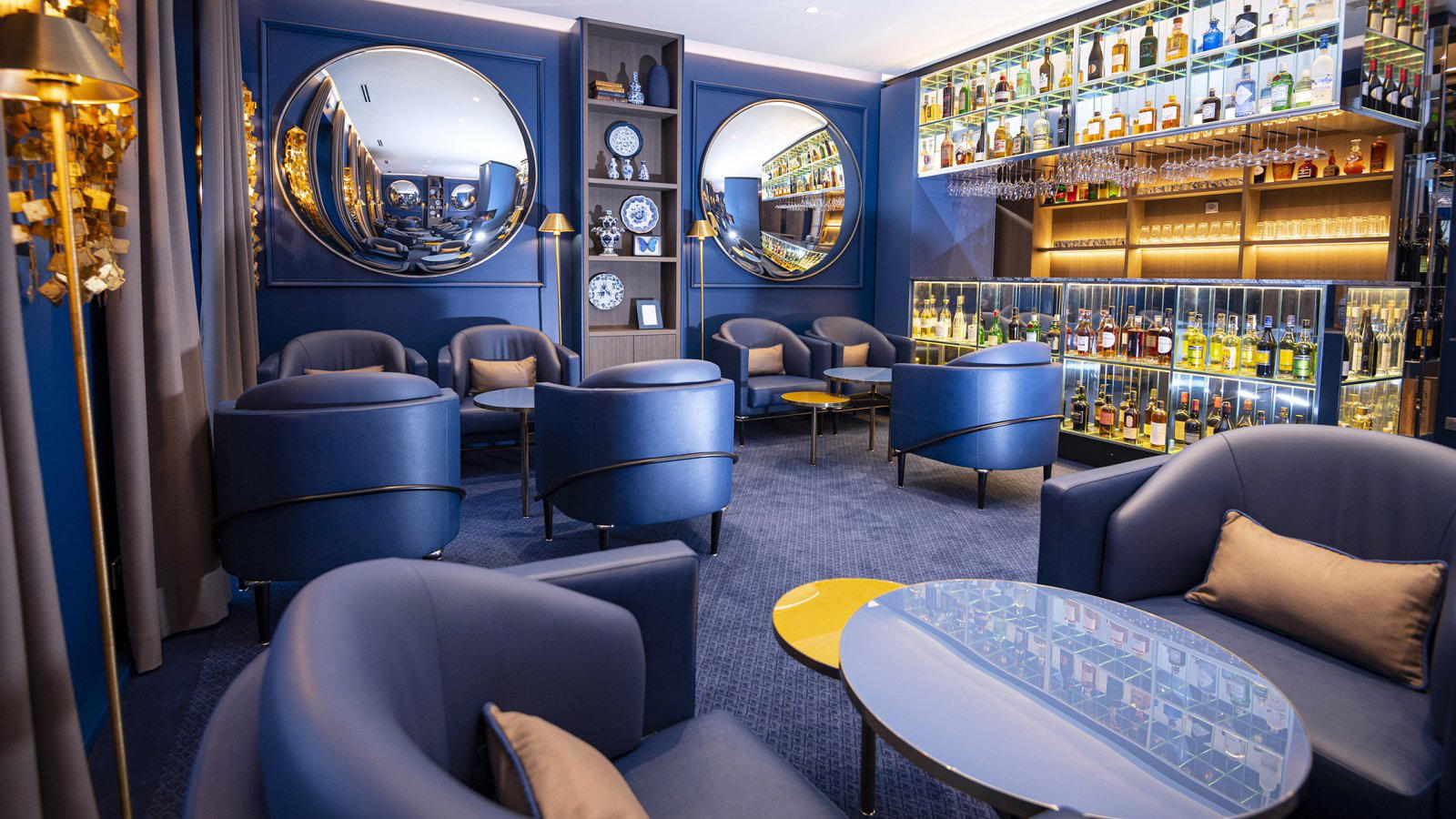
Hotels in Saint Marcellin
Browse all →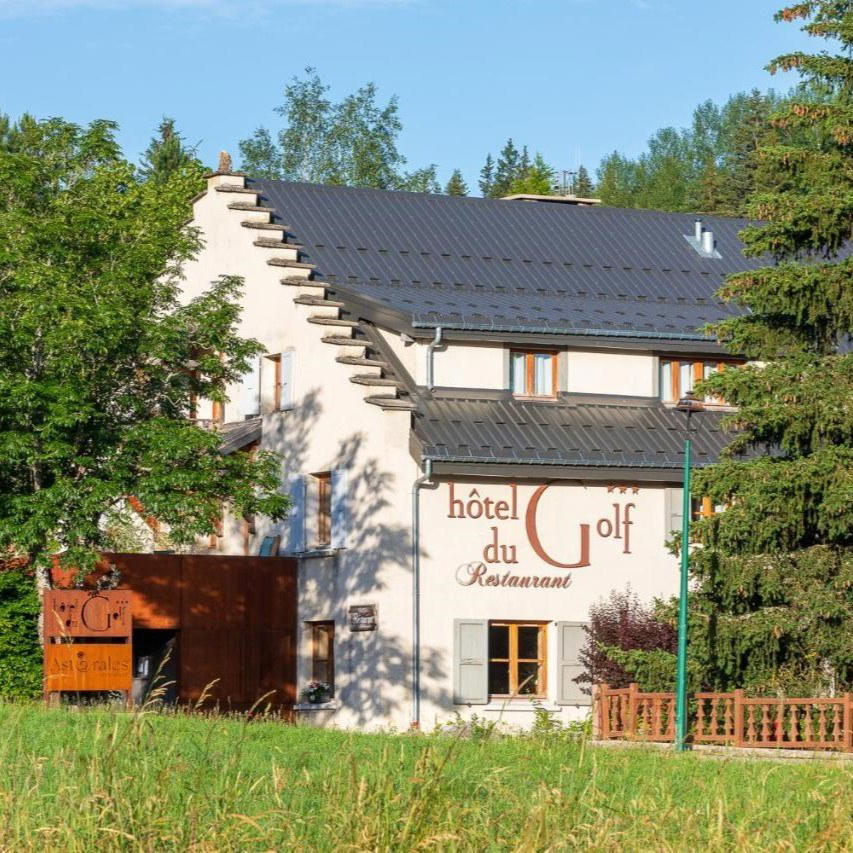

At a Glance
- Romantic
- Elegant
- Cozy
- Scenic
- Date Night
- Special Occasion
- Celebration
- Terrace
- Historic Building
- Private Dining
- Extensive Wine List
- Sommelier Led
- Local Sourcing
- Zero Waste
- Garden
Current opening hours
- Monday
- 12–1:30 PM
- Tuesday
- Closed
- Wednesday
- Closed
- Thursday
- 12–1:30 PM
- Friday
- 12–1:30 PM, 7:30–9 PM
- Saturday
- 12–1:30 PM, 7:30–9 PM
- Sunday
- 12–1:30 PM
Hours can change for holidays and private events. Last verified .
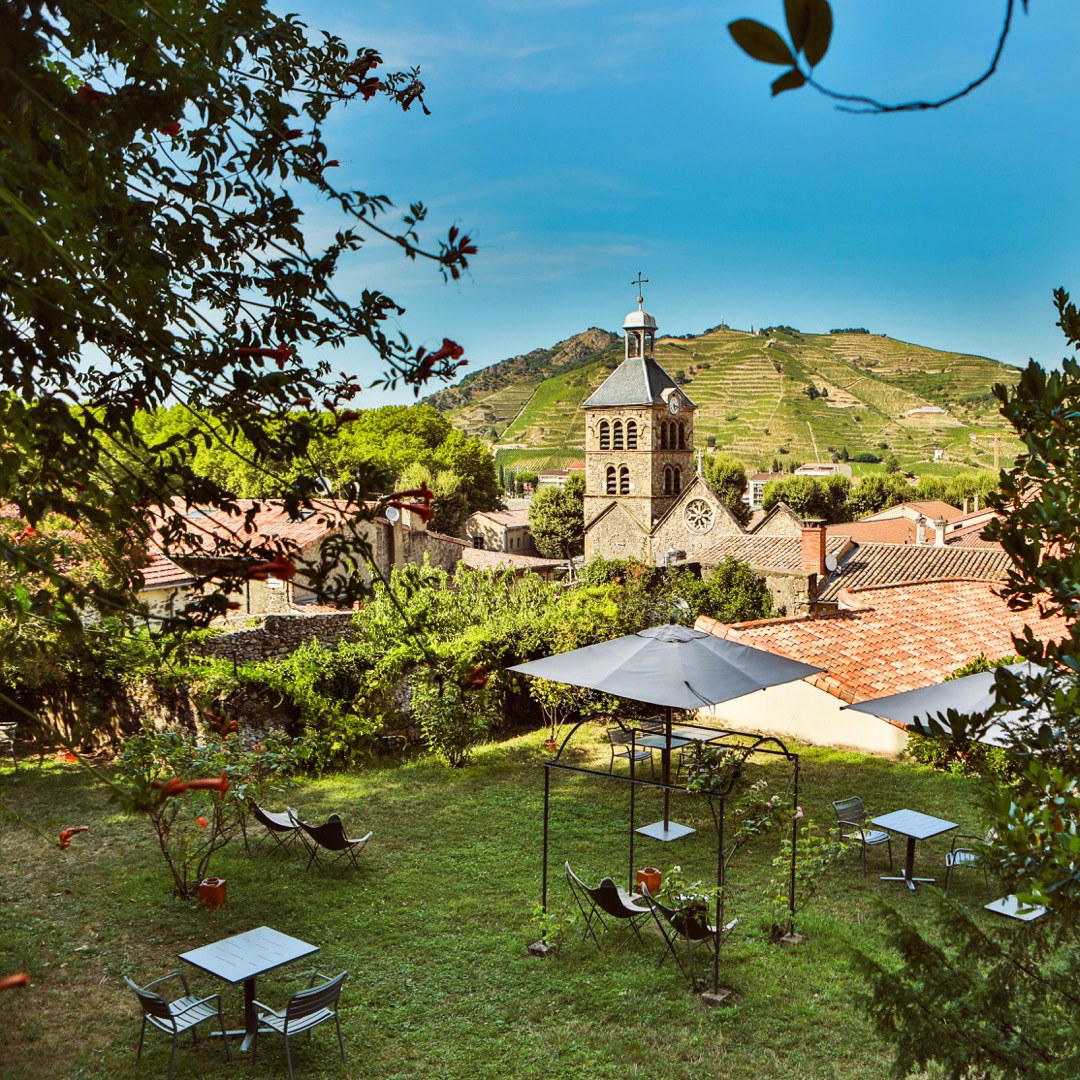
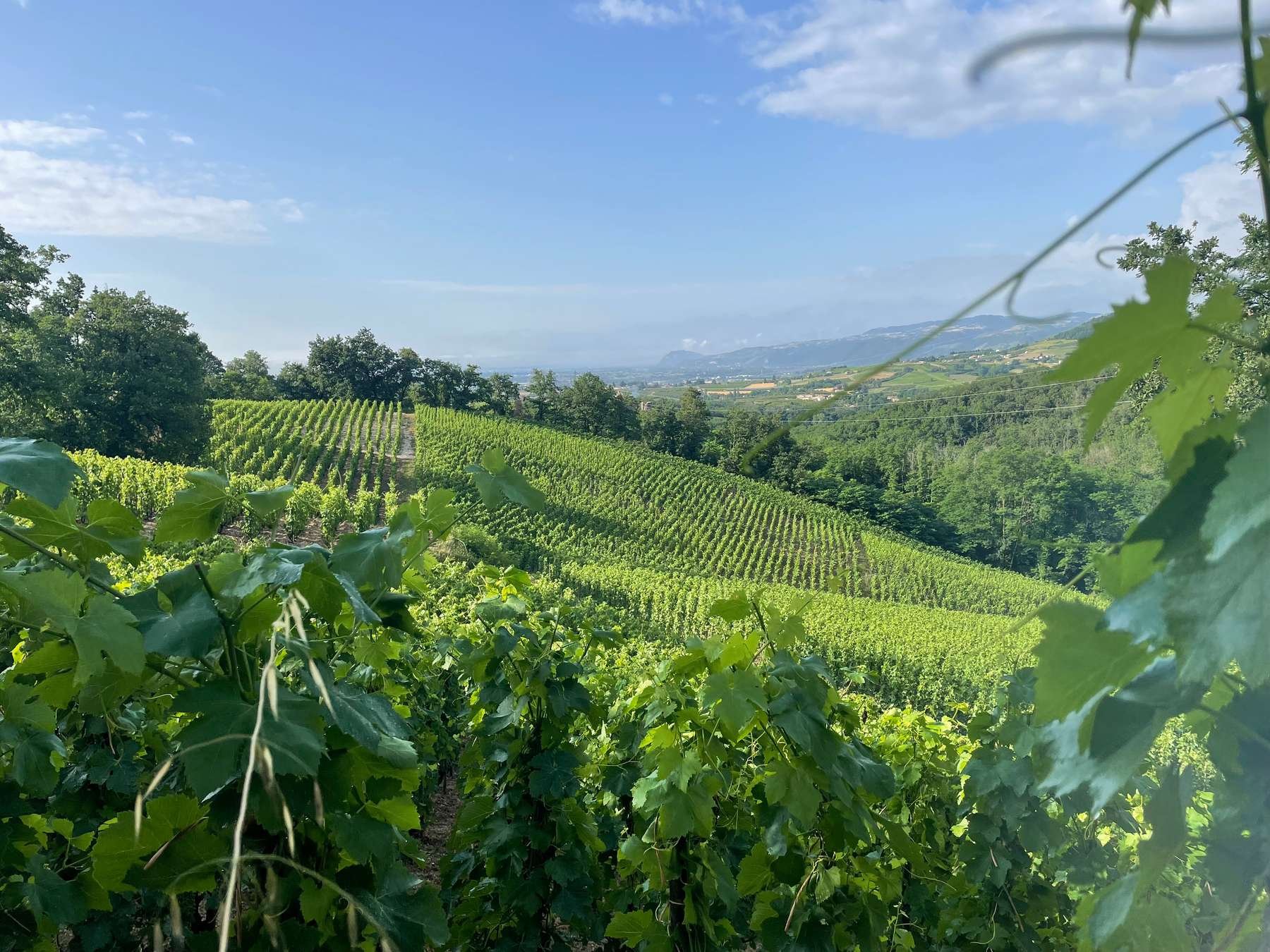
Cozy terrace shaded by trees in a verdoyant setting, intimate and serene atmosphere with welcoming service.
Know Before You Go
- Getting there
- Château du Mollard, 50 rue Georges DORLY, 38160 Saint-Marcellin, France