Alain Passard's Normandy garden is the supply chain behind one of France's most discussed vegetable-forward kitchens. The property functions as a working farm supplying L'Arpège in Paris, grounding that three-Michelin-starred restaurant's menu in soil that Passard's team tends directly. For anyone tracing the source of modern French cuisine's turn toward the garden, this is where the argument begins.
Pearl is the En Primeur Club membership app — saves, bookings, and concierge access live there. Same editors, same standards.
- Address
- Normandy, France
- Directions
- Get directions
 Saves & bookings on Pearl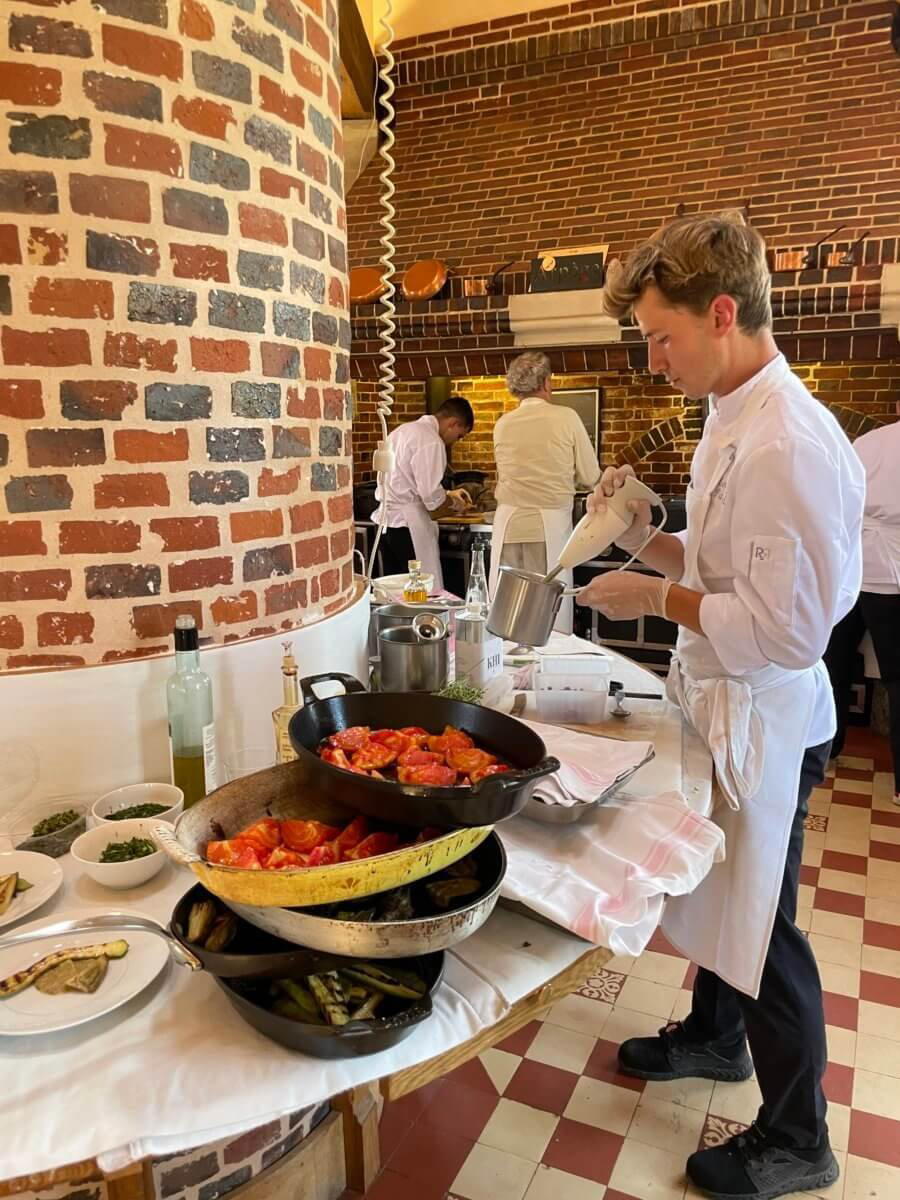
Where the Harvest Begins
French haute cuisine has spent the past two decades reorienting itself around sourcing. The shift from protein-centred tasting menus toward vegetable-driven cooking did not happen in restaurant kitchens alone — it happened in fields, and the chefs who made that argument most forcefully were the ones who controlled their own supply. Alain Passard's Normandy garden sits at the origin point of that movement in France. The property is a working farm, not a decorative backdrop, and its output feeds directly into L'Arpège, the three-Michelin-starred Paris address that Passard has run since 1986 and which earned its third star in 1996.
The broader pattern is worth understanding before you arrive at any individual garden or restaurant gate. When a chef at the three-star level commits to farming their own land rather than sourcing from specialist suppliers, the decision reconfigures everything: the menu follows the soil and the season rather than the reverse. That inversion is more radical than it sounds. Most kitchens at the top of the Michelin hierarchy still plan menus weeks in advance and source ingredients to match those plans. A garden-first approach requires the kitchen to receive what the land produces and build from there. The Normandy property is the physical mechanism of that discipline.
The Logic of Passard's Garden Estate
Passard's farming operation is distributed across three gardens in different French regions, with the Normandy property among the most established. Normandy's climate — Atlantic-facing, reliably damp, with long growing seasons and heavy soil, suits root vegetables, brassicas, and heritage varieties that struggle in drier, more southerly terrain. The same conditions that make the region famous for dairy and apples make it productive ground for the kind of slow-maturing vegetables that dominate the L'Arpège style.
This is not kitchen garden territory on a domestic scale. The farming operation supplies a three-star Paris restaurant with a full service schedule, which implies volume, consistency, and coordination between what is planted and what is needed across any given week. The produce travels from Normandy to the 7th arrondissement, where it shapes the daily menu rather than supplementing a fixed one. That pipeline between soil and plate has become one of the more discussed supply relationships in French gastronomy, and the Normandy garden is a central part of it.
For context on where Passard sits within French cuisine's broader geography, Mirazur in Menton operates a comparable garden-to-table model on the Mediterranean coast, and Bras in Laguiole has argued for regional terroir-driven cooking from the Aubrac plateau for decades. Troisgros - Le Bois sans Feuilles in Ouches represents another strand of the same argument, that the most serious French cooking is increasingly anchored to a specific geography rather than a generalised classical tradition. Passard's Normandy garden is the supply infrastructure behind a Paris restaurant that belongs in any conversation with those addresses.
Sourcing as Editorial Statement
The decision to farm rather than simply procure is, in France's three-star context, an editorial statement about what haute cuisine should prioritise. Passard's move toward vegetables as the centre of the plate, which became pronounced in the early 2000s, required a supply system he could control. A starred kitchen dependent on external suppliers, however specialist, is still operating at one remove from the source. The garden eliminates that remove.
That model has influenced a generation of chefs across France. Christopher Coutanceau in La Rochelle and La Marine in Noirmoutier-en-l'île both operate with direct relationships to coastal and agricultural producers, though at different scales and in different idioms. Auberge du Vieux Puits in Fontjoncouse and L'Oustau de Baumanière in Les Baux both embed garden growing into their identity at the property level. The Normandy farm is an earlier and more sustained version of an approach that has since become a marker of seriousness at the top of the French market.
Internationally, the comparison set expands further. Le Bernardin in New York City and Atomix in New York City represent a different axis of sourcing discipline, fishery and producer relationships rather than owned land, but the underlying principle is similar: control over provenance as a non-negotiable condition of cooking at the highest level.
Planning a Visit to Normandy
The garden itself is a working agricultural property rather than a public attraction, which means access is not a given. Visitors interested in the Passard farming operation should approach through the L'Arpège reservation channel in Paris rather than expecting independent garden tourism. The farm's output is leading understood through the menu at L'Arpège, where the Normandy harvest appears in whatever form the season dictates. For those travelling to Normandy for food-focused reasons, our full Normandy restaurants guide maps the broader dining context in the region, which has strong independent restaurant credentials beyond this particular farm's significance.
For comparisons within the French three-star tier that Passard's Paris address occupies, Alléno Paris au Pavillon Ledoyen, Assiette Champenoise in Reims, Georges Blanc in Vonnas, Paul Bocuse - L'Auberge du Pont de Collonges, Auberge de l'Ill in Illhaeusern, Au Crocodile in Strasbourg, Flocons de Sel in Megève, and AM par Alexandre Mazzia in Marseille each represent distinct regional anchors in the French haute cuisine map, useful reference points for understanding where Passard's garden-first philosophy sits relative to peers who have chosen different defining principles.
Comparison Snapshot
| Venue | Cuisine | Price | Awards |
|---|---|---|---|
| Alain Passard's GardenThis venue — the venue you are viewing | This venue | Not listed | Not listed |
| Alléno Paris au Pavillon Ledoyen | Creative | €€€€ | Michelin 3 Star |
| Kei | Contemporary French, Modern Cuisine | €€€€ | Michelin 3 Star |
| L'Ambroisie | French, Classic Cuisine | €€€€ | Michelin 3 Star |
| Le Cinq - Four Seasons Hôtel George V | French, Modern Cuisine | €€€€ | Michelin 3 Star |
| Mirazur | Modern French, Creative | €€€€ | Michelin 3 Star |
Continue exploring
More in Normandy
Restaurants in Normandy
Browse all →
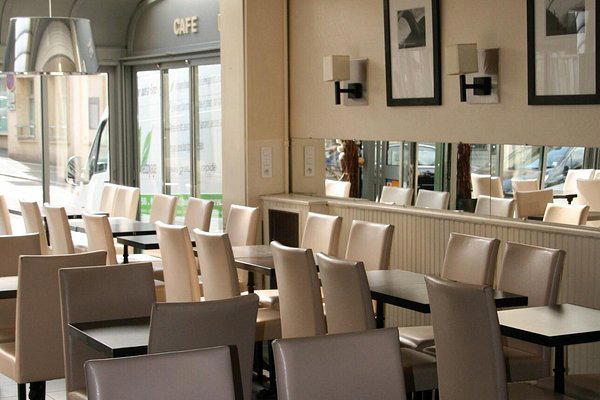
Hotels in Normandy
Browse all →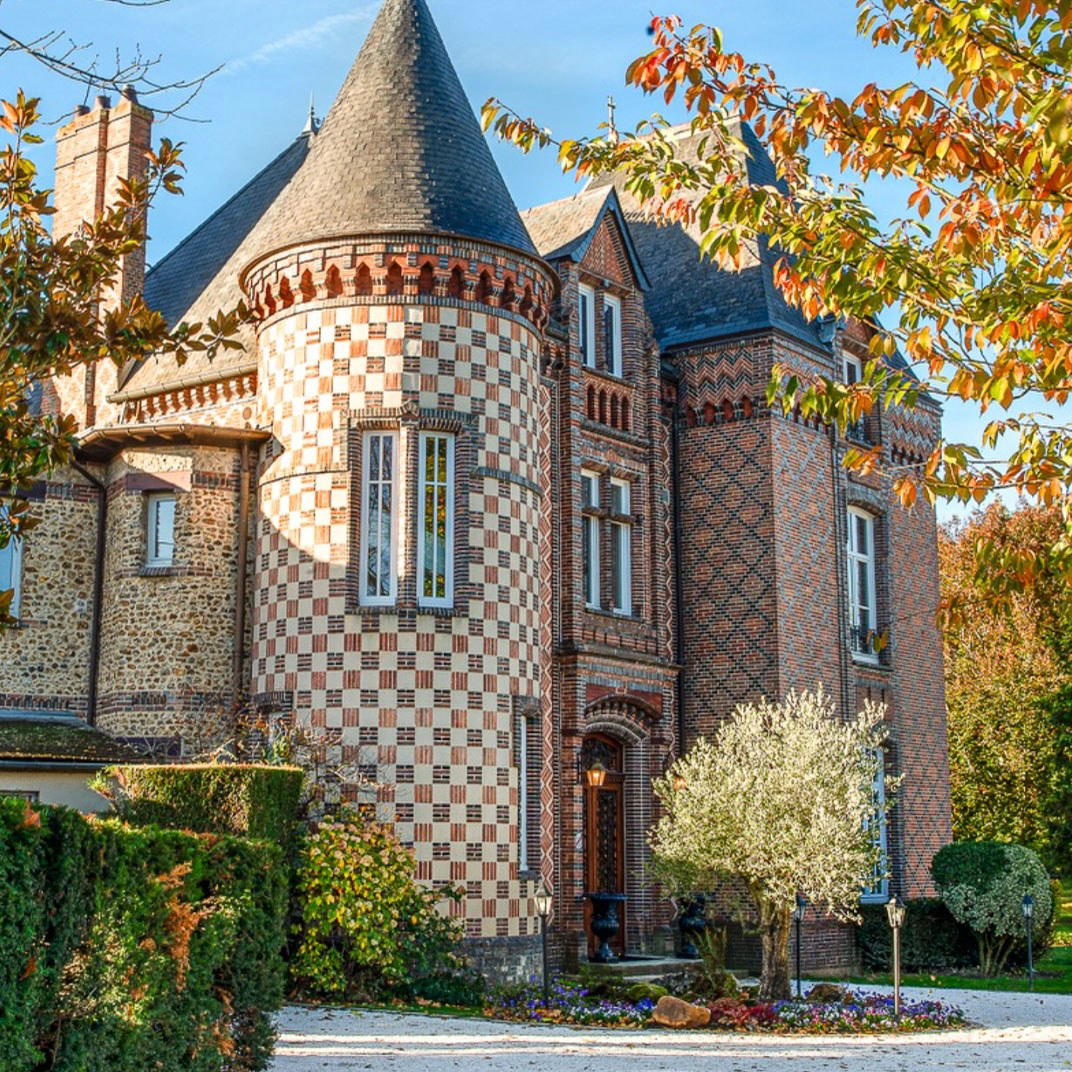
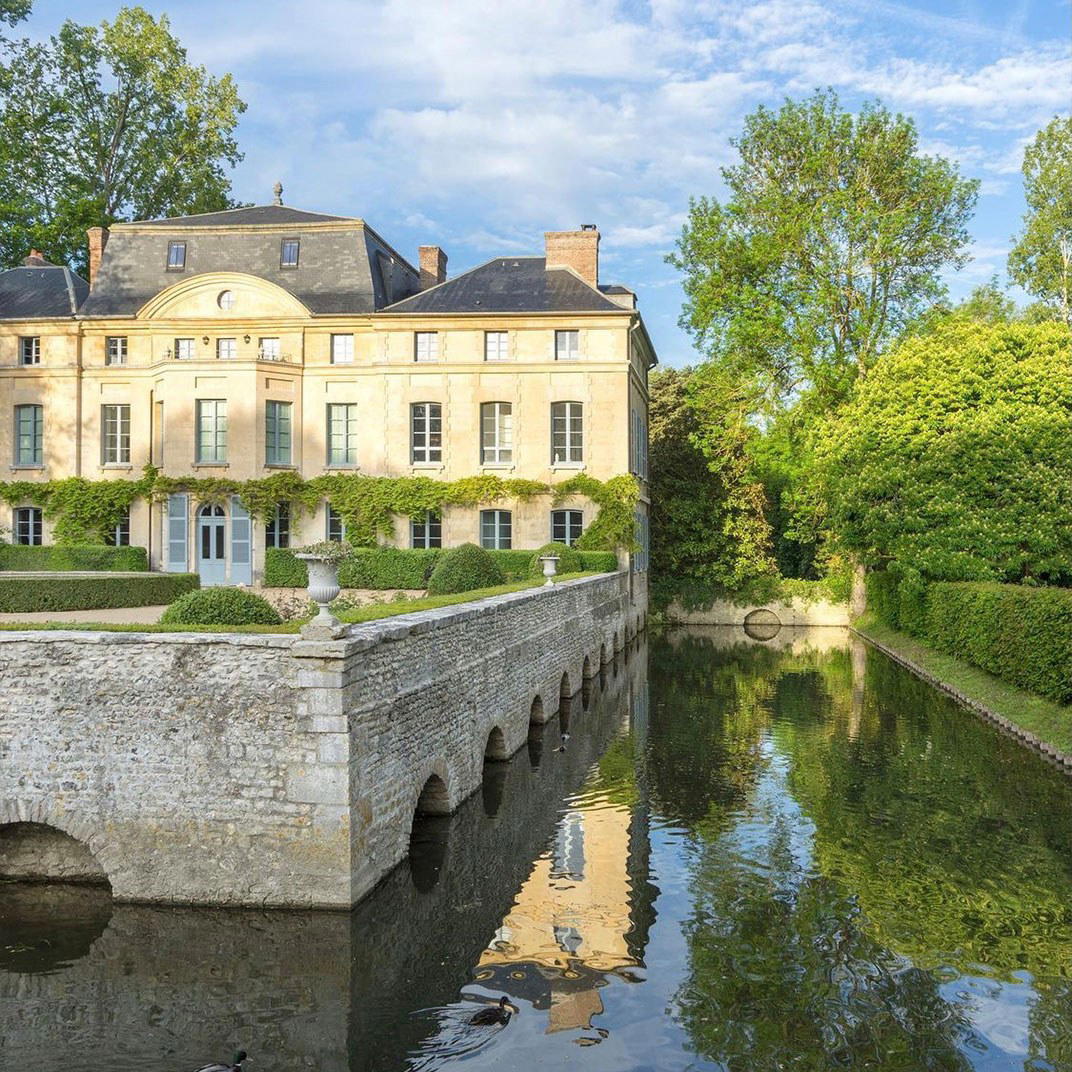
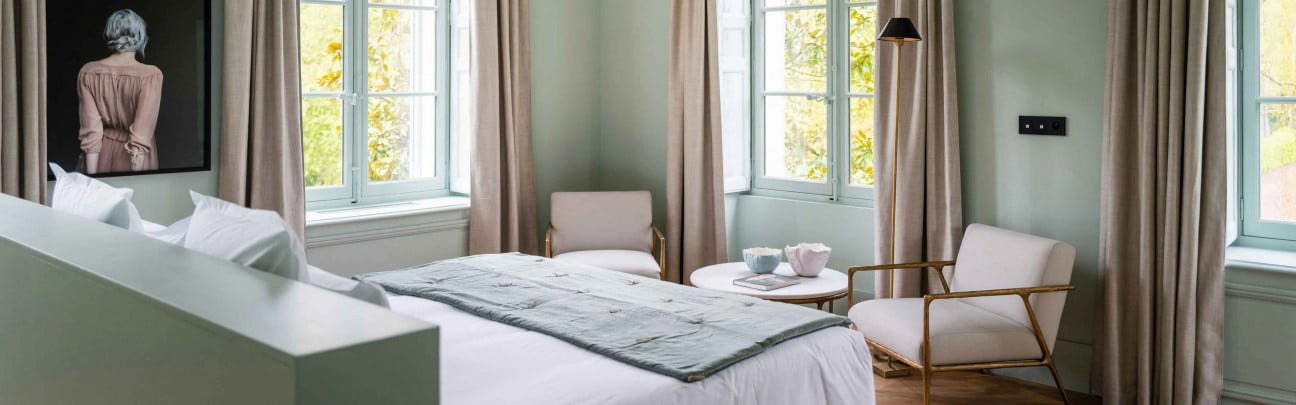
Wineries in Normandy
Browse all →
At a Glance
- Scenic
- Rustic
- Elegant
- Intimate
- Special Occasion
- Private Event
- Garden
- Farm To Table
- Organic
- Garden
Farmhouse-style environment with incredible natural light, surrounded by lush vegetable gardens in a serene Normandy terroir.