La Tambouille has held its place on Av. Nove de Julho in São Paulo's Itaim Bibi district long enough to become a reference point in a neighbourhood that rarely stands still. It draws a crowd that returns on rhythm rather than occasion, the kind of clientele that signals institutional reliability rather than trend-chasing. For anyone reading São Paulo's restaurant scene, it belongs in the conversation about what lasting restaurant culture actually looks like.
Pearl is the En Primeur Club membership app — saves, bookings, and concierge access live there. Same editors, same standards.
- Address
- Av. Nove de Julho, 5925 - Itaim Bibi, São Paulo - SP, 04536-040, Brazil
- Phone
- +551130796277
- Website
- tambouille.com.br
- Directions
- Get directions
 Saves & bookings on Pearl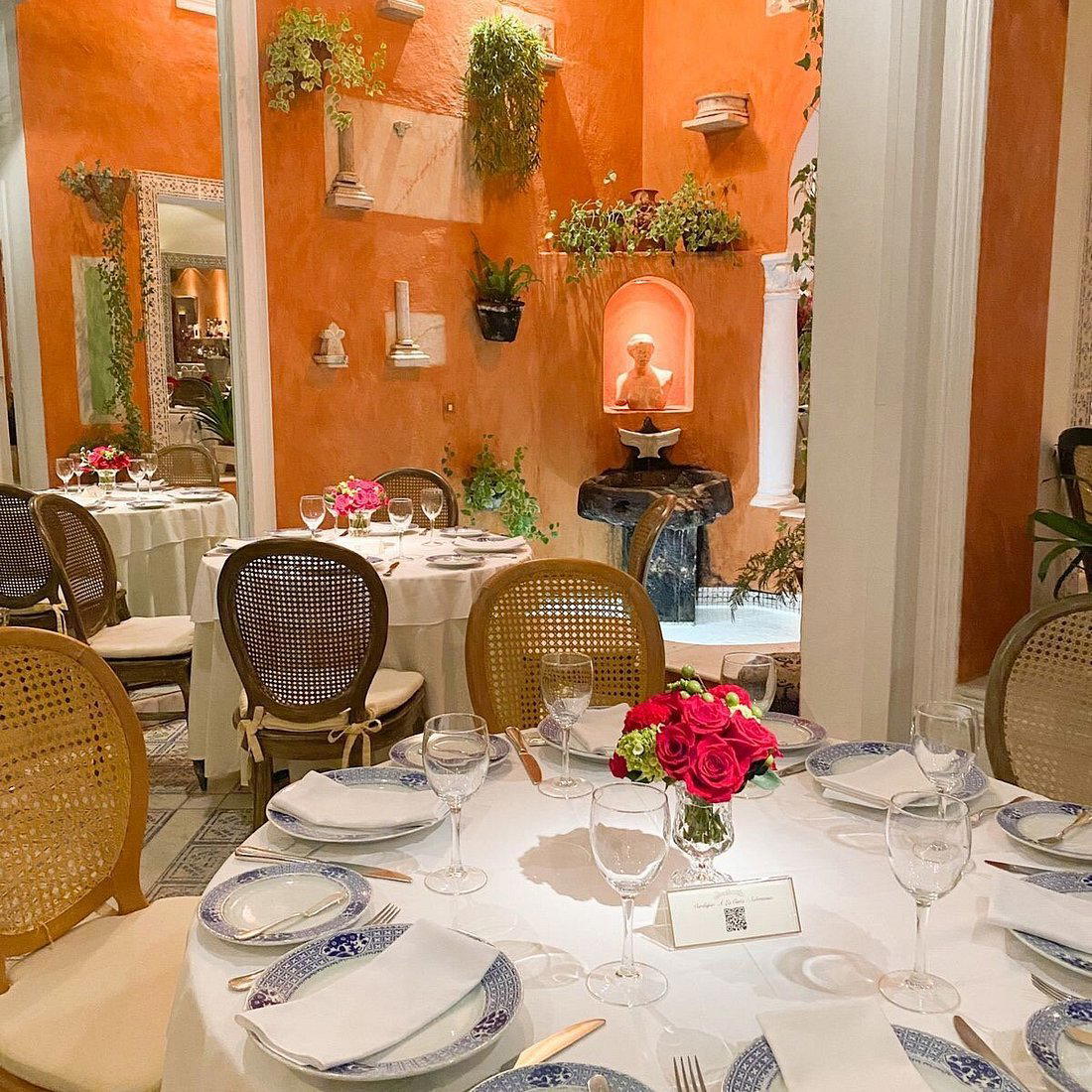
What Itaim Bibi Looks Like When a Room Has History
Itaim Bibi is São Paulo's finance-adjacent, design-conscious restaurant district, where openings arrive quickly and closures follow at roughly the same pace. Against that backdrop, a restaurant on Av. Nove de Julho that has accumulated a loyal, returning clientele over years rather than months occupies a different category entirely. La Tambouille sits in that position: a room that regulars have folded into their routines rather than reserved for special occasions, which in São Paulo's dining culture is a more durable form of recognition than a splashy debut.
The neighbourhood itself shapes expectations. Itaim Bibi pulls a corporate lunch crowd during the week and a more deliberately social dinner crowd on evenings, and the restaurants that survive across both modes tend to be the ones with enough consistency to function as a kind of anchor. La Tambouille's address on Av. Nove de Julho places it inside that current, close to the concentration of contemporary operators that includes Fame Osteria and within reasonable reach of the creative Brazilian operators further west. Location alone doesn't explain loyalty, but it helps explain access.
The Regulars' Logic
In São Paulo's upper-middle dining tier, regulars tend to self-select around two things: reliability of execution and the social legibility of the room. A restaurant that draws a returning crowd is implicitly one where guests can predict their experience with enough confidence to bring a client, a partner, or a table of colleagues without anxiety. That kind of trust is built incrementally and lost quickly, which is why the restaurants that hold a loyal base in Itaim Bibi tend to be operationally tighter than their peers, even when the headline creative ambition is lower.
What keeps regulars at La Tambouille returning is less about a single dish or a seasonal menu reveal and more about the accumulated confidence that the room functions well. São Paulo's most talked-about creative operators, from D.O.M. to Tuju, compete on innovation and credential. The restaurant occupies a different register: the restaurant you return to because returning is the point. That positioning is neither lesser nor more conservative; it simply answers a different question about what dining is for.
There is an unwritten menu in most well-established restaurants, the set of dishes or rhythms that regulars know and newcomers have to discover. What the address and longevity do signal is that the kitchen has been reading its audience over time and calibrating accordingly, the standard mechanism by which loyal clientele and a stable menu develop together in a restaurant with staying power.
São Paulo's Dining Tiers and Where This Fits
São Paulo's restaurant scene has organised itself into fairly legible tiers over the past decade. At the leading sits a cohort of internationally recognised creative operators: Maní, Evvai, and D.O.M. compete in that bracket, drawing international attention and running tasting-menu formats priced above R$600 per head in many cases. Below that, and in some ways more central to how the city actually eats, is a tier of reliable full-service restaurants where the audience is local, the return rate is high, and the dining proposition is about consistent quality rather than creative risk. The restaurant positions inside this second tier.
That comparison matters for how a first-time visitor should calibrate expectations. The reference points for São Paulo's creative edge, from Lasai in Rio de Janeiro in the broader Brazilian context to Le Bernardin in New York City or Atomix at the global tier, are doing something categorically different. The restaurant is not competing on that axis. It is competing on the axis of institutional reliability, and on that measure, its longevity in one of Brazil's most demanding dining markets is especially legible credential available.
For visitors spending time in São Paulo's broader restaurant scene, the city rewards navigating across tiers rather than staying only at the marquee end.
Itaim Bibi in Context
Itaim Bibi's restaurant concentration is a product of the neighbourhood's economic density. The district runs high on corporate real estate and private wealth, which produces a dining audience with both the means and the appetite for regular restaurant spending. That dynamic has drawn most of São Paulo's serious operators into the area at one point or another, making it the default reference neighbourhood for anyone trying to read the city's restaurant culture from the outside.
Within that context, a restaurant that has held a consistent position on a major Itaim Bibi artery is operating under conditions of high competitive pressure. The restaurants that do not hold their audience in this neighbourhood tend to close or reformat within two to three years. The ones that survive a full cycle or more tend to do so because they have locked in a clientele that treats them as a default rather than a destination. The restaurant's location on Av. Nove de Julho, in the heart of that zone, gives it both the exposure and the pressure that test whether a restaurant's model is durable.
Across Brazil's other restaurant cities, the equivalents of this positioning are instructive: operators like Cantina Pozzobon in Santa Maria or Bistro Fitz Carraldo in Manaus demonstrate that durable restaurant culture exists outside São Paulo's creative-tasting-menu conversation. The common thread is a clientele that returns on rhythm.
Planning a Visit
The restaurant is at Av. Nove de Julho, 5925, in Itaim Bibi, a direct address in a neighbourhood with good access by both taxi and rideshare from central São Paulo. Given its position in a competitive, high-demand district and its apparent status as a regular haunt rather than a drop-in venue, booking ahead is a reasonable precaution. Itaim Bibi's lunch and dinner peaks are pronounced, and the restaurants that hold a loyal base tend to be the ones with the least available walk-in capacity during prime hours. Reservations are essential. Dress code is business casual.
Cuisine Lens
Comparable venues nearby, for context on price, style, and recognition.
| Venue | Cuisine | Price | Notes |
|---|---|---|---|
| La TambouilleThis venue — the venue you are viewing | Franco-Italian Fine Dining | $$$$ | Not listed |
| Parigi | Traditional French-Italian Bistro | $$$$ | Pinheiros |
| Charlo | French Bistro with Brazilian Influences | $$$$ | Jardim Paulista |
| RUELLA Bistrô | French-Brazilian Bistro with Oriental Touches | $$$ | Itaim Bibi |
| Aruzz | Enogastronomic Experiences | $$$$ | Barra Funda |
| By Koji | Japanese Sushi and Seafood | $$$$ | Morumbi |
Continue exploring
More in São Paulo
Restaurants in São Paulo
Browse all →
Bars in São Paulo
Browse all →
At a Glance
- Elegant
- Sophisticated
- Romantic
- Well Known
- Classic
- Date Night
- Business Dinner
- Celebration
- Special Occasion
- Historic Building
- Private Dining
- Extensive Wine List
- Sommelier Led
- Local Sourcing
Current opening hours
- Monday
- Closed
- Tuesday
- 12–3 PM, 7–11 PM
- Wednesday
- 12–3 PM, 7–11 PM
- Thursday
- 12–3 PM, 7–11 PM
- Friday
- 12–3 PM, 7 PM–12 AM
- Saturday
- 12–4 PM, 7 PM–12 AM
- Sunday
- 12–5 PM
Hours can change for holidays and private events. Last verified .
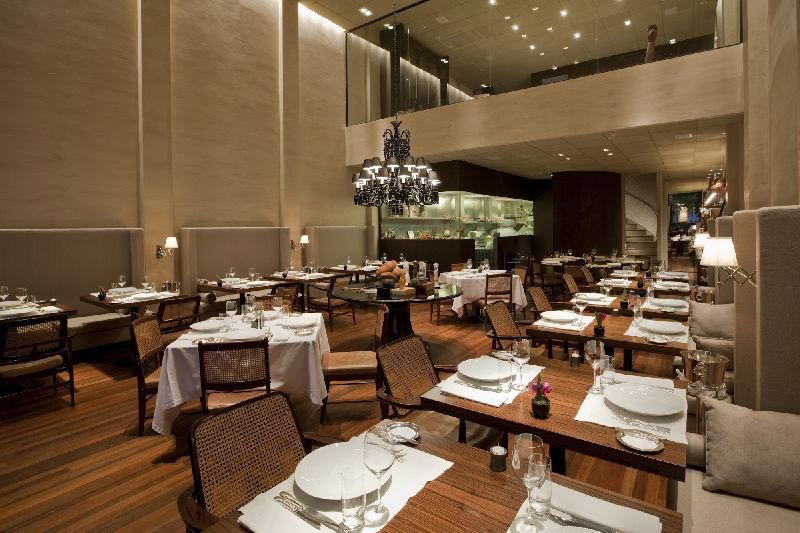
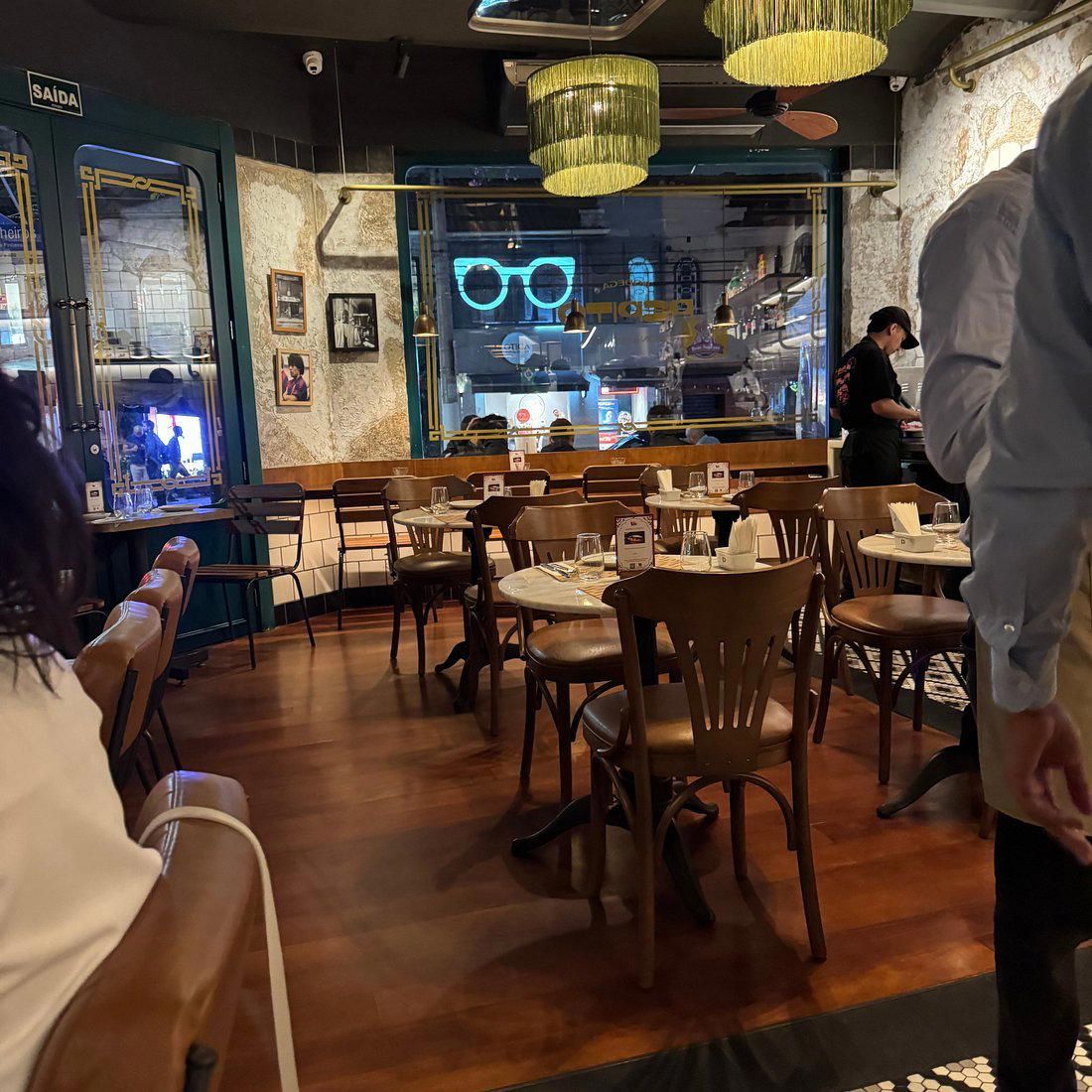
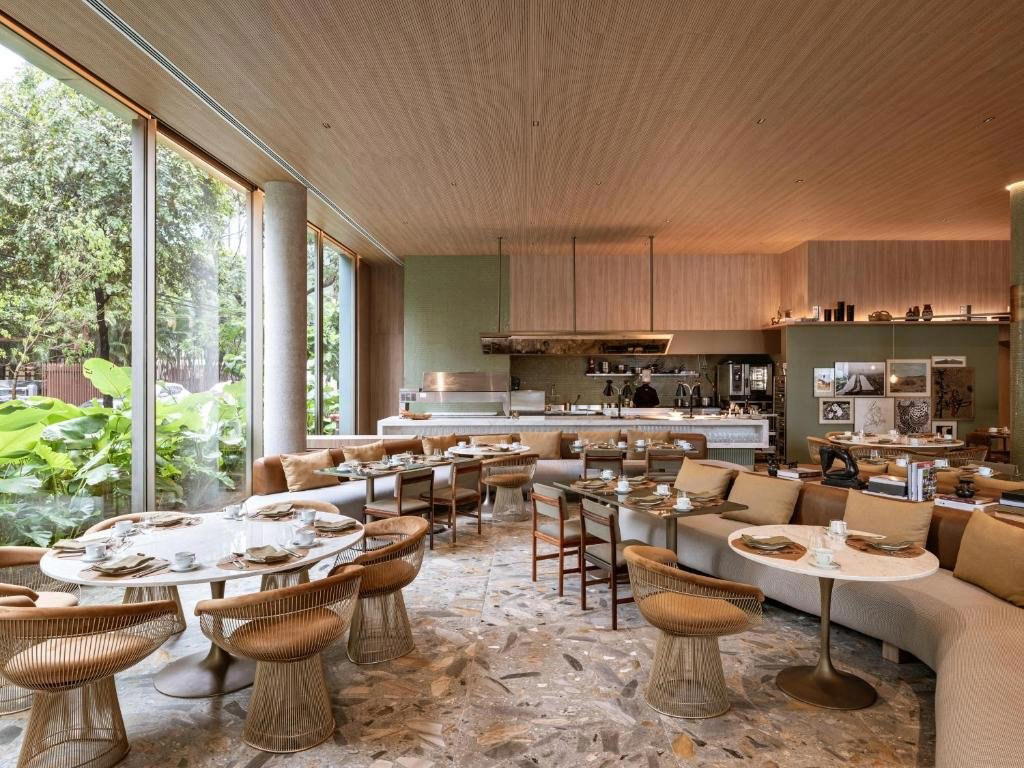
Refined and sophisticated with pristine white tablecloths, tasteful artwork, and an atmosphere reminiscent of an elegant Italian villa that evokes warmth and timeless elegance.