Our verdict
On Rua Barão de Capanema in Cerqueira César, Charlo occupies a corner of São Paulo's most restaurant-dense neighbourhood with the quiet confidence of a place that doesn't need to announce itself. The cooking draws a loyal returning clientele rather than a rotating cast of first-timers, positioning it within the city's mid-to-upper dining tier alongside addresses like Maní and Fame Osteria.

Pearl is the En Primeur Club membership app — saves, bookings, and concierge access live there. Same editors, same standards.
- Address
- R. Barão de Capanema, 438 - Cerqueira César, São Paulo - SP, 01411-010, Brazil
- Phone
- +551130874444
- Website
- bistrocharlo.com.br
- Directions
- Get directions
The menu
What to order
- Sea scallops with hearts of palm
- Grilled duck breast with pears and spinach
- Fig compote with almond cookies
Cerqueira César and the Restaurants That Earn Their Regulars
Rua Barão de Capanema runs through Cerqueira César with the low-key authority of a street that has never needed to market itself. The neighbourhood sits between the commercial density of Paulista and the quieter residential blocks of Jardim América, and it concentrates some of the city's most-discussed restaurants within a few walkable minutes. In that context, a table at Charlo on Barão de Capanema 438 is less a discovery than a deliberate choice: this is the kind of address you find out about from someone who has already been three or four times, not from a travel supplement.
São Paulo's upper dining tier has bifurcated over the past decade. On one side sit the format-driven tasting-menu counters, the kind of operations where the meal is structured as a sequence and booking windows open months in advance. On the other side is a smaller cohort of restaurants that retain a more flexible, room-driven format — places where regulars sit at their preferred tables, order from a list they already know, and are recognised by staff. Charlo belongs to that second category, and in Cerqueira César it shares that positioning with neighbours like Fame Osteria, where the Italian-contemporary format rewards repeat visits over single-occasion tourism.
What Keeps People Coming Back
The regulars' economy in São Paulo restaurants is not incidental — it is structural. A city of 22 million with a deeply food-literate upper-middle class produces a dining culture where loyalty is currency. Restaurants that hold a core returning clientele operate differently from those optimised for first-timers: the menu evolves in conversation with what those regulars want rather than around what photographs well, and the service calibrates to recognition rather than orientation. Maní in Pinheiros has built its longevity partly on that dynamic, sustaining a Brazilian-international format across years of industry turbulence by holding its core audience. The pattern at Charlo suggests a similar logic at work.
In a neighbourhood where Evvai draws diners willing to commit to a full tasting progression and D.O.M. has for years anchored the Michelin-visible end of creative Brazilian cooking, Charlo occupies a different register. It is not competing for the formal occasion market. The address, the residential character of the street at ground level, and the profile of the clientele it attracts suggest a room pitched at the kind of meal you have on a Tuesday because you felt like it, not one you circled on a calendar six weeks out.
The Neighbourhood as Context
Cerqueira César's dining density is worth understanding on its own terms before arriving with expectations calibrated to São Paulo's more publicised food corridors. Vila Madalena draws creative-format restaurants and a younger crowd. Pinheiros absorbs the natural-wine and bistro traffic. Itaim Bibi handles corporate expense-account dining with scale and reliability. Cerqueira César operates in a slightly different register: moneyed, residential, with a clientele that tends to prefer discretion over spectacle and has the knowledge base to find what it wants without signposting.
In that setting, proximity matters. Barão de Capanema places Charlo within a short walk of Avenida Paulista's cultural anchors, the MASP museum, the Trianon park, the weekend pedestrian closure that draws the city's cross-section, while remaining insulated from the avenue's commercial volume. It is a location that filters for intention: you are there because you chose to be, not because you wandered in.
For diners building a broader Brazilian itinerary, the comparison set extends well beyond the city. Oteque in Rio de Janeiro represents the formal tasting-menu end of the national high-end spectrum, while Manu in Curitiba and Manga in Salvador show how regional identity inflects cooking across different Brazilian cities. Birosca S2 in Belo Horizonte is another useful data point for understanding how mid-format, loyalty-driven restaurants sustain themselves outside the capital. Against that national backdrop, Charlo's position in São Paulo's mid-to-upper tier reflects a particular kind of durability: quiet, consistent, and sustained by people who return rather than people who arrive.
For the widest possible view of what the city offers across formats and price points, our full São Paulo restaurants guide maps the field from A Casa do Porco's regional Brazilian format at the approachable end of the price range to the Michelin-recognised tasting menus at the leading. Within that spectrum, addresses like Charlo, mid-to-upper, room-driven, neighbourhood-embedded, represent a category the city does consistently well and that international visitors often underweight in favour of the more publicised names.
Beyond Brazil, the regulars' restaurant model has its own international equivalents. Le Bernardin in New York City demonstrates how a room can hold long-term clientele at the formal end of the spectrum, while Lazy Bear in San Francisco shows how a different format, communal, occasion-driven, sustains its own version of loyalty. The São Paulo version, as Charlo represents it, is more understated than either: no theatrical format, no prix-fixe commitment required, just a room in a good neighbourhood that a specific set of people keep choosing.
Other regional options worth considering alongside a São Paulo trip include Tuju, which operates at the creative-format end of the city's spectrum, Mina in Campos do Jordão for mountain-town dining at altitude, Orixás in Itacaré for Bahian coastal cooking, Primrose in Gramado and Castelo Saint Andrews for the southern highlands, State of Espírito Santo in Rio Bananal for off-circuit regional cooking, and Olivetto in Campinas for Italian-Brazilian in the interior.
Planning a Visit
Charlo sits at Rua Barão de Capanema, 438, in Cerqueira César. The address is walkable from the Consolação and Trianon-MASP metro stations, which makes arrival direct without a car in a city where traffic can be a serious variable.
Frequently asked questions
Where is Charlo in São Paulo?
Charlo is located at R. Barão de Capanema, 438 - Cerqueira César, São Paulo - SP, 01411-010, Brazil, São Paulo.
Is Charlo in Cerqueira César easy to reach by public transport in São Paulo?
Yes — the address at Rua Barão de Capanema, 438 in Cerqueira César is walkable from both the Consolação and Trianon-MASP metro stations on São Paulo's Line 2 (Green). This makes it one of the more accessible neighbourhood addresses in the area, sitting within the Jardins corridor that connects several of the city's most consistent dining streets. No car or rideshare is necessary if you're coming from the central metro network.
What's the best thing to order at Charlo?
Specific menu details for Charlo are not published in advance, which is consistent with São Paulo neighbourhood restaurants that adjust their offer to season and supply. Visiting without a fixed agenda tends to work in your favour here — ask the floor what's moving that day. Cerqueira César regulars treat this as standard practice rather than an inconvenience.
Can I walk in to Charlo?
Charlo sits at Rua Barão de Capanema, 438 in Cerqueira César, a short walk from both the Consolação and Trianon-MASP metro stations. Walk-in availability depends on the day and time, and São Paulo's food-literate dining culture means popular neighbourhood addresses fill quickly, particularly at lunch. Calling ahead or arriving early in service is the safer approach.
What makes Charlo worth seeking out?
Charlo's address on Rua Barão de Capanema places it in Cerqueira César, a neighbourhood whose dining reputation rests on restaurants that earn repeat custom rather than first-visit novelty. In São Paulo — a city of 22 million with a deeply food-literate upper-middle class — that kind of sustained local loyalty is a more reliable indicator than awards alone. The street itself has never relied on high-profile marketing to draw traffic.
Is Charlo good for vegetarians?
São Paulo's Cerqueira César restaurants generally reflect the city's broad culinary range, but dietary requirements are best discussed directly with the restaurant before visiting.
Category Peers
| Venue | Cuisine | Price | Awards | Notes |
|---|---|---|---|---|
| CharloThis venue — the venue you are viewing | Contemporary French Bistro with Brazilian Influences | $50–100 | Not listed | Not listed |
| D.O.M. | Modern Brazilian Amazonian Fine Dining | $150–200 | 2 Michelin Stars · World's 50 Best #74 | Modern Brazilian, Creative |
| Evvai | Modern Italian-Brazilian Fusion | $200–300 | 3 Michelin Stars · World's 50 Best #95 | Contemporary Italian, Modern Cuisine |
| Maní | Modern Creative Brazilian | $50–100 | 1 Michelin Star · World's 50 Best #67 | Brazilian - International, Creative |
| Jun Sakamoto | Japanese Omakase | $100–150 | 1 Michelin Star · La Liste Top Restaurants | Sushi, Japanese |
| A Casa do Porco | Modern Brazilian Pork-Centric | $30–50 | Michelin Bib Gourmand · World's 50 Best #25 | Regional Brazilian, Brazilian |
Continue exploring
More in São Paulo
Restaurants in São Paulo
Browse all →
Bars in São Paulo
Browse all →
Details
- Classic
- Elegant
- Cozy
- Business Dinner
- Date Night
- Celebration
- Special Occasion
- Standalone
- Corkage Allowed
- Local Sourcing
- A La Carte
- Prix Fixe
- Wine
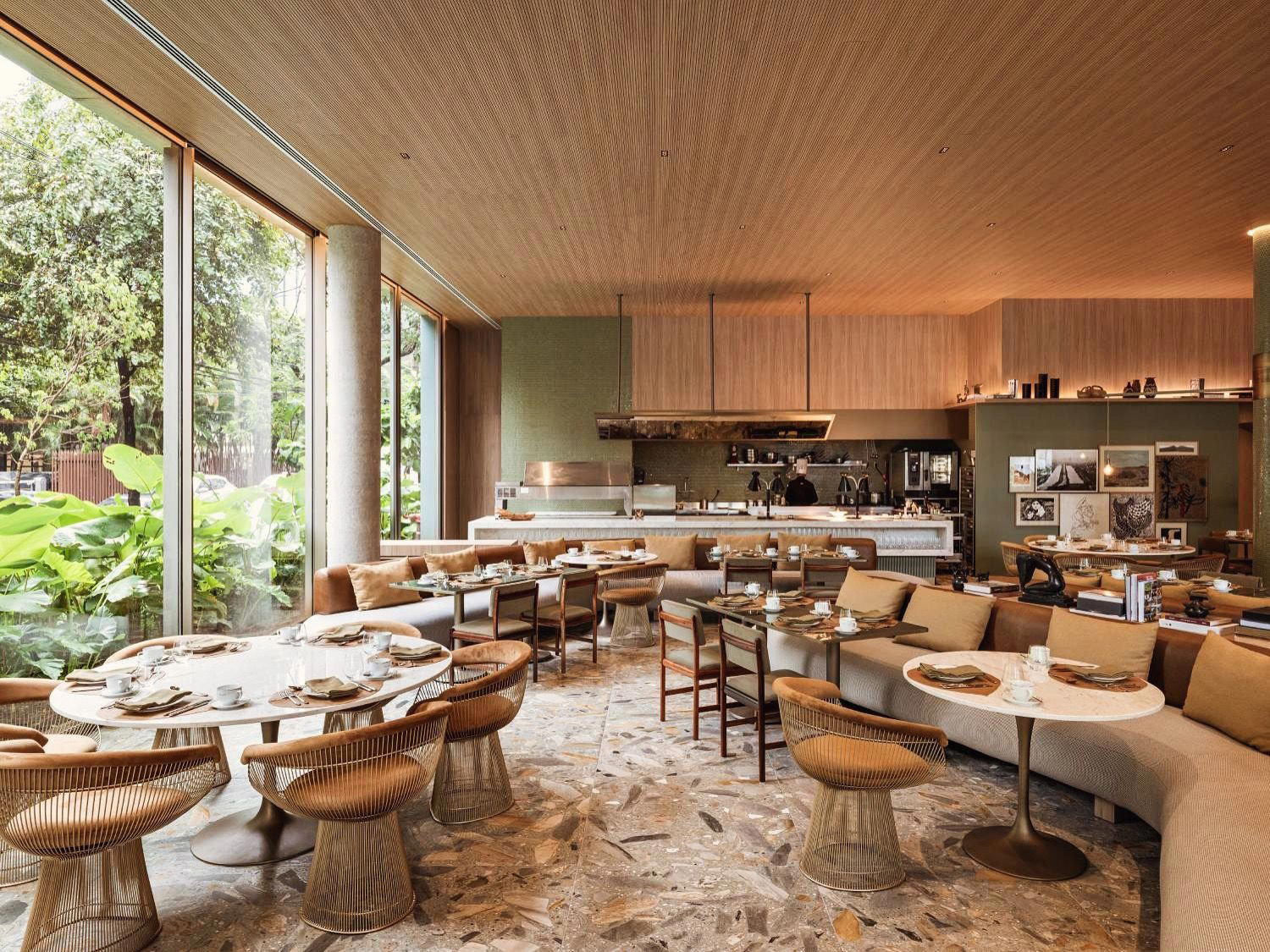
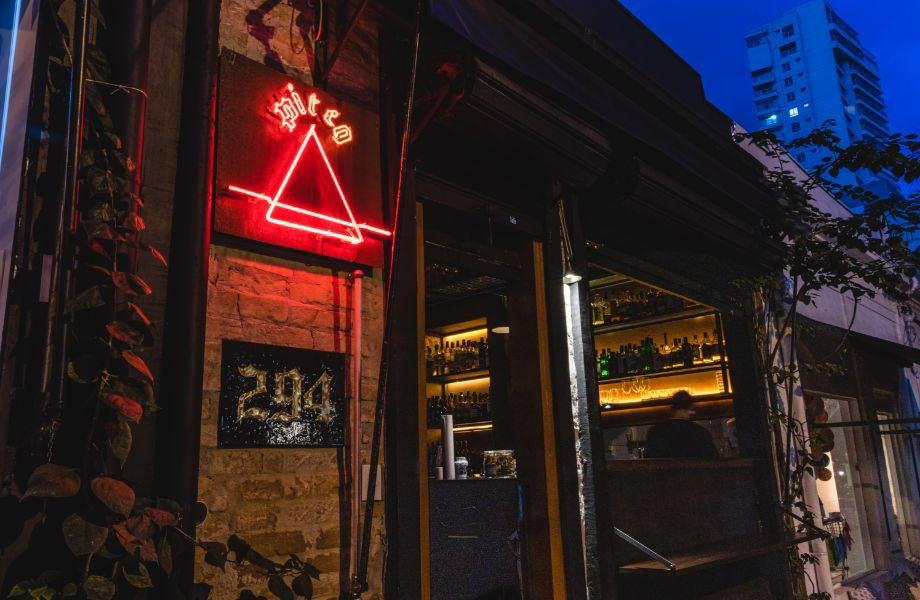
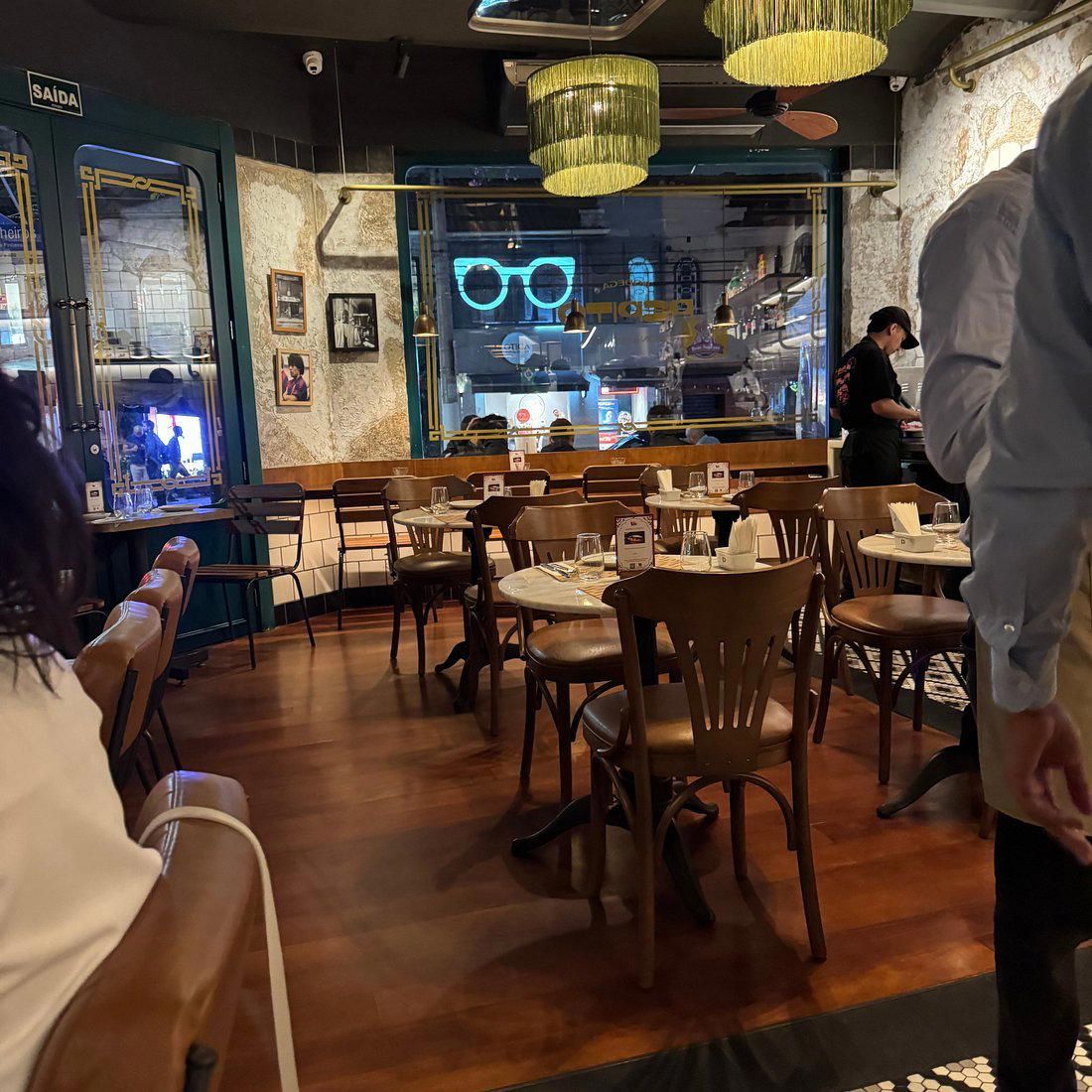
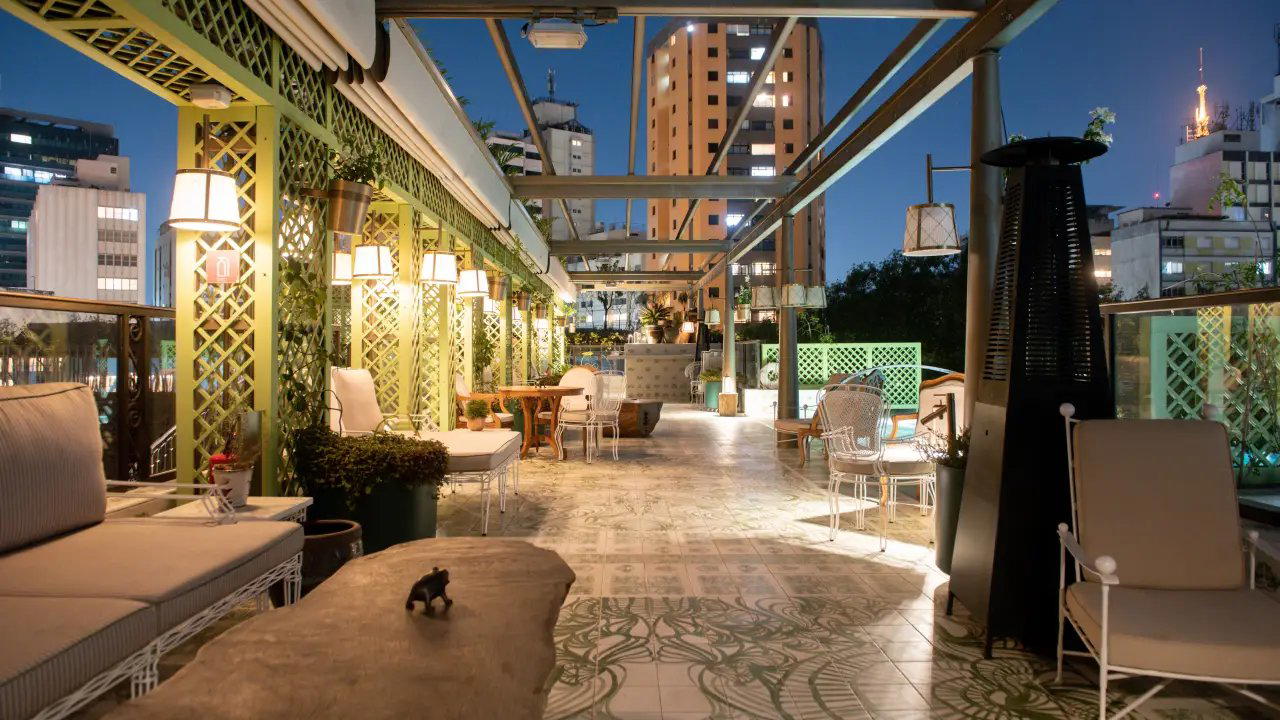
A traditional French-bistro atmosphere with white-tablecloth dining, described as welcoming and attentive, blending classic elegance with a more relaxed contemporary feel.