Our verdict
A rural address on the edges of Limoux, La Taverne à Bacchus draws on the Aude's agricultural depth in a region more associated with Blanquette de Limoux than with destination dining. The setting and format position it within the quieter end of southwestern France's food scene, where sourcing logic and local tradition carry more weight than formal accolades.

Pearl is the En Primeur Club membership app — saves, bookings, and concierge access live there. Same editors, same standards.
- Address
- La Moneze Haute, 11300 Limoux, France
- Phone
- +33609682881
- Hours
- Mon–Tue ClosedWed–Sat 12–2 PM, 7:30–11 PMSun 12–2 PM
- Website
- lataverneabacchus.fr
- Directions
- Get directions
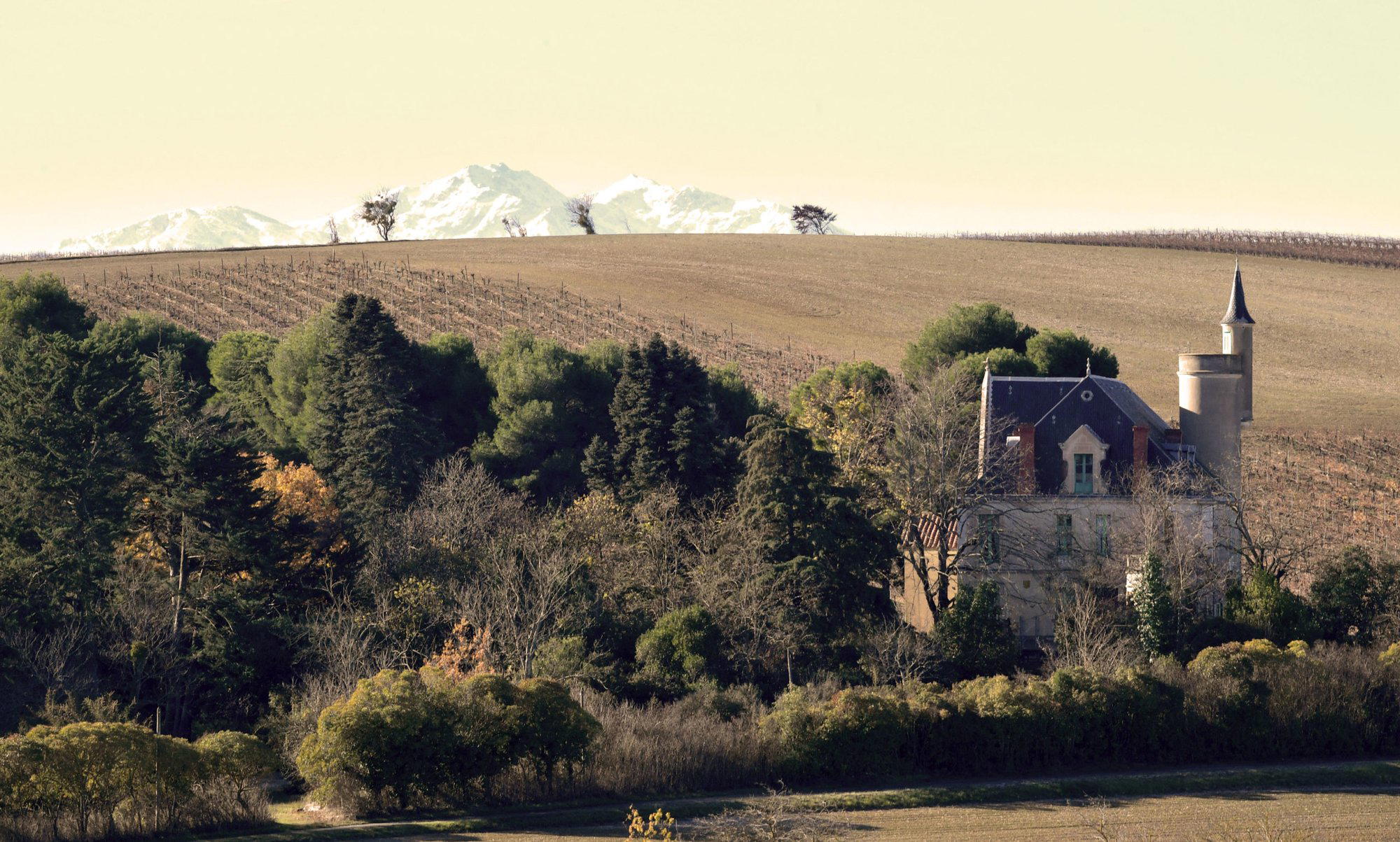
Where the Aude's Countryside Arrives on the Plate
The road to La Moneze Haute, the refined hamlet address that La Taverne à Bacchus calls home, says something useful before you arrive. Limoux sits in the Aude valley, roughly equidistant between Carcassonne to the north and the Pyrenean foothills to the south, in a corridor of France where viticulture and smallholder agriculture have defined the table for generations. This is not the kind of region that produces three-Michelin-star theatre — nothing here competes with Mirazur in Menton or Alléno Paris au Pavillon Ledoyen for formal ambition. What it does produce, consistently and without fanfare, is the kind of ingredient-driven cooking that only becomes possible when the supply chain is essentially your immediate neighbourhood.
La Taverne à Bacchus occupies a position common to the better rural addresses in southern France: a name that signals wine culture from the outset, a location that removes it from the competitive noise of a city centre, and a context in which what arrives on the table is shaped more by what the surrounding farms and vineyards produce than by any imported culinary programme. In the Languedoc, this approach carries specific meaning. The Aude is one of France's most agriculturally productive departments — lamb from the Montagne Noire, charcuterie from the region's pig-rearing tradition, wild herbs from the garrigue scrubland, and a wine culture anchored by appellations including Limoux itself, home to what is historically considered France's oldest sparkling wine.
The Sourcing Logic of the Aude
Understanding the food of this part of France requires understanding its geography. The Aude sits at a crossing point between Atlantic and Mediterranean climatic influences, which gives its agriculture unusual range. Producers here move between olive-growing country and cooler highland pasture within a short distance, which means a kitchen with genuine local commitment has access to a spectrum of ingredients that a purely coastal or purely inland address would not. Cassoulet traditions from Castelnaudary to the north, fish and shellfish cultures from the Étang de Thau to the east, and the lamb and cheeses of the Pyrénées Audoises to the south all orbit this zone.
Rural taverne-format restaurants in this corridor tend to function as translators of that agricultural reality. The word taverne implies something more democratic and less ceremonious than a gastronomic restaurant, more focused on the wine, the table, the sharing of what is local and seasonal. Bacchus, the name appended here, confirms that the wine relationship is central, which in Limoux terms means the still whites and méthode ancestrale sparkling wines of the AOC Limoux appellation deserve attention alongside the food. Limoux's Blanquette de Limoux, made primarily from Mauzac, is documented in records as early as 1531, a historical anchor that gives local wine culture a legitimacy that goes well beyond regional pride. For visitors comparing notes across France's wine-food pairings, the dynamic here differs from the richer register of Auberge de l'Ill in Illhaeusern or the volcanic Auvergne context around Bras in Laguiole, Limoux operates with a lighter, more mineral hand.
Limoux's Dining Scene in Context
Limoux is a small town with a compact but coherent restaurant offer. Those exploring the city's table should cross-reference L'Odalisque and ME. (Modern Cuisine) for a fuller read of where the local scene sits in terms of format and ambition. The full Limoux restaurants guide covers the broader spread. La Taverne à Bacchus, positioned outside the town centre on the higher ground of La Moneze Haute, operates in a register distinct from urban dining. The address itself functions as a mild commitment, you go there deliberately, not because you wandered past.
That deliberateness is not unusual for the better rural addresses of the Languedoc-Roussillon. Auberge du Vieux Puits in Fontjoncouse, the Gilles Goujon address that holds three Michelin stars deep in the Corbières, demonstrates what committed local sourcing can achieve at the highest formal level. La Taverne à Bacchus operates without that level of institutional recognition, but the geographic logic is the same: the further you get from a city, the more the kitchen depends on what surrounds it, and in the Aude, what surrounds you is good.
What to Expect from the Experience
Rural tavernes in southern France have a particular rhythm. Lunch tends to be the main event, longer, anchored by the local wine, and structured around whatever the season provides. The taverne format is typically more flexible than a gastronomic tasting menu: the expectation is that you arrive hungry, order according to what the kitchen is working with, and allow the wine to inform the pace. In the Aude, that wine will almost certainly include something from the Limoux appellation or one of the neighbouring Corbières or Minervois producers.
This is standard advice for rural addresses in France that operate on seasonal schedules and do not always maintain an online booking infrastructure. Given the venue's location outside the town centre, driving is the practical approach, Limoux's centre is accessible for reference and orientation, and the D-road network through the Aude makes the wider area very driveable once you are based locally.
Planning Your Visit
Limoux sits approximately one hour south of Carcassonne by road, which has the nearest significant rail connection and airport access. The town is compact and oriented around its Saturday market, which draws producers from across the Aude and offers useful context for understanding what the local kitchens are working with. Visitors combining La Taverne à Bacchus with a broader reading of the region's food and wine culture would do well to look south toward the Pyrénées Audoises and east toward the Corbières, two sub-regions whose produce and wine traditions consistently shape what appears on tables in this valley. For those whose broader French restaurant travel extends to Michelin-level references, the southern French arc from AM par Alexandre Mazzia in Marseille through the Languedoc and up into the Aveyron around Bras in Laguiole gives useful calibration for what the south's ingredient culture can produce at its most ambitious. La Taverne à Bacchus sits in a different tier, quieter, more local, more reliant on the agricultural logic of the Aude, but it belongs to the same broad tradition of French cooking that takes its cue from what the land provides.
Frequently asked questions
Where is La Taverne à Bacchus in Limoux?
La Taverne à Bacchus is located at La Moneze Haute, 11300 Limoux, France, Limoux.
How far is La Taverne à Bacchus from Carcassonne, and is it easy to reach without a car?
Limoux sits approximately one hour south of Carcassonne by road, which is the nearest city with significant rail access and an airport. The La Moneze Haute address is a rural hamlet outside Limoux itself, which makes the venue effectively car-dependent — public transport does not serve this kind of elevated countryside location in the Aude.
What should I order at La Taverne à Bacchus?
The kitchen draws on the Aude's position between Atlantic and Mediterranean supply lines, which typically means a menu anchored by seasonal regional produce rather than a fixed signature dish. At a rural taverne of this type in southern France, lunch is the format to plan around — it tends to run longer and follow the rhythm of the local wine. Arrive without a set agenda and follow what the kitchen is leading with that day.
Do I need a reservation for La Taverne à Bacchus?
For a rural address like La Moneze Haute outside Limoux, calling ahead is the practical approach — tables at countryside tavernes in this part of the Aude are finite, and the lunch service can fill without much online visibility to signal it. No booking platform or phone number is publicly listed so arriving without any prior contact carries risk, particularly on weekends.
What's the signature at La Taverne à Bacchus?
The defining characteristic here is the address itself: La Moneze Haute is an elevated hamlet setting that frames the experience before the food arrives. In the context of Limoux's restaurant scene — which includes L'Odalisque and ME as reference points — La Taverne à Bacchus occupies the rural, countryside-taverne end of the spectrum rather than a town-centre format.
Do they accommodate allergies at La Taverne à Bacchus?
No allergy or dietary accommodation policy is documented. Given the rural taverne format and the likelihood of a shorter, market-led menu, the most reliable approach is to raise any requirements directly when making contact prior to your visit.
Is La Taverne à Bacchus worth it?
The case for going rests on the setting and the culinary geography: the Aude's crossing point between Atlantic and Mediterranean food traditions produces a regional table that's distinct from both Bordeaux and Provence, and a countryside taverne at La Moneze Haute delivers that in a format Limoux's town-centre options don't replicate.
A Quick Peer Check
Comparable venues nearby, for context on price, style, and recognition.
| Venue | Cuisine | Price | Awards | Notes |
|---|---|---|---|---|
| La Taverne à BacchusThis venue — the venue you are viewing | Traditional French Grill | $20–30 | Not listed | Not listed |
| ME. | Modern French Bistro | $30–50 | Michelin Plate | Limoux |
| L'Odalisque | Bistronomic French with Breton Accents | $50–100 | Not listed | Limoux |
| Vins de Dagne | Traditional French Village Bistro | $20–30 | Star Wine List | Val-de-Dagne |
| Le Pic Saint Loup | Modern French Bistro | $30–50 | Not listed | Saint-Michel / Saint-Agne / Empalot / Le Busca / Île du Ramier / Monplaisir |
| L Alimentation | Modern French Tapas & Wine Bar | Not listed | Not listed | Capitole / Arnaud Bernard / Carmes |
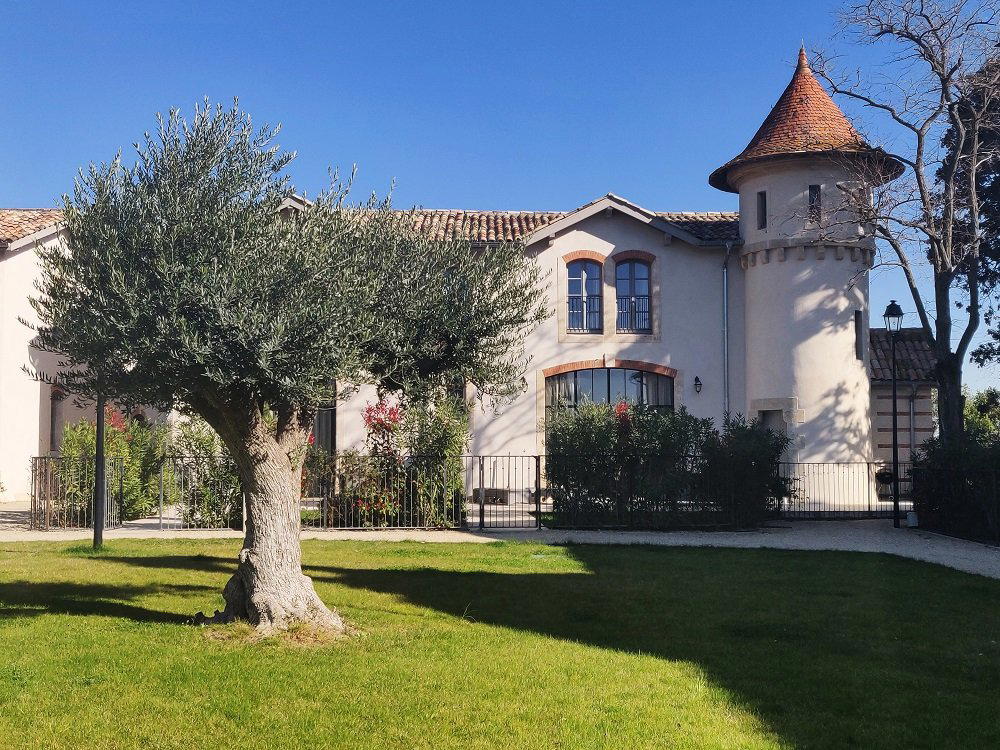

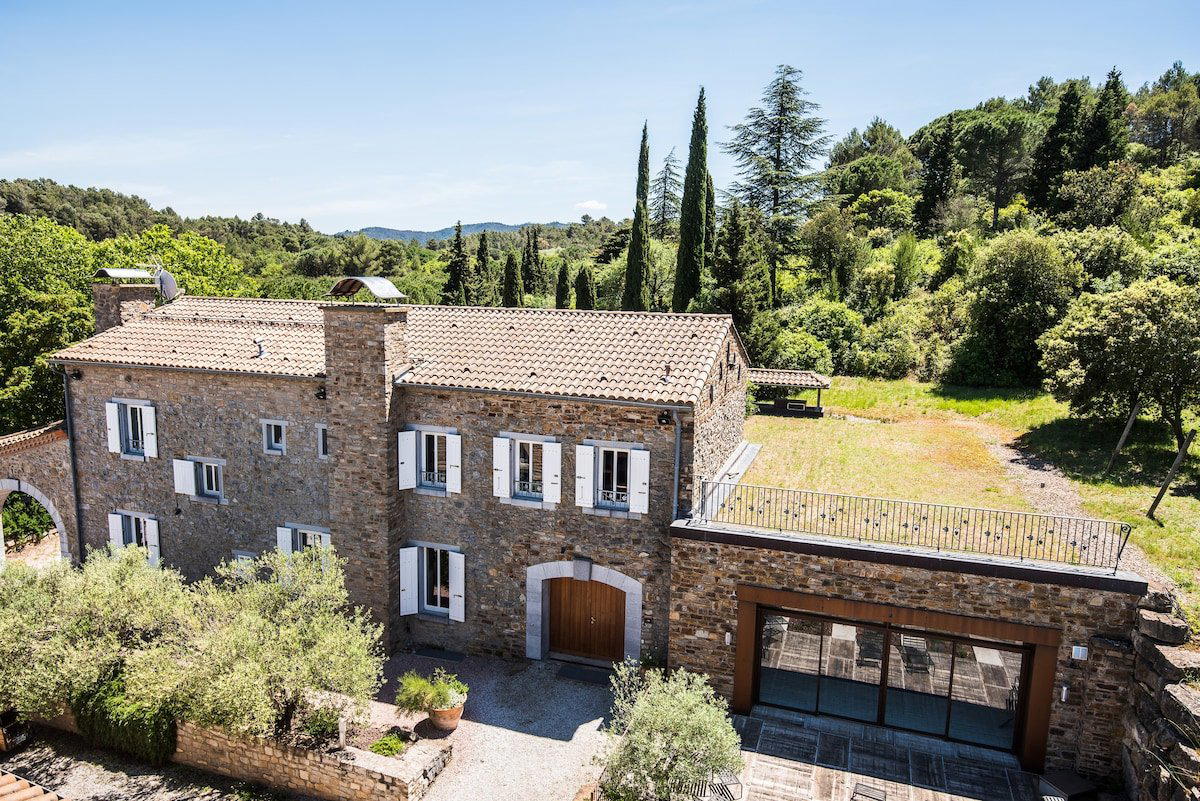
Details
- Rustic
- Cozy
- Classic
- Group Dining
- Celebration
- Family
- Historic Building
- Local Sourcing
- A La Carte
Current opening hours
- Monday
- Closed
- Tuesday
- Closed
- Wednesday
- 12–2 PM, 7:30–11 PM
- Thursday
- 12–2 PM, 7:30–11 PM
- Friday
- 12–2 PM, 7:30–11 PM
- Saturday
- 12–2 PM, 7:30–11 PM
- Sunday
- 12–2 PM
Hours can change for holidays and private events. Last verified .
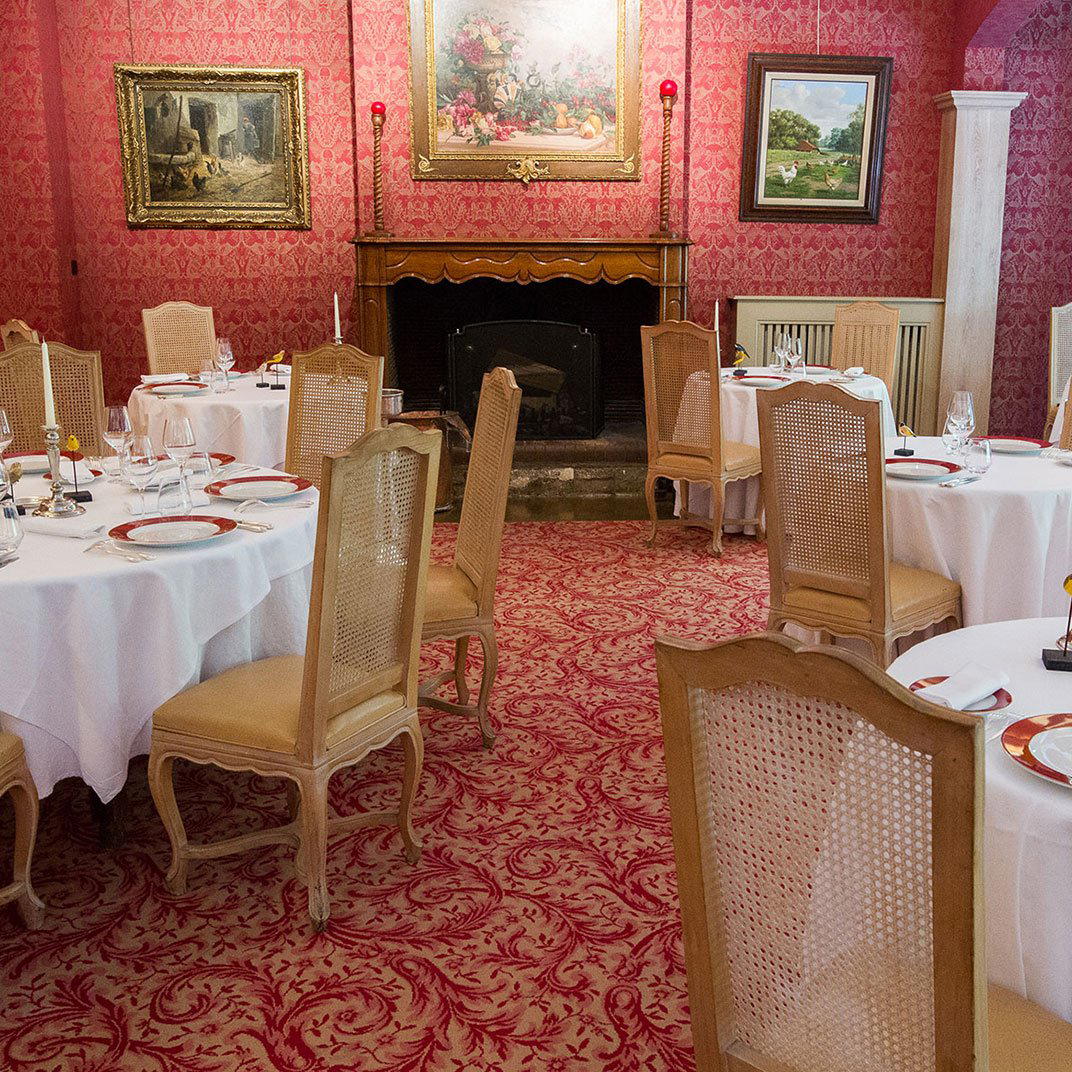
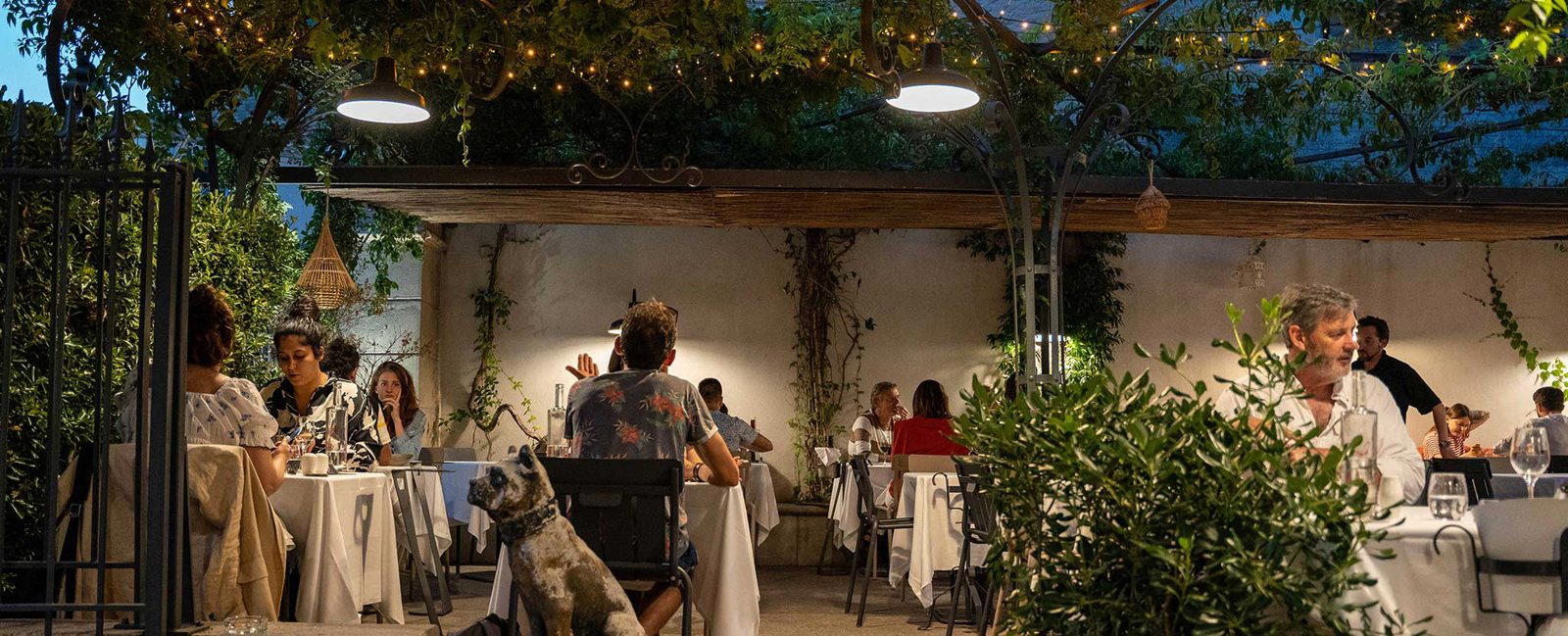
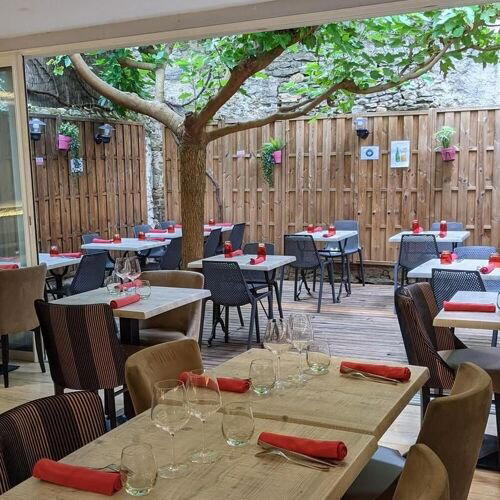
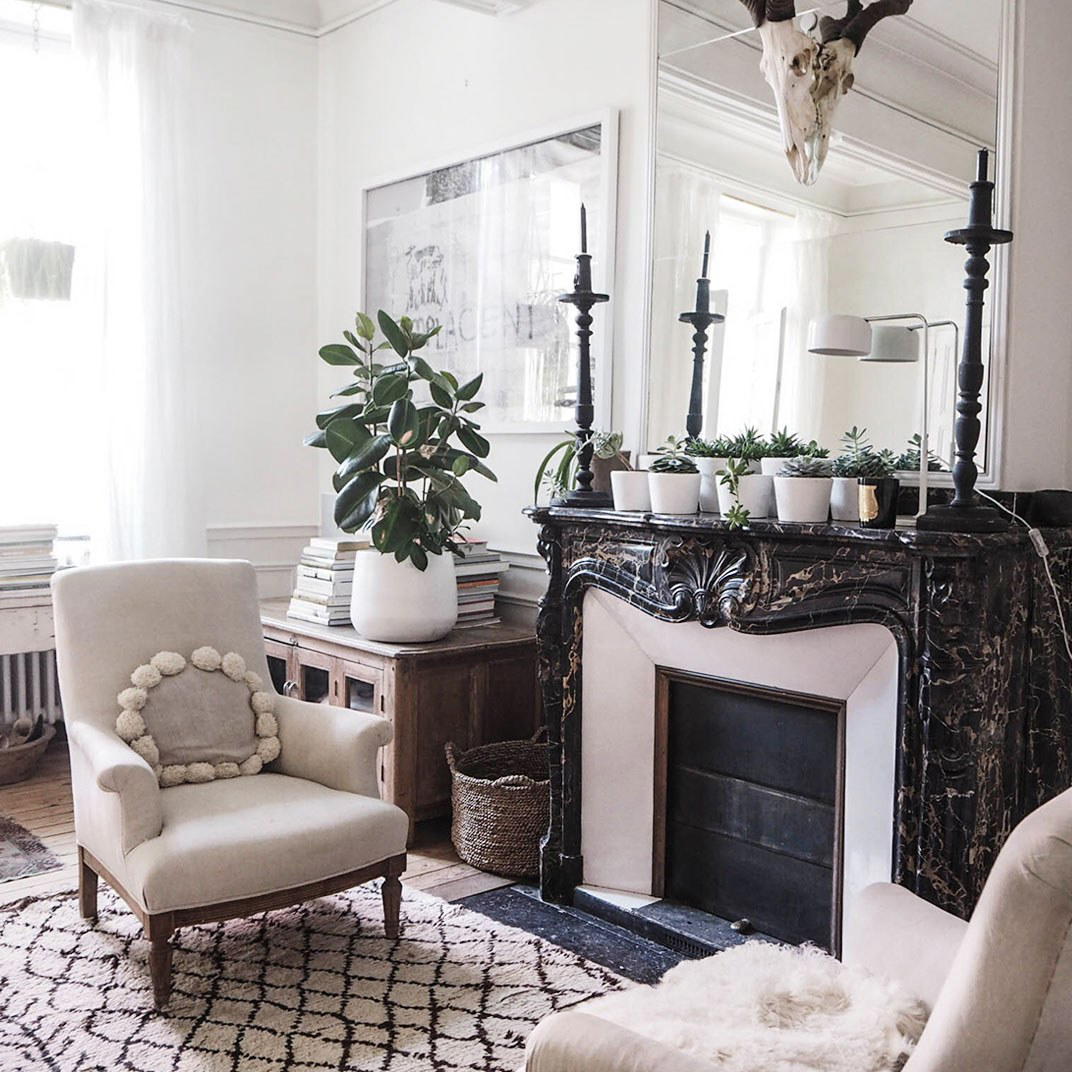
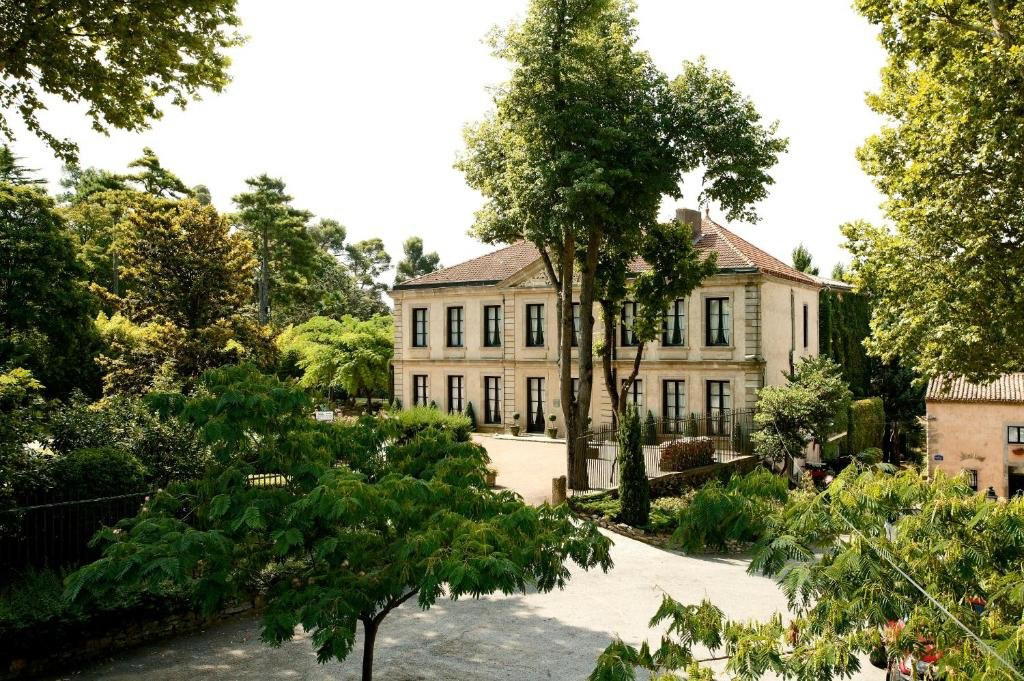
Cozy and rustic atmosphere centered around a crackling fireplace.