

1 Michelin Star · Gault & Millau Remarkable Restaurant
Our verdict
La Galinette holds a Michelin star and a Remarkable designation in Perpignan's modest but serious dining scene, with chef Christophe Comes building his menu around two personal vegetable gardens and a collection of endemic citrus and olive trees. Plant-based thinking runs through every course, from sashimi dressed with shiso and spiny cucumber to strawberry desserts anchored in garden fruit. At the €€€ price point, it sits at the top of the city's creative restaurant tier.

Pearl is the En Primeur Club membership app, where members save venues, book tables and use the concierge.
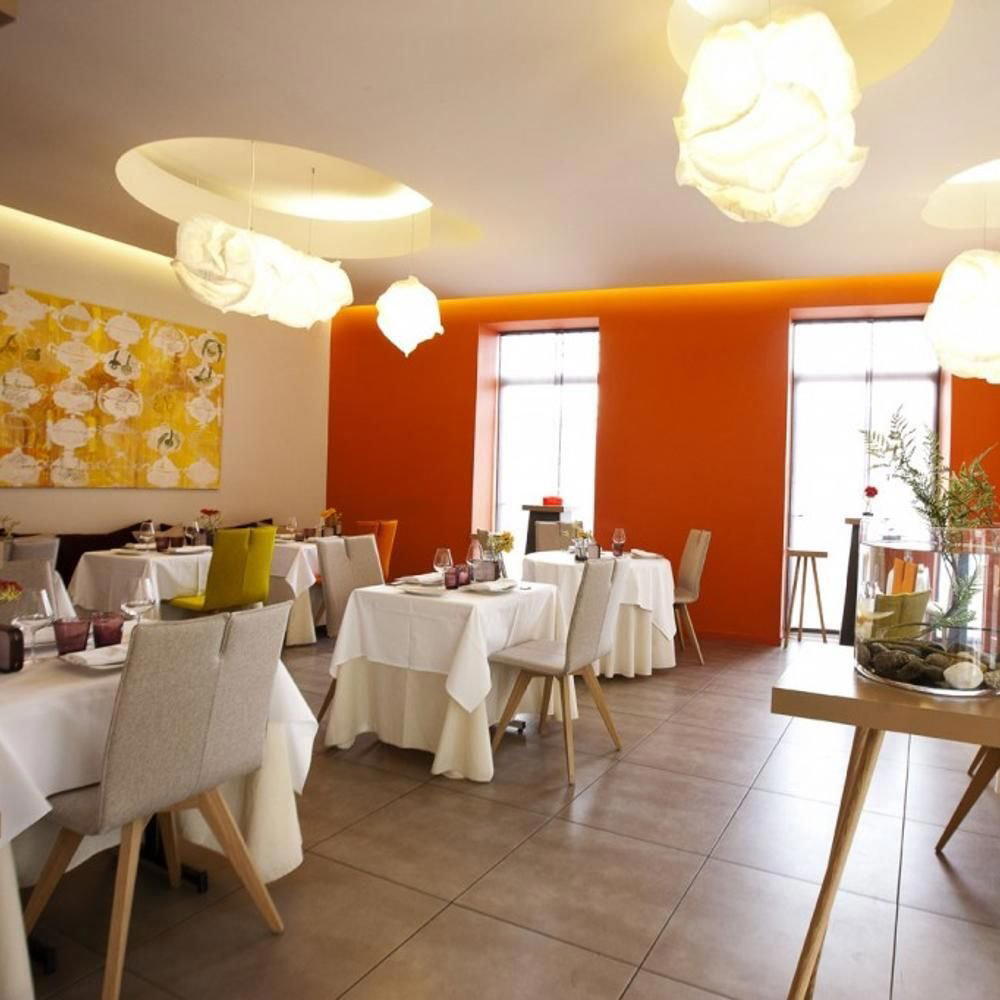
Where Perpignan's Creative Scene Reaches Its Ceiling
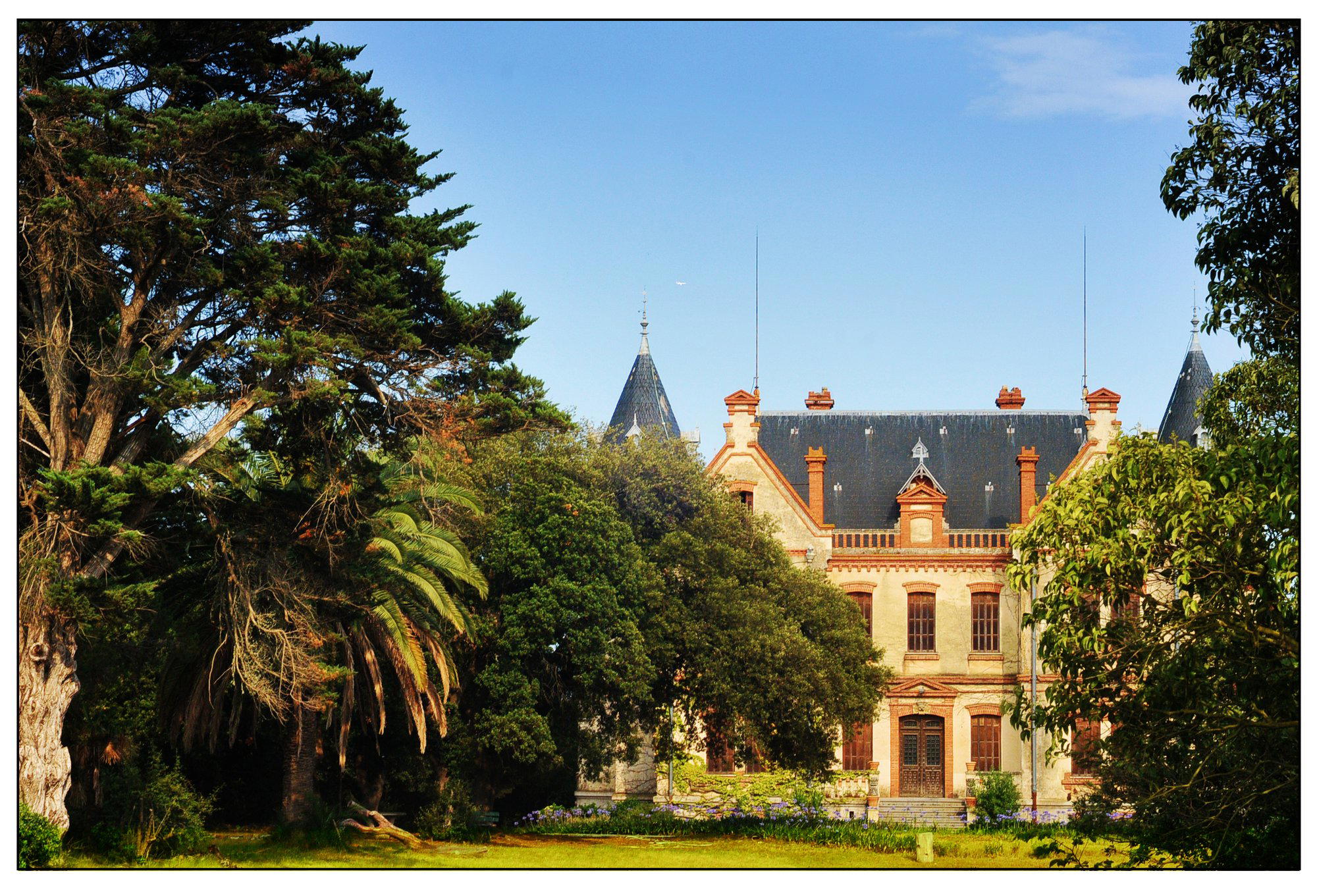
The streets around Rue Jean Payra sit within Perpignan's older residential core, away from the tourist concentration near the Castillet. Arriving at number 23, there is none of the theatrical staging that marks destination restaurants in Paris or Lyon. The facade is controlled, the entrance low-key. This restraint is a signal, not an oversight. In southern French cities of this scale, the restaurants that have earned Michelin recognition tend to operate without the performative cues of larger cities, letting the work announce itself through the plate rather than the room.
La Galinette holds a Michelin one star as of the 2024 guide, alongside a Remarkable designation that references the depth of the kitchen's commitment to plant-based sourcing. At €€€, it occupies the upper tier of Perpignan's dining options. Compared to the city's €€ modern cuisine addresses such as Le Garriane, Manat, and Lazare, La Galinette prices at a measurable premium.
The Logic Behind the Gardens
Roussillon's proximity to both the Mediterranean coast and the Pyrenean foothills has always given its kitchens access to ingredients that chefs in more northerly cities have to source at considerable cost and lead time. What defines the cooking at La Galinette is less this geographic advantage in itself and more what chef Christophe Comes has done to systematise it: two vegetable gardens, a collection of citrus trees in endemic varieties, and olive trees from which he produces his own oils. The Michelin notation describes this not as a stylistic preference but as a genuine commitment, one that permeates the menu from first course to final dessert with what the inspectors characterise as finesse and intensity.
This approach places La Galinette within a lineage of French creative cooking that has moved away from classical protein-centred architecture toward plant-led composition. The comparison set here is not local. Kitchens like Arpège in Paris, where Alain Passard effectively reoriented around the vegetable garden from the early 2000s, or Bras in Laguiole, where Michel Bras built a vocabulary around the gargouillou and the wild plants of the Aubrac plateau, established the intellectual framework that a kitchen in Perpignan can now work within and extend. Comes operates in that tradition, though at a different scale and in a different geographic register: the plants available to a kitchen in Roussillon in high summer are not the same as those available on the volcanic soils around Laguiole.
Reading the Menu as an Argument
The Michelin citation offers a precise window into how the kitchen structures its thinking. A dish built on spiny cucumbers, white tuna sashimi, and shiso uses a single vegetable in multiple preparations to demonstrate range, with the seasonings building in intensity across the plate. The logic is not fusion for its own sake: shiso is a leaf with structural affinities to the aromatic herbs common in Catalan and Provençal cooking, and the cucumber preparations function as both texture and temperature variation. The result is a dish that teaches the diner something about a vegetable they may have encountered only in one register.
Sea bream on a fennel-infused bouillabaisse jus is, in one reading, a concession to Roussillon's coastal identity: bouillabaisse is a southern French institution, and sea bream is the sort of fish that appears on menus from Marseille to Barcelona. What separates the treatment here is the doubling of fennel (infused into the jus, then presented wild alongside the fish) combined with courgettes, basil, and a garlic rouille aioli. The vegetable garden is not a supplement to the fish; it is the argument surrounding it. For context on how Spanish creative kitchens on the other side of the Pyrenees approach a similar Mediterranean ingredient palette, Cocina Hermanos Torres in Barcelona offers a useful counterpoint.
The dessert course extends the plant logic into territory that pastry kitchens often cede to dairy and sugar architecture. Garden strawberries on an almond joconde, topped with strawberry smoothie, sorbet, jelly, vanilla-white chocolate ganache, and sweet grass ice cream on crumble: the strawberry appears in five distinct forms, each emphasising a different aspect of the fruit at its seasonal peak. Sweet grass ice cream is a less familiar register, an aromatic grass with faint vanilla and coumarin notes, placed here as a bridge between the fruit's acidity and the ganache's richness.
Where La Galinette Sits in the City's Creative Tier
Perpignan does not have the density of serious creative kitchens that Montpellier or Lyon sustain. This is both an advantage and a pressure. The advantage is that a diner serious about Roussillon's creative output has a clear answer at the €€€ level. The pressure is that the restaurant cannot rely on a rising tide of peer recognition to underwrite its positioning; it has to hold its level through the food alone.
At the €€€ tier, the closest comparable in the city on price and format is La Passerelle, which operates a modern cuisine programme at the same price point. The two restaurants represent different answers to the question of what serious cooking in Perpignan looks like. Diners choosing between them are effectively choosing between different editorial positions on the same regional pantry. For the broader range of what Perpignan's restaurant scene covers across price tiers and styles, including Le Divil for grills and meat-led cooking, see our full Perpignan restaurants guide.
In the national frame, Michelin's Remarkable designation is rare enough that it carries weight beyond the star itself. The designation appears on kitchens where the inspectors want to flag a specific quality of commitment or a specific dimension of the cooking that the star alone does not communicate. For La Galinette, that dimension is the gardens and the plant-led thinking. It places the restaurant in company with kitchens like Mirazur in Menton, which also operates kitchen gardens as a structural ingredient source, or Flocons de Sel in Megève, where the Alpine environment shapes the ingredient logic with comparable specificity.
Planning Your Visit
La Galinette is located at 23 Rue Jean Payra, 66000 Perpignan. At the Michelin-starred level in a city of Perpignan's size, booking well ahead is advisable; tables at single-star restaurants with Remarkable designations in smaller French cities tend to fill faster than the address's modest profile might suggest, particularly during the summer months when the region draws visitors from across France and across the Spanish border. Perpignan is served by the TGV on the Paris-Barcelona axis, making it accessible as a standalone destination or as part of a wider southern France itinerary. For accommodation, hotels, bar programming, regional winery visits, and experiences in and around the city, see our full guides: Perpignan hotels, Perpignan bars, Perpignan wineries, and Perpignan experiences. For French creative cooking at the highest tier elsewhere in the country, Alléno Paris au Pavillon Ledoyen, Auberge de l'Ill in Illhaeusern, and Troisgros in Ouches each represent distinct regional answers to what French creative cuisine can do at the top of its range.
Frequently asked questions
What's the pricing like at La Galinette?
Pricing at La Galinette is listed as €€€.
Where is La Galinette in Perpignan?
La Galinette is located at 23 Rue Jean Payra, 66000 Perpignan, France, Perpignan.
Quick Comparison
| Venue | Cuisine | Price | Awards | Notes |
|---|---|---|---|---|
| La GalinetteThis venue (the venue you are viewing) | Creative French Farm-to-Table | $50–100 | 1 Michelin Star · Gault & Millau Remarkable Restaurant | Not listed |
| Le Garriane | Modern French Seasonal Bistro | $20–30 | Michelin Bib Gourmand | Modern Cuisine |
| La Passerelle | Modern French Seafood with Catalan Influences | $50–100 | Michelin Plate | Modern Cuisine |
| Le Divil | French Grill & Meats | $30–50 | Michelin Plate | Meats and Grills |
| Manat | Franco-Japanese Fusion | $30–50 | Michelin Bib Gourmand | Modern Cuisine |
| Lazare | Modern French Bistro | $30–50 | Michelin Bib Gourmand | Modern Cuisine |
Recognition history
Dated appearances from independent guides and award organizations, with the underlying list record or original source where available.
Michelin 1 Star
Michelin
Gault & Millau Remarkable Restaurant
Gault & Millau
Full recognition history (4 entries)
Michelin 1 Star
Michelin
Michelin 1 Star
Michelin
Continue exploring
More in Perpignan
Restaurants in Perpignan
All restaurants in Perpignan →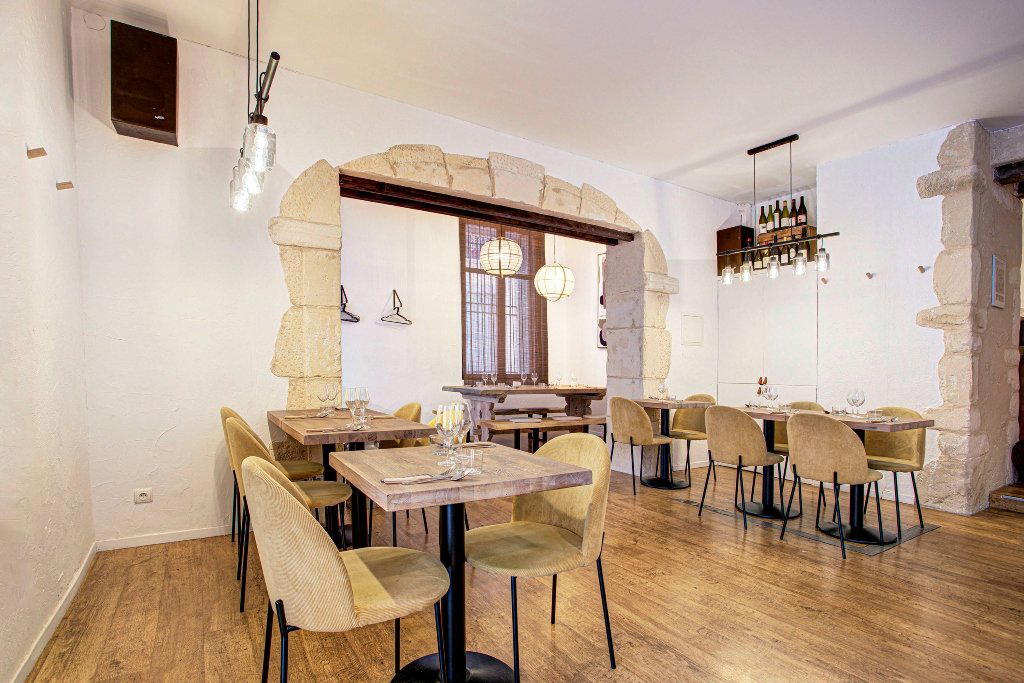
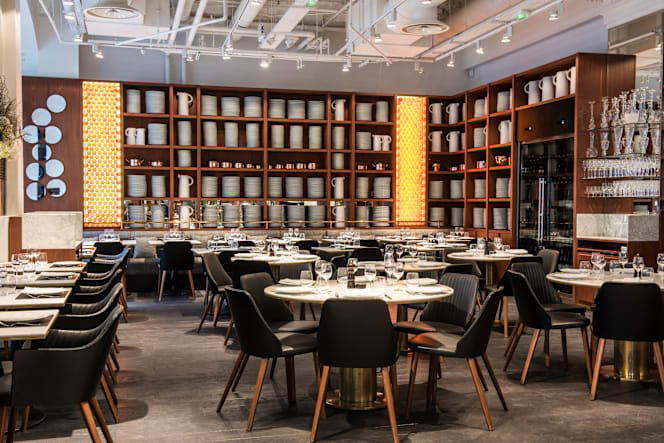
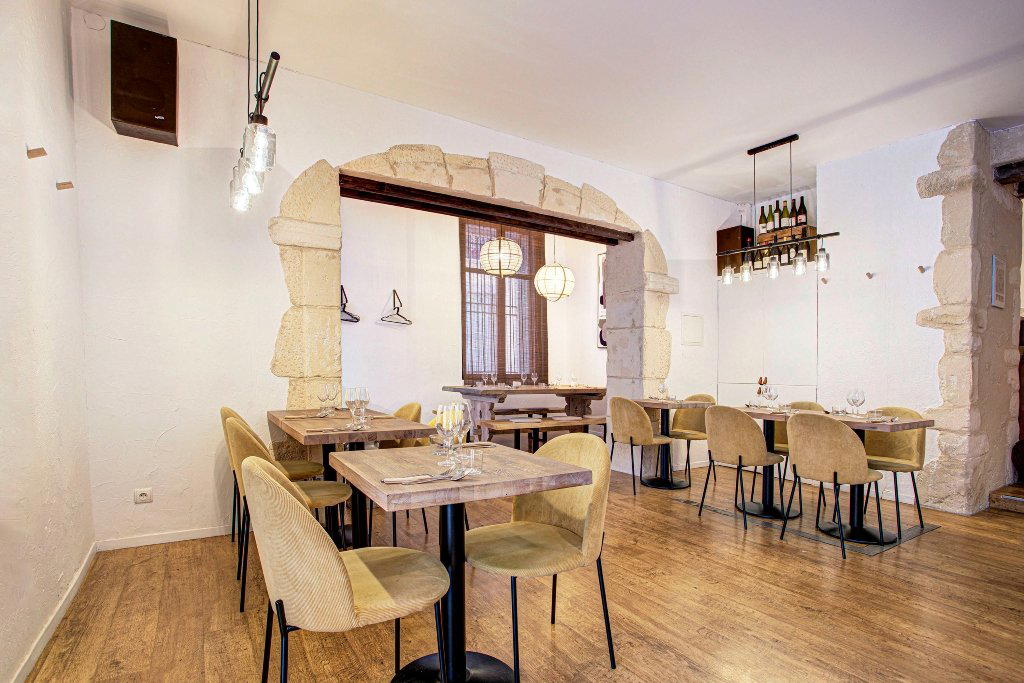
Hotels in Perpignan
Browse all →

Details
- Cozy
- Elegant
- Rustic
- Date Night
- Special Occasion
- Extensive Wine List
- Farm To Table
- Local Sourcing
- Tasting Menu
- Vegetarian Friendly
- Gluten Free Options
Current opening hours
- Monday
- Closed
- Tuesday
- Closed
- Wednesday
- 12–2 PM, 7:30–9:30 PM
- Thursday
- 12–2 PM, 7:30–9:30 PM
- Friday
- 12–2 PM, 7:30–9:30 PM
- Saturday
- 12–2 PM, 7:30–9:30 PM
- Sunday
- Closed
Hours can change for holidays and private events. Hours as of .
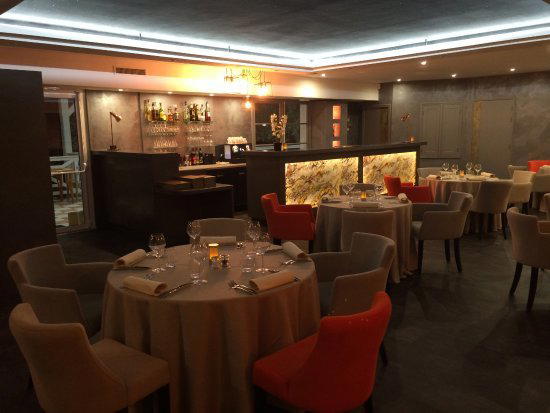
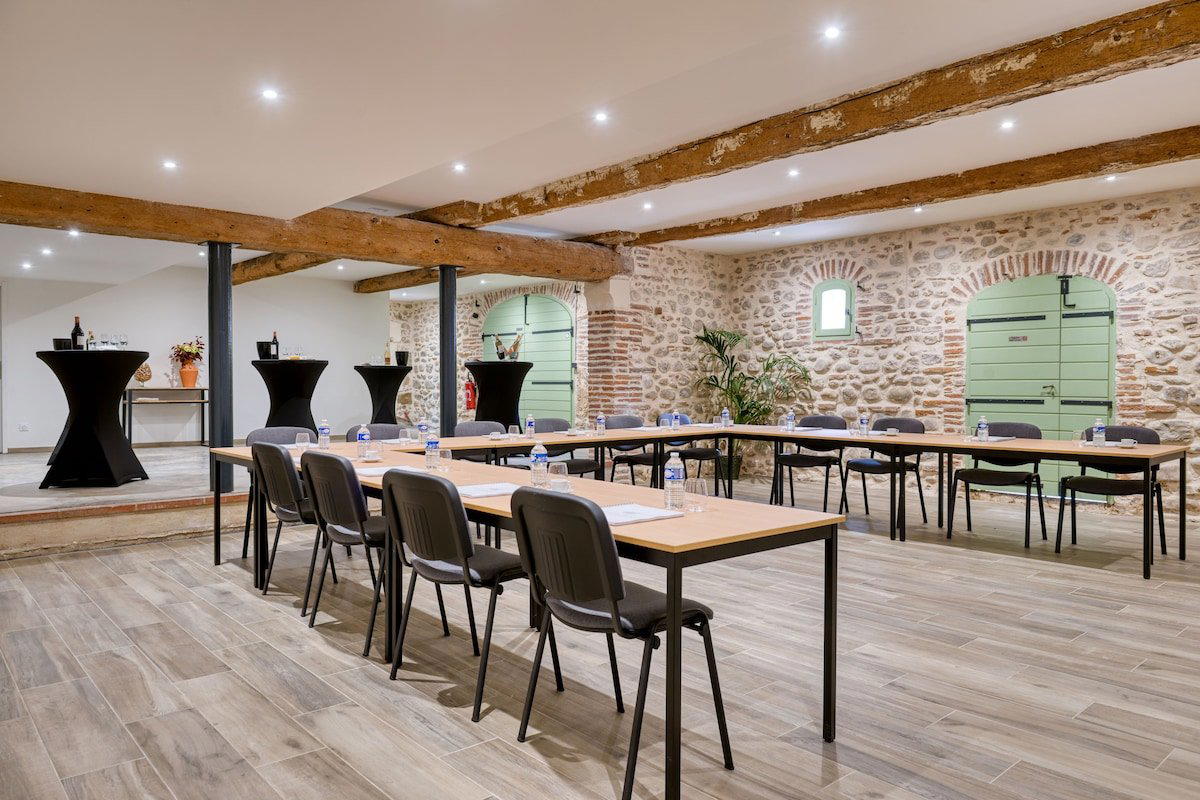
Simple, modest, and cozy room with a down-to-earth, welcoming atmosphere focused on culinary excellence.