Hôtel du Château

Michelin Selected
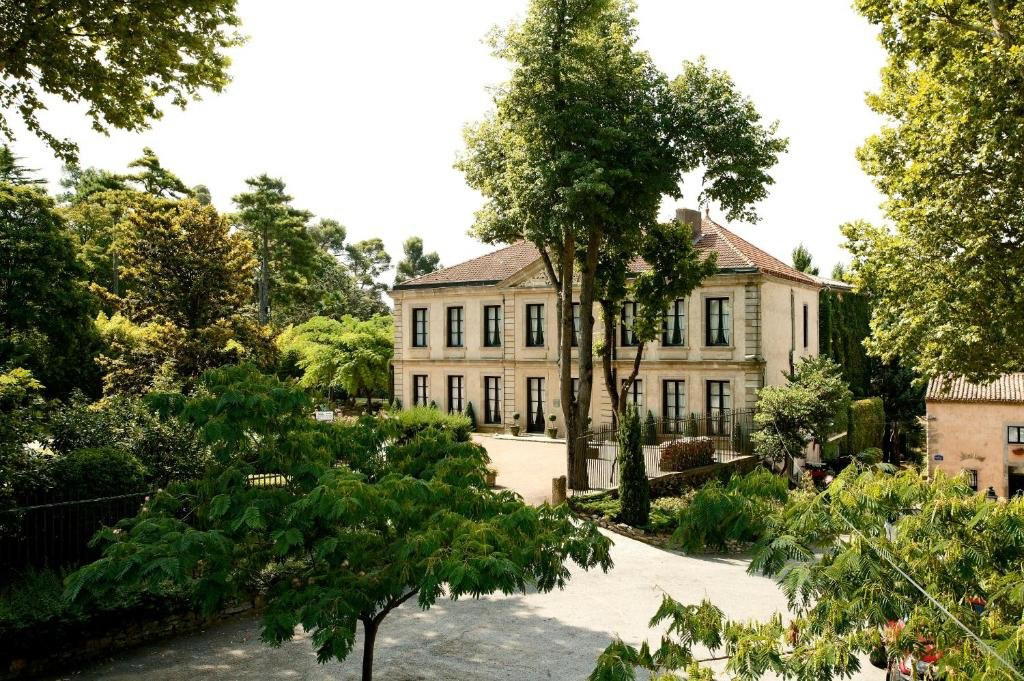
Michelin Selected for 2025, Hôtel du Château sits at 2 rue Camille Saint-Saëns in Carcassonne, positioned within walking distance of one of Europe's most intact medieval fortress complexes. The property occupies a tier of recognized boutique accommodation that sits between the neighbourhood's design-forward independents and its larger, flag-bearing hotels — making it a considered choice for visitors who want proximity to the Cité without the scale of a branded resort.

Pearl is the En Primeur Club membership app — saves, bookings, and concierge access live there. Same editors, same standards.
- Address
- 2 Rue Camille Saint-Saëns, 11000 Carcassonne, France
- Phone
- +33 4 68 11 38 38
- Website
- hotelscharmedesign.com
- Directions
- Get directions
Stone, Scale, and the Weight of Medieval Carcassonne
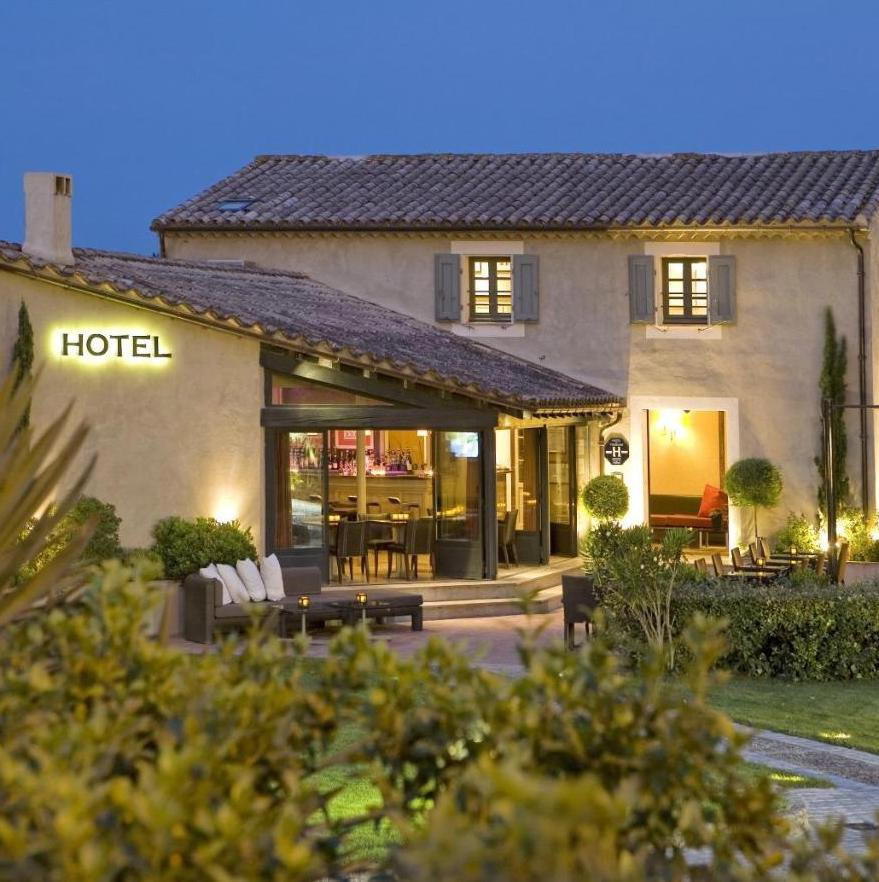
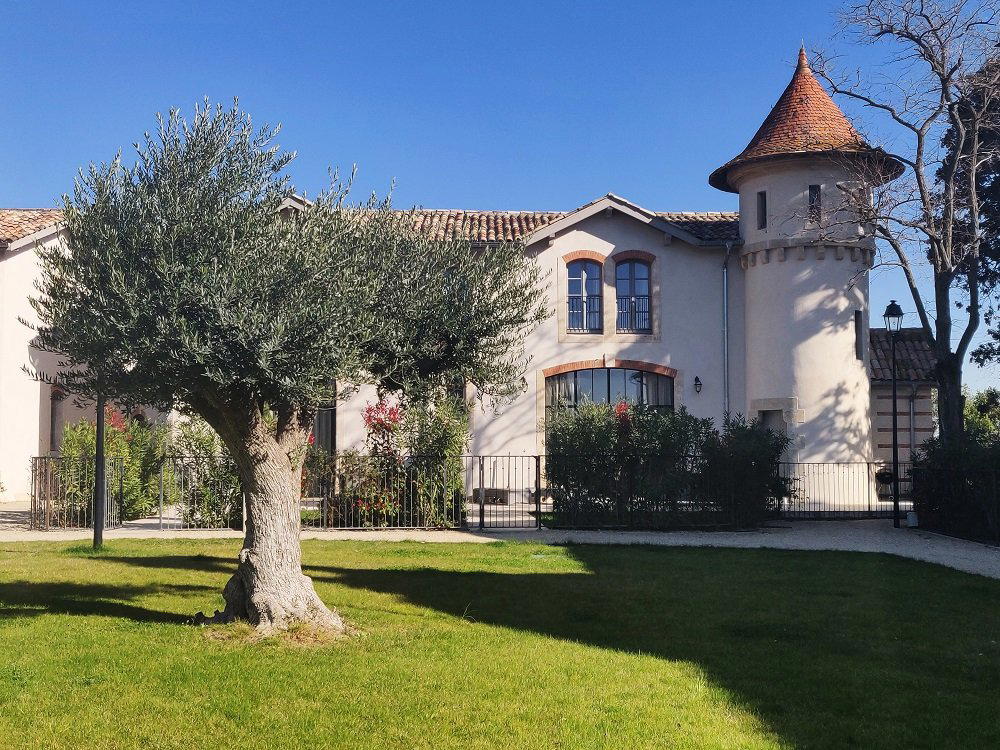
Arriving in Carcassonne's lower town, you already feel the gravitational pull of the Cité before you see it clearly. The double-walled fortress rises on its limestone spur to the southeast, its watchtowers catching the afternoon light in a way that makes the surrounding modern streets feel provisional by comparison. Hotels in this city exist in a peculiar architectural conversation with that mass of stone: how close you are to it, and how your building chooses to respond to it, shapes the entire character of a stay. At 2 rue Camille Saint-Saëns, Hôtel du Château positions itself inside that conversation at a specific point — close enough to the Cité to make it the visual constant of any window facing east, yet situated in a quarter where the city's everyday life continues undisturbed by coach-tour rhythms.
Carcassonne's accommodation market has stratified clearly in recent years. At one end, Hôtel de la Cité - MGallery and Hotel De La Cite Carcassonne occupy positions directly within the medieval walls, commanding the premium of address and enclosure. At the other end, design-forward independents like Bloc G compete on contemporary aesthetic terms, placing minimalism and local craft above heritage proximity. Hôtel du Château sits in neither extreme. Its Michelin Selected recognition for 2025 places it in a quality tier that the guide reserves for properties meeting specific standards of comfort, service, and character — a credential that matters more as a quality signal than as a style declaration.
Architecture as Argument: What the Building Says About Carcassonne
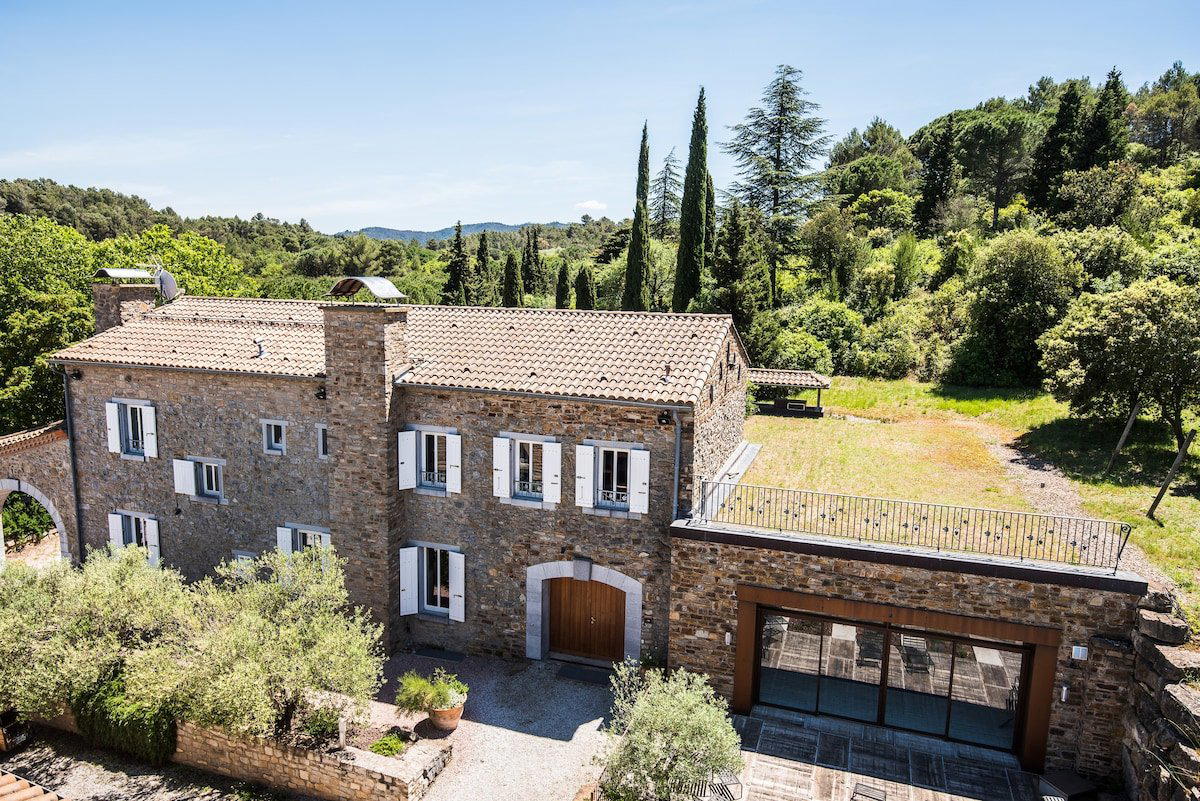
The architecture of smaller hotels in historic French cities has always been an argument about which era deserves precedence. Properties that lean hard into medieval references risk pastiche; those that ignore their surroundings entirely risk irrelevance. The more interesting position, and the one that characterises the better independent hotels in cities like Carcassonne, is a kind of calibrated dialogue, materials and proportions that acknowledge the Cité without literally quoting it. Stone walls, thick apertures, interior courtyard logic, the kind of building mass that keeps rooms cool through summer without mechanical intervention: these are features that southern French vernacular architecture developed over centuries and that translate naturally into hospitality environments when a building is old enough to carry them authentically.
Carcassonne's lower town, the Bastide Saint-Louis, was itself a planned medieval grid, laid out in the 13th century as the commercial counterpart to the fortress above. Hotels operating within this grid inherit its proportions, narrow street frontages, deep plots, interior light wells, and the better ones work with that geometry rather than against it. The rue Camille Saint-Saëns address places Hôtel du Château in a quarter where this geometry is still legible in the building fabric, making the architectural context part of the experience regardless of what any individual property does with its interior.
Where It Sits Among Carcassonne's Recognized Properties
Michelin's hotel selection process filters for consistency and character rather than size or price bracket alone. That Hôtel du Château appears in the 2025 selection alongside properties like Hôtel Le Domaine d'Auriac, a country-house property with its own gastronomic credentials, and Camellas-Lloret, which operates as one of the city's more characterful boutique addresses, tells you something about the quality floor it meets, even if it doesn't tell you everything about its ceiling.
For dining, the Carcassonne property that sets the reference point for serious gastronomy in the area is Hôtel Le Parc - La Table de Franck Putelat, which carries Michelin star recognition through its restaurant. Hôtel du Château does not position itself in that category, its Michelin credential is as a Selected hotel rather than as a starred dining address, which matters for how you plan your time. Visitors who want Michelin-level cooking as part of the stay itself will need to book separately at Putelat's table or look at the restaurant programmes attached to Domaine d'Auriac. Hôtel du Château's credential is about the room and the experience of staying, not the kitchen.
For broader context on where to eat and drink during a Carcassonne visit, our full Carcassonne restaurants guide maps the city's dining options across price points and neighbourhoods.
The Carcassonne Visit: Timing and Practical Logic
The Cité receives around three million visitors annually, the majority concentrated between June and August. The fortress, a UNESCO World Heritage site since 1997, is accessible year-round, but the experience of walking its walls and lanes shifts dramatically outside peak season. April through early June and September through October offer the combination of reasonable weather and manageable crowds that serious travellers consistently prefer. Staying at an address like Hôtel du Château, outside the Cité walls but within easy walking distance, means you can reach the fortress gates before the first coach arrivals and return after the afternoon rush clears, which is the practical advantage of proximity over distance.
Properties like La Bastide de Gordes in the Luberon, Baumanière Les Baux-de-Provence in Les Baux, and Villa La Coste near Aix-en-Provence each represent different registers of the region's luxury hospitality, from wine-country retreats to arts-integrated estates. Further along the coast, Hotel Du Cap-Eden-Roc and La Réserve Ramatuelle define the Riviera's premium tier. Carcassonne sits inland from all of these, its draw rooted in medieval history rather than coastline or wine-country landscape, a different kind of anchor for a southern France circuit.
For those extending further into France's premium hotel circuit, Le Bristol Paris and Domaine Les Crayères in Reims represent the northern anchors of a country that does grand hospitality in ways that consistently set European reference points. Royal Champagne Hotel & Spa in Champillon and Les Sources de Caudalie near Bordeaux offer regional alternatives built around wine geography rather than architectural heritage. The contrast with Carcassonne's Cité-focused identity is instructive: each of these properties is organised around a different primary draw, and the accommodation choice follows from whichever of those draws shapes your trip.
Booking for Hôtel du Château should be done with adequate lead time during the summer months, when Carcassonne's accommodation at every price point tightens considerably. The hotel's address at 2 rue Camille Saint-Saëns is accessible by the main Carcassonne rail station, which sits in the Bastide Saint-Louis and connects to Toulouse (approximately 50 minutes), Narbonne, and Marseille.
Comparable Spots, Quickly
Comparable venues nearby, for context on price, style, and recognition.
| Venue | Cuisine | Price | Awards | Notes |
|---|---|---|---|---|
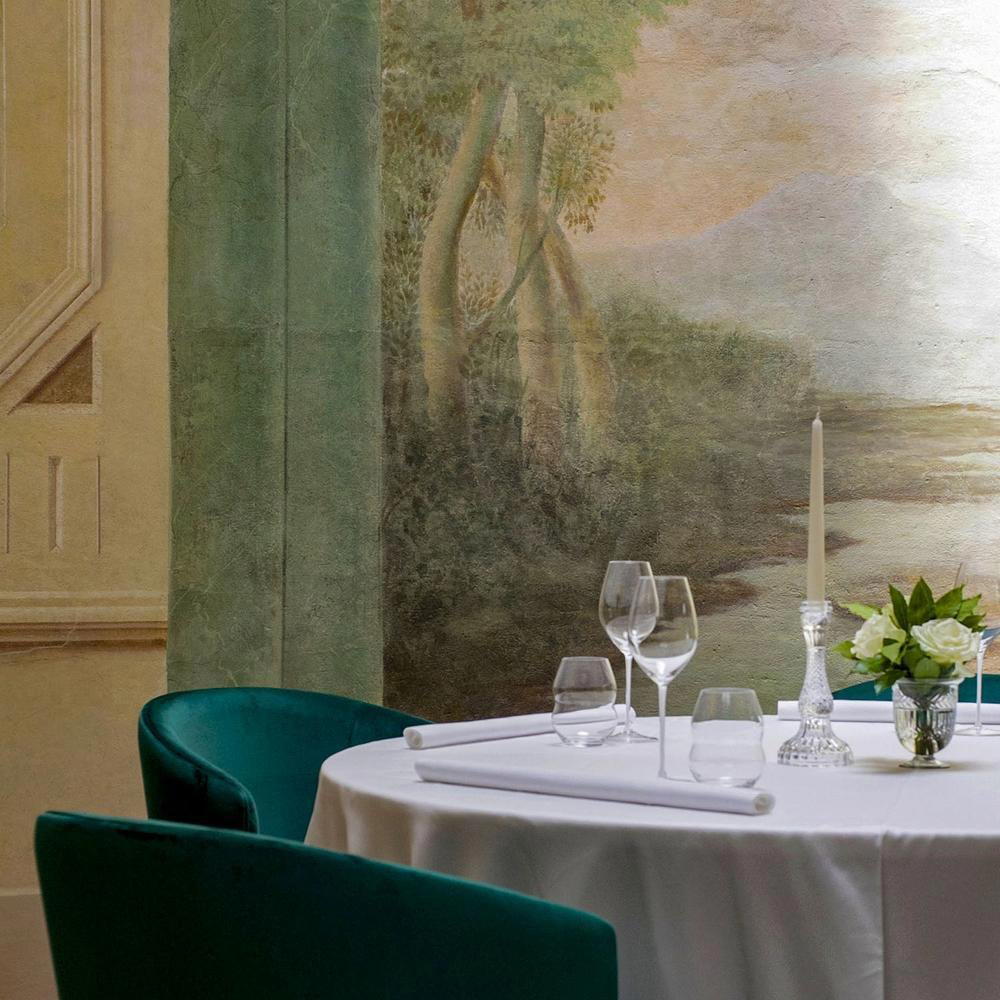
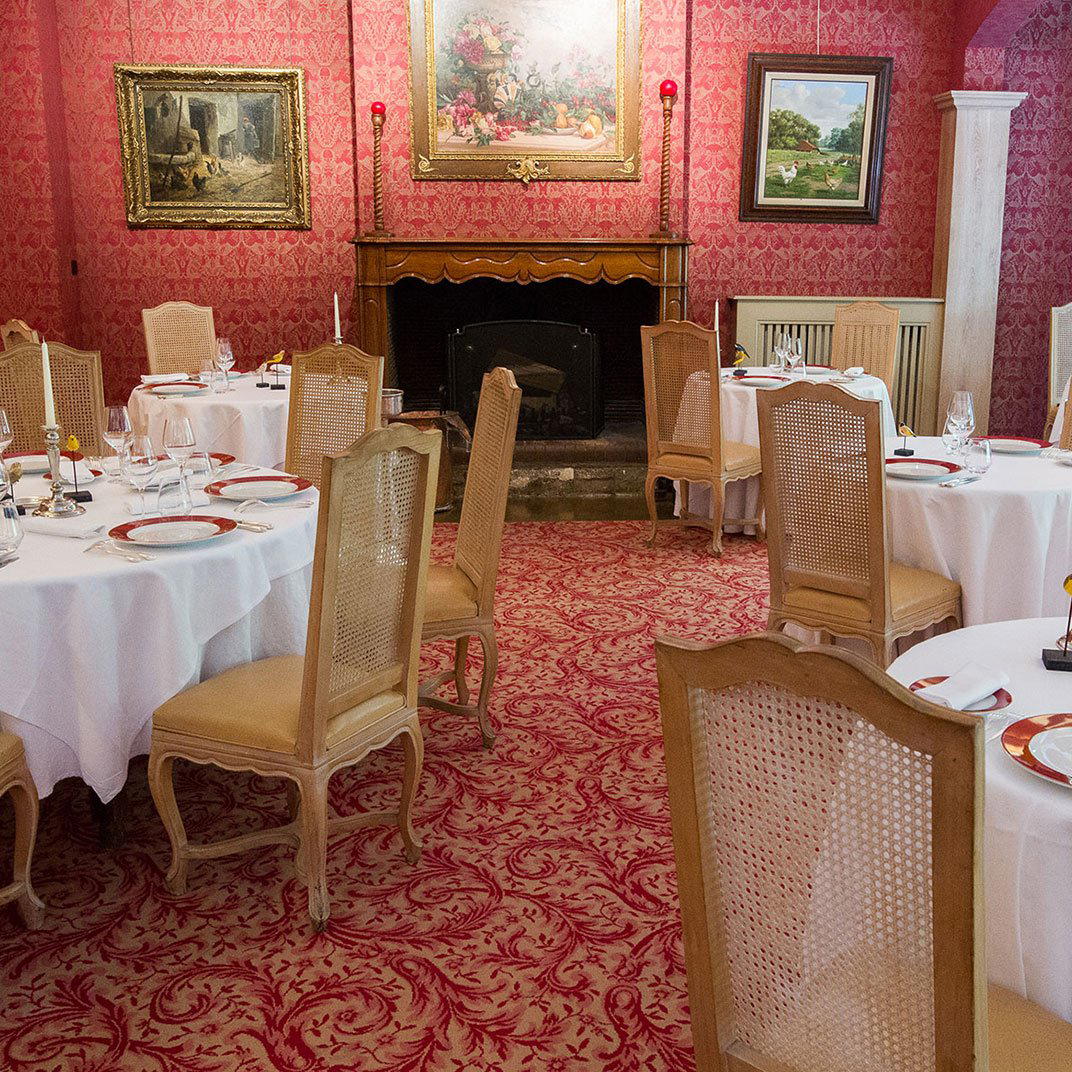
| Hôtel du ChâteauThis venue — the venue you are viewing | Family-run luxury boutique blending medieval stone architecture with modern comfort | Not listed | Michelin Selected | Not listed |
| Camellas-Lloret | Bohemian classic countryside retreat blending 18th-century French architecture with contemporary comfort and curated vintage furnishings. | $100–200 | Michelin Selected | Montreal |
| Hôtel Le Domaine d’Auriac | 19th-century manor house in leafy parkland | $300–500 | Michelin Selected · Relais Chateaux Award | Route de Saint-Hilaire |
| Hôtel de la Cité - MGallery | Historic medieval château converted into a luxury heritage hotel, blending period architecture with contemporary luxury amenities. | $300–500 | Michelin Selected · Virtuoso Luxury Hotel Partner | Medieval City (Cité) |
| Hôtel Le Parc - La Table de Franck Putelat | Restaurant with chic rooms | Not listed | Michelin Selected · Gault & Millau Exceptional Hotel | Carcassonne Center |
| Hotel De La Cite Carcassonne | Neo-Gothic castle hotel blending historic charm with modern luxury | $300–500 | Michelin Selected · Virtuoso Luxury Hotel Partner | Cité Médiévale |
Recognition history
Dated appearances from independent guides and award organizations, with the underlying list record or original source where available.
Michelin Selected
Michelin
Continue exploring
More in Carcassonne
Hotels in Carcassonne
Browse all →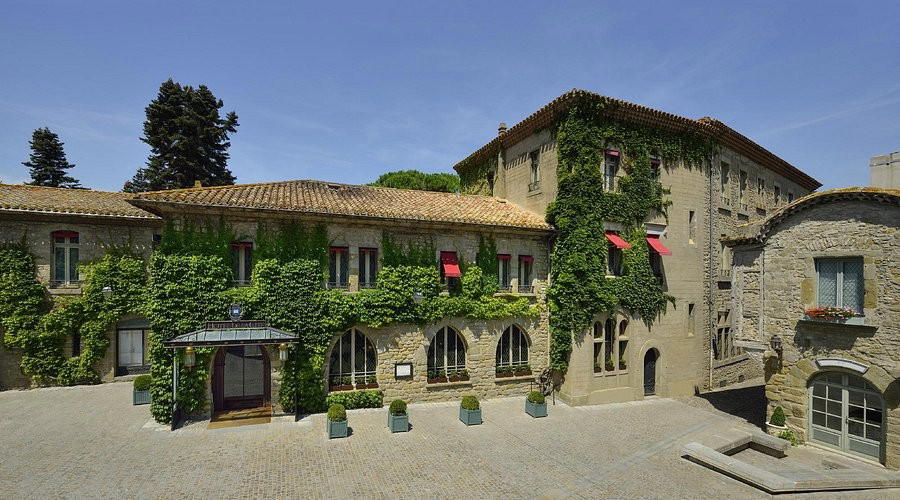
Restaurants in Carcassonne
Browse all →

Details
- Romantic
- Elegant
- Scenic
- Cozy
- Sophisticated
- Romantic Getaway
- Anniversary
- Weekend Escape
- Historic Building
- Panoramic View
- Terrace
- Wi Fi
- Pool
- Spa
- Room Service
- Concierge
- Air Conditioning
- Street Scene
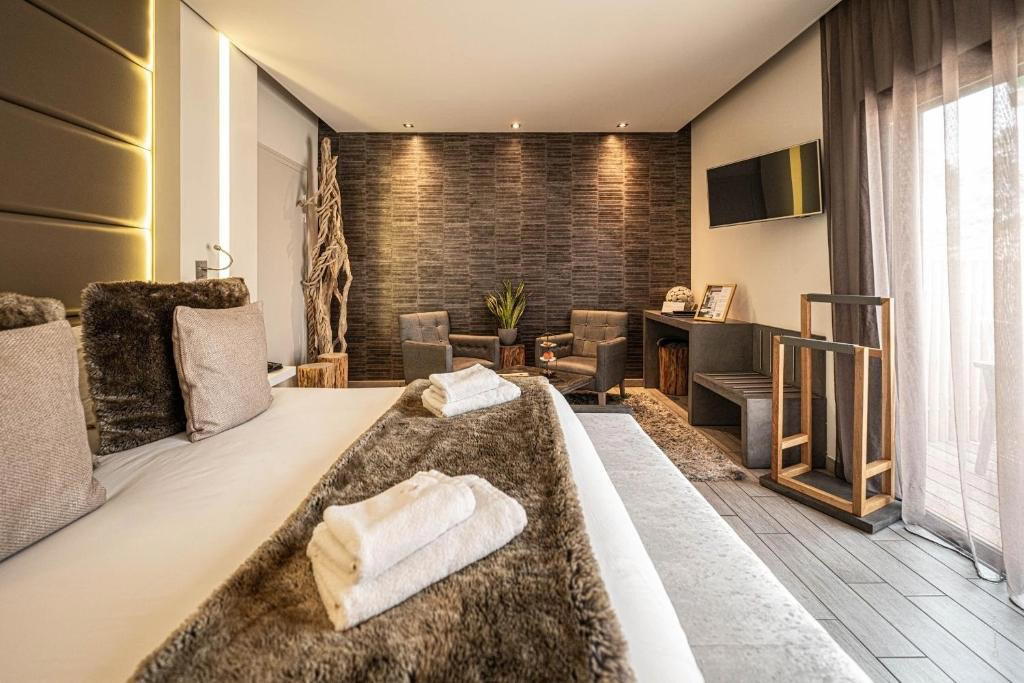
Atmospheric and serene with dramatic luxe rooms, soundproofing, and a calm, voluptuous family ambiance enhanced by a spa and panoramic bar.