On Rue de la Fonderie in central Toulouse, La Bringuerie occupies a stretch of the city where industrial history and neighbourhood eating culture overlap. The address places it within Toulouse's mid-market dining tier, where atmosphere and local character tend to matter as much as formal technique. Visitors looking to read the city through its restaurants rather than its monuments will find it a useful reference point.
Pearl is the En Primeur Club membership app — saves, bookings, and concierge access live there. Same editors, same standards.
- Address
- 28 Rue de la Fonderie, 31000 Toulouse, France
- Phone
- +33649746651
- Website
- module.thefork.com
- Directions
- Get directions
 Saves & bookings on Pearl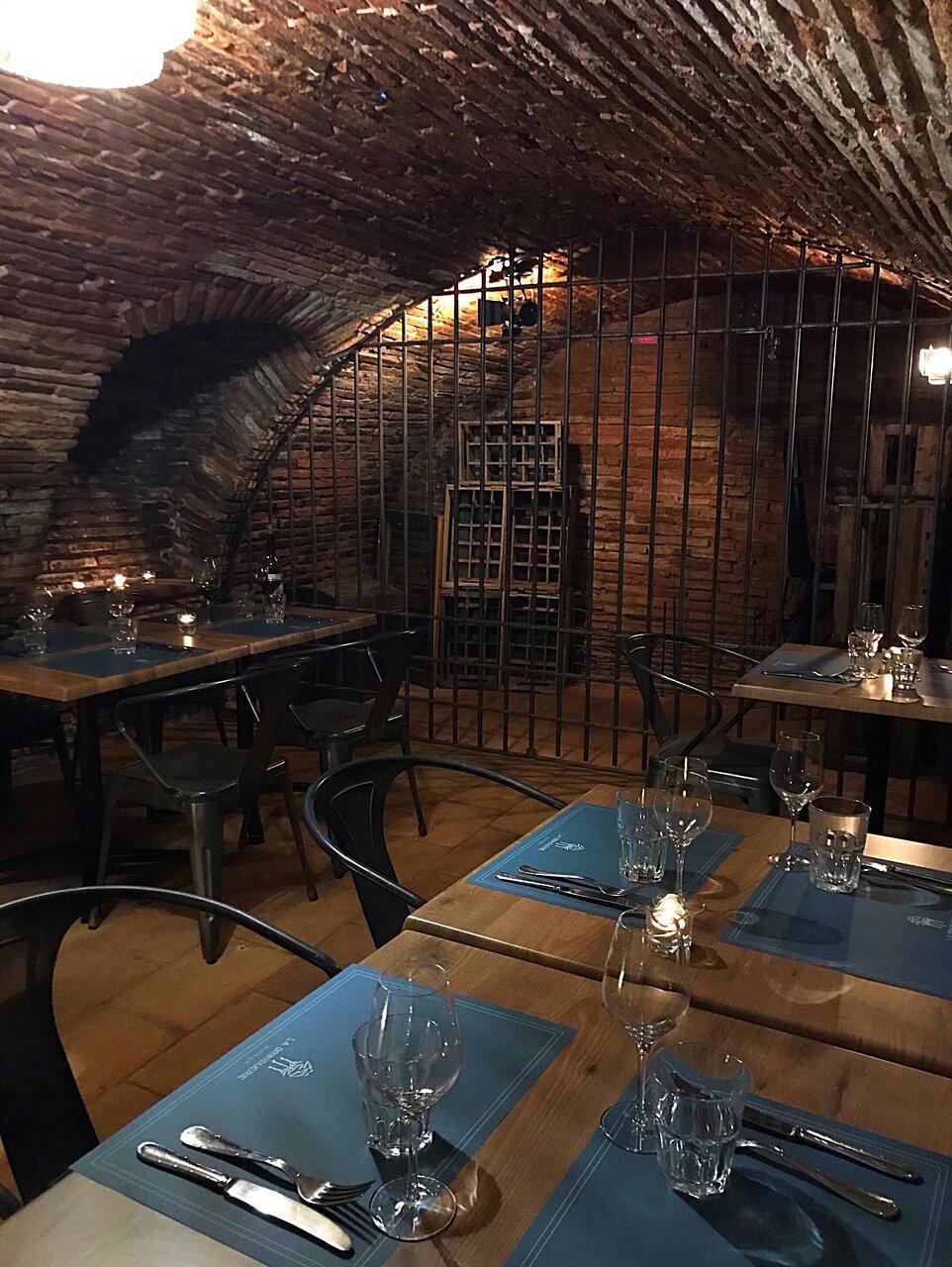
A Street That Sets the Tone
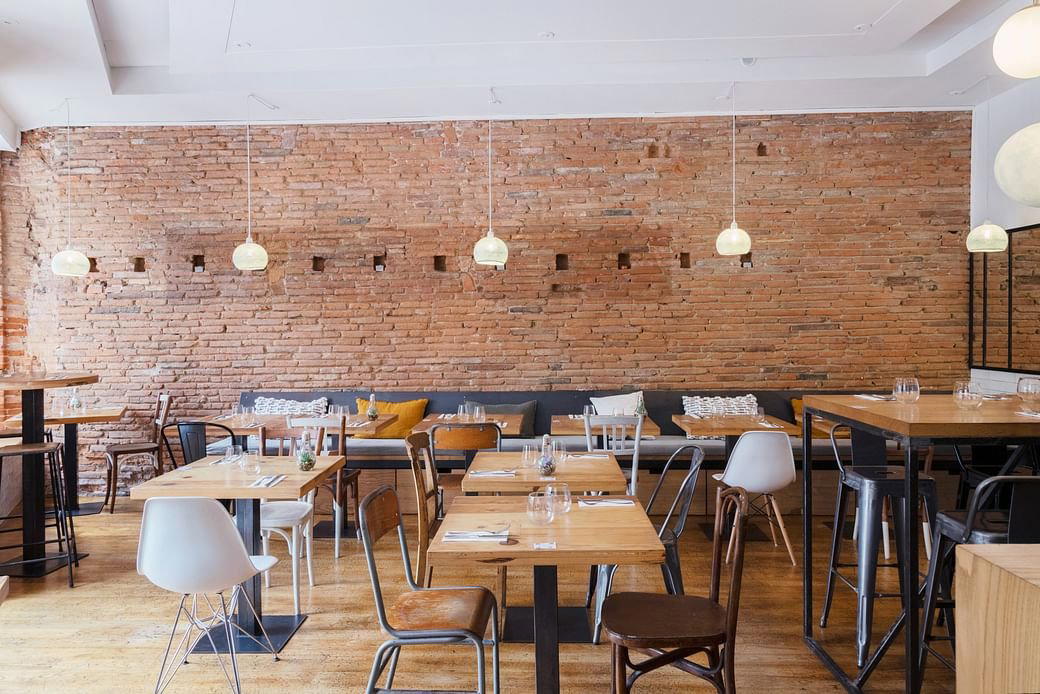
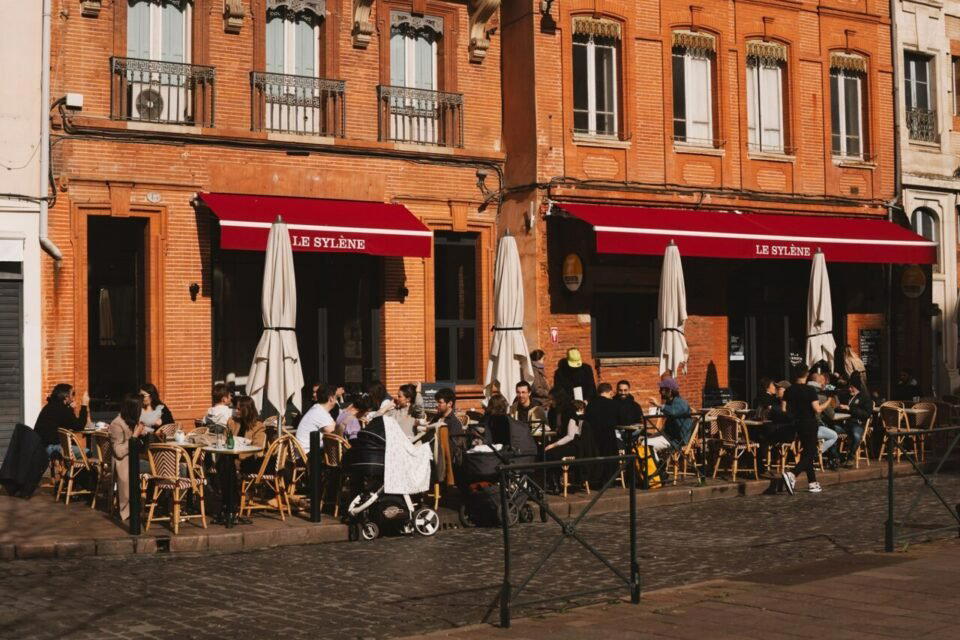
Rue de la Fonderie runs through one of central Toulouse's denser residential and commercial zones, a street that carries the texture of everyday city life rather than the polished finish of tourist-facing dining corridors. Arriving at number 28, the immediate context is brick, the warm pink-red Toulouse brick that defines the city's built environment and gives the Ville Rose its name. That material continuity between street and interior is something Toulouse does better than most provincial French cities: the architecture doesn't pretend to be elsewhere. It is insistently, specifically here.
The Fonderie district sits at a remove from the more visited restaurant clusters around Place du Capitole and the Carmes market, which means the crowd inside La Bringuerie skews local. That distinction matters in a city where the boundary between a neighbourhood restaurant and a destination dining room is still meaningfully observed. Toulouse has enough serious cooking, from the double Michelin-starred rooms of Michel Sarran at the formal end of the spectrum, to the creative tasting menus at Py-r, that the mid-market tier can afford to be confident rather than aspirational.
Where La Bringuerie Sits in the Toulouse Dining Picture
Toulouse's restaurant scene has a clear stratification. At the upper tier sit the creative and formal rooms: Michel Sarran's restaurant on Boulevard Armand Duportal, Acte 2 Yannick Delpech with its modern cuisine format, and SEPT, which has built a following for its controlled, contemporary approach. Below that, a layer of neighbourhood-first rooms operates on lower price points and higher frequency, serving the city's professional population rather than weekend visitors.
La Bringuerie, addressed on Rue de la Fonderie, appears in the latter register. The name itself, bringuerie is old French slang associated with carousing and convivial excess, signals an intent that sits closer to animated neighbourhood gathering than composed gastronomy. In a regional city like Toulouse, where the cassoulet tradition still anchors the dining culture and portions tend toward generosity rather than precision, that positioning is a coherent choice. It also places the restaurant in conversation with Agapes, another address working in the accessible modern register without the formal apparatus of the city's award-holding rooms.
The Sensory Register of Toulouse Dining
Understanding how the restaurant reads as an experience requires understanding what Toulouse expects from its restaurants at this level. The city's culinary identity is formed by southwest French traditions, duck in most of its preparations, Gascon charcuterie, white beans from Pamiers or Castelnaudary, wines from Gaillac and Fronton rather than Bordeaux or Burgundy. These are not subtle flavours. The regional palette is direct, fat-rich, and seasonal in the agricultural rather than the fashionable sense: what grows, what was put up in autumn, what the farms adjacent to the city have available.
A room shaped by that tradition operates differently from the restrained, product-first temples that France's most decorated kitchens tend to produce. Think of the contrast with Bras in Laguiole, where Michel and Sébastien Bras have spent decades translating the Aubrac plateau into a specific, disciplined sensory language. Or with the classical grandeur of Auberge de l'Ill in Illhaeusern, where decades of three-star consistency have calcified into a particular kind of ceremony. The neighbourhood room in Toulouse doesn't aspire to that register, it operates on volume, warmth, and the ambient noise of people who came to eat and talk in roughly equal measure.
Sound is part of the contract at this tier. Stone or tile floors, close-set tables, and the acoustic properties of old Toulouse brick combine to produce rooms where the background level is high enough to feel sociable rather than exposed. This is not the meditative quiet of a tasting-menu counter, it's closer to the sensory environment of a Lyonnaise bouchon, where the noise is a feature rather than a failure of design.
The Broader French Context
For visitors arriving in Toulouse with a frame of reference built from France's most formally recognised kitchens, the three-star precision of Alléno Paris au Pavillon Ledoyen, the alpine intensity of Flocons de Sel in Megève, the coast-rooted vision at Mirazur in Menton, or the generational depth at Troisgros in Ouches, the neighbourhood category requires a recalibration of expectations. That recalibration is not a downgrade. It's a shift in what the room is trying to do.
French regional cooking at its most functional level is not trying to express an individual chef's vision. It's trying to express a place, a supply chain, and a social ritual. The cassoulet that takes two days to make properly, the duck confit that requires months of preparation, the Fronton rouge that pairs with both because it comes from thirty kilometres away, these are the outputs of a system, not a personality. Rooms like La Bringuerie exist to deliver that system to people who live inside it every week.
For comparison: Paul Bocuse's Auberge du Pont de Collonges near Lyon is the maximalist version of this impulse, regional cooking turned into monument. The neighbourhood room is the everyday version, stripped of ceremony but not of seriousness. Both are expressions of the same underlying French conviction that cooking is a civic act as much as a personal one.
Planning Your Visit
The restaurant sits at 28 Rue de la Fonderie in central Toulouse, a short walk from the city's main metro lines and accessible on foot from most central accommodation. For visitors building a broader Toulouse dining itinerary, the address works as a neighbourhood counterpoint to the more formal rooms: it's worth placing alongside a reservation at a higher-tier room like SEPT or Acte 2 Yannick Delpech rather than as a substitute for them.
Accolades, Compared
Comparable venues nearby, for context on price, style, and recognition.
| Venue | Cuisine | Price | Notes |
|---|---|---|---|
| La BringuerieThis venue — the venue you are viewing | French Tapas Bistro | $$ | Not listed |
| Le Pic Saint Loup | Modern French Bistro | $$ | Saint-Michel / Saint-Agne / Empalot / Le Busca / Île du Ramier / Monplaisir |
| Les Sales Gosses - le Bistrot | Modern French Bistro | $$ | Les Chalets / Bayard / Belfort / Saint-Aubin / Dupuy |
| Vents d'Est | Authentic Alsatian | $$ | Les Chalets / Bayard / Belfort / Saint-Aubin / Dupuy |
| Le Chevillard | Traditional French Bistro - Viandard | $$ | Amidonniers / Compans-Caffarelli / Brouardel |
| Le Saint Sauvage | Modern French Bistro | $$$ | Capitole / Arnaud Bernard / Carmes |
Continue exploring
More in Toulouse
Restaurants in Toulouse
Browse all →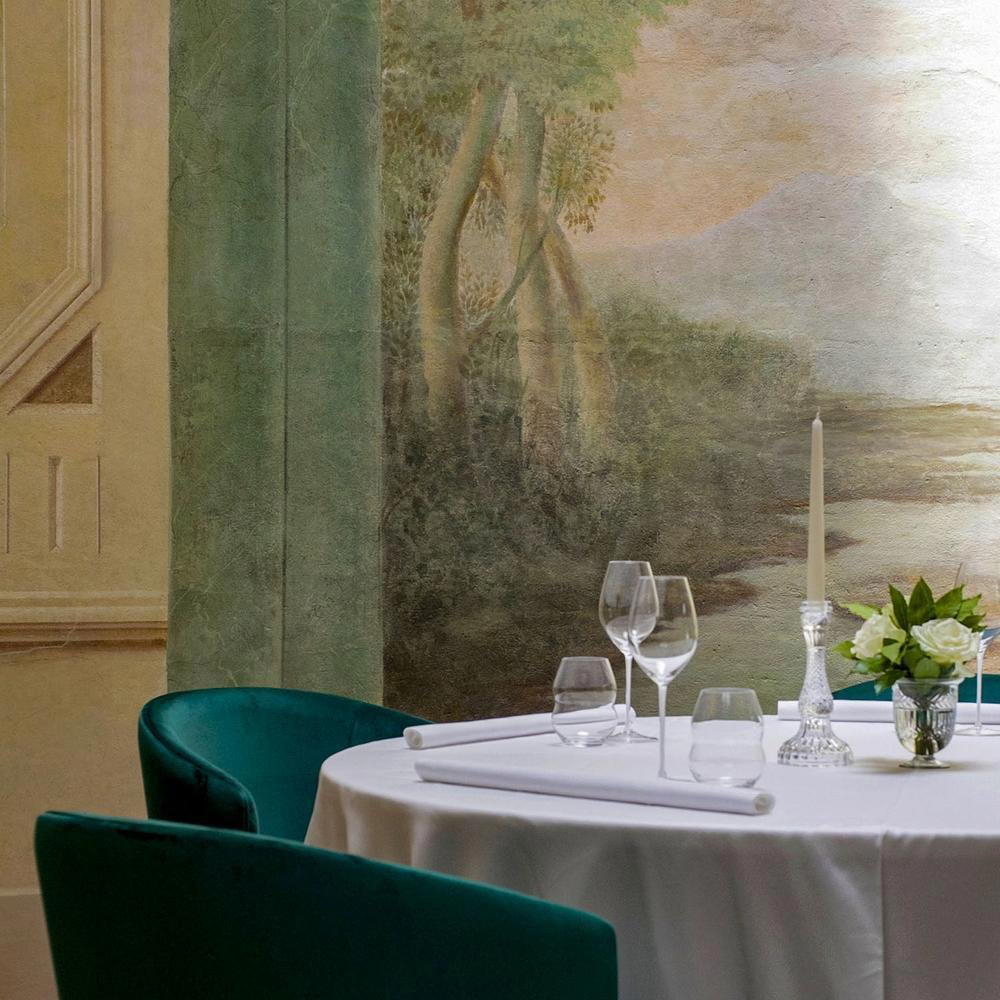
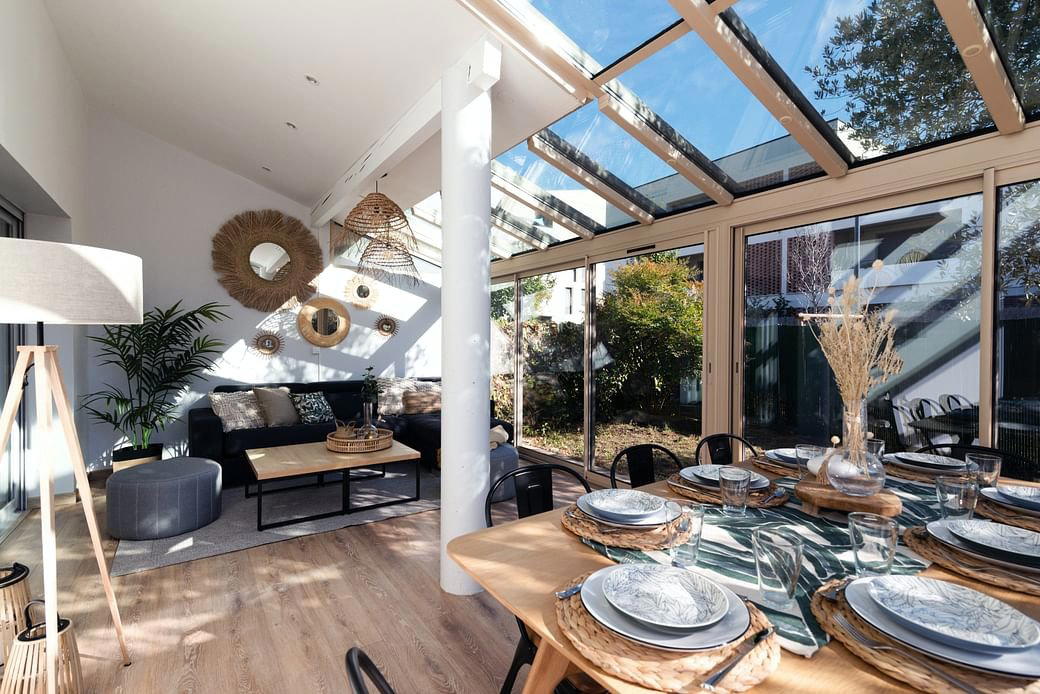
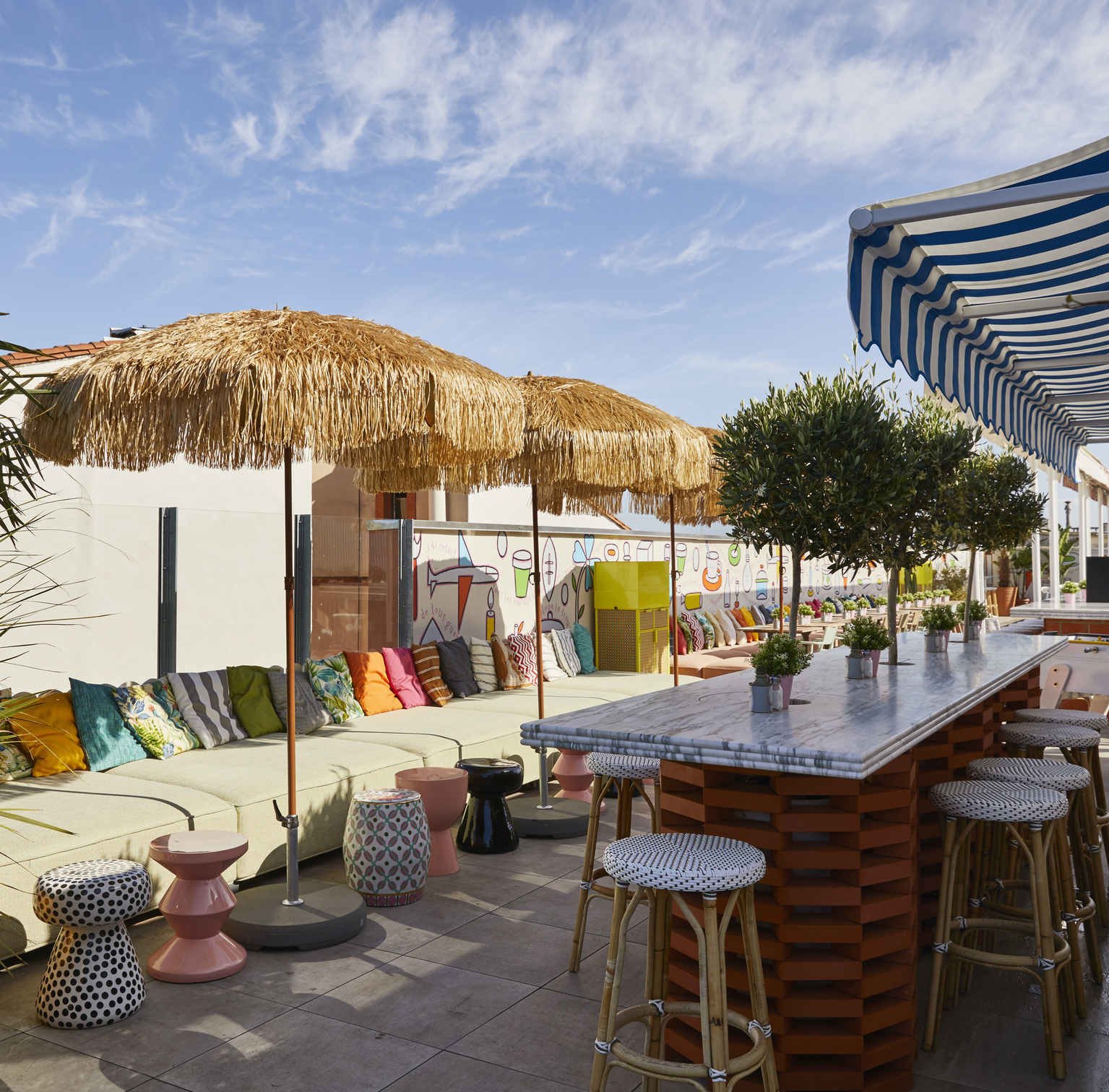
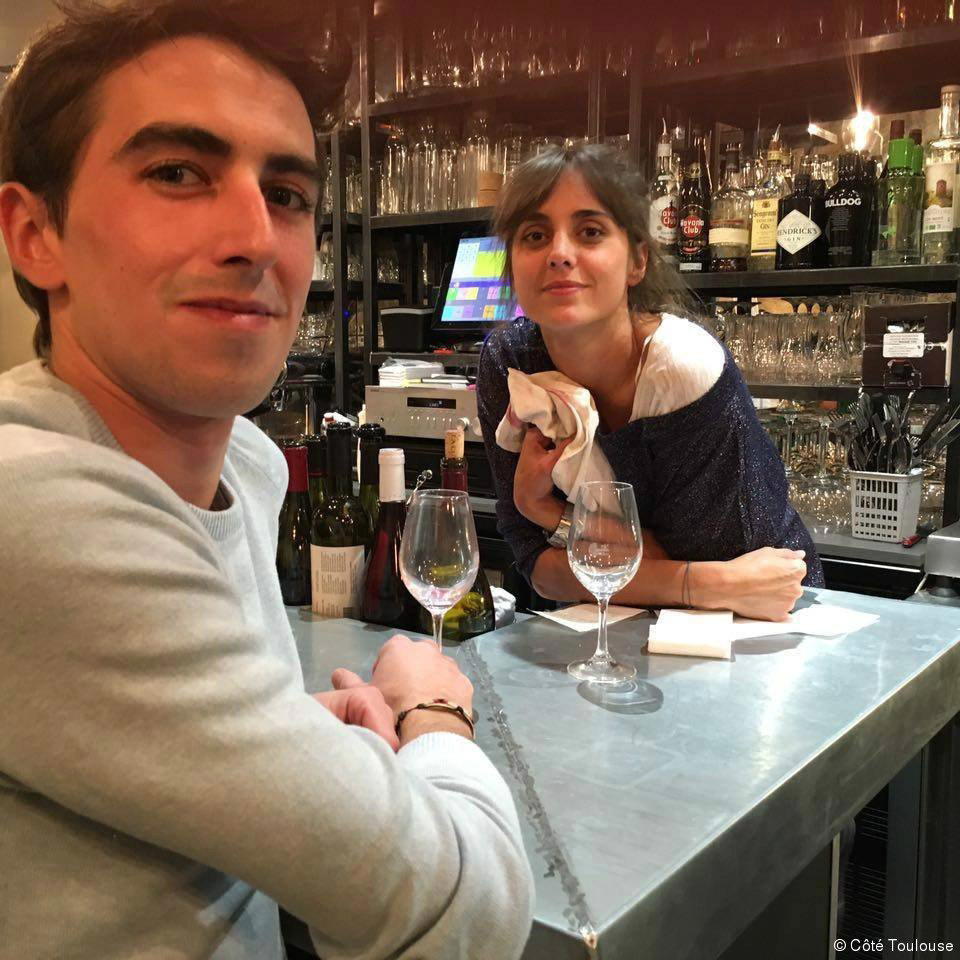
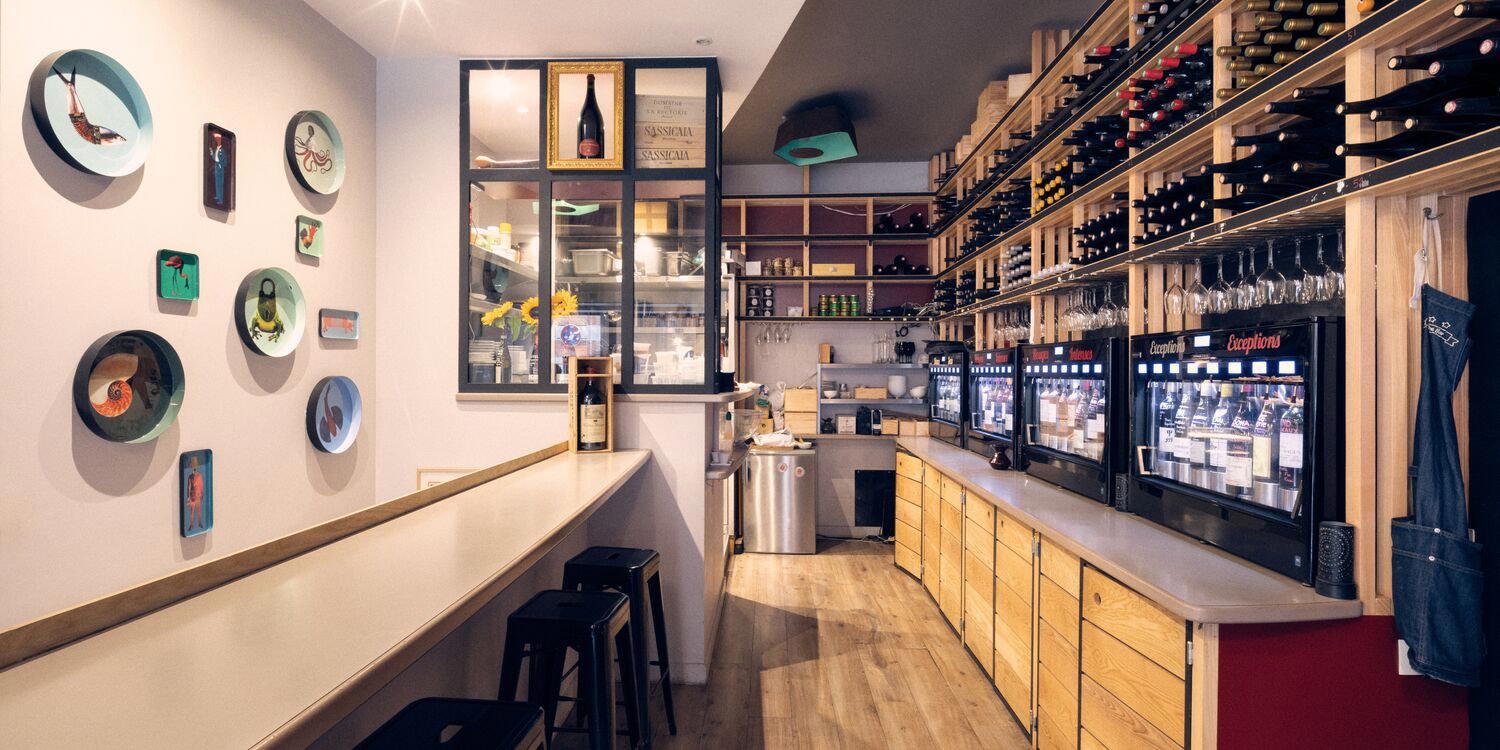
At a Glance
- Cozy
- Lively
- Casual Hangout
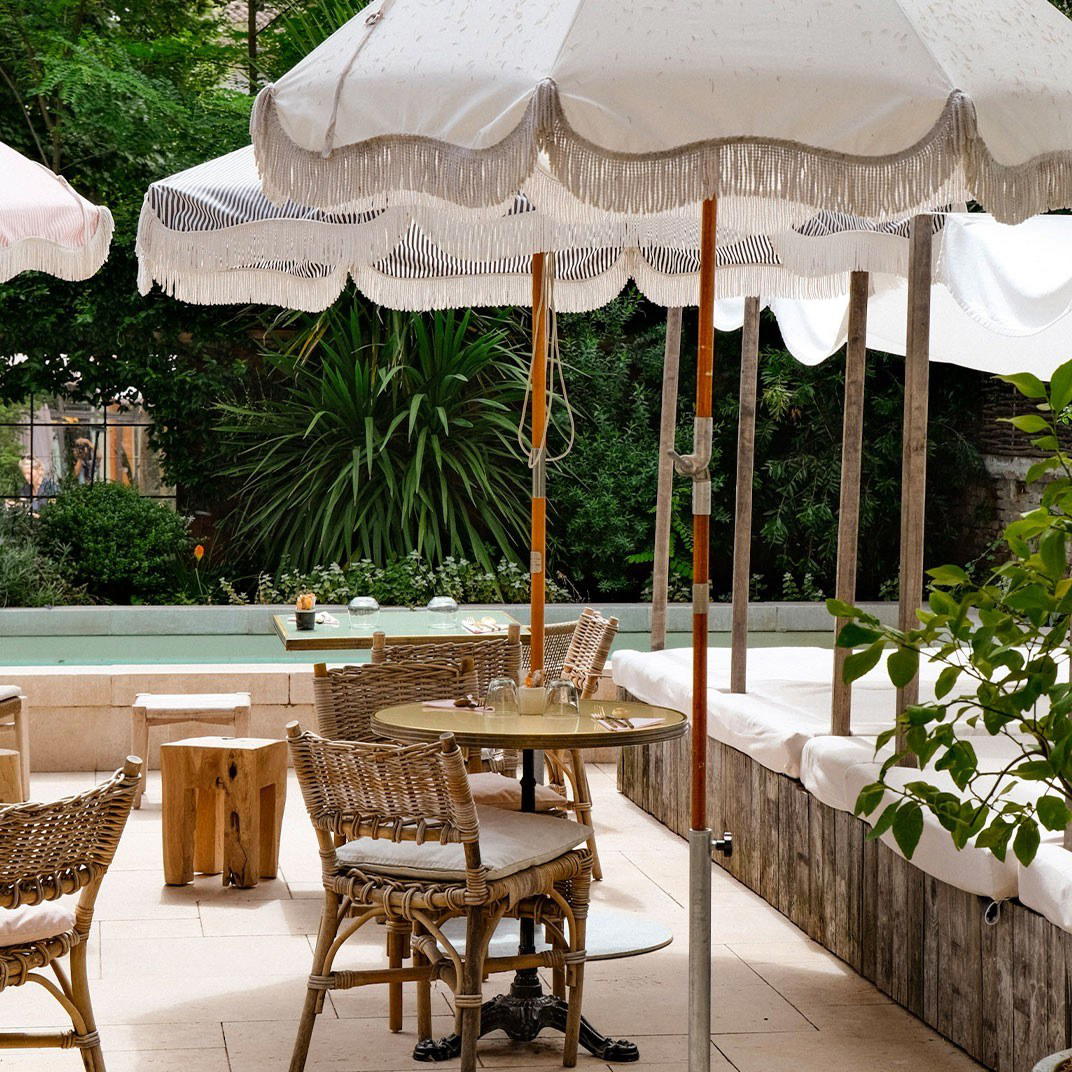
- Terrace
- Natural Wine
Current opening hours
- Monday
- Closed
- Tuesday
- 12–2 PM
- Wednesday
- 12–2 PM
- Thursday
- 12–2 PM, 7:30–10:30 PM
- Friday
- 12–2 PM, 7:30–10:30 PM
- Saturday
- 12–2 PM, 7:30–10:30 PM
- Sunday
- Closed
Hours can change for holidays and private events. Last verified .
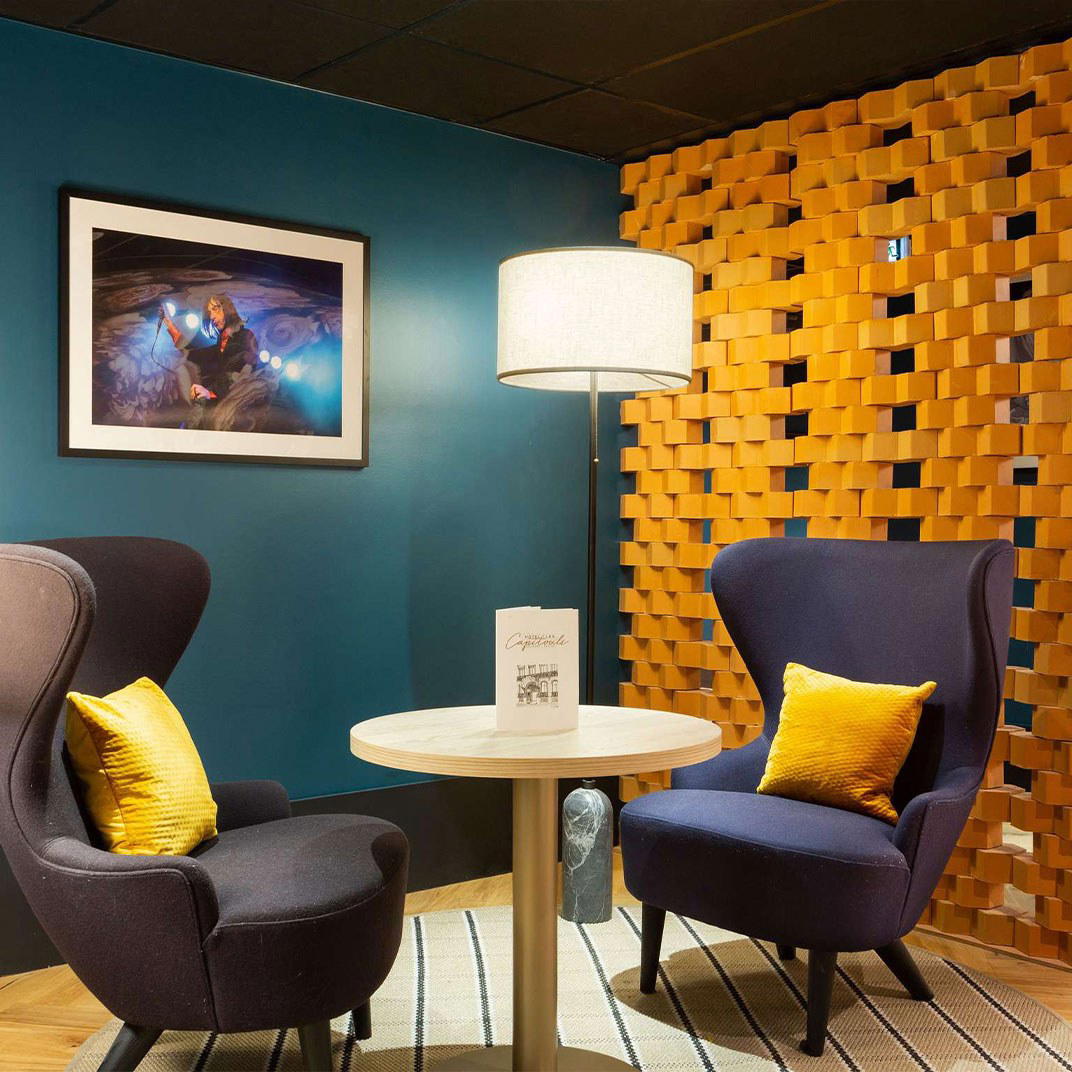
Cadre chaleureux et convivial avec ambiance chaleureuse.