Akelaŕe





Akelarre holds three Michelin stars and a 97-point La Liste ranking from its perch on Mount Igueldo, with sweeping views of the Bay of Biscay framing a menu built on fifty years of Basque culinary evolution under Chef Pedro Subijana. The restaurant operates Tuesday through Saturday for lunch and dinner, at the top end of San Sebastián's already demanding price tier. Book early: demand across the city's three-star tier runs consistently ahead of availability.
 Discover on Pearl
Pearl is the En Primeur Club membership app — saves, bookings, and concierge access live there. Same editors, same standards.
- Address
- Padre Orkolaga Ibilbidea, 56, 20008 Donostia / San Sebastián, Gipuzkoa, Spain
- Phone
- +34 943 31 12 09
- Website
- akelarre.net
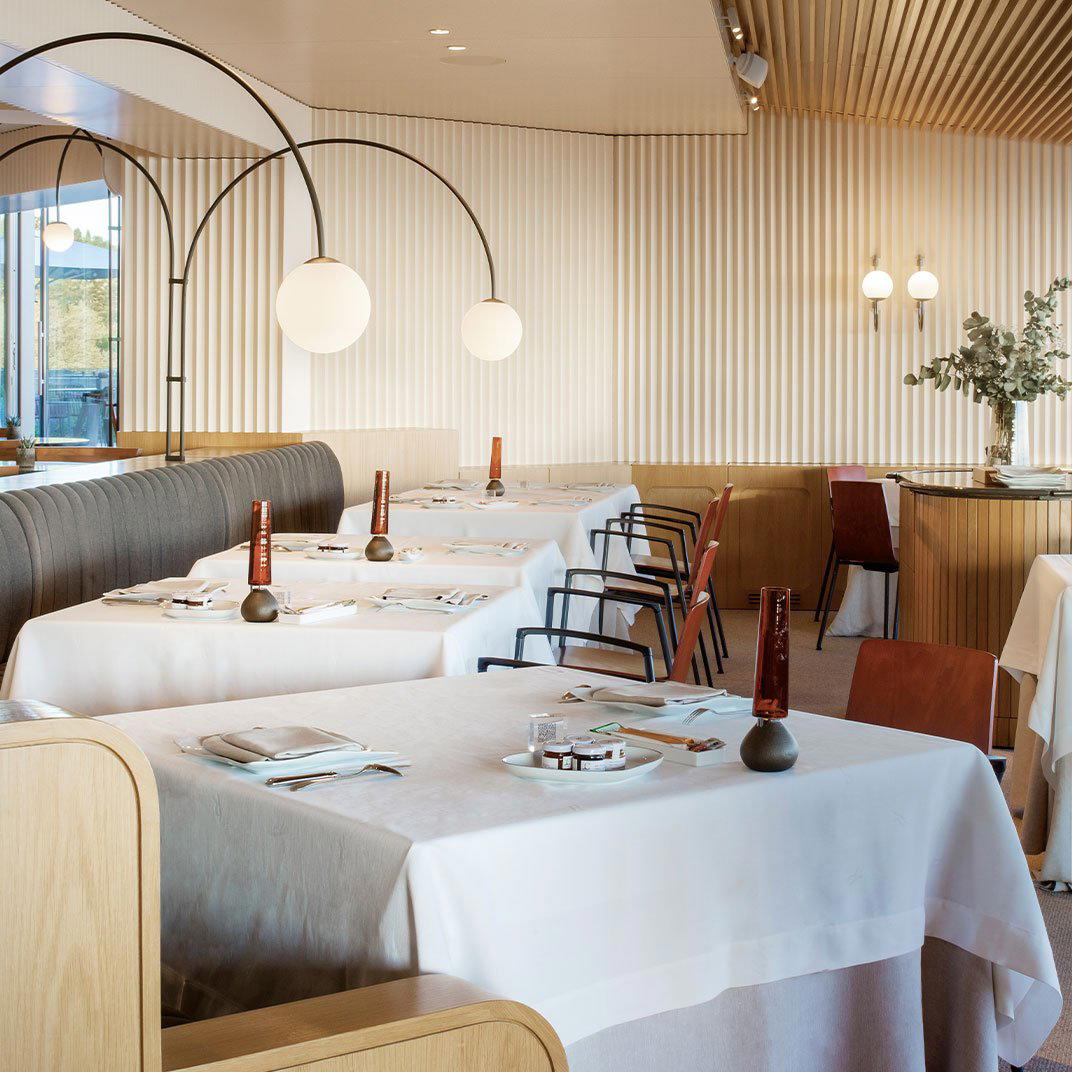
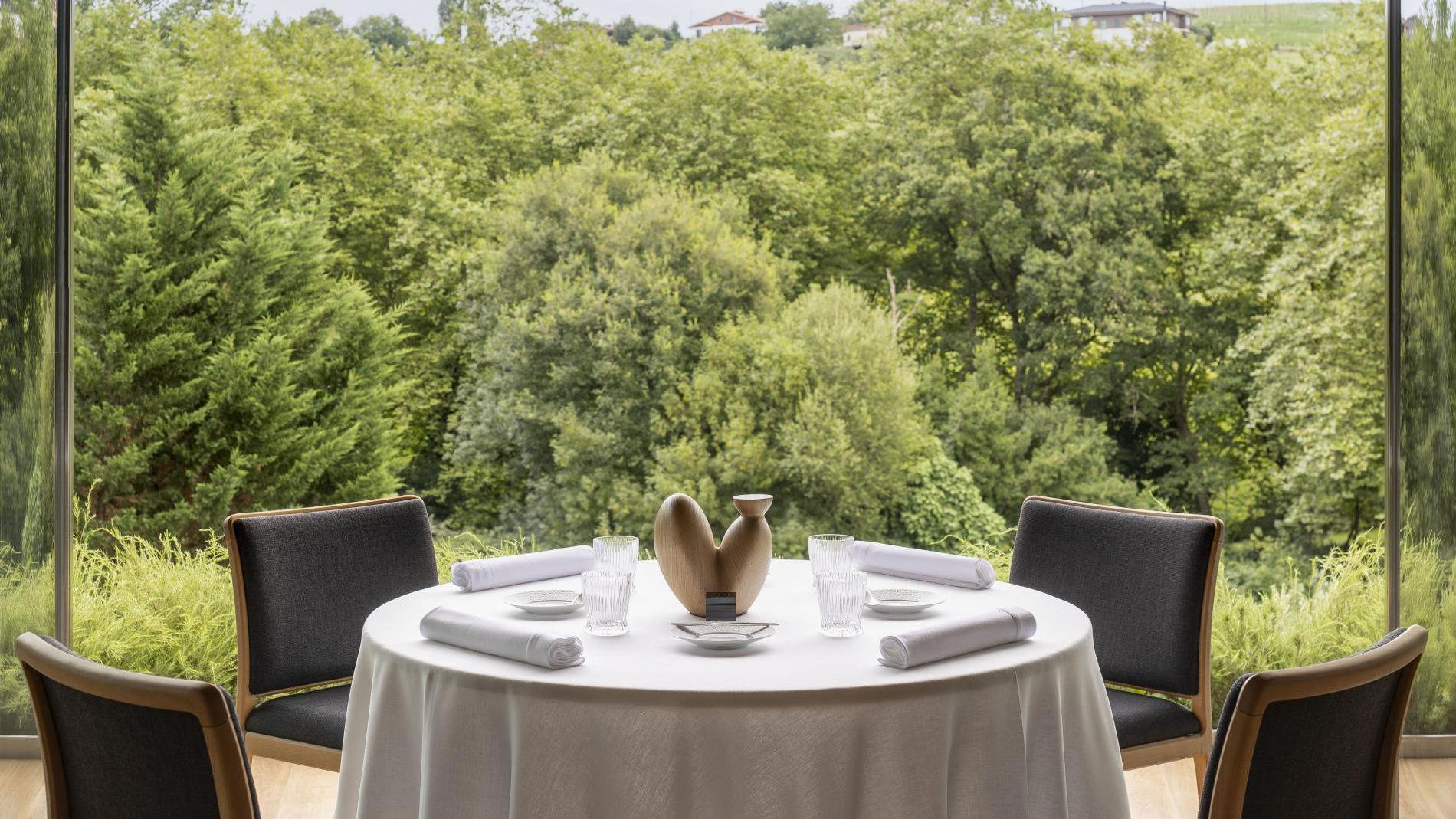
Mount Igueldo and the View That Sets the Terms
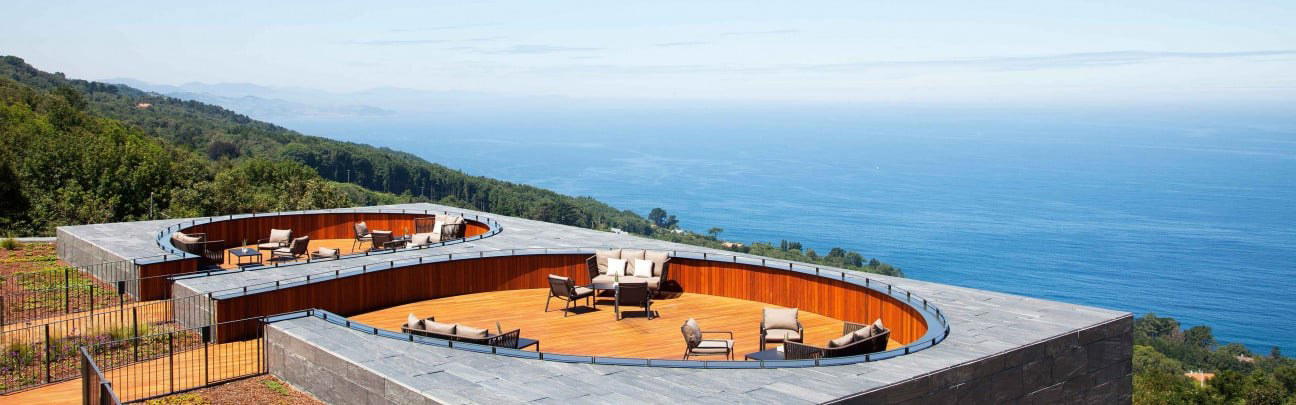
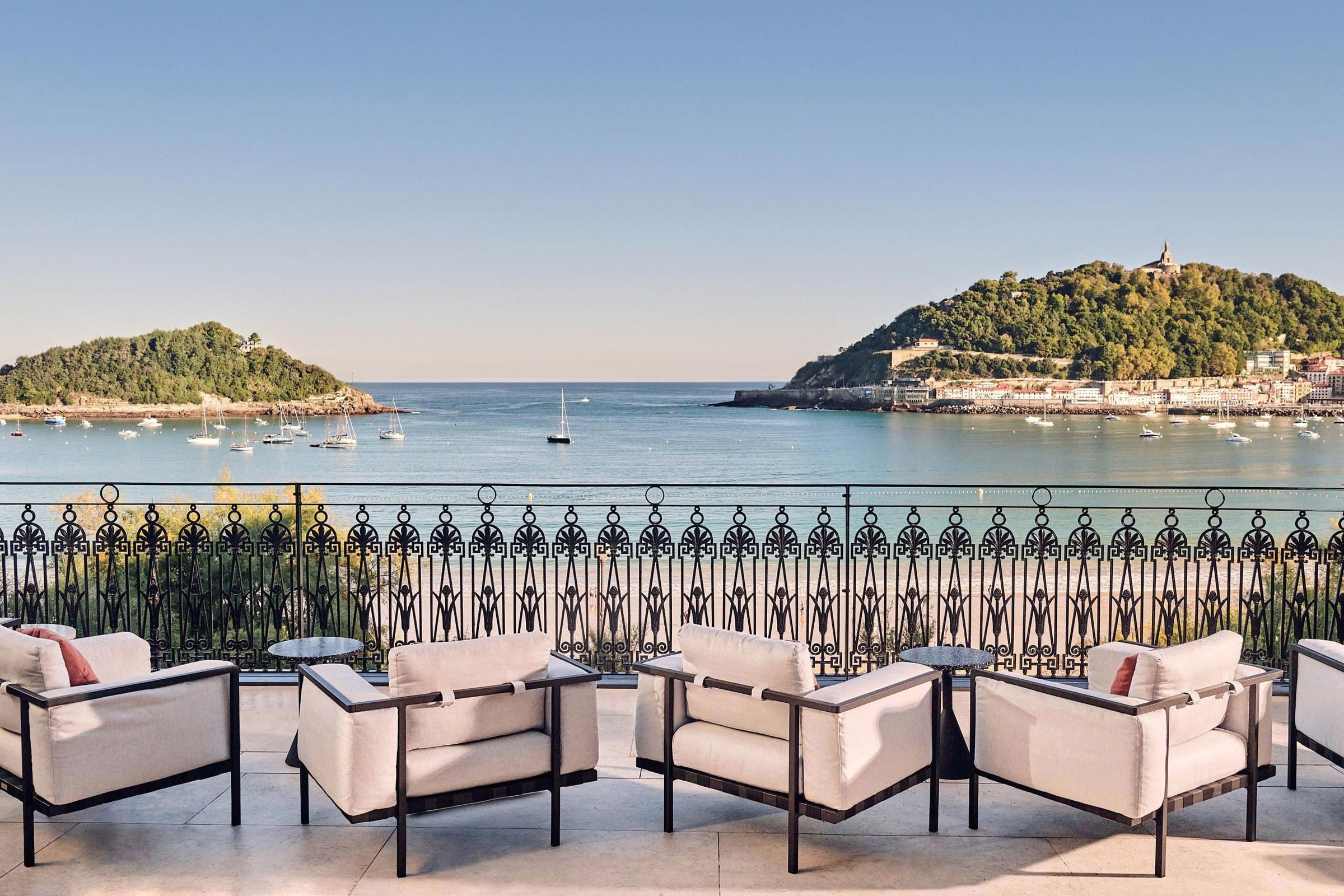
The approach to Akelarre establishes its register before a single dish arrives. Sitting within the hotel of the same name on Mount Igueldo, the dining room looks out over the Bay of Biscay. San Sebastián has a higher concentration of Michelin stars per capita than almost any city in Europe, and its three-star addresses each stake a claim to a particular kind of authority. Akelarre's claim is rooted in geography as much as cuisine: the elevation, the Atlantic horizon, and the sense of remove from the old town's pintxos circuit all signal that this is a different category of proposition.
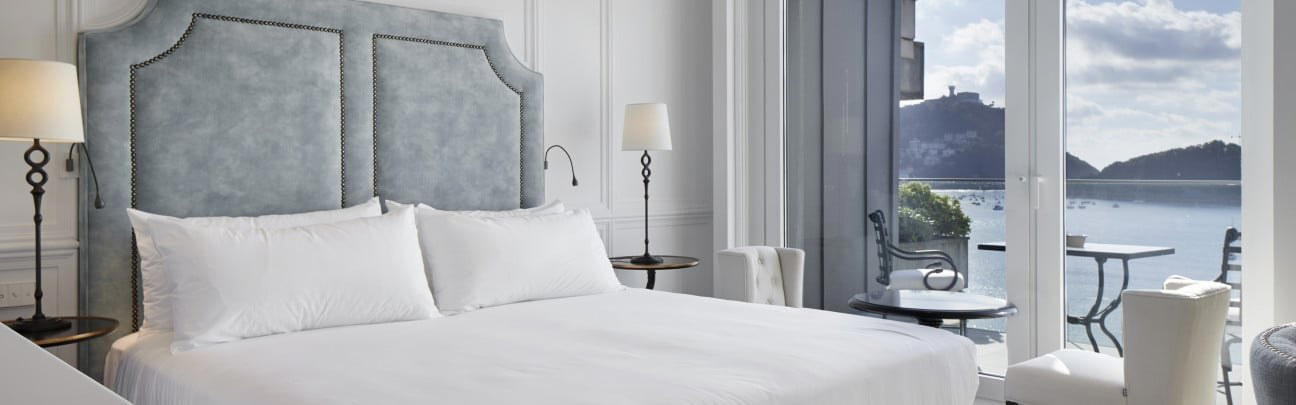
The interior design reinforces that positioning. The hotel carries two Michelin Keys, a recognition system for hospitality properties, which places the broader property inside a small comparable set of restaurants where the room itself is understood to be part of the meal. That kind of integration, where architecture and setting function as active components rather than passive backdrop, is increasingly rare even at the top tier of European fine dining.
The New Basque Cuisine Movement and What It Still Means
To understand what Akelarre is doing in 2025, it helps to understand what the New Basque Cuisine movement was when it started. In the mid-1970s, a cohort of chefs centred on San Sebastián began a deliberate break from received wisdom about Spanish regional cooking. Influenced by French nouvelle cuisine but anchored in Basque ingredients and traditions, they argued that technique and creativity should not erase memory but refine it. Pedro Subijana was among the founding figures of that movement, which places him in the same generational and ideological cohort as Juan Mari Arzak at Arzak, one of the other pillars of that era still operating at the top of the city's dining hierarchy.
Akelarre has announced it will commemorate the Golden Anniversary of New Basque Cuisine with a programme built around reinvented versions of its signature classics alongside new contemporary work. That dual structure, memory and invention running in parallel, is the clearest distillation of what the restaurant has stood for across five decades. It is also, functionally, a more ambitious editorial statement than most three-star kitchens make about their own history.
The Urteurrena menu, which marked Subijana's personal fifty-year anniversary at the restaurant, preceded this anniversary cycle and established the template: take the archive seriously, then do something unexpected with it.
Tradition on the Plate: Where Ham Fits Into Basque Fine Dining
The role of cured pork in Spanish haute cuisine is often misread from outside. Jamón, in its Ibérico and Serrano forms, sits at the centre of a craft tradition with its own geography, terminology, and hierarchy: from the acorn-fed pata negra of Extremadura and Andalucía to the mountain-cured hams of the interior, each carrying a flavour profile determined by breed, feed, altitude, and curing duration. At the level of Basque fine dining, ham is rarely served as spectacle. It functions instead as a reference point, a way of signalling fluency with the full depth of Spanish larder culture rather than just the Basque coastline.
For a kitchen rooted in the New Basque Cuisine tradition, the question is always how much of the wider Spanish pantry to admit and on what terms. The Basque Country has its own cured pork traditions, including txistorra and various smoked preparations, but the reverence for Ibérico ham extends across regional lines at the level of serious Spanish cooking. Chefs working in Subijana's tradition have long understood that the curing craft, the patience encoded in months or years of controlled drying and aging, has a direct analogue in what great Basque kitchens do with fish, with fermentation, and with the long preparation of stocks and sauces. The disciplines rhyme.
In the context of a tasting menu at this level, that understanding shapes how ingredients are positioned: not as standalone showcases but as arguments about depth, provenance, and the relationship between time and flavour. It is a sensibility that connects the curing cave to the professional kitchen more directly than a tourist reading of Spanish food culture would suggest.
The Competitive Context: San Sebastián's Three-Star Tier
San Sebastián's three-star group is small and operates at a price point that reflects both the dining room ambition and the cost of running a kitchen at this level. Akelarre sits at €€€€, the same tier as Arzak, Amelia by Paulo Airaudo, and iBAi by Paulo Airaudo. Within that group, the distinctions are generational and conceptual: the Airaudo restaurants represent a newer wave of international-trained talent working in the Basque frame, while Akelarre and Arzak carry the institutional weight of the movement's origin story.
La Liste rated Akelarre 97 points in 2026. For context, Spain's other three-star addresses, including El Celler de Can Roca in Girona, Azurmendi in Larrabetzu, Disfrutar in Barcelona, DiverXO in Madrid, Aponiente in El Puerto de Santa María, and Quique Dacosta in Dénia, compete for a similar audience but from different aesthetic and geographic positions.
At the one-star tier below, Kokotxa and Agorregi offer access to serious Basque cooking at a lower spend. Google reviews average 4.5 across 1,906 responses.
Planning the Visit
Akelarre operates Wednesday through Sunday, with lunch service running from 1pm to 2pm and dinner from 8:15pm to 9pm on Wednesday through Saturday. At a three-star address with anniversary programming running through 2026, booking well in advance is advisable.
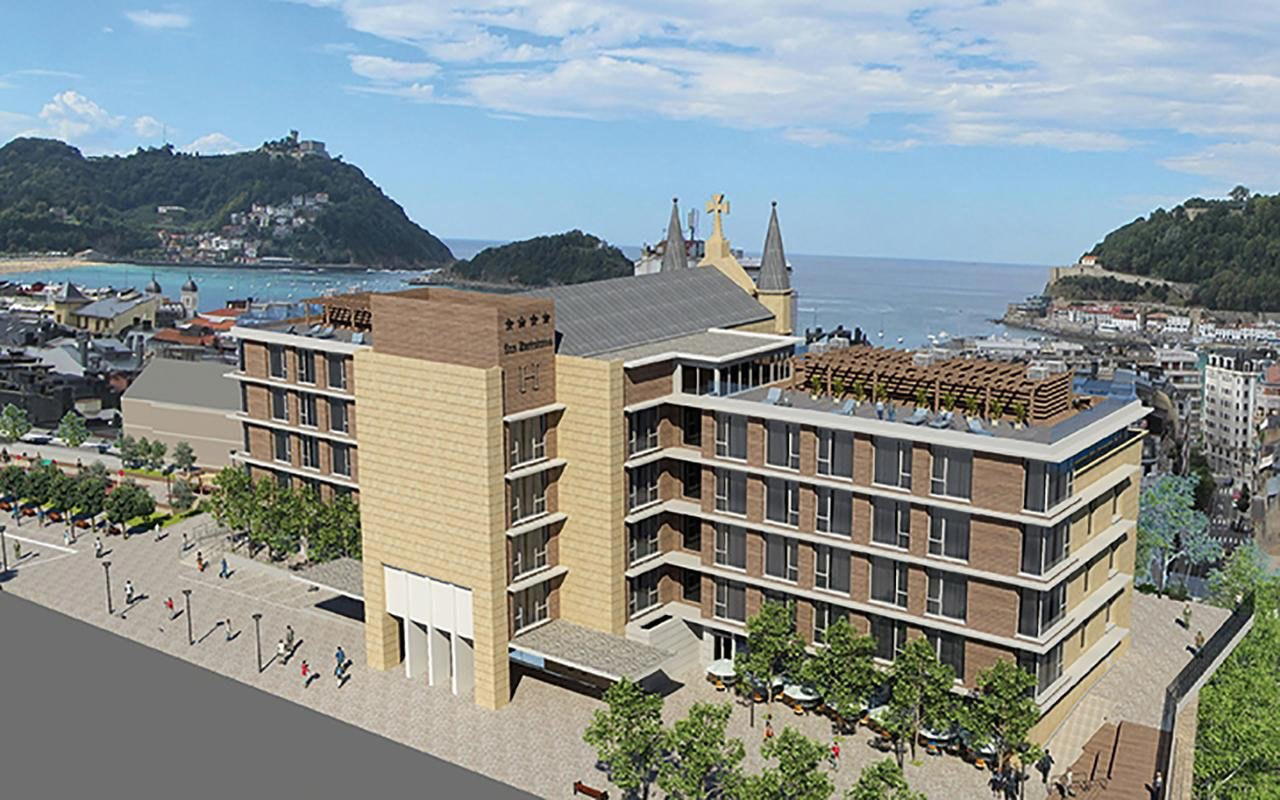
The restaurant sits at Padre Orkolaga Ibilbidea, 56, within the hotel on Mount Igueldo. Guests who prefer to extend the experience can stay at the hotel, which carries two Michelin Keys, though dining reservations are made separately. Those with dietary restrictions should note when booking.
For comparative reference beyond Spain, Le Bernardin in New York City and Atomix in New York City occupy analogous positions in their respective cities: long-established, technically rigorous, and operating in a different register from the newer wave of restaurants that surround them.
Booking and Cost Snapshot
Comparable venues nearby, for context on price, style, and recognition.
| Venue | Cuisine | Price | Awards | Notes |
|---|---|---|---|---|
| AkelaŕeThis venue — the venue you are viewing | Igeldo, Modern Basque Fine Dining | $$$$ | Michelin 3 Star | |
| Amelia by Paulo Airaudo | $$$$ | Michelin 2 Star | La Concha, Modern Basque Fusion Fine Dining | |
| Kokotxa | Old Town, Modern Basque Seafood | $$$$ | Michelin 1 Star | |
| Itzuli | $$$$ | Michelin 1 Star | Monte Igueldo, Contemporary Basque Fine Dining | |
| iBAi by Paulo Airaudo | Old Town, Traditional Basque Seafood | $$$$ | Michelin 1 Star | |
| Arzak | $$$$ | Michelin 3 Star | Alto de Miracruz, Contemporary Basque Fine Dining |
Continue exploring
More in San Sebastián
More from Chef Pedro Subijana
Browse all →
Restaurants in San Sebastián
Browse all →
Bars in San Sebastián
Browse all →
At a Glance
- Elegant
- Sophisticated
- Scenic
- Modern
- Special Occasion
- Date Night
- Celebration
- Waterfront
- Open Kitchen
- Extensive Wine List
- Waterfront
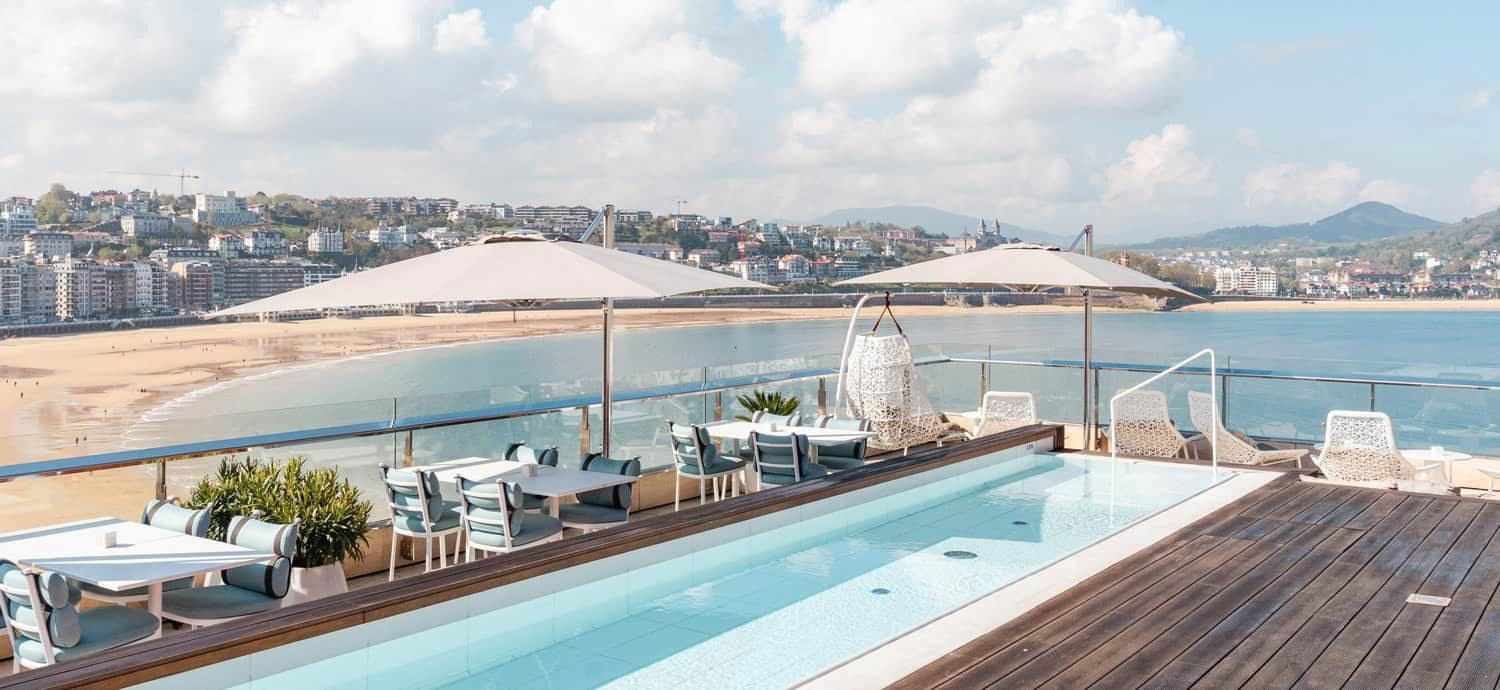
Minimalist decor with welcoming atmosphere, stunning ocean views from interior and terraces, refined yet warm.