On Rue Saint-Jean in Colmar's medieval core, Bistrot des Lavandières occupies the quieter, neighbourhood-facing tier of Alsatian dining, less formal than the city's creative tasting-menu rooms, more considered than the tourist-oriented winstubs along the waterfront. It positions itself in the bistrot register: a format that, in Alsace, tends to mean regional produce, direct cooking, and a wine list drawn from local growers rather than the grand caves of Burgundy or Bordeaux.
Pearl is the En Primeur Club membership app — saves, bookings, and concierge access live there. Same editors, same standards.
- Address
- 12 Rue Saint-Jean, 68000 Colmar, France
- Phone
- +33389241922
- Website
- bistrotdeslavandieres.com
- Directions
- Get directions
 Saves & bookings on Pearl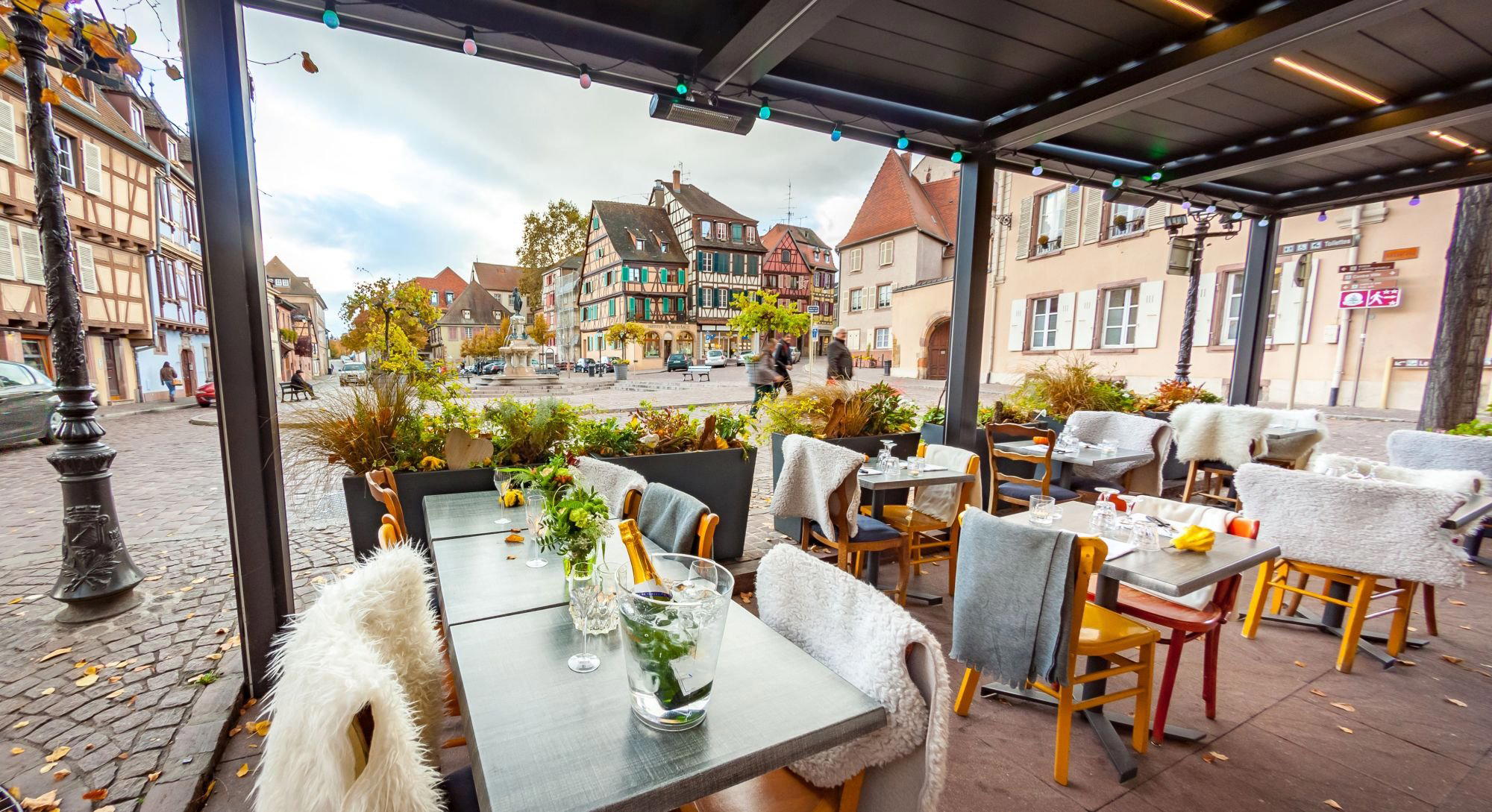
Rue Saint-Jean and What It Tells You About Colmar's Dining Tiers
Colmar's culinary geography runs on a clear gradient. At one end sit the creative tasting-menu rooms, JY'S and L'Atelier du Peintre among them, where prix-fixe formats and modernist technique align with Michelin-facing ambitions. At the other end, the tourist corridor along the Lauch canal supplies winstubs with choucroute and flammekueche to visitors who arrived by coach an hour ago. Between those poles, and increasingly relevant to travellers who know both exist, sits a third tier: neighbourhood bistrots with serious kitchens and no particular interest in performing for either audience.
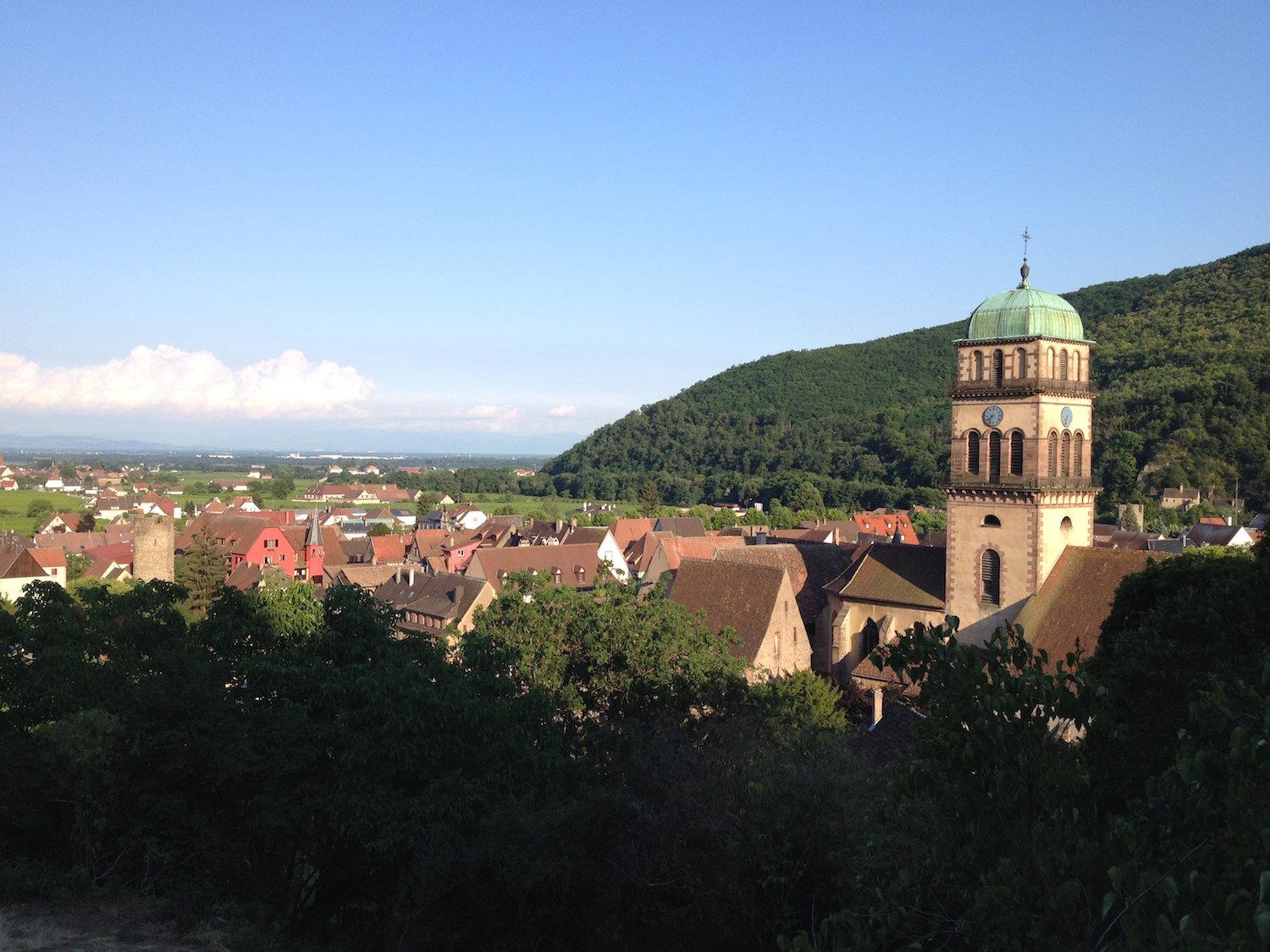
Bistrot des Lavandières on Rue Saint-Jean belongs to that middle register. The street itself is instructive. It runs through the older residential fabric of the city, away from particularly photographed half-timbered frontages, and it carries the quieter commerce of a working neighbourhood, bakeries, a pharmacy, the kind of bar where locals stop before heading home. A bistrot here isn't making a statement about tourism; it's addressing the people who live nearby and the visitors who've done their research well enough to find it.
The Bistrot Format in an Alsatian Context
Across France, the bistrot has occupied a contested middle ground for at least two decades. The format's informal register and moderate price point should, in theory, make it one accessible entry point to serious regional cooking. In practice, Alsace's bistrot tier has often been squeezed from above by ambitious tasting-menu restaurants, Restaurant Girardin operates in that register, and from below by the winstub tradition, which commands genuine affection from locals and tourists alike.
What survives in the better neighbourhood bistrots is a commitment to the Alsatian pantry without the formality of a five-course menu. That means riesling used in braises and sauces as naturally as butter, charcuterie that references the Germanic influences woven through Alsatian food history, and a willingness to serve a single plat with a glass of Pinot Gris rather than asking every table to commit to a full menu. It's a format built for regulars rather than occasion dining, which is precisely why it tends to produce a different, often more honest, version of regional cooking than the ambitious rooms above it.
For broader context on how Colmar's restaurants distribute across these tiers,
Place in Colmar's Neighbourhood Dining Scene
Colmar is a small city, roughly 70,000 residents, and its dining scene functions accordingly. The restaurants that survive here without Michelin recognition or heavy tourist footfall do so because they've built a local clientele. That's a different economic model than the one supporting destination restaurants like Auberge de l'Ill in Illhaeusern, which draws visitors from across the region and beyond, or the grand French institutions further south such as Flocons de Sel in Megève or Bras in Laguiole.
A neighbourhood bistrot on Rue Saint-Jean operates closer to venues like Au Cygne and Au Soleil Levant in its functional positioning, restaurants where the repeat customer matters more than the first-time visitor, and where the menu calibrates to what producers are delivering that week rather than what photographs well on a tasting-menu card.
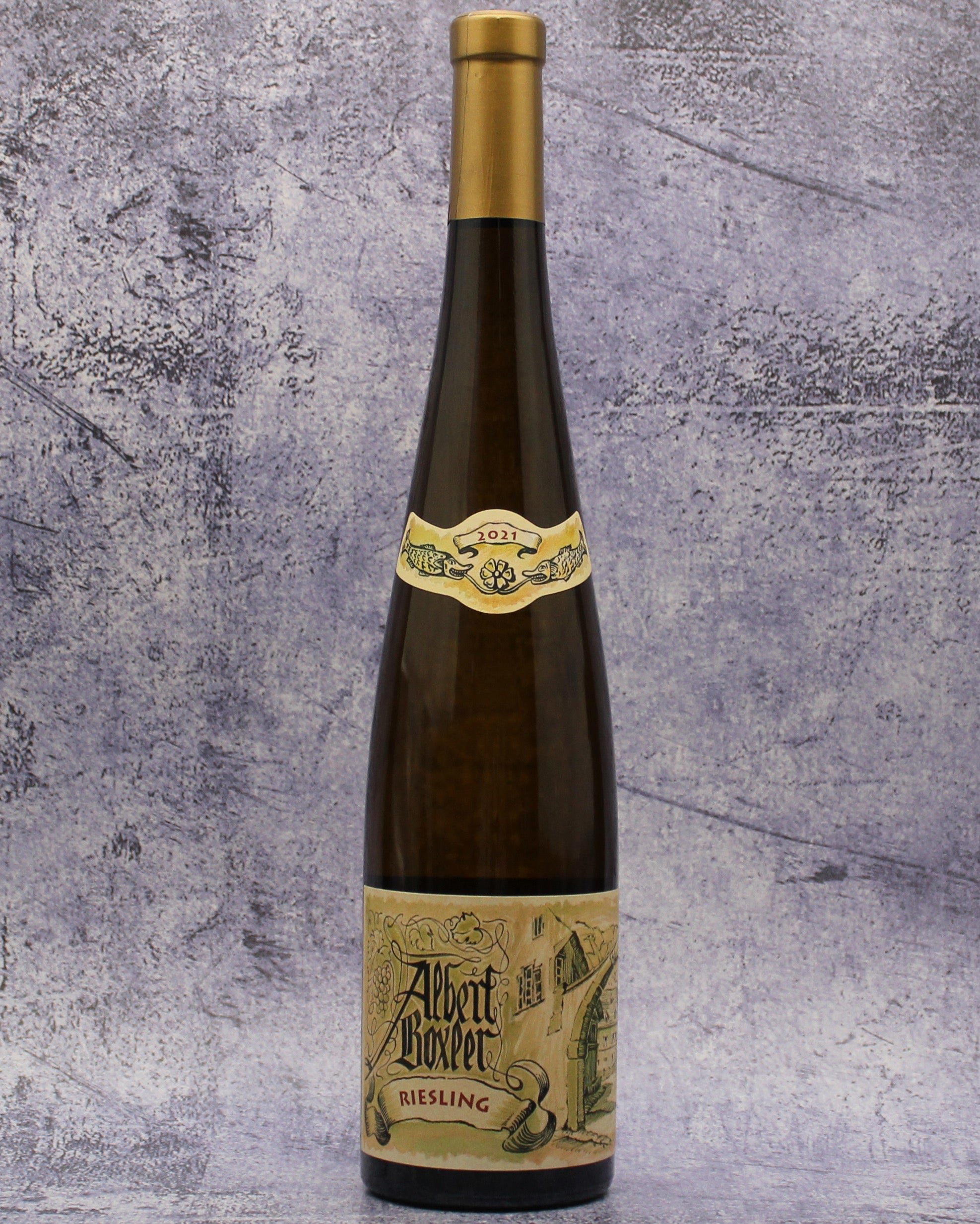
Alsace's wine identity reinforces this dynamic. The region's growers, particularly in the villages south of Colmar along the Route des Vins, supply a category of wine that rewards this kind of eating: dry Riesling with enough acidity to cut through cream sauces, Gewurztraminer with the aromatics to match the spiced charcuterie tradition, Pinot Noir increasingly taken seriously as regional producers move away from lighter, slightly sweet interpretations. A bistrot in this location has direct access to that supply chain in a way that restaurants in Paris or Lyon, however accomplished, cannot replicate. Compare the positioning to destination rooms in France's other wine-adjacent dining cities, such as Georges Blanc in Vonnas or Les Prés d'Eugénie in Eugénie-les-Bains, and the contrast in scale and formality is clear.
Planning a Visit
Rue Saint-Jean sits within walking distance of both the train station and Colmar's central Place Rapp, placing the restaurant in a part of the city that rewards a longer wander before or after a meal. The surrounding streets carry a more residential character than the Petite Venise quarter, which means less competition for pavement space and a quieter approach. Given the bistrot's neighbourhood orientation, visiting on a weekday tends to give a clearer read on its regular clientele rather than the weekend crowd that Colmar's old town consistently draws during the warmer months, particularly in summer when the city's tourist density peaks between June and September.
Current hours are 12-2 PM and 7-11:30 PM daily, and reservations are recommended. Reservations are recommended, especially during the busier winter market period.
For readers building a wider itinerary around serious French cooking, the regional reference points extend well beyond Alsace. The three-Michelin-starred rooms in France's most decorated dining circuit, Alléno Paris au Pavillon Ledoyen, Troisgros in Ouches, Paul Bocuse in Collonges-au-Mont-d'Or, and internationally at Le Bernardin in New York or Lazy Bear in San Francisco, occupy a different register entirely from a neighbourhood bistrot in Colmar. That contrast is part of the point. Mirazur in Menton and La Table du Castellet similarly represent the destination end of French regional dining. Bistrot des Lavandières doesn't compete with any of them. It answers a different question: what does Alsatian cooking look like when it's feeding the city rather than performing for it.
A Minimal comparable set
Comparable venues nearby, for context on price, style, and recognition.
| Venue | Cuisine | Price | Notes |
|---|---|---|---|
| Bistrot des LavandièresThis venue — the venue you are viewing | Not listed | $$ | Not listed |
| Au Cygne | Not listed | $$ | Colmar center, Traditional Alsatian Winstub |
| Wistub de la Petite Venise | Petite Venise, Traditional Alsatian | $$ | Not listed |
| La Soï | Not listed | $$ | centre-ville, Traditional Alsatian Tarte Flambée |
| Wistub Brenner | Petite Venise, Traditional Alsatian | $$ | Not listed |
| La Maison des Têtes | Old Town, Alsatian Brasserie | $$$ | Not listed |
Continue exploring
More in Colmar
Restaurants in Colmar
Browse all →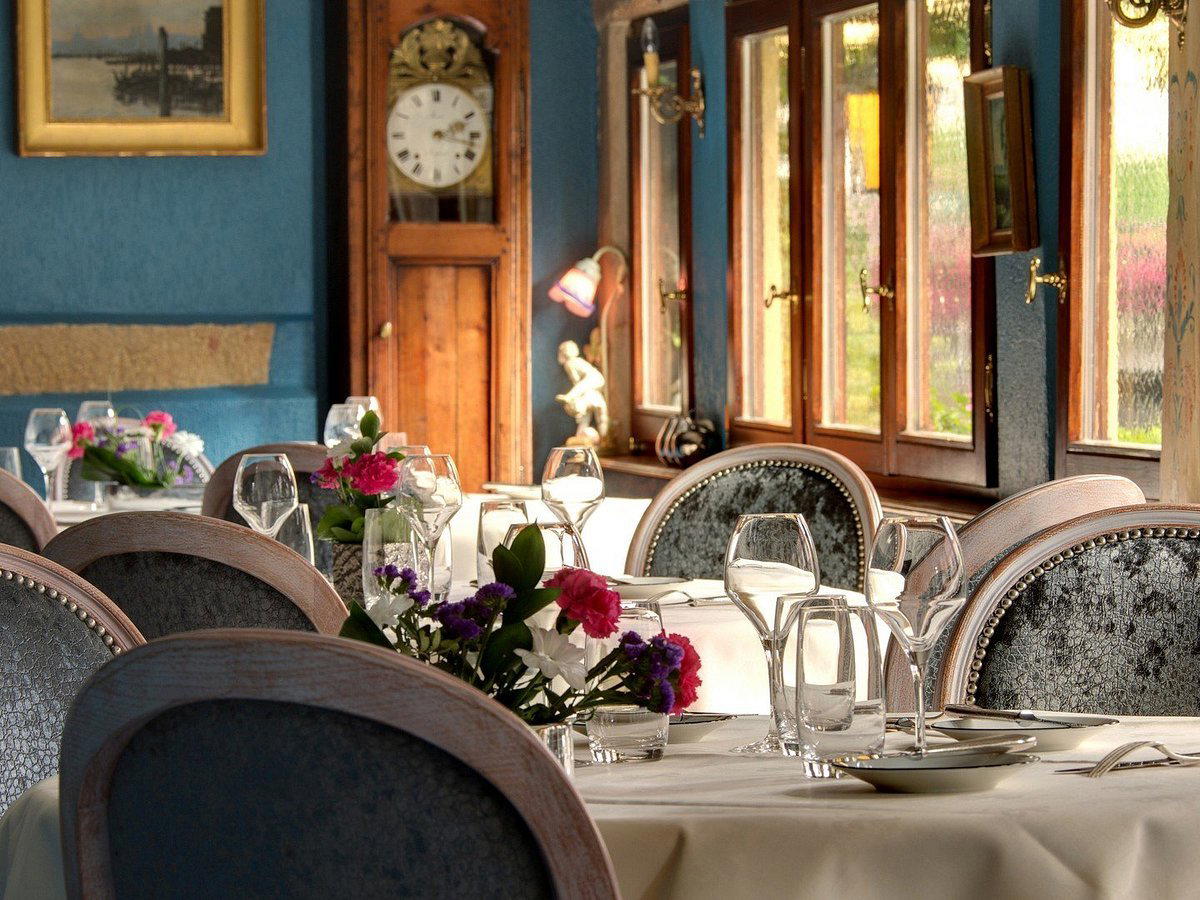
Bars in Colmar
Browse all →
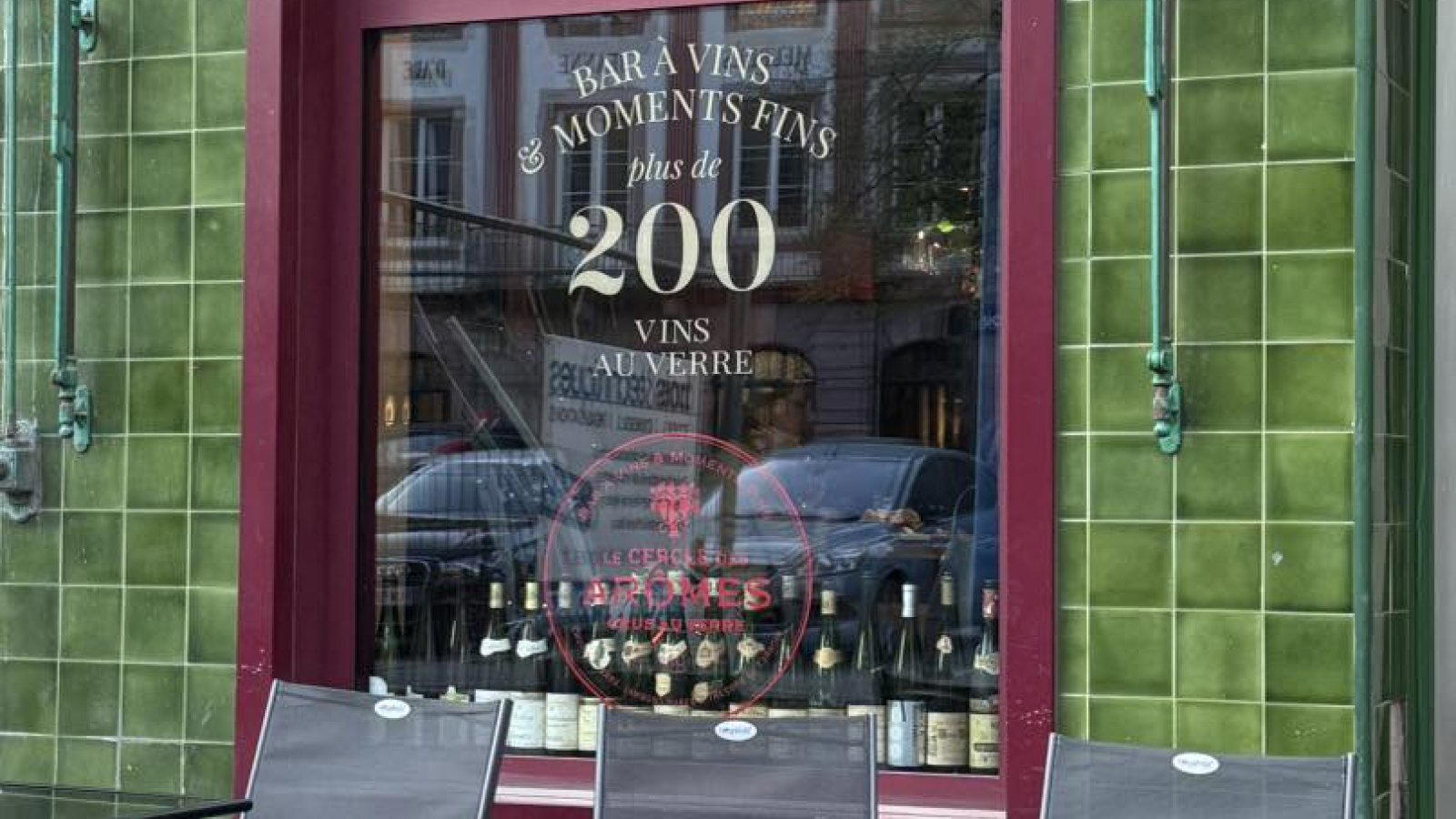
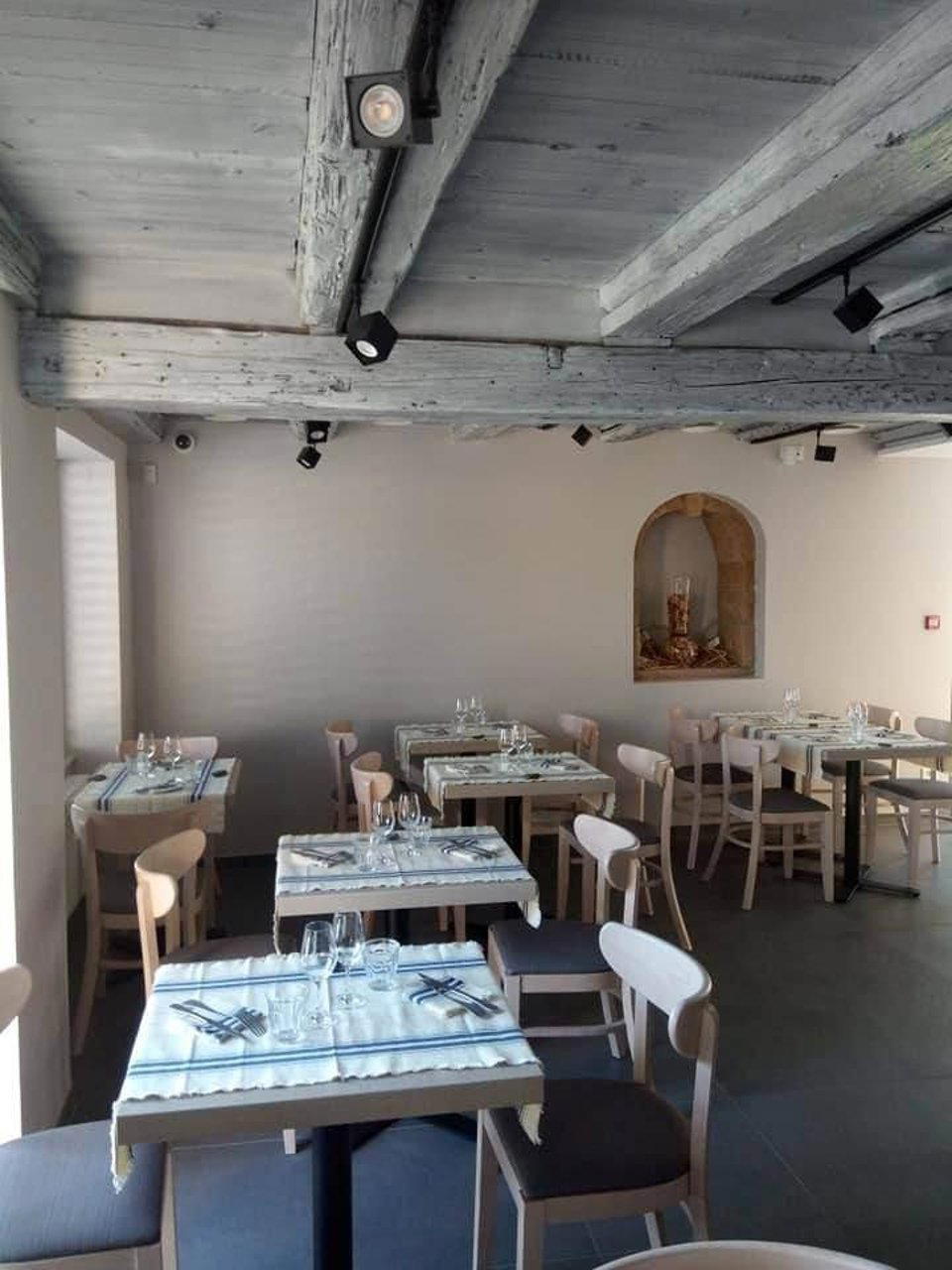
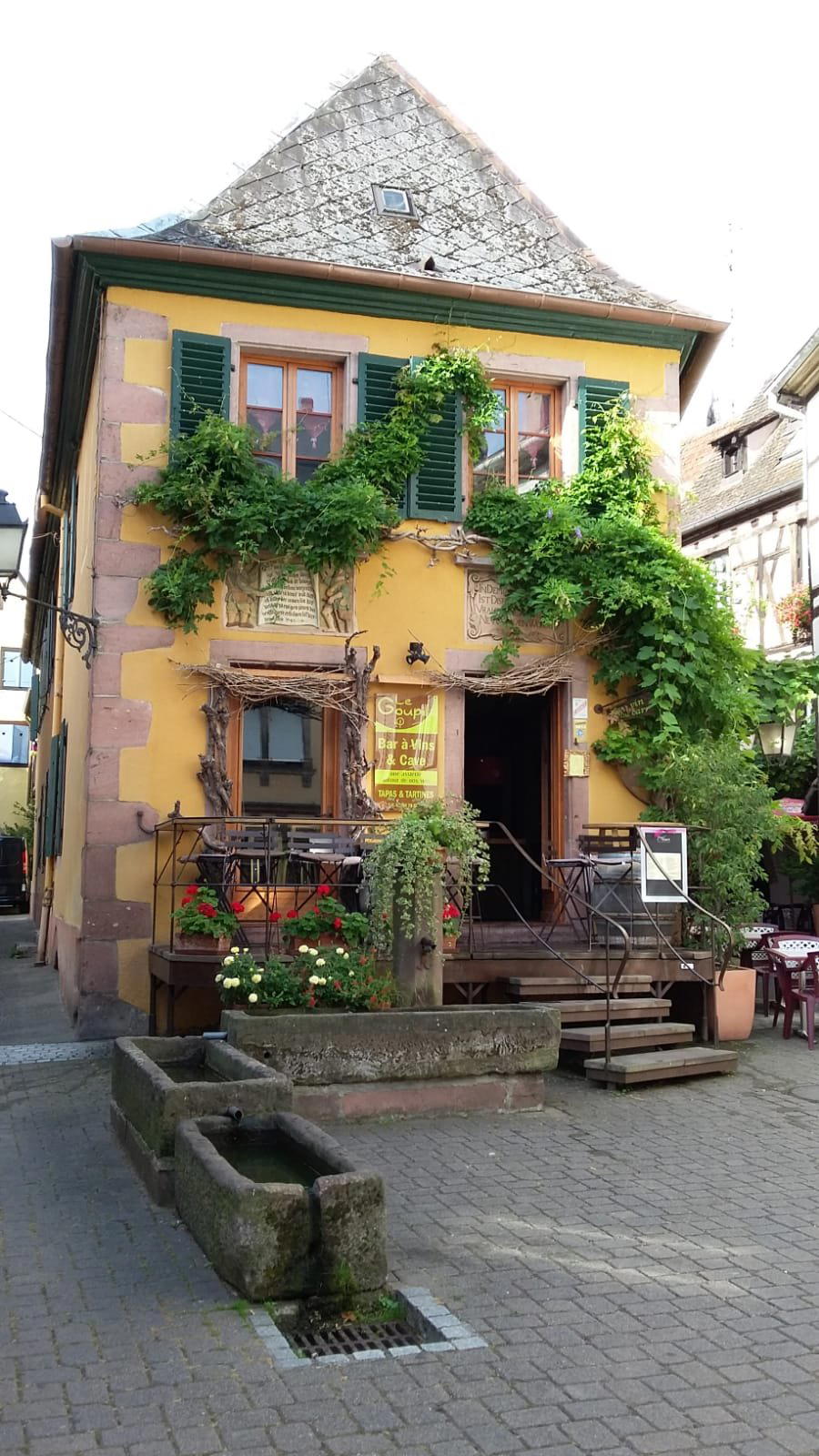
Hotels in Colmar
Browse all →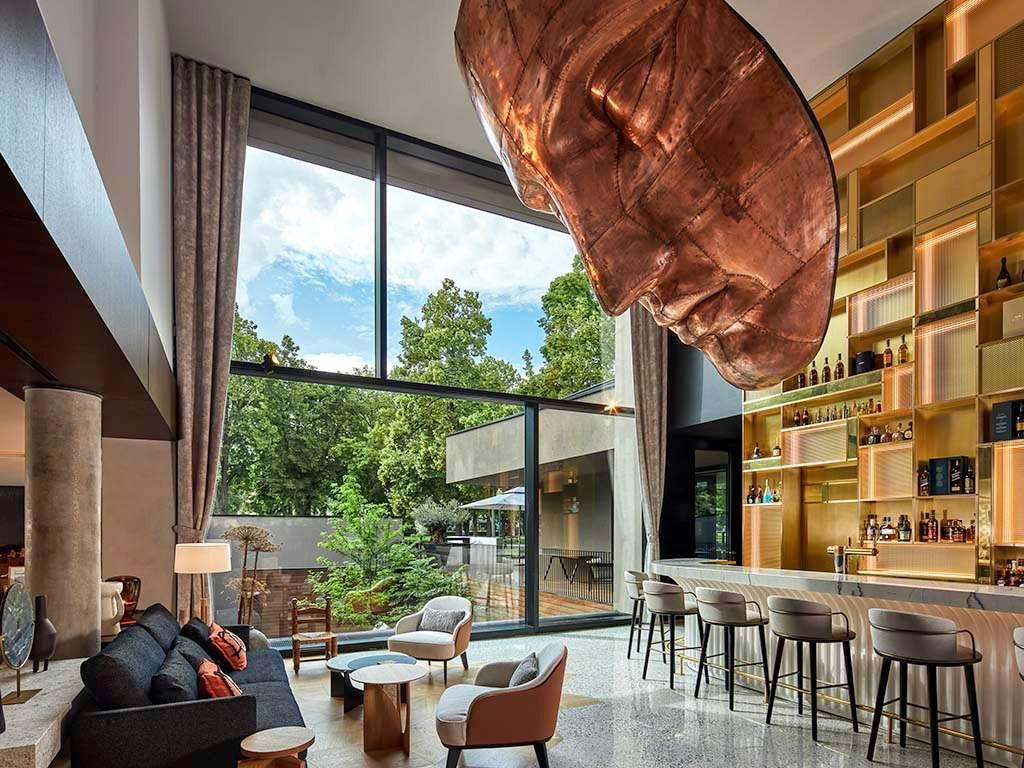
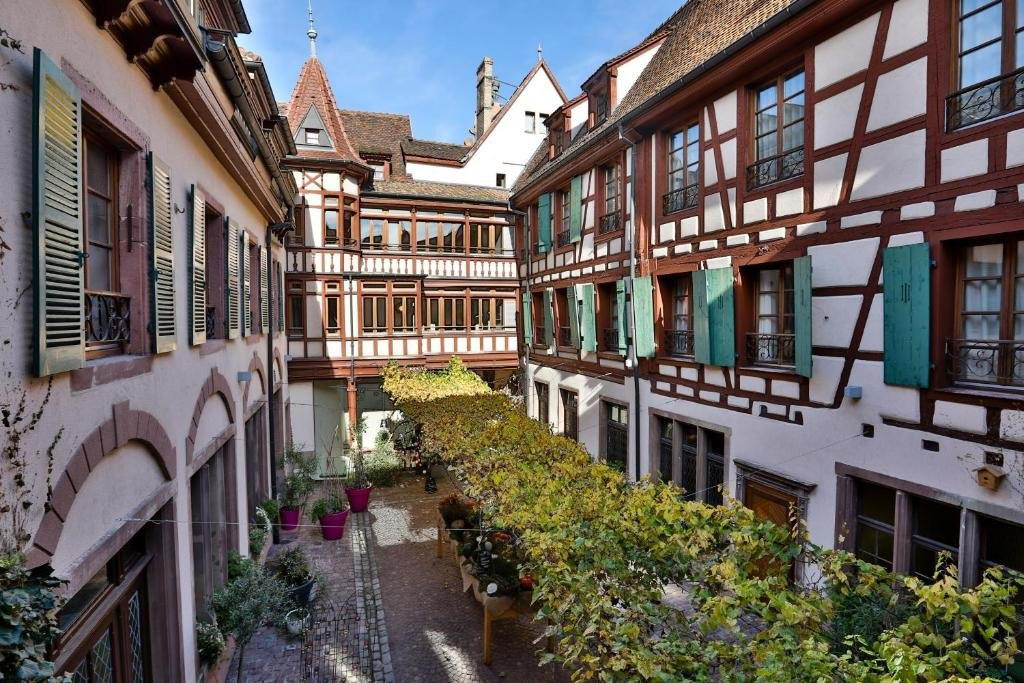
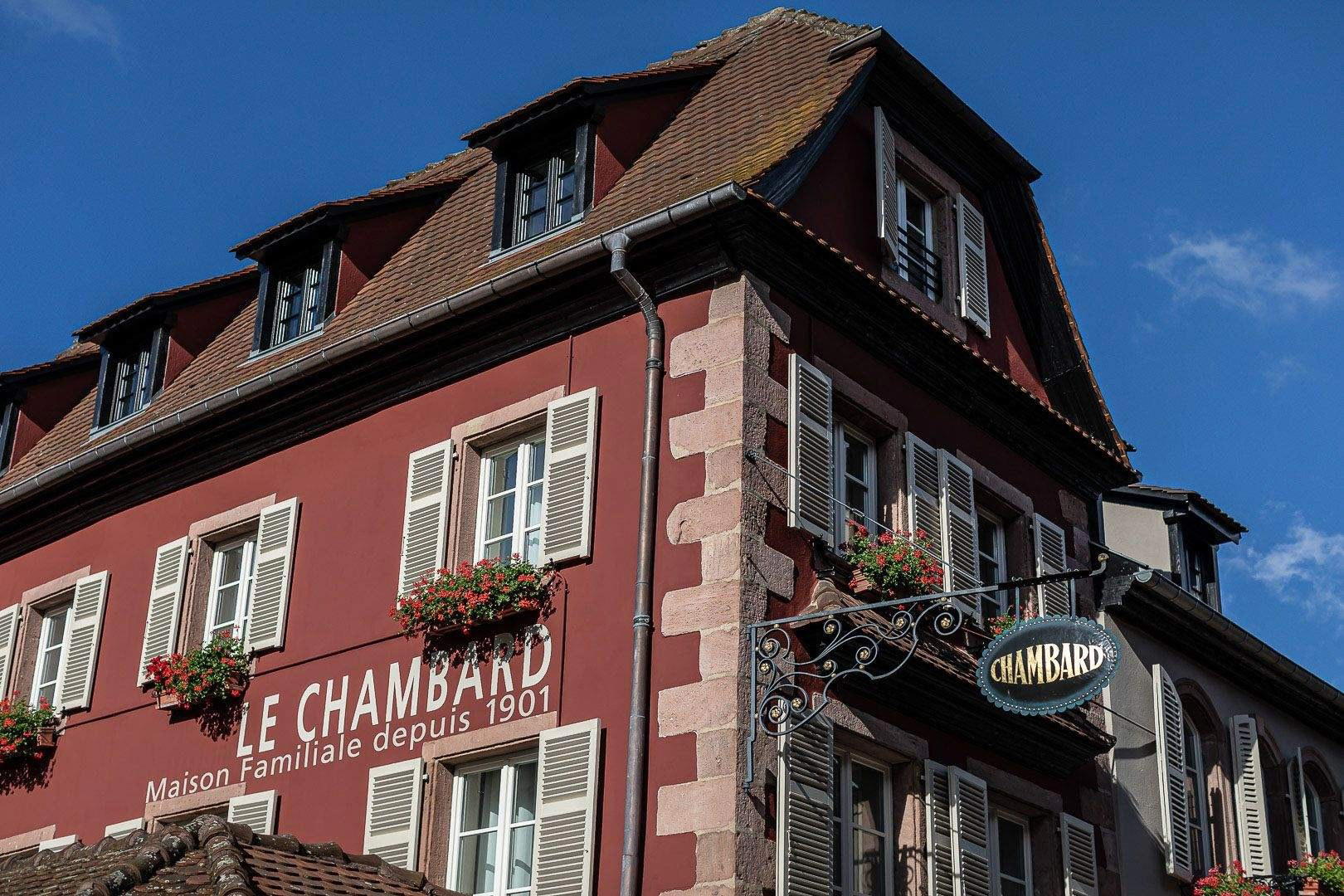
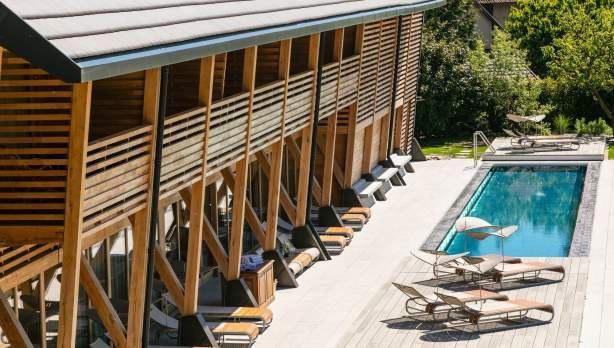
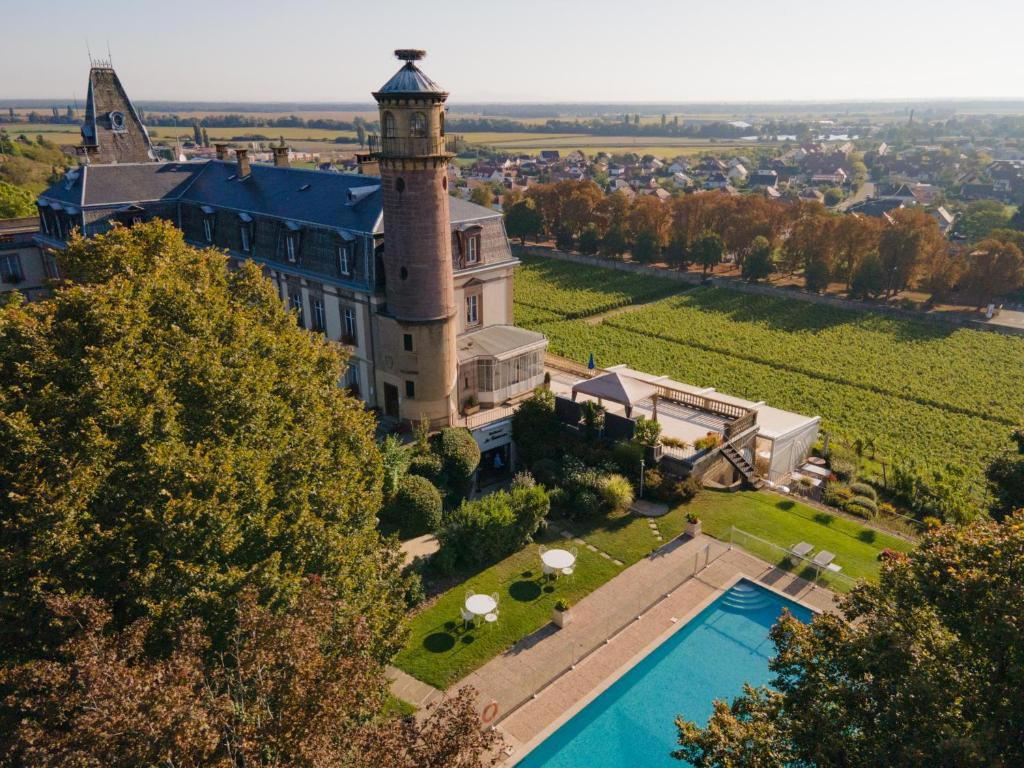
At a Glance
- Cozy
- Rustic
- Classic
- Intimate
- Family
- Casual Hangout
- Historic Building
- Local Sourcing
- Street Scene
Current opening hours
- Monday
- 12–2 PM, 7–11:30 PM
- Tuesday
- 12–2 PM, 7–11:30 PM
- Wednesday
- 12–2 PM, 7–11:30 PM
- Thursday
- 12–2 PM, 7–11:30 PM
- Friday
- 12–2 PM, 7–11:30 PM
- Saturday
- 12–2 PM, 7–11:30 PM
- Sunday
- 12–2 PM, 7–11:30 PM
Hours can change for holidays and private events. Last verified .
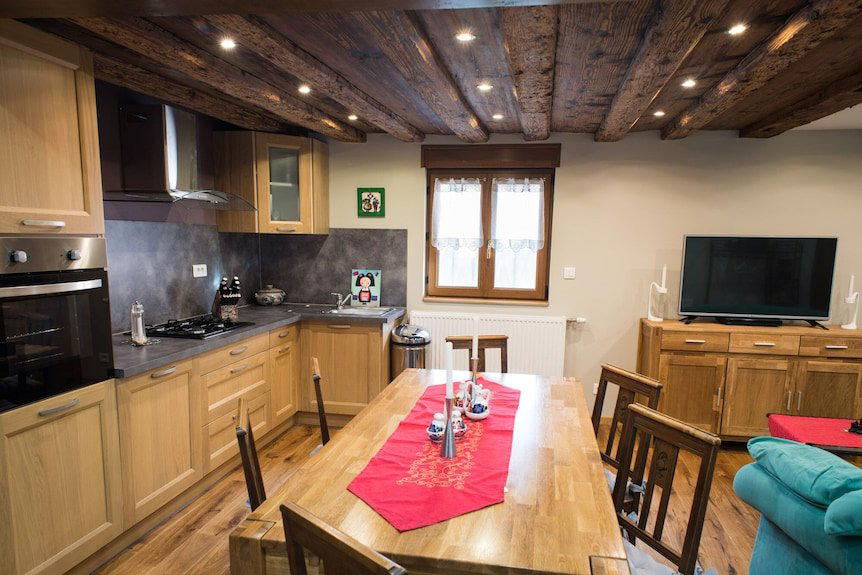
Warm vintage decor with a cozy, convivial atmosphere.