La Sirène sits at the foot of Cap Gris-Nez on Audinghen's windswept Rue de la Plage, where the English Channel dictates what ends up on the plate. Proximity to some of the most productive cold-water fishing grounds in northern France shapes the kitchen's entire approach. For travellers making the drive up the Côte d'Opale, it represents the kind of address where geography and cooking align without apology.
Pearl is the En Primeur Club membership app — saves, bookings, and concierge access live there. Same editors, same standards.
- Address
- 376 Rue de la Plage CAP GRIS NEZ, 62179 Audinghen, France
- Phone
- +33321307864
- Website
- lasirene-capgrisnez.com
- Directions
- Get directions
 Saves & bookings on Pearl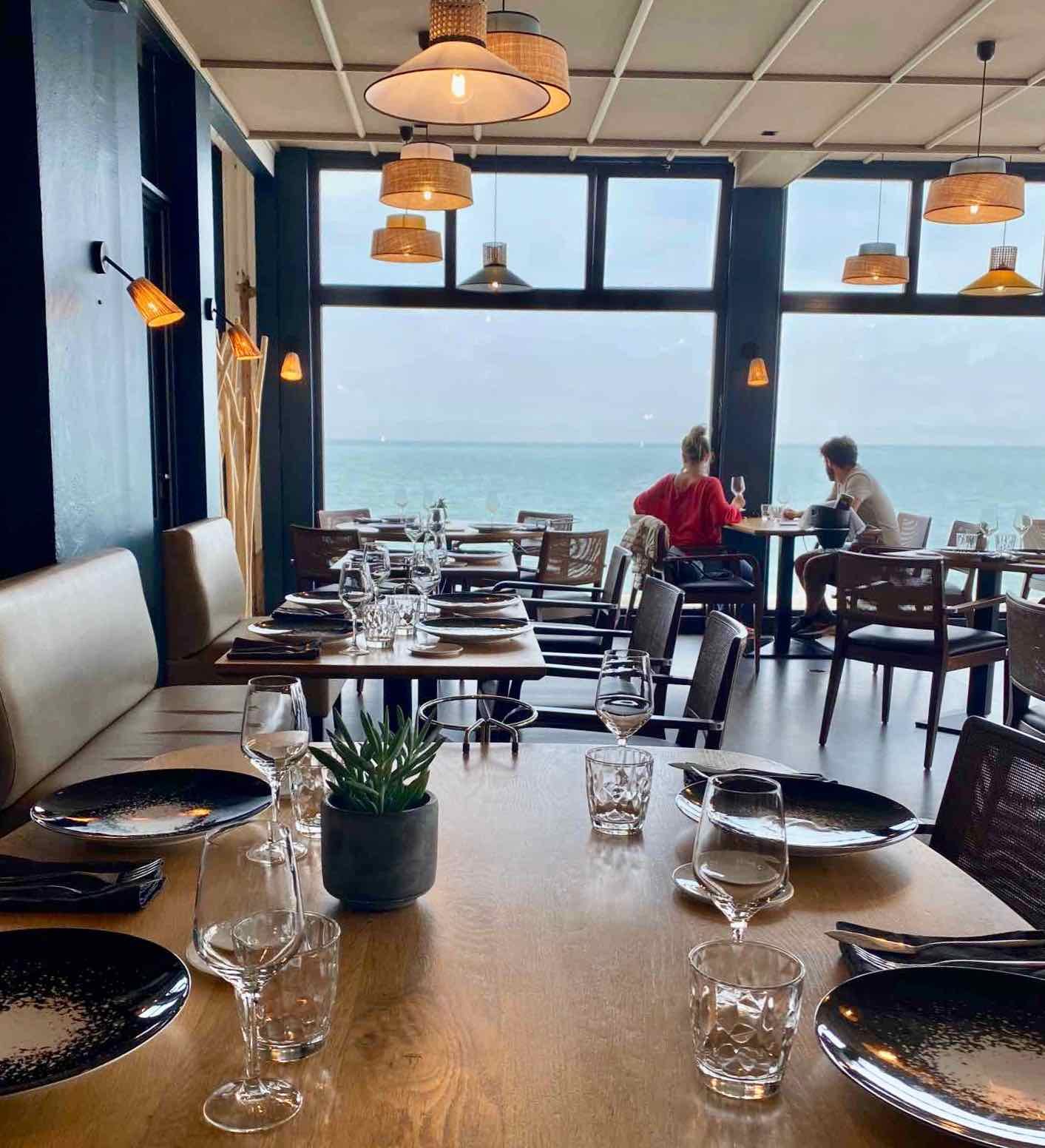
Where the Channel Sets the Menu
Cap Gris-Nez is one of the more geographically dramatic dining addresses in northern France. The headland juts into the Strait of Dover at the point where the English Channel narrows to roughly 34 kilometres, producing tidal currents that force cold, nutrient-rich Atlantic water through a natural bottleneck. The result, for anyone paying attention to what that means for fishing, is a coastline with access to exceptionally high-quality cold-water catch: bass, turbot, sole, mackerel, and shellfish pulled from water that rarely warms above 17°C even in August. La Sirène, at 376 Rue de la Plage in Audinghen, sits directly on that shoreline. The address is less a location choice than a statement of intent about where the food comes from.
Coastal restaurants across France occupy a wide spectrum, from fish-and-chips informality to the kind of precise, technique-heavy seafood cooking found at Christopher Coutanceau in La Rochelle or the Atlantic-facing registers of Mirazur in Menton. La Sirène occupies a different position in that range: a Côte d'Opale address defined not by destination fine dining but by the particular terroir of the Pas-de-Calais coast. The surrounding region has its own culinary character, built around herring, grey shrimp (crevettes grises), Berck mussels, and the daily haul from small-boat fishing operations that work the local waters.
The Côte d'Opale's Sourcing Logic
The broader argument for northern French coastal cooking is one that deserves more attention than it typically receives. While the Breton coastline captures the majority of international press, the Pas-de-Calais has a sourcing story that runs just as deep. The tidal range here is among the largest in Europe, which means exposed mudflats and rocky intertidal zones that produce shellfish with a mineral intensity tied to the specific geology of the chalk cliffs. Cap Gris-Nez and Cap Blanc-Nez are essentially the same chalk formation as the White Cliffs of Dover on the English side, and that geological continuity extends underwater to the fishing grounds.
For a restaurant positioned where La Sirène is, on the beach road of a village with fewer than 400 residents, the supply chain is short by necessity. Local fishing ports including Boulogne-sur-Mer, roughly 20 kilometres south and one of the largest fishing ports in France by volume, provide the industrial-scale context. But the restaurants of the immediate coastline draw from the smaller daily operations: day-boats, beach-landed catches, and seasonal availability that shifts week to week depending on what the Channel is producing. This is a kitchen geography that has more in common with Bras in Laguiole's commitment to the Aubrac plateau than with the globalist sourcing models of urban haute cuisine like Alléno Paris au Pavillon Ledoyen.
Atmosphere Along the Shore Road
Arriving at Rue de la Plage in Audinghen involves a particular kind of recalibration. The road runs parallel to the water along a stretch of coastline where the horizon is a flat line of grey-green sea and the wind is present in most seasons as an ambient physical fact rather than an occasional inconvenience. The setting has none of the theatrical coastal scenery of the Mediterranean south; it works instead through a quality of light and exposure that photographers and painters have been drawn to for more than a century. The Côte d'Opale has that quality of northern coastal France where the scale of the sea feels genuinely large rather than decorative.
A beach-road restaurant at Cap Gris-Nez signals a particular dining register: direct, seasonal, tied to whatever the morning produced. Regulars in this part of the Pas-de-Calais know to order according to the day's catch rather than a fixed expectation, and the better addresses along this stretch operate on that logic. Nearby, Les Margats de Raoul represents another Audinghen option within the same local sourcing framework. The village itself rewards a slow visit: the lighthouse at Cap Gris-Nez, the coastal path north toward Cap Blanc-Nez, and a coastline largely free of the resort infrastructure that has changed much of the French Atlantic seaboard. For a broader map of dining options in the area, the full Audinghen restaurants guide covers the local range.
Placing La Sirène in the French Coastal Dining Context
France's coastal restaurant culture has two speeds. At one end sit the destination addresses that have become as much about technique and recognition as about location: the Michelin-starred seafood programmes at places like Auberge de l'Ill in Illhaeusern or the precision of Assiette Champenoise in Reims in the champagne country to the south. At the other end sit the regional addresses where the point is geographical honesty rather than gastronomic ambition in the formal sense. La Sirène falls in this second category, and that is precisely its value to travellers who have already covered the major destination tables.
The comparison that matters here is less with Paris's three-star rooms and more with other coastal addresses that have built their identity around proximity to source. Paul Bocuse - L'Auberge du Pont de Collonges made the argument decades ago that French cooking is inseparable from its geography. The Côte d'Opale version of that argument is quieter but no less coherent. For travellers whose French dining circuit already includes Flocons de Sel in Megève, L'Oustau de Baumanière in Les Baux, or Auberge du Vieux Puits in Fontjoncouse, adding a Pas-de-Calais coastal stop completes a picture of French regional cooking that the starred urban circuit alone cannot provide. The same logic applies to those who have eaten at Georges Blanc in Vonnas or the Alsatian tradition of Au Crocodile in Strasbourg and want to understand how French cooking changes at the northern maritime edge. For those whose frame of reference extends to major seafood destinations further afield, the contrasts are instructive: Le Bernardin in New York City and AM par Alexandre Mazzia in Marseille both work with premium seafood but from entirely different sourcing and stylistic positions. Even Atomix in New York City and Troisgros - Le Bois sans Feuilles in Ouches illustrate how far the spectrum of serious eating extends beyond the coastal village register, which is precisely why addresses like La Sirène matter as counterpoints.
Planning a Visit
Audinghen sits on the D940 coastal road between Boulogne-sur-Mer and Calais, making it a logical stop for travellers arriving from or departing to the Channel Tunnel terminal at Coquelles, approximately 25 kilometres to the north. The drive along the Côte d'Opale from either direction takes in one of the more genuinely undervisited stretches of the French coastline. Given the village's small scale and the restaurant's beach-road position, arriving by car is the practical default. Booking ahead is advisable for weekends and summer months, when the coastal road draws visitors from Lille and the broader Nord-Pas-de-Calais region. The Côte d'Opale's shoulder seasons, April through June and September through October, tend to offer the quieter visit and the sharper autumn seafood supply.
How La Sirène Audinghen compares with similar nearby venues.
| Venue | Cuisine | Price |
|---|---|---|
| La Plage | Modern Cuisine | €€ |
| La Liégeoise | 82 to 160 | € |
Continue exploring
More in Audinghen
Restaurants in Audinghen
Browse all →
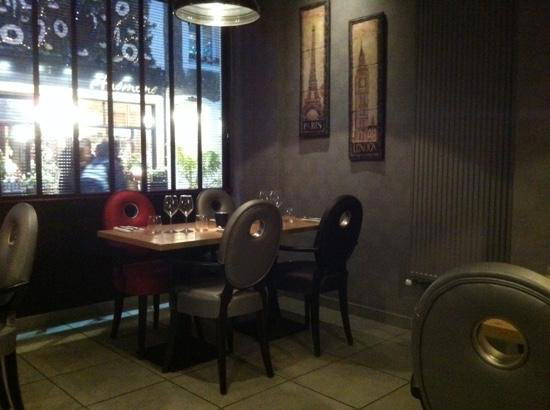
Bars in Audinghen
Browse all →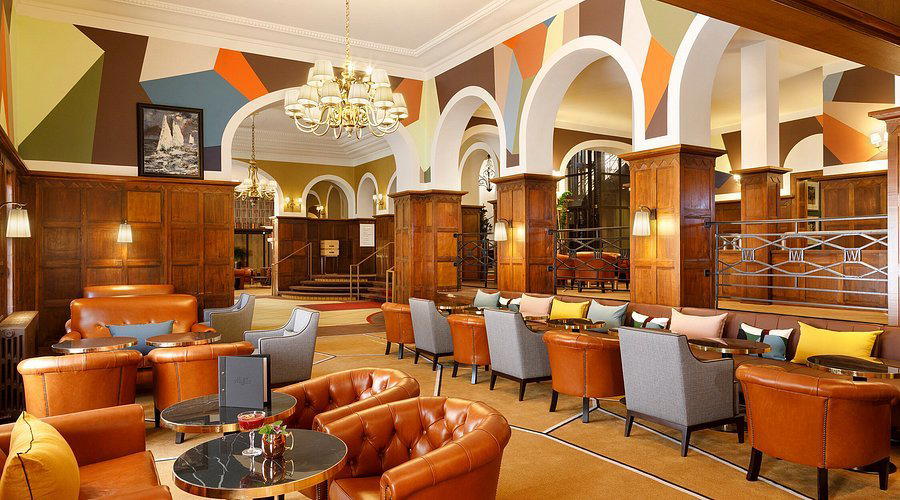
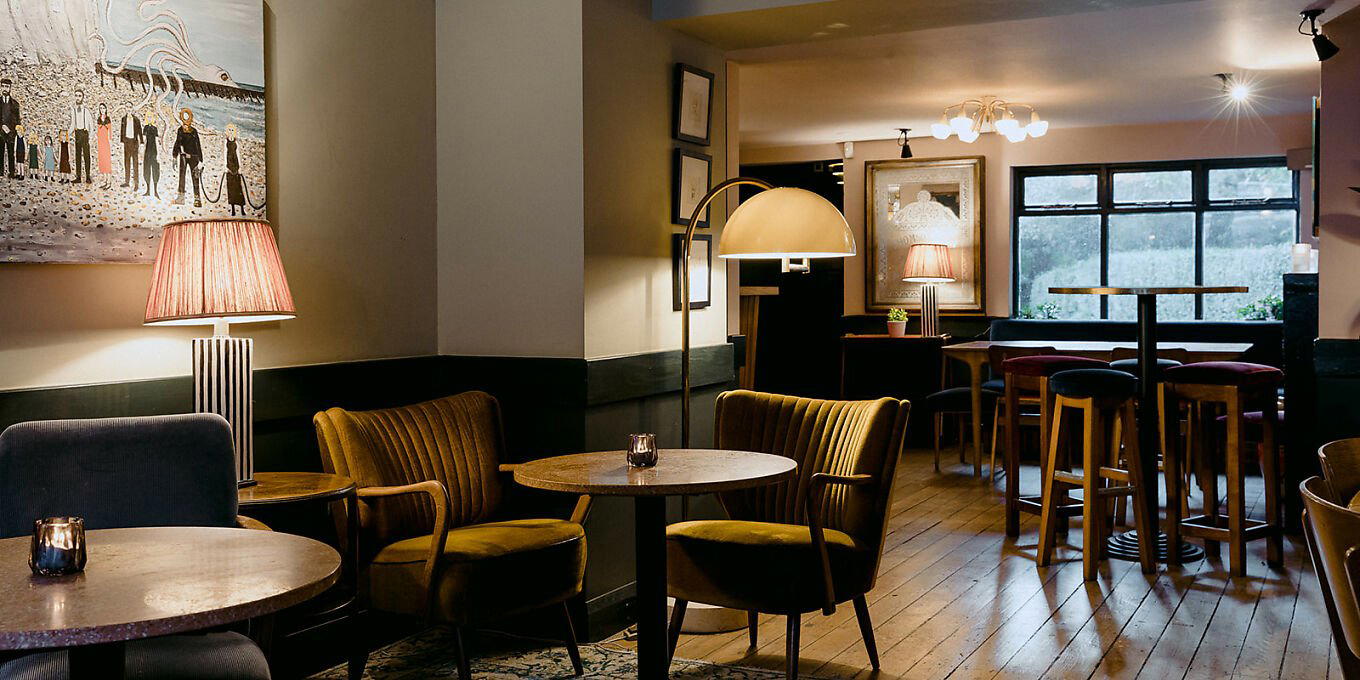
Hotels in Audinghen
Browse all →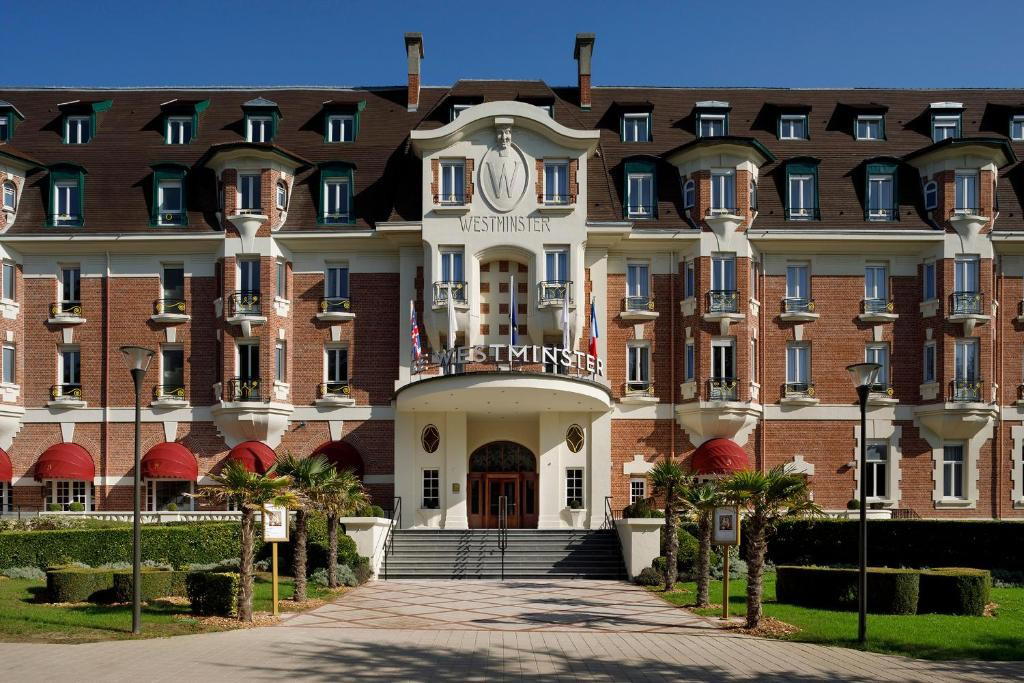
Wineries in Audinghen
Browse all →
At a Glance
- Scenic
- Romantic
- Cozy
- Date Night
- Family
- Celebration
- Waterfront
- Panoramic View
- Waterfront
- Street Scene
Current opening hours
- Monday
- Closed
- Tuesday
- 12–4 PM
- Wednesday
- 12–4 PM
- Thursday
- 12–4 PM
- Friday
- 12–4 PM
- Saturday
- 12–4 PM, 7:15–10:30 PM
- Sunday
- 12–4 PM
Hours can change for holidays and private events. Last verified .
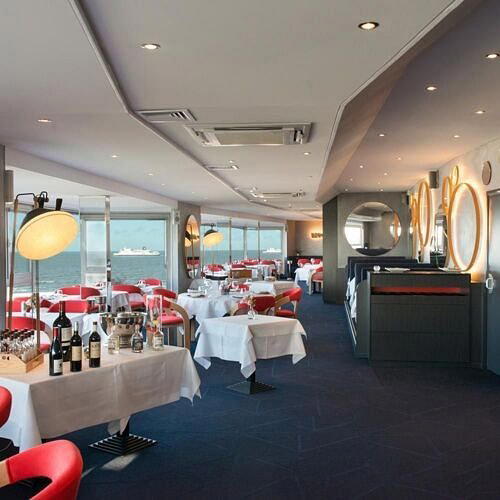
Pleasant room with large windows offering dramatic sea views, creating a magical and charming atmosphere.
Know Before You Go
- Getting there
- 376 Rue de la Plage CAP GRIS NEZ, 62179 Audinghen, France