Bodega de los Malazzo
In the Anáhuac neighbourhood of Miguel Hidalgo, Bodega de los Malazzo occupies a corner of Mexico City's less-trafficked dining map, where the bodega tradition meets the capital's appetite for wine-led dining. The address on Lago Iseo places it within reach of Polanco's fine dining corridor without competing for the same spotlight. For those who read a wine list before scanning a menu, it warrants attention.
Pearl is the En Primeur Club membership app — saves, bookings, and concierge access live there. Same editors, same standards.
- Address
- Lago Iseo 298, Anáhuac I Secc, Miguel Hidalgo, 11320 Ciudad de México, CDMX, Mexico
- Phone
- +525552609026
- Website
- web.grupomalazzo.com
- Directions
- Get directions
 Saves & bookings on Pearl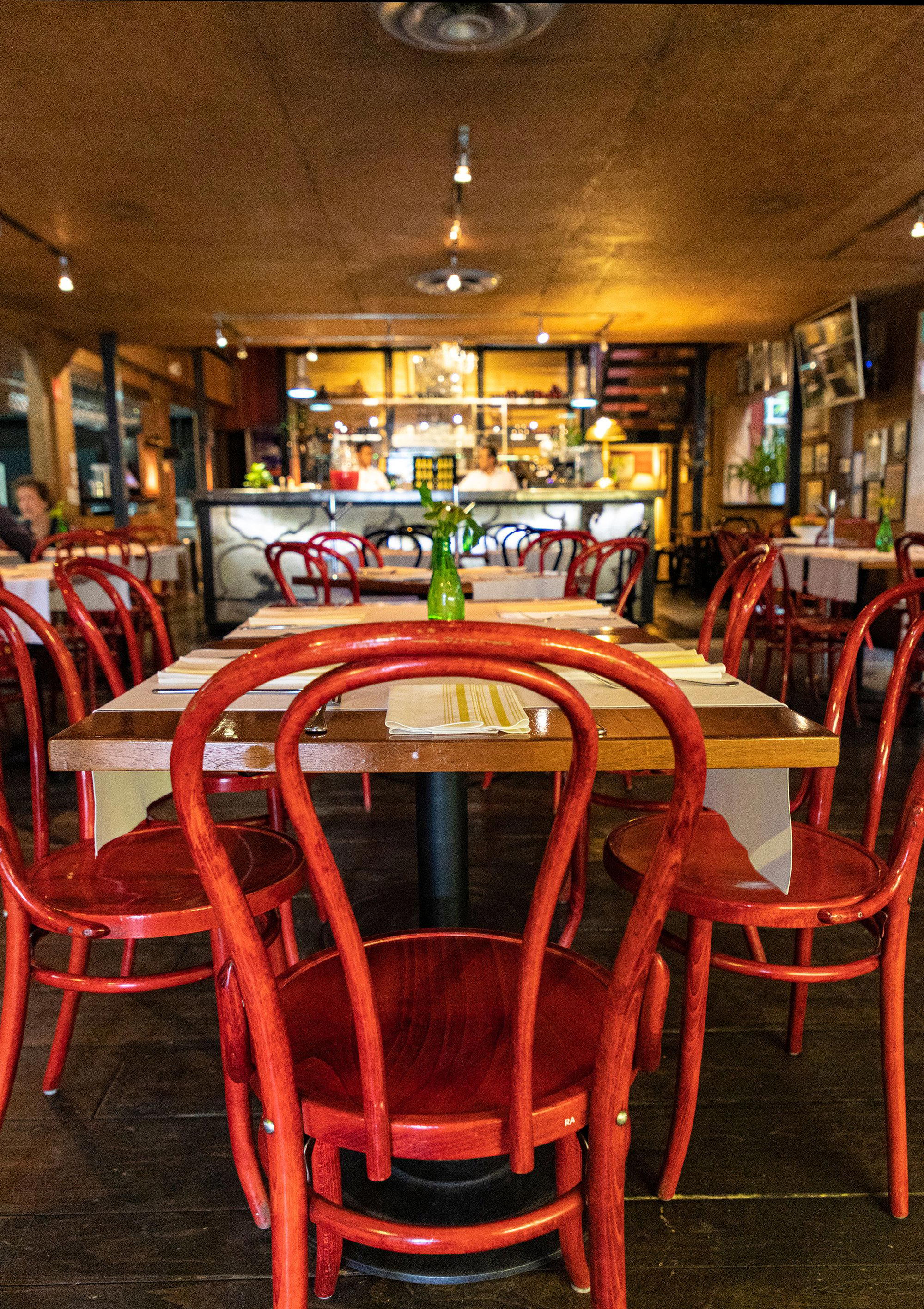
The Bodega Format in a Wine-Serious City
Mexico City's relationship with wine has shifted considerably over the past decade. What was once a market dominated by imported Riojas and Californian Cabernets sold at eye-watering markups has become something more considered. Into this context steps the bodega format, a wine-storage and service model borrowed from Spanish and Latin American tradition, where the cellar is the statement and the food exists to frame it. Bodega de los Malazzo, situated at Lago Iseo 298 in the Anáhuac section of Miguel Hidalgo, sits within this tradition rather than against it.
Anáhuac and the Miguel Hidalgo Dining Register
The Anáhuac neighbourhood doesn't appear on most visitors' dining itineraries, and that's precisely what defines its register. Miguel Hidalgo as a borough contains some of the city's most-discussed tables, the Polanco corridor, home to Pujol and Quintonil, operates at the $$$$ tier with reservation windows that extend months ahead. Anáhuac sits adjacent but apart from that pressure, in a residential pocket where the dining proposition tends toward frequency over occasion. A bodega model fits that rhythm: the kind of place a local returns to on a Tuesday for a glass of something interesting, not just when entertaining visitors. That positioning, accessible without being populist, is harder to sustain in a city where mid-tier restaurants either drift upmarket or lose ground to fast-casual expansion.
What the Bodega Tradition Implies About the Wine List
In the Spanish and Argentine traditions from which the bodega format descends, the cellar is the editorial point of the room. Labels are chosen with the assumption that guests will ask questions, and the staff exists to answer them. The wine list at a serious bodega isn't a document that mirrors the menu, it's the other way around. Food selections tend to be built around the range of bottles on offer, with an emphasis on charcuterie, cheese, and dishes that don't fight the wine for attention. This philosophy has found an audience in Mexico City, where diners at spots like Rosetta and Sud 777 have grown accustomed to wine programs treated as editorial content rather than afterthought.
Mexico's domestic wine production gives a bodega in this city an additional angle that its counterparts in Madrid or Buenos Aires don't have. Valle de Guadalupe producers, many of them operating at small-batch volumes that make national distribution complicated, are easier to access through wine-focused venues than through conventional restaurant lists. Operations like Animalón in Valle de Guadalupe have demonstrated that Mexican terroir can anchor a serious food and wine proposition. A bodega in Mexico City with strong curation instincts would logically build a position around these producers, using importation relationships and cellar depth to stock bottles that don't appear elsewhere on the same block.
The Food Frame: What Belongs on a Wine-Led Menu
The bodega format succeeds when the kitchen understands its supporting role. Particularly durable wine-led restaurants in Mexico City, including Em in its more relaxed iterations, recognise that guests arriving with a bottle in mind want food that amplifies rather than competes. That typically means confident handling of ingredients over complicated technique: well-sourced charcuterie, seasonal vegetables treated simply, proteins that take seasoning and smoke rather than cream-heavy reductions. The approach runs counter to the tasting-menu arms race that defines the Polanco tier, and that's a deliberate strategic divergence, not a gap in ambition.
For vegetarian diners, this format has historically been less than generous, charcuterie-heavy lists don't convert easily. However, the broader shift in Mexico City's ingredient sourcing, driven partly by restaurants like Quintonil and its emphasis on plant-forward Mexican cooking, has pressured even casual wine venues to carry genuine vegetable options. The trend is citywide, and any kitchen operating in this decade would face that expectation from its neighbourhood clientele.
Placing Bodega de los Malazzo in Mexico's Broader Wine Dining Circuit
Mexico's wine dining scene now extends well beyond the capital. Lunario in El Porvenir and Olivea Farm to Table in Ensenada represent the Baja wine country anchor, while Le Chique in Puerto Morelos and Arca in Tulum show how wine-minded programming has reached the Caribbean coast. Inland, Alcalde in Guadalajara, Pangea in San Pedro Garza Garcia, and KOLI Cocina de Origen in Monterrey have built serious cellar programs into regional fine dining. Levadura de Olla in Oaxaca and HA' in Playa del Carmen complete a national picture in which Mexico City is no longer the sole reference point for ambitious wine and food pairing. Within that national circuit, a bodega in Anáhuac competes less with destination restaurants and more with the growing number of neighbourhood wine bars that have opened across Condesa, Roma, and Juárez in recent years.
Internationally, the bodega format has a clear comparable set. Le Bernardin in New York City and Lazy Bear in San Francisco represent the far end of the formality spectrum, tightly choreographed experiences where the wine program is one pillar of a larger construct. The bodega sits at the other end: lower ceremony, higher frequency, the list doing the talking. Both models require genuine curation to justify the category; the difference is in the framing and the price expectation.
Know Before You Go
| Address | Lago Iseo 298, Anáhuac I Secc, Miguel Hidalgo, 11320 Ciudad de México |
| Neighbourhood | Anáhuac, Miguel Hidalgo, residential, adjacent to Polanco |
| Reservations | Recommended |
| Price range | $$$$ |
| Getting there | Located at Lago Iseo 298 in Anáhuac I Secc, Miguel Hidalgo, Ciudad de México |
| Leading for | Wine-led dining; neighbourhood frequency dining; guests seeking an alternative to the Polanco tasting-menu tier |
Cuisine Context
Comparable venues nearby, for context on price, style, and recognition.
| Venue | Cuisine | Price | Notes |
|---|---|---|---|
| Bodega de los MalazzoThis venue — the venue you are viewing | Argentinian Steakhouse & Pizza | $$$$ | Not listed |
| Puerto Madero | Argentine Parrilla & Seafood | $$$$ | Chimalistac |
| La Mansion | Classic Steakhouse | $$$$ | Residencial Militar |
| Loma Linda Reforma | Classic Argentine-Style Steakhouse | $$$$ | Lomas Virreyes |
| Quebracho | Authentic Argentinian Steakhouse | $$$ | Cuauhtemoc |
| Señora Tanaka Masaryk | Japanese-Latin Fusion | $$$$ | Chapultepec Morales |
Continue exploring
More in Mexico City
Restaurants in Mexico City
Browse all →
Bars in Mexico City
Browse all →
At a Glance
- Industrial
- Elegant
- Sophisticated
- Business Dinner
- Family
- Group Dining
- Open Kitchen
- Terrace
- Private Dining
- Extensive Wine List
Current opening hours
- Monday
- 12–8 PM
- Tuesday
- 12–8 PM
- Wednesday
- 12–8 PM
- Thursday
- 12–8 PM
- Friday
- 12–8 PM
- Saturday
- 12–8 PM
- Sunday
- 12–8 PM
Hours can change for holidays and private events. Last verified .
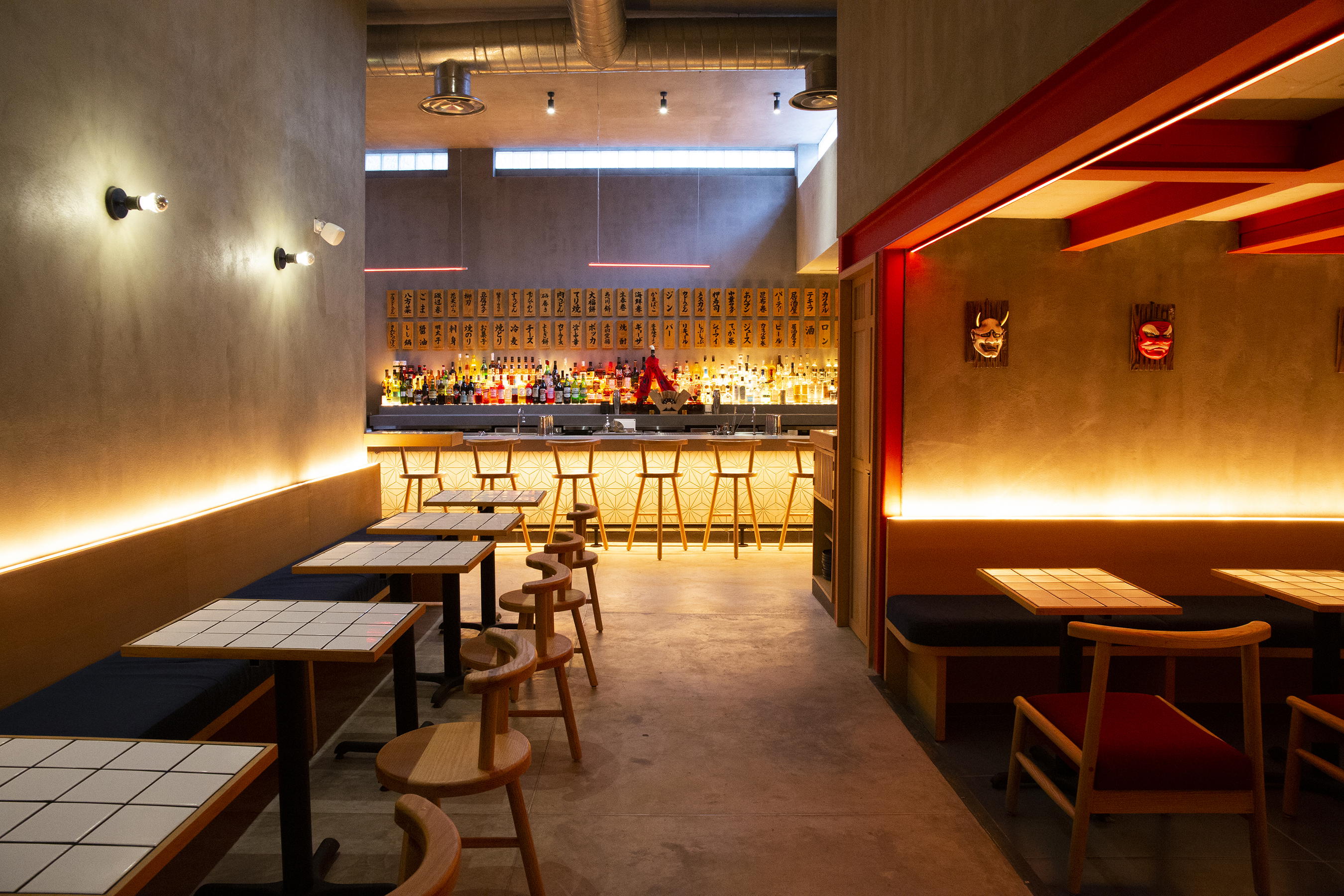
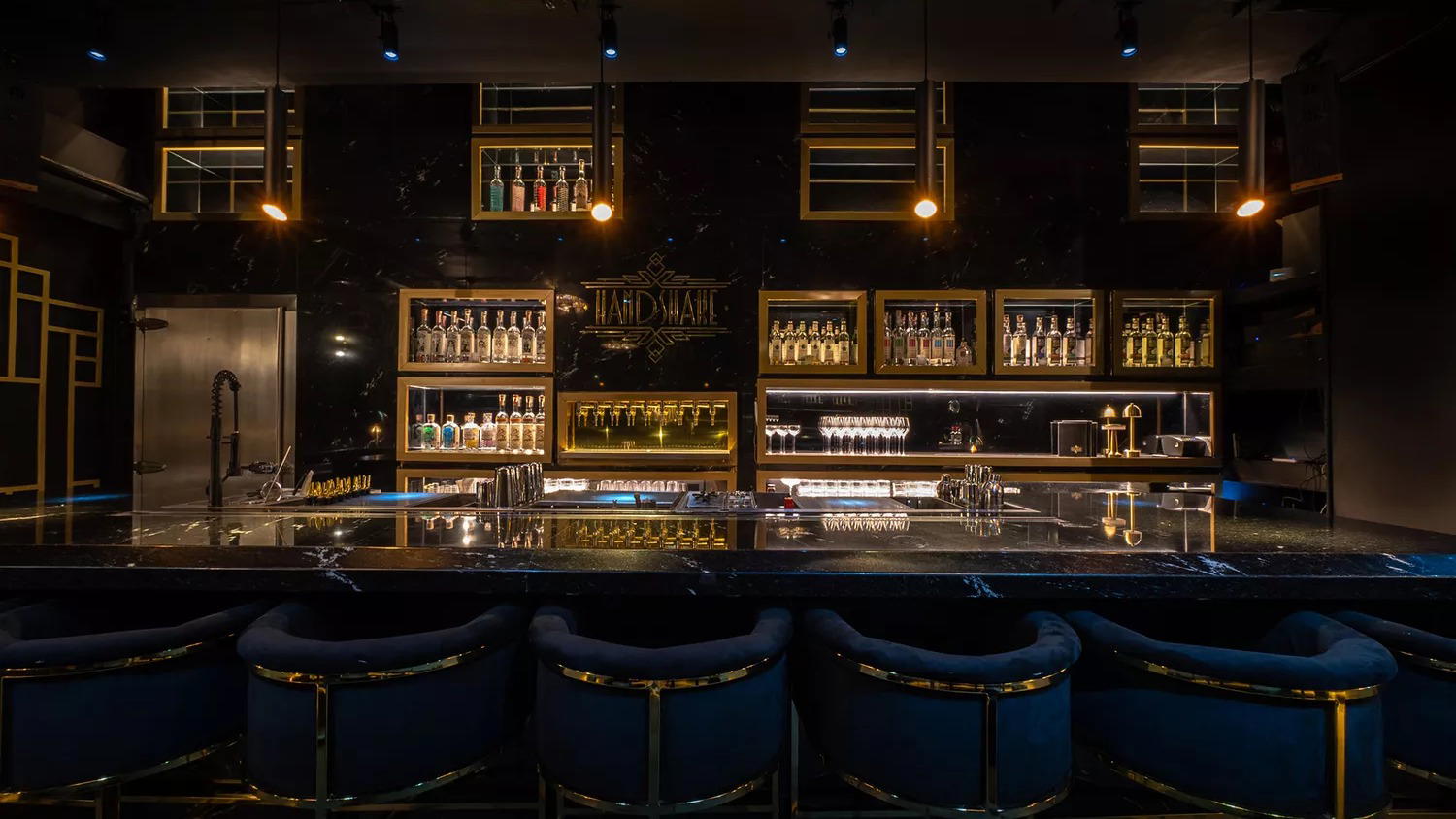
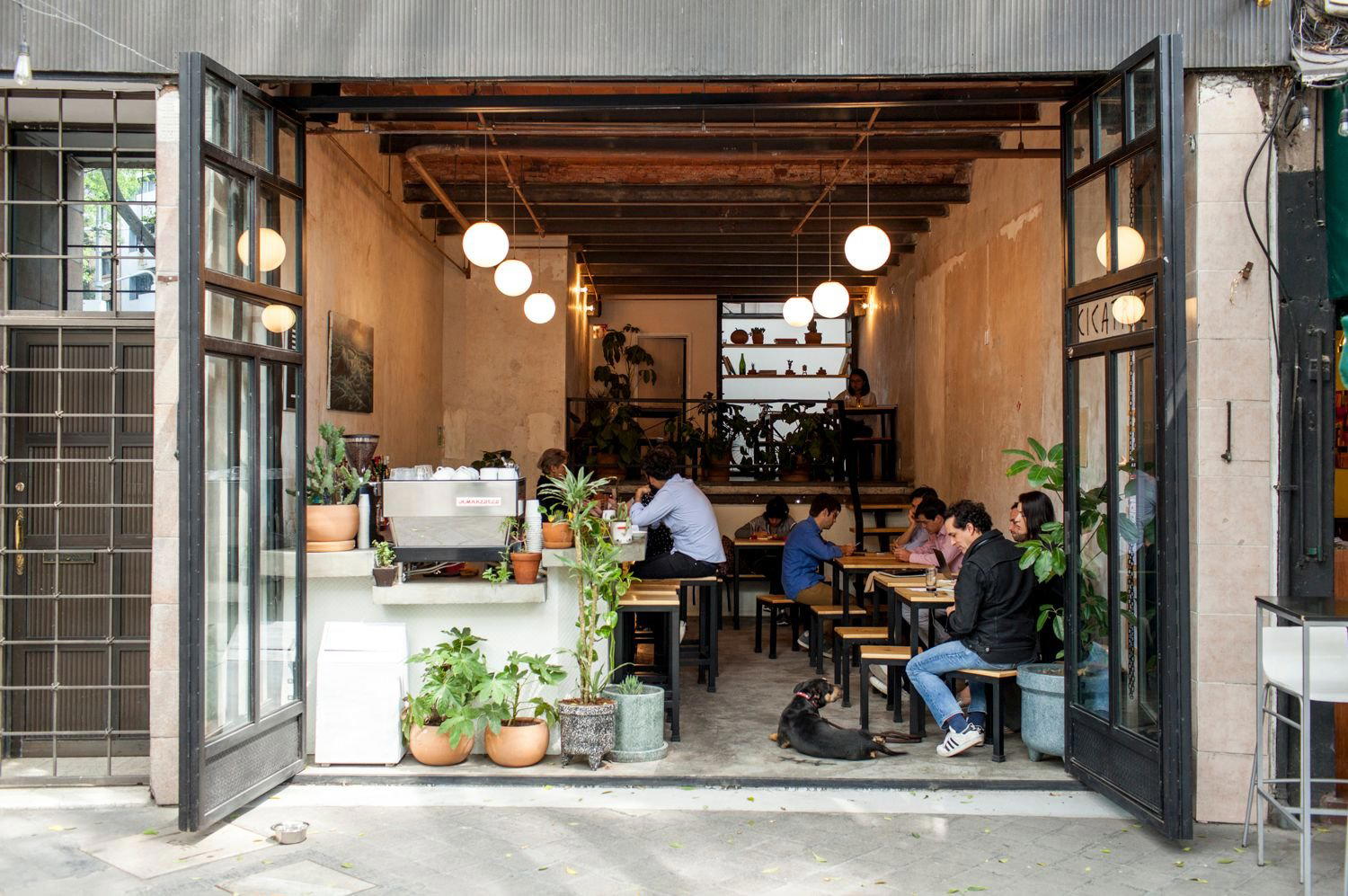
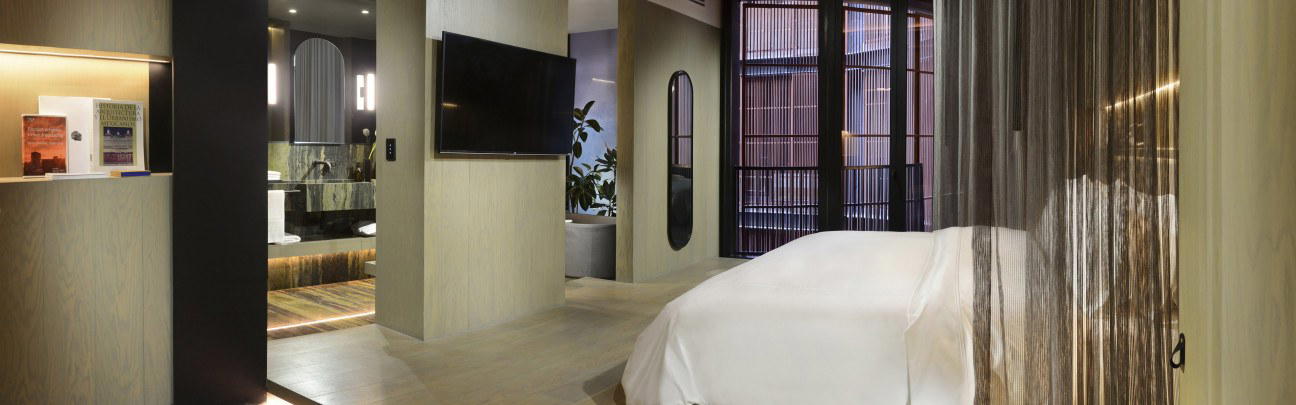
Industrial aesthetic with relaxed atmosphere, featuring visible parrillas (grills) and a wine retail component, with terraces offering secondary dining spaces.