Our verdict
La Rotisserie serves modern European fine dining inside Mamaison Hotel Le Regina Warsaw, with formal service and leisurely pacing for lunch or dinner.

Pearl is the En Primeur Club membership app — saves, bookings, and concierge access live there. Same editors, same standards.
- Address
- Kościelna 12, 00-218 Warszawa, Poland
- Phone
- +48225316070
- Hours
- Mon–Fri 12–10 PMSat–Sun 1–10 PM
- Website
- mamaisonleregina.com
- Directions
- Get directions
- Booking
- Book on the venue's website
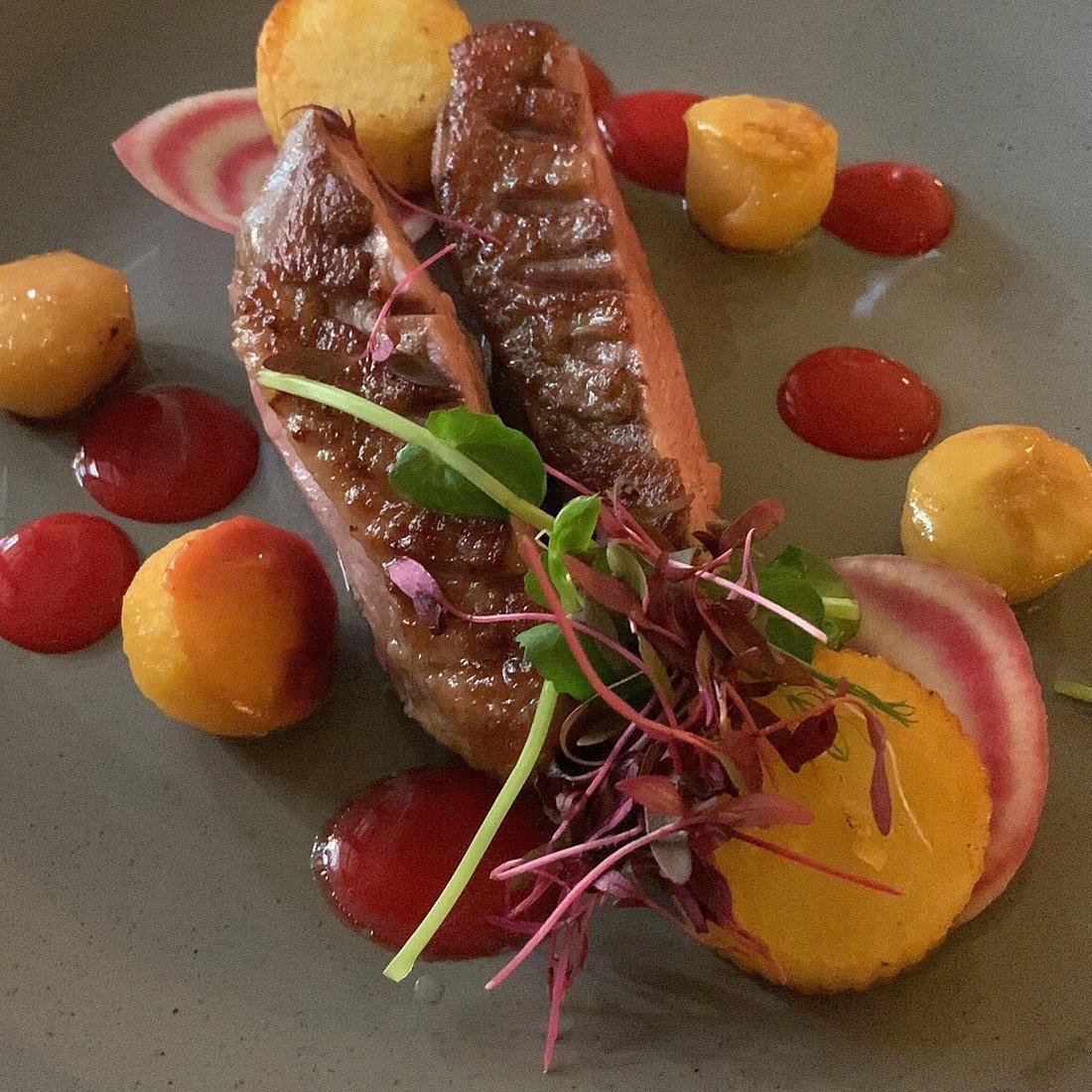
The menu
What to order
- Fjord trout with boletus powder and parsley root mousse
- Rabbit pierogi with pickled pumpkin
- Baked filet of Atlantic cod with cherry tomato and ginger salsa
- Roasted filet of Irish beef Hereford with beetroot risotto
- Mille feuille of extra bitter chocolate with pumpernickel and beer sherbet
A Corner of Żoliborz and the Ritual of the Roast
Kościelna Street in Żoliborz sits at some distance from Warsaw's more-photographed dining corridors. The neighbourhood is quieter than Śródmieście, more residential than Praga, and the address at number 12 signals something deliberate about where La Rotisserie has chosen to operate. In cities where serious cooking concentrates in a handful of obvious postcodes, a restaurant that holds its ground in a local residential district is making an argument about audience: it expects guests to travel to it, not to be caught in passing.
The rotisserie format itself carries a particular logic as a dining ritual. Where tasting menus ask guests to submit to a sequence, and bistro formats invite informality, the rotisserie occupies a middle register. There is a centrepiece, a visible or implied turning of heat and protein, and a meal that organises itself around the patience of slow cooking. That structure sets a pace before anyone sits down. The rhythm of a rotisserie meal tends toward the communal and the unhurried, closer to Sunday lunch than to a performance dinner, even when the execution is precise.
Warsaw's dining scene has evolved considerably since the mid-2010s, when the city's first wave of modern-Polish restaurants began attracting international attention. The current tier includes addresses across price points and formats: Rozbrat 20 occupies the modern European end of the spectrum at the €€€ level, while alewino applies a more accessible price bracket to modern Polish and traditional cuisine. hub.praga and NUTA represent the creative end of the city's current output. La Rotisserie, positioned in Żoliborz, sits outside those competitive clusters geographically, which itself shapes the kind of experience it delivers.
Format as Editorial Statement
Across European cities, the rotisserie revival has followed a consistent arc. Formats that disappeared from urban dining during the decades of nouvelle cuisine and modernist plating have returned as counterweight. The whole bird, the bone-in cut, the long-rendered sauce: these elements reappeared first in Paris and London, then spread through cities with enough dining density to support a format that requires some explanation to guests conditioned by shorter, lighter menus. Warsaw's appetite for this kind of cooking has grown alongside its general dining sophistication.
The ritual logic of a rotisserie meal asks something of the diner that faster formats do not. Timing matters differently: a roast has a window, not a precise minute. Sharing is implicit rather than optional. The table tends to organise itself around a central item rather than around individual plates, which changes the social dynamic of the meal. For a city that has moved quickly through international influence and toward a more considered, locally-rooted hospitality culture, a format built on patience and sharing carries a certain cultural coherence.
For comparison: at the opposite end of the technical and conceptual spectrum, addresses like Le Bernardin in New York City or Atomix in New York City represent the kind of rigidly sequenced, highly individual dining experience that the rotisserie format explicitly departs from. The gap between those models and what a rotisserie offers is not about quality; it is about the type of attention each format demands from the guest.
Żoliborz as Context
The neighbourhood itself shapes expectations before the meal begins. Żoliborz has historically been a district of intellectuals, journalists, and artists, quieter and more introverted than Warsaw's commercial centre. Restaurants that open here are rarely chasing foot traffic; they rely on reputation and word of mouth in a way that central addresses do not need to. That dynamic tends to produce either very local, neighbourhood-serving operations or deliberate destination restaurants that depend on a guest deciding specifically to come. The address on Kościelna suggests the latter intent.
Poland's broader restaurant geography offers useful framing. Cities like Kraków have their own serious dining tier, represented by addresses such as Bottiglieria 1881, while Gdańsk has developed its own distinctive scene with restaurants like Arco by Paco Pérez and Hashi Sushi. Poznań contributes Muga, and smaller cities have produced serious operations including Kwestia Czasu in Białystok and Cudne Manowce in Olsztyn. Warsaw sits at the top of this national map, and a restaurant operating in the capital carries the implicit weight of that position.
Planning Your Visit
La Rotisserie is located at Kościelna 12 in the Żoliborz district, roughly three kilometres north of the Old Town. The address is reachable by tram from the city centre, and the surrounding streets offer the kind of quiet that makes an arrival on foot feel appropriate to the format. Given the venue's position in a residential neighbourhood, it operates as a destination rather than a drop-in, and advance planning is advisable regardless of how reservation availability currently stands. Guests coming from outside Warsaw will find the city's main rail hub, Warszawa Centralna, well-connected to Żoliborz by public transit. For those exploring Poland's wider dining circuit, the EP Club guides to Giewont in Kościelisko, Górnik in Kraków, Hattori Hanzo in Częstochowa, and Włoska Restauracja Bellanuna in Rzeszów map a route through the country's more interesting dining addresses outside the capital. Warsaw's full picture is covered in our full Warsaw restaurants guide, which includes context on format, price tier, and neighbourhood across the city's current dining cohort. For guests weighing Warsaw options specifically, the contrast between La Rotisserie's format and addresses like Baken is worth considering before booking.
Frequently asked questions
What part of town is La Rotisserie in?
La Rotisserie is located at Kościelna 12, 00-218 Warszawa, Poland, Warsaw.
Is La Rotisserie in Warsaw suitable for a weekday dinner, or does it skew toward weekend reservations?
Located on a quiet residential street in Żoliborz rather than in Warsaw's central dining corridors, La Rotisserie tends to attract neighbourhood regulars alongside destination diners, which can make weekday tables more accessible than at comparable restaurants in Śródmieście. The Kościelna 12 address is reachable by tram from central Warsaw, making a midweek visit practical for those staying in the city centre. Confirming hours and availability directly with the venue before planning travel is recommended.
What's the signature dish at La Rotisserie?
The name is the answer: spit-roasted meat is the structural centre of the menu at Kościelna 12. The rotisserie format, which positions open-fire roasting as the kitchen's primary technique rather than a side act, shapes what arrives on the table. Specific current menu items are best confirmed directly with the restaurant before visiting.
How hard is it to get a table at La Rotisserie?
La Rotisserie sits in Żoliborz, a residential district roughly three kilometres north of Warsaw's Old Town, which means it draws a more local, repeat-visitor crowd rather than tourist foot traffic. That dynamic can tighten availability on weekends. Contacting the restaurant in advance is advisable, particularly for groups or Friday and Saturday evenings.
What has La Rotisserie built its reputation on?
The restaurant's identity is rooted in format commitment: the rotisserie as a culinary statement rather than a nostalgic novelty. In Warsaw's dining scene, where European technique and Polish ingredient traditions increasingly intersect, a venue anchored to a single cooking method earns attention by depth rather than breadth. The Żoliborz address, historically a district associated with intellectuals and artists, reinforces a certain seriousness of purpose.
How does La Rotisserie handle allergies?
Given the kitchen's focus on a specific cooking method, it is worth raising any dietary requirements directly when making a reservation, as the menu structure may have limited flexibility by design.
Cuisine Context
Comparable venues nearby, for context on price, style, and recognition.
| Venue | Cuisine | Price | Awards | Notes |
|---|---|---|---|---|
| La RotisserieThis venue — the venue you are viewing | Modern European Fine Dining | $100–150 | Not listed | Not listed |
| Brasserie | Modern French Brasserie | $50–100 | Not listed | Śródmieście |
| Latino Brasserie@Ferdy's | Polish Brasserie | Not listed | Not listed | Osiedle Za Zelazna Brama |
| Krem | French Bistro Classics | $20–30 | Not listed | Ujazdow |
| Restauracja Mokolove | Polish & International | $20–30 | Not listed | Mokotow |
| Opasły Tom | Modern Polish Fine Dining | $100–150 | Star Wine List | Mariensztat |
Details
- Elegant
- Intimate
- Sophisticated
- Classic
- Date Night
- Business Dinner
- Special Occasion
- Celebration
- Hotel Restaurant
- Historic Building
- Courtyard
- Private Dining
- Sommelier Led
- Local Sourcing
- Street Scene
- Tasting Menu
- A La Carte
- Prix Fixe
- Wine
- Champagne
- Vegetarian Friendly
Current opening hours
- Monday
- 12–10 PM
- Tuesday
- 12–10 PM
- Wednesday
- 12–10 PM
- Thursday
- 12–10 PM
- Friday
- 12–10 PM
- Saturday
- 1–10 PM
- Sunday
- 1–10 PM
Hours can change for holidays and private events. Last verified .
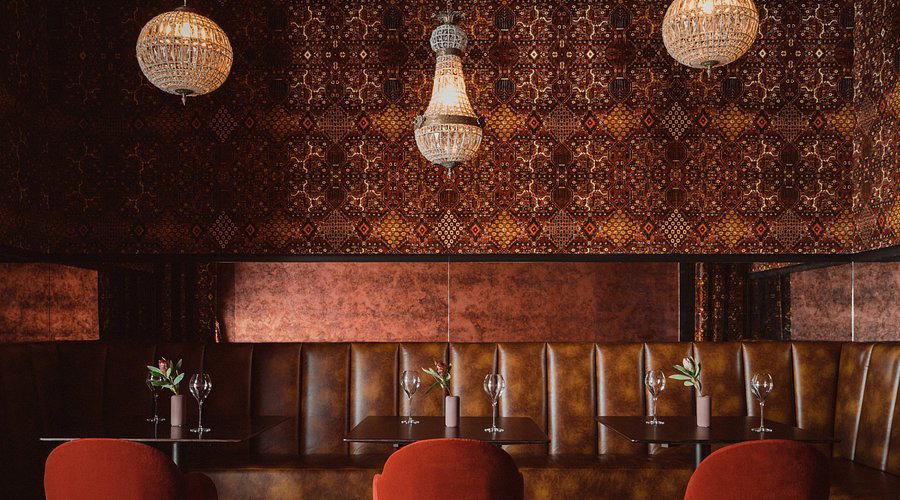
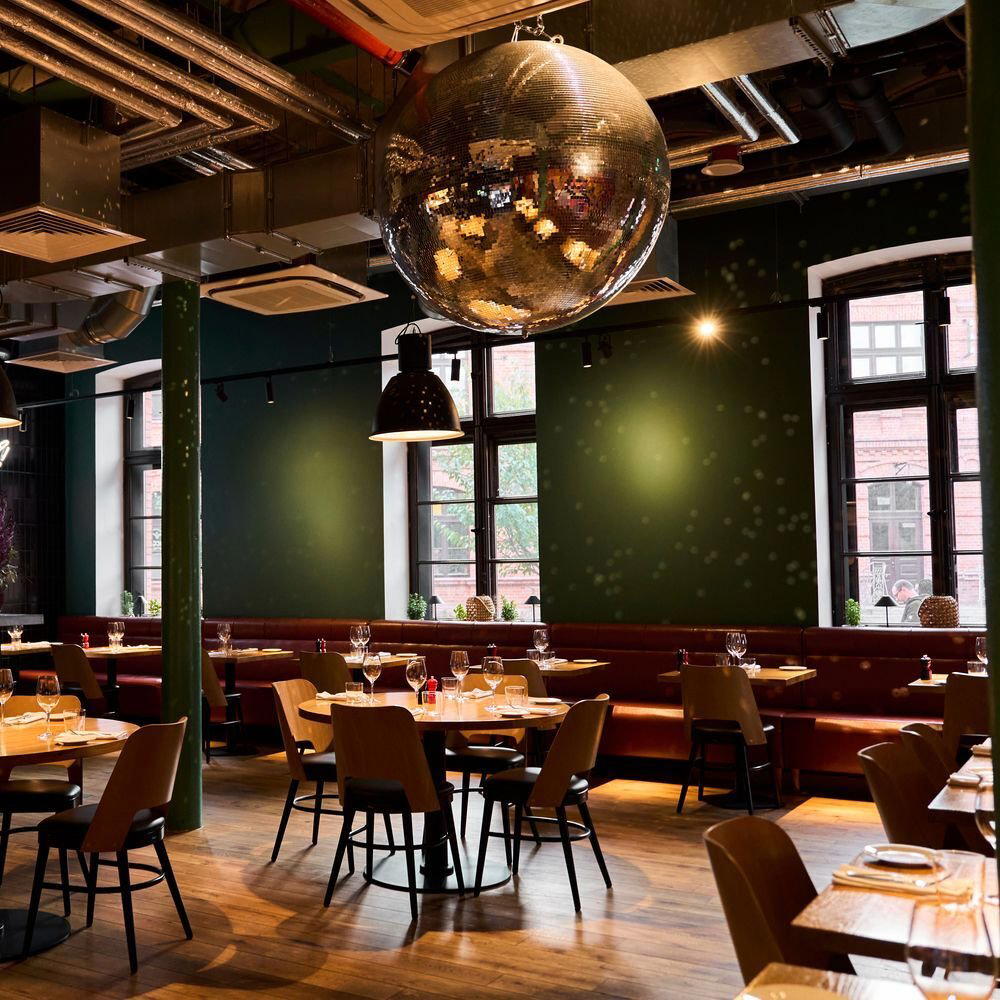
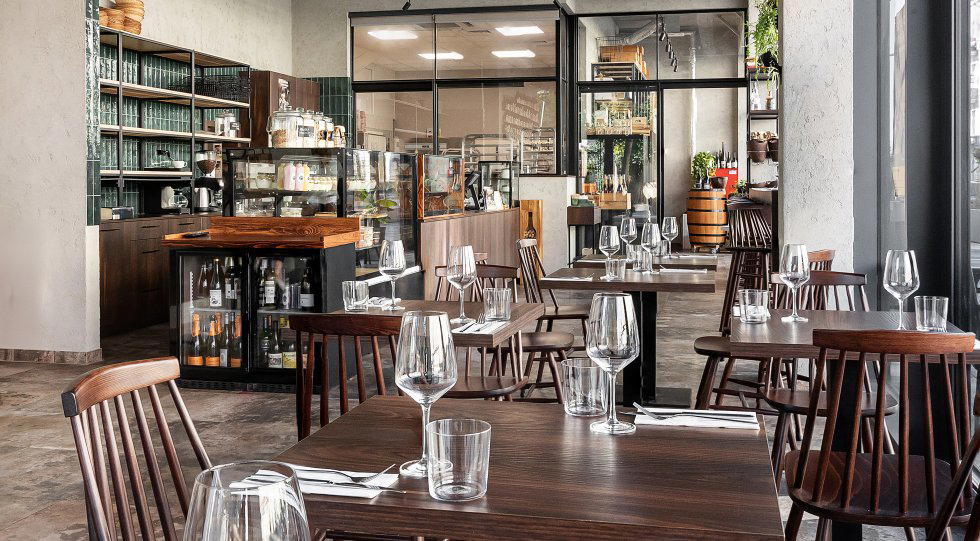
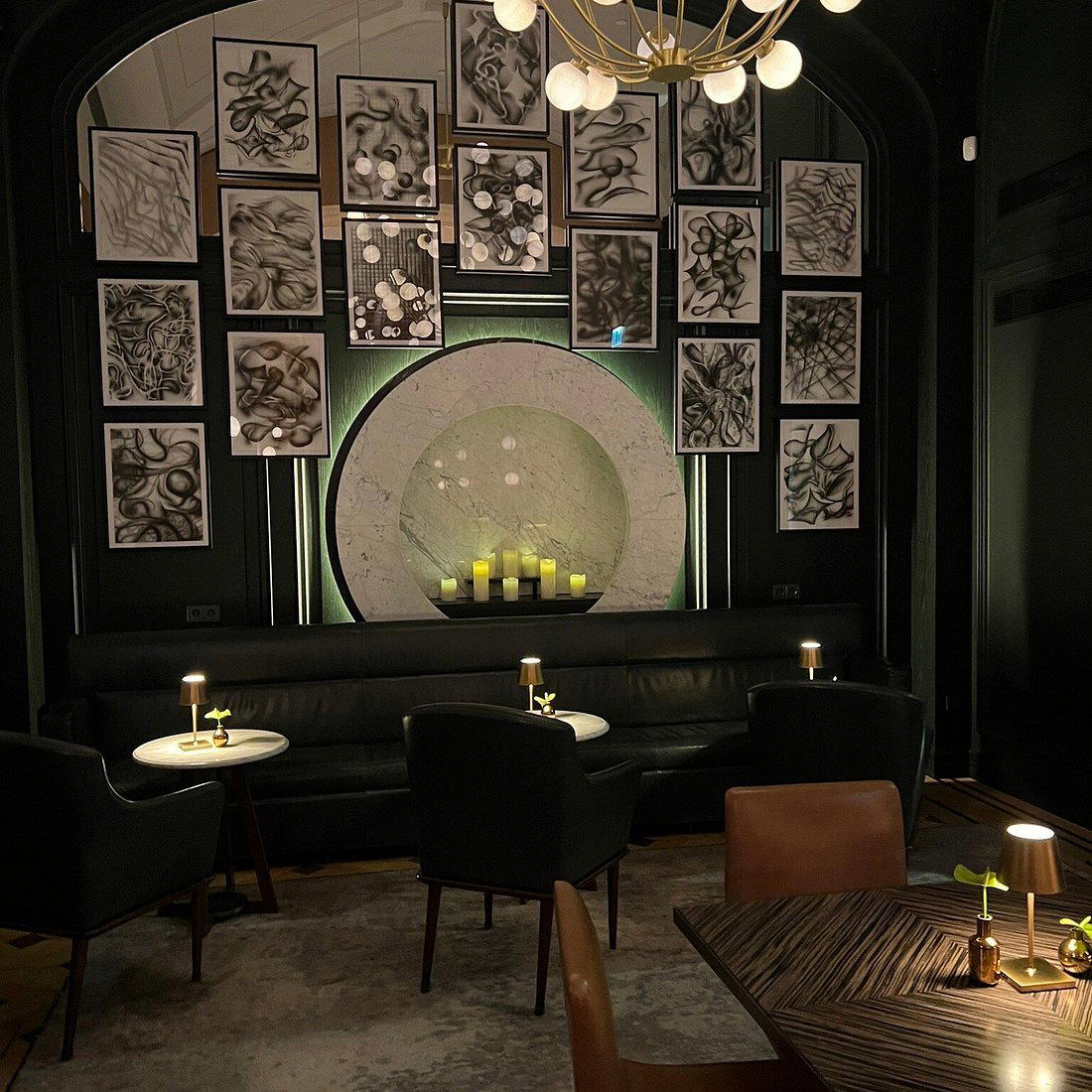
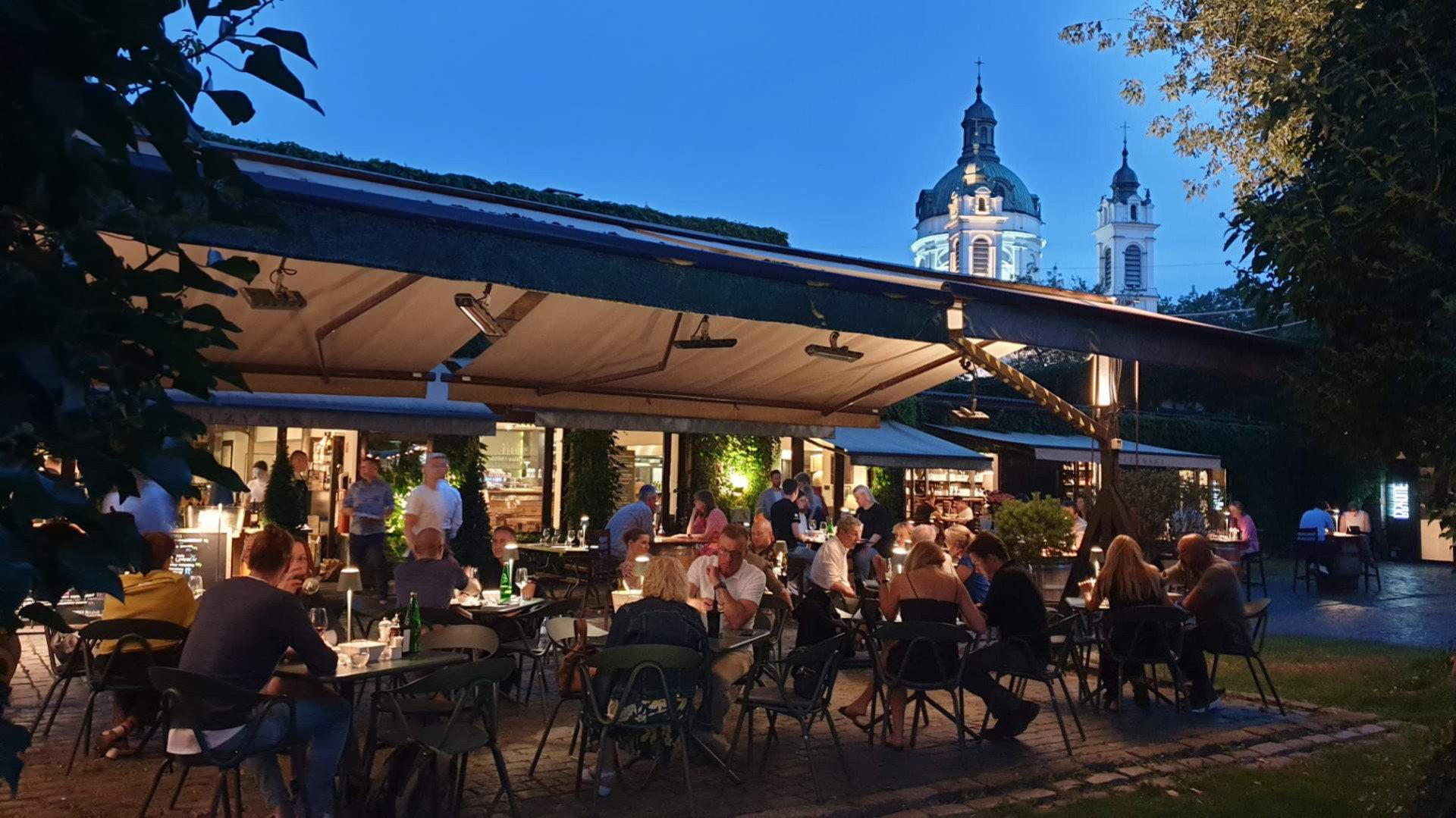
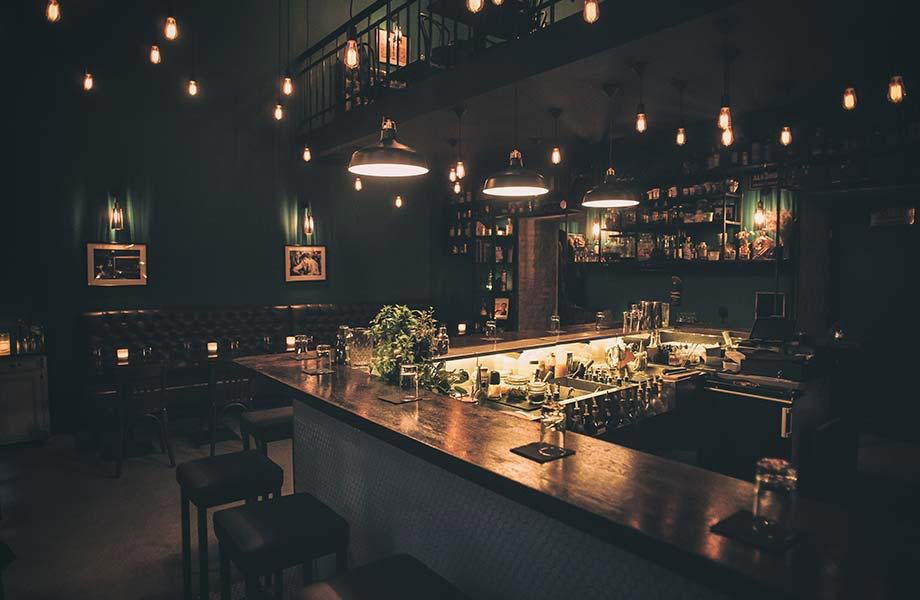
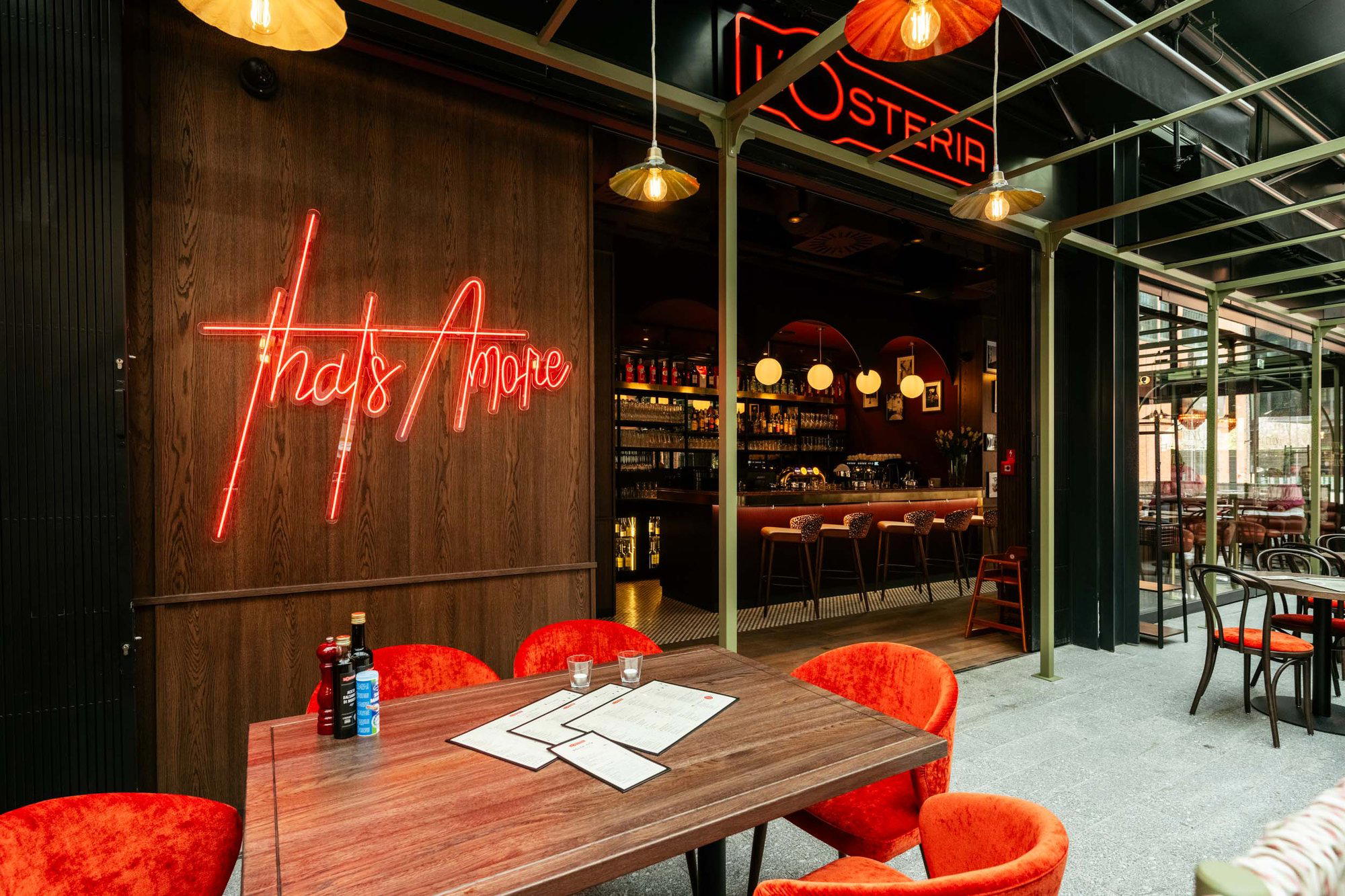
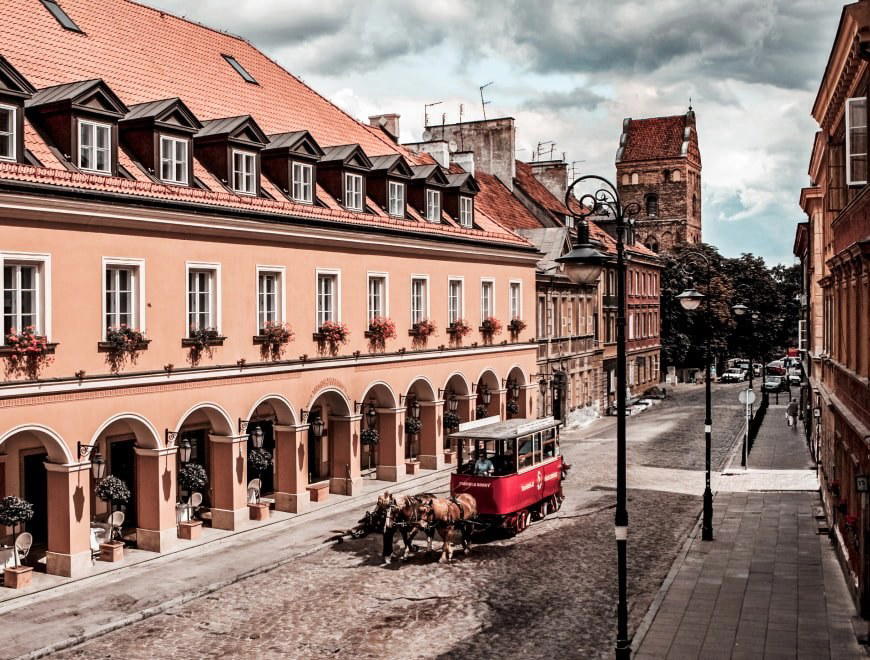
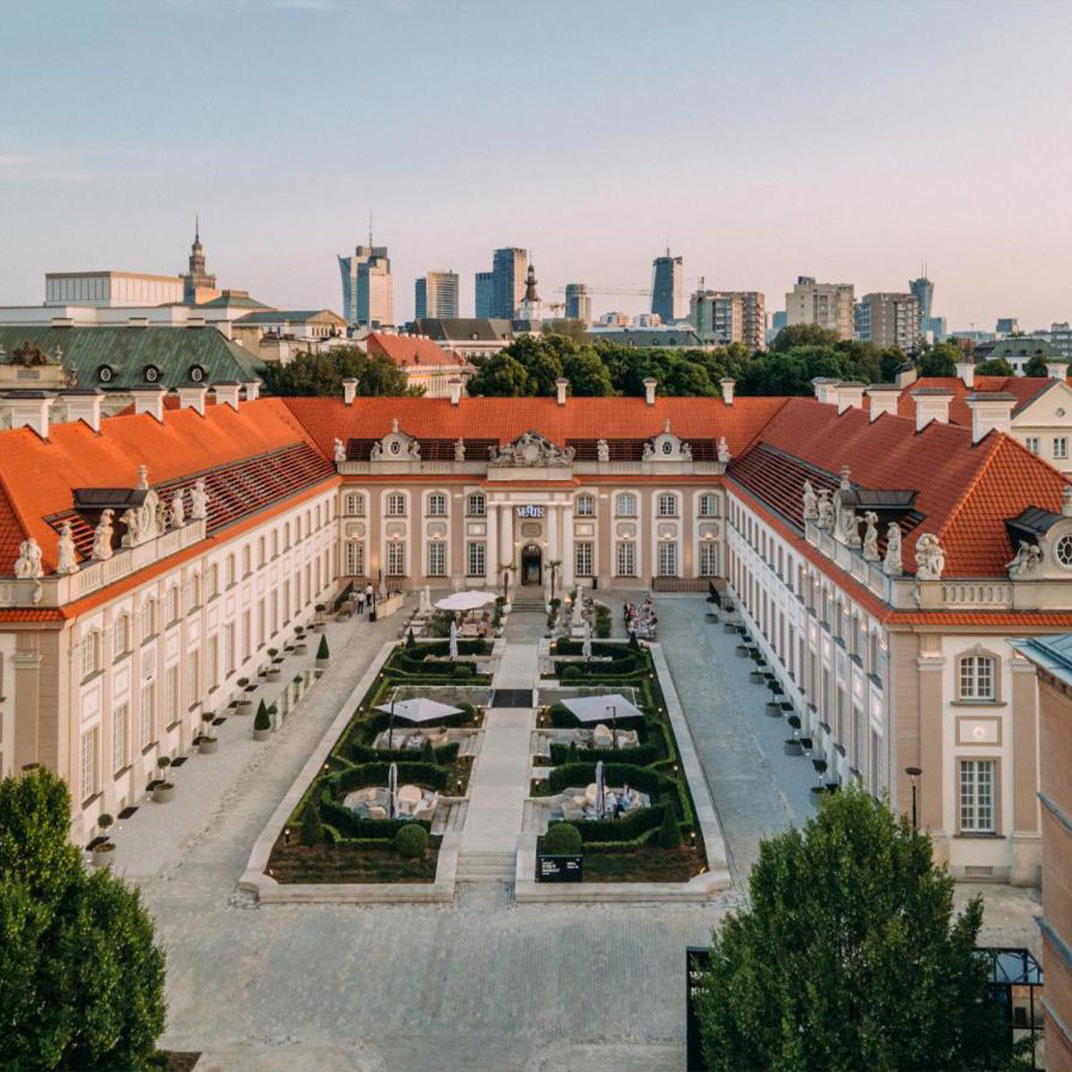
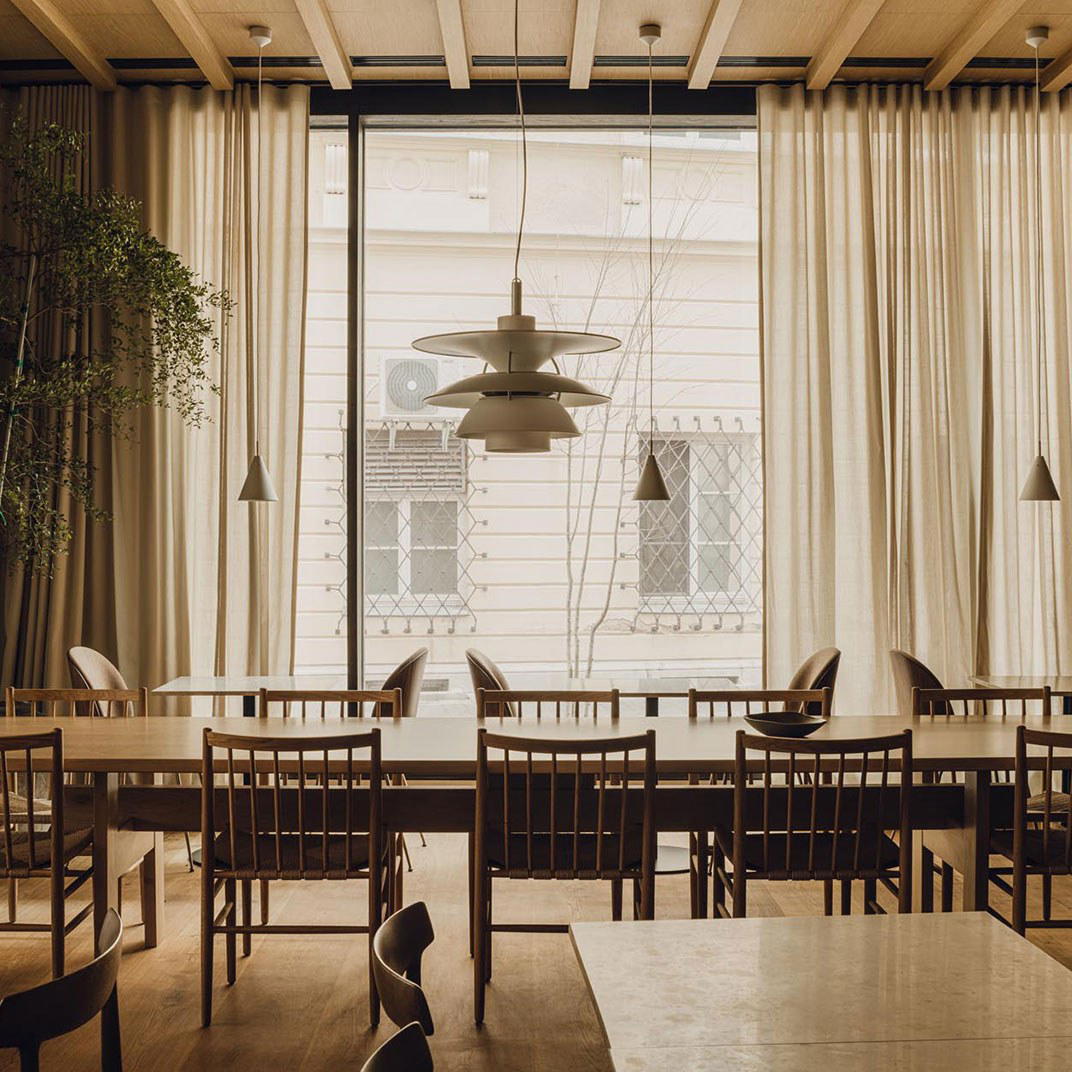
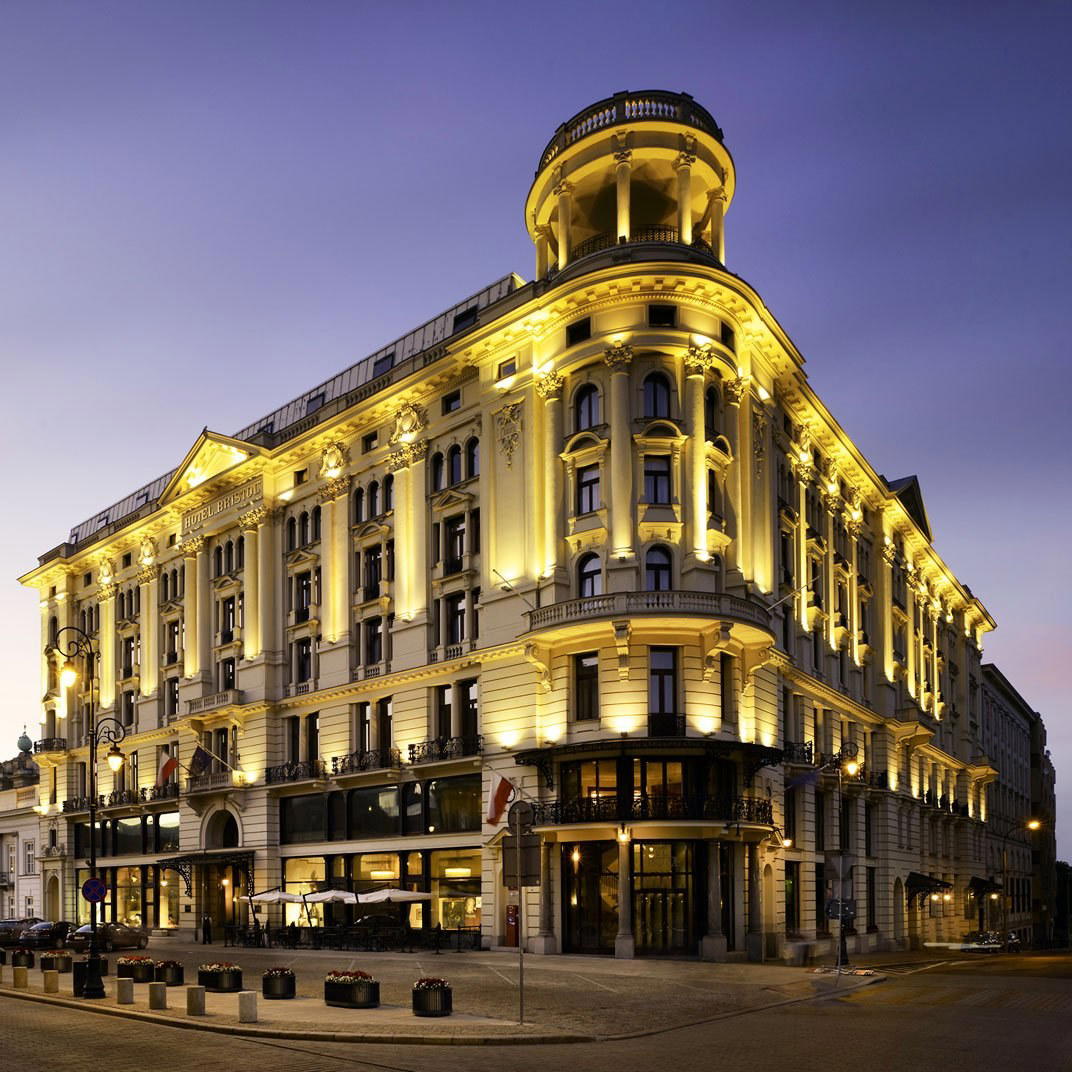
Refined and intimate with soft vanilla and caramel tones, arched rib-vaulted ceilings, warm lighting, and genteel decor creating an elegant yet welcoming atmosphere.