
Star Wine List
Our verdict
Positioned beside Warsaw's Grand Theatre on Wierzbowa, Opasły Tom carries the weight of a celebrated address shift from Foksal Street and the expectations that come with it. The restaurant has spent the years since its move building a case within Warsaw's fine dining tier, where the competition from places like Rozbrat 20 and hub.praga is sharper than it has ever been.

Pearl is the En Primeur Club membership app — saves, bookings, and concierge access live there. Same editors, same standards.
- Address
- Wierzbowa 9, 00-094 Warszawa, Poland
- Phone
- +48 691 990 061
- Hours
- Daily 1–11 PM
- Website
- kregliccy.pl
- Directions
- Get directions
- Booking
- Book on the venue's website
The menu
What to order
- Dumplings with truffles
- Beef tartare
- Halibut
- Lamb
- Crayfish bisque
A Grand Theatre Address and What It Demands
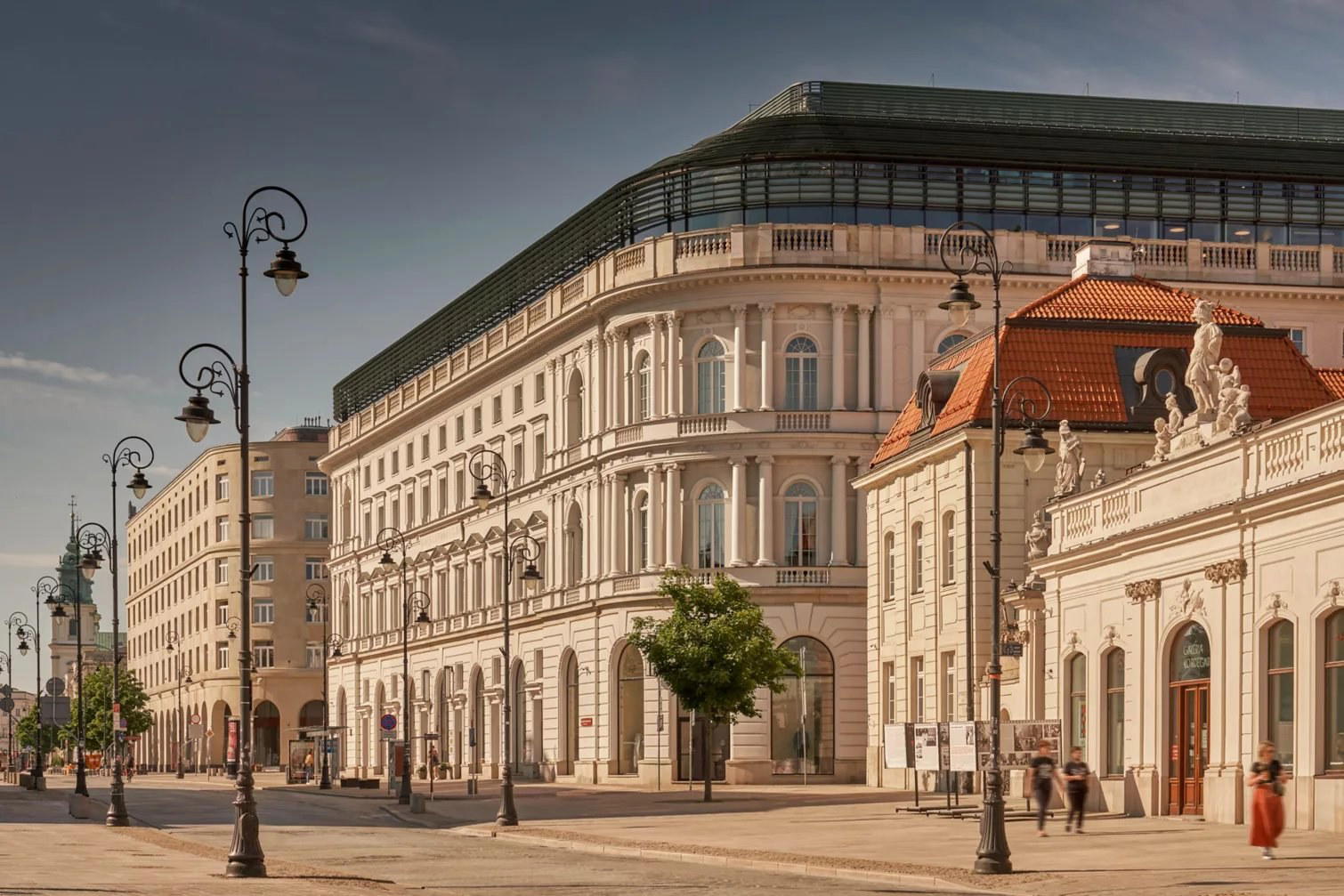
Warsaw's fine dining scene has consolidated around a handful of neighbourhoods where architecture, footfall, and institutional gravity intersect. Wierzbowa Street, running alongside the Grand Theatre and National Opera, is one of the most charged of those locations. The scale of the opera house itself sets a register: visitors arrive with cultural expectations already primed, and restaurants in its shadow inherit both the audience and the pressure that comes with it. Opasły Tom occupies that position, having relocated from its earlier home on Foksal Street, a short distance away but a meaningfully different context.
The move matters beyond logistics. Foksal was, for years, the spine of Warsaw's upscale dining corridor, a street whose associations carried their own credibility. Relocating to the Grand Theatre precinct represented a recalibration: a bet that the new address could sustain or exceed what the old one implied. In cities where restaurants are partly read through their postcodes, that kind of move is a statement as much as a decision.
Where Opasły Tom Sits in the Warsaw Fine Dining Tier
Warsaw's restaurant market has matured considerably over the past decade. The city now supports a distinct upper tier of fine dining, where format, sourcing, and kitchen lineage are scrutinised against European peers rather than measured only against local history. Within that tier, Opasły Tom sits alongside venues like Rozbrat 20, which operates at the modern European end of the spectrum, and hub.praga, which has built its reputation on modern cuisine in a neighbourhood that trades on creative energy rather than civic grandeur.
The comparison with those venues illuminates what Opasły Tom is and is not. Where hub.praga positions itself in the regenerating Praga district, drawing some of its identity from the area's industrial and bohemian character, Opasły Tom operates in the historic core, answerable to a different set of expectations. The Grand Theatre address suggests formality, occasion dining, and an audience that arrives prepared to spend. That context shapes everything from the room's register to the kind of menu ambition the kitchen can credibly signal.
Restaurants at this level in Warsaw are also in conversation with Poland's wider fine dining geography. Bottiglieria 1881 in Kraków has established a benchmark for what serious Polish fine dining can look like against international competition. Arco by Paco Pérez in Gdańsk brings a different frame of reference entirely, importing a Catalan technical register to the Baltic coast. Opasły Tom, as a Warsaw institution with a significant address history, operates in that national conversation whether it seeks the comparison or not.
The Significance of the Foksal to Wierzbowa Transition
In Warsaw's restaurant culture, the name Opasły Tom carries associations that predate the current location. The Foksal Street chapter built the kind of reputation that gets referenced in the same breath as the city's dining milestones, and moving a venue with that history is not a neutral act. The new premises near the Grand Theatre gave the restaurant a fresh architectural context, but also reset the clock on earned familiarity. Regular guests had to relearn the geography; new guests encountered the name without the patina of the original address.
This dynamic is not unusual in cities where fine dining venues outgrow their first homes or respond to changing property pressures, but it is particularly visible in Warsaw, where the dining scene's institutional memory is still relatively compressed. The city's serious restaurant culture is largely a post-1989 construction, which means that venues with even a decade or two of sustained operation carry a weight that would be less conspicuous in Paris or London. Opasły Tom's longevity across two addresses is, by that measure, a credential in itself.
For context on the broader Warsaw dining offer, the EP Club's full Warsaw restaurants guide maps the field from neighbourhood bistros to occasion fine dining. The Warsaw bars guide covers the natural wine and cocktail venues that complete the evening for most diners in this part of the city. Those looking to situate a meal at Opasły Tom within a longer stay can cross-reference the Warsaw hotels guide for accommodation options within walking distance of the Grand Theatre district.
The Competitive Neighbourhood Set
The area around the Grand Theatre and the adjacent streets feeding into the Old Town and Śródmieście core contains several of Warsaw's most discussed restaurants. alewino operates at a lower price point in the modern Polish and traditional cuisine register, drawing a wine-focused crowd for whom the list is as important as the plate. NUTA has positioned itself in the creative tier, attracting attention as one of the more technically ambitious kitchens in the city. Bar Rascal occupies the natural wine and tapas space, operating at a different register but drawing from an overlapping audience of engaged diners who move through multiple venues in an evening.
In that company, Opasły Tom's Grand Theatre location provides a certain kind of gravitational pull for occasion diners who want the physical grandeur of the address to do some of the work. That is not a criticism: in most serious dining cities, the best-positioned fine dining venues use their location as a component of the experience rather than a backdrop to ignore. The challenge, in a neighbourhood where the competition is increasingly capable, is that location alone no longer differentiates at the margin that matters.
Planning a Visit
Wierzbowa 9 is a short walk from the Świętokrzyska and Ratusz Arsenał metro stations, placing the restaurant within easy reach of both the commercial centre and the Old Town. The Grand Theatre itself is a useful landmark: the restaurant sits in its immediate vicinity, and the neighbourhood is well-served by Warsaw's central transport links. For those combining dinner with a performance at the opera, the proximity is an obvious convenience, though the timing logistics require advance planning at a venue operating at this level. Reservations are advisable; given the restaurant's history and address prominence, walk-in availability during peak evenings is not a realistic assumption. For the wider Warsaw picture beyond restaurants, the EP Club's Warsaw experiences guide and wineries guide cover adjacent interests for visitors spending more than a single evening in the city.
Frequently asked questions
What kind of recognition has Opasły Tom received?
Opasły Tom has received recognition including: Opasły Tom is located by the Grand Theatre, having moved there from another famous spot on Foksal Street. The new Opasły Tom had a few years to build – or not – its reputation as a major fine dining d....
What's Opasły Tom's location?
Opasły Tom is located at Wierzbowa 9, 00-094 Warszawa, Poland, Warsaw.
What should I order at Opasły Tom?
Specific menu details for Opasły Tom are not published in advance, which is consistent with the format of Warsaw's upper fine dining tier, where the kitchen directs the meal. The address at Wierzbowa 9, beside the Grand Theatre, signals a kitchen that treats the occasion seriously. Arrive without a fixed agenda and let the kitchen lead.
Can I walk in to Opasły Tom?
Opasły Tom operates at the level of Warsaw's most discussed fine dining addresses, and walk-in seats at this tier are rarely available without advance planning. The restaurant moved from its well-known Foksal Street location to Wierzbowa 9, and that transition brought renewed attention from Warsaw diners and critics alike. A reservation made well ahead is the practical approach.
What's the defining dish or idea at Opasły Tom?
Opasły Tom's identity has been built across two chapters — the Foksal Street years and the current Wierzbowa 9 address beside the Grand Theatre — suggesting a kitchen more interested in sustained reputation than in anchoring itself to a single signature. In Warsaw's current fine dining tier, that kind of continuity across a location change carries its own critical weight. The defining idea appears to be earned standing rather than a single showpiece.
Is Opasły Tom allergy-friendly?
Allergen accommodation at Warsaw's fine dining tier is now a baseline expectation rather than an exception, and restaurants operating beside major cultural institutions like the Grand Theatre typically maintain the service standards that include pre-meal dietary communication. Contact Opasły Tom directly via their Wierzbowa 9 address to confirm specific requirements before your visit, as menu composition at this level can change with the kitchen's direction.
How does Opasły Tom's move from Foksal Street to Wierzbowa 9 affect its standing in Warsaw's dining scene?
Relocating in Warsaw's fine dining market carries real risk — the Foksal Street address had built genuine critical associations over time, and those reputations rarely transfer automatically. Opasły Tom's move to Wierzbowa 9, directly beside the Grand Theatre, placed it within the institutional gravity of one of Warsaw's most architecturally significant cultural sites. That the restaurant has used the new chapter to rebuild rather than simply inherit its reputation puts it in a distinct position within the city's upper dining tier.
The Minimal Set
Comparable venues nearby, for context on price, style, and recognition.
| Venue | Cuisine | Price | Awards | Notes |
|---|---|---|---|---|
| Opasły TomThis venue — the venue you are viewing | Modern Polish Fine Dining | $100–150 | Star Wine List | Not listed |
| Eden | Creative Vegan Fusion | Not listed | Not listed | Saska Kępa, Creative Vegan Fusion |
| Pod Gigantami | Traditional Polish Fine Dining | $50–100 | Not listed | Ujazdow, Traditional Polish Fine Dining |
| Nolita | Modern Fusion Fine Dining | $50–100 | Michelin Plate · Star Wine List | Ujazdow, Modern Fusion Fine Dining |
| Belvedere | Modern Polish Cuisine | Not listed | Not listed | Ujazdow, Modern Polish Cuisine |
| Klonn | Contemporary Polish with European Influences | $50–100 | Star Wine List | Ujazdow, Contemporary Polish with European Influences |
Recognition history
Dated appearances from independent guides and award organizations, with the underlying list record or original source where available.
Star Wine List
Star Wine List
Details
- Elegant
- Romantic
- Sophisticated
- Intimate
- Modern
- Date Night
- Business Dinner
- Celebration
- Special Occasion
- Open Kitchen
- Private Dining
- Wine Cellar
- Design Destination
- Sommelier Led
- Local Sourcing
- Farm To Table
- Tasting Menu
- A La Carte
- Polish Wines
- Cocktails
- Vegetarian Friendly
- Vegan Options
Current opening hours
- Monday
- 1–11 PM
- Tuesday
- 1–11 PM
- Wednesday
- 1–11 PM
- Thursday
- 1–11 PM
- Friday
- 1–11 PM
- Saturday
- 1–11 PM
- Sunday
- 1–11 PM
Hours can change for holidays and private events. Last verified .
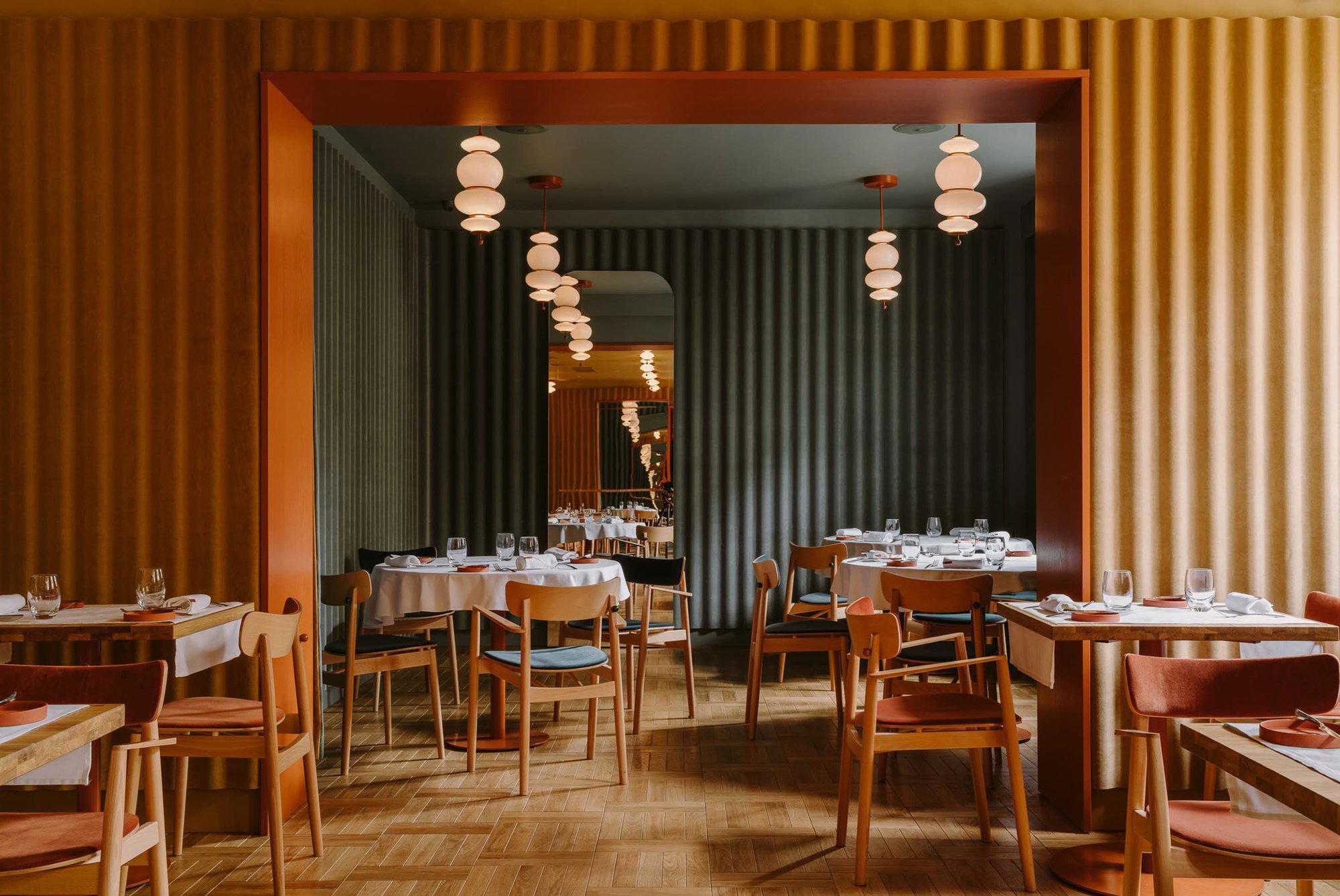
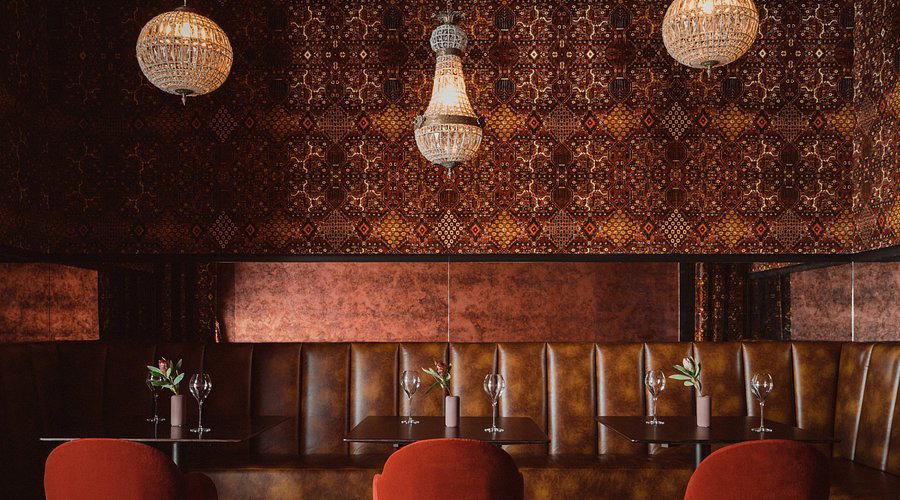
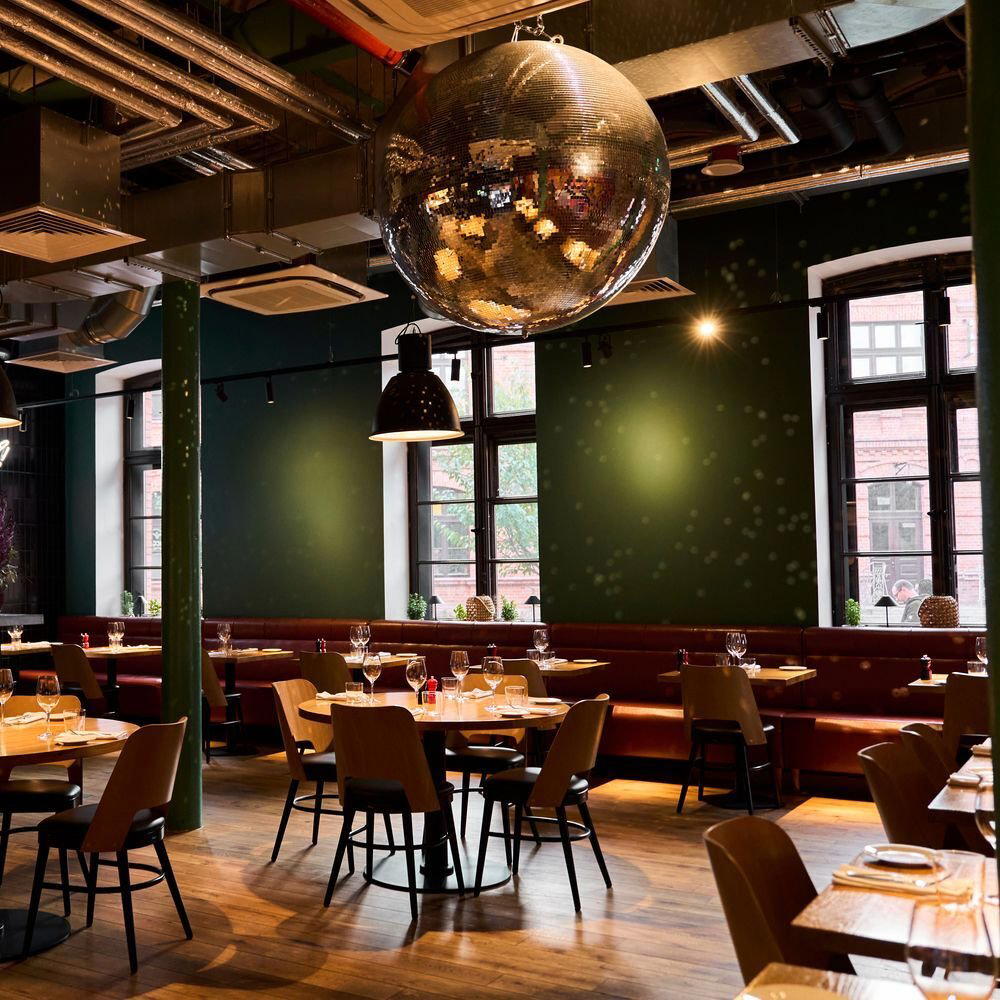
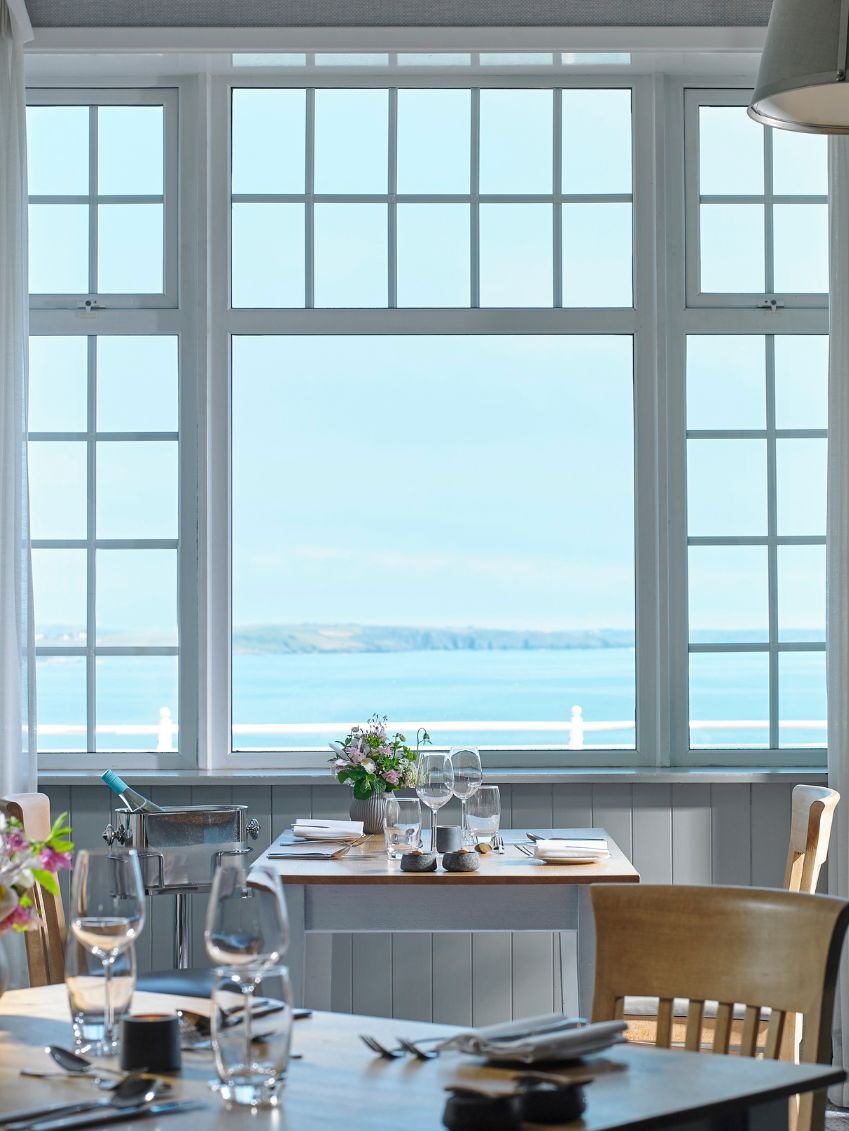
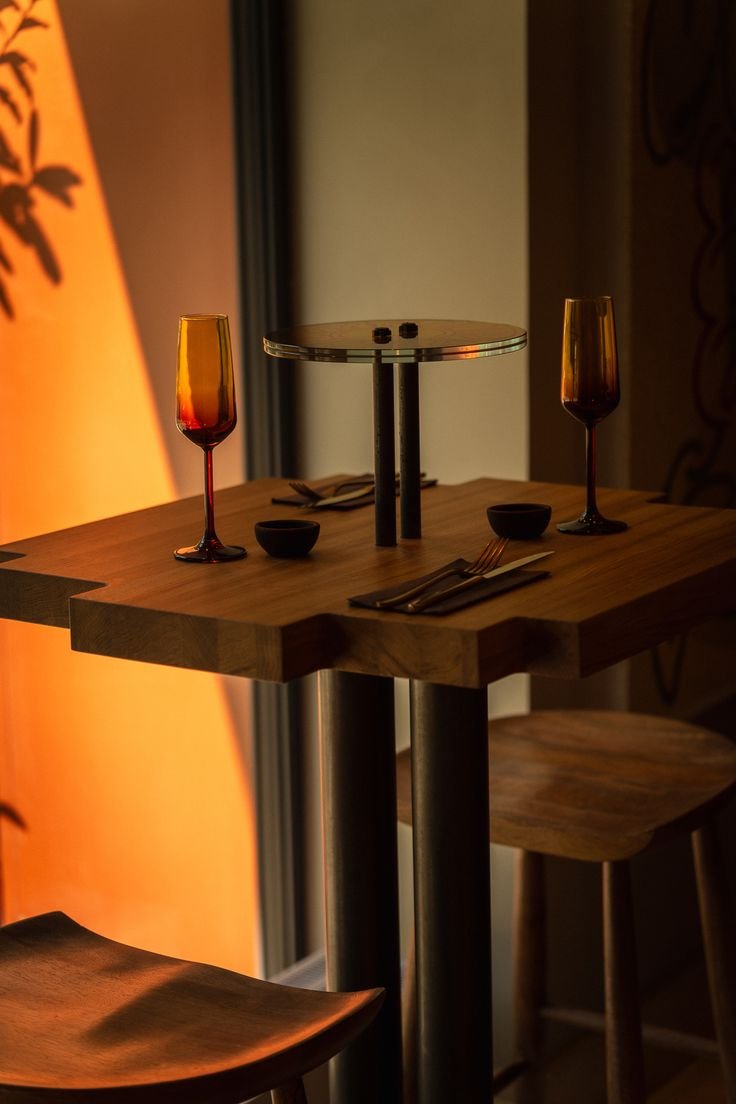
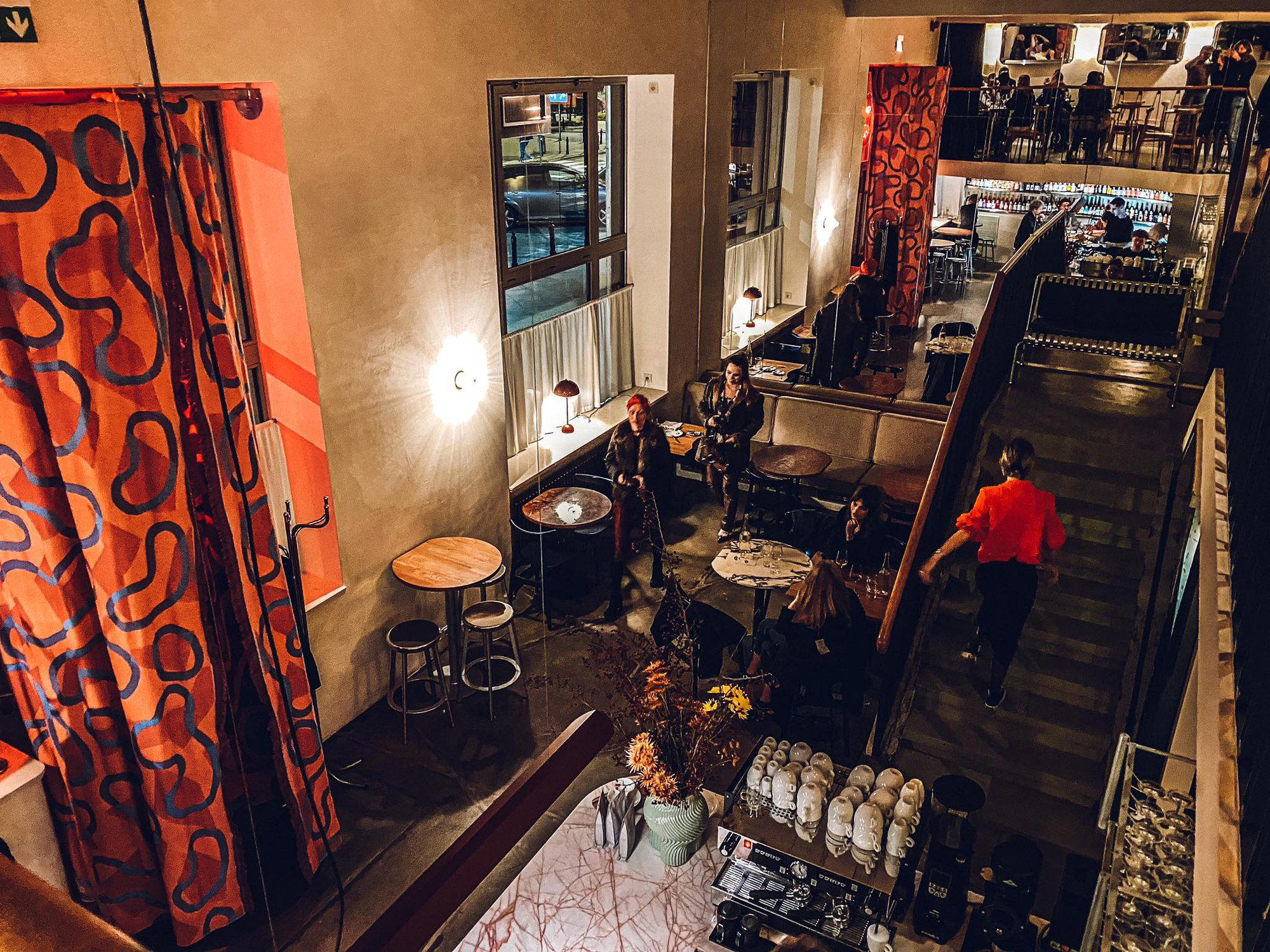
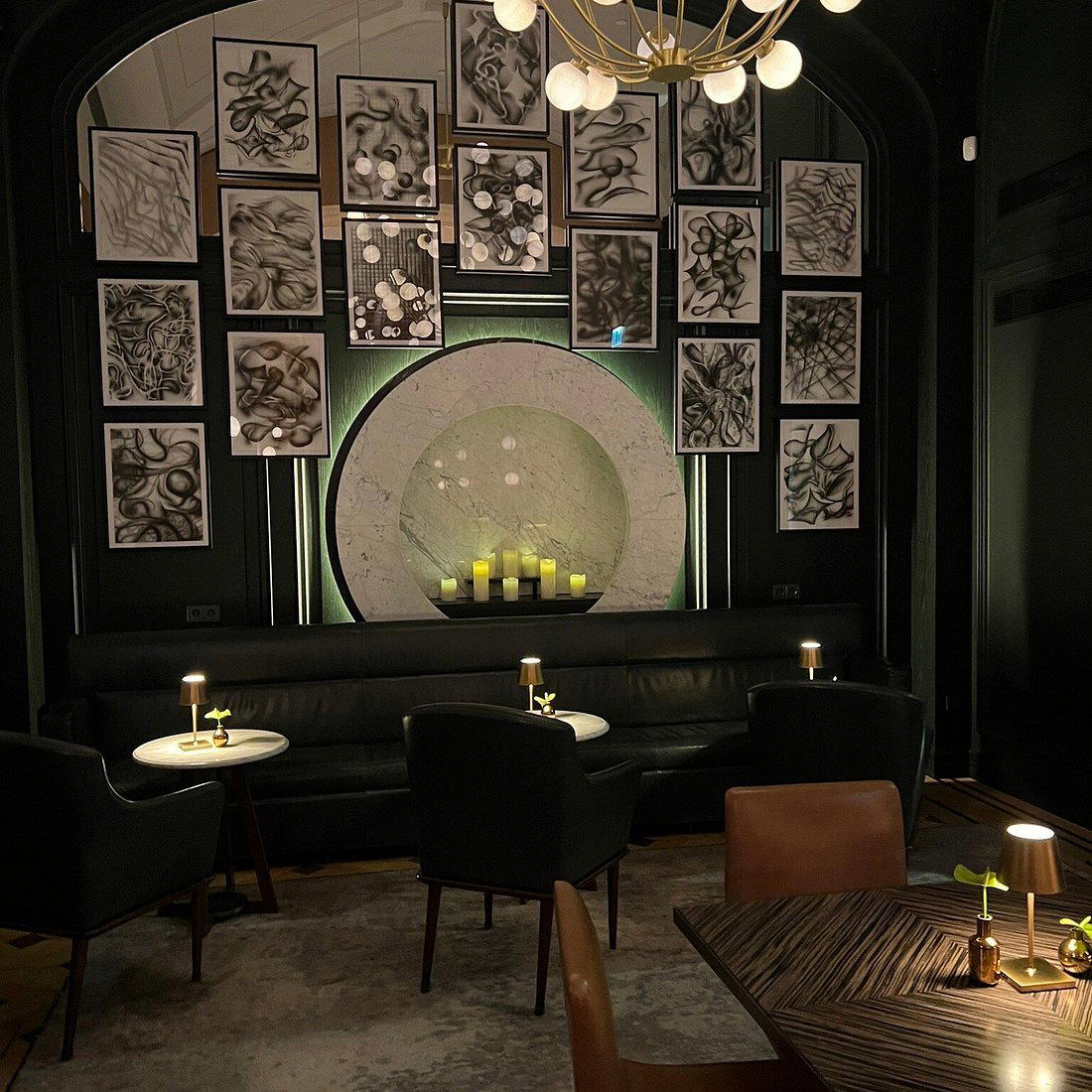
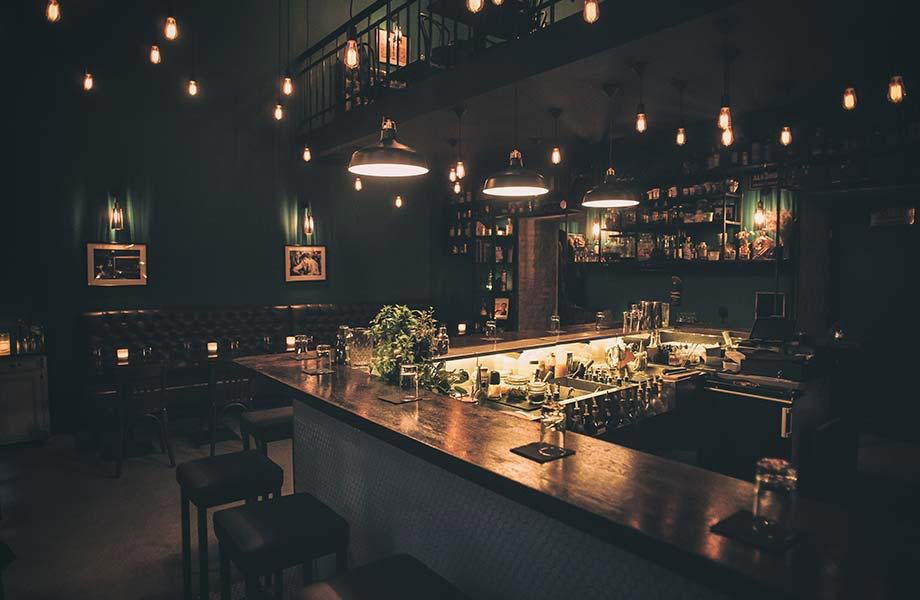
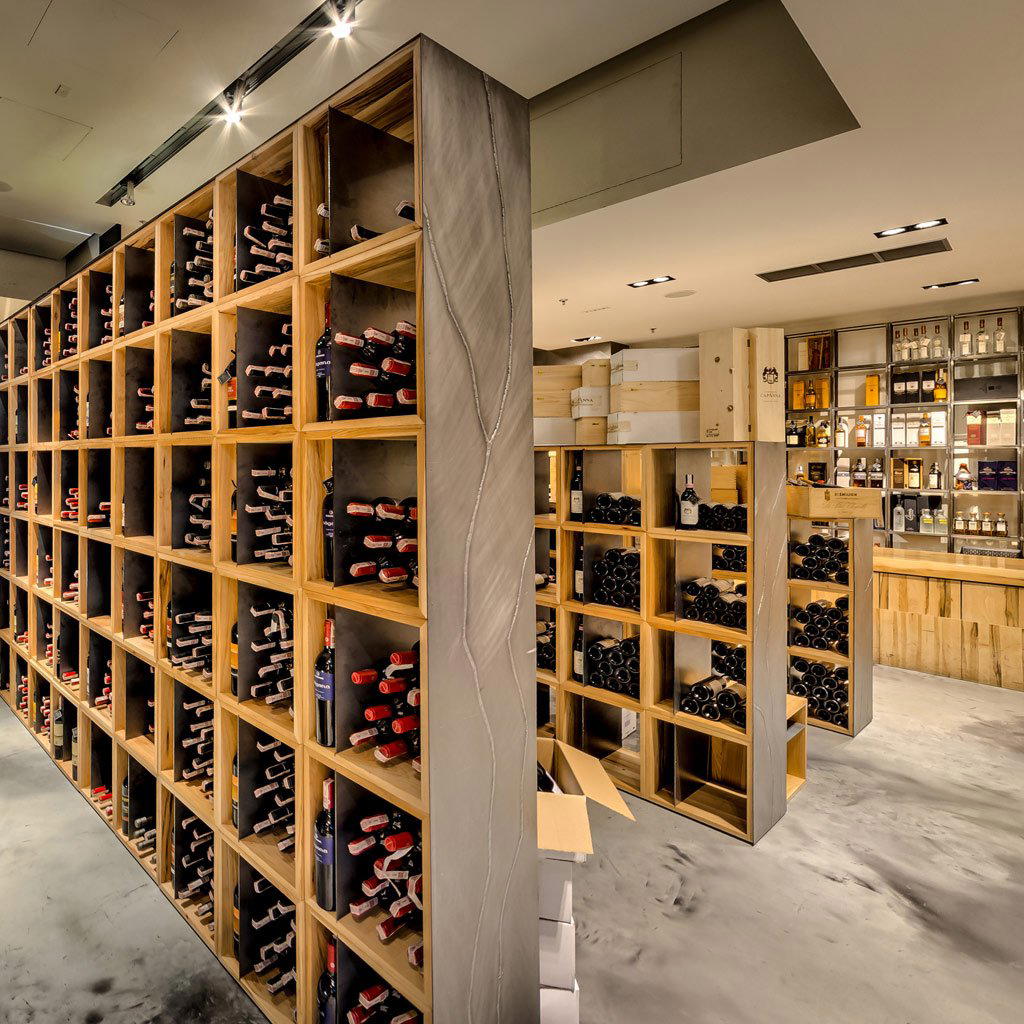
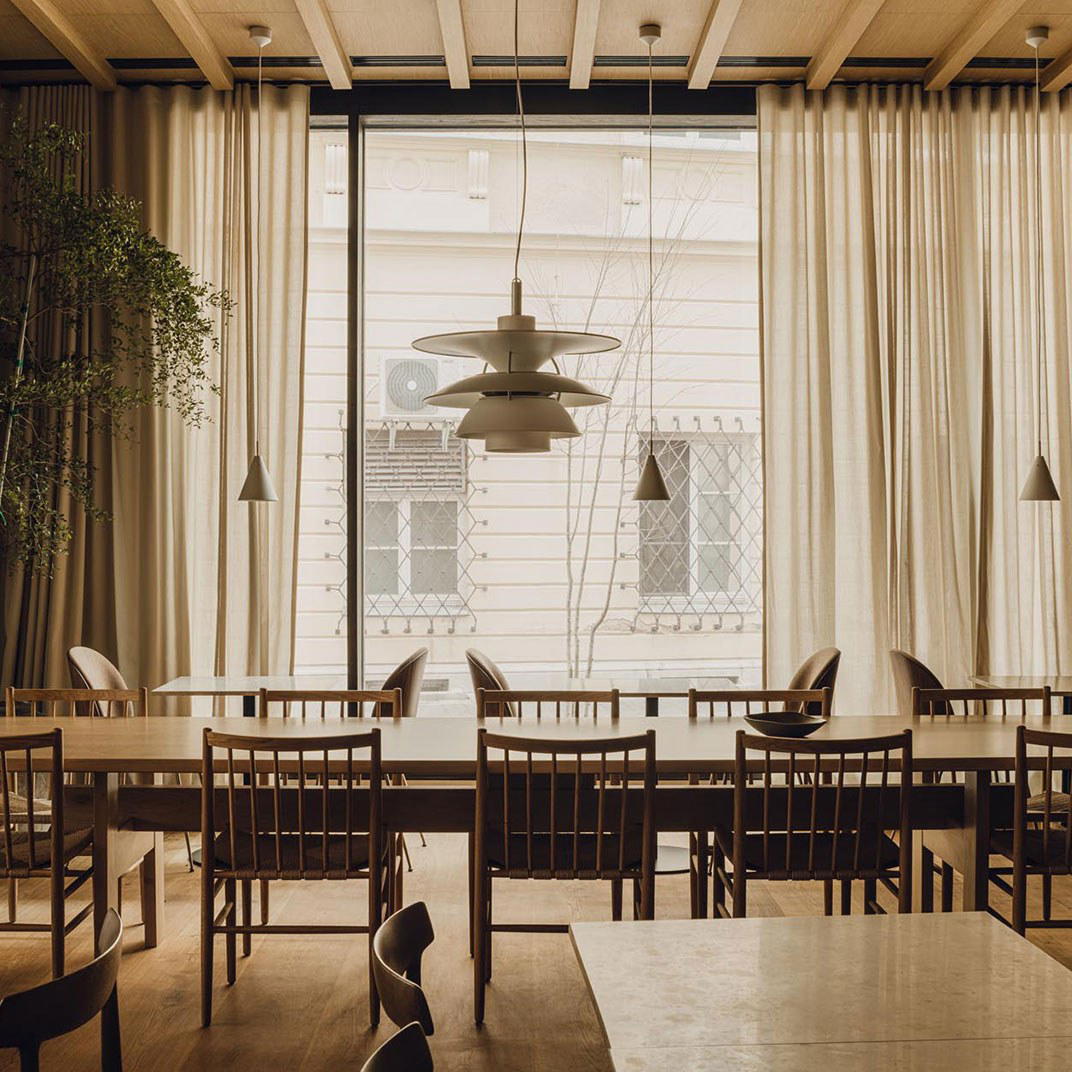
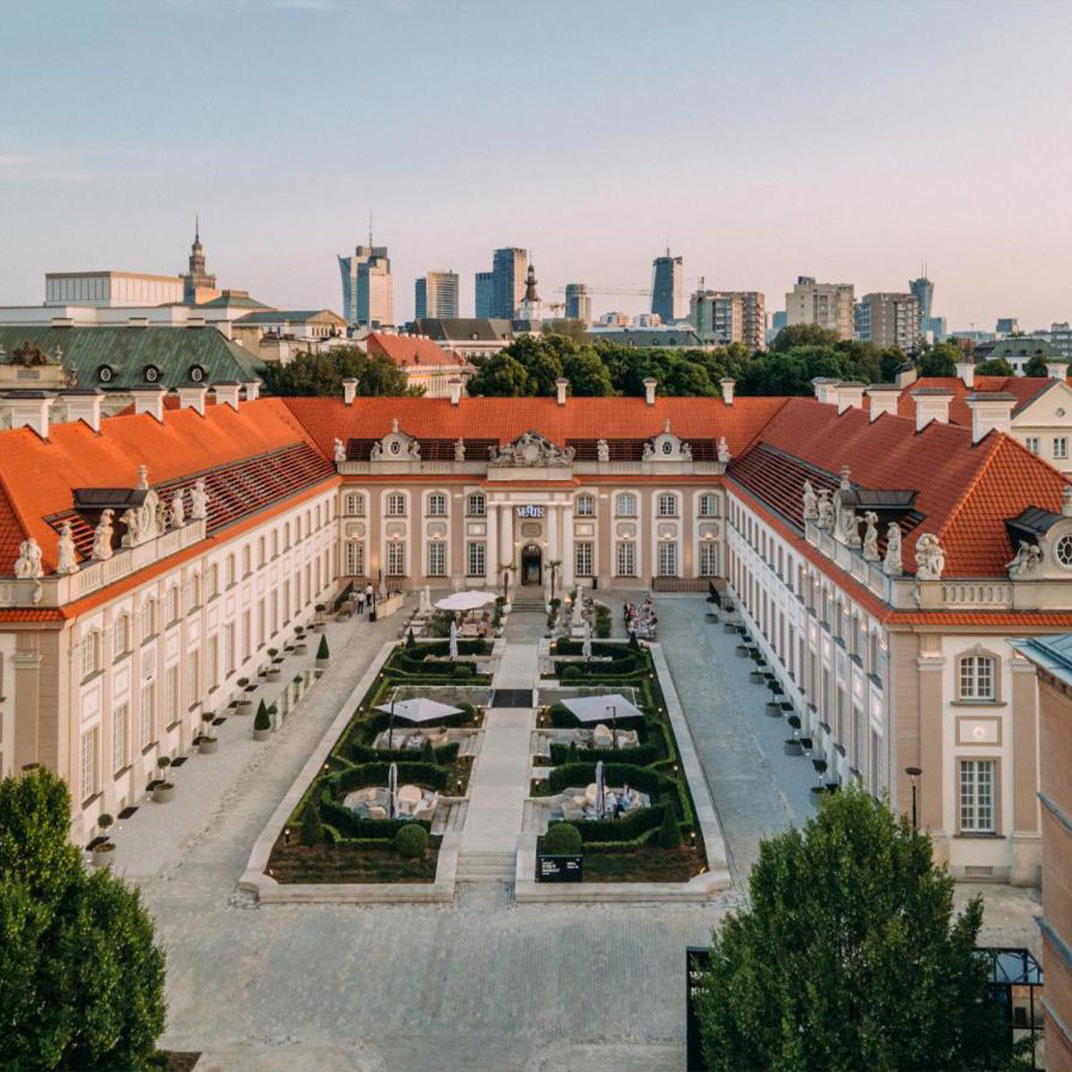
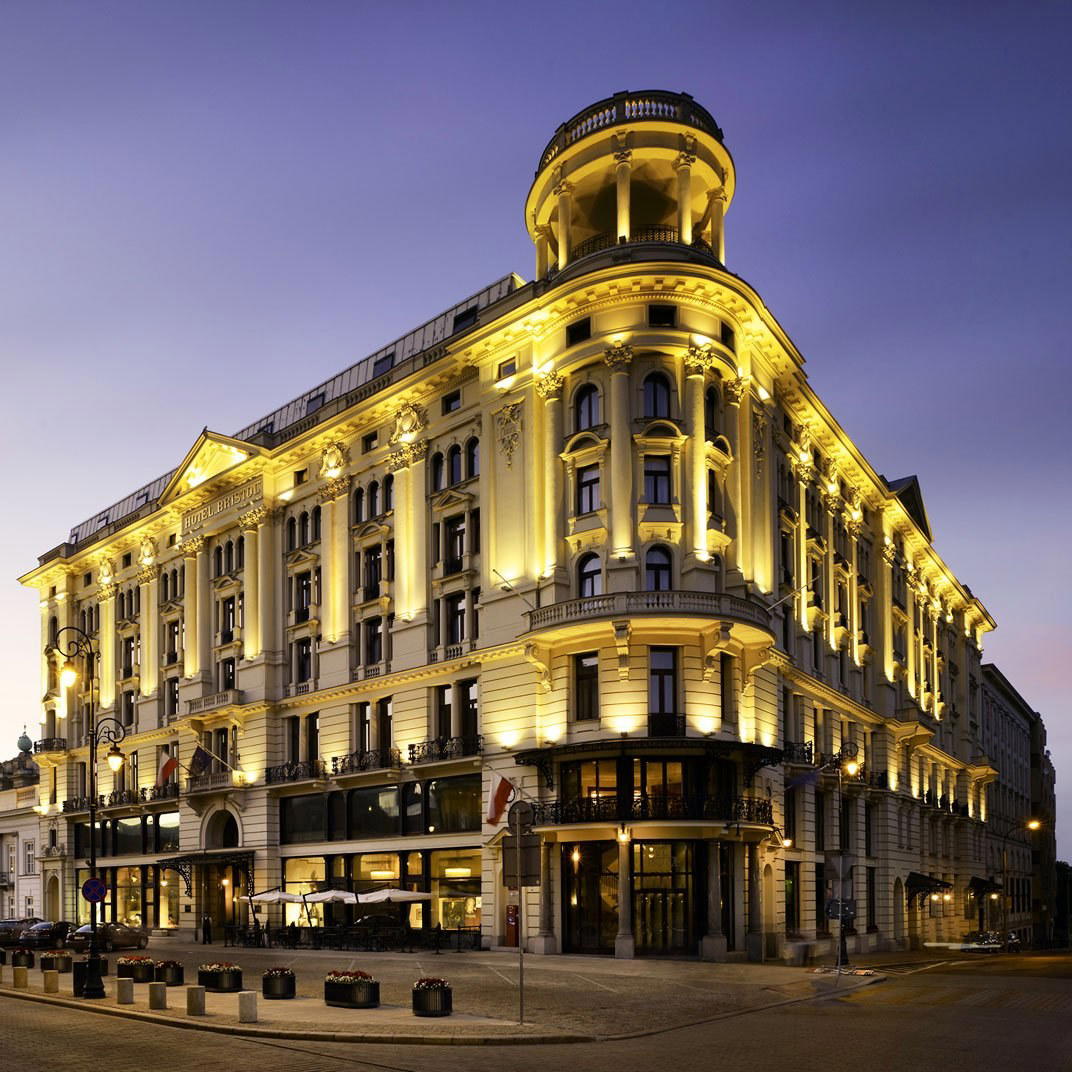
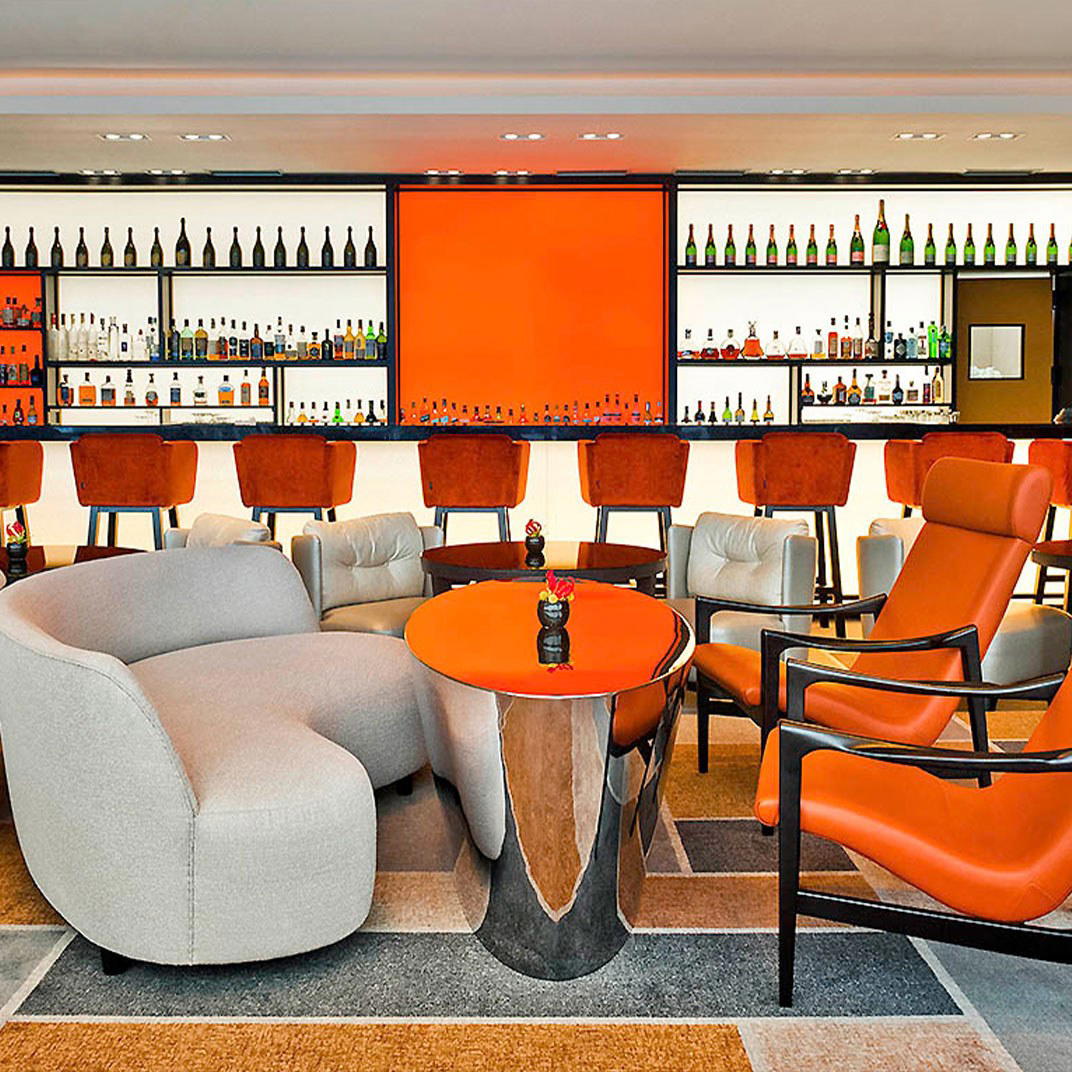
Lofty, elegant quarters with contemporary pendant lights, boho/Art Deco design elements, intimate atmosphere with blue velvet-covered walls in the downstairs dining area adjacent to the wine cellar and open kitchen.