In the far eastern corner of Tyrol, La Rosa occupies a quiet address in Sillian, a small town where the Dolomites press close and the Austrian tradition of sourcing from immediate surroundings shapes what ends up on the plate. The restaurant sits within a dining scene defined more by alpine proximity than urban ambition, placing it in a comparable set defined by locality and seasonal discipline rather than city-centre profile.
Pearl is the En Primeur Club membership app — saves, bookings, and concierge access live there. Same editors, same standards.
- Address
- Sillian 166, 9920 Sillian, Austria
- Phone
- +43 4842 21010
- Website
- belmonte.tirol
- Directions
- Get directions
 Saves & bookings on Pearl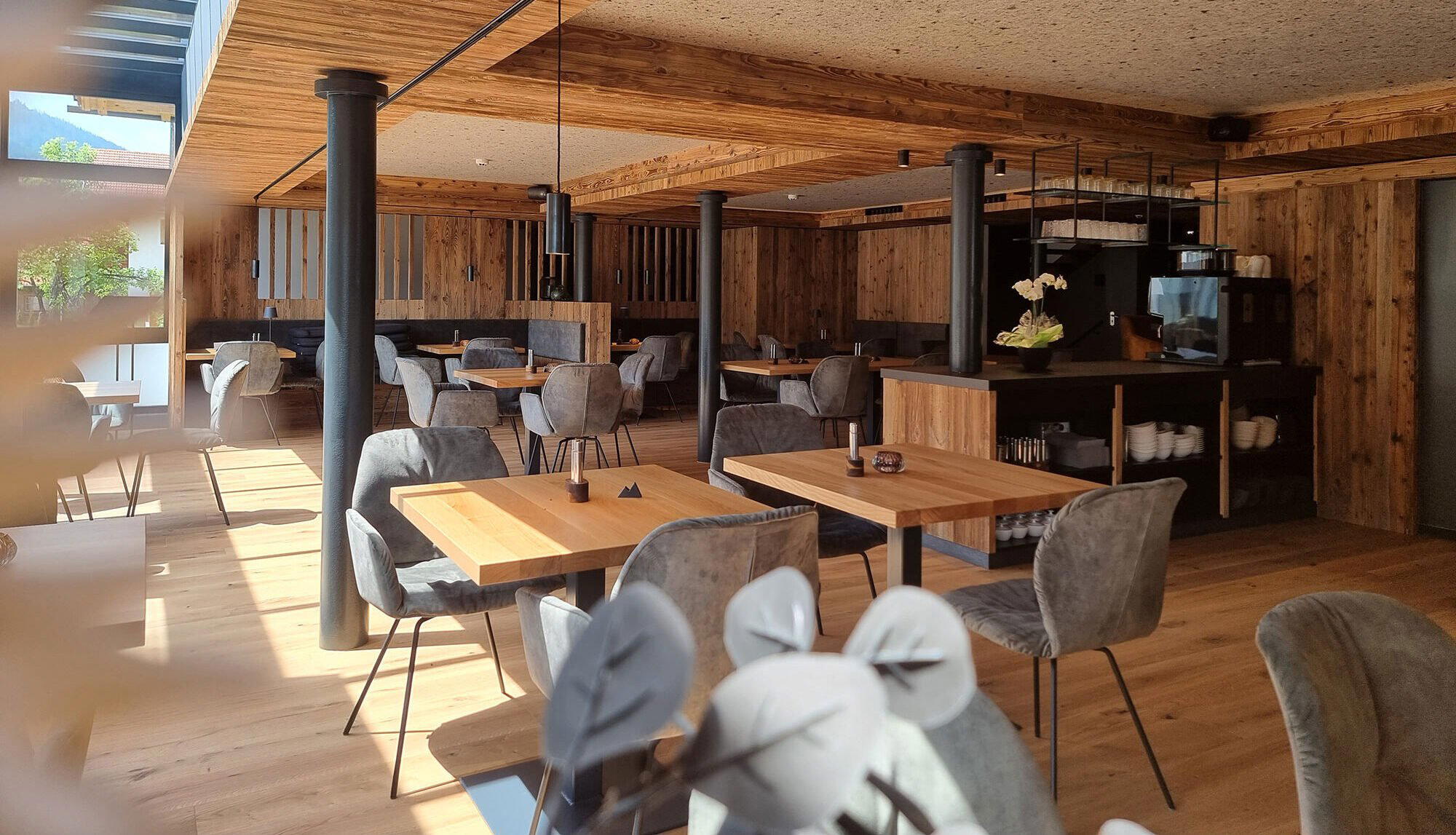
Where the Dolomites Set the Menu
Eastern Tyrol is not a region that announces itself. The valley towns here, Sillian among them, sit at elevations where the growing season compresses, the supply chains shorten, and the distance from a major urban centre quietly shapes every decision a kitchen makes. That geographic pressure is not a limitation; across the Austrian alpine tradition, it has produced some of the country's most considered cooking. Restaurants from Döllerer in Golling an der Salzach to Obauer in Werfen have built reputations precisely by working within the constraints of their terrain rather than importing around them. La Rosa, at Sillian 166, sits inside that same tradition.
Sillian occupies the Puster Valley close to the Italian and Slovenian borders, which means the cultural and culinary references in this part of Austria lean south as much as they look north toward Innsbruck. The produce logic here follows altitude and proximity: what the surrounding farms, forests, and high pastures yield in a given season is what a kitchen with any regional conviction puts on the table. Across the broader Austrian alpine dining scene, that approach has become a distinguishing signal, separating places with genuine local grounding from those applying a generic mountain aesthetic.
Ingredient Sourcing as the Organizing Principle
Austria's most discussed restaurants have increasingly framed their identity around sourcing transparency. Steirereck im Stadtpark in Vienna built a reputation over decades partly through relationships with specific producers. Kräuterreich by Vitus Winkler in Sankt Veit im Pongau has made alpine herb sourcing the central thread of its entire program. For restaurants in smaller alpine towns, the sourcing story is less a branding exercise and more a practical reality: the supply infrastructure of a city does not exist, and what arrives fresh each morning from nearby land becomes the day's menu whether or not that is by design.
In Sillian's context, that means the Dolomite foothills and the Puster Valley floor set the parameters. Dairy from high-altitude pastures, game from the surrounding forests in autumn, river fish, and the root vegetables and herbs that thrive in short-season alpine soil are the recurring materials. This is the same ingredient logic that has defined the Austrian alpine table for generations, and it is what gives restaurants in this geography a specific character that their urban counterparts, serving similar cuisine with produce trucked from national distribution hubs, cannot fully replicate.
Across the border in South Tyrol, now Italy, Michelin-starred restaurants have spent two decades proving that this mountain-source discipline, applied rigorously, can compete at international reference points. The Austrian side of the same mountain range has its own version of that argument, made less loudly but with comparable conviction. Gourmetrestaurant Tannenhof in Sankt Anton am Arlberg and Griggeler Stuba in Lech represent the western Tyrolean version of this; La Rosa sits at the eastern edge of that same alpine dining corridor.
The Setting and the Approach
The address, Sillian 166, places La Rosa within a small town whose character is shaped by its position as a transit and ski point rather than a destination in its own right. Restaurants that survive and develop in that context tend to do so by serving a local and regional clientele with consistency rather than chasing seasonal tourist volume. That dynamic produces a particular kind of reliability: the kitchen's relationship with local suppliers tends to be longer-term and more embedded than in higher-profile resort settings where the season is compressed and the turnover is high.
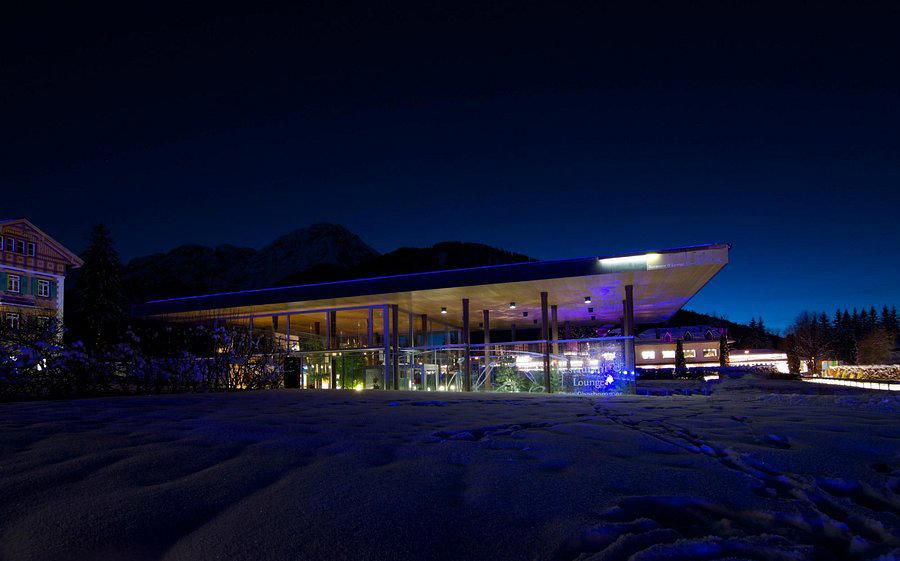
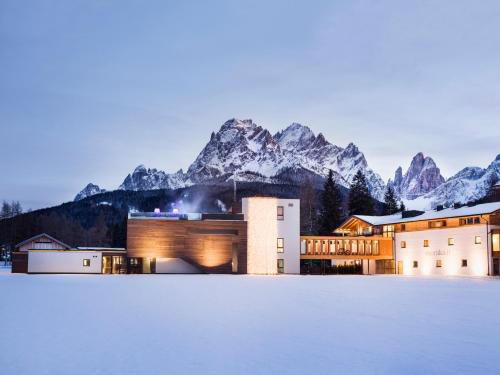
The physical approach to Sillian from either the Innsbruck direction via the Felbertauern or from the Italian border follows valley roads with Dolomite rock rising on both flanks. The town itself is compact, and the restaurant occupies a position within that compact geography that reflects the unhurried pace of eastern Tyrol. For the visitor arriving from a larger Austrian city, or connecting through this corridor between Austria and northern Italy, the contrast with urban dining environments is immediate and deliberate. The reference point is not Ikarus in Salzburg or Artis in Graz, it is something quieter and more directly tied to the land immediately outside the window.
Sillian in the Wider Austrian Dining Context
Austria's restaurant geography has a distinct structure. The award-weighted tier clusters in Vienna, Salzburg, and the western alpine resorts. The middle layer, serious regional cooking without the international profile, spreads across smaller towns where local reputation and word-of-mouth carry more weight than guide placement. Sillian sits in that middle layer, in a region that remains less covered than the Arlberg or Salzkammergut circuits despite sharing the same alpine-source cooking logic.
For travellers who follow the Austrian dining circuit through its better-documented stops, Landhaus Bacher in Mautern an der Donau, Taubenkobel in Schützen am Gebirge, or Ois in Neufelden, eastern Tyrol represents a less-trafficked extension of the same culinary tradition. The Chef's Table by Gesser in the same town offers a point of local comparison for those mapping the Sillian scene specifically. Our full Sillian restaurants guide covers the broader picture for those planning time in the region.
The contrast with high-profile international dining, the precision tasting formats of somewhere like Atomix in New York City or the technical authority of Le Bernardin in New York City, is not a weakness in the eastern Tyrolean context. It reflects a different set of ambitions, where the priority is the ingredient chain from alpine land to plate rather than the architecture of a tasting menu designed for an international audience. Both approaches are legitimate; they are simply answering different questions. Schwarzer Adler in Hall in Tirol and Stüva in Ischgl each represent a different point on the Tyrolean spectrum, with La Rosa anchoring the eastern end of that geographic range. Similarly, Restaurant 141 by Joachim Jaud in Mieming demonstrates how central Tyrolean restaurants have developed their own distinct voice within that wider tradition.
Planning a Visit
Sillian is accessible via the Innsbruck-to-Lienz rail corridor or by road through the Felbertauern Tunnel, which connects the region to Salzburg province to the north. The town functions as a year-round base for the Hochpustertal ski area in winter and as a hiking and cycling destination in summer, which means the broader visitor infrastructure is in place even if the dining scene remains modest in scale. The restaurant is open daily from 6 AM to 10 PM, and reservations are recommended.
Comparable Venues
Comparable venues nearby, for context on price, style, and recognition.
| Venue | Cuisine | Price | Awards | Notes |
|---|---|---|---|---|
| La RosaThis venue — the venue you are viewing | Modern Austrian Regional | $$$ | Not listed | Not listed |
| Chef's Table by Gesser | Modern Austrian Regional Fine Dining | $$$$ | Michelin Plate | Sillian |
| Two Timez | Alpine Austrian with International Options | $$$ | Not listed | Zell am See city center |
| Restaurant Liebstöckl | Austrian Herbal Cuisine | $$$ | Not listed | Kaltenbach |
| Almhof | Alpine Hut Cuisine with International Flair | $$$ | Not listed | Maria Alm am Steinernen Meer |
| Ammerhauser | Austrian Regional Fine Dining | $$$ | Not listed | Anthering |
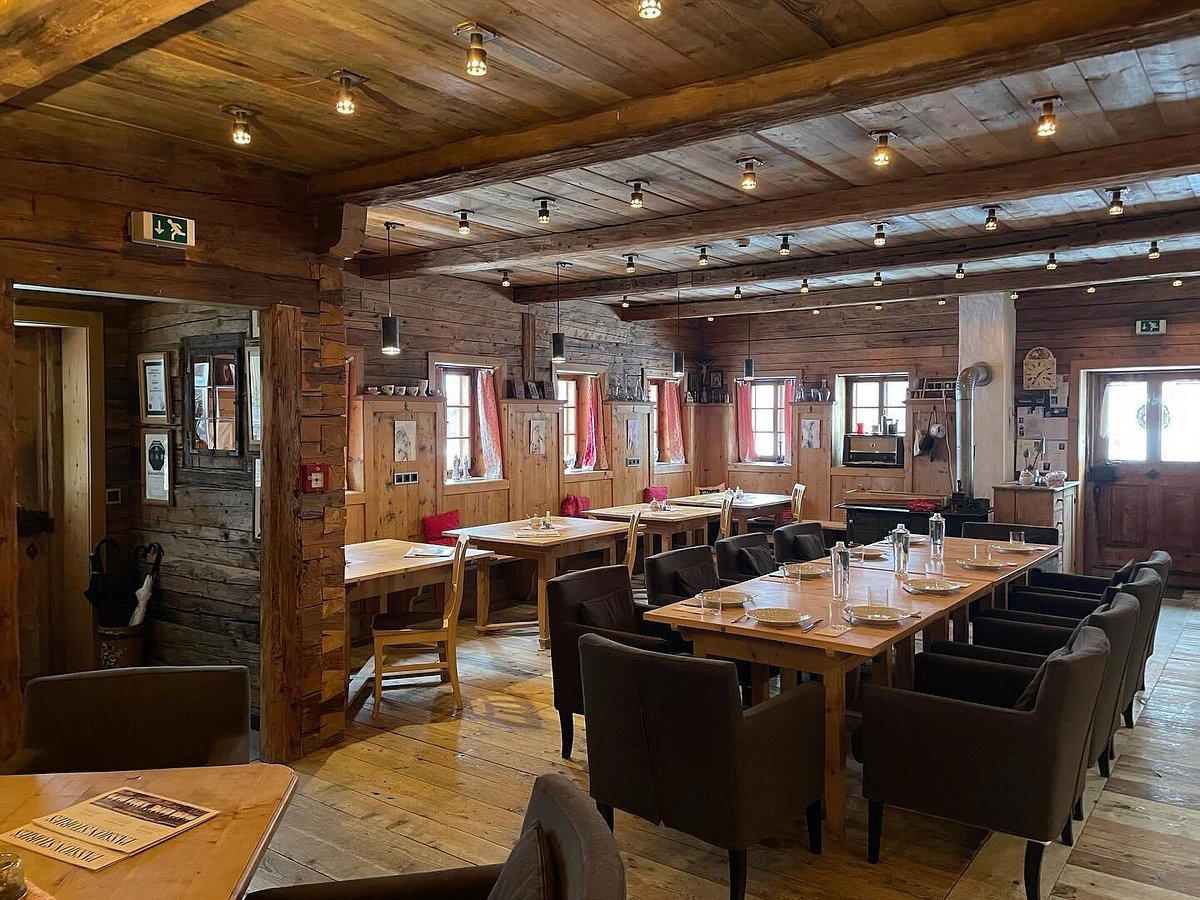
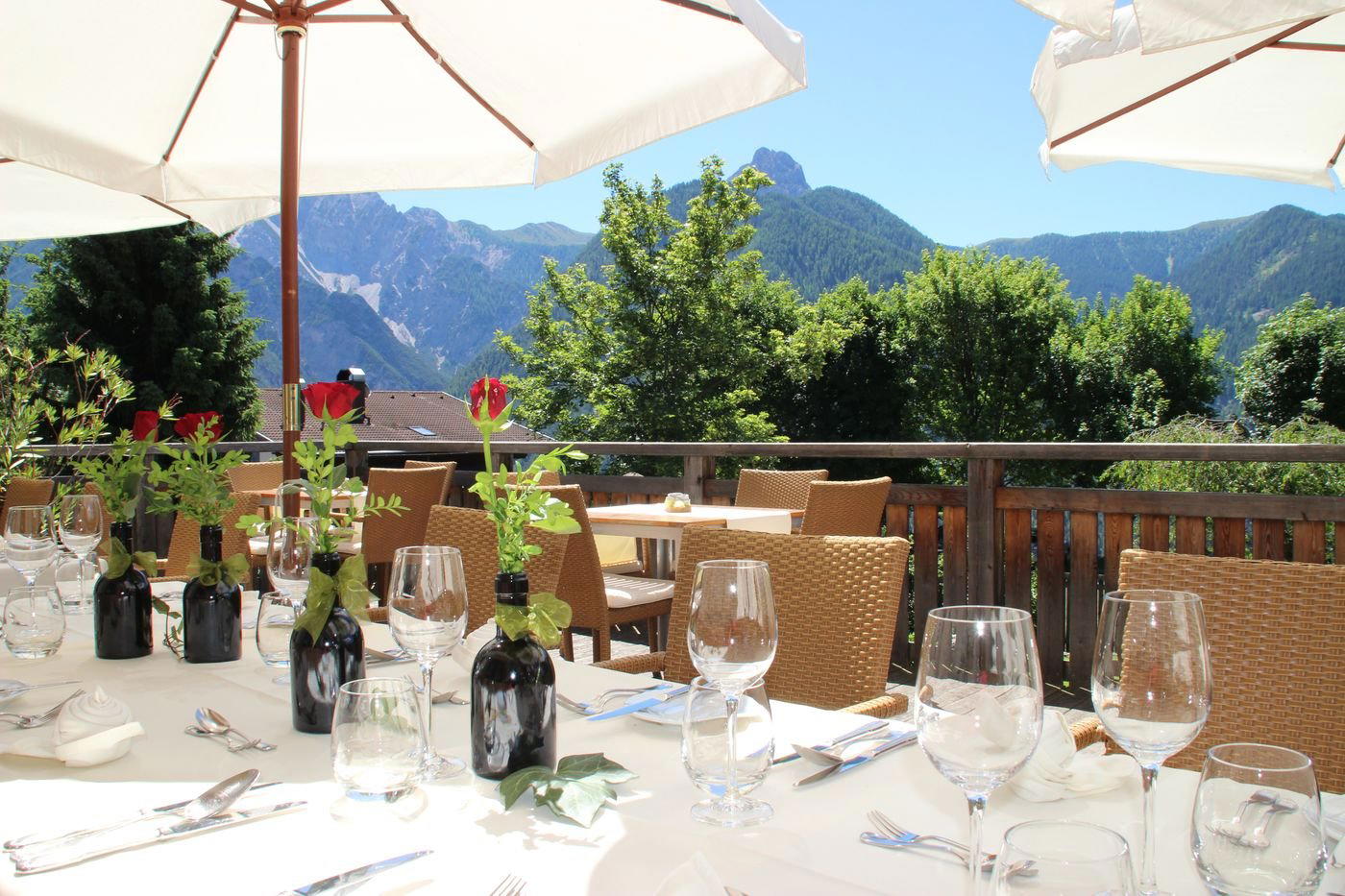
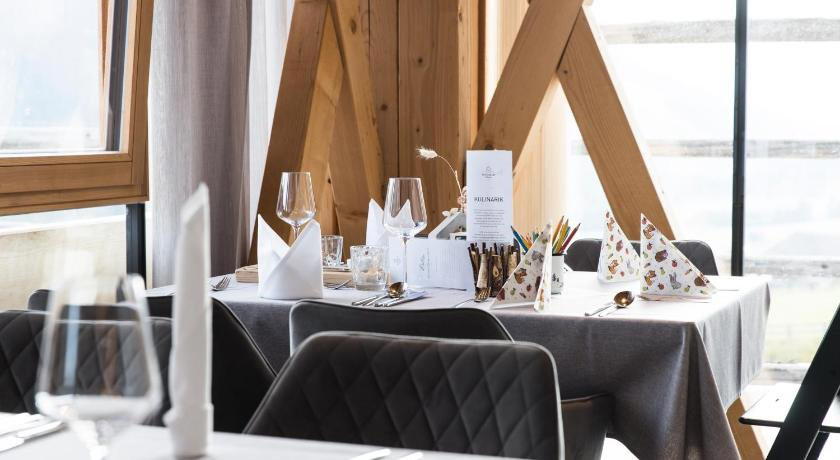
At a Glance
- Romantic
- Cozy
- Elegant
- Date Night
- Special Occasion
- Hotel Restaurant
- Local Sourcing
Current opening hours
- Monday
- 6 AM–10 PM
- Tuesday
- 6 AM–10 PM
- Wednesday
- 6 AM–10 PM
- Thursday
- 6 AM–10 PM
- Friday
- 6 AM–10 PM
- Saturday
- 6 AM–10 PM
- Sunday
- 6 AM–10 PM
Hours can change for holidays and private events. Last verified .
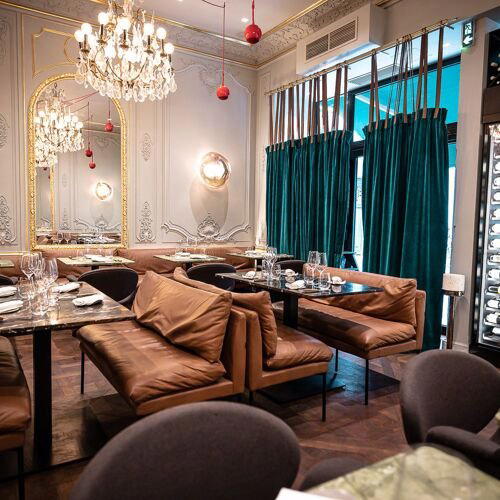
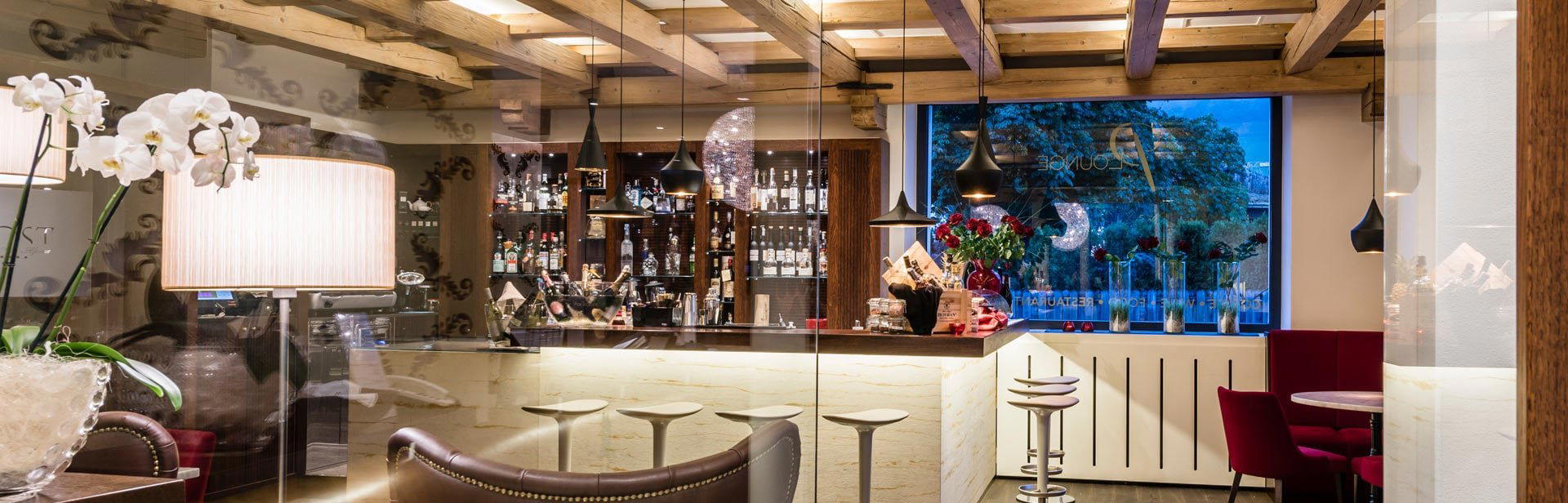
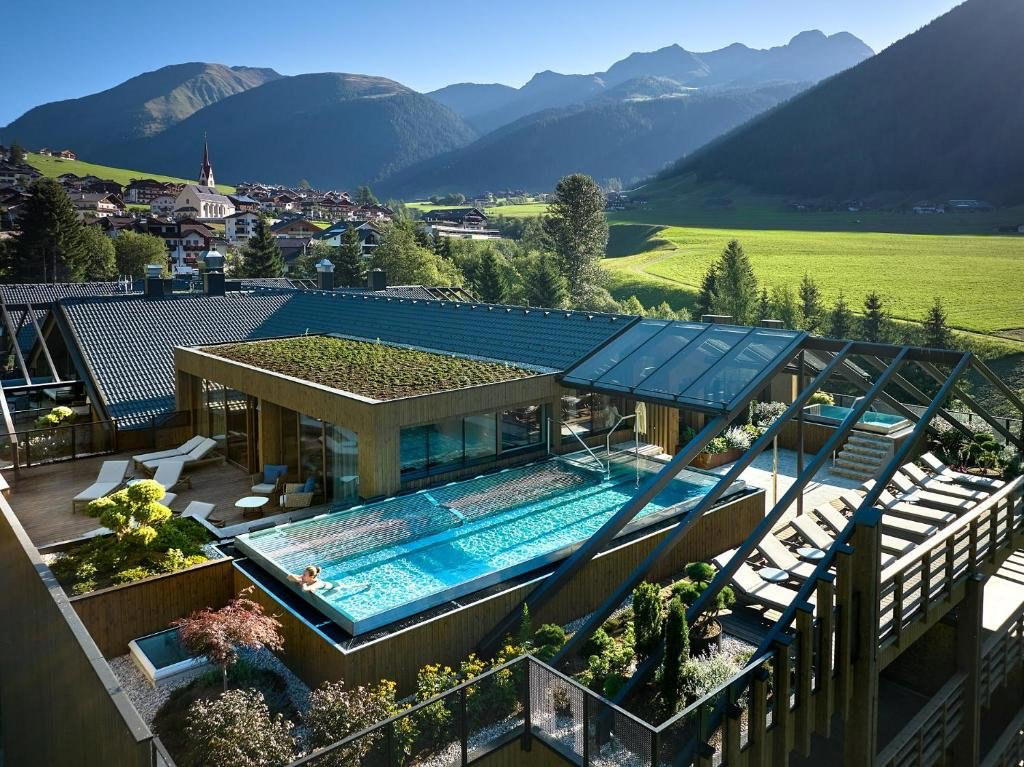
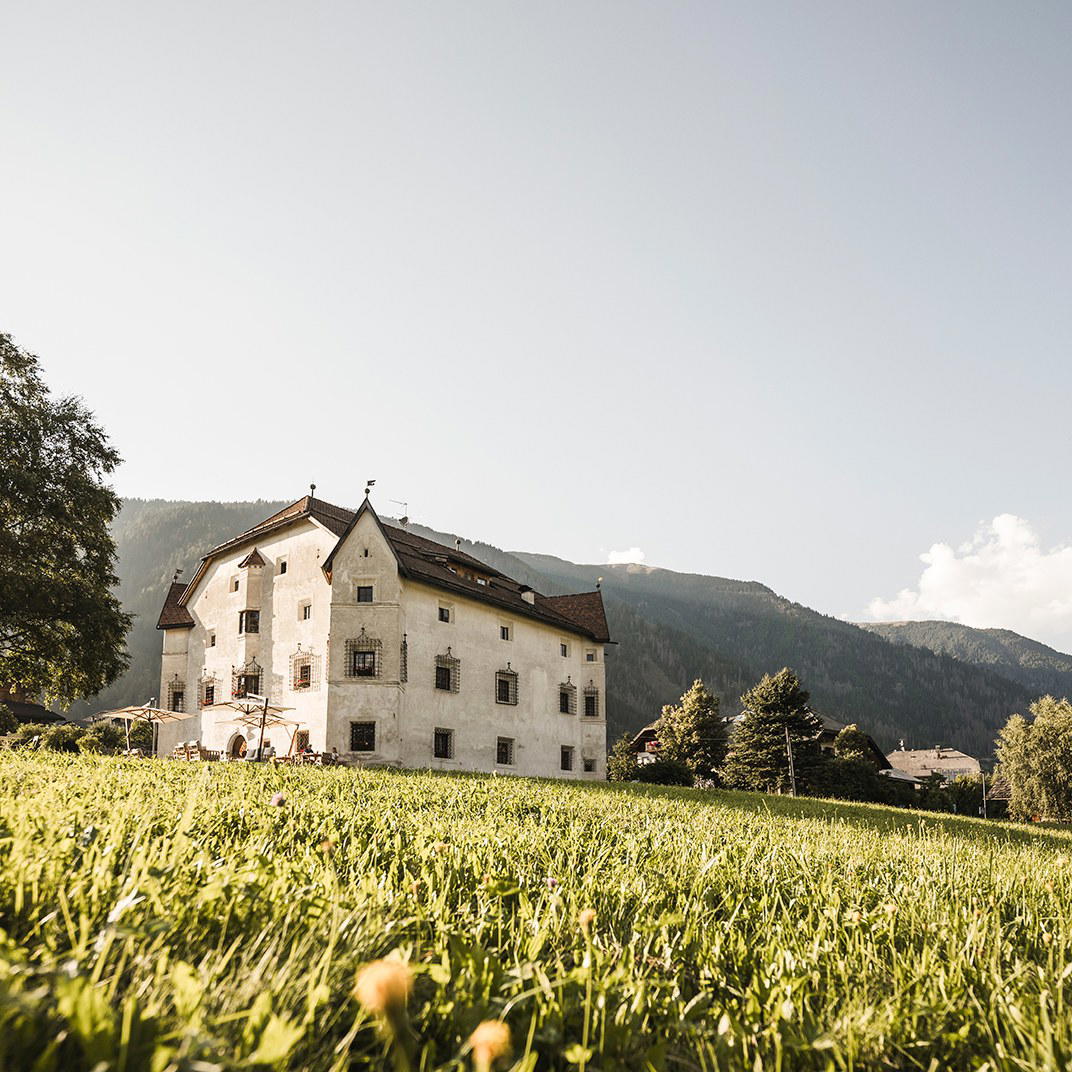
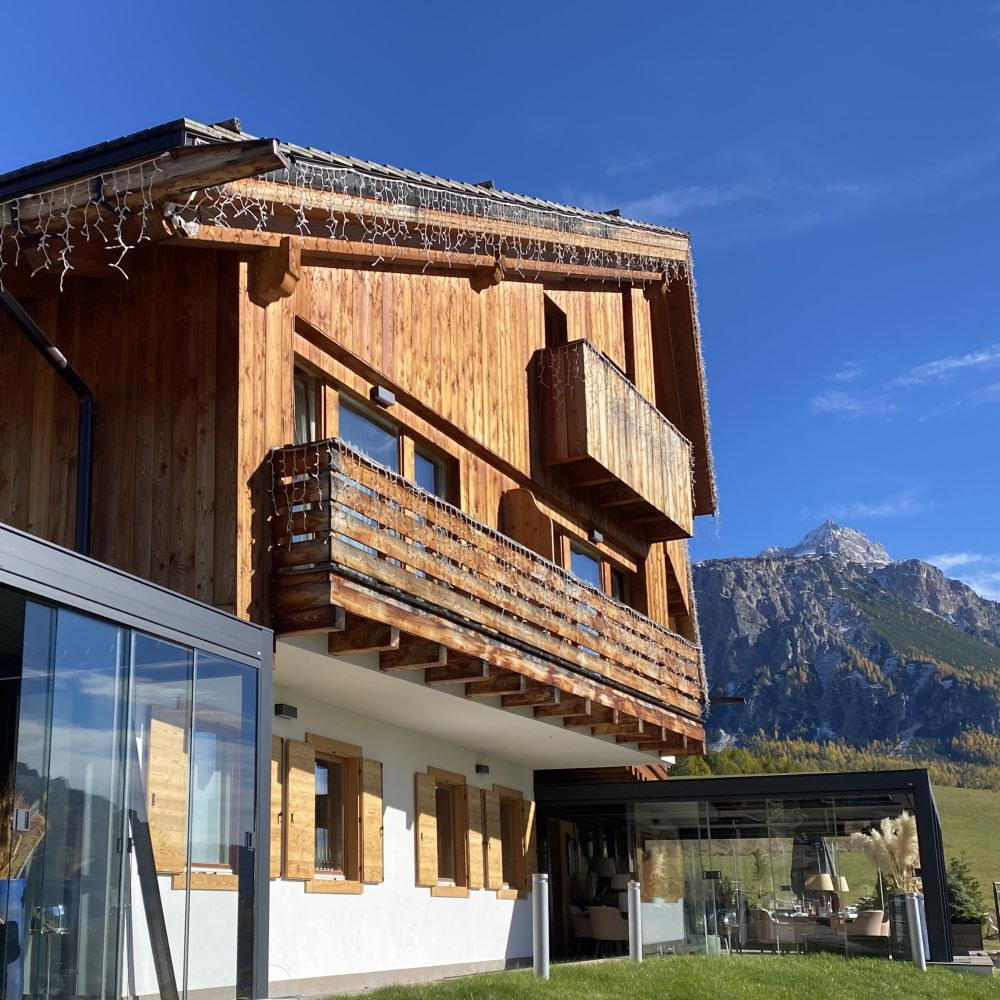
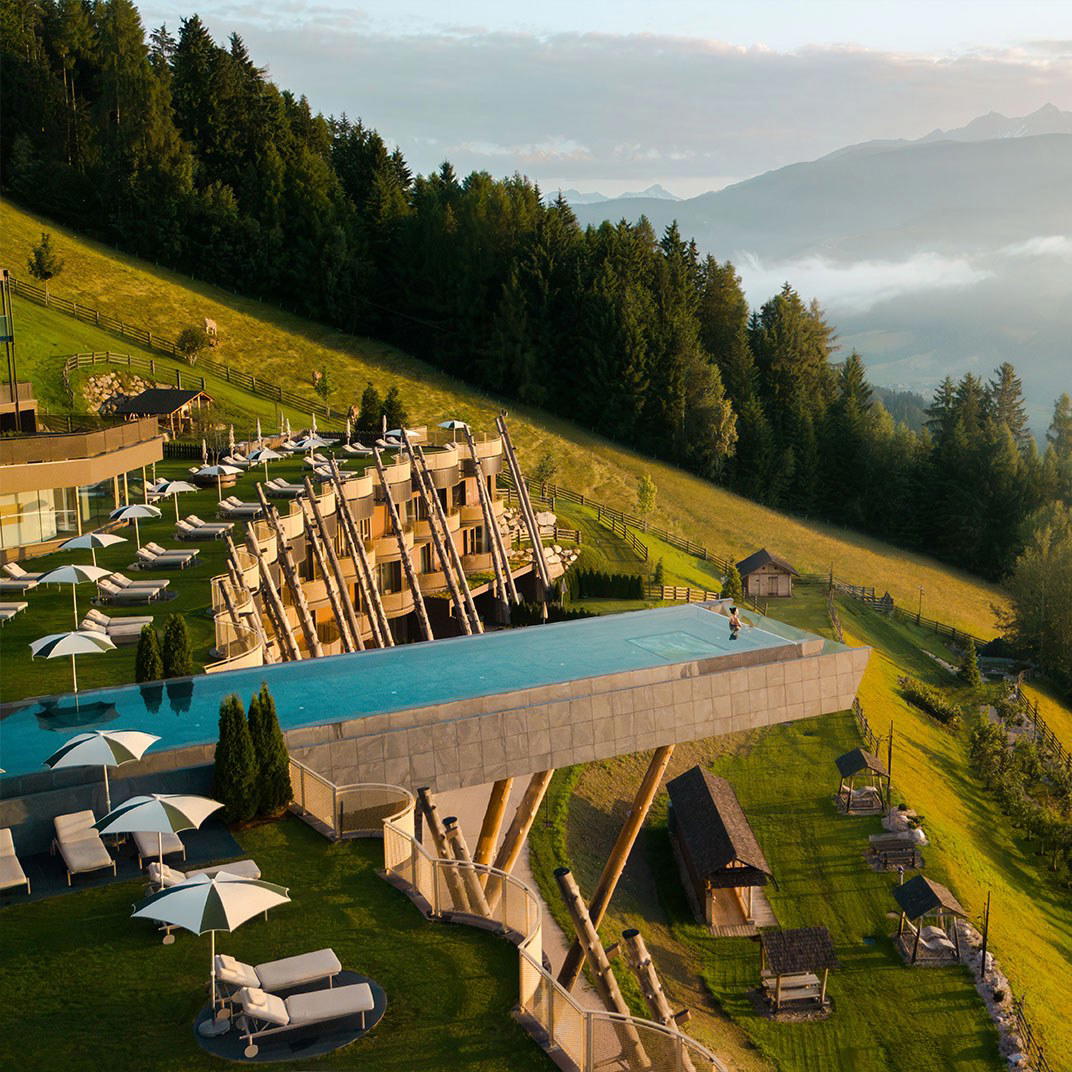
Cozy and romantic atmosphere with friendly service, well-suited for intimate dinners.