
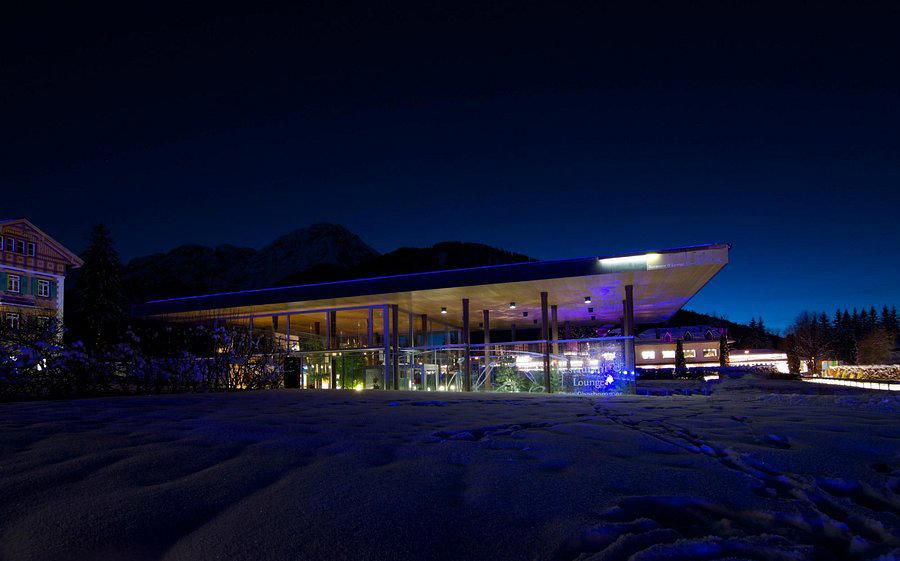
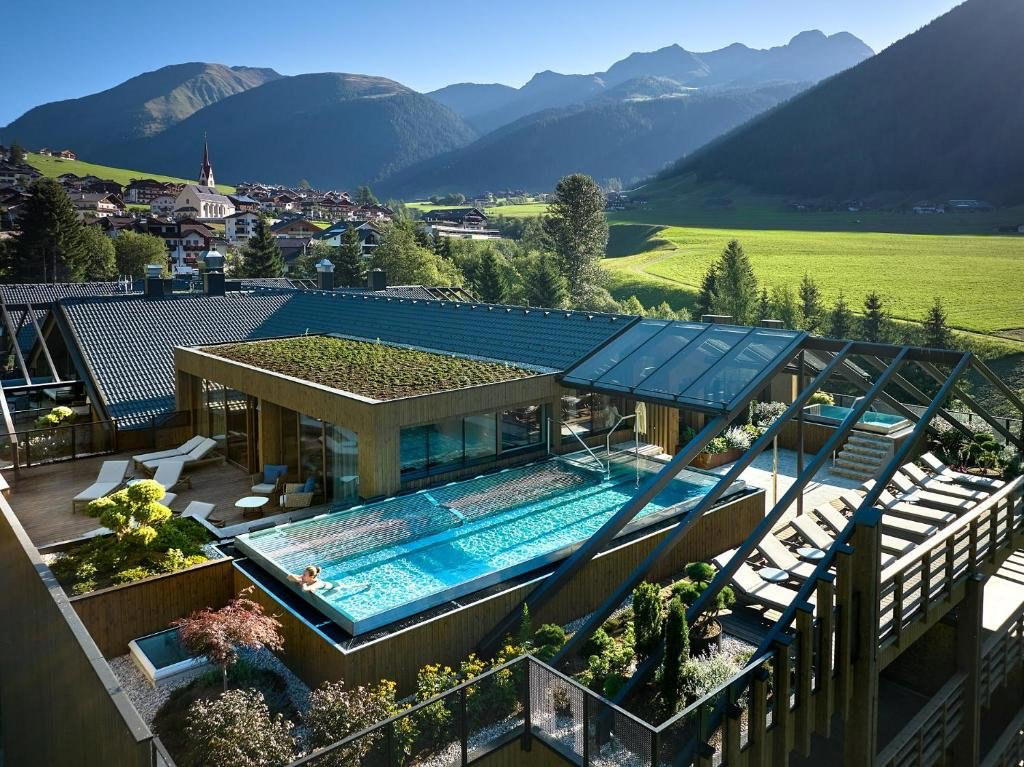
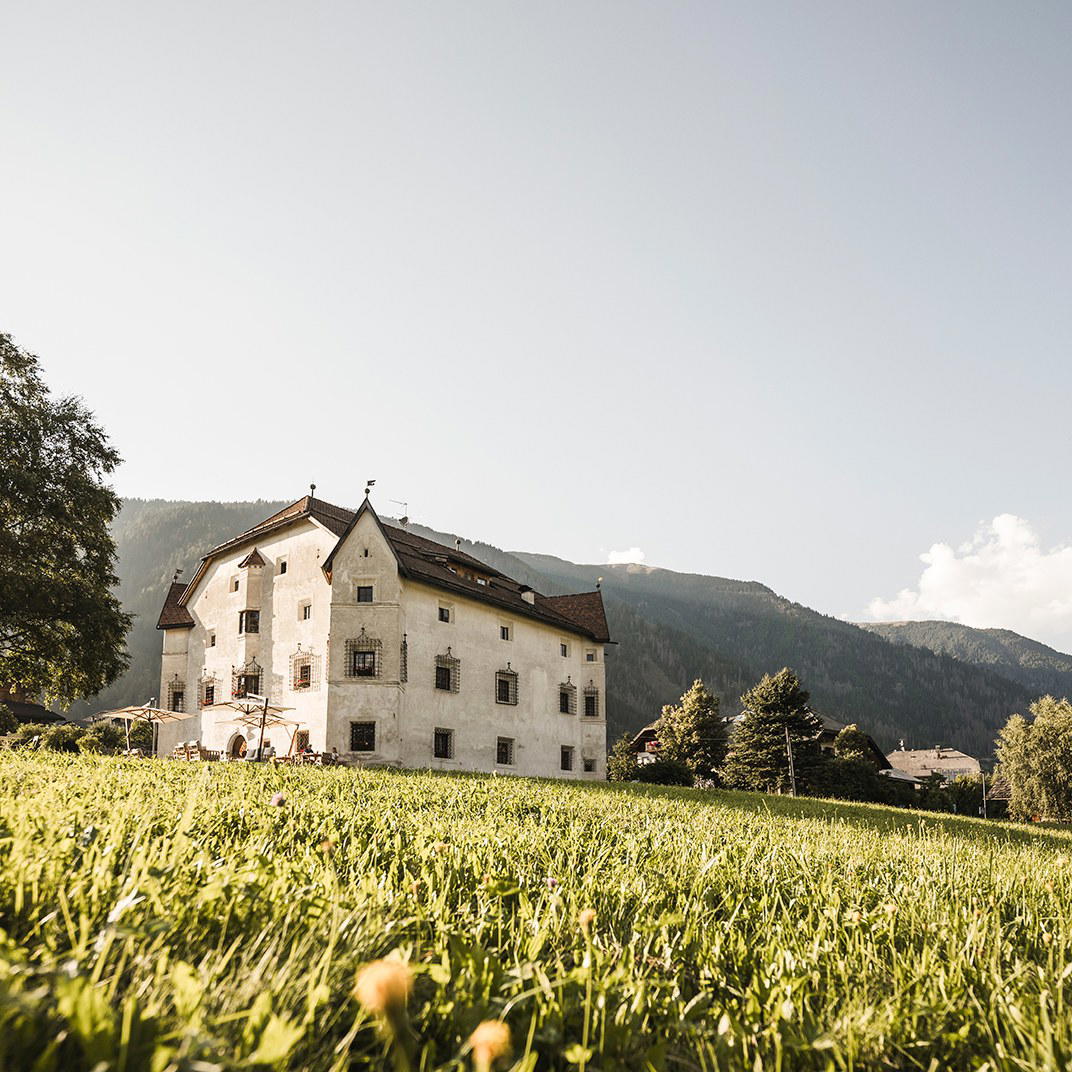
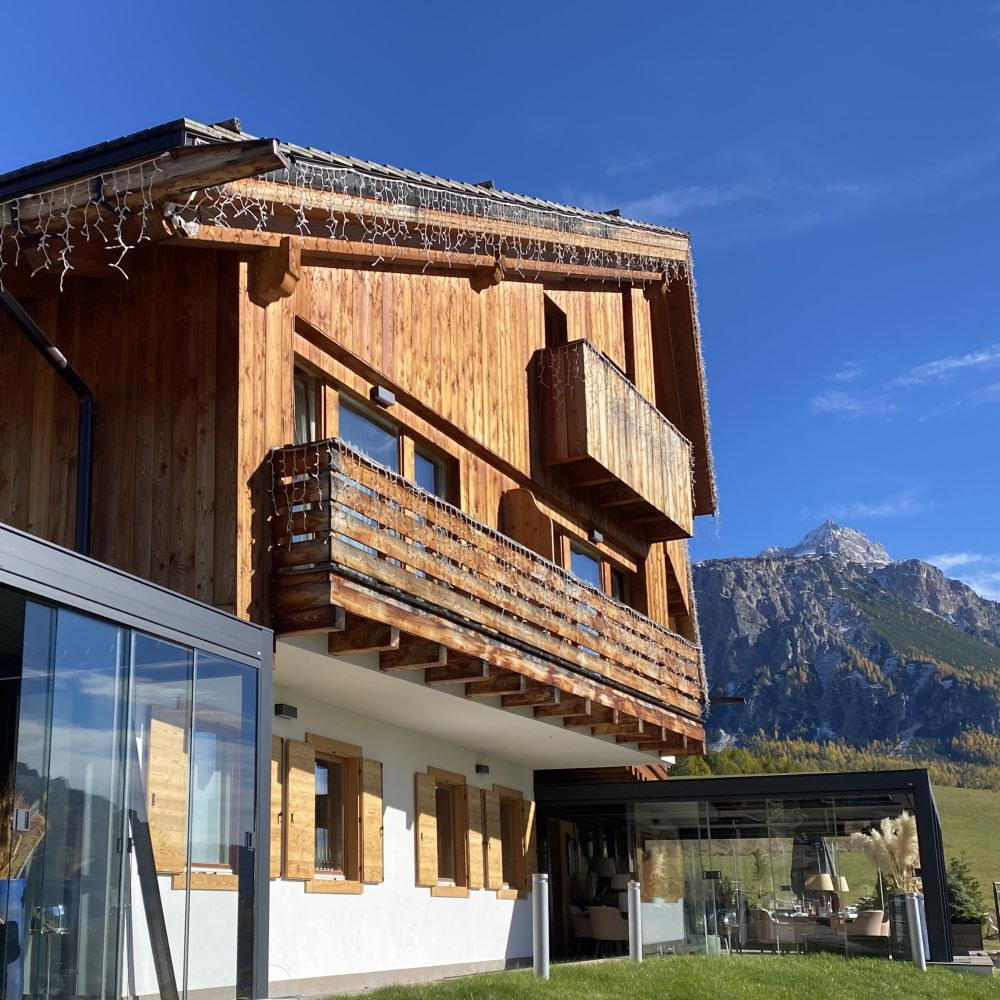
At a single communal table for up to eight guests, Chef's Table by Gesser delivers an ambitious surprise menu built entirely from ingredients sourced in the Sillian area. Clemens Gesser leads the kitchen while brother Markus runs the floor, making this family-run operation one of East Tyrol's most focused expressions of hyperlocal alpine cuisine. The restaurant sits within the family's small hotel in the heart of Sillian.
Pearl is the En Primeur Club membership app — saves, bookings, and concierge access live there. Same editors, same standards.
- Address
- Sillian 164
- Phone
- +43 4842 6356
- Website
- hotel-gesser.at
- Directions
- Get directions
 Saves & bookings on Pearl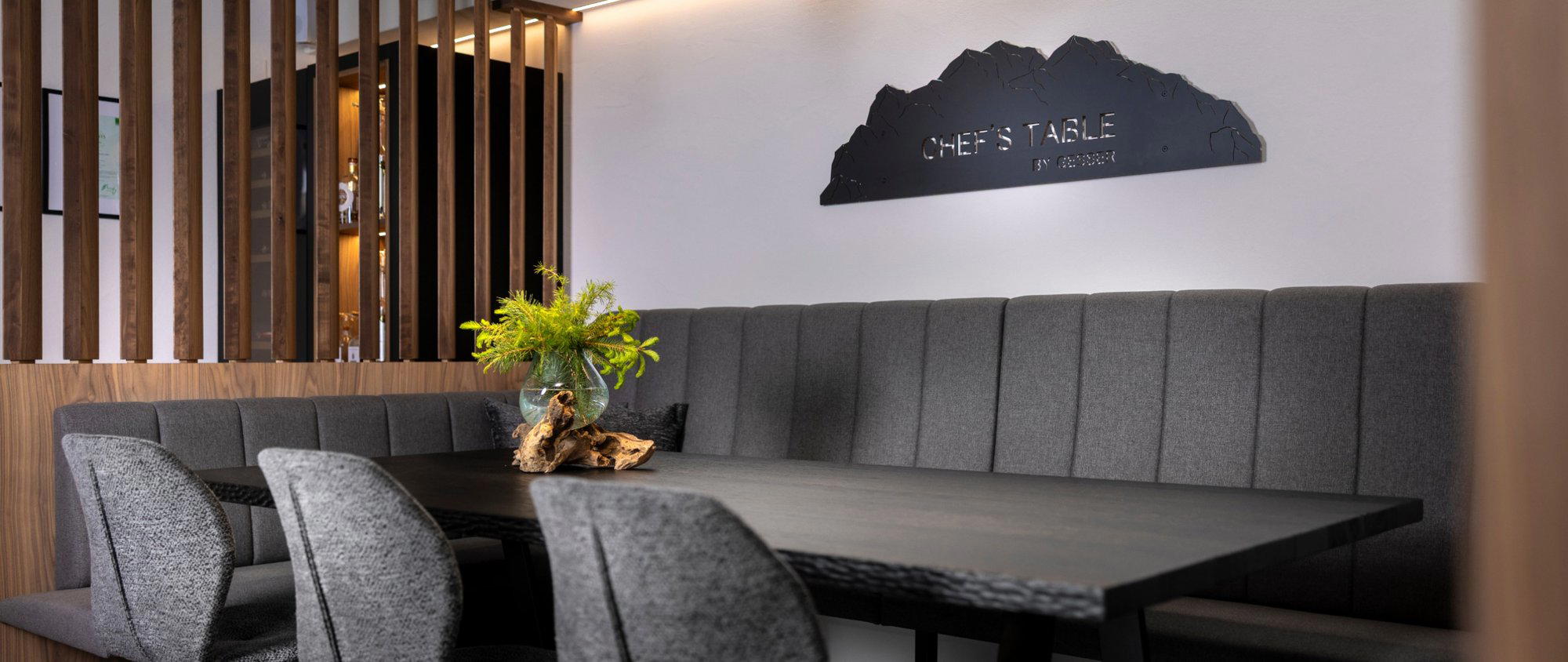
One Table, One Valley
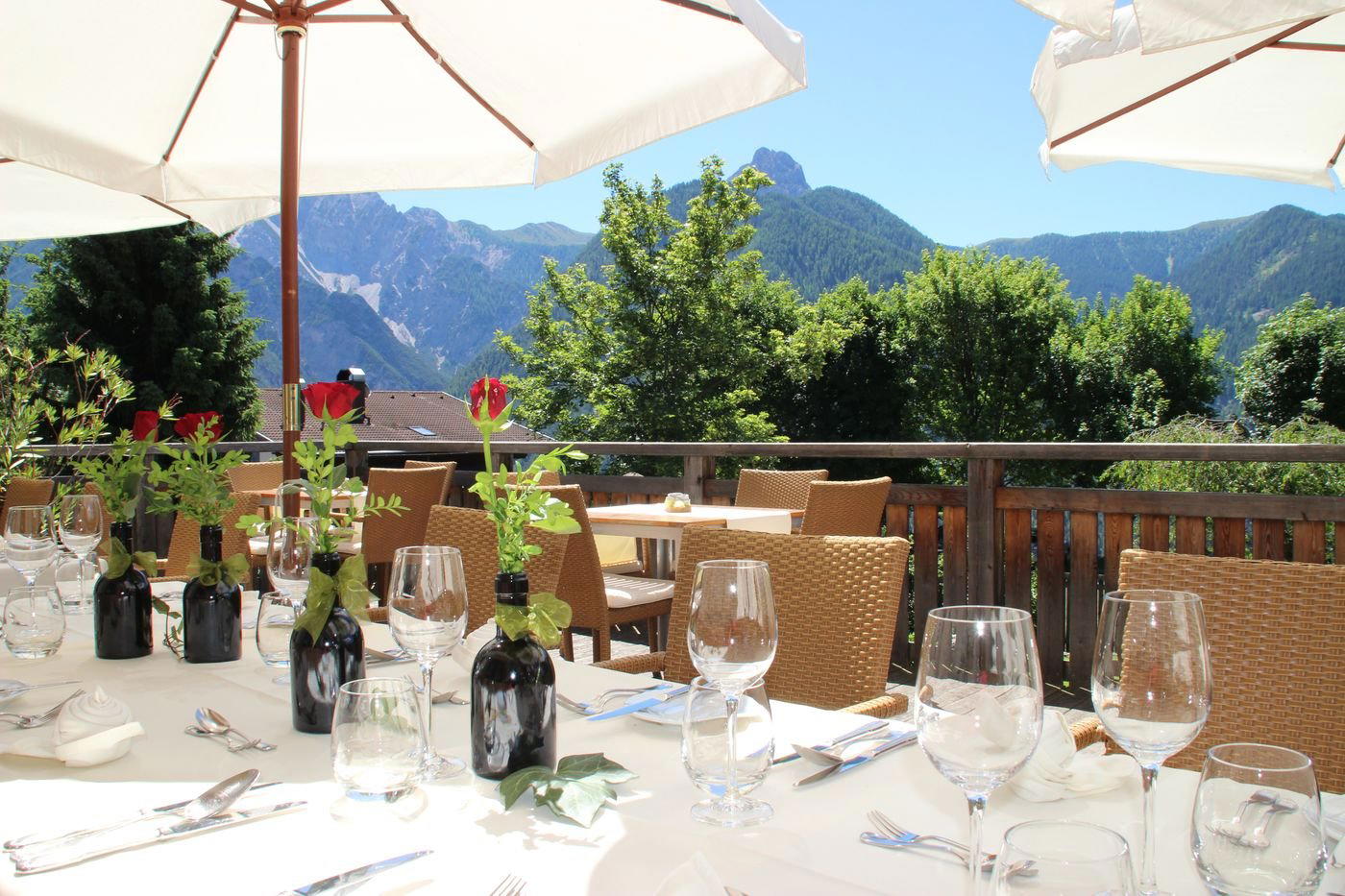
There is a particular discipline required to cook exclusively from what a single alpine valley can provide. In the East Tyrol, where Sillian sits at the eastern end of the Puster Valley against the Dolomite foothills, that constraint is not a marketing position but a practical commitment. Chef's Table by Gesser takes it seriously enough that the menu changes according to what the surrounding area actually produces and when. The result is a restaurant whose identity is inseparable from its geography in a way that most 'regional' restaurants only gesture toward.
The format is deliberate and spare: one large table, up to eight diners, one surprise menu with the sole choice being whether you want four, five, six, or seven courses. There is no à la carte, no substitution path, and no alternative proposal. That level of format discipline is more common at urban destination restaurants, places like Steirereck im Stadtpark in Vienna or Ikarus in Salzburg, than in a small hotel restaurant in a town most visitors pass through on the way to a ski lift. At Gesser, the format serves the actual logic of cooking from a constrained, seasonal supply.
What Hyperlocal Actually Means Here
Austrian alpine cuisine has a strong regional tradition, but 'regional' covers an enormous range of interpretations. At one end sit restaurants that source nationally and gesture toward local flavour in the seasoning. At the other end is a stricter discipline where the sourcing perimeter is genuinely tight and the menu is governed by what that perimeter produces. Chef's Table by Gesser sits firmly at the stricter end.
Dishes cited in the restaurant's description, smoked salmon trout tartare with buttermilk and herb oil, pumpkin ravioli with milk foam, point to a kitchen that uses classical method to clarify what those ingredients already are. The salmon trout would be a mountain-stream fish; the pumpkin would come from valley farms that have grown it for generations. The herb oil and buttermilk are not decorative additions but links back to the pastoral economy of the area. This is the kind of sourcing that makes the menu distinct, which separates it from even well-regarded regional restaurants that could, in principle, operate elsewhere.
Austria has a broader tradition of ambitious regionalism in its restaurants. Obauer in Werfen and Landhaus Bacher in Mautern an der Donau are benchmark references for what serious Austrian regional cooking looks like over decades. Kräuterreich by Vitus Winkler in Sankt Veit im Pongau operates on a similar hyperlocal-herb sourcing principle. Chef's Table by Gesser belongs to this current in Austrian dining, though it operates at smaller scale and within a different institutional frame.
The Room and the Dynamic
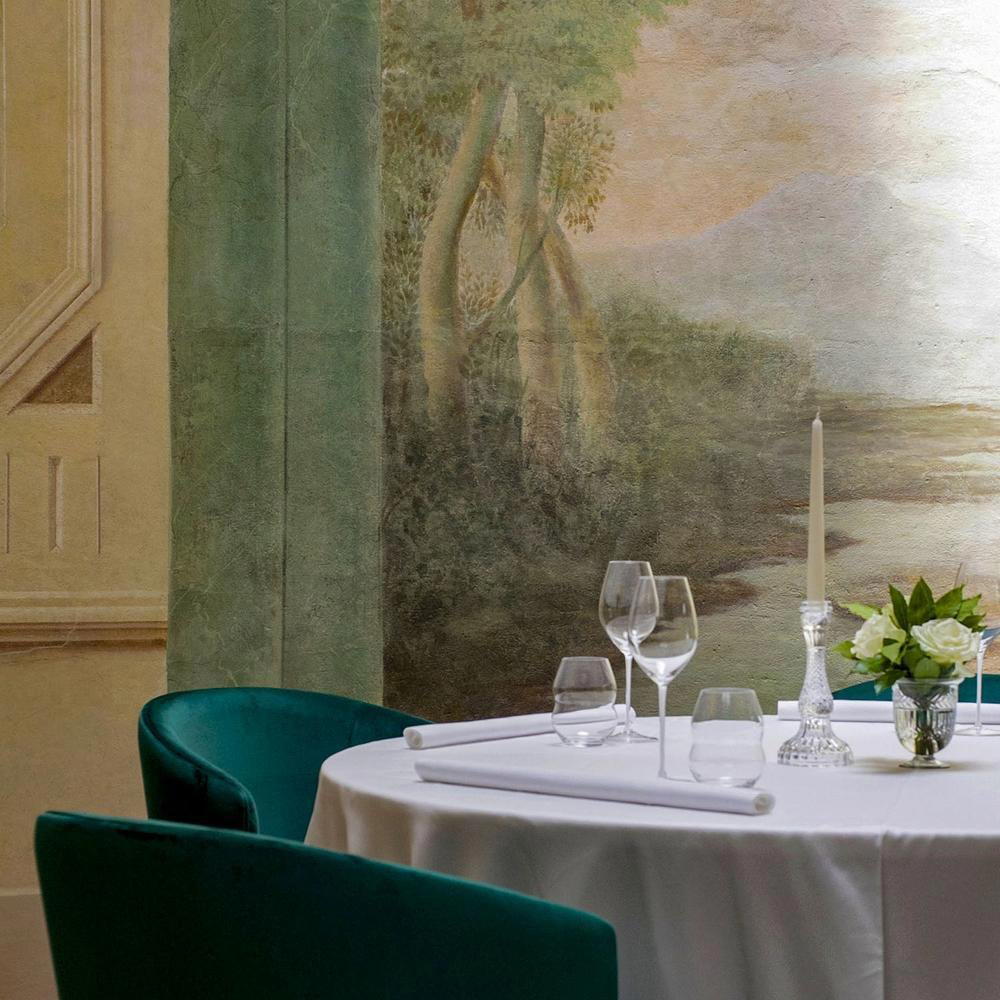
The physical arrangement at the restaurant does something that large dining rooms cannot. Positioning up to eight guests at one table beside the kitchen collapses the distance between production and consumption in a way that changes how a meal reads. Guests see the work. The pacing of courses is calibrated to a room that has one table to manage, which allows a tempo of service that larger operations structurally cannot match. This is not intimacy as aesthetic but intimacy as operational logic.
Markus Gesser leads the front of house while Clemens works the kitchen, a sibling division that represents the second generation of family involvement in a family-run operation. That generational continuity matters in this context because it speaks to the depth of local knowledge, sourcing relationships with farms and producers in the Puster Valley built over years, not assembled recently for positioning purposes. The friendly but competent service is consistent with the format: at eight covers, the attention-to-table ratio is necessarily high.
For reference within the alpine restaurant category, the format at Gesser shares some DNA with small-table chef's table formats in Austrian ski resort destinations, Griggeler Stuba in Lech, Stüva in Ischgl, or Gourmetrestaurant Tannenhof in Sankt Anton am Arlberg, though those operate within resort economies with different price expectations and a different customer profile. Gesser operates outside that resort circuit, in a village context, which keeps the format grounded differently.
Planning Your Visit
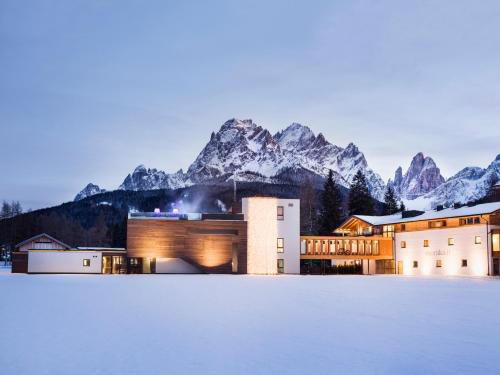
The restaurant is located at Sillian 164, within the family's small hotel. The restaurant accommodates a maximum of eight diners at a single sitting, which means reservations are essential and availability is genuinely limited in a way that larger restaurants are not. Given the fixed surprise menu format, guests with serious dietary restrictions should communicate these well in advance. The hotel also offers half-board accommodation, which makes a stay a logical extension of the dinner. Those building a broader Austrian dining itinerary might consider pairing this with other regionally grounded restaurants: Ois in Neufelden or Schwarzer Adler in Hall in Tirol offer different points on the same regional-cooking arc. For context on how far ambitious alpine restaurant cooking can travel when given urban infrastructure, Restaurant 141 by Joachim Jaud in Mieming provides a useful comparison.
Side-by-Side Snapshot
Comparable venues nearby, for context on price, style, and recognition.
| Venue | Cuisine | Price | Awards | Notes |
|---|---|---|---|---|
| Chef's Table by GesserThis venue — the venue you are viewing | Modern Austrian Regional Fine Dining | $$$$ | Michelin Plate | Not listed |
| La Rosa | Modern Austrian Regional | $$$ | Not listed | Sillian |
| das Schrei | Modern Creative Austrian | $$$$ | Michelin Plate | Gneis Moos |
| Goldader - Alpine Kulinarik | Modern Alpine Austrian | $$$$ | Michelin Plate | Lungau |
| s'kammerli | Modern Regional Alpine | $$$$ | Michelin Plate | centre |
| FinESSEN | Modern Regional Austrian Fine Dining | $$$$ | Michelin Plate | Kaprun |
Recognition history
Dated appearances from independent guides and award organizations, with the underlying list record or original source where available.
Michelin Plate
Michelin
At a Glance
- Elegant
- Intimate
- Sophisticated
- Special Occasion
- Date Night
- Chefs Counter
- Open Kitchen
- Hotel Restaurant
- Extensive Wine List
- Local Sourcing
Current opening hours
- Monday
- Closed
- Tuesday
- Closed
- Wednesday
- 6:30 PM–12 AM
- Thursday
- 6:30 PM–12 AM
- Friday
- 6:30 PM–12 AM
- Saturday
- 6:30 PM–12 AM
- Sunday
- Closed
Hours can change for holidays and private events. Last verified .
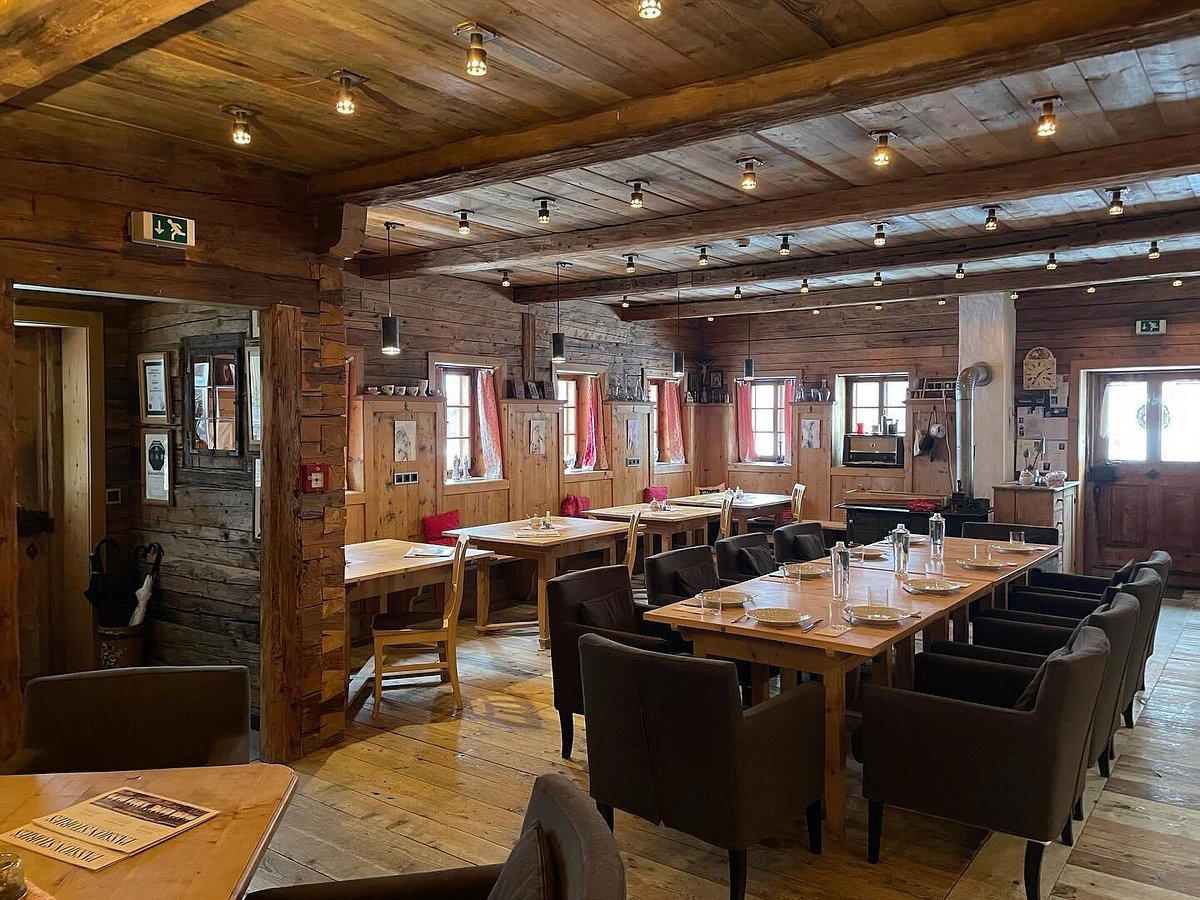
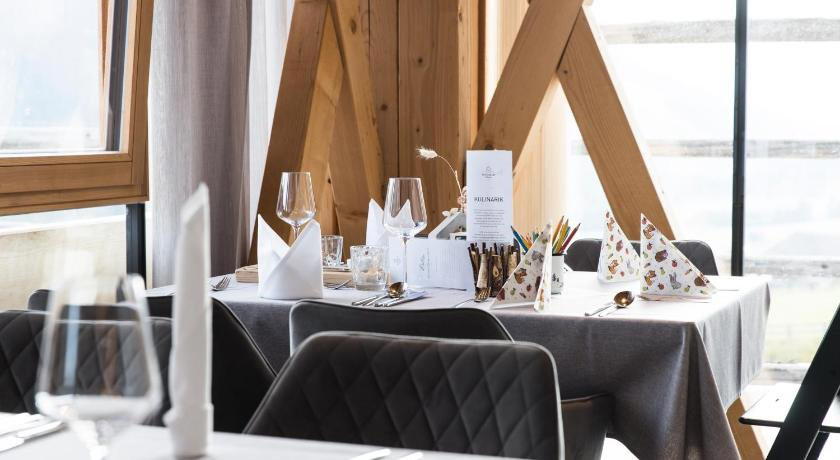
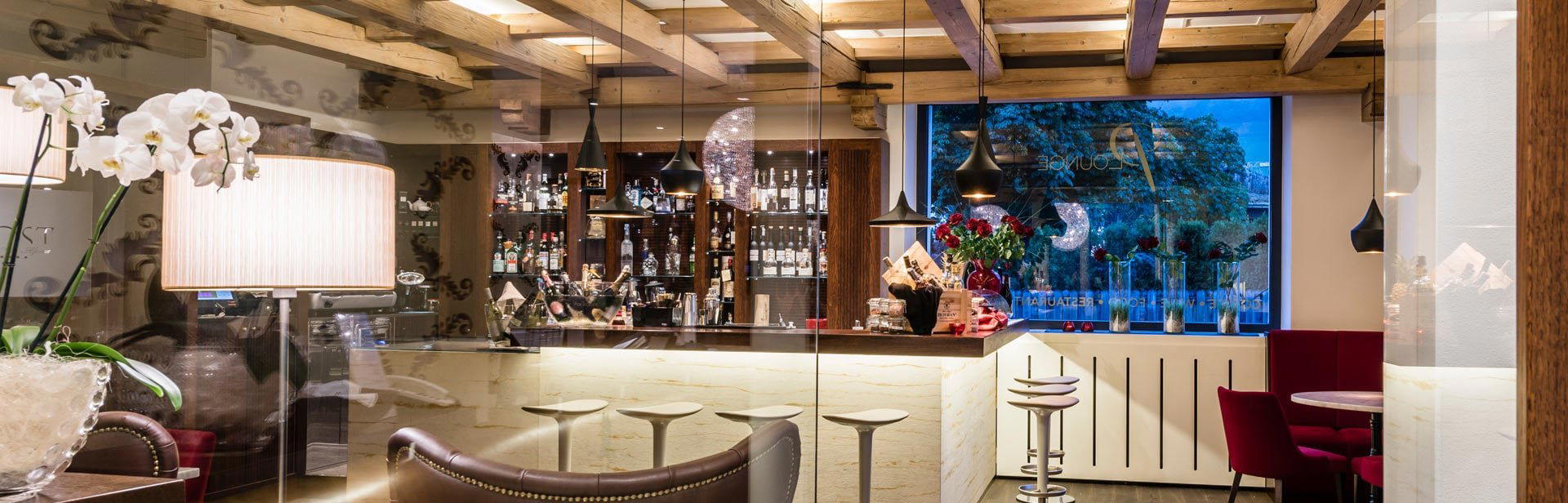
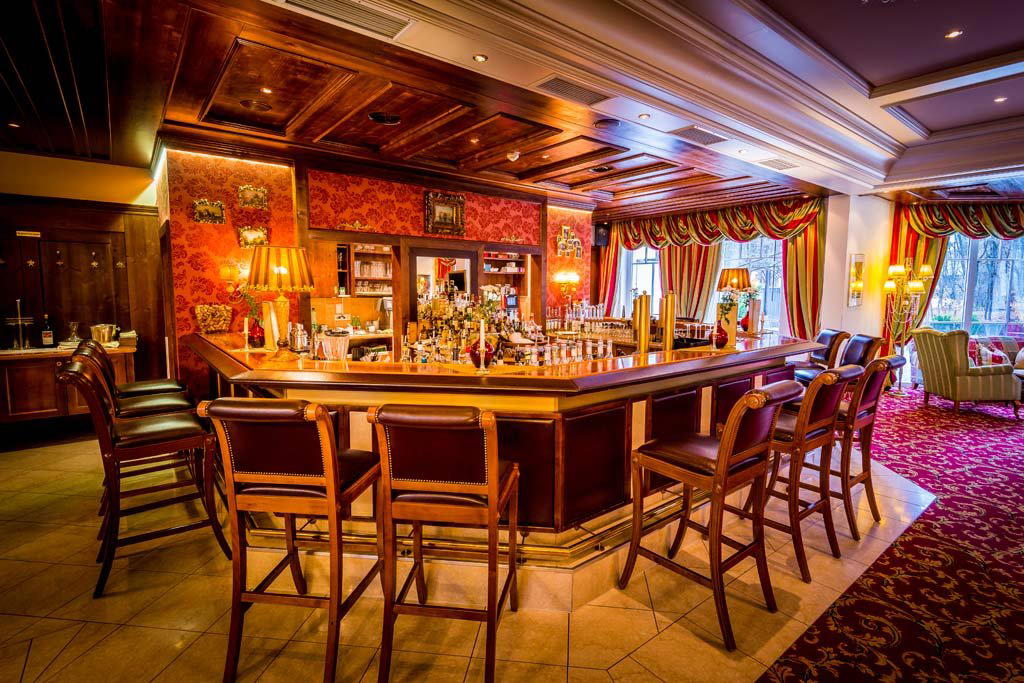
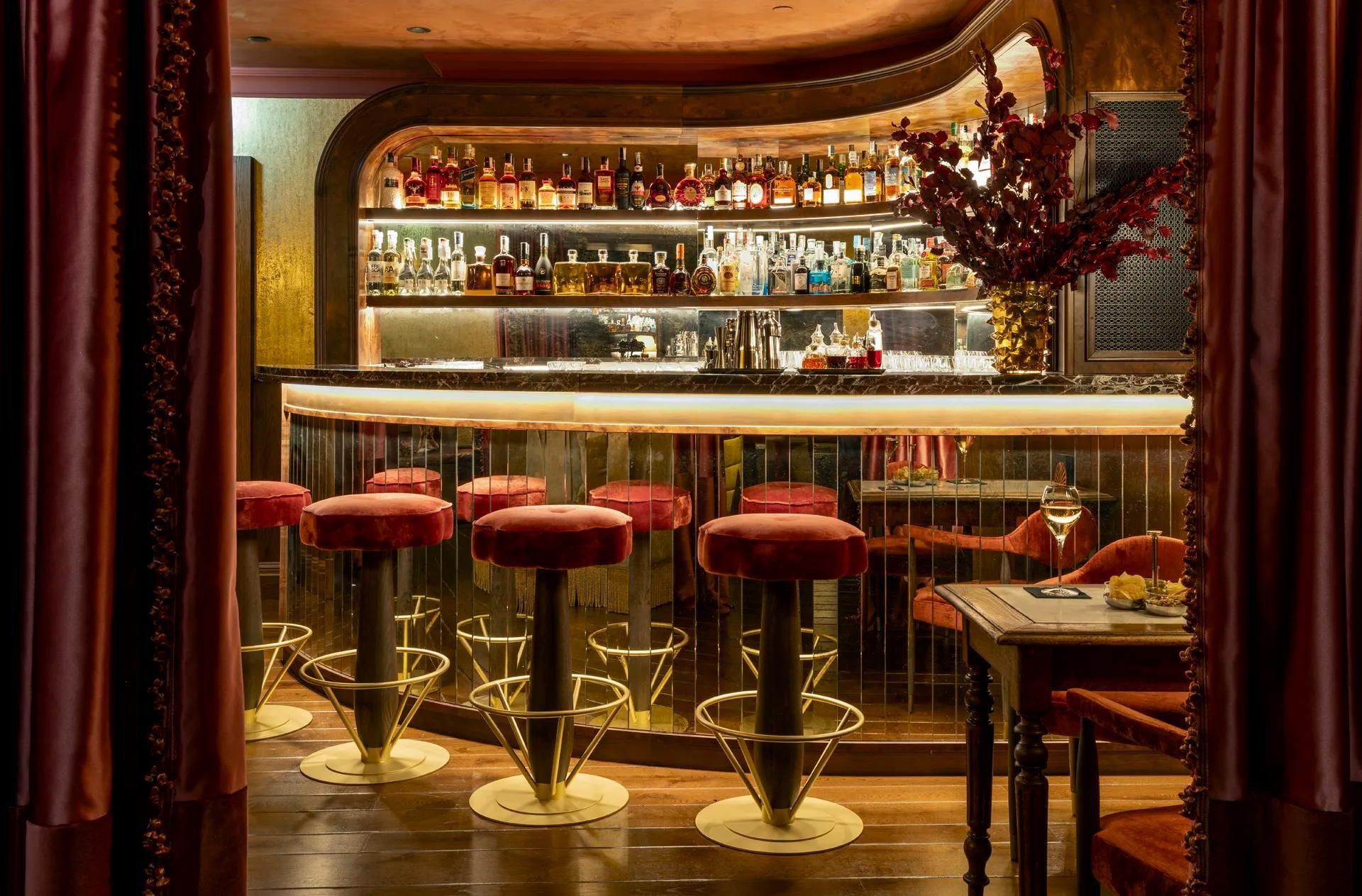
Elegant and inviting with modern design blended with traditional Austrian elements, warm and sophisticated atmosphere.