La Quilla Polanco
La Quilla Polanco occupies a quieter corner of Anatole France in Mexico City's Polanco district, where the neighbourhood's appetite for sourcing-conscious cooking has produced a dining tier distinct from the capital's more theatrical flagships. The address places it within walking distance of Polanco's main restaurant corridor, offering a counterpoint to the area's louder, more export-facing dining rooms.
Pearl is the En Primeur Club membership app — saves, bookings, and concierge access live there. Same editors, same standards.
- Address
- Anatole France 133, Polanco 3 secc 11550, Miguel Hidalgo, 11550 Ciudad de México, CDMX, Mexico
- Phone
- +525515606090
- Website
- lanaval.com.mx
- Directions
- Get directions
 Saves & bookings on Pearl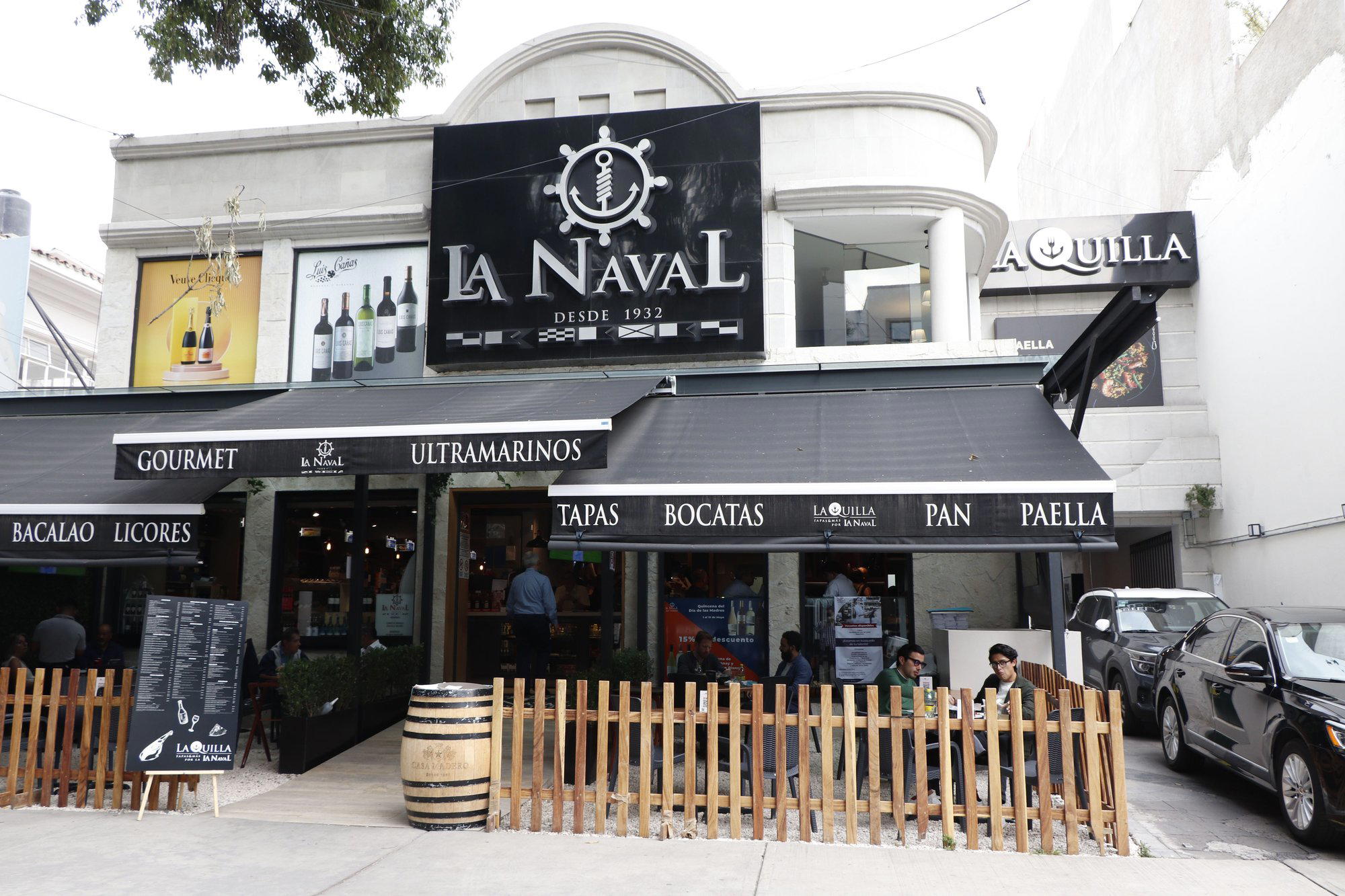
Polanco and the Sourcing Question
Mexico City's Polanco district has spent the last decade sorting itself into recognisable tiers. At the leading sit the internationally cited flagships: Pujol and Quintonil price against global comparable venues and book months ahead. Beneath them, a mid-tier has consolidated around a different proposition: fewer theatrics, more attention to where ingredients come from, and a room that reads as local rather than export-facing. La Quilla Polanco, a restaurant serving Spanish Iberian Specialties at Anatole France 133 in Polanco 3 secc, belongs to that second tier by address and by apparent orientation.
The broader shift in Mexican fine dining over the past several years has moved ingredient sourcing from a marketing footnote to a structural commitment. Kitchens across the country, from Animalón in Valle de Guadalupe to Levadura de Olla in Oaxaca, have built their identity around specific regional producers, seasonal availability, and supply chains that are short enough to trace. That framework has arrived in Polanco, filtered through the neighbourhood's particular demographic: an affluent, internationally travelled clientele that also eats out frequently enough to notice when sourcing claims are substantive versus decorative.
The Room on Anatole France
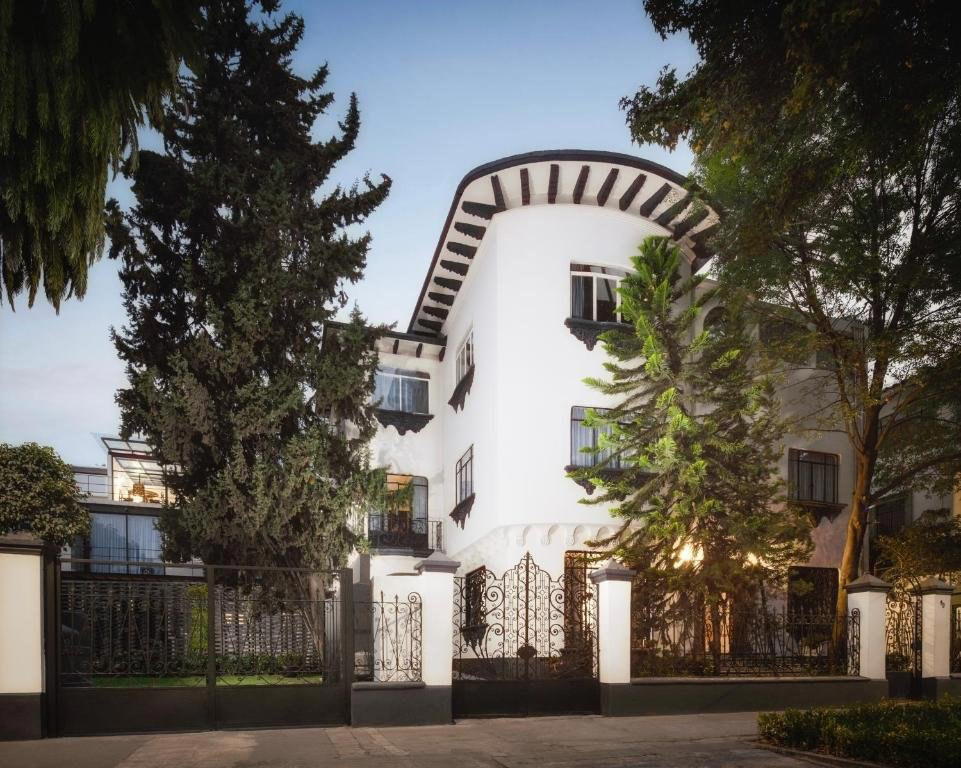
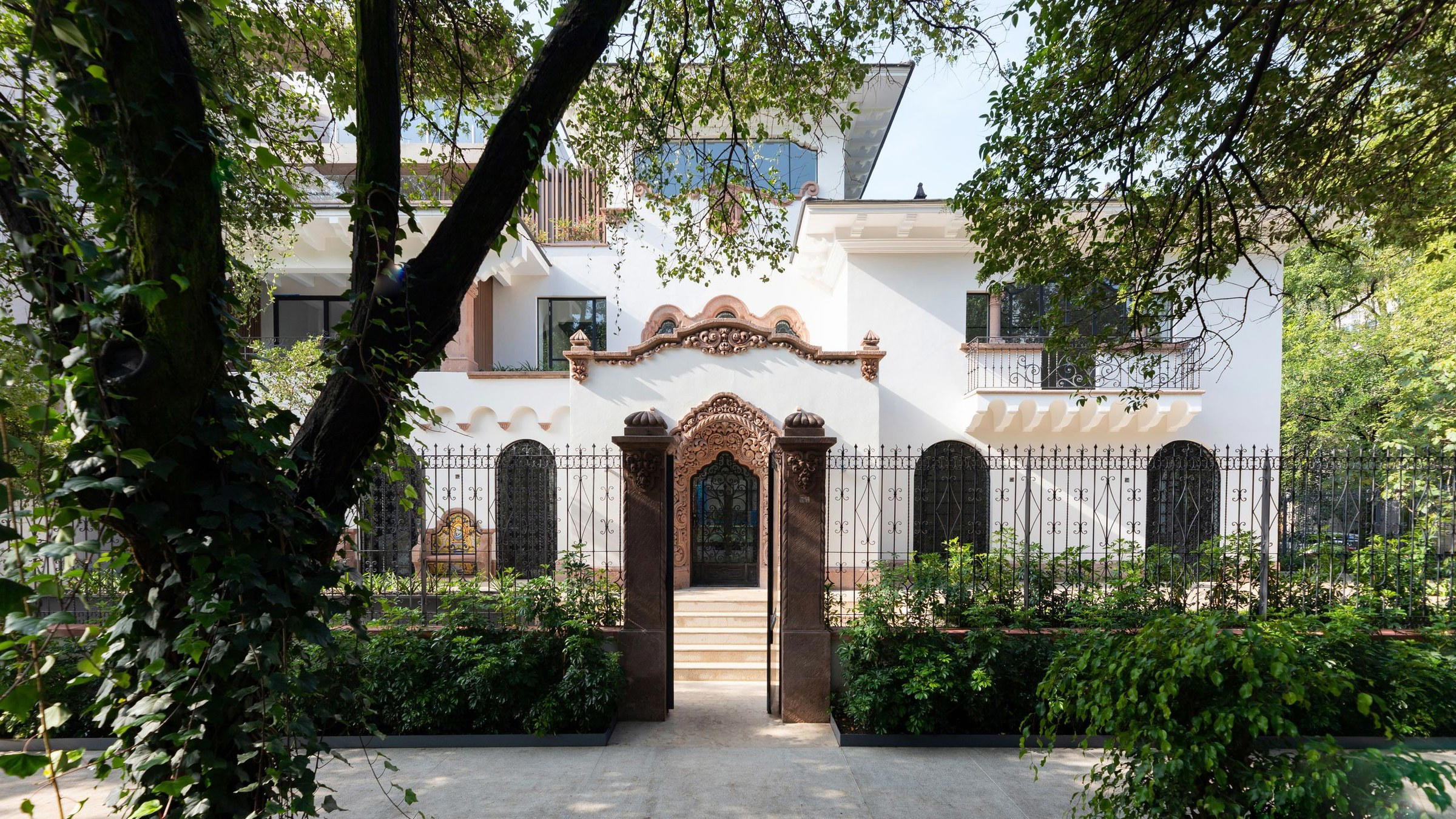
Anatole France is a quieter street than Presidente Masaryk, which runs parallel and carries the bulk of Polanco's commercial energy. The relative calm of the address means that arriving at La Quilla Polanco does not require negotiating the pedestrian traffic and valet queues that characterise the main corridor. The building sits in a section of the district where the scale stays human: lower rooflines, less retail, a pace that allows the cooking to be the primary event rather than the surrounding spectacle.
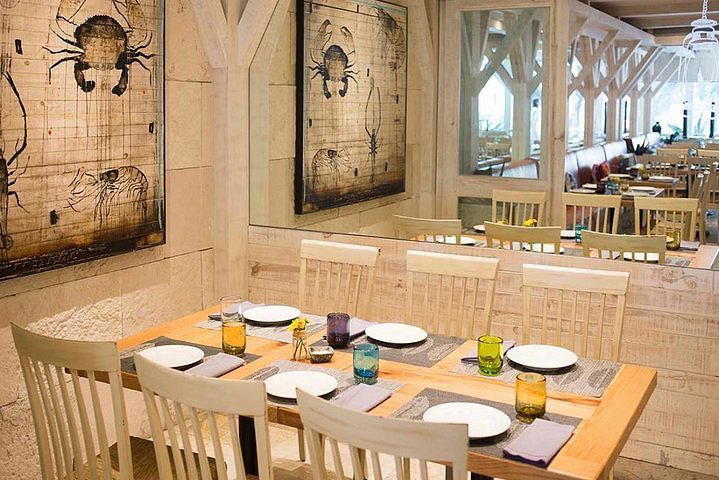
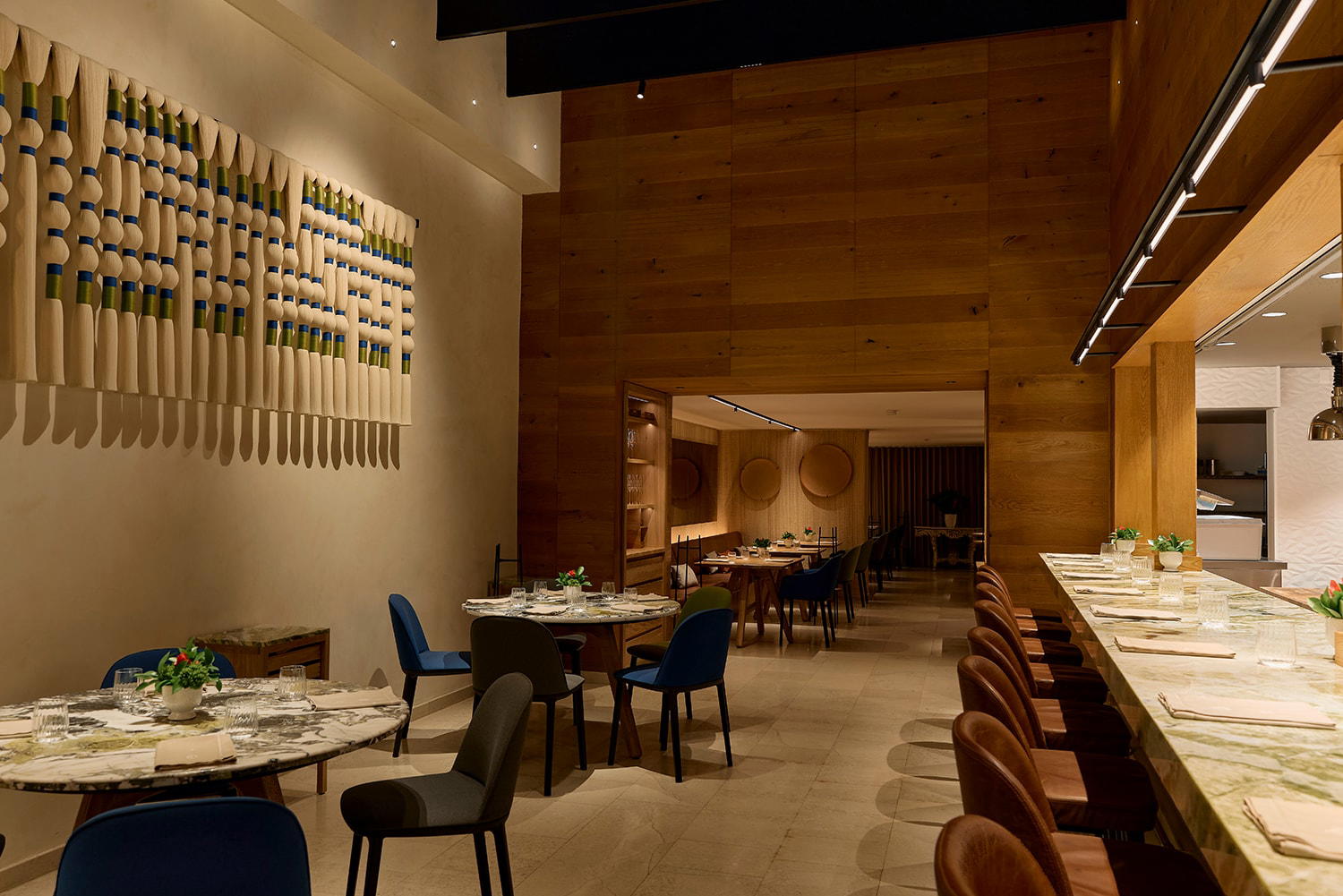
What the address and neighbourhood context do suggest is a room calibrated for conversation rather than performance: Polanco's mid-tier has generally moved away from the open-kitchen theatre that defined an earlier wave of Mexican fine dining, in favour of environments where the sourcing story is told through the plate rather than the production design.
Ingredient Sourcing as the Central Argument
The strongest current in Mexican gastronomy is the insistence that provenance is not a premium add-on but the baseline condition for serious cooking. That argument has been made most visibly at the flagship level: Pujol built a mole programme around temporal depth and specific corn sourcing; Quintonil organised its menu around foraged and market ingredients in ways that shifted what Polanco diners expected. But the argument has spread downward into the tier where La Quilla Polanco operates, and there it takes a different form.
At the mid-tier, sourcing-conscious cooking tends to be less conceptual and more practical: relationships with specific markets, preference for seasonal produce cycles, menus that shift when supply shifts. The comparison point here is not the internationally cited tasting-menu counter but the neighbourhood restaurant that has earned local loyalty precisely because it does not pretend those relationships are irrelevant. Places like Rosetta in Roma, operating in a different cuisine register but a comparable price and format tier, demonstrate how that commitment to sourcing can generate sustained credibility without requiring the apparatus of a flagship.
Across Mexico more broadly, the sourcing-first model has produced some of the country's most discussed addresses: KOLI Cocina de Origen in Monterrey frames its entire identity around regional ingredients; Olivea Farm to Table in Ensenada builds menus around Baja producers; Lunario in El Porvenir extends that logic into the wine-country context. The restaurant enters a national conversation that is well-established, which means the credibility of its sourcing claims will be tested by a dining public that has seen the model done at various levels of seriousness.
Positioning Within Polanco's Dining Map
Polanco functions as Mexico City's most internationally legible dining neighbourhood, which creates both opportunity and pressure. The opportunity is a clientele with exposure to sourcing-conscious cooking in other global cities and a willingness to pay for it. The pressure is that the same clientele has reference points that are hard to satisfy with surface-level commitments. The neighbourhood's leading addresses, including those cited by the Latin America's 50 Best list in recent years, have raised the baseline expectation for what serious cooking in this postcode looks like.
The restaurant's position on Anatole France places it adjacent to that conversation without necessarily being at its centre. That adjacency has value: the address carries Polanco's credibility without requiring the visibility premium that comes with Masaryk frontage. For diners who have worked through the flagship tier and are looking for something that operates at a different register, the quieter street is an argument in itself.
Comparable sourcing-conscious addresses elsewhere in Mexico include Alcalde in Guadalajara, Huniik in Merida, HA' in Playa del Carmen, and Le Chique in Puerto Morelos, each of which has built a regional identity around the same underlying principle. Further afield, Pangea in San Pedro Garza Garcia demonstrates how the sourcing argument translates into the Monterrey context, while Em and Sud 777 represent the capital's own variations on contemporary Mexican cooking with a sourcing conscience. Internationally, the precision and product-first approach has parallels at Le Bernardin and Atomix in New York, where ingredient provenance anchors the entire menu architecture.
Know Before You Go
Address: Anatole France 133, Polanco 3 secc 11550, Miguel Hidalgo, Mexico City
Neighbourhood: Polanco, one block from the district's main commercial axis on Presidente Masaryk
Booking: Reservations are recommended
Pricing: Moderate price tier
Hours: Mon: 9 AM-9 PM; Tue: 9 AM-9 PM; Wed: 9 AM-9 PM; Thu: 9 AM-10 PM; Fri: 9 AM-10 PM; Sat: 9 AM-10 PM; Sun: 9 AM-6 PM
Cuisine Lens
Comparable venues nearby, for context on price, style, and recognition.
| Venue | Cuisine | Price | Notes |
|---|---|---|---|
| La Quilla PolancoThis venue — the venue you are viewing | Spanish Iberian Specialties | $$ | Not listed |
| La Mallorquina | Authentic Spanish Tapas | $$ | Polanco Chapultepec |
| Bulla - CDMX | Authentic Spanish Tapas | $$ | Bosque de Chapultepec |
| Emilio | Spanish-Basque Cuisine with Mexican & French Influences | $$$ | Polanco Chapultepec |
| Mallorquina | Authentic Spanish Tapas | $$ | San Ángel Inn |
| Mammut Pizza Oxford | Neapolitan Rustic Pizza | $$ | Cuauhtemoc |
Continue exploring
More in Mexico City
Restaurants in Mexico City
Browse all →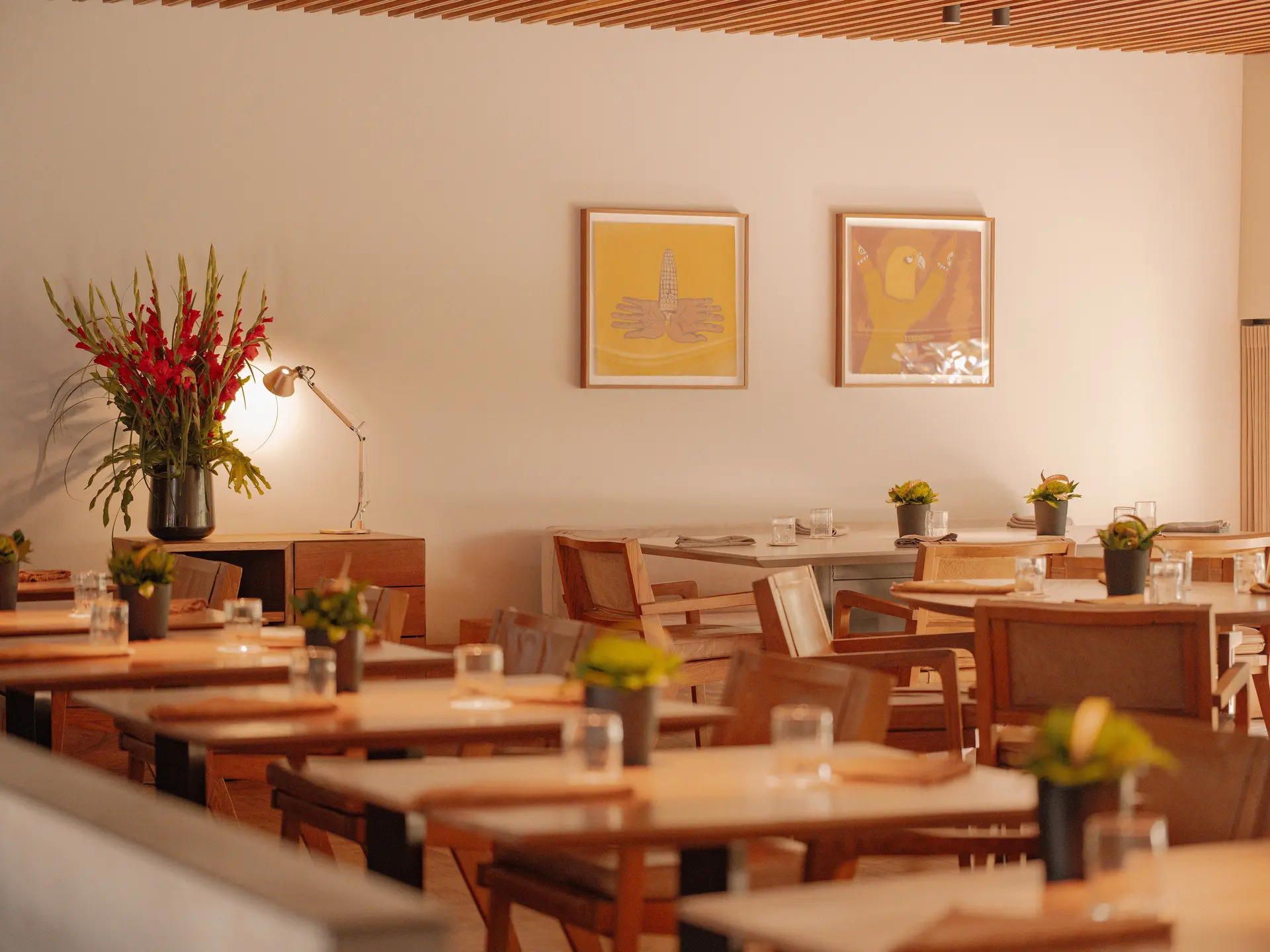
Bars in Mexico City
Browse all →
At a Glance
- Cozy
- Elegant
- Date Night
- Business Dinner
- Brunch
- Terrace
- Extensive Wine List
Current opening hours
- Monday
- 9 AM–9 PM
- Tuesday
- 9 AM–9 PM
- Wednesday
- 9 AM–9 PM
- Thursday
- 9 AM–10 PM
- Friday
- 9 AM–10 PM
- Saturday
- 9 AM–10 PM
- Sunday
- 9 AM–6 PM
Hours can change for holidays and private events. Last verified .
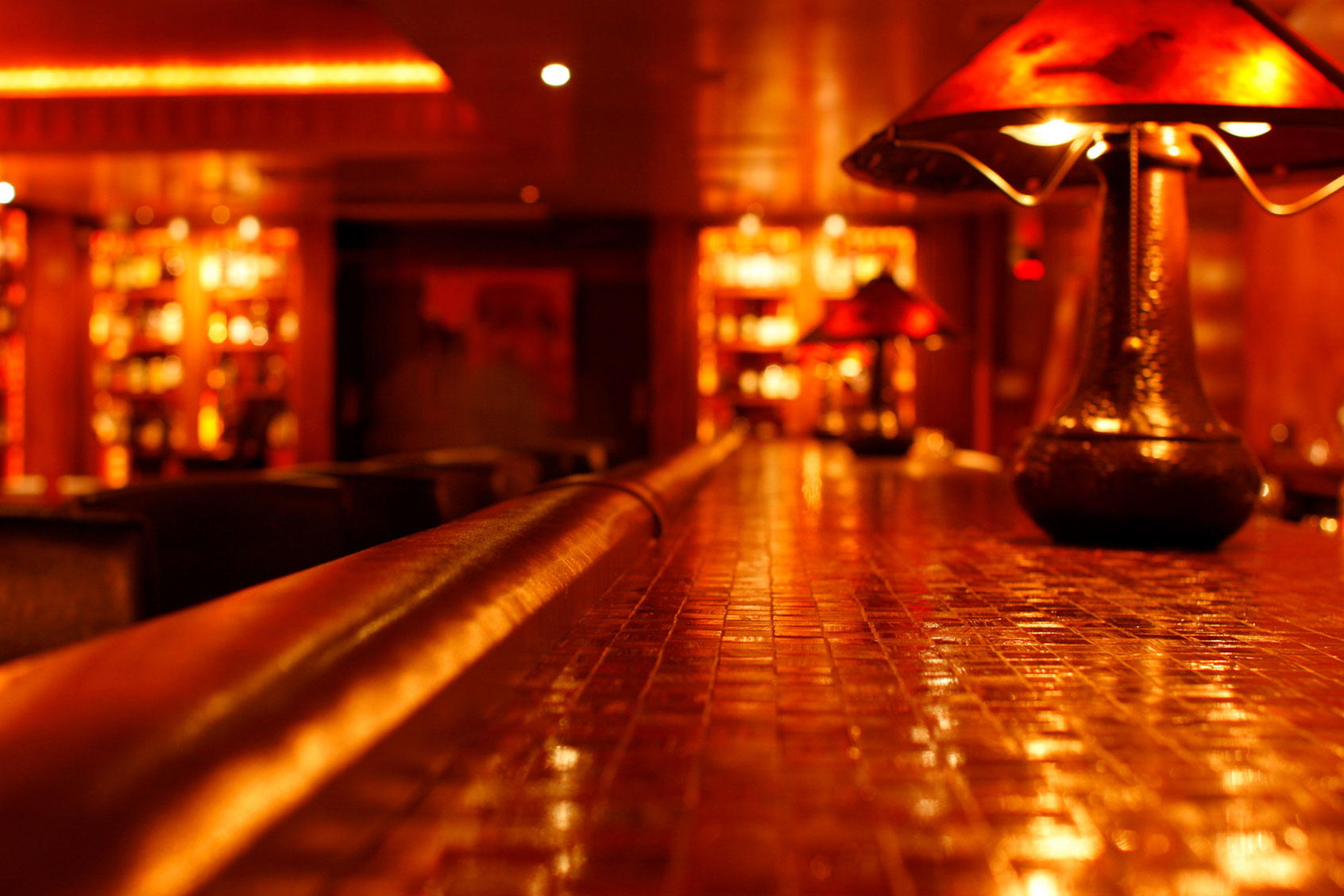
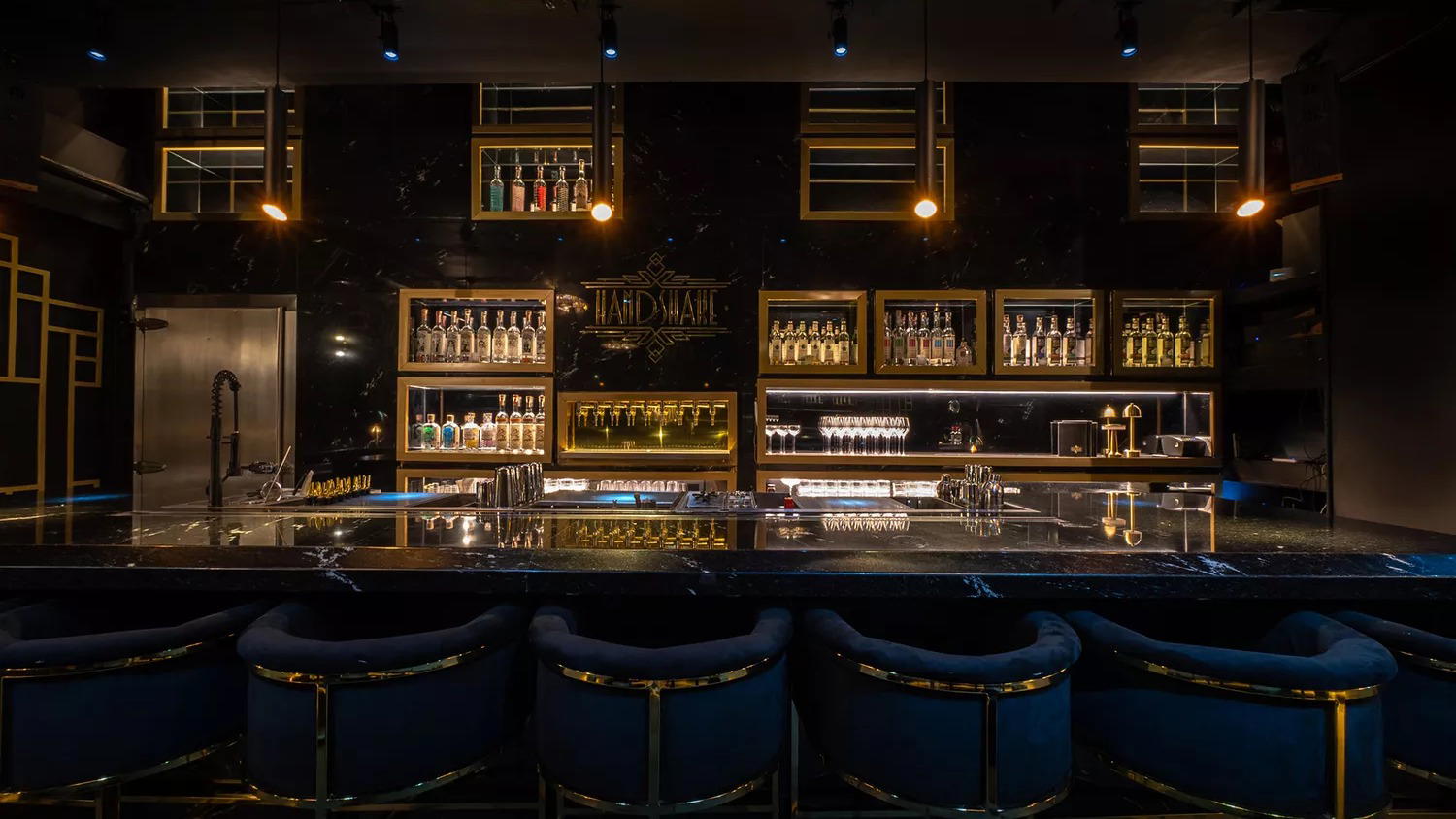
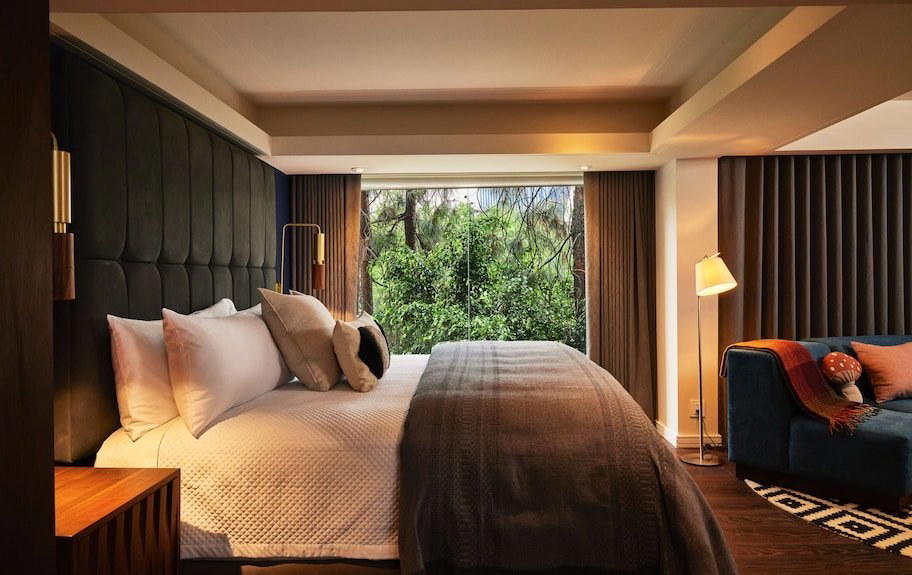
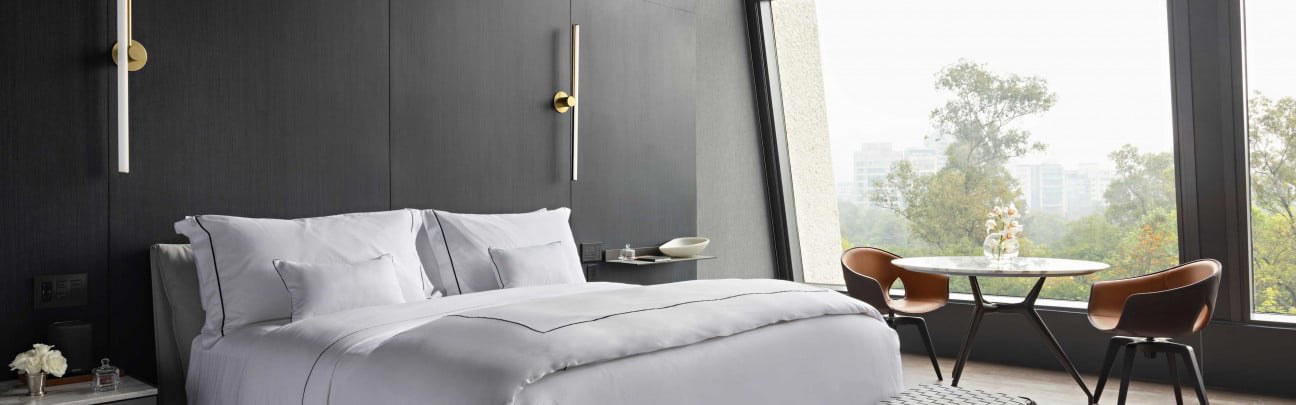
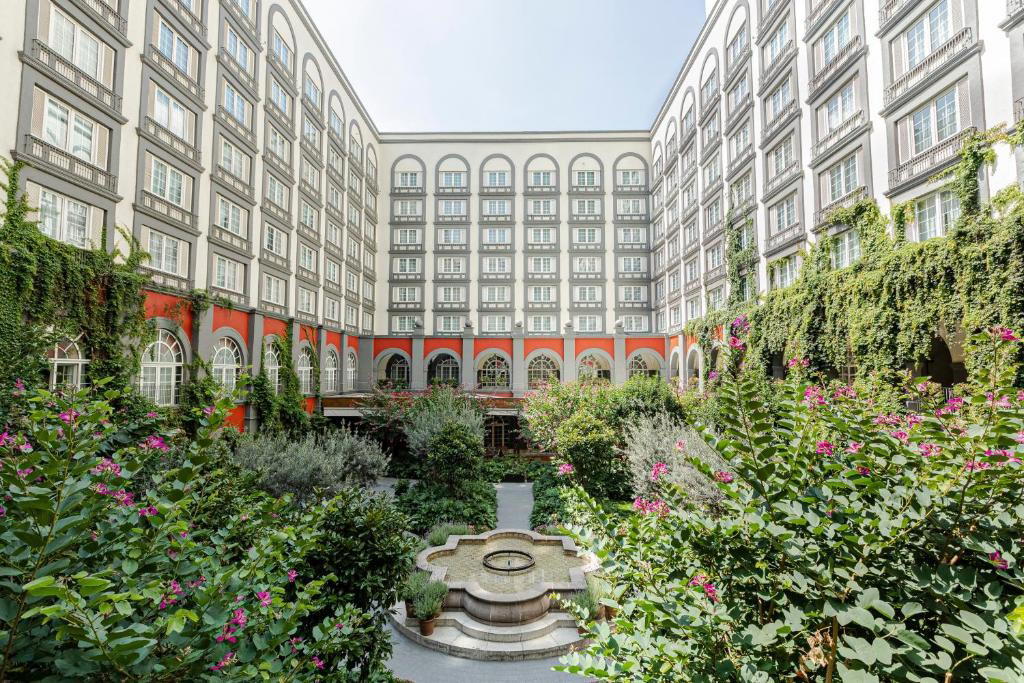
Cozy and welcoming atmosphere with both indoor and outdoor spaces, moderate noise level.