Princess Garden
Princess Garden in London was a long-standing Mayfair destination for Northern Chinese and Peking cuisine, famed for its dim sum and Peking duck. Notable plates included enoki and beef cheung fun, chicken and mushroom baozi, and glutinous rice in lotus leaf, each prepared for contrast in texture and depth of flavour. The restaurant earned a discreet reputation among business diners for precise, plush service and a splash-out evening menu that offered lobster, abalone and traditional Peking specialties. Set north of Grosvenor Square, Princess Garden delivered warm, restrained interiors with Chinese antiques and a focused wine list, making every lunch or formal dinner feel composed and reliable during its run from 1983 to 2016.
- Address
- 8-10 N Audley St, London W1K 6ZD, United Kingdom
- Phone
- 020 7493 3223
- Website
- princessgardenofmayfair.com
- Directions
- Get directions
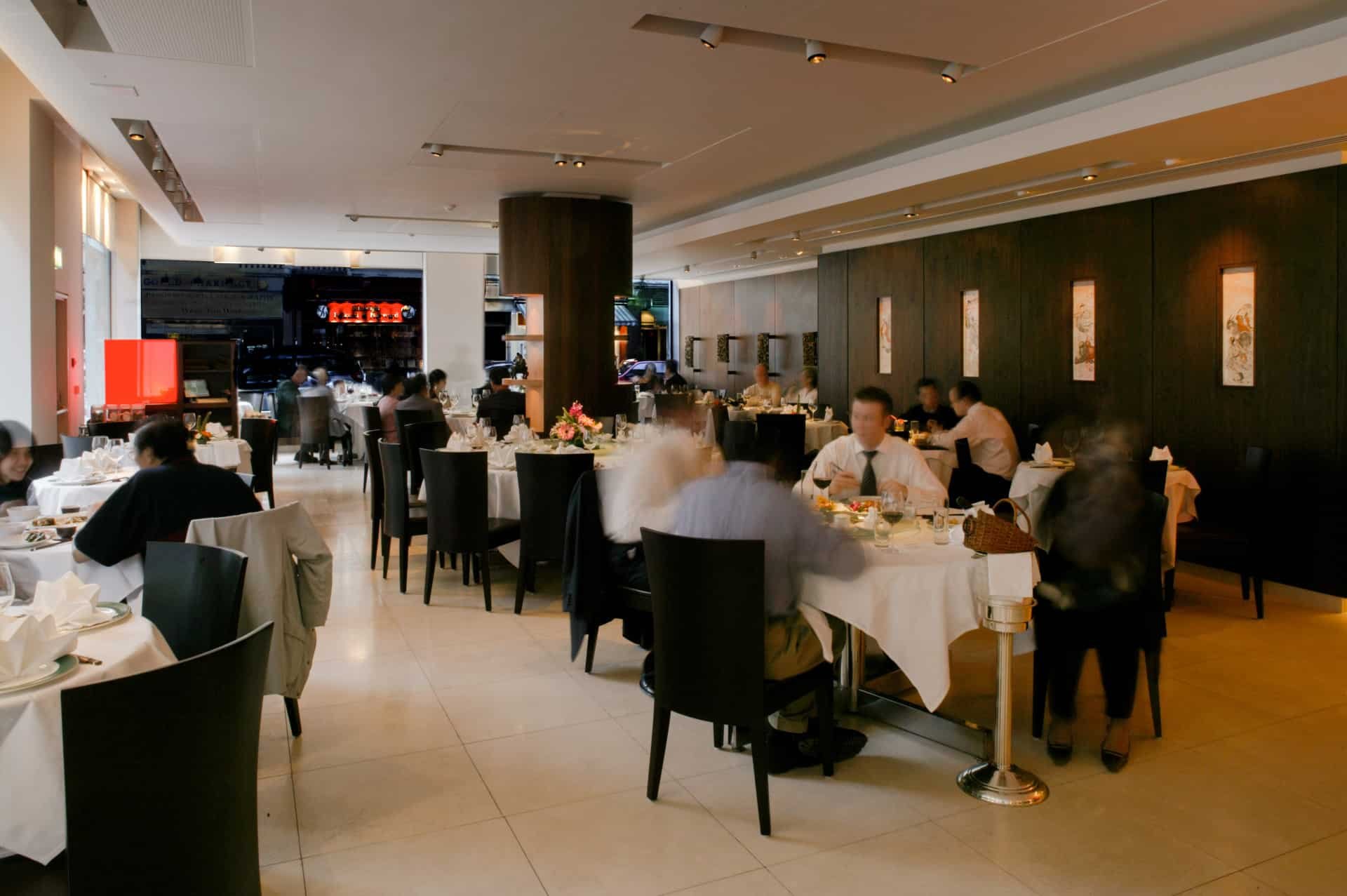
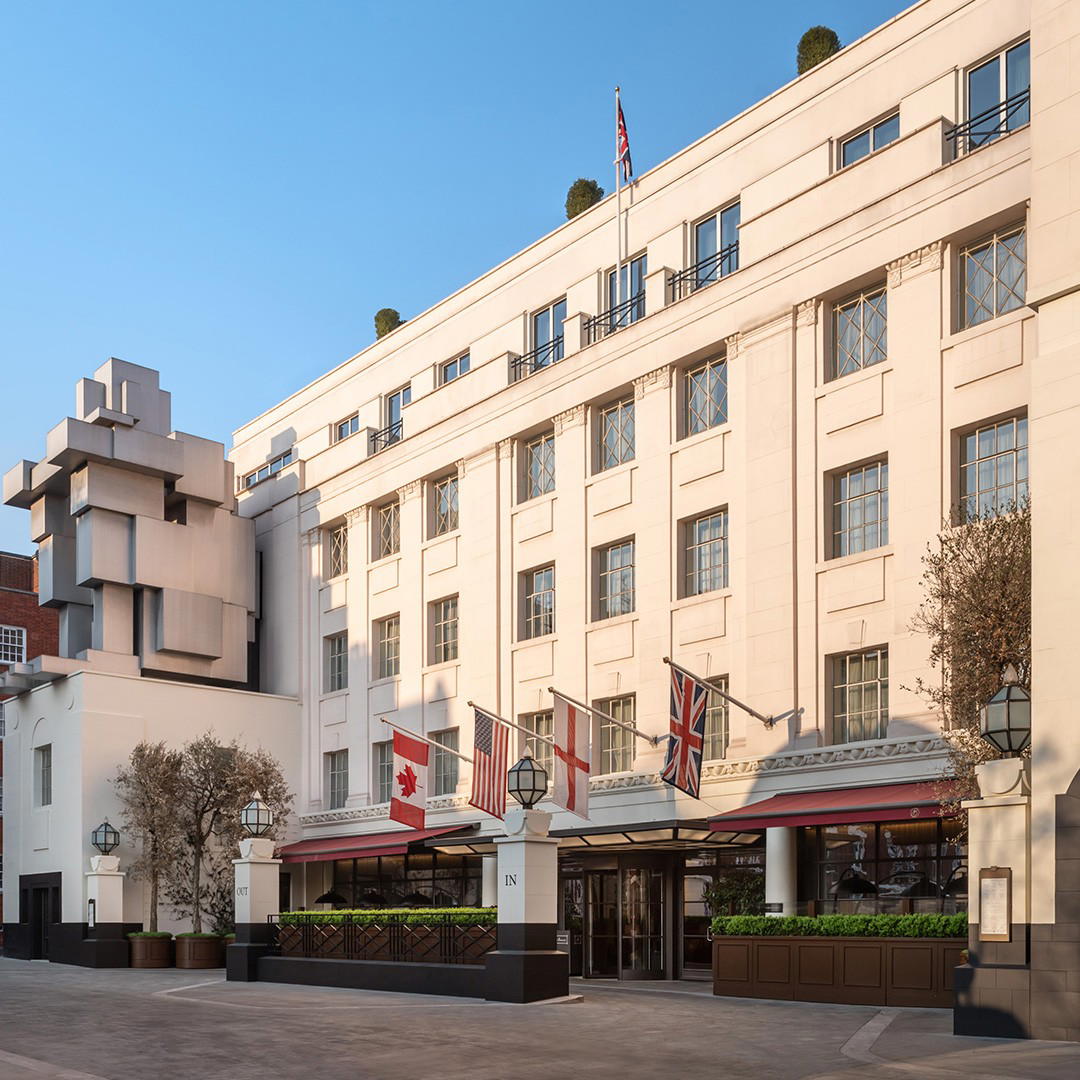
Princess Garden in London opened its doors in 1983 and established a quietly confident voice for Northern Chinese and Peking cuisine in Mayfair. On arrival, guests encountered an unflashy façade on North Audley Street and a dining room arranged for conversation and privacy. The first course often arrived steaming: delicate cheung fun sheets folded around enoki and beef, slippery and savoury, followed by pillowy baozi and the occasional pan-fried dumpling. From the outset Princess Garden made dim sum and Peking classics the centrepiece of the meal, and those choices shaped how Londoners and visiting clients thought about Chinese haute cuisine in this quarter of the city.
The kitchen delivered food that rewarded repeat visits and business tables alike, with focused flavours and strong textures. The culinary team at Princess Garden emphasized regional technique rather than chef celebrity, reflecting a philosophy that privileged skill, exact timing and premium ingredients. No single executive chef was prominent in the sources; instead the kitchen operated as a consistent, disciplined workshop in northern and Peking traditions. There are no Michelin listings documented for the restaurant, nor modern award citations in the available records, but longevity and a loyal professional clientele formed the restaurant’s chief recognition.
The menu mixed Cantonese finesse with Peking-style roast preparations and northern staples, offering shark’s fin and abalone on high-end tasting occasions. That balance of muscular northern dishes and refined Cantonese touches set the restaurant apart from other Mayfair tables. The menu progression at the restaurant leaned on clear techniques: steaming for lightness in cheung fun and glutinous rice parcels, careful pan-frying for texture in Peking dumplings, and slow roasting for concentrated flavour in duck preparations. Signature items included enoki and beef cheung fun—steamed rice noodle rolls wrapped around mushroom, shredded beef and water chestnuts—to deliver a contrast of silky wrapper and crisp interior.
Chicken and mushroom baozi were steamed until soft but not sodden, the filling seasoned to round, savoury balance. The glutinous rice in lotus leaf featured distinct rice grains, pork and traditional aromatics, served warm and fragrant. For evening dining, Peking duck and whole lobster appeared as splash-out options; abalone and shark’s fin also featured for formal banquets. Techniques combined clarity of stock, tight steaming windows and controlled frying so that texture remained the focus.
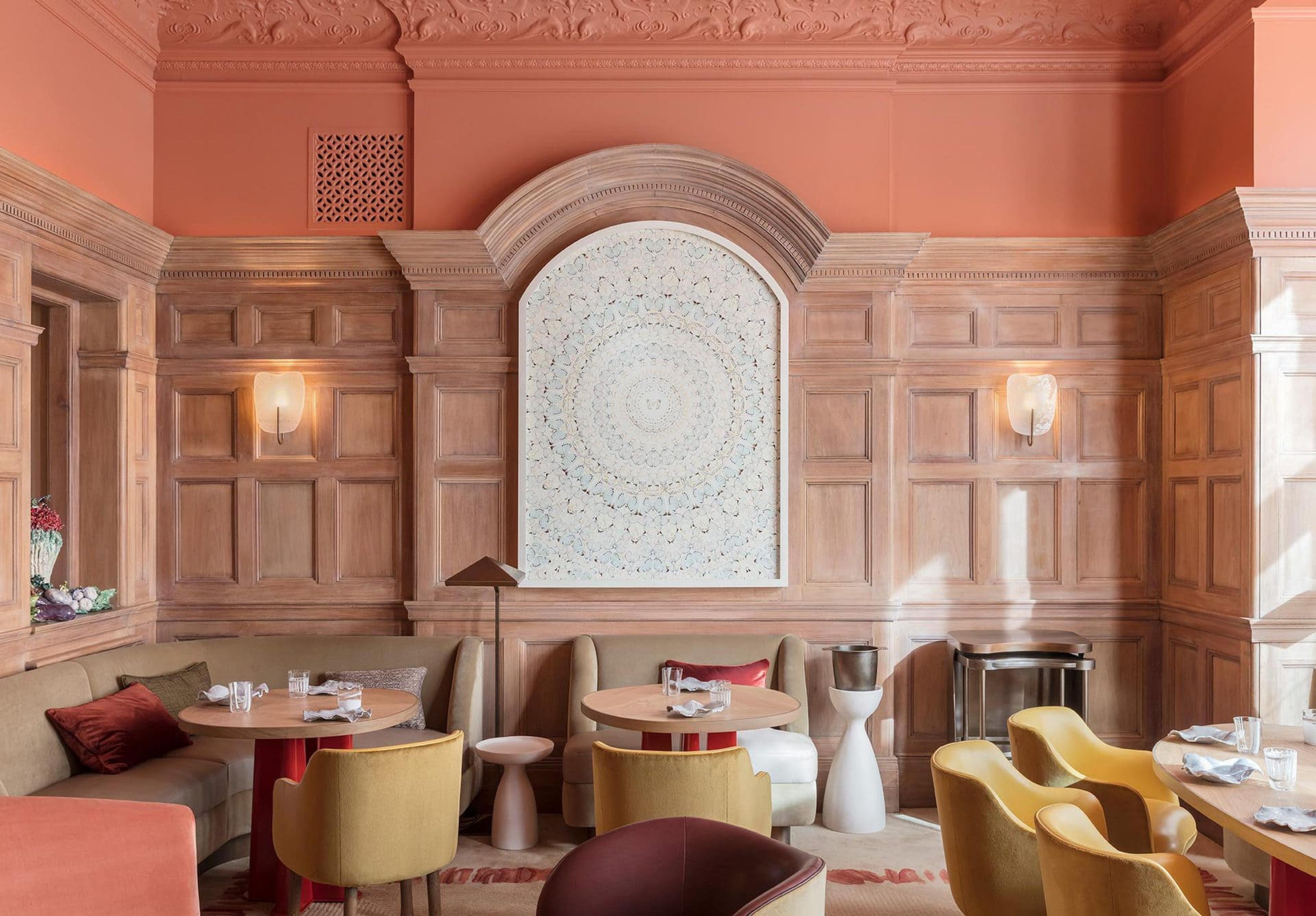
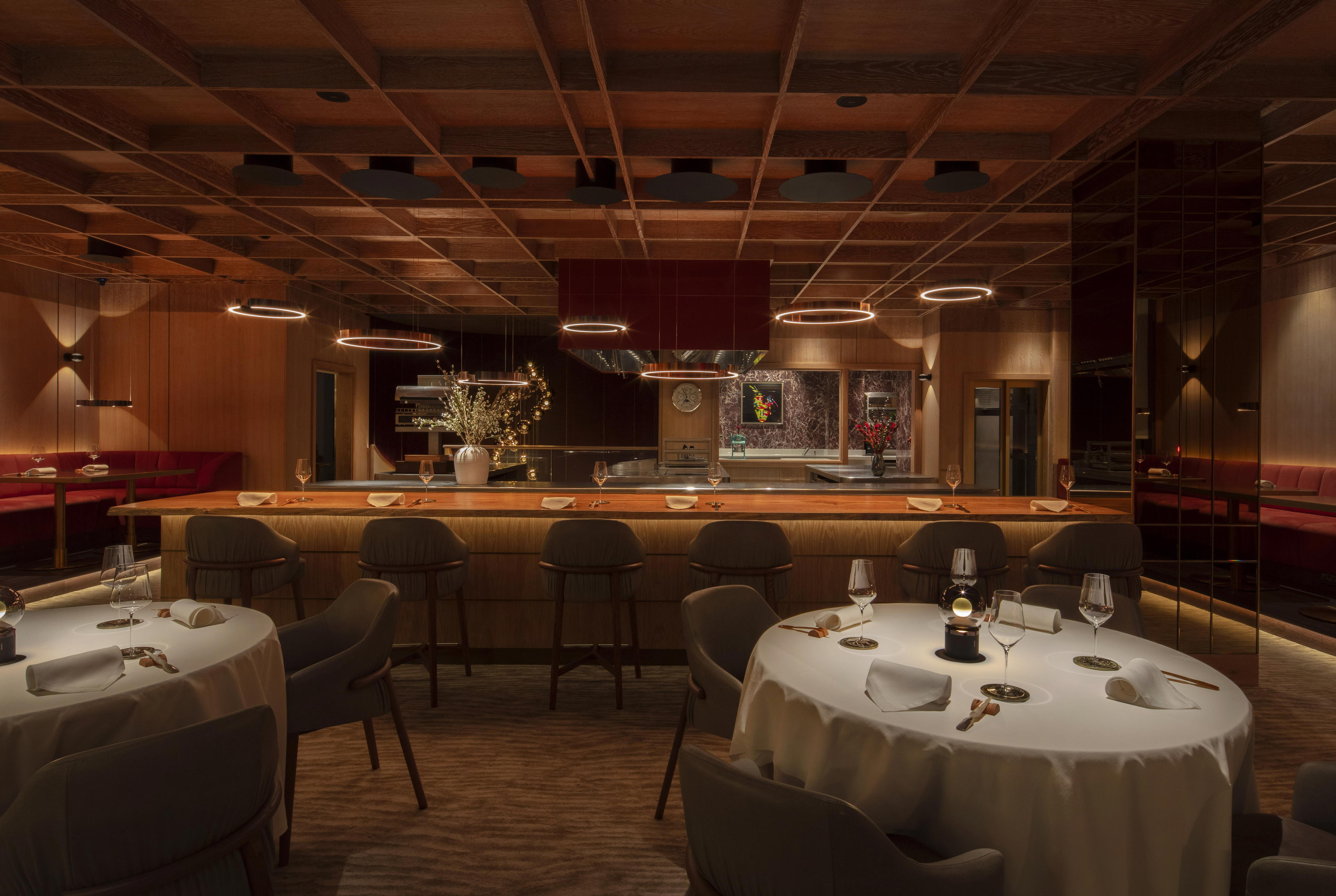
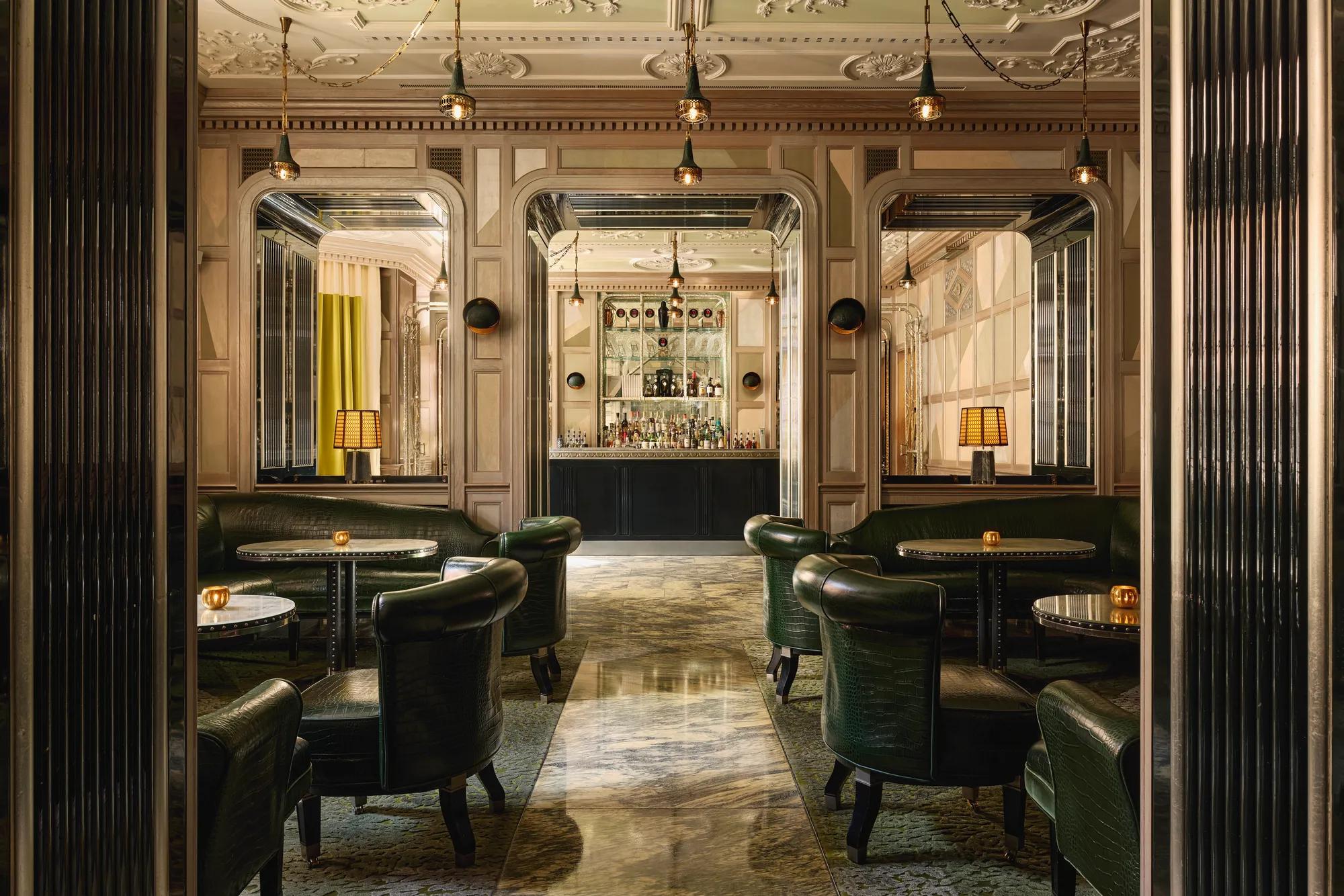
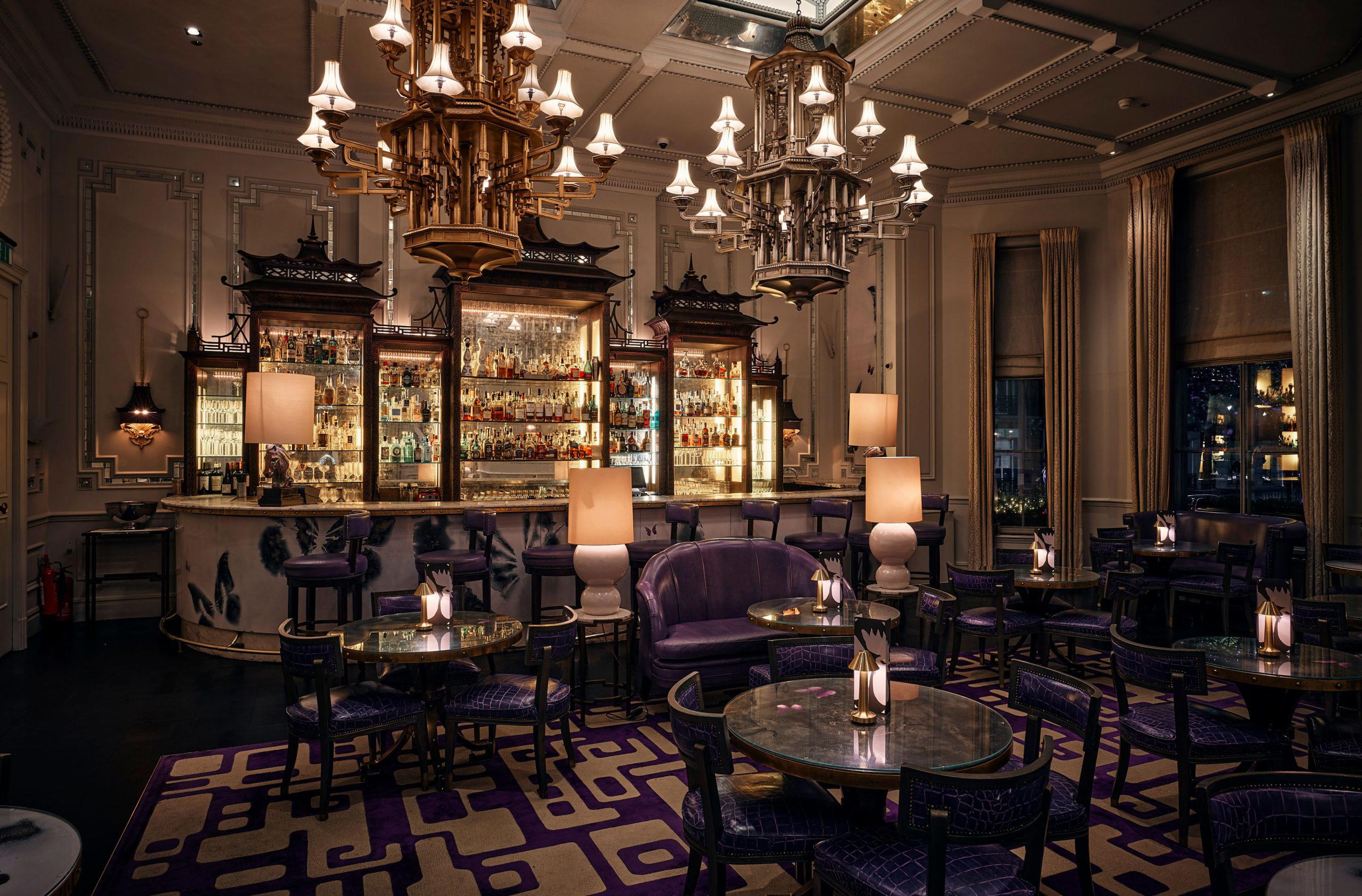
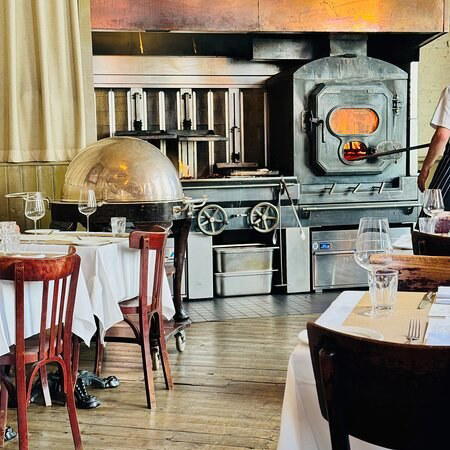
What to order? Start with dim sum at lunch—that was where the restaurant’s subtlety showed most consistently—and reserve richer seafood and roast courses for a group dinner. Inside, the restaurant kept design restrained and functional, with Chinese antiques offering discrete period character rather than theatrical décor. Tables were arranged to allow distance for business conversations, and the level of formality favoured neatly dressed staff and efficient service.
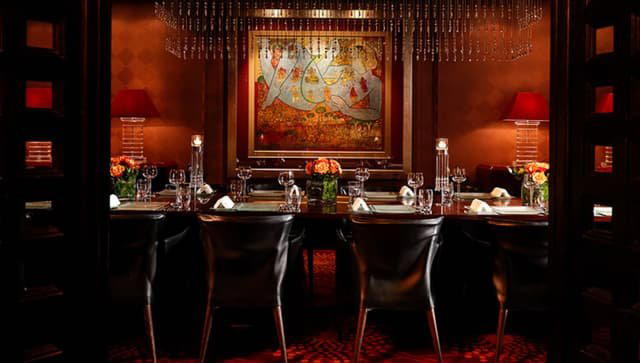
Two private rooms supplemented the main dining room—Andy Hayler’s notes record an 80-cover capacity plus a lounge area for up to 40—so the layout handled both intimate gatherings and larger corporate bookings. The beverage programme leaned toward a well chosen French wine list to pair with richer dishes, though it did not present a deep cellar archive. Practical visitors should note that restaurant operated in Mayfair until around 2016, when the site changed hands; historical hours listed lunch and late-evening service on weekdays and weekends. Dress was typically smart and tailored, suited to business lunches and formal dinners.
For those seeking similar experiences today, target weekday lunchtime for dim sum and book well ahead for private rooms; confirm current occupants at 8–10 North Audley Street when planning a reservation. What to ask staff: which dim sum are steamed vs fried, and which evening dishes require advance notice for whole-lobster or abalone preparations. The restaurant left a clear imprint on Mayfair’s dining map as a reliable house for Northern Chinese technique, attentive service and a dim sum program that rewarded repeat visits. Though the original venue closed and the site evolved after 2016, the memory of its enoki and beef cheung fun, glutinous rice parcels and composed Peking dishes continues to inform Londoners’ appetite for refined Chinese gastronomy.
For travellers researching Mayfair dining history or searching for similar contemporary experiences, seek out modern restaurants that echo the kitchen’s focus and the discreet, business-friendly atmosphere that defined the restaurant.
In Context
Comparable venues nearby, for context on price, style, and recognition.
| Venue | Cuisine | Price |
|---|---|---|
| Princess GardenThis venue — the venue you are viewing | Mayfair, Dining | Not listed |
| Carmelina's | Markham, Italian | $$ |
| Roux at the Landau | Marylebone, Dining | Not listed |
| Anya Cafe | Belgravia, Whimsical British Bakery Cafe | $$ |
| Bancone Golden Square | Soho, Modern Italian Pasta | $$ |
| Café Leon Dore | Soho, Greek-Inspired Coffee & Pastries | $$ |
Continue exploring