
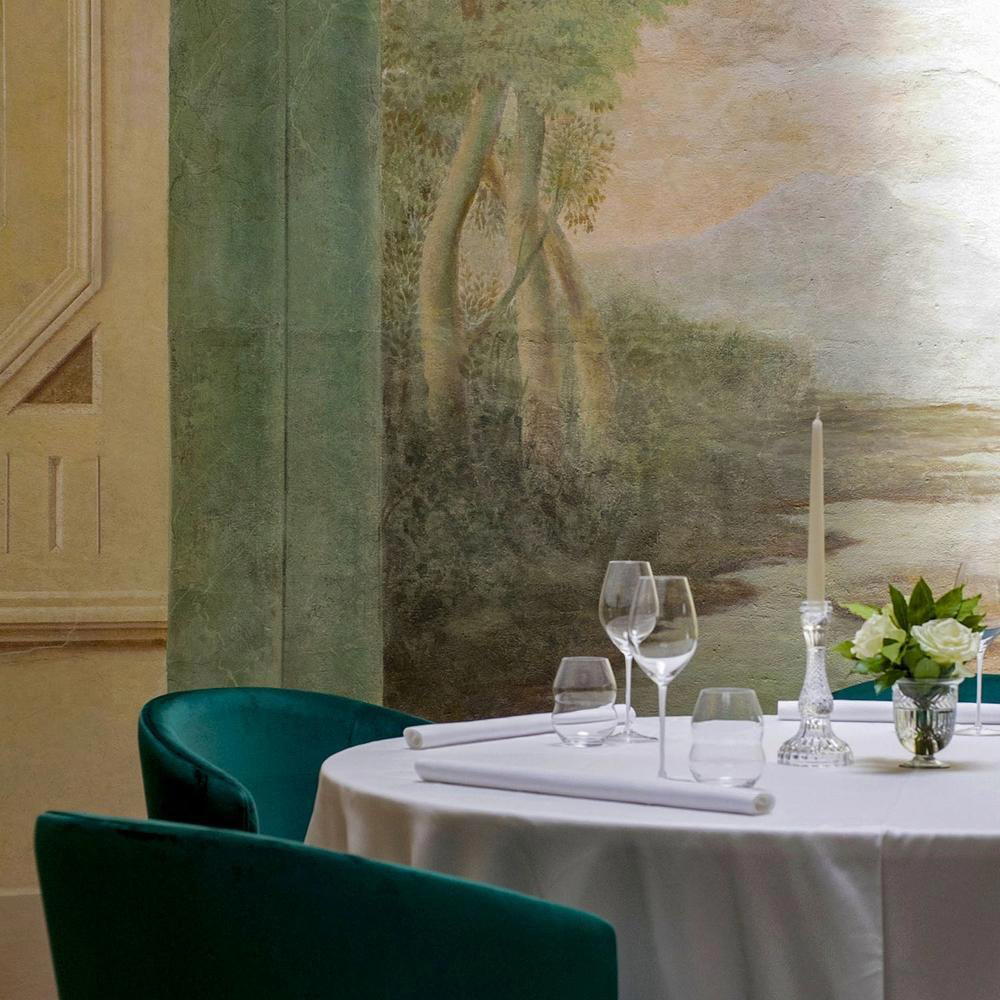
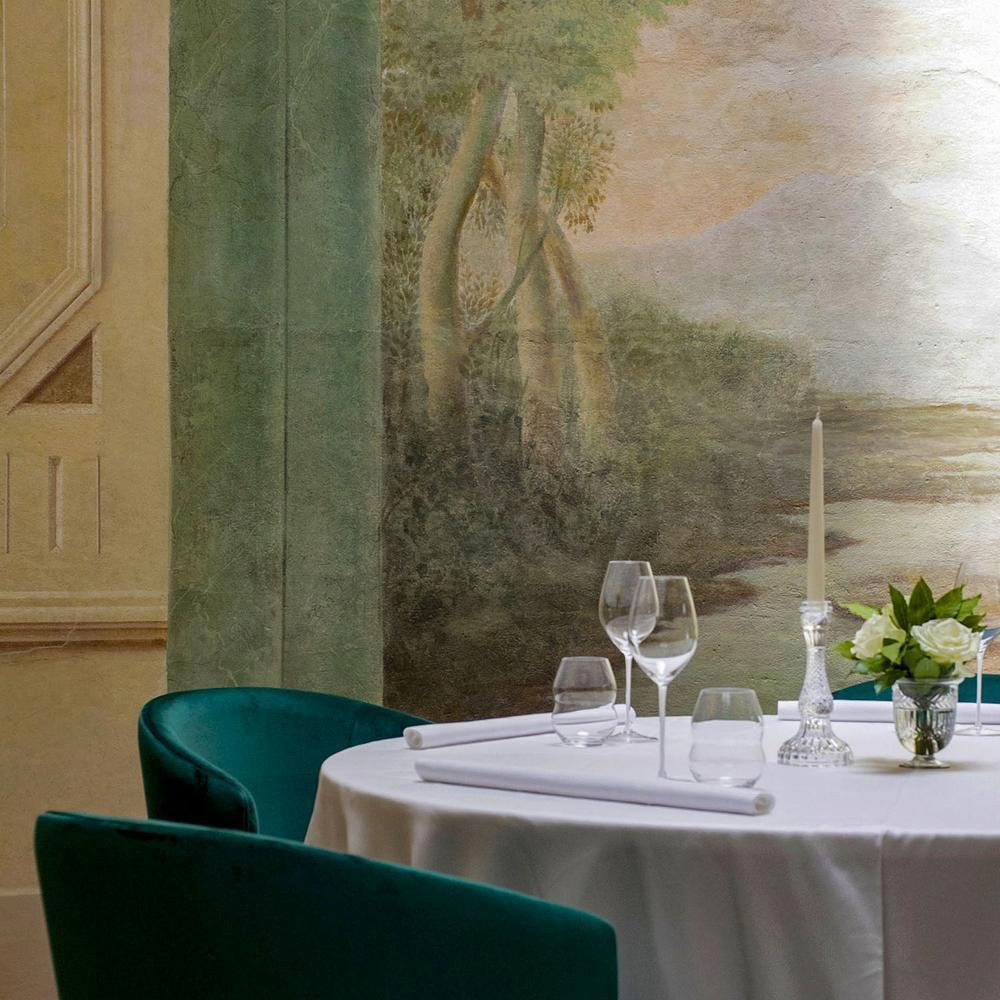
A fully plant-based restaurant in the heart of Orvieto, Vis a Vis has drawn attention for chef Emanuele Rengo's handmade pasta work and house-made vegetable cheeses, set against the backdrop of one of Umbria's most storied hilltop towns. The kitchen reinterprets the vegetable-forward traditions of the surrounding region without relying on the usual animal-based foundations.
Pearl is the En Primeur Club membership app — saves, bookings, and concierge access live there. Same editors, same standards.
- Address
- Piazza Ventinove Marzo, 8/A, 05018 Orvieto TR, Italy
- Phone
- +39 331 211 7528
- Website
- visaviscucinaeventi.it
- Directions
- Get directions
 Saves & bookings on Pearl
Orvieto's Plant-Based Counter-Argument
Umbria has always been a vegetable region in practice, even if it rarely advertised itself as one. The agricultural corridors between Orvieto, Todi, and Spoleto produce pulses, wild greens, and root vegetables that have fed the area through centuries of lean seasons, and the local cooking reflects that. Meat arrived at the table when it was available; vegetables were the default. Vis a Vis, a plant-based restaurant in Orvieto, takes that underlying logic and builds a fully plant-based menu around it, not as a dietary statement, but as a reading of what this landscape actually produces.
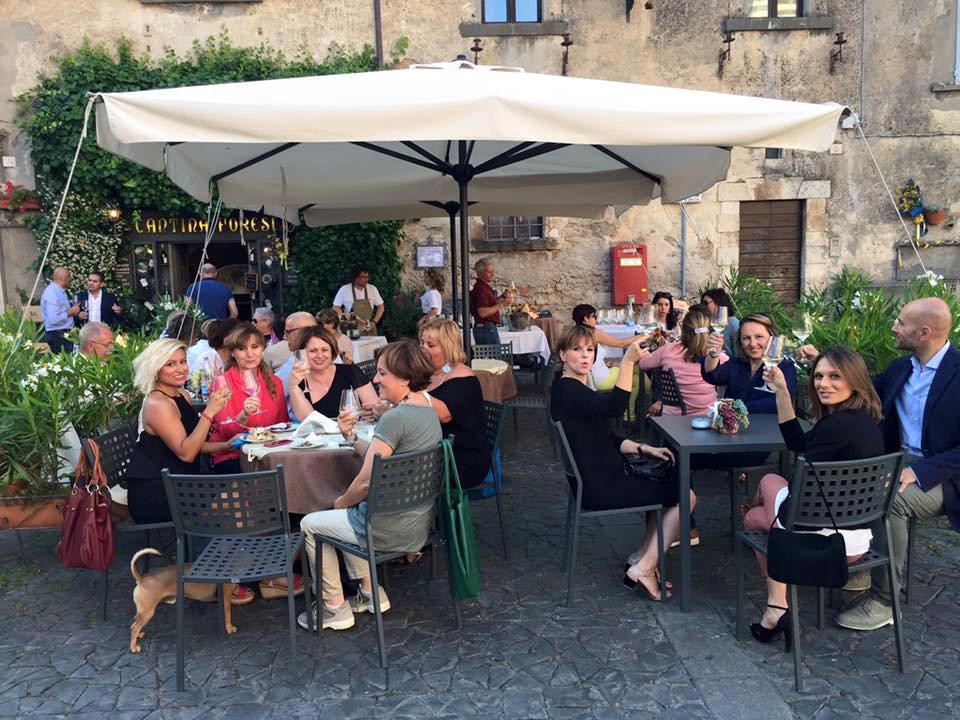
The piazza sits within walking distance of Orvieto's cathedral, whose facade frescoes are among the more significant examples of late medieval religious art in Italy. That context matters because it sets the register of the town: Orvieto is not a day-trip novelty but a place of accumulated cultural weight, and the restaurant occupies it accordingly. Arriving through the old town's compressed alleys, where volcanic tufa stone lines the walls and foot traffic thins quickly after the main tourist corridor, you reach the square without the theatrical reveal that some hilltop addresses in Umbria trade on. The atmosphere is quieter and more residential than the cathedral square, which suits the format.
What the Kitchen Is Actually Doing with Ingredients
The sourcing logic at Vis a Vis runs through the region's vegetable output rather than around it. Umbrian cooking has always drawn on a wide range of produce, from the famous lentils of Castelluccio to the truffles of Norcia, from legumes grown at altitude to the abundant alliums and brassicas of the valley floors. A kitchen that commits entirely to plant-based output in this region is not working against local tradition; it is concentrating it.
The focus on handmade pasta gives the sourcing argument its clearest expression. Pasta in central Italy is never abstract: the flour comes from specific milling traditions, the hydration reflects local humidity and altitude, and the shapes carry regional identity. At Vis a Vis, the handmade roster includes ravioli, fettuccine, and umbrichelli, the thick, hand-rolled spaghetti that is one of Umbria's most identifiable pasta forms, made without egg and historically the pasta of the countryside rather than the court. That the kitchen produces these forms without any animal products beyond what appears in filling and sauce variants is a technical discipline that deserves more attention than it typically receives in coverage of plant-forward restaurants.
The house-made nut and vegetable-based cheeses are the other production commitment worth noting. House-made nut and vegetable-based cheeses occupy a different category from the processed substitutes that populate many plant-based menus in larger cities. Making them in-house means controlling the fermentation, the texture, and the seasoning, the same control that a good dairy cheesemaker exercises. Italy's plant-based restaurant scene has been slower to develop than those in northern Europe and the United States, which makes a kitchen producing its own fermented vegetable cheeses in a town of this size a meaningful data point about where the country's broader conversation around ingredient sourcing is heading.
Placing Vis a Vis in Italy's Restaurant Context
Italy's premium restaurant tier is still heavily weighted toward technique-driven kitchens working with meat, fish, and aged dairy. Places like Osteria Francescana in Modena, Enoteca Pinchiorri in Florence, Le Calandre in Rubano, Dal Pescatore in Runate, and Piazza Duomo in Alba operate at the country's highest technical register, and all of them work within the classical Italian framework of animal protein as central ingredient. The plant-based tier exists but remains a niche, and it is a niche that largely operates in major urban centres: Milan, Rome, Florence.
A fully plant-based restaurant in a town of Orvieto's scale, population under 20,000, geographically isolated on its tufa mesa, sits outside that urban pattern entirely. For context on how regional Italian kitchens are pushing ingredient-driven cooking in non-metropolitan settings, Reale in Castel di Sangro and Atelier Moessmer Norbert Niederkofler in Brunico are both examples of serious kitchens operating away from the major city circuits. Vis a Vis operates at a different price point and format than either, but the locational logic, committing to a specific regional ingredient vocabulary in a town that most visitors treat as a half-day stop, is comparable.
Other Italian restaurants across the country's broader dining map, including Uliassi in Senigallia, Quattro Passi in Marina del Cantone, Enrico Bartolini in Milan, and Casa Perbellini 12 Apostoli in Verona, are working out what rigorous Italian cooking looks like in their own regional frames.
Planning a Visit
Orvieto is accessible by direct train from Rome (approximately 75 minutes on the intercity line) and Florence, which makes it a realistic stop on a longer central Italy itinerary rather than a destination requiring a dedicated trip. The funicular from the lower town station to the historic centre runs regularly and deposits visitors within walking distance of the cathedral and the piazza. For anyone building a fuller visit, Orvieto's accommodation, restaurants, wineries, bars, and experiences are all worth planning in advance.
Advance planning is advisable rather than assuming walk-in availability. For international comparison, the commitment to ingredient sourcing and producer relationships that Vis a Vis represents in Umbria is not unlike what drives destination dining decisions at places as far apart as Le Bernardin in New York City or Emeril's in New Orleans, where the sourcing story is inseparable from the kitchen's identity.
Comparable Venues
Comparable venues nearby, for context on price, style, and recognition.
| Venue | Cuisine | Price | Awards | Notes |
|---|---|---|---|---|
| Vis a VisThis venue — the venue you are viewing | Plant-Based Gourmet Italian | $$$ | Not listed | Not listed |
| Coro | Contemporary Umbrian Fine Dining | $$$$ | Not listed | Historic Center of Orvieto |
| Claudio Alvicolo | Experimental Gourmet Pizza | $$$ | Not listed | Orvieto pedestrian center |
| I Sette Consoli | Modern Umbrian Fine Dining | $$$ | Michelin Plate | historic center |
| La Palomba | Traditional Umbrian Trattoria | $$ | Michelin Plate | Historic Center |
| Antica Trattoria Belletti | Traditional Emilian Trattoria | $$$ | Not listed | Montepastore |
Recognition history
Dated appearances from independent guides and award organizations, with the underlying list record or original source where available.
We're Smart World 4 Radishes
We're Smart World
Continue exploring
More in Orvieto
Restaurants in Orvieto
Browse all →
Bars in Orvieto
Browse all →
Hotels in Orvieto
Browse all →

At a Glance
- Elegant
- Intimate
- Quiet
- Romantic
- Sophisticated
- Date Night
- Special Occasion
- Celebration
- Garden
- Private Dining
- Live Music
- Natural Wine
- Beer Program
- Farm To Table
- Organic
- Local Sourcing
- Sustainable
- Garden
- Street Scene
Current opening hours
- Monday
- Closed
- Tuesday
- Closed
- Wednesday
- 12:30–2:30 PM, 7:30–9:30 PM
- Thursday
- 12:30–2:30 PM, 7:30–10 PM
- Friday
- 12:30–2:30 PM, 7:30–10 PM
- Saturday
- 12:30–2:30 PM, 7:30–10:30 PM
- Sunday
- 12:30–2:30 PM, 7:30–10 PM
Hours can change for holidays and private events. Last verified .
Retro-inspired, informal by day and refined by evening, with lovingly curated seasonal décor, an intimate garden-orchard setting, and warm, welcoming service that feels like dining at a sophisticated home.