

La Niña is an eclectic bistro in Miraflores, Lima, accredited with three stars by the World of Fine Wine Awards. Since relocating and expanding in early 2023, the venue has sharpened its identity around a serious wine cellar and a full cocktail program. It sits in a different register from Lima's high-concept tasting-menu circuit, offering a more sociable, wine-forward dining format in a neighbourhood with no shortage of ambition.
 Discover on Pearl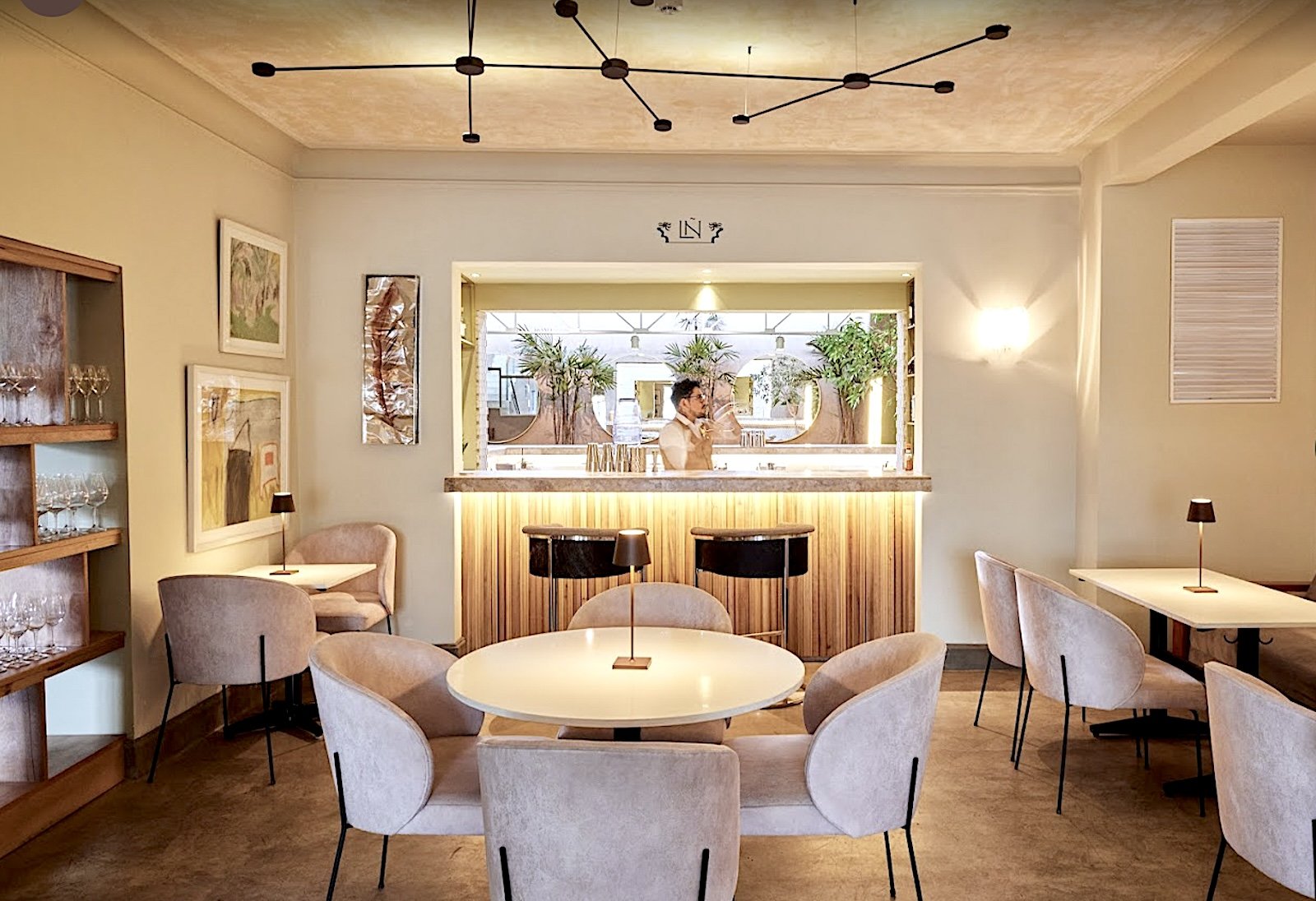
A Different Register in Miraflores
Miraflores, Lima's most polished residential-commercial district, has spent the last two decades accumulating serious restaurants at a rate that has made it one of South America's most competitive dining addresses. The tasting-menu format dominates the premium tier: long, sequenced meals structured around Peru's extraordinary ecological range, as practised at Central (Progressive Peruvian) and Kjolle (Modern Peruvian). La Niña, at Av. Angamos Oeste 598, occupies a different position in that ecosystem. The format here is bistro rather than temple, and the meal is designed around choice and conviviality rather than a fixed, chef-directed sequence.
That distinction matters more than it might first appear. Lima's upper dining tier is weighted toward structured experiences where the kitchen controls the pace entirely. Venues operating in the bistro-with-serious-beverage register — where a strong wine list and cocktail program carry as much weight as the kitchen — are rarer in Miraflores than the concentration of ambitious restaurants might suggest. La Niña's three-star accreditation from the World of Fine Wine Awards signals that its beverage offer is being evaluated at a high level, placing it in a peer set defined more by wine and cocktail depth than by the tasting-menu canon.
The shortlist, unlocked.
Hard-to-book tables, cellar releases, and concierge-planned trips.
Get Exclusive Access →The Bistro as a Ritual Space
The dining ritual at a well-run bistro follows different conventions than the orchestrated progression of a tasting counter. There is no amuse-bouche sequence, no sommelier pairing locked to each course, no sense that the kitchen has pre-determined your evening's arc. Instead, the meal assembles itself through small decisions: what to order and in what order, how long to linger between courses, whether the evening becomes a two-glass or a half-bottle occasion. This is a more active, participatory form of dining than Lima's prestige circuit tends to offer, and it rewards guests who engage with the beverage list from the outset rather than treating it as an afterthought to the food.
The February 2023 relocation and expansion of La Niña , internally referred to as La Niña 2.0 , reorganised the space to give the wine cellar and cocktail bar greater physical and conceptual prominence. In the original configuration, those elements existed but were secondary. The enlarged premises allowed them to be foregrounded, which changes the grammar of a meal here. A guest arriving primarily for a glass of something thoughtful before moving to the dining room is operating within the intended logic of the space, not departing from it. The sequence of drink, then food, then drink again is embedded in how the room is laid out and how the program is structured.
This positions La Niña alongside a broader shift in how serious drinking culture integrates with restaurant dining in Latin American cities. The old model separated the bar from the kitchen as two unrelated attractions. Venues that bring them into conversation , where the sommelier's recommendation and the bartender's knowledge of production regions inform each other , are operating at a more sophisticated level of hospitality. La Niña's expansion reflects an investment in exactly that integration.
Miraflores and Its Culinary Gravity
Understanding where La Niña sits requires understanding what Miraflores has become. The district runs along Lima's Pacific cliffs and contains the highest concentration of internationally recognised restaurants in the country. Maido (Nikkei), which has held a position in the Latin America's 50 Best list for multiple years, operates here. Mayta (Peruvian Modern) and Costanera 700 in Miraflores each represent different facets of the district's appetite for ambition. Cosme in San Isidro, just across the district boundary, extends the same premium dining culture into Lima's financial quarter.
Against that backdrop, La Niña's bistro format is not a lesser proposition , it is a different one, aimed at a guest who wants depth and quality without the ceremony that the tasting-menu circuit demands. That guest exists in considerable numbers in Miraflores, where residents eat out frequently and the weeknight dinner is a habitual social event rather than a special occasion requiring advance planning of weeks or months. The expanded premises accommodate that regularity: this is a space designed for repeated visits rather than once-a-year occasions.
Peru's broader restaurant culture, which has generated institutions across the country including Mil Centro in Moray, Chicha por Gaston Acurio in Cusco, and Cirqa in Arequipa, has produced a dining public that is genuinely engaged with food and drink at a sophisticated level. Lima diners are not passive recipients of chef-directed experiences; many arrive with opinions about natural wine, pisco production methods, and the relative merits of different regional cuisines. A restaurant that invests in its beverage program and trusts its guests to engage with it is working with that culture, not against it.
The Wine Cellar and Cocktail Bar as Editorial Statements
The World of Fine Wine's three-star accreditation, awarded in the context of the venue's expanded 2023 format, functions as an external validation of what La Niña was attempting with its relocation: to be taken seriously as a wine destination, not merely a restaurant with a wine list. That distinction is meaningful. A wine destination is organised around selection, storage, and service in ways that a restaurant wine list , however long , may not be. It implies cellaring decisions, producer relationships, and a floor team trained to discuss vintages rather than simply to pour them.
The cocktail program exists in parallel rather than in competition. Cities with mature bar cultures, from Le Bernardin in New York City's neighbourhood of Midtown to the hospitality circuits of New Orleans where Emeril's in New Orleans operates, have long demonstrated that serious drinking and serious eating reinforce rather than undermine each other. La Niña's expanded format is making the same argument in a Lima context, where the cocktail bar's proximity to the dining room is an architectural statement about the relationship between the two programs.
Planning a Visit
La Niña is located at Av. Angamos Oeste 598 in Miraflores, a walkable address for guests staying in the district's cluster of hotels. The bistro format means the reservation logic differs from the capital's tasting-menu restaurants, where booking windows of several months are standard: a venue operating in this register typically runs a shorter booking horizon, though the expanded 2023 premises have increased capacity. Arriving in the early evening, before the dining room reaches full occupancy, allows for time at the cocktail bar before moving to a table, which is consistent with how the space is intended to be used. For context on the broader Lima dining scene, our full Lima restaurants guide maps the city's current offer across price tiers and formats. Our full Lima hotels guide, our full Lima bars guide, our full Lima wineries guide, and our full Lima experiences guide provide additional planning depth for visitors building an itinerary around the city. For those extending travel beyond Lima, Delfin Amazon Cruises in Iquitos represents a different dimension of Peruvian hospitality entirely. The Central Restaurante remains the most discussed name in Lima's fine dining canon for visitors arriving with a single restaurant booking to make.
Frequently Asked Questions
- What's the signature dish at La Niña?
- The venue's three-star World of Fine Wine accreditation positions it primarily as a wine and cocktail destination, and the cuisine functions as an eclectic bistro offer rather than around a single signature preparation. Specific current menu items are not published in available records, and any dishes circulating in older reviews may not reflect the 2023 La Niña 2.0 format. The most reliable approach is to check directly with the venue on arrival or at the point of booking.
- Can I walk in to La Niña?
- The February 2023 relocation substantially increased the size of the space, which in principle improves walk-in availability compared with the original, smaller premises. That said, Miraflores restaurants at this level of recognition do experience consistent demand, particularly on Thursday through Saturday evenings. The bistro format , without the fixed-length tasting-menu structure , means table turnover is more fluid than at the city's prestige counters like Central, which can work in a walk-in guest's favour. Arriving at the bar first and allowing a table to open is a practical approach that also fits the intended rhythm of the space.
What It’s Closest To
These are the closest comparables we have in our database for quick context.
| Venue | Cuisine | Awards | Notes |
|---|---|---|---|
| La Niña | In February 2023, this eclectic bistro moved premises within Miraflores to open… | This venue | |
| Kjolle | Modern Peruvian | World's 50 Best | Modern Peruvian |
| Mayta | Peruvian Modern | World's 50 Best | Peruvian Modern |
| Mérito | Venezuelan/Fusion | World's 50 Best | Venezuelan/Fusion |
| Fiesta | Contemporary Peruvian | Contemporary Peruvian | |
| Isolina Taberna Peruana | Peruvian | Peruvian |
Need a table?
Our members enjoy priority alerts and concierge-led booking support for the world's most difficult tables.
Get Exclusive AccessThe shortlist, unlocked.
Hard-to-book tables, cellar releases, and concierge-planned trips.
Get Exclusive Access →