La Muña
.png)
La Muña holds a Michelin Plate recognition (2025) and a Google rating of 4.4 across 354 reviews, placing it among Zermatt's more critically noted fusion addresses at the €€€ price point. The kitchen draws on cross-cultural technique in a resort town where Alpine tradition tends to dominate menus. For visitors who want serious cooking without committing to the top-tier pricing of Zermatt's starred properties, it occupies a considered middle ground.
 Discover on Pearl
Pearl is the En Primeur Club membership app — saves, bookings, and concierge access live there. Same editors, same standards.
- Address
- Utoquai 45, 8008 Zürich, Switzerland
- Phone
- +41 44 266 25 25
- Website
- lareserve-zurich.com
Where Fusion Finds Its Footing in an Alpine Resort Town
Zermatt's dining identity has long been defined by altitude and tradition: raclette stations, rösti-heavy mountain huts, and the occasional white-tablecloth Alpine room where game and cheese do most of the work. Against that backdrop, the town's small cluster of fusion-forward restaurants operates as something of a counter-programme. La Muña sits in that group, with a Google rating of 4.4 from 412 reviews and a price point of about $115 per person.
The Michelin Plate is a specific signal worth parsing. It does not indicate a star, but it does mean Michelin's inspectors found the cooking worth singling out for quality. In Switzerland, where the guide is applied with considerable rigour, see the three-starred Hotel de Ville Crissier in Crissier or the two-starred Schloss Schauenstein in Fürstenau at one end and a long tail of unrecognised properties at the other, a Plate places La Muña in a documented tier above the unremarked majority. For a fusion kitchen in a ski resort, that recognition is harder to earn than it sounds.
The Competitive Position: Fusion at the €€€ Mark
Within Zermatt's restaurant scene, the pricing tiers are telling. At the leading end, After Seven and Brasserie Uno both carry Michelin stars and operate at the €€€€ level, the resort's premium bracket, where a full dinner with wine will represent a significant outlay. La Muña operates at €€€, and a meal is about $115 per person, which makes it a frequent-dinner option rather than a special-occasion splurge.
That positioning matters for how you read the 4.4 Google score. A fusion restaurant at €€€ in an Alpine resort draws a wide range of diners, and maintaining a 4.4 across 412 reviews suggests the kitchen delivers consistently across different expectations.
For context within the Swiss fusion and cross-cultural cooking space, it is worth noting how the category plays out elsewhere in the country. Cheval Blanc by Peter Knogl in Basel and Memories in Bad Ragaz represent the starred end of the spectrum in their respective cities. La Muña operates in a different register, in a different kind of town, but the Michelin acknowledgement places it in legitimate conversation with Switzerland's broader critical dining map. Further afield, fusion formats have evolved significantly in recent years: Ajonegro in Logroño and Arkestra in Istanbul both illustrate how the category has moved away from simple ingredient mixing toward more rigorous cross-cultural technique. La Muña's Plate recognition suggests it is working in that more considered direction.
What the Awards Signal About the Kitchen
Michelin's Plate category was formalised to acknowledge restaurants producing good cooking that falls short of star criteria, often because the overall experience, room, service, consistency across seasons, is still developing, or because the format is more casual than the star system rewards. For a fusion kitchen in a mountain resort, where seasonal staffing and a tourist-heavy clientele can make consistency challenging, earning that acknowledgement points to a kitchen that has found its footing rather than one coasting on location.
The fusion category in Switzerland's resort towns has historically attracted a certain amount of scepticism: menus assembled from global ingredients without clear editorial logic, or Asian-European crossovers that flatten both traditions. The Michelin Plate at La Muña indicates inspectors found something more deliberate at work. What specifically distinguishes the cooking is not documented in the publicly available record, and this page will not speculate on dish details or flavour profiles that cannot be verified. What the award does confirm is that the kitchen's approach cleared a bar that most restaurants in its category and location do not.
Those seeking Zermatt's most celebrated mountain cooking in a distinctly regional register will find Chez Vrony operating in a different mode entirely, rooted in Valais tradition and widely regarded as one of the resort's most distinctive addresses. At the more experimental end of the local creative spectrum, Alpine Gourmet Prato Borni and Aroleid Restaurant offer creative menus that draw on Alpine produce with contemporary technique. La Muña's fusion orientation gives it a different reference point altogether, one that looks outward from the valley rather than deeper into it.
Planning Your Visit
La Muña prices at €€€, which in Zermatt's context sits clearly below the starred-room investment of After Seven or Brasserie Uno but above the casual mountain-lunch tier. It holds a 2025 Michelin Plate, which means it is on the guide's current radar and subject to ongoing assessment. The Google score of 4.4 across a substantial 354-review base suggests reliability rather than volatility.
On the question of reservations: Zermatt is a resort town with finite dining capacity and a high proportion of hotel guests who plan meals in advance, particularly in peak ski season (December through March) and the summer alpine season (July through August). Reservations are recommended.
For a fuller picture of dining in the resort, our full Zermatt restaurants guide maps the scene across categories and price points. If you are building a longer stay, our Zermatt hotels guide covers the accommodation spectrum, while bars, wineries, and experiences round out the broader visit. For mountain dining at altitude that takes the cooking seriously, and has the Michelin acknowledgement to back it up, La Muña is among the clearer choices in Zermatt's €€€ tier. Also worth noting for context: 7132 Silver in Vals and Colonnade in Lucerne represent the kind of Swiss dining ambition that the country's broader scene has been building toward, and situate La Muña's recognition within a national conversation about where serious cooking happens outside the major cities.
Price and Positioning
Comparable venues nearby, for context on price, style, and recognition.
| Venue | Cuisine | Price | Awards | Notes |
|---|---|---|---|---|
| La Muña | Bahnhofstrasse, Japanese-Peruvian Fusion | $$$$ | Michelin Plate | |
| Potato-FINE FOOD RESTAURANT | Bahnhofstrasse, Modern Swiss Fine Dining | $$$$ | Michelin Plate | |
| Lusi Brasserie | $$$ | Michelin Plate | Zermatt village center, French Brasserie with Alpine Influences | |
| Zermatt Kitchen | $$$ | Michelin Plate | historic heart, French-Asian Fusion with Vietnamese Evenings | |
| Marmo | Furi, Modern Alpine | $$$ | Michelin Plate | |
| Bazaar | $$$$ | Bib Gourmand | Riedweg, Eastern-Inspired Vegetarian Fusion |
At a Glance
- Elegant
- Cozy
- Sophisticated
- Intimate
- Date Night
- Special Occasion
- Hotel Restaurant
- Craft Cocktails
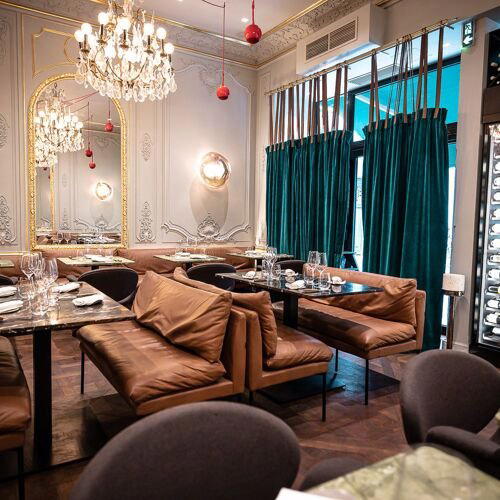
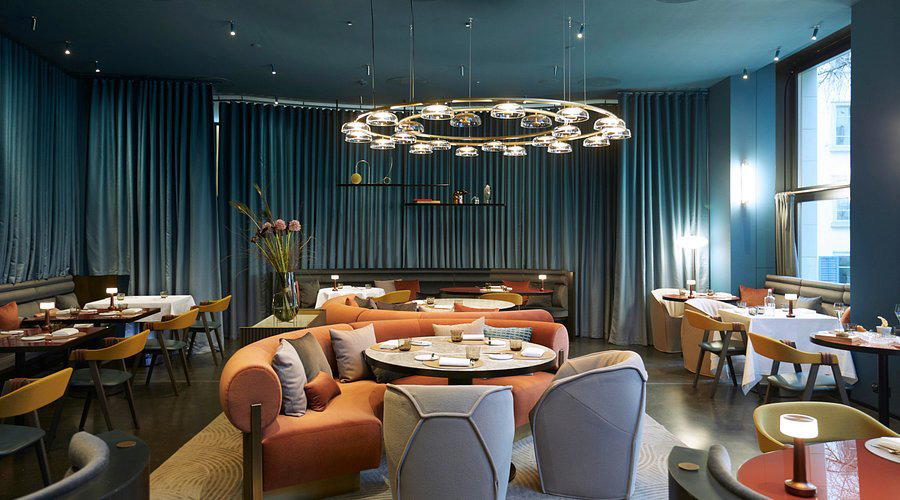
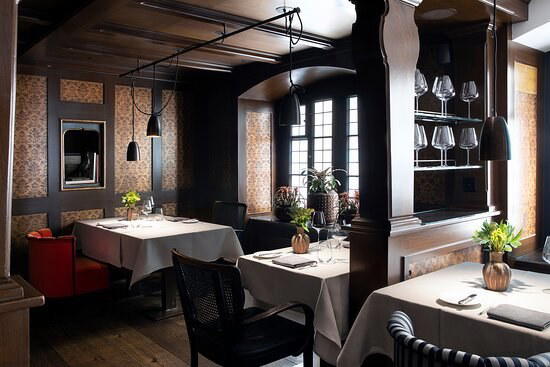
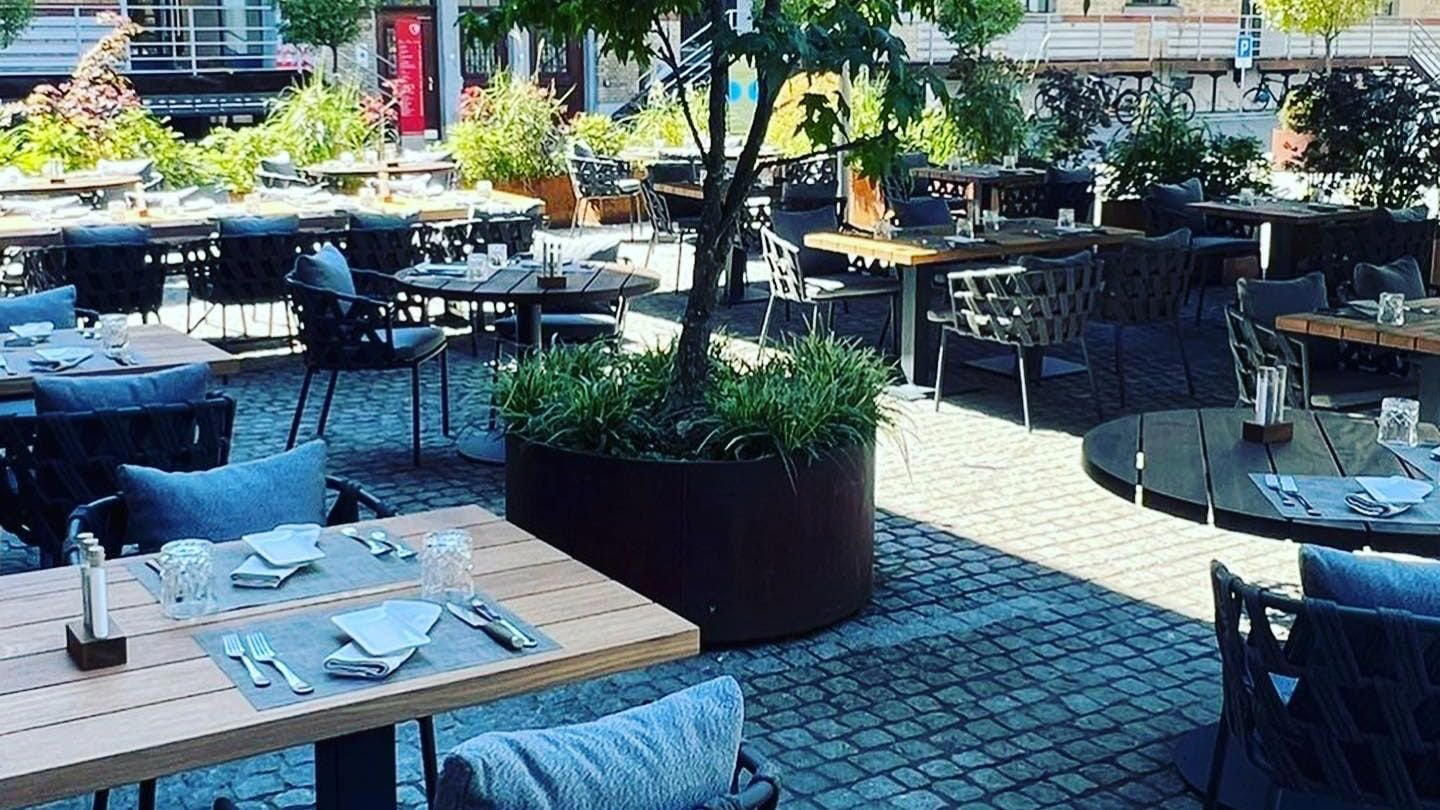
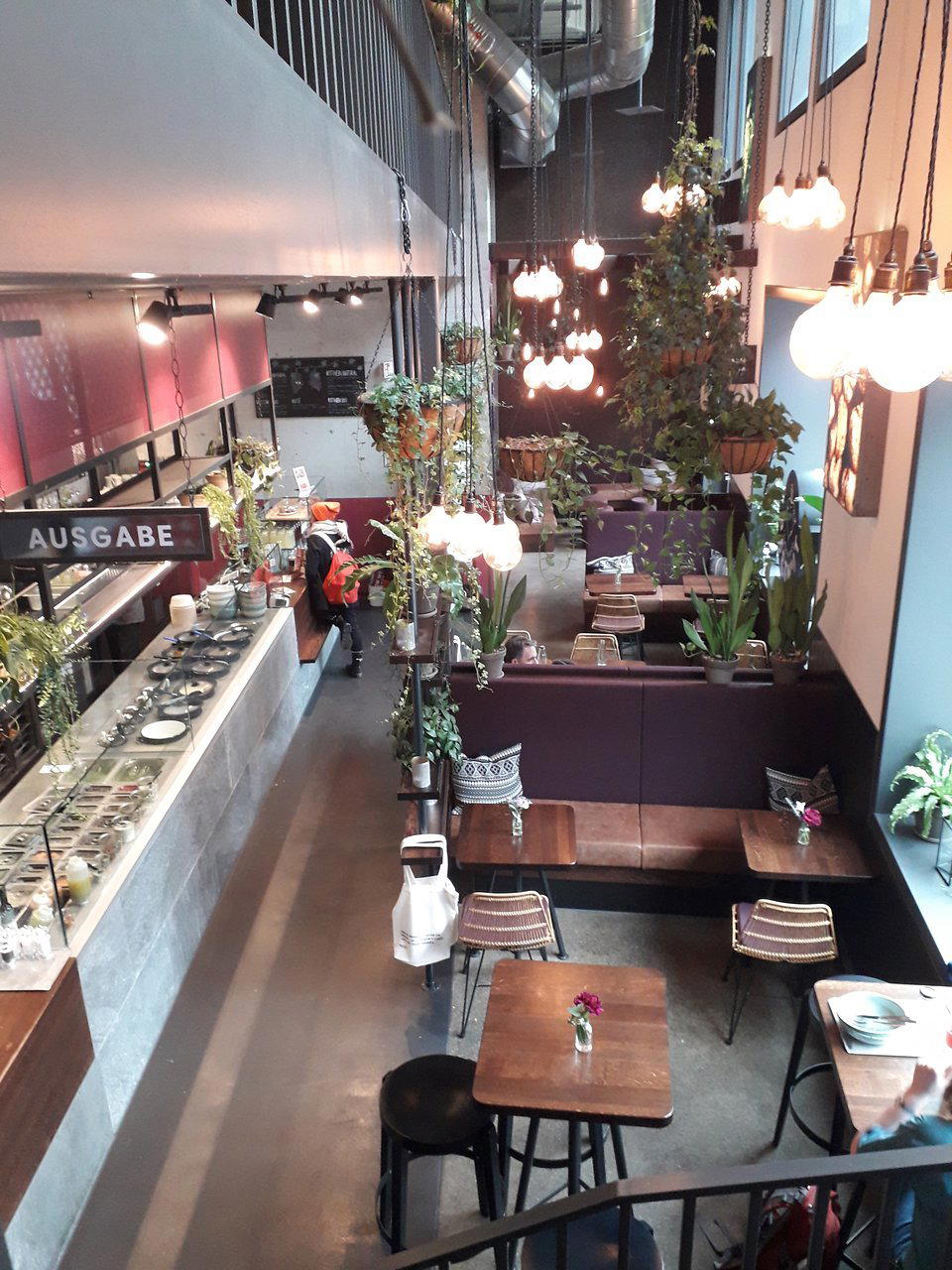
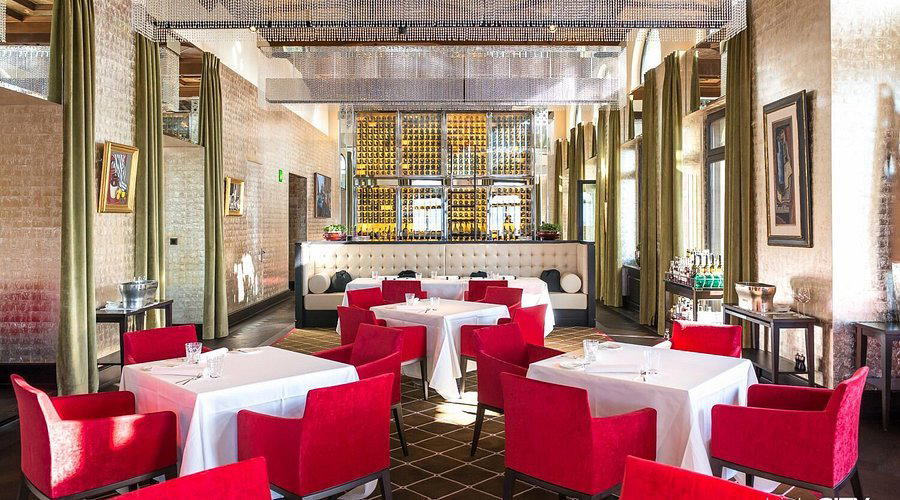
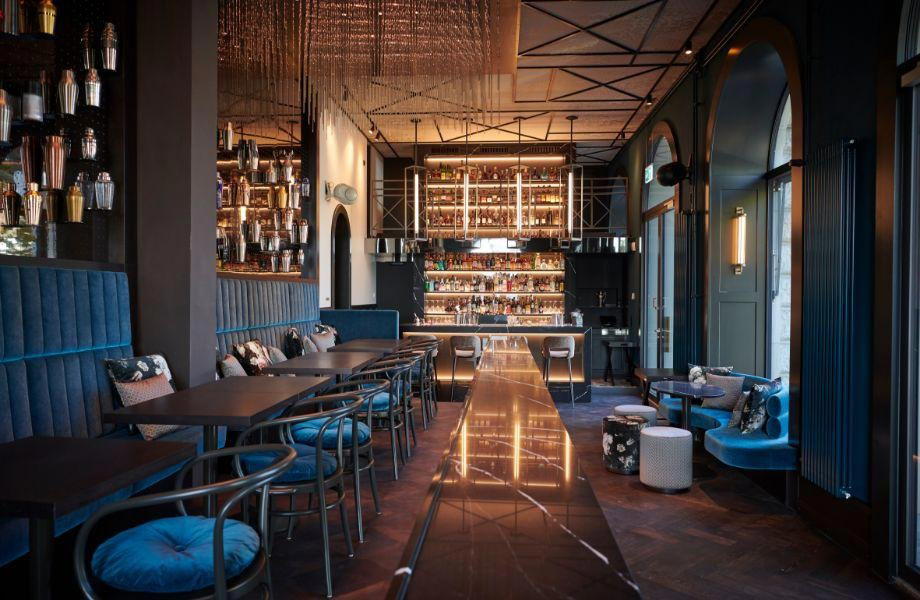
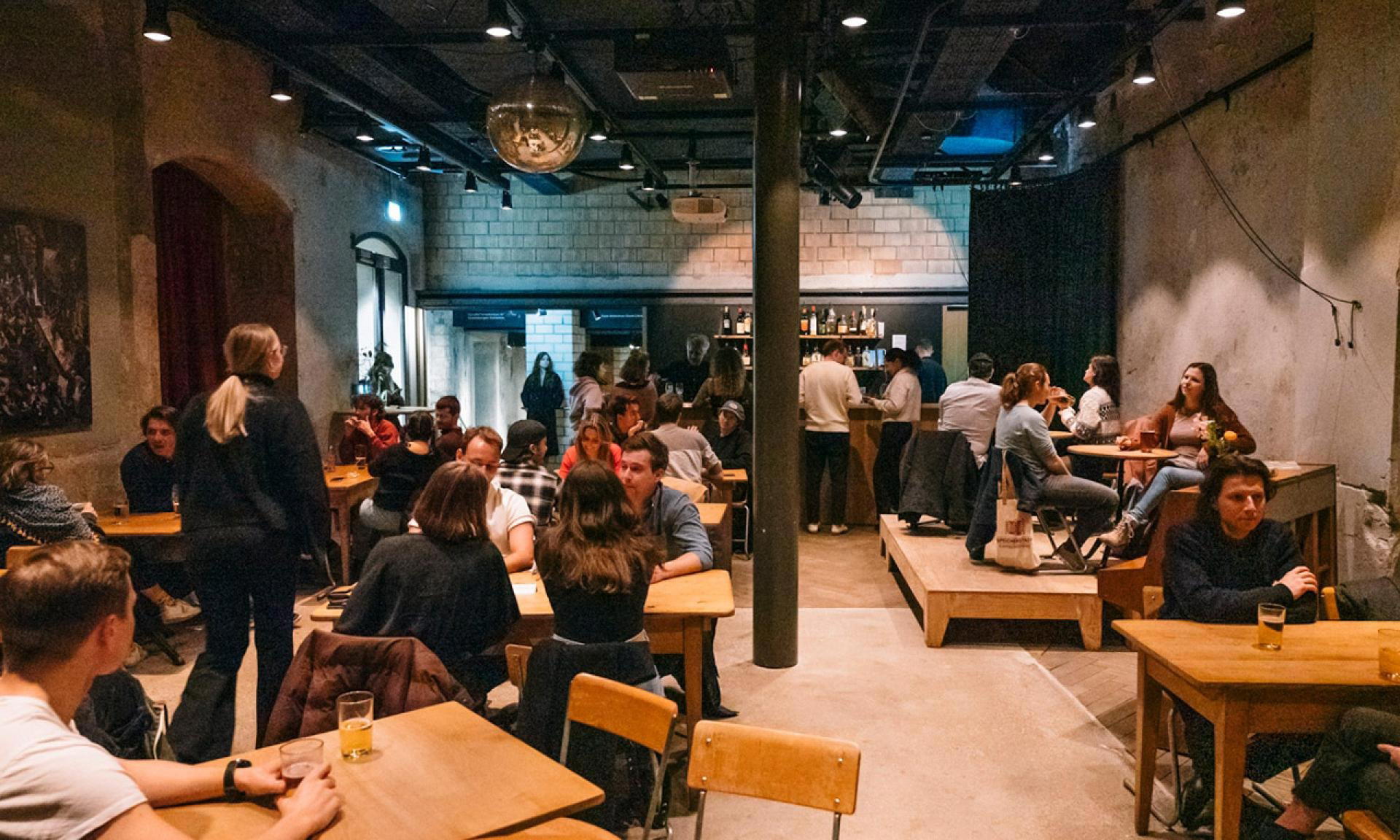
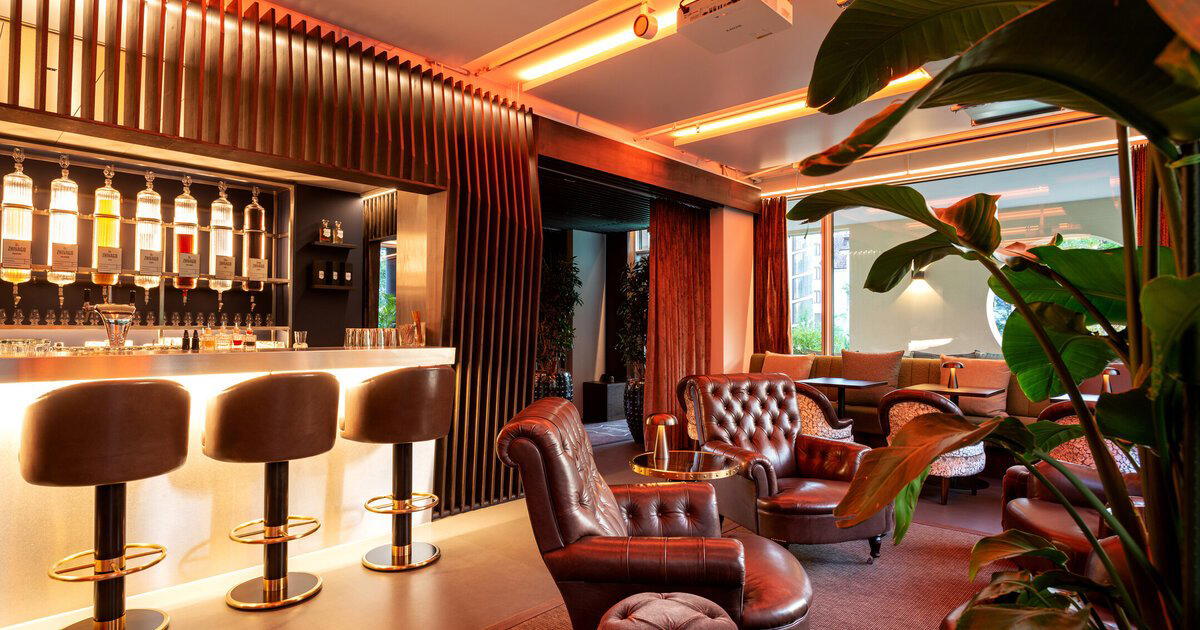
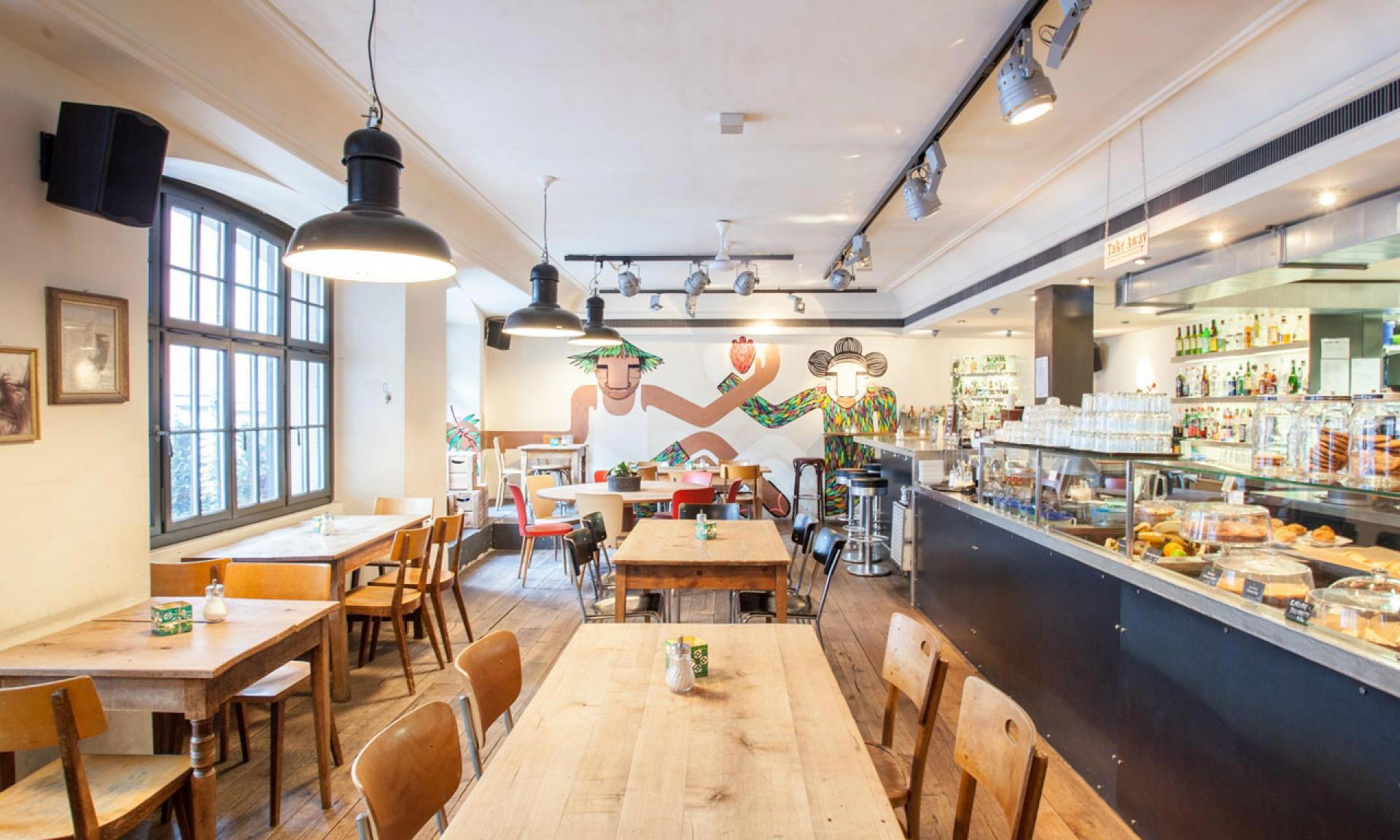
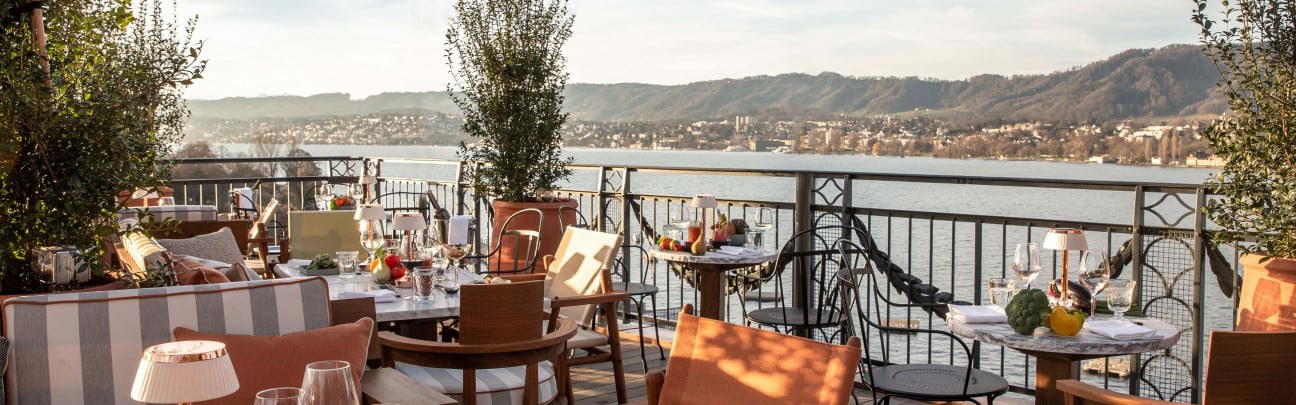
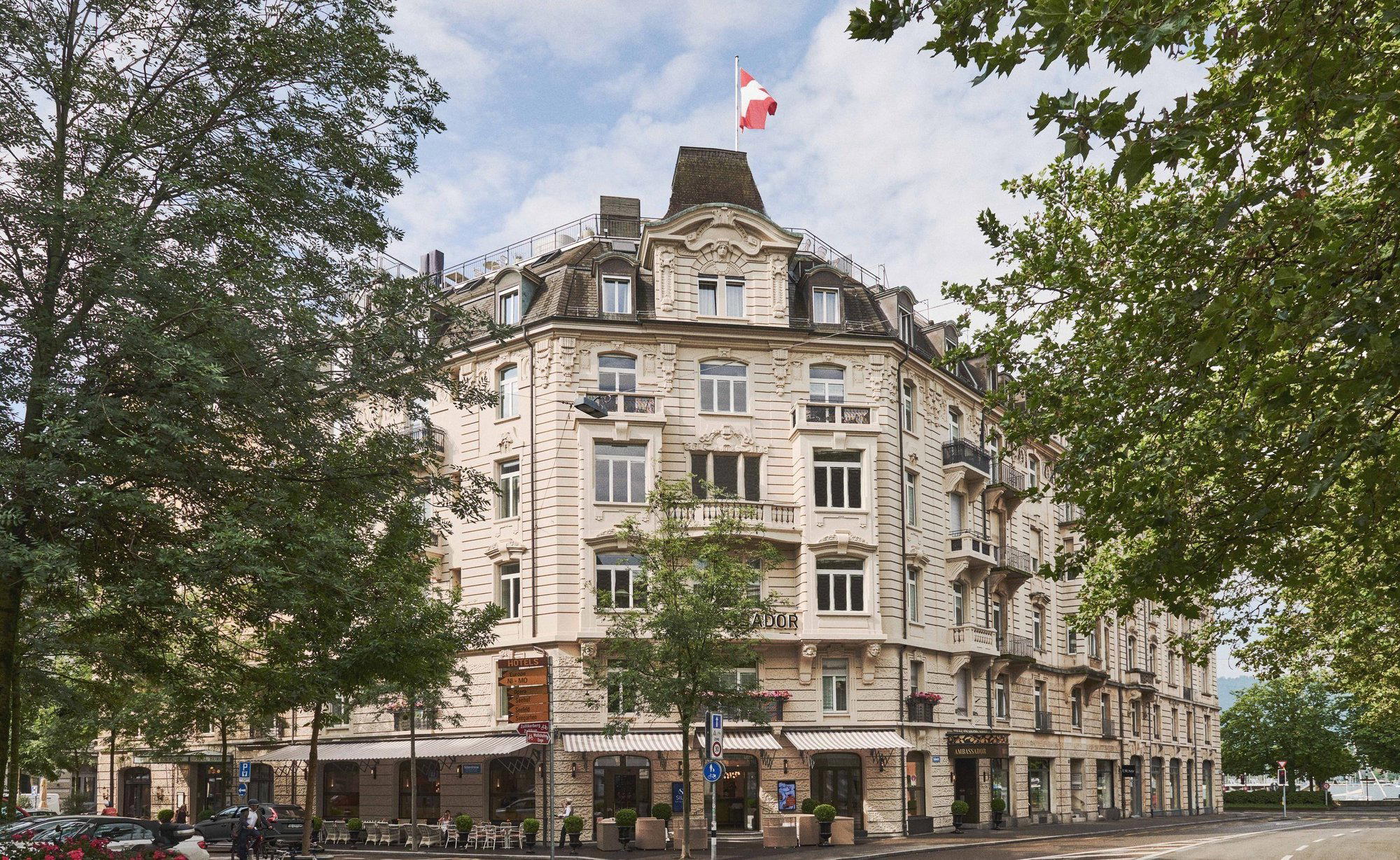
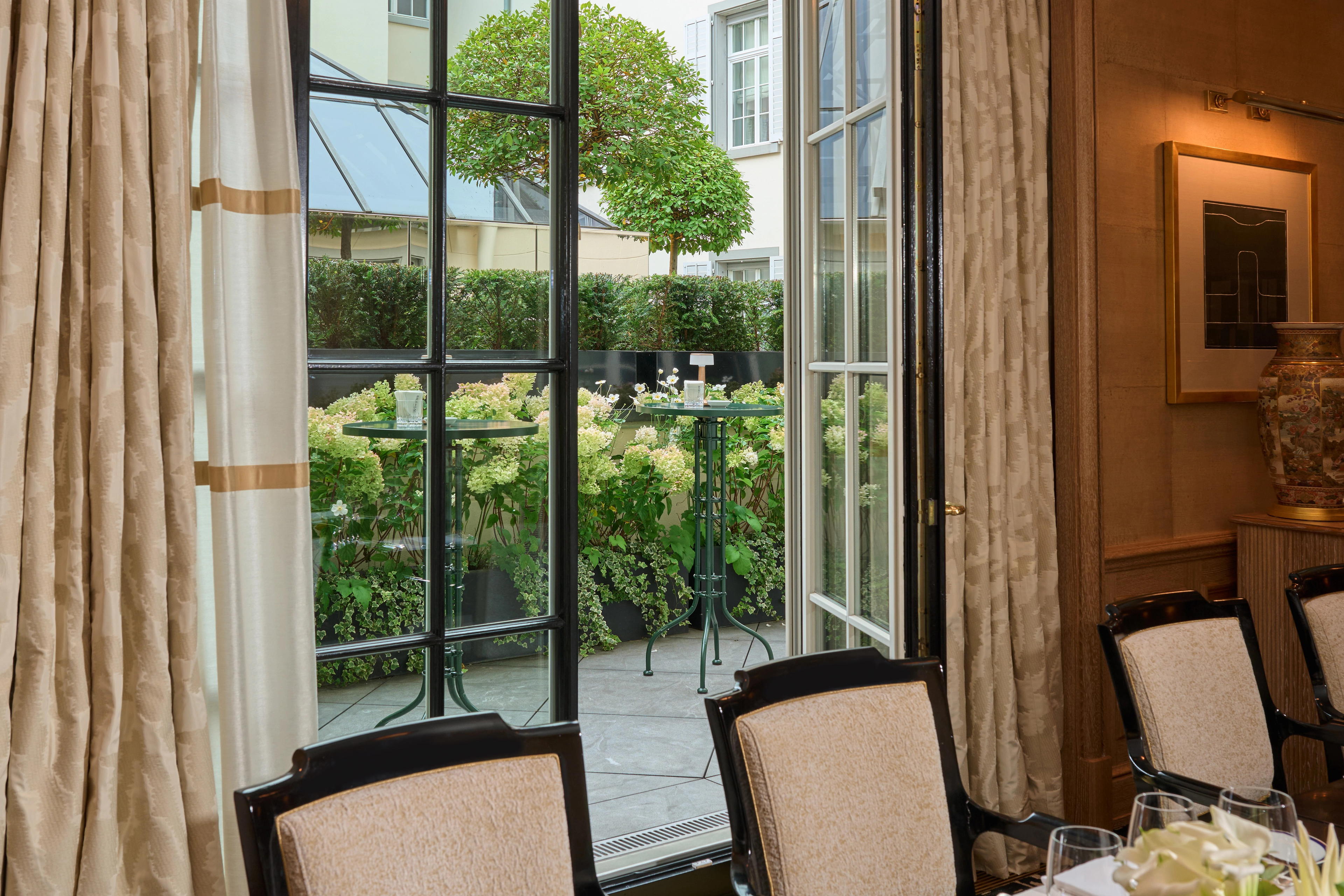
Warm wood tones, elegant decor blending alpine charm and urban chic, with cozy sofa seating and pleasant evening atmosphere.