Ambassador Zurich Hotel
Small Luxury Hotels of the World Member
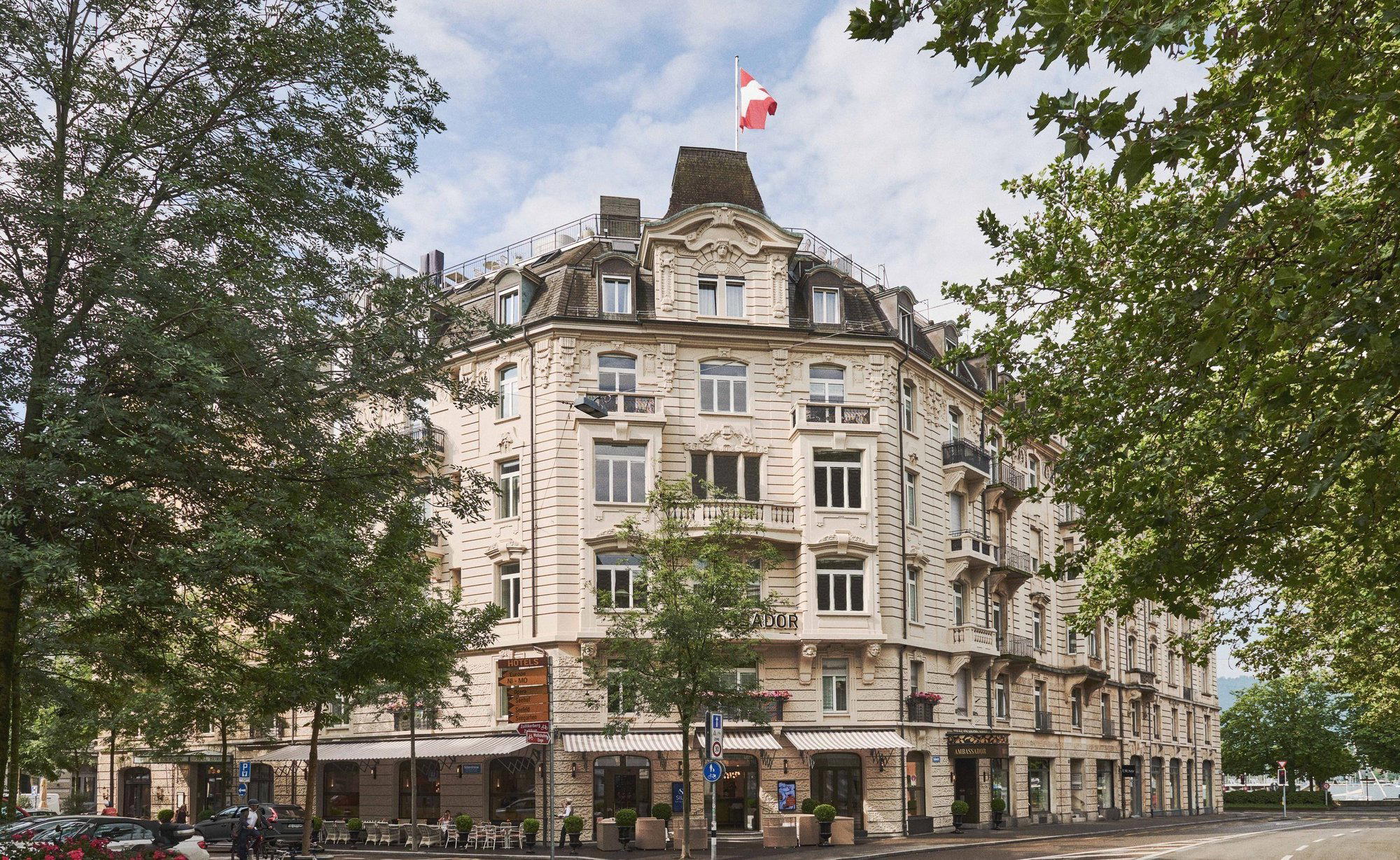
A neo-baroque property on Falkenstrasse 6 in Zurich's culturally active Seefeld district, Ambassador Zurich Hotel sits within walking distance of the lake shore. Its architecture carries the ornamental weight of a late-nineteenth-century civic building, while interiors have been updated to a quieter, contemporary register. Each room carries a distinct character, making it a considered alternative to the city's larger luxury addresses.

Pearl is the En Primeur Club membership app, where members save venues, book tables and use the concierge.
Seefeld, the Lake, and the Question of Where to Stay in Zurich
Zurich's hotel market divides along a familiar axis. On one side sit the grand institutional addresses Baur au Lac, The Dolder Grand, La Réserve Eden au Lac Zurich, properties whose identity is inseparable from their scale and their accumulated prestige. On the other sit smaller, architecture-led properties that compete less on floor count and more on neighbourhood character and the specific texture of a building. Ambassador Zurich Hotel occupies the latter position. Housed in a neo-baroque structure on Falkenstrasse 6 in the Seefeld district, it operates in a part of the city where the density of galleries, independent restaurants, and lakeside access creates a different kind of daily rhythm than the financial-quarter hotels a few tram stops west.
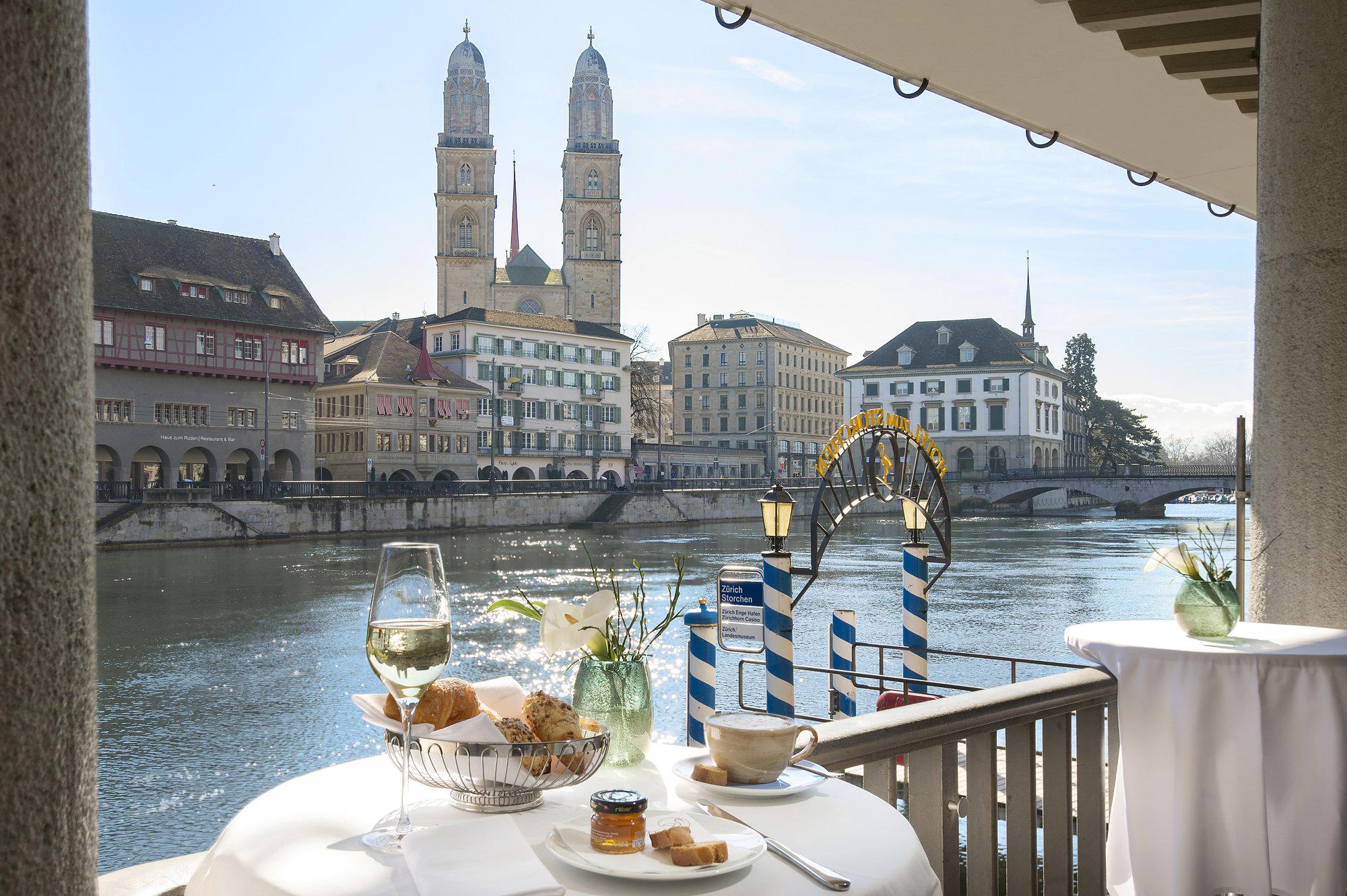
That distinction matters more than it might first appear. Seefeld sits between the Limmat's eastern banks and Lake Zurich's northern shore, and the neighbourhood's character has long been shaped by proximity to water and cultural institutions rather than corporate infrastructure. Staying here means the lake is walkable, not a taxi ride. The choice of district is itself an editorial statement about how a guest intends to use the city.
Architecture as Orientation
Neo-baroque as a building type carries a specific set of implications. The style, popular across central European cities in the latter decades of the nineteenth century, prioritised civic legibility: ornamental facades, considered proportions, and a sense of permanence that distinguished cultural and commercial institutions from ordinary residential stock. Properties that survive in this register carry that weight whether they choose to or not. The Ambassador's building places it in a peer conversation with properties like the Widder Hotel, which similarly works within the constraints and character of historic Zurich architecture, rather than with purpose-built contemporary addresses.
The interior approach, contemporary design inside a period envelope, is a format that has become a studied response to the challenge of historic properties across Switzerland and beyond. The goal is usually to prevent the building from becoming a museum piece while retaining enough of its original register to justify the architecture as a selling point rather than merely a structural fact. At the Ambassador, the stated approach is that each room carries its own distinct ambiance, which positions the property closer to a boutique model than a standardised hotel block. For travellers who find repetition in room format a minor grievance, that differentiation has practical value.
The Lake as Amenity
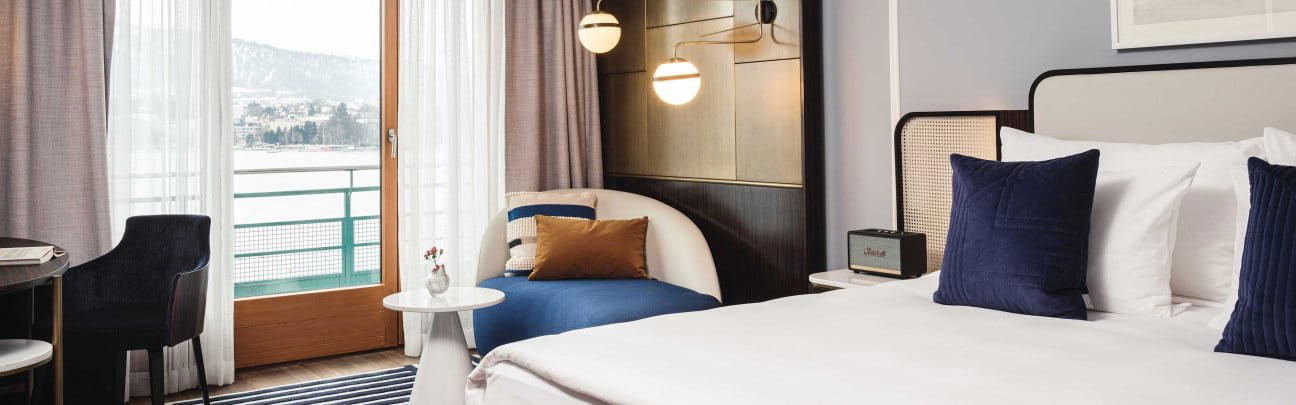
Proximity to Lake Zurich is the property's clearest geographic asset. The lake shore is within steps of the hotel, and the option to hire a boat and take directly to the water represents a form of outdoor access that most city-centre hotels in Zurich cannot replicate without a transfer. This matters in the context of how Zurich's premium hotel market has evolved: amenity competition has increasingly shifted toward curated local access, what the immediate neighbourhood can offer, as much as in-house facilities.
In sustainability terms, lake proximity also aligns with a broader shift in how considered travellers approach urban stays. Active water access, walkable neighbourhood geography, and a hotel footprint that doesn't require guests to commute to experience the city all reduce the logistical overhead of a trip without reducing its depth. Switzerland's rail infrastructure, among the densest and most punctual in Europe, means that guests arriving at Zurich HB and reaching Seefeld by public transport is a realistic and preferable option to private transfers. The district's walkability then does the rest.
Where Ambassador Sits in Zurich's Wider Hotel Field
Zurich's premium accommodation market is well-stocked, and the competitive context is worth mapping clearly. At the top of the city's prestige hierarchy, Baur au Lac and The Dolder Grand occupy their own tier by reputation and scale. Design-forward properties with a younger sensibility, like 25hours Hotel Zürich Langstrasse and 25hours Hotel Zürich West, compete on creative programming and neighbourhood energy in the western districts. Smaller character properties, including Helvetia and Widder Hotel, operate in their own niche around historic fabric and curated atmosphere. Ambassador fits within this last group, a property where the building and its specific location carry more editorial weight than brand infrastructure.
For travellers comparing it against larger Swiss properties further afield, the context shifts again. Properties like Badrutt's Palace Hotel in St. Moritz, Beau-Rivage Palace in Lausanne, or Grand Resort Bad Ragaz operate at a different scale and with a different set of in-house amenities. Ambassador is a city hotel, not a resort, and it functions leading when evaluated in that frame: as a base for engaging with Zurich rather than as a destination that replaces it. For those whose Swiss itinerary extends beyond the city, properties like Beau-Rivage Geneva, The Alpina Gstaad, 7132 Hotel in Vals, CERVO Mountain Resort in Zermatt, Castello del Sole in Ascona, Grand Hotel Kronenhof in Pontresina, Bürgenstock Resort, Guarda Golf Hôtel in Crans-Montana, Hotel Les Trois Rois in Basel, and Boutique Hotel Restaurant Krone Regensberg each represent distinct alternatives by geography and character. And for international comparisons outside Switzerland, Aman New York, The Fifth Avenue Hotel, and Aman Venice occupy analogous positions in their own markets, smaller-footprint, architecture-defined properties operating above the midscale tier without the branded infrastructure of the large chains. Hotel Atlantis by Giardino provides another Zurich-specific reference point in the design-led boutique tier.
Planning a Stay
The hotel sits at Falkenstrasse 6 in the 8008 postal district, Zurich's Seefeld quarter. The area is served by tram connections to the main station and the city centre, and the lake shore is accessible on foot. Guests arriving without a car will find the neighbourhood well-integrated with the city's public transport network, consistent with Switzerland's generally high standard for urban transit. For restaurant and dining context across the city, our full Zurich guide covers the major neighbourhoods and eating categories in detail.
Price and Positioning
Comparable venues nearby, for context on price, style, and recognition.
| Venue | Price | Awards | Notes |
|---|---|---|---|
| Ambassador Zurich HotelThis venue (the venue you are viewing) | $200–300 | Small Luxury Hotels of the World Member | Not listed |
| 25hours Hotel Zürich West | $200–300 | Michelin Selected | Industriequartier, Sport-themed boutique hotel in a former industrial area. |
| AMERON Zurich Bellerive au Lac | $300–500 | Michelin Selected · Mr & Mrs Smith Seal of Approval | Riesbach, Revived 1920s Art Deco with urban Mediterranean flair |
| The Home Hotel Zürich | $200–300 | Michelin Selected · Design Hotels Member | Albisgutli, Contemporary urban design hotel inspired by Dada movement and Zurich's creative energy. |
| Hotel Glockenhof | $300–500 | Not listed | Aussersihl, Modern 4-star urban hotel with historic charm and green courtyard oasis |
| Townhouse Boutique Hotel Zurich | $200–300 | Michelin Selected | Old Town, English townhouse boutique in the heart of Zurich's Old Town |
Recognition history
Dated appearances from independent guides and award organizations, with the underlying list record or original source where available.
Small Luxury Hotels of the World Member
Small Luxury Hotels of the World
Continue exploring
More in Zürich
Hotels in Zürich
All hotels in Zürich →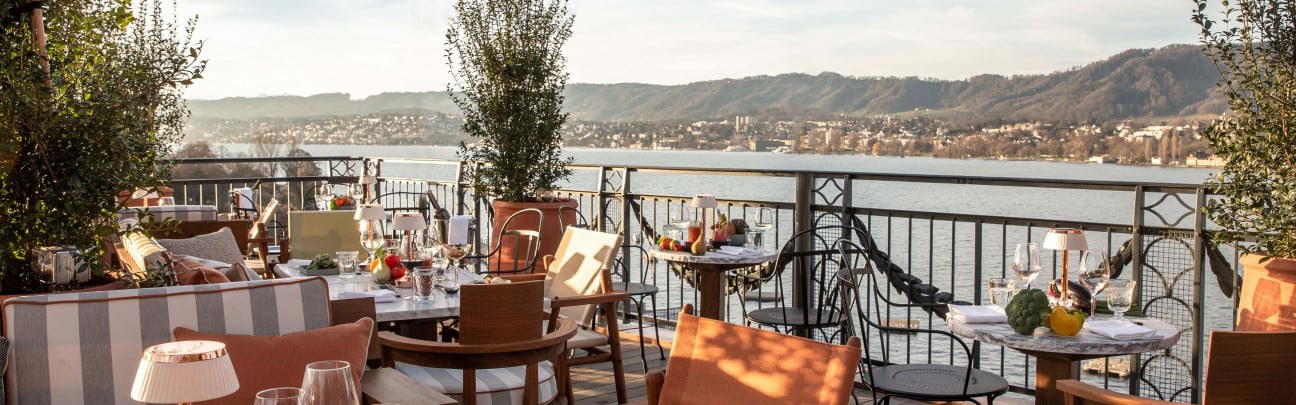
Bars in Zürich
All bars in Zürich →
Restaurants in Zürich
All restaurants in Zürich →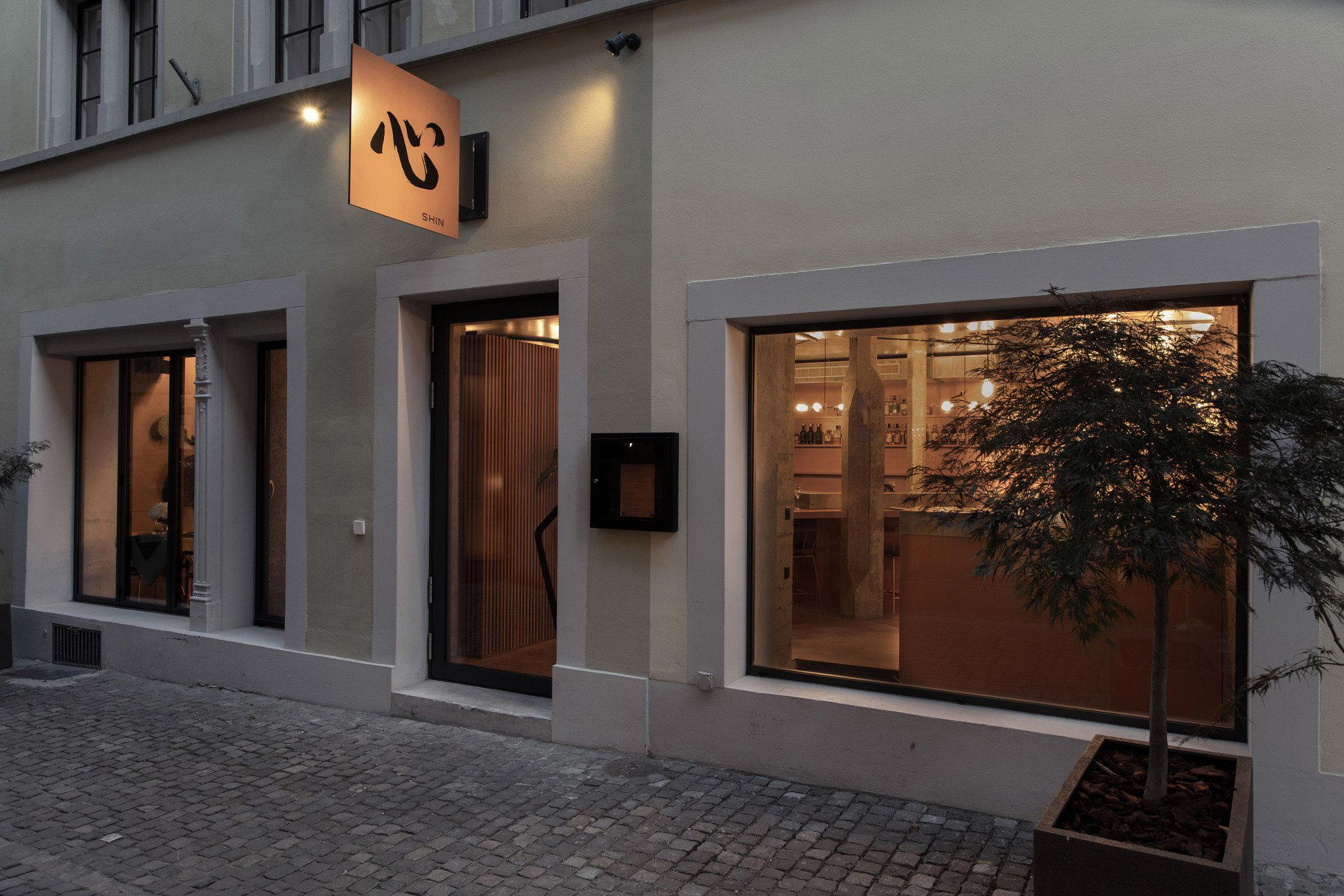

Details
- Elegant
- Sophisticated
- Classic
- Romantic
- Cozy
- Romantic Getaway
- Business Trip
- Anniversary
- Weekend Escape
- Waterfront
- Historic Building
- Panoramic View
- Wi Fi
- Restaurant
- Bar
- Room Service
- Concierge
- Business Center
- Valet Parking
- EV Charging
- Airport Shuttle
- Waterfront
- Street Scene
- Mountain
- Elevator
- Wheelchair Accessible
- Accessible Restroom
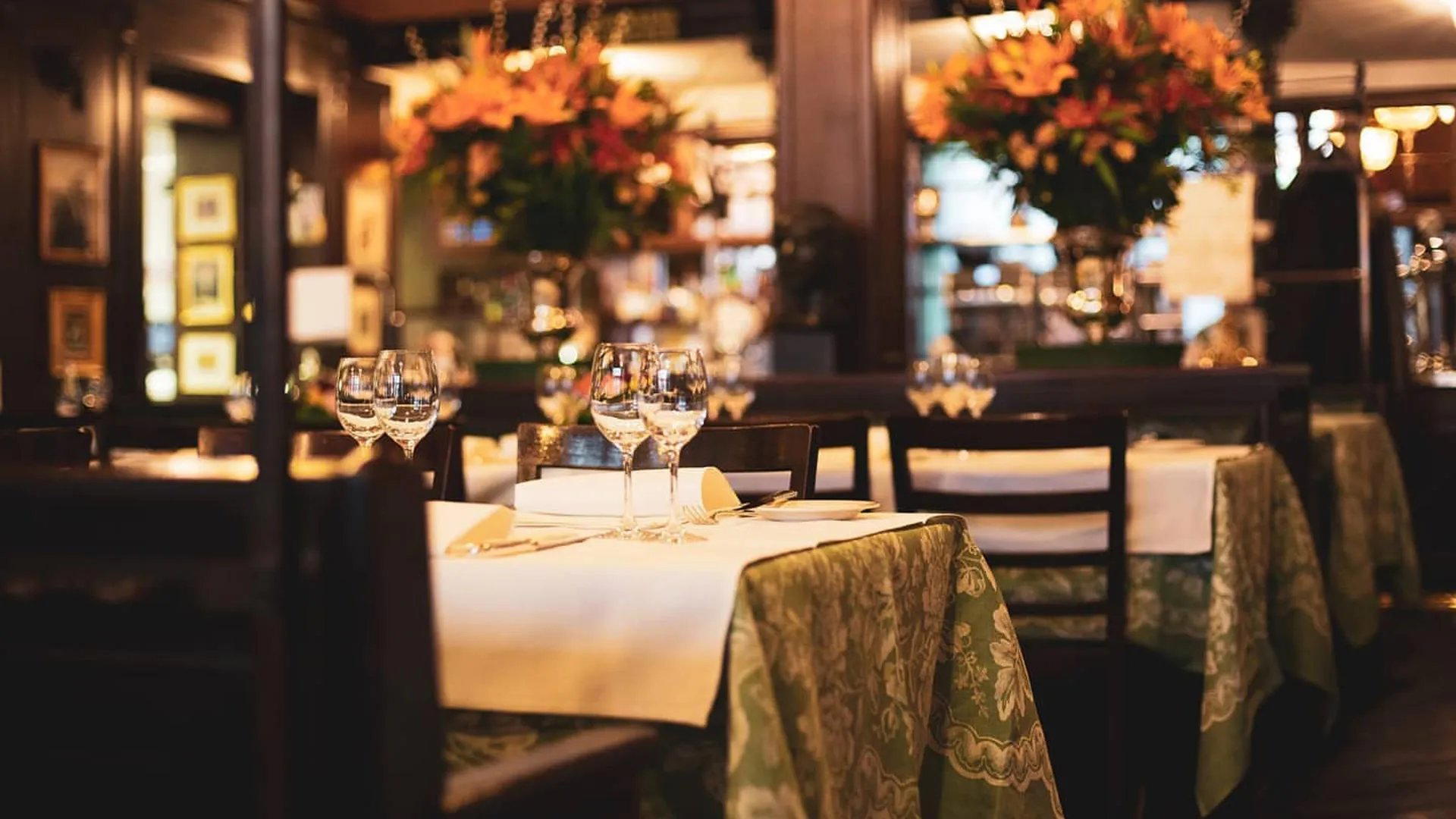
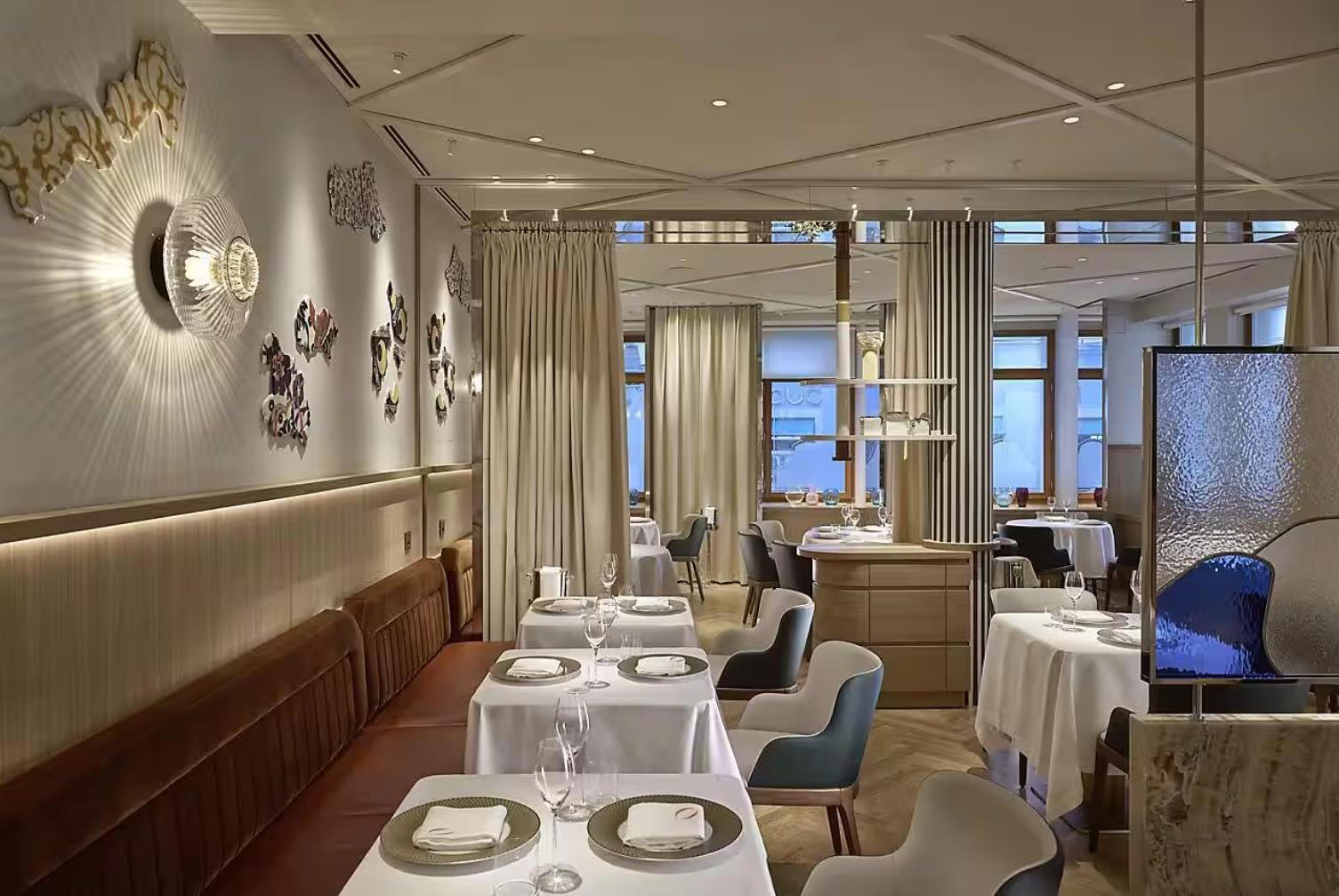
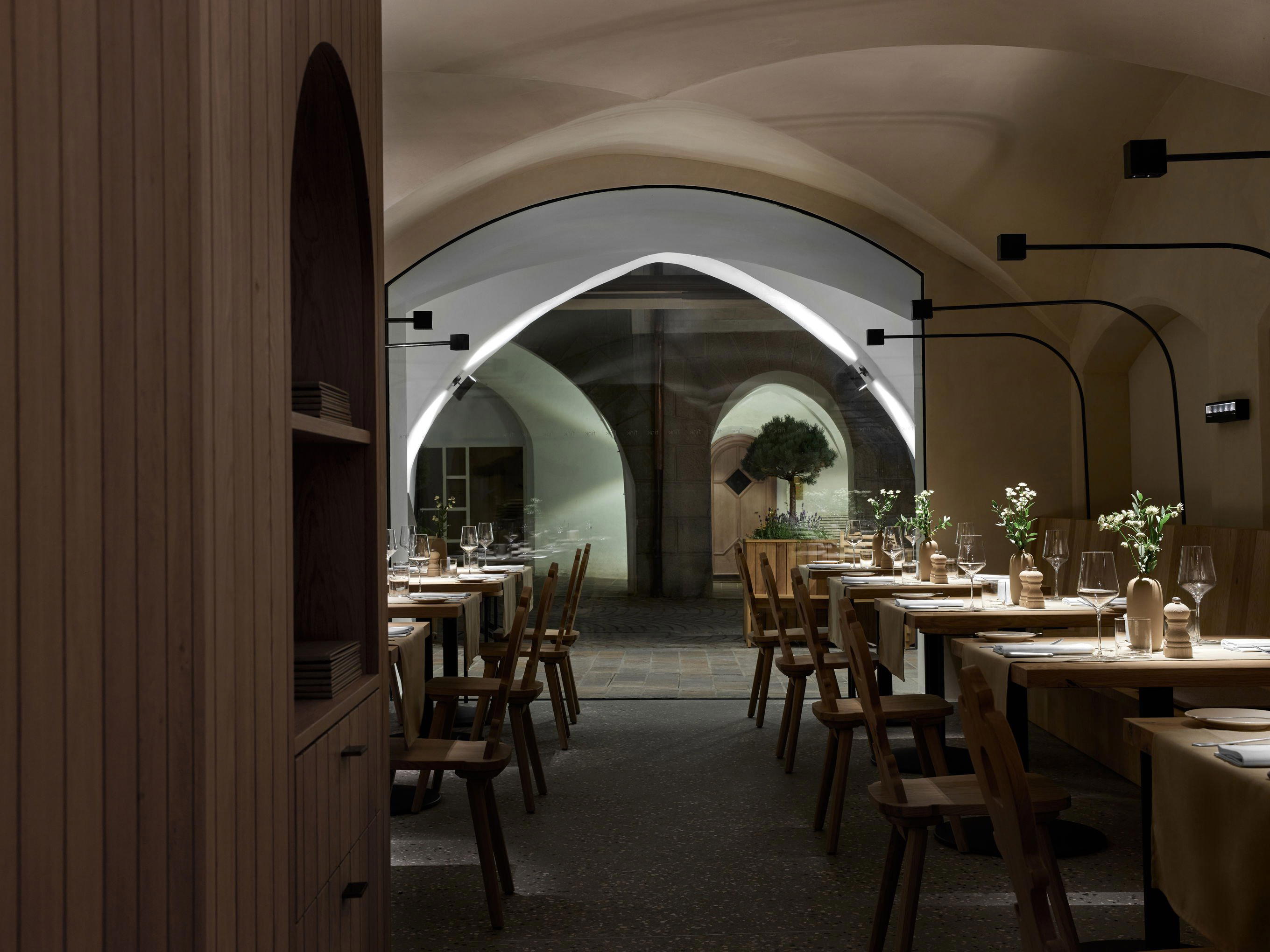
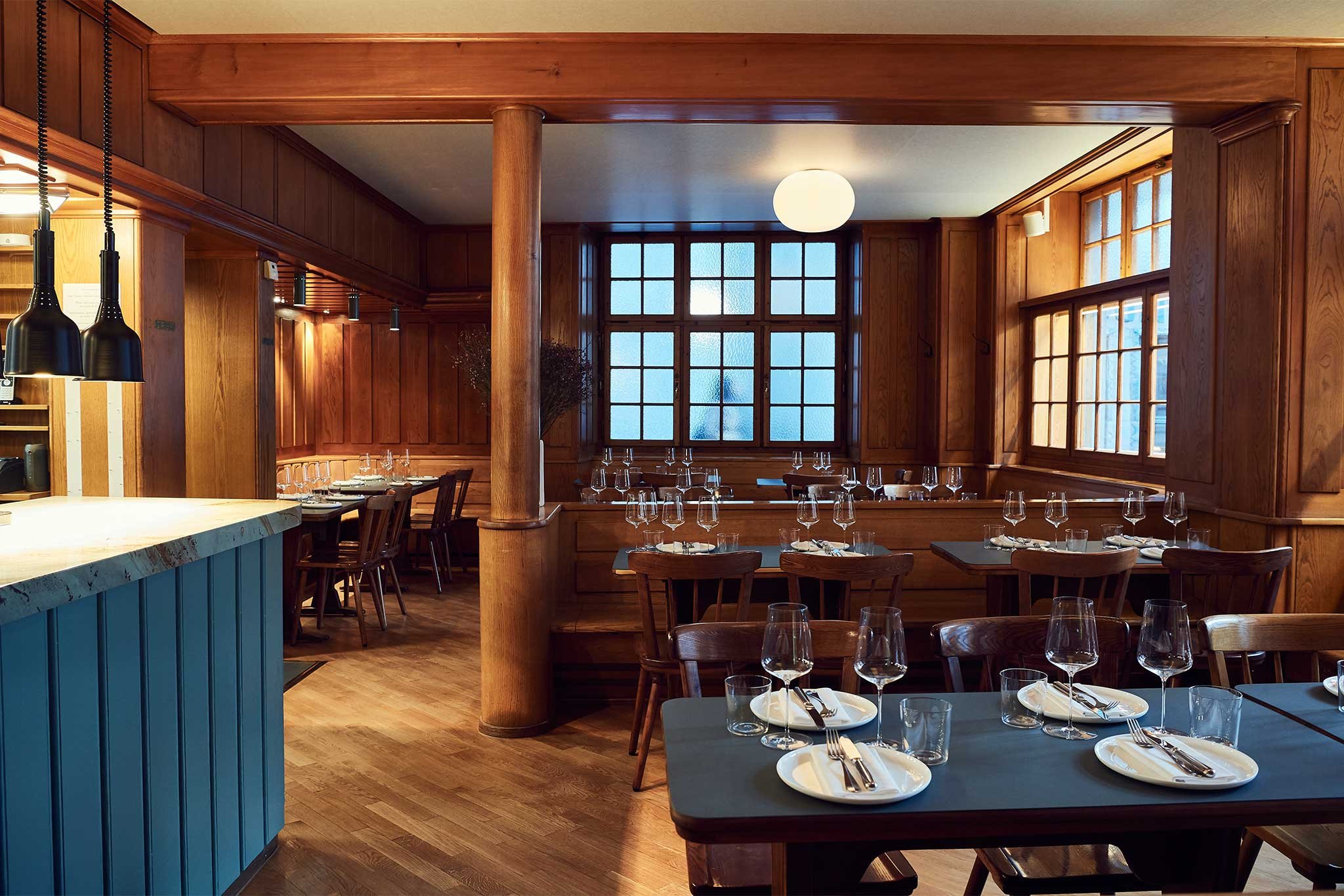
Elegant and refined with warm, sophisticated tones; guests describe the lobby as small and pretty with boutique character, featuring a 1940s-inspired cafe aesthetic with classical European charm blended with contemporary comfort.