Barrio Café
Our verdict
Barrio Café sits on Avenida Sonora in Cuauhtémoc, a neighbourhood where Mexico City's everyday dining culture runs deep. The kitchen draws on regional Mexican traditions rather than the tasting-menu format that defines the city's Michelin-tier circuit, placing it in a different conversation from Pujol or Quintonil and closer to the neighbourhood cantina tradition, though with evident culinary ambition. Visitors looking for context-driven, regionally rooted cooking will find it here.

Pearl is the En Primeur Club membership app, where members save venues, book tables and use the concierge.
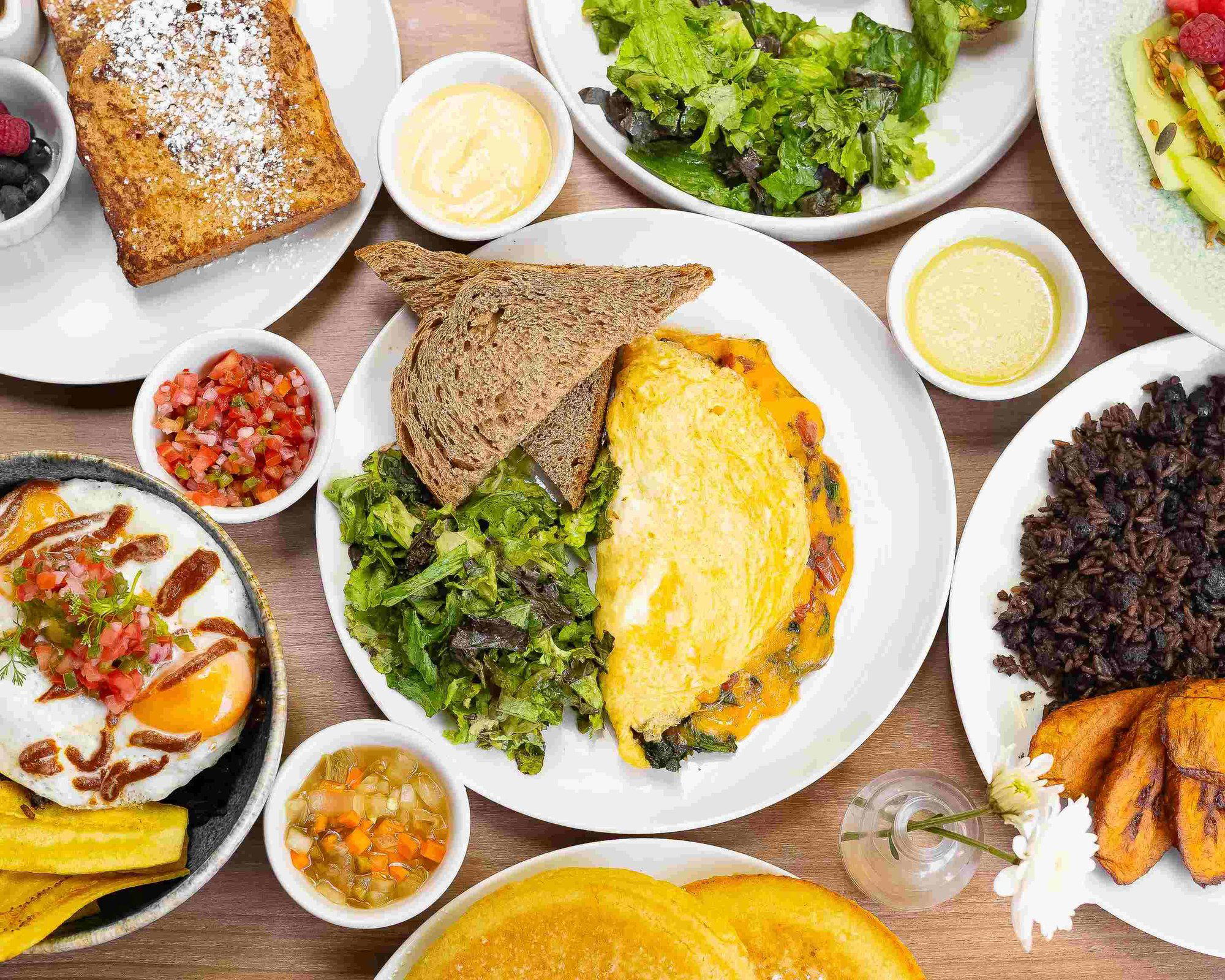
The menu
What to order
- Nicaraguan breakfast with gallo pinto
- Huevos rancheros
- Nicaraguan rice and beans
Cuauhtémoc and the Case for Neighbourhood Mexican
Mexico City's most-discussed restaurants in recent years have clustered around a particular format: multi-course tasting menus, Michelin recognition, and an international reference vocabulary that positions Mexican cuisine as fine dining on a global scale. Pujol and Quintonil occupy that upper tier, and they do so with justification. But the city's dining character has never been reducible to its most decorated addresses. Cuauhtémoc, the central borough that holds Barrio Café on Avenida Sonora 201, belongs to a different register, one where the cooking is anchored in regional tradition rather than international citation, and where the audience is as likely to be local as it is to be visiting from abroad.
That distinction matters more than it might initially appear. Mexican regional cuisine is not a single tradition but a federation of them: the mole lineages of Oaxaca, the seafood-forward kitchens of the Pacific coast, the slow-cooked lamb and goat preparations of the central highlands, the chile-based complexity that runs through nearly every state's repertoire. A restaurant operating in neighbourhood-cantina mode in Cuauhtémoc sits inside that federation without the mediation of a tasting-menu format, which changes what the cooking is asked to do and how a diner is meant to receive it.
What the Neighbourhood Tells You Before You Walk In
Avenida Sonora sits within a stretch of Cuauhtémoc that mixes residential blocks with mid-range commercial activity. This is not the Polanco restaurant corridor, where international hotel groups and high-concept Mexican kitchens compete for the same well-heeled clientele. It is not Roma Norte, where a wave of natural wine bars and destination brunch spots have reshaped the demographic of the streets since the mid-2010s. Cuauhtémoc here reads as a working borough, and that context shapes the expectations a diner reasonably brings to Barrio Café before sitting down.
The neighbourhood cantina tradition in Mexico City has historically served as the connective tissue between domestic cooking and public eating. Dishes arrive in portions calibrated for sharing or for a full midday meal rather than a progression of small courses. The flavour register tends toward the direct: chiles with defined heat levels, proteins cooked with technique accumulated over generations rather than imported from European kitchens, salsas made from ingredients with a clear regional provenance. Whether Barrio Café executes within that tradition precisely, or uses it as a loose reference point for something more hybrid, sits outside the scope of what the public record currently confirms in verifiable detail. What the address and the neighbourhood context suggest is that the frame of reference is local rather than globally cosmopolitan.
Regional Mexican Cooking as a Competitive Category
Across Mexico's major cities, a tier of restaurants has emerged that draws on specific regional traditions without aspiring to the tasting-menu format. Levadura de Olla in Oaxaca operates within that category for Oaxacan cuisine specifically. KOLI Cocina de Origen in Monterrey applies a similar logic to northern Mexican traditions. Alcalde in Guadalajara works within Jaliscan culinary reference points. The pattern across these addresses is consistent: serious technical attention applied to ingredients and preparations that carry deep regional meaning, without the apparatus of the multi-course format or the price architecture that comes with it.
Barrio Café's position on Avenida Sonora suggests it occupies a version of this space within Mexico City proper, serving a city whose own regional diversity is already extraordinary. The capital draws internal migrants from every Mexican state, and its cantina and neighbourhood restaurant culture reflects that accumulation. A kitchen in Cuauhtémoc can draw on Veracruz coastal preparations, Puebla mole traditions, the Oaxacan diaspora cooking that has embedded itself in the city, and the capital's own specific food culture simultaneously. That multiplicity is not a confusion of identity, it is the specific character of Mexico City as a dining city, and it is what separates the capital's neighbourhood restaurants from their regional counterparts elsewhere in the country.
For comparison, the more formally positioned end of Mexico City's Mexican-cuisine spectrum includes Em, which operates at the $$$ tier and applies a contemporary lens to Mexican ingredients, and Sud 777, which takes a creative approach within a Mexican framework. Animalón in Valle de Guadalupe, HA' in Playa del Carmen, Le Chique in Puerto Morelos, Huniik in Merida, Olivea in Ensenada, and Pangea in San Pedro Garza García all represent different regional expressions of Mexican culinary identity, none of which reduces to the capital's tasting-menu circuit. Lunario in El Porvenir adds a Baja wine-country dimension to that map.
Within Mexico City itself, the restaurants that have received the most sustained international editorial coverage, and the awards architecture that follows such coverage, tend to be in Polanco or Roma. Cuauhtémoc's neighbourhood dining sits adjacent to that recognition without being fully inside it. That adjacency is part of what makes addresses like Barrio Café worth tracking for visitors who want a more complete picture of how the city eats, rather than a curated extract of its most photogenic dining rooms. For visitors already familiar with the city's decorated circuit, context from our full Mexico City restaurants guide will help map the different tiers and neighbourhoods against each other.
Planning a Visit
| Venue | Cuisine | Price Tier | Format | Location |
|---|---|---|---|---|
| Barrio Café | Mexican (regional) | Not confirmed | Neighbourhood | Cuauhtémoc |
| Pujol | Mexican | $$$$ | Tasting menu | Polanco |
| Quintonil | Modern Mexican | $$$$ | Tasting menu | Polanco |
| Em | Mexican | $$$ | Contemporary | Roma |
| Rosetta | Italian, Creative | $$ | À la carte | Roma Norte |
Visitors should verify directly before planning around a specific visit. The address, Av Sonora 201, Cuauhtémoc, is confirmed. For venues where the booking system and seasonal hours matter as much as the food, checking directly with the restaurant closer to arrival is the practical approach, particularly if you are travelling during a major Mexican holiday period when neighbourhood restaurants often adjust hours or close for private events.
Frequently asked questions
What dish is Barrio Café famous for?
Is Barrio Café reservation-only?
What's the defining dish or idea at Barrio Café?
Can Barrio Café accommodate dietary restrictions?
Should I splurge on Barrio Café?
How does Barrio Café fit into Mexico City's broader regional cooking scene, and is it worth visiting alongside the city's Michelin-recognised restaurants?
Peers in This Market
Comparable venues nearby, for context on price, style, and recognition.
| Venue | Cuisine | Price | Notes |
|---|---|---|---|
| Barrio CaféThis venue (the venue you are viewing) | Nicaraguan & Mexican Café | $10–20 | Not listed |
| ENO | Modern Mexican Café | $20–30 | Chapultepec Morales |
| Karisma | Tex-Mex Cantina | $20–30 | Polanco Chapultepec |
| La Buena Fe | Mexican Cantina with International Influences | Not listed | San Ángel Inn |
| Puerto Prendes | Traditional Mexican Seafood | Not listed | Roma Norte |
Continue exploring
More in Mexico City
Restaurants in Mexico City
All restaurants in Mexico City →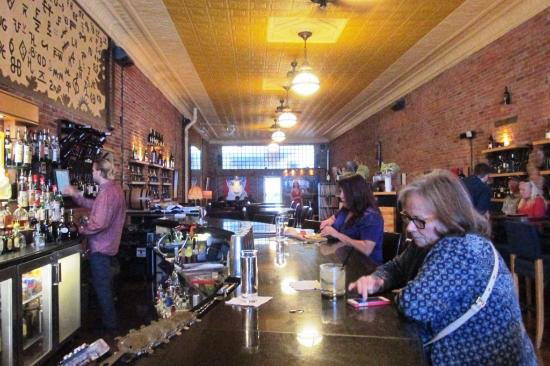




Details
- Cozy
- Modern
- Brunch
- Family
- Casual Hangout
- Group Dining
- Standalone
- Local Sourcing
- A La Carte
- Coffee
- Vegetarian Friendly
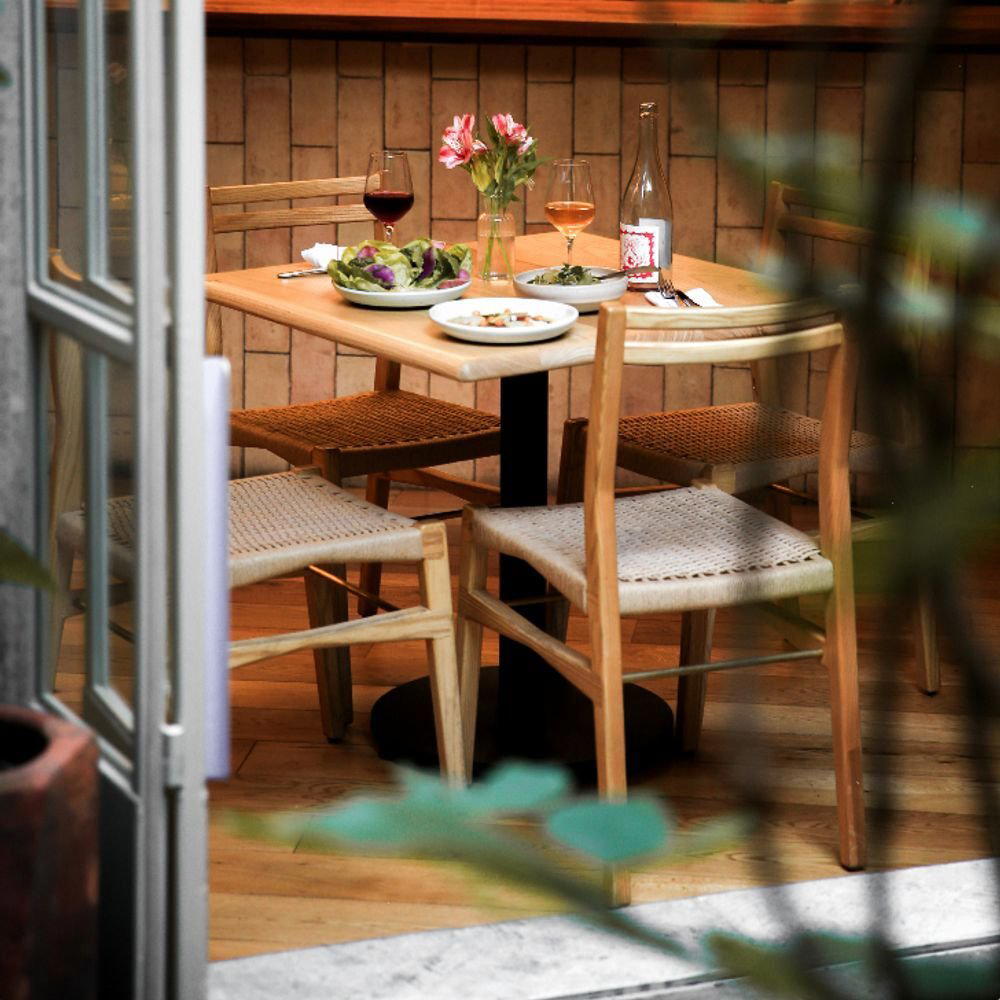
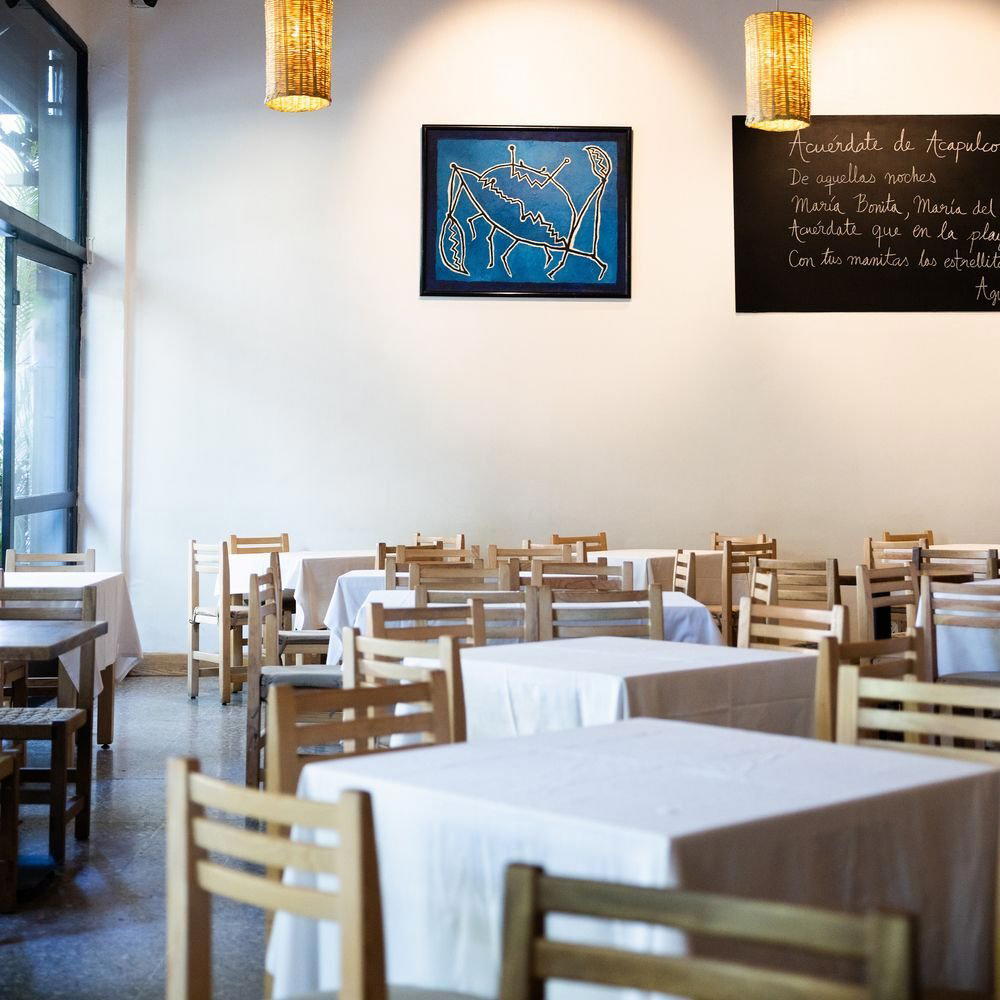
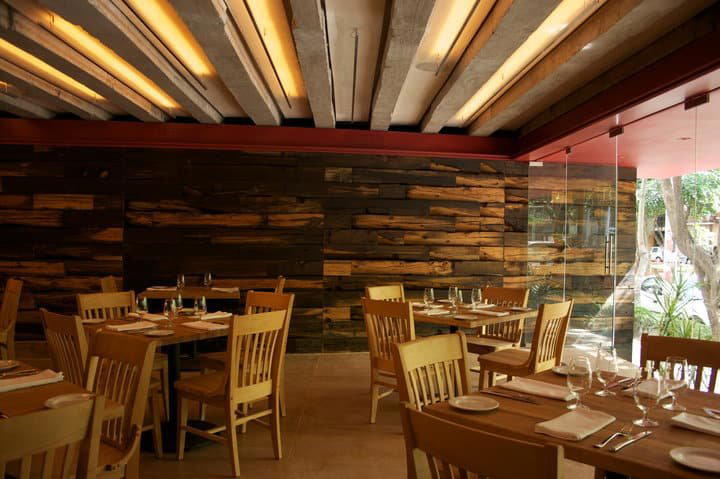
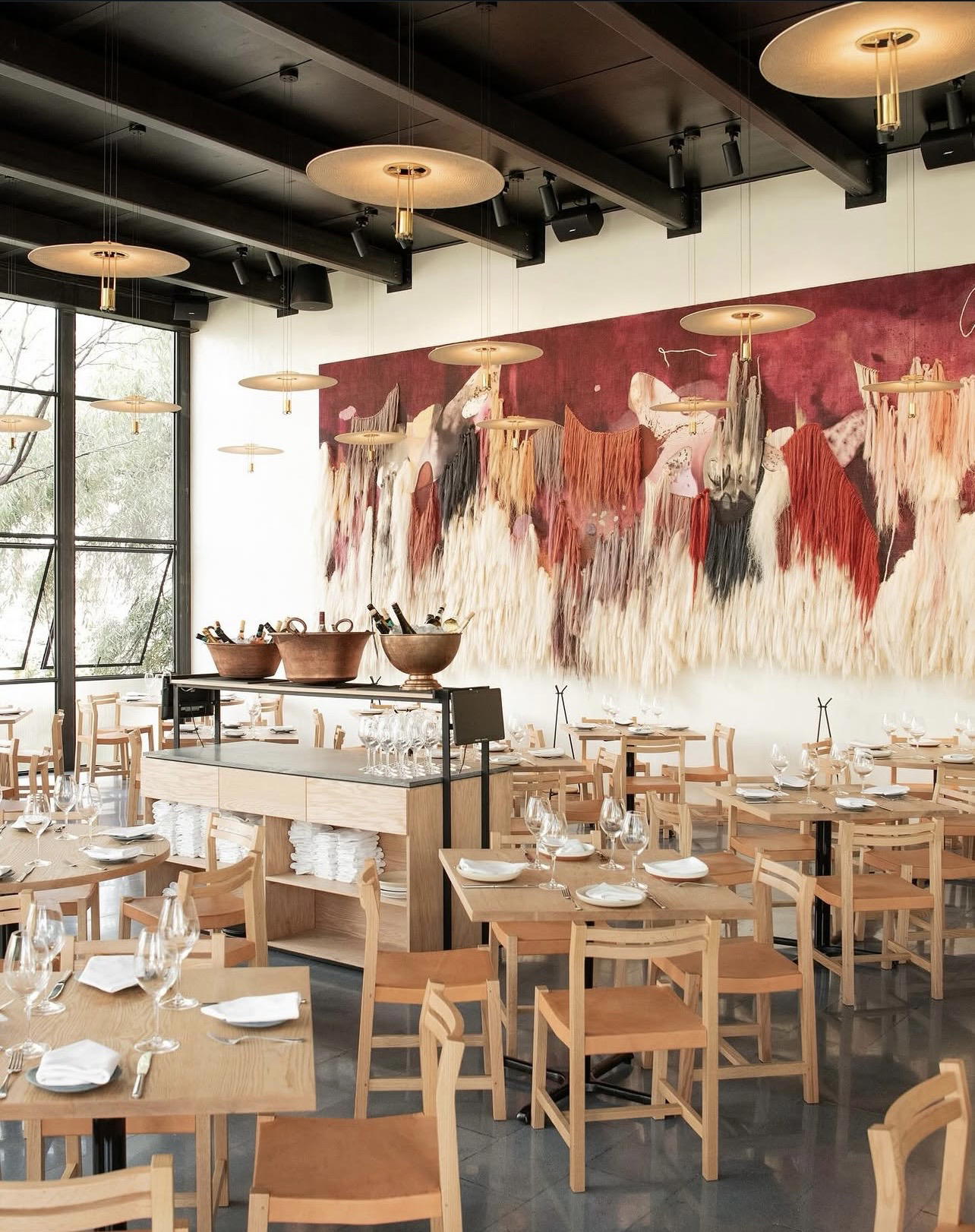
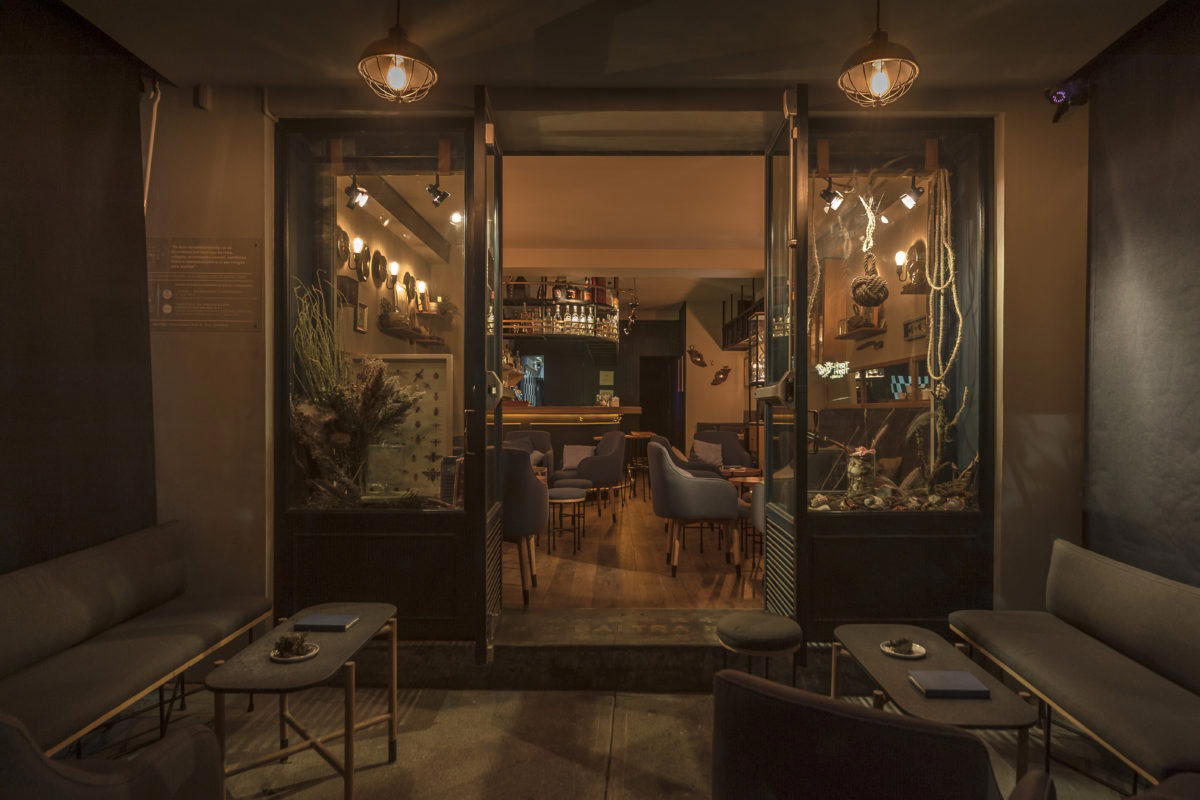
Urban chic with checkerboarded black and white exterior, blond-and-brick garden club-like interior, warm and welcoming atmosphere.