


Michelin Plate · Star Wine List · Guía Repsol 1 Sol
Our verdict
A 2025 Michelin Plate holder set in a farmhouse on the Murcia-Alicante road outside Elche, La Masía de Chencho earns its recognition through traditional Valencian cooking, a rice-forward menu built on high-quality local ingredients, and a wine cellar substantial enough to anchor a dedicated visit.

Pearl is the En Primeur Club membership app, where members save venues, book tables and use the concierge.
Farmhouse Dining on the Alicante Plain
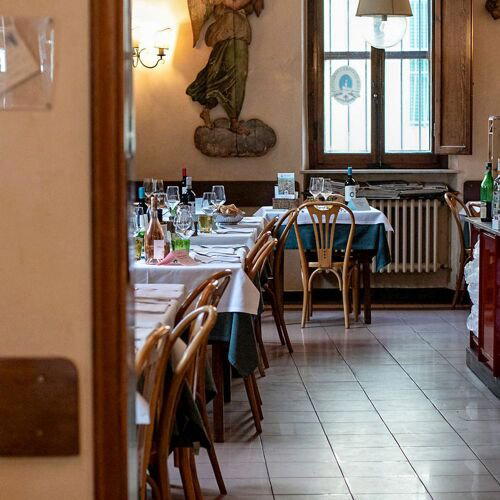
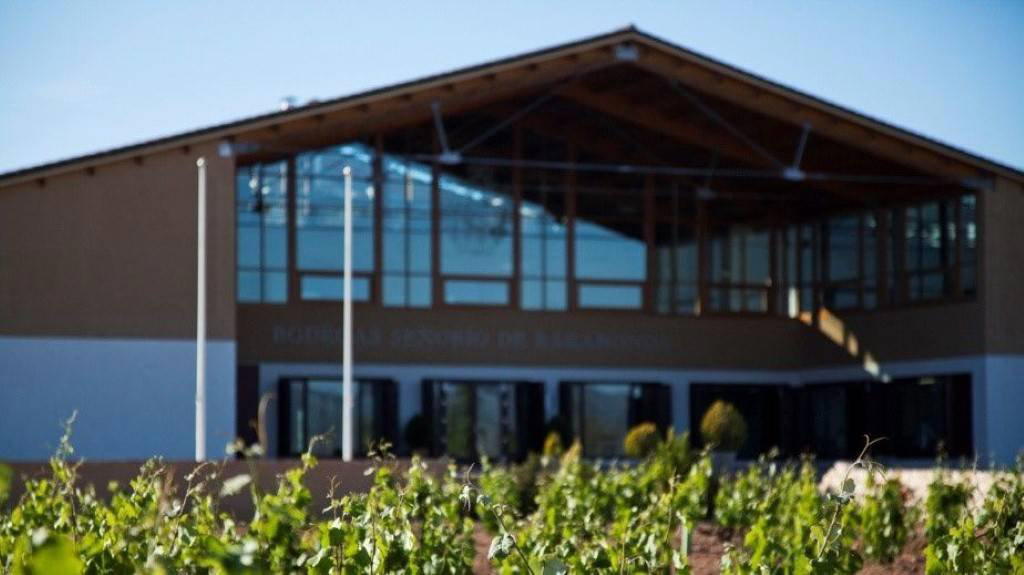
The road between Murcia and Alicante passes through flat agricultural country that most travellers cover at speed. At kilometre 62, a farmhouse building interrupts that rhythm. La Masía de Chencho occupies a converted rural property in the Jubalcoi district outside Elche, and the architecture does its own form of editorial work before the food arrives: stone walls, open space, the particular quiet of a building that was built to last rather than to impress. This is the physical register of masía dining, a Valencian and Catalonian tradition in which farmhouse conversions become the setting for serious, unhurried eating, well away from city-centre foot traffic and the compressed tables that come with it.
That tradition has particular weight in the Alicante province. The fertile huerta surrounding Elche has fed the region for centuries, and the restaurants that grow out of that agricultural context tend to prioritise ingredient fidelity over technique spectacle. La Masía de Chencho sits squarely in that lineage: a Michelin Plate holder for 2025 whose recognition is framed around high-quality ingredients and traditional execution rather than avant-garde intervention.
Rice, the Measure of Everything Here
In the Valencian Community, rice cookery is less a menu category than a form of cultural measurement. A kitchen that handles rice poorly, the wrong grain, inconsistent stock reduction, socarrat either absent or overdone, signals inattention at the level of foundations. The Spanish Levant's leading traditional restaurants treat rice dishes as the clearest demonstration of their credibility, which is why Michelin's explicit note of an "appetising choice of rice dishes" at La Masía de Chencho carries more weight than it might appear to at first reading.
This is the same coastal and near-coastal territory that produced the conditions for paella's emergence as a working agricultural dish, and the broader family of Valencian rice preparations, arroces secos, caldosos, melosos, each demand a different handling of liquid ratios, heat management, and resting time. The specificity required is considerable. For a Michelin inspector to single out the rice programme at a traditional-cuisine establishment in this region is to note that the kitchen has cleared a high regional bar.
Beyond rice, the kitchen's commitment to high-quality ingredients in a traditional framework aligns La Masía de Chencho with a cohort of Spanish restaurants that operate at the €€ price point without compromising on sourcing. This positions it differently from the progressive-cuisine tier represented by venues like Quique Dacosta in Dénia or the three-star operations further afield, Arzak in San Sebastián, El Celler de Can Roca in Girona, Azurmendi in Larrabetzu, DiverXO in Madrid, Cocina Hermanos Torres in Barcelona, Martin Berasategui in Lasarte-Oria, Aponiente in El Puerto de Santa María, Mugaritz in Errenteria, and Ricard Camarena in València. Those kitchens operate in a register of creative reimagination; La Masía de Chencho's register is custodial, and that is a considered position rather than a limitation.
A Wine Cellar That Changes the Calculation
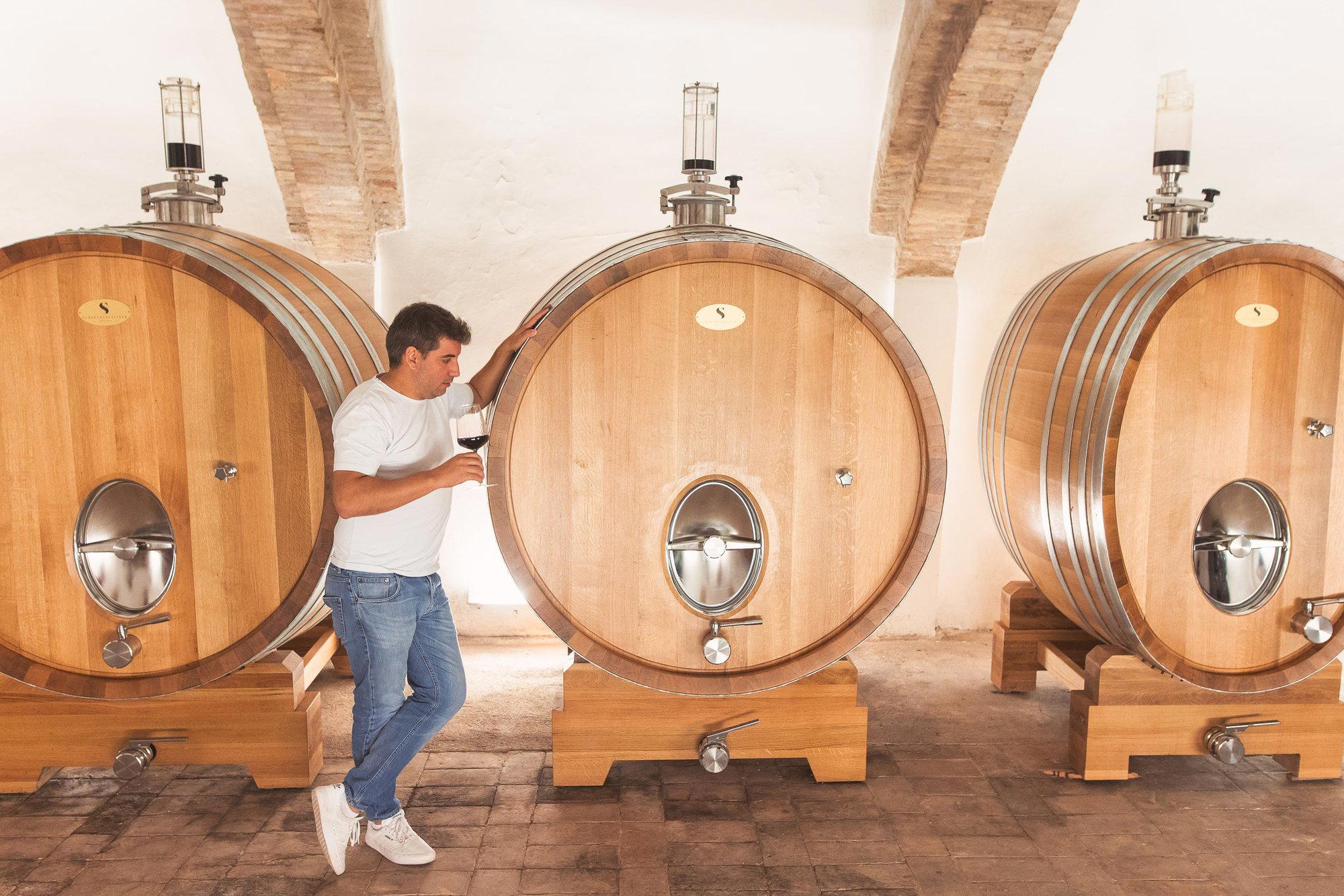
The wine programme at La Masía de Chencho is, by multiple accounts, the element that shifts a good meal into a deliberate occasion. The cellar is described as both impressive and extensive, language that, in the context of a rural masía at the €€ price point, signals an investment in wine that goes well beyond what most comparable establishments attempt. The comparison drawn by one enthusiastic note to Ca Pepico, the celebrated wine-focused restaurant outside Valencia, gives a useful peer reference: both properties operate as destinations for serious wine drinking in an agricultural setting, with food that supports rather than competes with the cellar.
In the Alicante wine context, that cellar likely draws from the province's own DOs, Alicante DO, with its Monastrell-dominant reds and the curious, concentrated Fondillón sweet wine made from overripe Monastrell grapes, alongside national references and likely international selections. For a wine-led visit, the combination of a serious cellar, generous space, and cooking built on ingredient quality rather than intricate preparation makes La Masía de Chencho the kind of property where the bottle selection drives the evening's pace.
The Space and What It Enables
The farmhouse format creates something the urban dining room cannot: physical generosity. La Masía de Chencho has the space for private events, a practical detail that also tells you something about the room's character. Tables are not compressed. The rustic-meets-elegant interior, stone and beams given considered finish, creates a setting appropriate to a long lunch rather than a quick dinner service. The rhythm of eating here follows the masía tradition: unhurried, oriented toward the table as a social unit rather than a throughput number.
For context on the broader Elche dining scene, our full Elche restaurants guide maps the city's options across price points and styles. Elche itself, a UNESCO World Heritage city for its palm grove and the archaeological site of La Alcudia, generates enough reason to spend several days in the area, and the wider region's food culture rewards time and attention. Within Elche proper, Frisone offers an alternative point of reference in the city's dining mix. For those extending their stay, our Elche hotels guide, bars guide, wineries guide, and experiences guide cover the surrounding options. For those interested in traditional-cuisine houses operating at Michelin recognition level elsewhere in Europe, Auberge Grand'Maison in Mûr-de-Bretagne and Auga in Gijón represent comparable commitments to regional tradition in different national contexts.
Planning a Visit
La Masía de Chencho sits on the Murcia-Alicante road at kilometre 62, in the Partida de Jubalcoi outside Elche. The address, Ctra. Murcia-Alicante, Km.62, places it squarely between the two cities, making it accessible from either direction and a natural stop for those travelling the corridor. Given its capacity for private events and its reputation as a wine destination, advance booking is the sensible approach, particularly for weekend lunch, which is the traditional slot for serious rural dining in this part of Spain. The €€ price positioning means the meal itself does not demand the advance financial planning of the region's prestige tasting-menu operations, though the wine programme can extend costs considerably depending on cellar selections.
Frequently asked questions
What kind of recognition has La Masía de Chencho received?
La Masía de Chencho has received recognition including: If anyone knows how enthusiastic I am about Ca Pepico just outside Valencia, imagine the happiness when I was recommended a similar great wine restaurant! La Masía de Chencho just outside Alicante is...; This restaurant delights guests than….
What's the best thing to order at La Masía de Chencho?
The rice dishes are the clearest signal of the kitchen's regional credentials. Michelin's 2025 Plate citation specifically highlights the rice selection as a reason to visit, placing it within the Valencian Community's exacting tradition of rice cookery. Order from that section of the menu first.
How much does it cost to eat at La Masía de Chencho?
Pricing at La Masía de Chencho is listed as €€.
How do I find La Masía de Chencho?
La Masía de Chencho is located at Partida de Jubalcoi, Ctra. Murcia-Alicante, Km.62, 03295 Elx, Alicante, Spain, Elche.
Should I book La Masía de Chencho in advance?
Yes. The restaurant holds a 2025 Michelin Plate and operates from a farmhouse format outside Elche that draws both locals and visitors travelling the Murcia-Alicante corridor. The private events capacity also means the dining room can fill with group bookings, so reserving ahead is advisable.
What's the signature at La Masía de Chencho?
The pairing of an extensive wine cellar with a traditional rice-forward menu is what sets La Masía de Chencho apart from comparable rural restaurants in the Alicante province. Michelin's 2025 Plate assessment flags both the quality of the ingredients and the wine programme as defining features of the experience.
Booking and Cost Snapshot
| Venue | Cuisine | Price | Awards | Notes |
|---|---|---|---|---|
| La Masía de ChenchoThis venue (the venue you are viewing) | Traditional Spanish Mediterranean | $50–100 | Michelin Plate · Star Wine List | Not listed |
| Aponiente | Avant-Garde Marine Seafood | $200–300 | 3 Michelin Stars · World's 50 Best #84 | Progressive - Seafood, Creative |
| Arzak | Contemporary Basque Fine Dining | $300–500 | 3 Michelin Stars · World's 50 Best #31 | Modern Basque, Creative |
| DiverXO | Avant-Garde Spanish Tasting Menu | $300–500 | 3 Michelin Stars · World's 50 Best #4 | Progressive - Asian, Creative |
| El Celler de Can Roca | Creative Catalan Fine Dining | $300–500 | 3 Michelin Stars · World's 50 Best #2 | Progressive Spanish, Creative |
| Quique Dacosta | Avant-Garde Spanish Fine Dining | $300–500 | 3 Michelin Stars · World's 50 Best #65 | Creative |
Recognition history
Dated appearances from independent guides and award organizations, with the underlying list record or original source where available.
Michelin Plate
Michelin
Star Wine List
Star Wine List
Guía Repsol 1 Sol
Guía Repsol
Full recognition history (5 entries)
Michelin Plate
Michelin
Michelin Plate
Michelin
Continue exploring
More in Elche
Restaurants in Elche
All restaurants in Elche →
Bars in Elche
Browse all →
Hotels in Elche
Browse all →

La Masía de Chencho
The wine
- Wine program
- Deep wine list
- Extensive wine list
- Sommelier-led
Details
- Rustic
- Elegant
- Cozy
- Special Occasion
- Celebration
- Business Dinner
- Private Dining
- Terrace
- Historic Building
- Extensive Wine List
- Sommelier Led
- Local Sourcing
- Garden
- A La Carte
- Vegetarian Friendly
- Vegan Options
- Gluten Free Options
Current opening hours
- Monday
- 1:15–4 PM, 8:15–10:30 PM
- Tuesday
- 1:15–4 PM, 8:15–10:30 PM
- Wednesday
- 1:15–4 PM, 8:15–10:30 PM
- Thursday
- 1:15–4 PM, 8:15–10:30 PM
- Friday
- 1:15–4 PM, 8:15–10:30 PM
- Saturday
- 1:15–4 PM, 8:15–10:30 PM
- Sunday
- 1:15–4 PM
Hours can change for holidays and private events. Hours as of .
Rustic yet elegant farmhouse ambience with classic, well-harmonized decoration in a tranquil rural setting surrounded by palms and olives.