


Michelin Plate · Guía Repsol 1 Sol
Our verdict
La Taberna del Gourmet Alacant elevates traditional Spanish tapas culture under Michelin-starred chef María José San Román's expert guidance, showcasing Mediterranean ingredients through signature dishes like saffron-infused paella and grilled octopus in an authentic yet refined tavern atmosphere that celebrates Alicante's culinary heritage.

Pearl is the En Primeur Club membership app — saves, bookings, and concierge access live there. Same editors, same standards.
- Address
- Av. de Federico Soto, 1, 03003 Alicante, Spain
- Phone
- +34 965 16 68 69
- Hours
- Mon–Thu 10 AM–10 PMFri–Sat 10 AM–12 AMSun 10 AM–9 PM
- Website
- tabernadelgourmet.com
- Directions
- Get directions
- Booking
- Book on CoverManager
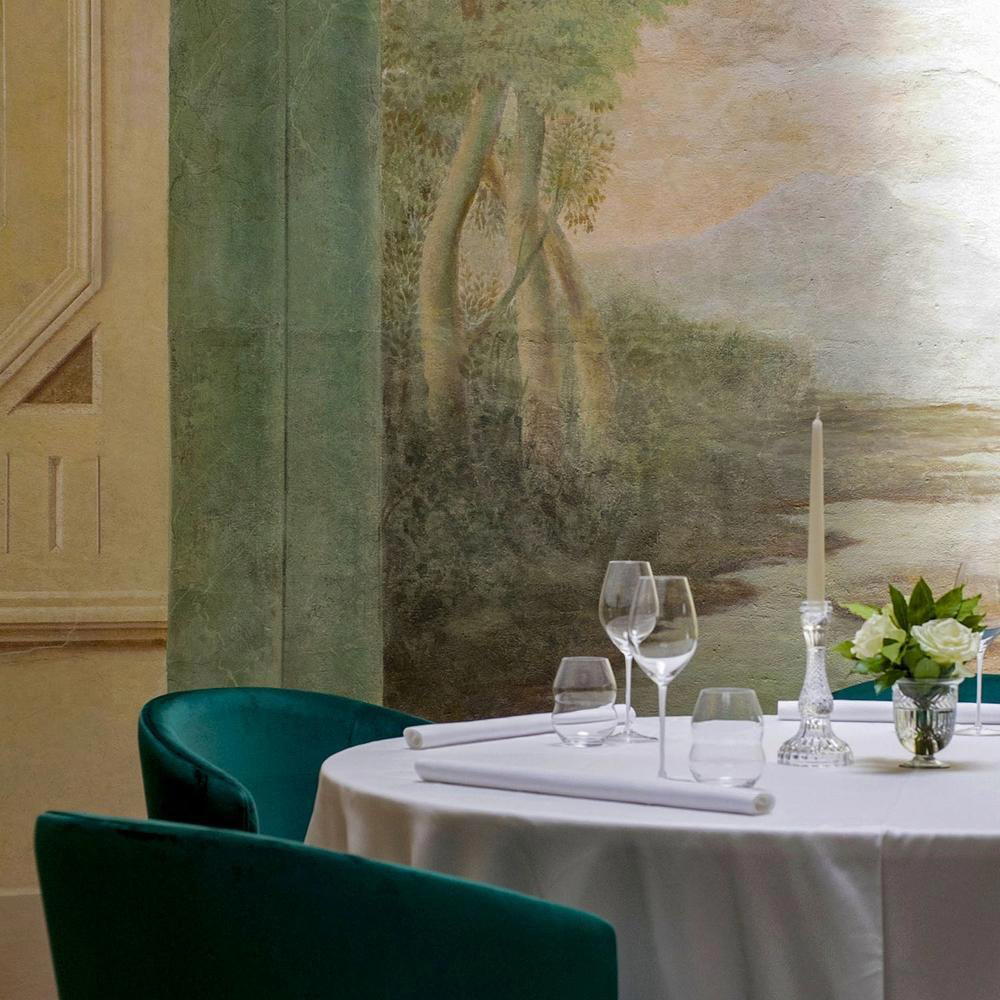
Tapas as Discipline, Not Distraction
Alicante's dining culture has long operated on two registers: the long, sociable lunch built around rice and fresh fish, and the standing-bar circuit of quick bites before dinner. La Taberna del Gourmet, on Avenida de Federico Soto, occupies a third position that most Spanish cities find difficult to sustain: the serious tapas counter, where the format is casual but the sourcing and technique are not. It holds a Michelin Plate (2024 and 2025) and consecutive Opinionated About Dining Casual in Europe rankings, climbing from Recommended in 2023 to #410 in 2024 and #456 in 2025. That trajectory inside a competitive European casual-dining field confirms what regular visitors already know: the kitchen is not coasting on regional nostalgia.
The Physical Register
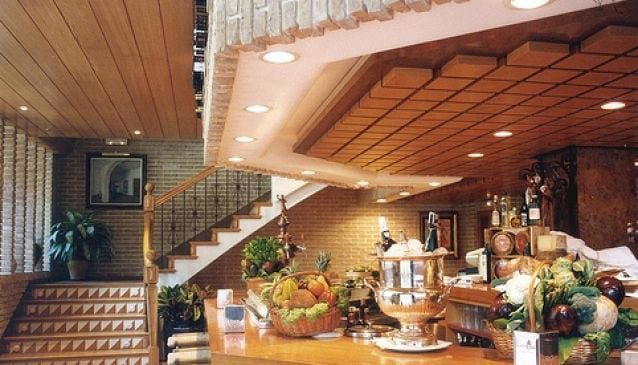
The format that greets you is closer to a Spanish market counter than a conventional dining room. Tapas are displayed across the bar in the manner of a bodega with ambitions: cold preparations alongside warm options, the visual abundance doing the work of a printed menu. The room runs from early afternoon through midnight every day of the week, opening at 1 pm, which places it squarely in the Spanish lunch sequence rather than as an after-work afterthought. The address on Federico Soto puts it within the city's main commercial belt, a few minutes from the seafront promenade, in a stretch that sees both residents and visitors without being a purely tourist trap.
Tradition and Technique in the Same Bite
The editorial angle that defines La Taberna del Gourmet's position in Alicante's restaurant scene is not the tension between old and new for its own sake, but the specific discipline of applying serious technique to a format whose value is usually measured by speed and price alone. Spanish gastrobars of this type are a relatively recent category: they emerged as a response to the formality of tasting-menu restaurants on one side and the complacency of traditional tapas bars on the other. The idea is that quality of ingredient and precision of preparation should not require a four-hour seated experience to justify themselves.
Chef María José San Román's name is attached to this kitchen, and her broader profile in Spanish gastronomy is established through years of work with Valencia's rice and seafood traditions as well as saffron, which she has treated as a subject of serious culinary research. That credential matters here not as biography but as context: the kitchen behind these tapas operates with a level of technical intention that you would not always assume from a single-euro price tier. Regional cuisine at this latitude means primarily seafood from the Mediterranean, cured fish, locally grown vegetables, and the rice preparations that define the Costa Blanca's identity. Those raw materials, treated with precision rather than formula, are what the Michelin Plate designation is recognizing.
Where It Sits in Alicante's Dining Order
Alicante's fine dining end is anchored by a small number of formally structured restaurants. Baeza & Rufete holds a Michelin star and operates at the €€€€ tier. El Portal Alicante is a Krug Ambassade property at the same formal price bracket. Below that, Alba and Distrikt41 work in the contemporary register at more accessible price points. Celeste y Don Carlos adds another modern cuisine option to the mix. La Taberna del Gourmet sits at the single-€ price range, which makes it the most accessible entry point in the recognized tier, and that accessibility is part of what makes it a reference for understanding how Alicante eats on a daily basis rather than on occasions.
The comparison is instructive. Where Michelin-starred kitchens in Spain's coastal cities (see Aponiente in El Puerto de Santa María, or Arzak in San Sebastián) build architecture around the meal, the gastrobar format compresses that intention into individual bites without a constructed sequence. It is a harder editorial discipline, not an easier one. The wide display of tapas visible from the entrance signals that selection is part of the experience: you are choosing your own sequence rather than trusting one to a tasting menu format.
The Broader Spanish Context
Spain's most-discussed restaurants tend to concentrate in a few cities. DiverXO in Madrid and El Celler de Can Roca in Girona represent the tasting-menu extreme. Azurmendi and Cocina Hermanos Torres operate at the formal end of Basque and Catalan gastronomy respectively. Against that backdrop, Alicante has historically been discussed more as a destination for its raw materials and its rice than for restaurant formalism, and La Taberna del Gourmet reflects that: it takes the region's ingredients seriously without constructing a monument around them. The OAD rankings placing it inside the top 500 casual restaurants in Europe give it a European reference point that its price and format alone would not immediately suggest.
Planning a Visit
La Taberna del Gourmet runs seven days a week from 1 pm to midnight, which makes it one of the more flexible options in the city for both lunch and late-evening visits. The address at Avenida de Federico Soto 1 is central to Alicante's main axis, a short walk from the waterfront and the central market. The price range at the single-€ tier makes it practical for multiple visits rather than a single occasion, and the format of displayed tapas means the experience adapts to the time available. For those building a wider picture of Alicante's food and hospitality scene, EP Club maintains a full Alacant restaurants guide, alongside guides covering hotels, bars, wineries, and experiences in the city.
Frequently asked questions
Is La Taberna del Gourmet more mid-range or high-end?
Pricing at La Taberna del Gourmet is listed as €.
Who is the chef at La Taberna del Gourmet?
The chef associated with La Taberna del Gourmet is María José San Román.
The Essentials
A short peer table to compare basics side-by-side.
| Venue | Cuisine | Price | Awards | Notes |
|---|---|---|---|---|
| La Taberna del GourmetThis venue — the venue you are viewing | Modern Spanish Tapas | $50–100 | Michelin Plate · Guía Repsol 1 Sol | Not listed |
| Baeza & Rufete | Modern Mediterranean Fine Dining | $100–150 | 1 Michelin Star · Macarfi 7 Food Rating | Modern Cuisine |
| El Portal Taberna & Wines | Modern Spanish Tapas & Gourmet Gastro-Bar | $50–100 | Michelin Plate · Guía Repsol 1 Sol | Tapas Bar |
| Nou Manolín | Modern Valencian Seafood | $50–100 | Michelin Plate · Macarfi 8.5 Food Rating | Spanish, Farm to table |
| Piripi | Traditional Spanish Seafood Tapas | $50–100 | Michelin Plate · Guía Repsol 1 Sol | Rice Dishes |
| Alba | Italian-Spanish Fusion | $30–50 | Michelin Plate | Contemporary |
Recognition history
Dated appearances from independent guides and award organizations, with the underlying list record or original source where available.
Michelin Plate
Michelin
Guía Repsol 1 Sol
Guía Repsol
Opinionated About Dining Casual in Europe Ranked #456
Opinionated About Dining
Full recognition history (7 entries)
Michelin Plate
Michelin
Michelin Plate
Michelin
Opinionated About Dining Casual in Europe Ranked #410
Opinionated About Dining
Opinionated About Dining Casual in Europe Recommended
Opinionated About Dining
Continue exploring
More in Alicante
More from Chef María José San Román
Browse all →Restaurants in Alicante
Browse all →
Bars in Alicante
Browse all →
Hotels in Alicante
Browse all →


Details
- Lively
- Trendy
- Cozy
- Date Night
- Group Dining
- Casual Hangout
- Open Kitchen
- Extensive Wine List
- Local Sourcing
- Small Plates
- Tasting Menu
- A La Carte
- Gluten Free Options
- Vegetarian Friendly
Current opening hours
- Monday
- 10 AM–10 PM
- Tuesday
- 10 AM–10 PM
- Wednesday
- 10 AM–10 PM
- Thursday
- 10 AM–10 PM
- Friday
- 10 AM–12 AM
- Saturday
- 10 AM–12 AM
- Sunday
- 10 AM–9 PM
Hours can change for holidays and private events. Last verified .
Cozy and lively tapas bar atmosphere with tight tables and trendy vibe.