
La Marmita de Ancha holds consecutive Michelin Plate recognition (2024 and 2025) on one of Cádiz's most walkable central streets, serving mid-price Andalusian cooking that reads as a working record of the region's larder rather than a tourist summary of it. At a €€ price point, it occupies a different competitive position from the city's starred modern kitchens while operating at a demonstrably higher standard than the surrounding tapas circuit.
Pearl is the En Primeur Club membership app — saves, bookings, and concierge access live there. Same editors, same standards.
- Address
- C. Ancha, 7 duplicado, 11001 Cádiz, Spain
- Phone
- +34 956 04 43 46
- Website
- grupolamarmita.com
- Directions
- Get directions
 Saves & bookings on Pearl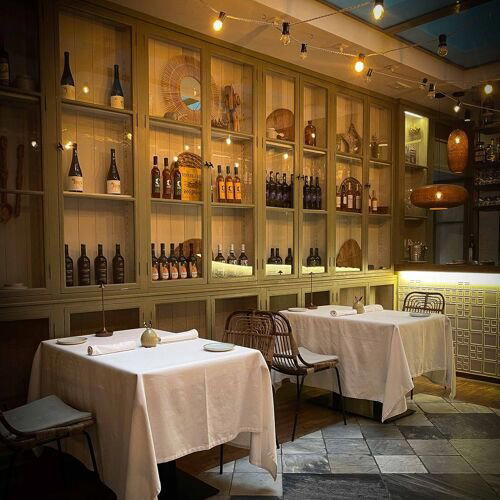
Calle Ancha and the Case for Serious Everyday Cooking
Calle Ancha cuts through the old city of Cádiz like a slow exhale. The street is wide by Andalusian standards, lined with low buildings that funnel Atlantic light rather than block it, and on weekend afternoons it fills with the particular mix of families, older couples, and out-of-towners that characterises a neighbourhood still largely shaped by residents rather than tourism infrastructure. La Marmita de Ancha sits at number 7 duplicado on this stretch, and its position says something about its register: this is not a destination tucked behind a hotel lobby or occupying a converted warehouse on the waterfront. It is a dining room embedded in how the city actually moves.
That placement matters because Cádiz has two parallel dining cultures that rarely overlap. One runs along the seafront and through the tourist-facing tapas corridors, where portions are theatrical and menus are written in multiple languages. The other exists in the interior streets, where kitchens cook for locals who have opinions about how things should taste and will say so. La Marmita de Ancha operates firmly in the second register, which is precisely what Michelin's plate recognition for both 2024 and 2025 confirms: consistent, serious cooking at a mid-market price point, not spectacle.
What the Menu Architecture Reveals
Andalusian restaurant menus are useful documents. They show whether a kitchen is working from the coast inward or from the land toward the sea, and whether it treats the region's traditional preparations as fixed references or as active starting points. The Andalusian tradition carries enormous internal variety, from the fried fish culture of the Bay of Cádiz to the mountain pork and game of the interior, from chilled soups built around summer produce to slow braises that carry winter through to early spring. A menu that only reaches for one register is editing for tourists. One that moves between them is cooking for a room.
At the €€ price range, La Marmita de Ancha positions itself in the tier occupied by serious neighbourhood restaurants rather than by tasting-menu destinations. Compare this to Código de Barra, Cádiz's only Michelin-starred table, which operates at €€€€ and runs a modern cuisine format that demands a different kind of commitment from the diner. The Marmita register is more like Almanaque Casa de Comidas in price tier, though the Michelin plate signals a level of kitchen consistency that separates it from the broader mid-market field. Within this city's dining structure, that gap between Michelin recognition and tourist-facing pricing is where interesting value tends to accumulate.
The repeated plate award across two consecutive years is a meaningful signal. Michelin plates are granted for cooking quality, not for room design or concept ambition, and holding them back-to-back indicates that the kitchen has not drifted. For a mid-price Andalusian table, that kind of stability is harder to achieve than it sounds: seasonal produce in this part of Spain shifts quickly, the supplier base for quality fish is competitive, and local diners are not forgiving about standards falling. A kitchen that holds a Michelin plate through two cycles has found a way to manage all of that.
For broader context on Andalusian cooking at higher price points in the region, Aponiente in El Puerto de Santa María represents the outer edge of what this coastal tradition can become at three-star level. La Marmita operates in an entirely different register, but the same coastal larder runs beneath both kitchens. Elsewhere in Spain, the reference points for serious regional cooking at comparable price tiers include Andala in Marbella and El Higuerón in Fuengirola, both working Andalusian material at positions between the tourist circuit and the starred tier.
The Tapas Circuit Context
Understanding where La Marmita sits requires a clear picture of the alternatives on the same streets. The Cádiz tapas circuit, anchored by long-running names like El Faro de Cádiz and Andalusian-focused bars like La Taberna der Guerrita, delivers the city's fried and cured traditions reliably and at lower price points. These are different propositions: the tapas circuit rewards standing, grazing, and moving between venues, while a sit-down Michelin plate restaurant asks for a longer engagement with a kitchen's full range. Neither format is superior, but conflating them produces the wrong expectations in both directions.
La Marmita is closer in format to Contraseña in the modern cuisine tier than to El Faro's tapas format, though it holds the Andalusian classification rather than a modern label. That distinction matters: Andalusian cooking here is not nostalgic plating of grandmother's recipes for tourist consumption. The plate recognition suggests a kitchen engaging with its tradition critically, using the regional canon as a framework rather than a script.
Planning a Visit
Cádiz is a small city, the old centre measures roughly two kilometres across, which means La Marmita on Calle Ancha is within easy walking distance of most central accommodation. The address at C. Ancha, 7 duplicado places it in the heart of the pedestrianised old town, accessible from any direction without a car.3 across 702 reviews indicate a consistent performance record with a volume of visitors large enough to make the average meaningful rather than anecdotal.
At the €€ price tier, this is a table where a full meal with wine sits well inside what the city's starred alternatives charge for a single course. It works well as a mid-trip anchor: serious enough to justify planning, affordable enough to combine with independent bar exploration before or after.
Spain's broader Michelin circuit, from Arzak in San Sebastián to El Celler de Can Roca in Girona, Azurmendi in Larrabetzu, Cocina Hermanos Torres in Barcelona, and DiverXO in Madrid, represents the country's recognised upper tier. The restaurant belongs to a different but not lesser category: the regional plate tier where recognition is harder to hold and the audience is primarily local rather than international. Within Cádiz, that is exactly where particularly reliable eating tends to live.
Same-City Peers
Comparable venues nearby, for context on price, style, and recognition.
| Venue | Cuisine | Price | Notes |
|---|---|---|---|
| La Marmita de AnchaThis venue — the venue you are viewing | Modern Andalusian with Asian Influences and Red Tuna Focus | $$$ | Not listed |
| El Faro de Cádiz | Traditional Cádiz Seafood | $$$ | La Viña |
| Almanaque Casa de Comidas | Modern Spanish | $$ | old quarter |
| La Taberna der Guerrita | Andalusian Tapas & Sherry | $$$ | Barrio Bajo (Lower Quarter) |
| Contraseña | Modern Spanish with Cádiz Roots | $$$ | Cadiz Centro |
| Código de Barra | Modern Spanish Fine Dining | $$$ | historic quarter |
Recognition history
Dated appearances from independent guides and award organizations, with the underlying list record or original source where available.
Michelin Plate
Michelin
Michelin Plate
Michelin

At a Glance
- Modern
- Elegant
- Cozy
- Date Night
- Special Occasion
- Open Kitchen
- Extensive Wine List
- Local Sourcing
Current opening hours
- Monday
- 1–4 PM, 7:30–11:30 PM
- Tuesday
- 1–4 PM, 7:30–11:30 PM
- Wednesday
- 1–4 PM, 7:30–11:30 PM
- Thursday
- 1–4 PM, 7:30–11:30 PM
- Friday
- 1–4 PM, 7:30–11:30 PM
- Saturday
- 1–4 PM, 7:30–11:30 PM
- Sunday
- 1–4 PM, 7:30–11:30 PM
Hours can change for holidays and private events. Last verified .
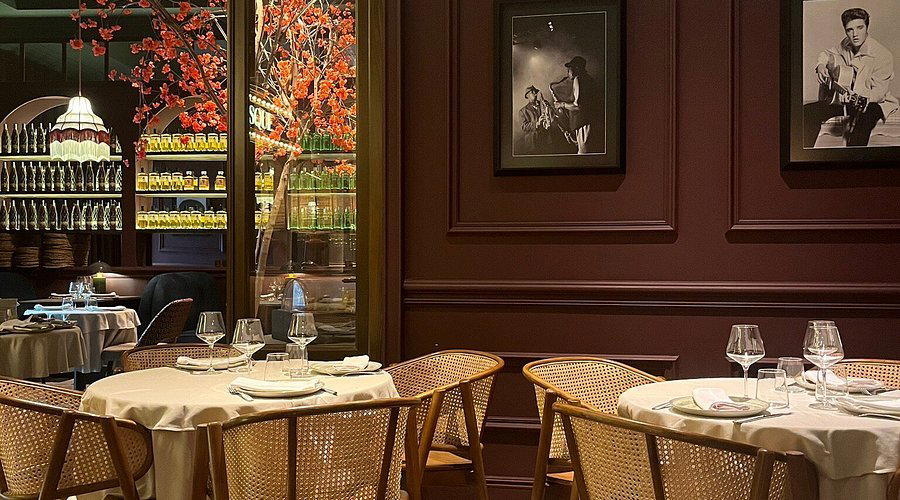
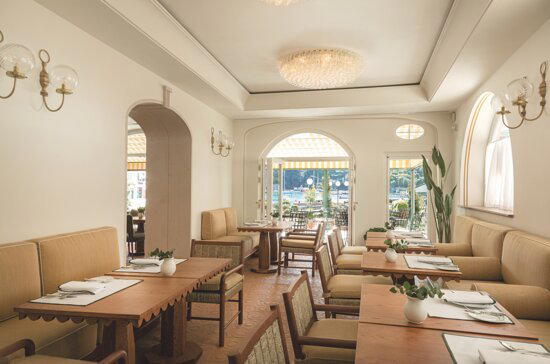
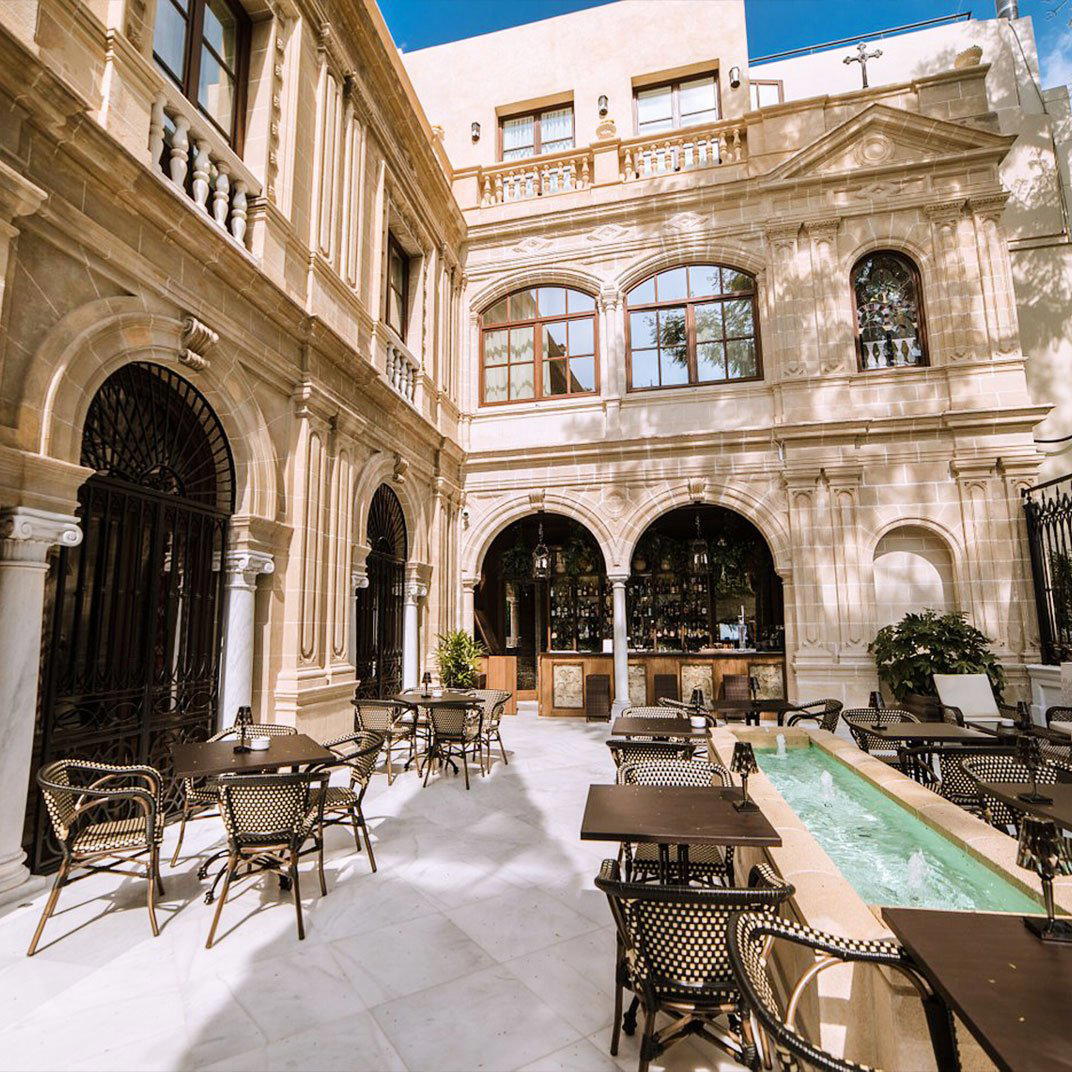
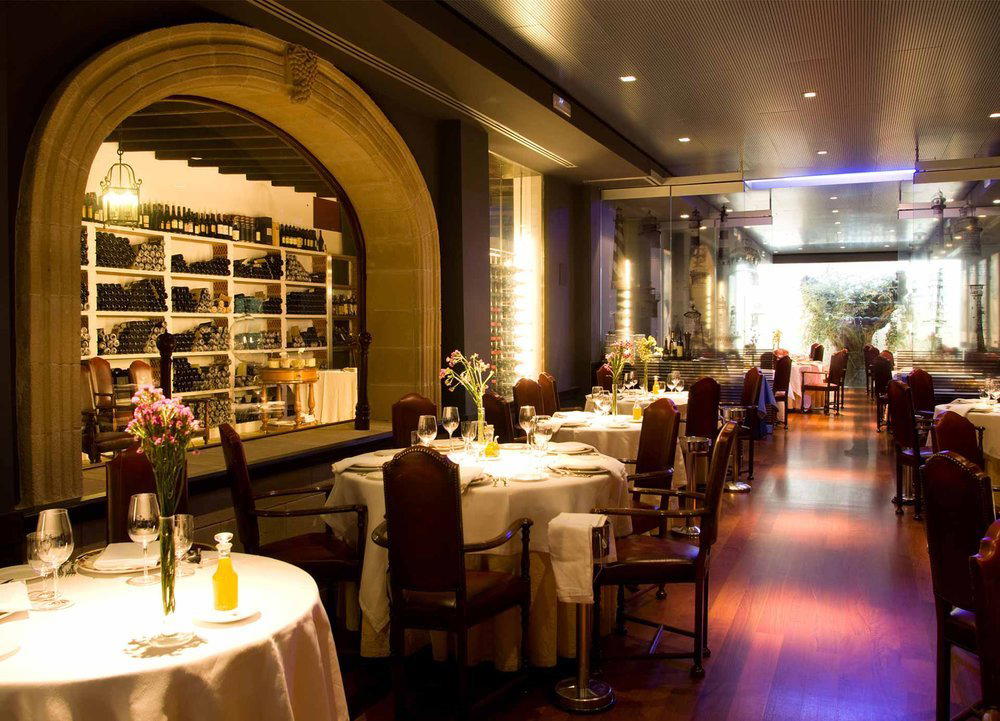
Meticulous contemporary decor featuring sea and traditional tuna fishing paintings, creating a pleasant yet sometimes criticized atmosphere with small tables.