La Mallorquina Arcos
La Mallorquina Arcos occupies a deliberately quieter corner of Bosques de las Lomas, one of Mexico City's more residential western enclaves, at a remove from the Polanco and Roma circuits that dominate international dining coverage.
Pearl is the En Primeur Club membership app — saves, bookings, and concierge access live there. Same editors, same standards.
- Address
- P.º de los Tamarindos 90, Bosques de las Lomas, Cuajimalpa de Morelos, 05110 Ciudad de México, CDMX, Mexico
- Phone
- +525515409049
- Website
- mallorquina.com.mx
- Directions
- Get directions
 Saves & bookings on Pearl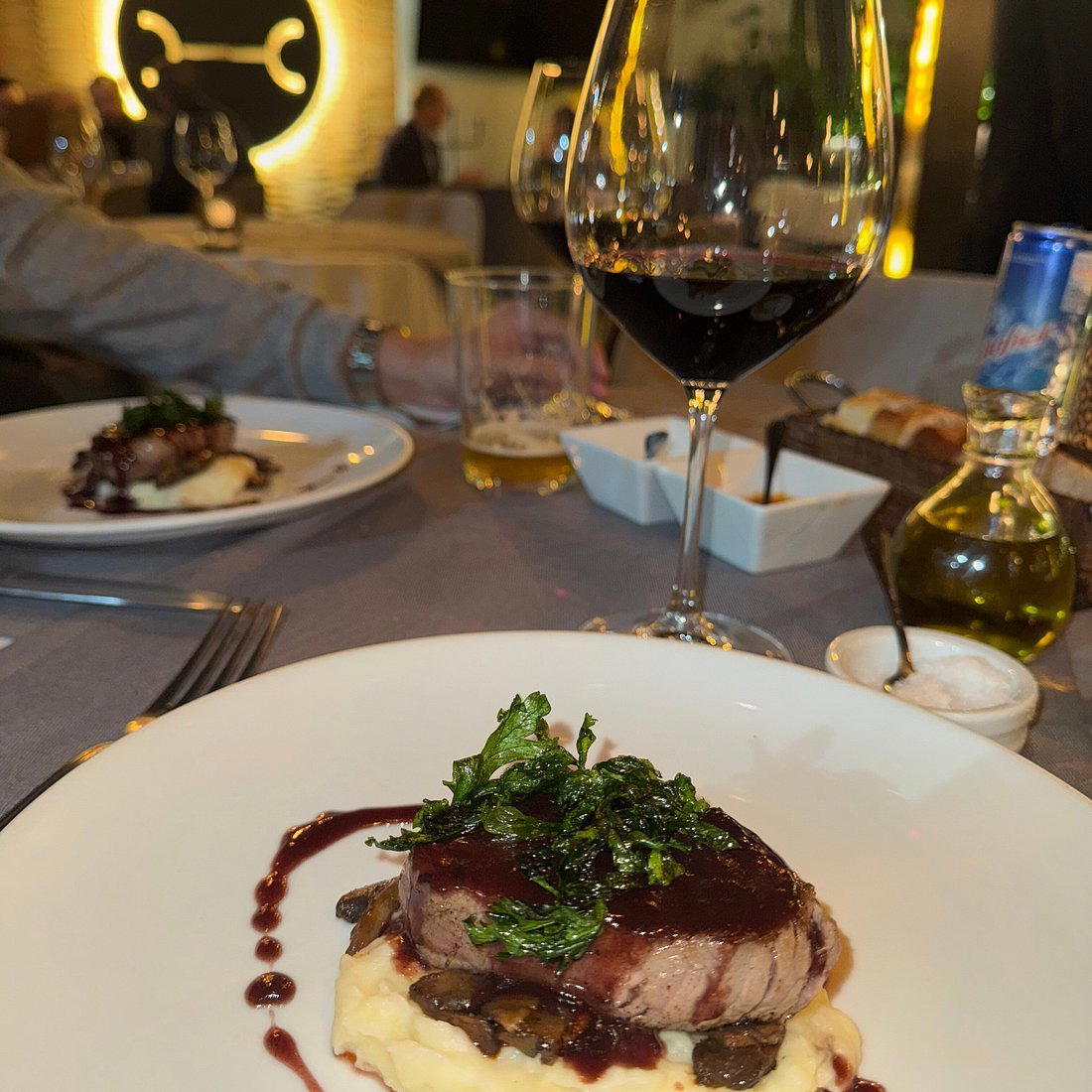
Bosques de las Lomas and the Restaurants That Don't Need to Shout
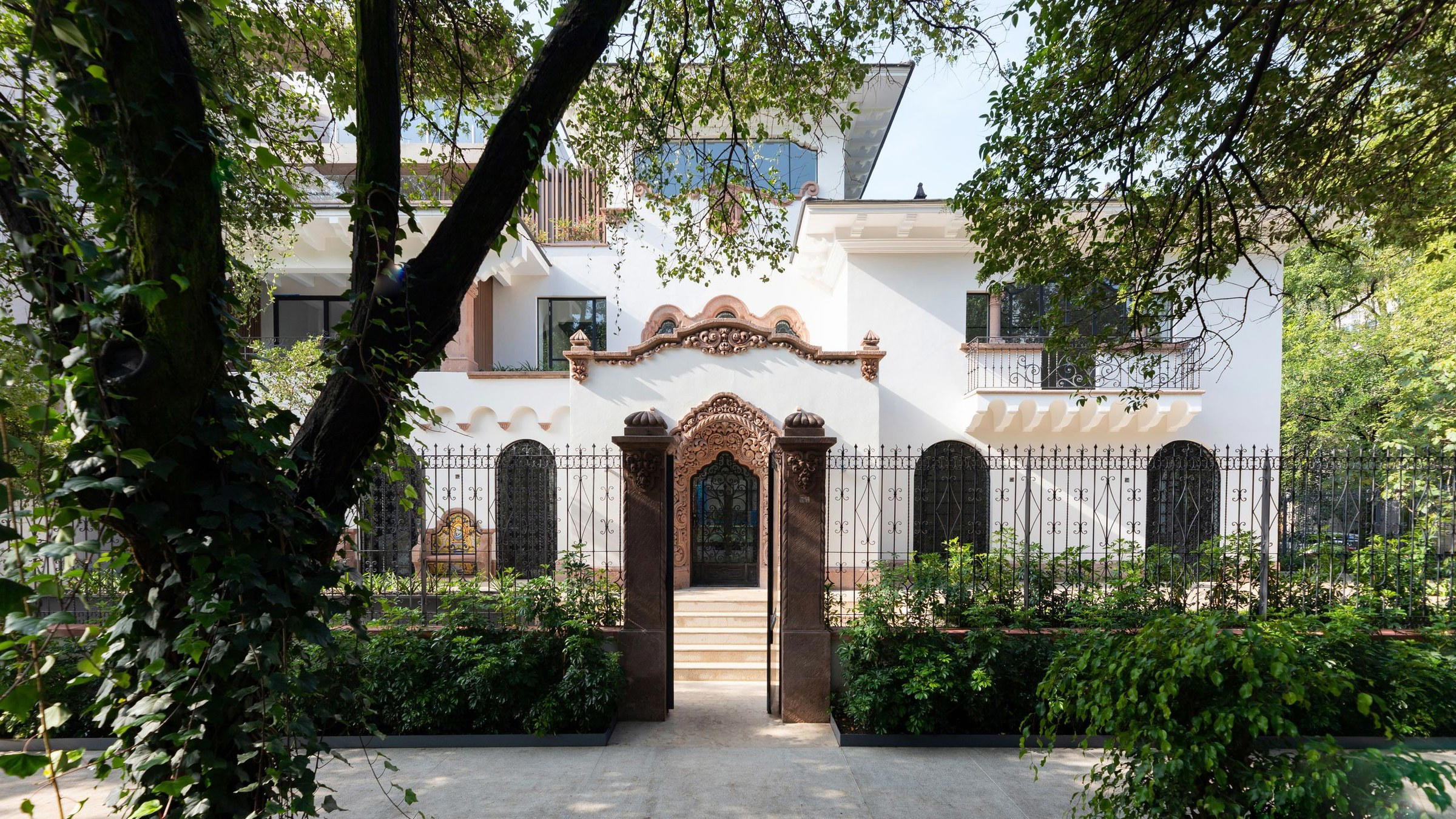
Mexico City's dining geography tends to resolve into a familiar shorthand: Polanco for international-facing fine dining, Roma and Condesa for the creative mid-market, Santa Fe for the corporate expense-account circuit. What that shorthand leaves out is the western residential corridor — Bosques de las Lomas and its surrounding colonia — where a different kind of restaurant has always operated. These are places sustained by proximity and repeat custom rather than coverage cycles, and La Mallorquina Arcos, on Paseo de los Tamarindos, belongs to that tradition. The address itself is a signal. Paseo de los Tamarindos is a tree-lined artery that moves through one of the city's more established residential zones, the kind of street where the pace is slower and the ambient noise is reduced. Arriving by car (the western colonias reward it), the shift from the city's central density is gradual but perceptible. The restaurant occupies a position in that corridor where the surrounding architecture is low-rise, the green cover is real, and the clientele tends to arrive knowing what they want.
Ingredient Sourcing as Editorial Argument
The broader arc of Mexican restaurant cooking over the past fifteen years has been shaped, more than almost anything else, by a reckoning with provenance. The generation of chefs who trained in Europe or in technically ambitious domestic kitchens returned with an argument: that Mexican ingredients, treated with the same rigour applied to European luxury produce, could sustain a comparable conversation at the table. That argument is now well-established at the city's reference points, Pujol has built its identity around it for two decades, Quintonil has pushed it into the botanical register, and Em has concentrated it into a tight tasting format. What's less discussed is how that sourcing logic has migrated outward from the flagship addresses into neighbourhood-level cooking, where producers and provenance matter for operational rather than marketing reasons: the kitchen buys what's available, builds the menu around reliable relationships with suppliers, and the result is a seasonality that isn't performed but structural.
This is the tradition La Mallorquina Arcos operates within. Mexico's ingredient geography is extraordinary in its range, highland and lowland markets within a few hours of the capital, Michoacán stone-fruit in spring, Oaxacan chiles year-round through established distribution networks, Gulf seafood that arrives overnight. For a diner arriving in late autumn or winter, that means the menu carries the specific character of highland growing seasons: root vegetables, dried and smoked preparations, the particular weight of corn in its late-harvest form.
Across Mexico more broadly, the sourcing conversation has regional dimensions that repay attention. Animalón in Valle de Guadalupe builds its identity around the specific produce of Baja's wine corridor. Levadura de Olla in Oaxaca operates within the deep fermentation and nixtamal traditions of the Valles Centrales. KOLI Cocina de Origen in Monterrey translates northern ranching culture into a contemporary format. HA' in Playa del Carmen and Le Chique in Puerto Morelos work the Yucatan Peninsula's coastal and jungle larder. Each of those addresses is shaped by where it sits geographically, and the leading Mexico City neighbourhood restaurants carry an analogous logic: the capital's position at the centre of a continental ingredient map gives its kitchens access to the full spectrum, and how that access is used defines the kitchen's argument.
The Competitive Tier This Address Occupies
Mexico City's restaurant pricing has stratified considerably since the mid-2010s. The top tier, Pujol and Quintonil at the $$$$ bracket, now prices against international fine dining peers as much as local competition. The creative mid-market, where Rosetta sits at $$ and Em at $$$, has become the most contested tier for both quality and critical attention. Sud 777 has operated in the southern colonias with a similar neighbourhood logic for over a decade, demonstrating that the city's serious cooking is not confined to its most photographed postcodes.
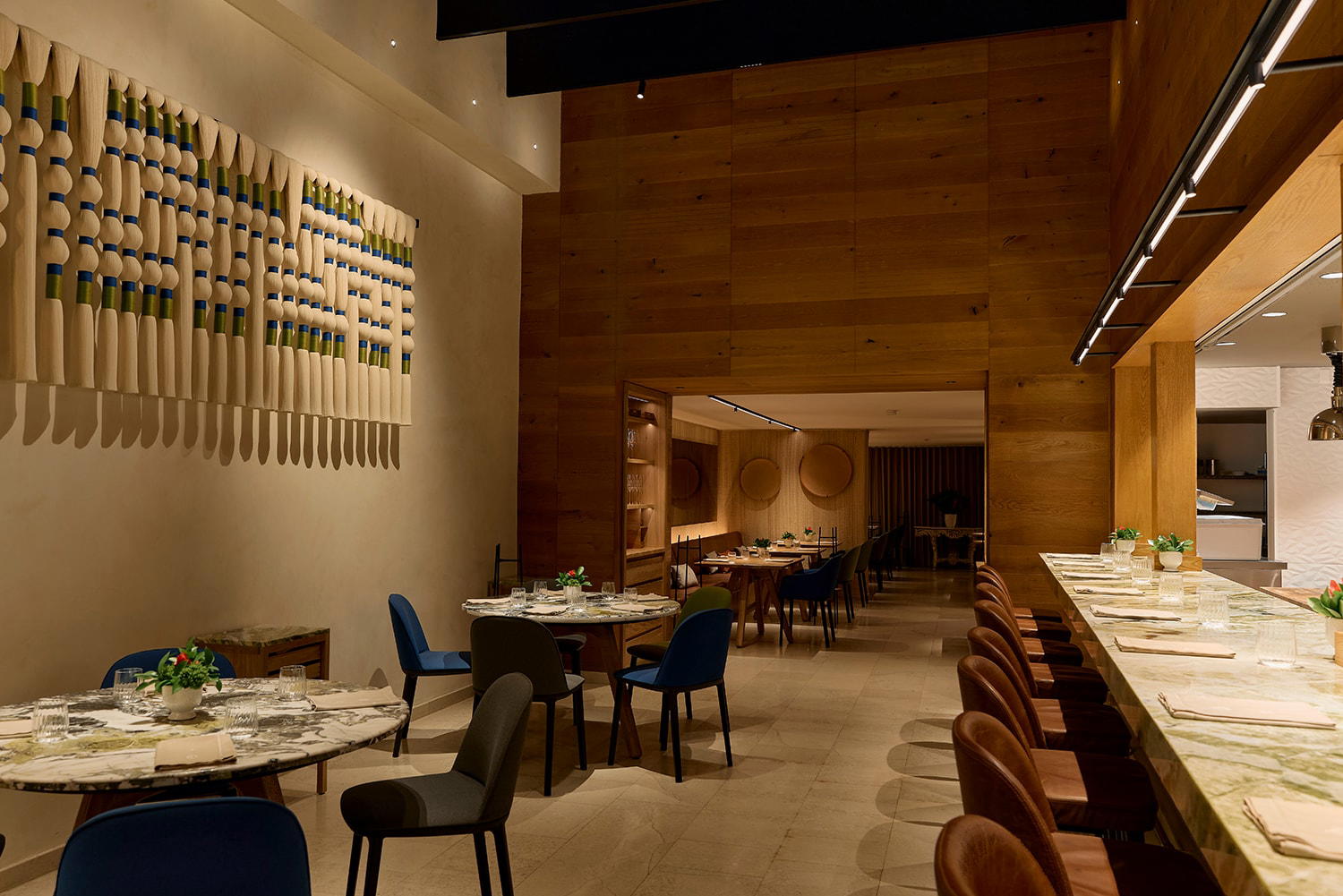
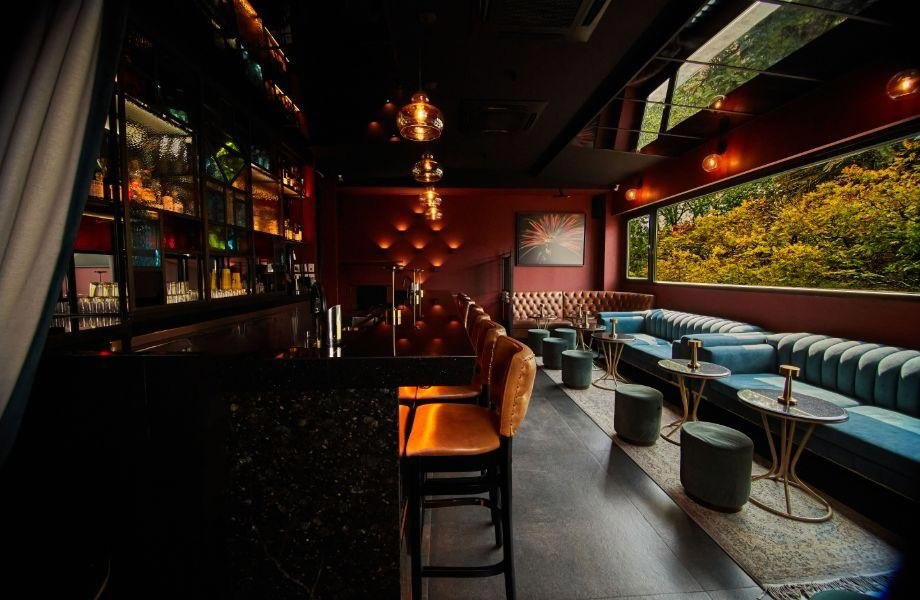
La Mallorquina Arcos occupies a position outside those coverage cycles. Without published pricing data, award citations, or a visible booking infrastructure in the public record, it functions as the type of address where the editorial signal comes from the neighbourhood itself and from the sustained presence at a specific location. Bosques de las Lomas restaurants at this address profile tend to serve a clientele that values consistency and discretion over spectacle, and the room's character reflects that. The room reads as adult, considered, and quieter than the Roma or Polanco alternatives, not a deficiency but a different register entirely.
Planning a Visit
Paseo de los Tamarindos 90 sits in Bosques de las Lomas within the Cuajimalpa de Morelos delegation, west of Polanco and south of the Pedregal. The most practical approach from the city centre is by car or app-based ride service; the western colonias are not well-served by Metro and the journey from central Roma or Condesa is typically 20 to 40 minutes depending on traffic, with the Reforma and Palmas corridors both offering viable routing. Given the residential character of the address and the absence of a visible online booking infrastructure, contacting the venue directly to confirm hours and reservation policy before visiting is advisable. The Bosques de las Lomas dining scene rewards planning: this is not a neighbourhood where a walk-in to a second option is easy if your first choice is closed.
For a broader orientation to Mexico City's dining scene across all neighbourhoods and price tiers, see our full Mexico City restaurants guide. For those extending travel beyond the capital, Alcalde in Guadalajara, Huniik in Merida, Pangea in San Pedro Garza Garcia, Lunario in El Porvenir, and Olivea Farm to Table in Ensenada represent the range of what serious Mexican restaurant cooking looks like outside the capital. For international comparison in the fine dining tier, Le Bernardin in New York City and Atomix in New York City illustrate the tasting-counter format at its most refined.
Questions Visitors Ask
- What's the leading thing to order at La Mallorquina Arcos?
- Specific menu items are not documented in the public record for this address, so any recommendation would be speculative. As a general principle, restaurants in the Bosques de las Lomas residential corridor tend to build menus around seasonal availability and reliable supplier relationships rather than fixed signature dishes. Asking the kitchen what is freshest on the day of your visit is the most useful strategy at an address of this type, particularly in autumn and winter when highland Mexican produce is at its most varied.
- Do I need a reservation for La Mallorquina Arcos?
- Given the residential character of the Bosques de las Lomas address and the absence of a visible online booking platform, a direct approach to the venue to confirm availability and reserve is advisable before visiting. Mexico City's neighbourhood restaurants in this tier often hold tables for regulars and may not maintain the kind of open-slot booking infrastructure common at higher-profile Polanco or Roma addresses. In a city where dining competition is intensifying across all price points, arriving without a reservation at a restaurant of this profile carries real risk.
- What's the standout thing about La Mallorquina Arcos?
- The address itself is the primary signal: Paseo de los Tamarindos in Bosques de las Lomas is a residential corridor that sustains restaurants through repeat neighbourhood custom rather than critical visibility. That dynamic tends to produce a room and a menu shaped by consistency and direct supplier relationships rather than by the demands of a tourist-facing profile or awards-cycle pressure.
- Is La Mallorquina Arcos good for vegetarians?
- Mexico City's neighbourhood restaurants vary considerably on this point: some maintain a strong vegetable-forward approach informed by the country's pre-colonial grain and legume traditions, while others are centred on meat. Contacting the restaurant directly, or consulting the venue's website when available, is the only reliable way to confirm what the current menu supports for guests with dietary requirements.
- Should I splurge on La Mallorquina Arcos?
- Pricing is not published in the available record. In the broader Mexico City context, restaurants in Bosques de las Lomas at a residential address tend to price at or below the Polanco fine-dining tier, targeting a neighbourhood clientele for whom value over time matters as much as a single exceptional occasion. Whether the spend is justified depends on what the kitchen is doing on a given day, which is leading assessed through direct contact or recent diner accounts.
- How does La Mallorquina Arcos fit into the tradition of Spanish-influenced cooking in Mexico City?
- The name carries a clear reference point: La Mallorquina is one of Madrid's oldest confectionery and restaurant addresses, operating since 1894, and the Mallorquina heritage suggests a thread of Spanish culinary influence that runs through Mexican cooking in ways that are often underacknowledged. Mexico City has a long history of Spanish immigrant restaurant culture, particularly in the Lomas and Polanco areas, where Basque, Catalan, and Castilian cooking traditions arrived with mid-twentieth-century migration and were gradually absorbed into the city's wider restaurant vocabulary. Whether this venue draws directly on that lineage or uses the name as a different kind of marker is a question leading put to the kitchen directly.
Continue exploring
More in Mexico City
Restaurants in Mexico City
Browse all →
Bars in Mexico City
Browse all →




At a Glance
- Classic
- Elegant
- Cozy
- Date Night
- Family
- Group Dining
- Historic Building
- Extensive Wine List
Current opening hours
- Monday
- 1–11 PM
- Tuesday
- 1–11 PM
- Wednesday
- 1–11 PM
- Thursday
- 1–11 PM
- Friday
- 1–11 PM
- Saturday
- 1–11 PM
- Sunday
- 1–6 PM
Hours can change for holidays and private events. Last verified .
Warm and refined atmosphere with professional service, nice ambiance noted by diners.
Know Before You Go
- Getting there
- P.º de los Tamarindos 90, Bosques de las Lomas, Cuajimalpa de Morelos, 05110 Ciudad de México, CDMX, Mexico